
Cavalier King Charles Spaniel






Warning: Illegal string offset 'label' in /home/panda/sites/zoonika/wp-content/themes/zoonika/template-parts/animals/animals-param-item.php on line 32
Ð


Breed Description
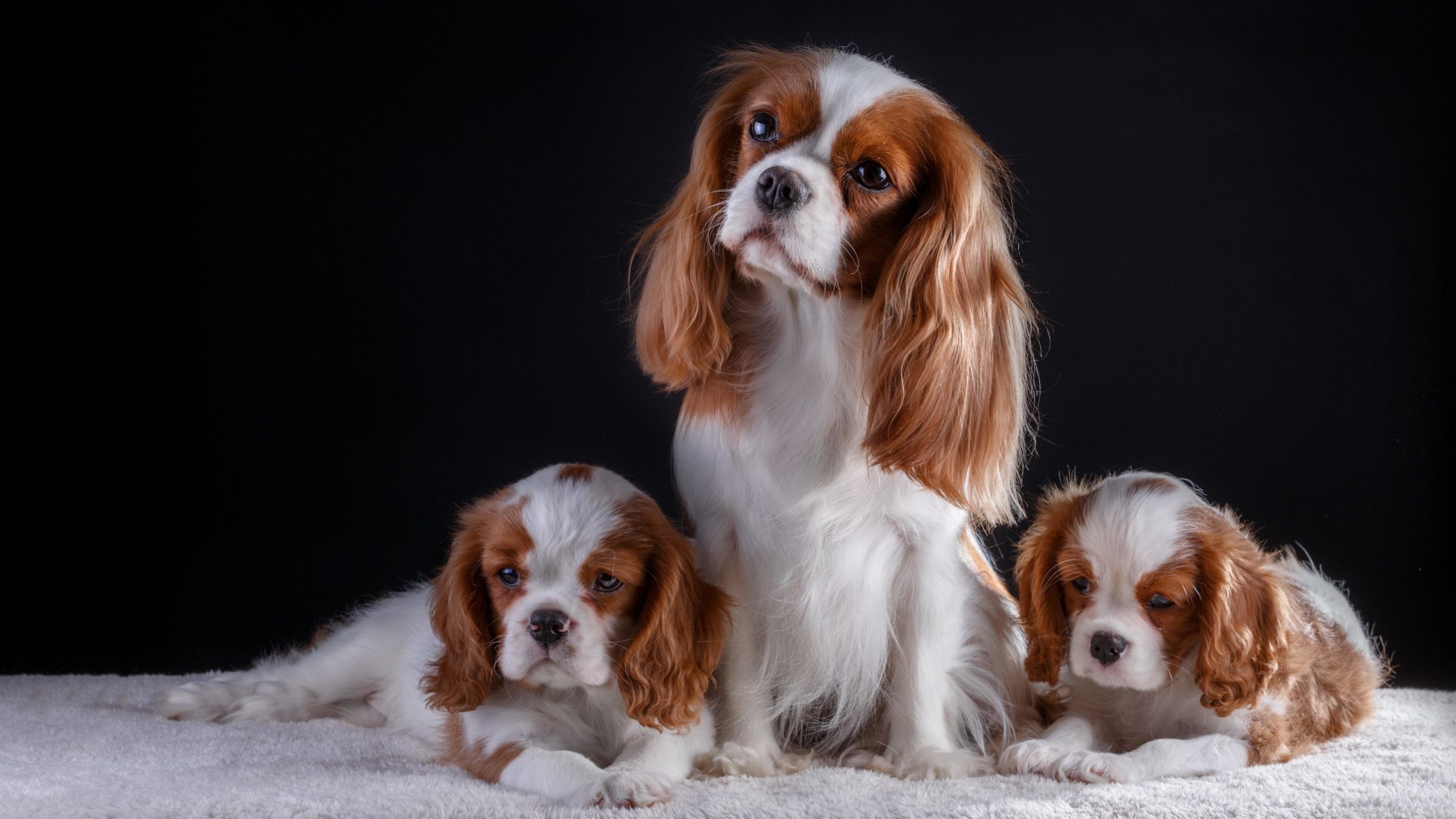
The Cavalier King Charles Spaniel is a dog that loves comfort and cannot imagine itself in a kennel. Their gentle appearance with floppy ears matches their soft character, making them ideal companions for playing with small children. This breed is miniature and enjoys spending time next to its owner or on their lap. The breed was developed through crossings between King Charles Spaniels and Pugs, which resulted in their distinctive feature – a short nose.
The ancestors of Cavaliers are documented in many historical oil paintings by great masters. Medieval writings already describe this small spaniel as a service dog. It was a playmate for children and warmed the beds of noble ladies at the courts of English kings. Anthony van Dyck portrayed small spaniels in his “Portrait of the Children of Charles I” as early as 1635, showing two of these spaniels with the king’s children. Later, the dogs were named after this king and have since been called “King Charles Spaniel.” Since spaniels primarily served as companions, they fell victim to humans’ desire for something special and extravagant over 200 years ago. They were bred to increasingly extreme specifications: shorter muzzles, deeper-set eyes, rounder heads.
The little spaniel not only had a royal name but also received special interest from kings and queens. Elizabeth I and her rival Mary Stuart kept such small spaniels. When breeders wanted to change the name to Toy Spaniel around 1900, King Edward VII reportedly personally prevented this request. Unfortunately, this did not protect the little dog from breeding mistakes. In the end, the old King Charles Spaniel was almost unrecognizable. This drew the attention of dog lovers who wanted to revive the old type.
In the early 1920s, an American entrepreneur allocated a significant amount of money to breed dogs modeled after historical paintings. The new small spaniel quickly gained popularity, and to this day, there exists a large community of enthusiasts for this breed around the world, all thanks to its calm and devoted nature, making it an ideal companion for humans.
Cavalier King Charles Spaniels are a dog breed that combines antiquity and novelty. However, its rapid success came at the cost of limited breeding. Unfortunately, this has led to hereditary diseases, such as the plague, that affect almost all of them. Ironically, this occurred with a breed recently created by its ancestors as a healthy and prolific answer to the new fascination of dog lovers.
Spaniels have a strong prey instinct and love to chase small moving objects and animals, including low-flying birds and butterflies. The best home for them is a house with a fenced yard, where they can enjoy a couple of long daily walks to maintain their energy levels.The lifespan of a Cavalier King Charles Spaniel largely depends on how it is affected by hereditary diseases. According to the British Kennel Club, the average age is just 10 years.
Appearance
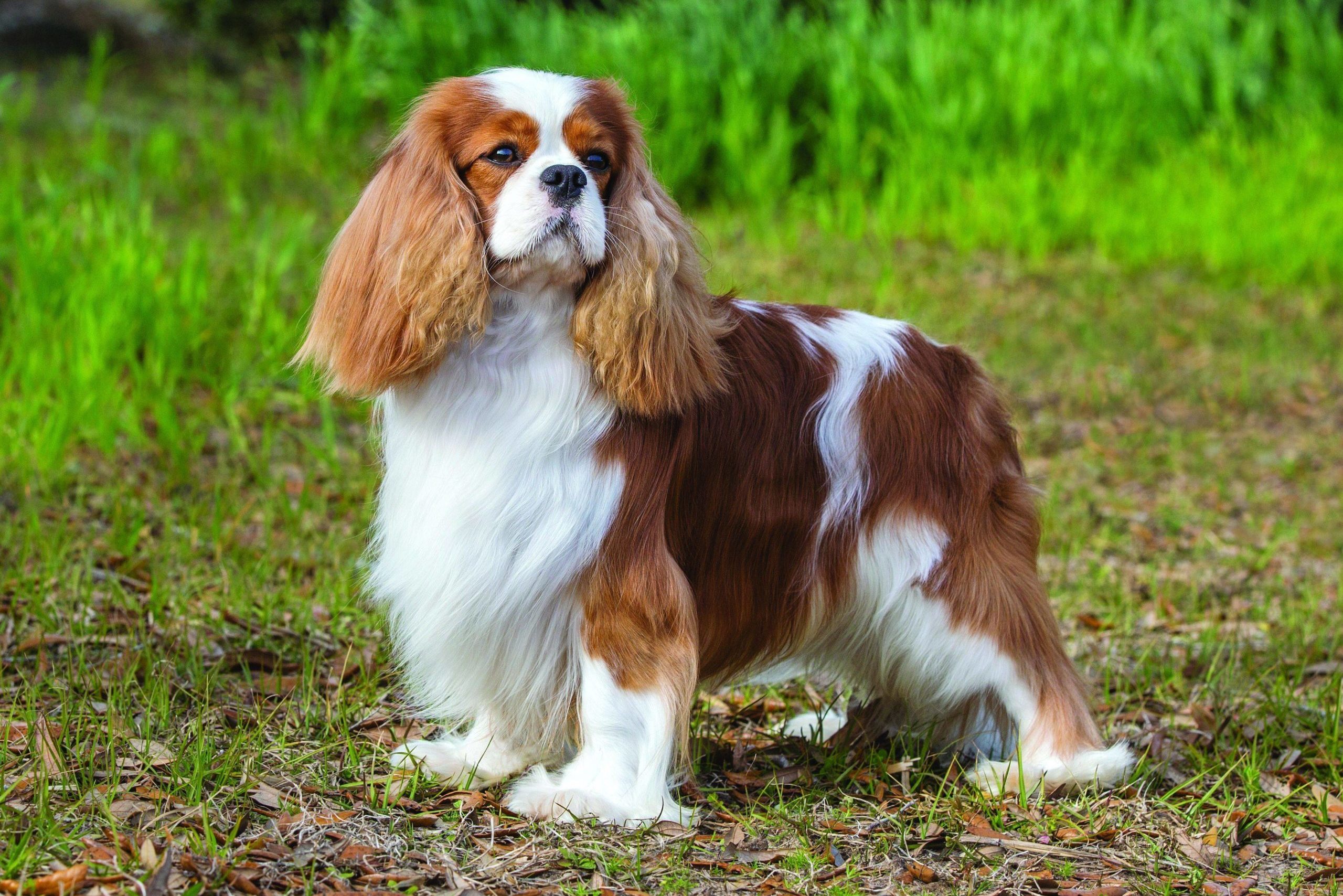
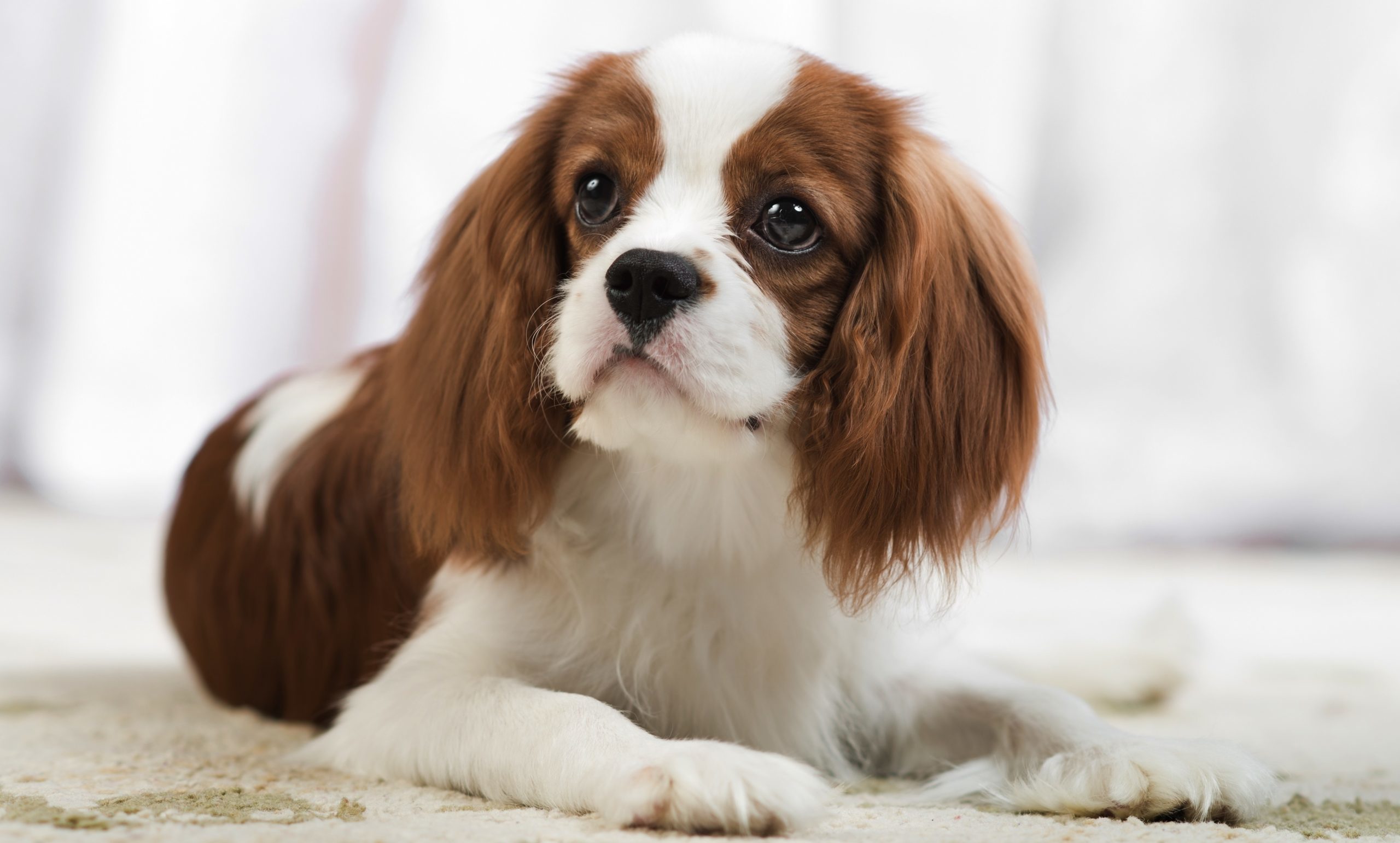
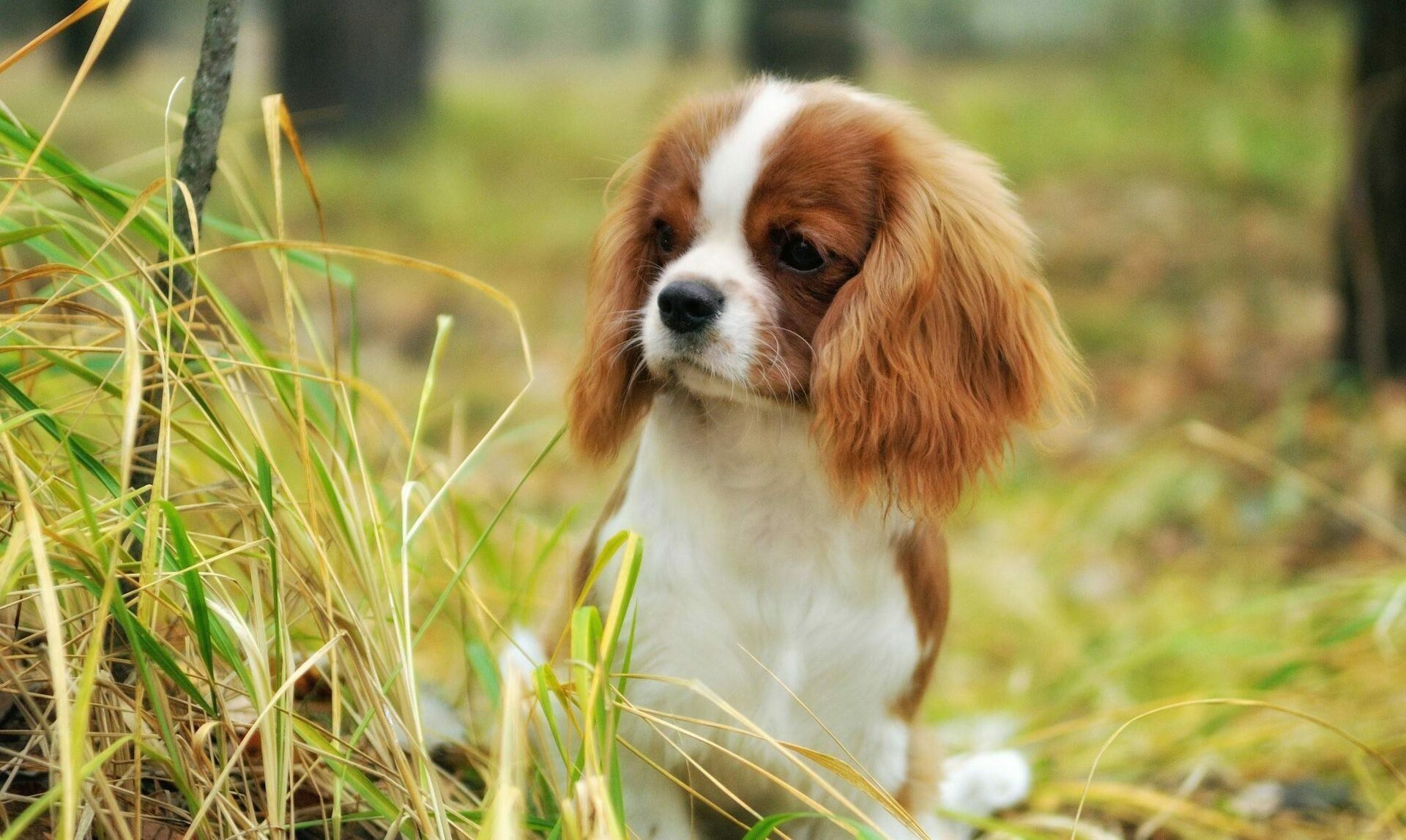
The Cavalier King Charles Spaniel, also known as Charlie or Cavalier, is a descendant of the ancient companions of British aristocracy. The breed’s character is marked by tenderness, gentleness, and balance. The appearance of the Cavalier reflects a classic spaniel look, yet is unique and exclusive.
The Cavalier King Charles Spaniel is a small dog standing just over 31 cm tall and weighing 6 to 8 kg, while being slender and well-balanced in structure. The breed is characterized by high energy, grace, and composure, along with a cheerful disposition. They are known for their excessive affection and friendliness.
This friendly breed’s character, combined with impeccable appearance and royal elegance, is key to its success. The Cavalier King Charles Spaniel looks majestic and refined, charmingly cute and attractive at the same time. The overall impression of the breed is active, graceful, and balanced, with a light expression on the face.


Отличительные черты

Голова

Морда

Уши

Глаза

Зубы

Корпус

Конечности

Хвост

Шерсть

Окрас
Character
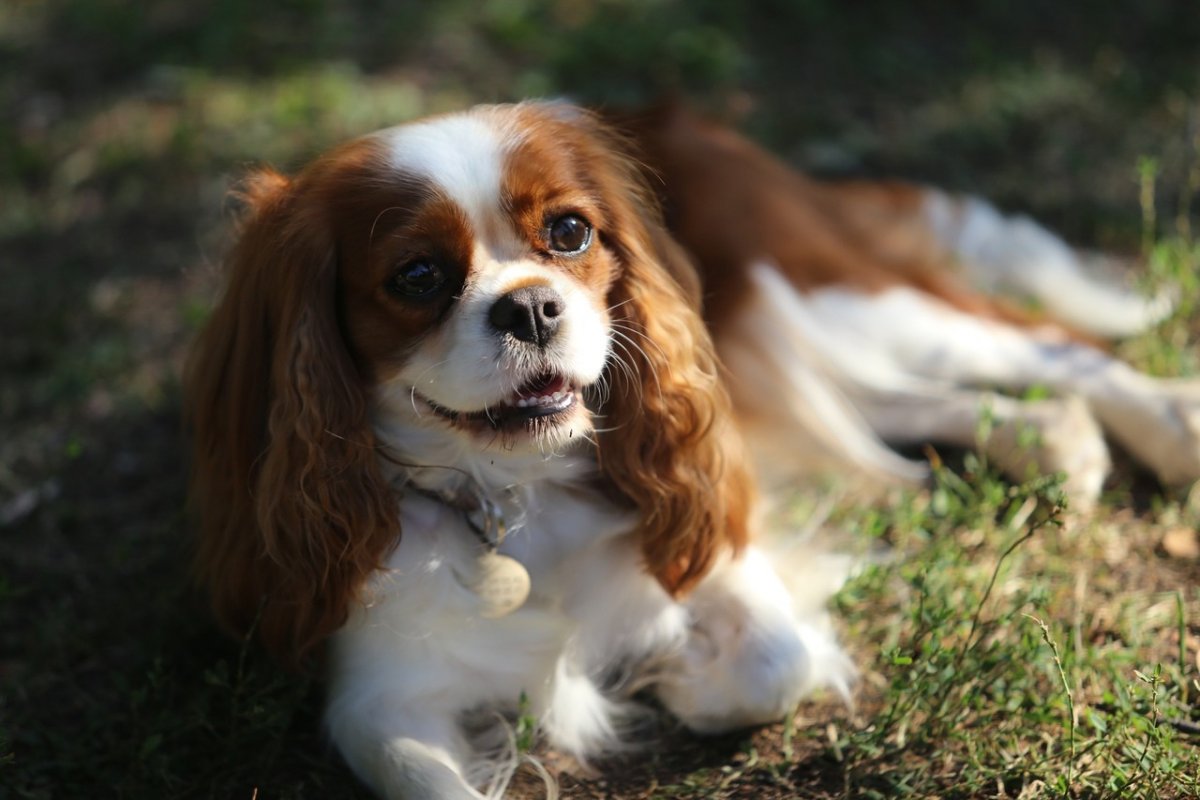
The Cavalier King Charles Spaniel is an excellent home companion-loyal, sweet, and devoted. It is hard to find another dog that relates to humans with such calmness. This small spaniel is perfect as a companion in modern large cities. A dog is the best remedy for everyday stress. They are low-maintenance and can comfortably live in your apartment. Cavaliers are ideal for residing with elderly people. These dogs exhibit almost no aggression. They need gentle and loving treatment from their owners and are ready to return that love tenfold. Thus, a strong bond can form between the owner and this little four-legged friend.
Cavaliers get along wonderfully with other animals and always radiate friendliness and joy. They are always happy to meet people, even strangers. Therefore, they seem perfectly suited for today’s chaotic and often hostile environment towards dogs. Although they are quiet and gentle, they are still dogs, and spaniels at that. They want attention, love, and need to go for walks in nature. They also enjoy jumping into lakes, a tradition of spaniels.
Their character is a mix of affection, absolute fearlessness, and a love for sport. Their temperament is vibrant, filled with boundless joy, friendliness, non-aggressiveness, and lack of nervousness.
Cavaliers make ideal family pets and are very versatile. They love sitting on your lap for hours but are always ready to jump up and play with anyone willing to have a little fun. They get along particularly well with older children, but supervision is needed with younger ones to ensure that both the dog and the child play nicely. Keep in mind that Cavaliers do not like to be left alone for long hours, so make sure someone is always around to keep them company.
Cavaliers are exceptionally affectionate, especially towards their owners, forming strong attachments, but they also love all strangers! Generally, they have a calm demeanor, making them great apartment companions. They love the chance to snuggle up on your lap, but are also always ready for an adventure. They are intelligent and athletic, excelling particularly in bird watching.
They have large, dark puppy eyes and definitely know how to use them to get what they want, so be careful not to spoil them too much. They are likely to follow you around the house and feel uneasy if left alone, so ensure someone is always there to keep them company.Cavalier King Charles Spaniels love to play with cats, especially if the cat enjoys active games. However, Cavaliers have a strong hunting instinct, so do not leave them alone with other animals unsupervised. It is advisable to introduce them to cats early in the socialization process to control their play confidently. However, they generally interact excellently with other dog breeds.Overall, Cavaliers are peaceful and learn new commands effortlessly. They are quiet and calm at home but prefer long runs outside. Cavaliers are known for their gentle demeanor and therefore do not make good guard dogs. However, the Cavalier Spaniel is ready to learn and do amazing things like participate in sports competitions or companion tests. While training Cavaliers requires patience and mutual trust, it is worth it to create harmony in shared life and ease the upbringing of children.
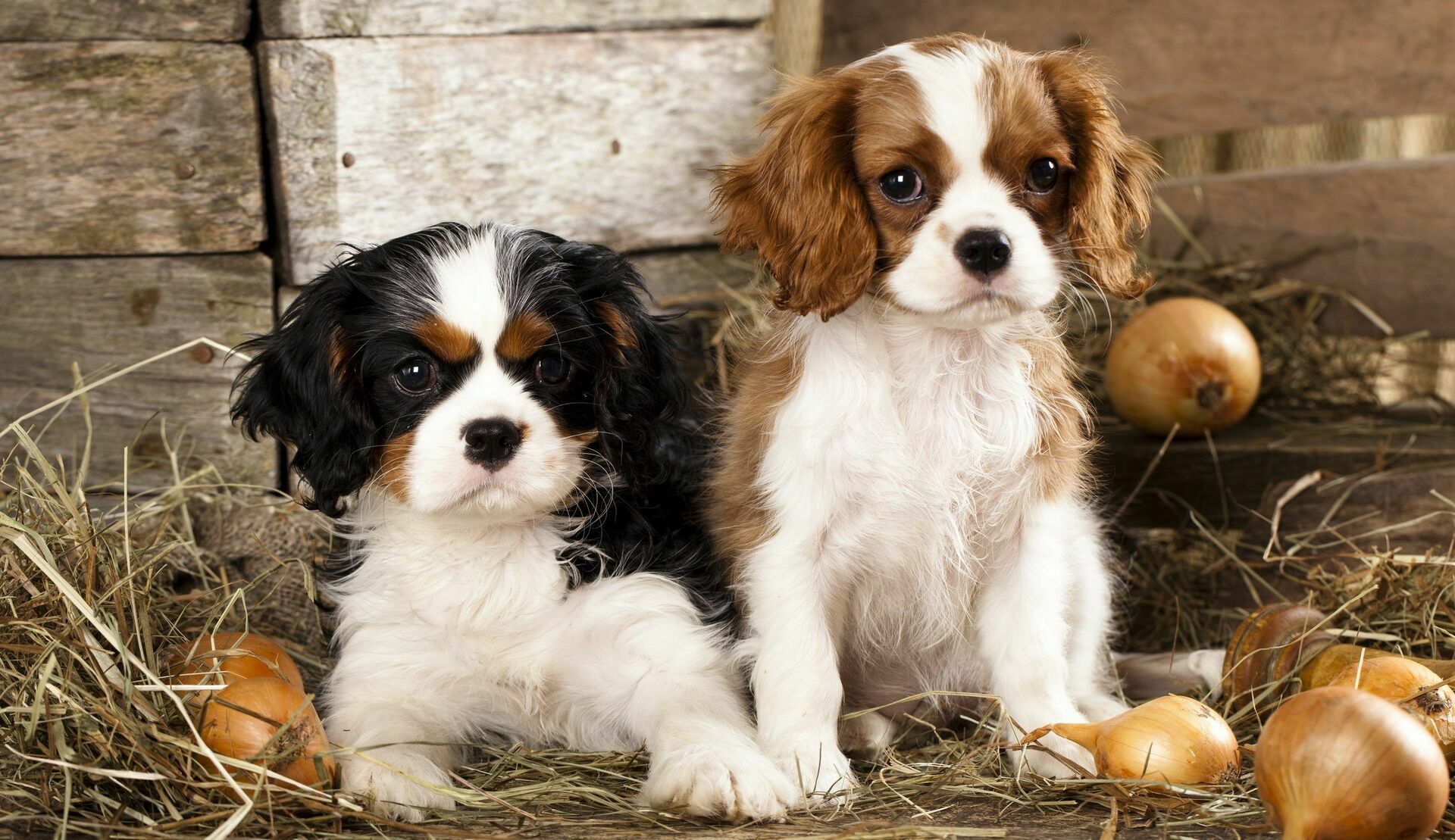
Blenheim - a breed hallmark.
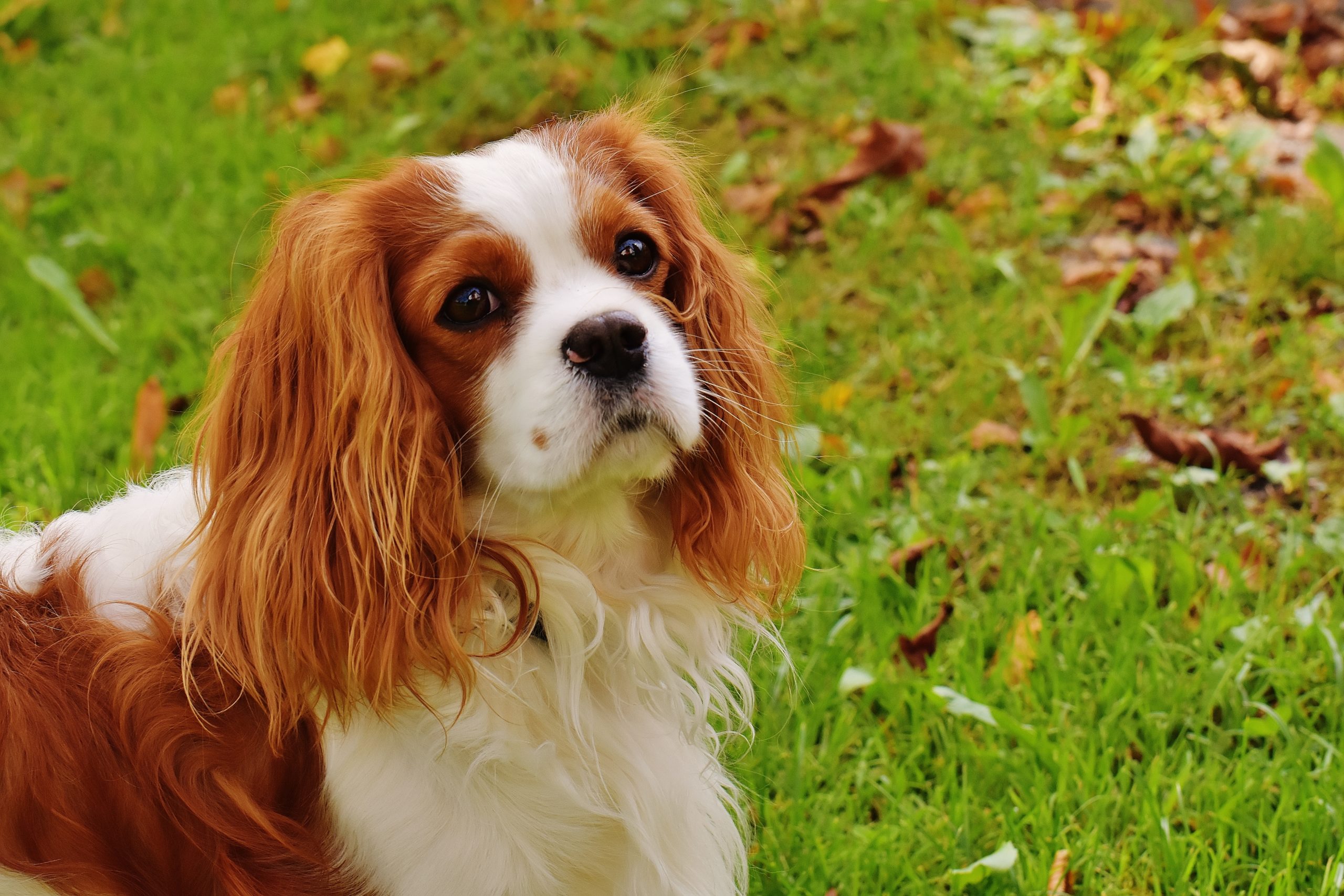
A distinctive feature of the breed is the Blenheim spot, named after the famous Battle of Blenheim. It consists of symmetrical patches resembling the shape of an hourglass, located on the forehead. Additionally, there is always white space between these patches.Care and Maintenance
This breed is fairly easy to care for and maintain. In addition to regular brushing 3-4 times a week, they should also be bathed every two weeks or as needed. Be sure to brush thoroughly around the ears and behind the legs, as tangles and matting often occur in those areas due to the coat. While some owners prefer to trim this breed’s coat, it’s perfectly fine to let it grow naturally.
Regularly check your Cavalier’s ears and wipe them with a cotton ball to prevent buildup. Trim their nails if they don’t wear them down naturally. Make it a habit to check them each time you groom, looking for sores, rashes, painful spots, infections, etc. It’s best to notice these issues early on before they become too serious.
Cavaliers have a medium shedding level due to their beautiful silky coats, with the most shedding occurring in the spring and fall. Regular brushing two or three times a week can help remove dead hair, preventing it from gathering on the floor, furniture, and clothing. However, if you’re concerned about dog hair in the house, this breed might not be for you, as spaniels are not suited for outdoor living.
Charles does not have any special dietary requirements. Of course, quality food is beneficial for his health. Like most dogs, he also enjoys meaty beef bones and fresh meat.
For proper nutrition, Cavaliers should be fed only high-quality dog food suitable for their age. Some Cavaliers are predisposed to obesity, so it’s important to monitor their calorie intake and control their weight. When giving treats, moderation is key.
Treats can aid in dog training, but overindulgence can lead to excess weight. Additionally, table scraps should be included in their diet sparingly, if at all, and should not contain cooked bones or high-fat foods. If there are any concerns about your pet’s weight or diet, consult a veterinarian.
The dog is an extrovert.
The Cavalier King Charles Spaniel is a classic extrovert; it finds potential friends in every new person and is ready to fully open up and share its most cherished secrets.Training and Education
Charles does not have specific requirements for training, but for an experienced and reputable breeder, it is crucial that the pet undergoes at least a basic training course.
Training spaniels does not pose serious problems. They respond well to gentle obedience training, but to achieve the best results, they need a dominant and clear leader.
When it comes to training, Cavaliers are usually smart and eager to try whatever you ask of them. Food rewards and positive reinforcement help ensure that training goes smoothly. Cavaliers have a gentle nature, so yelling at them is counterproductive and is likely to make these sweethearts sulk or hide. Instead, reward them each time you notice them doing something you like, whether it’s chewing a toy instead of your Prada shoes or not barking back at the neighbor’s dog. They will go to great lengths to find more things that please you.
They are intelligent and easy to train, and Cavaliers excel in various dog sports, including obedience and rally.
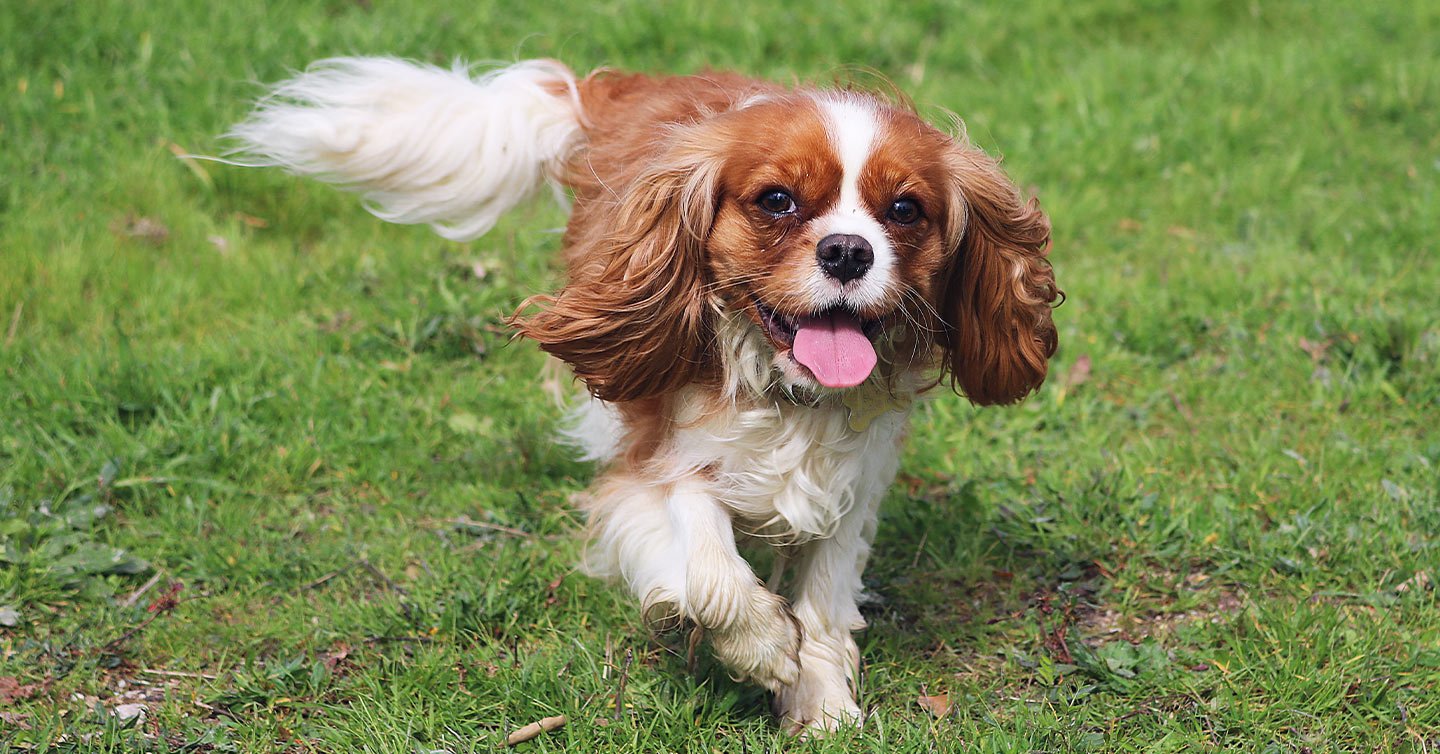
Although the Cavalier King Charles was bred as a beloved companion dog, this breed has hunting dog genes and enjoys light exercise and active pastimes. They will happily join their owner for a walk and perform well in various dog sports, but they are equally content to stay on the couch all day. Cavaliers should not be let off-leash as they retain their scent and hunting instincts, and they may not come when called if they find an interesting trail or creature to pursue. A fenced yard is recommended.
Your Cavalier will enjoy daily walks or playtime in the yard, and he will adjust his activity level to yours. They can adapt to whatever amount of exercise you can provide, but they need regular activity; otherwise, they will gain weight. At zoos, you’ll find the best options, offering puppies with pedigrees.
Tactile dogs
Cavalrymen are passionate admirers of tactile contact. Caressing, stroking, and scratching are extremely necessary for them; that’s why dogs are drawn to children.
How to Choose a Puppy
When selecting a Cavalier King Charles Spaniel puppy, it’s important to pay attention to both its appearance and behavior, as well as the documentation, to ensure that it will grow up healthy and meet breed standards. Start by choosing a reliable kennel registered with an official cynological organization, such as FCI or its national branches. A reputable breeder will provide complete information about the puppy’s parents, their pedigree, achievements at shows, and health test results.
The puppy should be active, playful, and friendly, showing interest in surrounding people and the environment. Pay attention to its appearance: the puppy’s coat should be soft and shiny, its eyes clear and free from discharge, and its nose clean and moist. The puppy should move freely, without limping or other mobility issues. Its ears and skin should be clean, without signs of irritation or unpleasant odors.
Documents confirming the puppy’s breed and health are essential. The puppy’s registration card or certificate should include information about its pedigree, including the titles and achievements of the parents. Ensure that the puppy’s parents have been tested for hereditary diseases characteristic of the breed, such as heart conditions (mitral valve endocarditis), eye problems (cataracts or progressive retinal atrophy), and hip dysplasia. A responsible breeder will provide the appropriate certificates and test results.
The puppy’s veterinary passport should list all vaccinations, deworming, and overall health condition. It is also helpful to meet the puppy’s parents, or at least one of them, to evaluate their behavior, temperament, and adherence to breed standards. The parents should be calm, friendly, and balanced, which is important for fostering the correct temperament in the puppy.
The living conditions in the kennel also matter greatly. Puppies should grow up in a clean and comfortable environment where they are socialized and have ample contact with people. This will help avoid adaptation and behavioral issues in the future. Making a responsible choice when selecting a Cavalier King Charles Spaniel puppy, considering its health, character, and documentation, will ensure that the dog grows into a harmonious and well-rounded representative of the breed. Looking for a purebred pet? At Zooinika, you can find documented puppies from trusted breeders.
Health and Diseases
The Cavalier King Charles Spaniel is a breed known for its affectionate nature and active lifestyle, but it has several hereditary diseases that owners should consider. One of the most common issues is mitral valve endocarditis, a heart condition frequently seen in Cavaliers. It can manifest in middle or older age, making regular check-ups with a cardiologist essential for early detection.
Another characteristic of the breed is a predisposition to eye diseases. Cavaliers may develop cataracts, progressive retinal atrophy, and other vision impairments. Regular visits to a veterinary ophthalmologist can help monitor eye health and provide timely treatment. The breed is also susceptible to a hereditary condition known as syringomyelia, associated with skull development anomalies, leading to pain and neurological symptoms. This condition requires careful diagnosis and ongoing management.
Cavaliers are prone to hip dysplasia, which can cause discomfort and limit mobility, especially in older age. Regular moderate physical activity and weight management can help reduce strain on joints. Additionally, the breed may experience patellar luxation, necessitating careful observation and, in some cases, surgical intervention.
Due to their skull structure, Cavaliers can sometimes face breathing issues, such as brachycephalic syndrome. This may present as snoring, difficulty breathing, or fatigue after exercise. Ensuring comfortable conditions, avoiding overheating, and moderating physical exertion can help minimize risks.
The breed is also prone to obesity if not provided with adequate physical activity or overfed. Monitoring diet, engaging in regular walks, and active play can help maintain optimal weight and overall health. Regular prevention measures, vaccinations, parasite control, and timely veterinary check-ups are crucial for maintaining the health of a Cavalier King Charles Spaniel, which can live 12 to 15 years while remaining active and cheerful with proper care. Thinking about it? There’s a vast selection of ads on the Zoonyka map sorted by cities.

Содержание
-
1. Описание породы
-
2. Внешний вид
- 2.1 Голова
- 2.2 Морда
- 2.3 Уши
- 2.4 Глаза
- 2.5 Зубы
- 2.6 Корпус
- 2.7 Конечности
- 2.8 Хвост
- 2.9 Шерсть
- 2.10 Окрас
-
3. Характер
-
4. Содержание и уход
-
5. Дрессировка и обучение
-
6. Как выбрать котенка
-
7. Здоровье и болезни






Comments
Only registered users can leave reviews.
Enter