
Bullmastiff




Warning: Illegal string offset 'label' in /home/panda/sites/zoonika/wp-content/themes/zoonika/template-parts/animals/animals-param-item.php on line 32
Ð


Breed Description
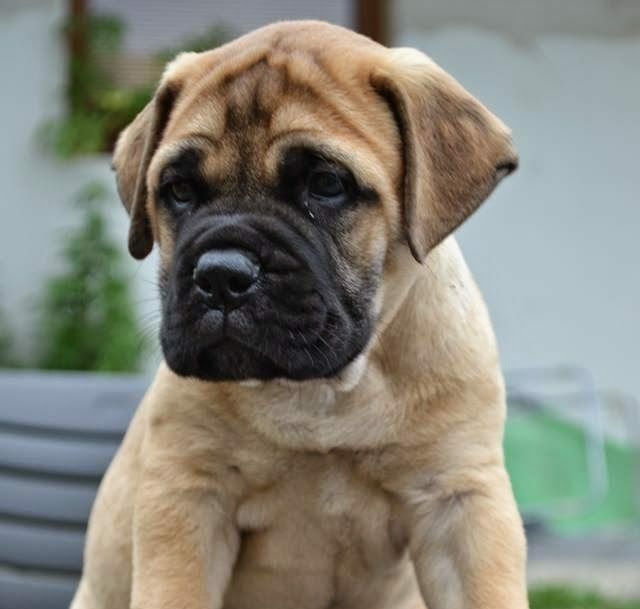
The Bullmastiff is one of the most prestigious dogs from the Foggy Albion. It is a relatively young breed that was developed in the 19th century. Initially, these dogs were used as excellent guards, helping gamekeepers to protect livestock and track down poachers. The enormous mastiffs were capable of performing these tasks, as an adult dog could easily apprehend or even defeat an armed poacher. However, their bulk and slowness made them unsuitable for such roles. Old English Bulldogs, fierce dogs with powerful jaws, were much nimbler than their “senior” counterparts, but they were not large enough to hold back or overcome an adult human. Thus, something different was needed.
In creating a new dog, gamekeepers crossbred their mastiffs with Old English Bulldogs, resulting in a wonderful dog that possessed the necessary strength, obedience, agility, and even color. These dogs became known as Bullmastiffs. Preference was given to those with a brindle coat, as they were less noticeable in the evening and at night, blending in with the terrain.
According to some sources, several specially selected dogs were transported to South Africa for guarding diamond mines, where diamonds are still extracted today. It is quite possible that due to this fact, a legend spread around the world claiming that mastiffs were given pieces of meat containing diamonds to polish them in their stomachs. Allegedly, after this, the stones would naturally exit the animal’s intestines, after which they were washed and made into jewelry or sold on the exchange.
But one thing is certain: Bullmastiffs are strong, resilient dogs with an extraordinary sense of smell like that of hounds, combined with the intelligence, strength, and ferocity of mastiffs and bulldogs, as well as remarkable loyalty and affection for their owner. Capable of making independent decisions, Bullmastiffs often participate in search and rescue operations alongside St. Bernards.
Breeders are working diligently to make the breed a family companion. It should be noted that they are quite successful in this endeavor, and the Bullmastiff, once a terrifying nightmare for poachers, has gradually become a family dog with innate guarding skills. Possessing a rather intimidating appearance, the movements of this powerful dog are very graceful. Like a lion, the dog can leisurely accompany its owner, scanning the surroundings with a wise and attentive gaze.
Appearance
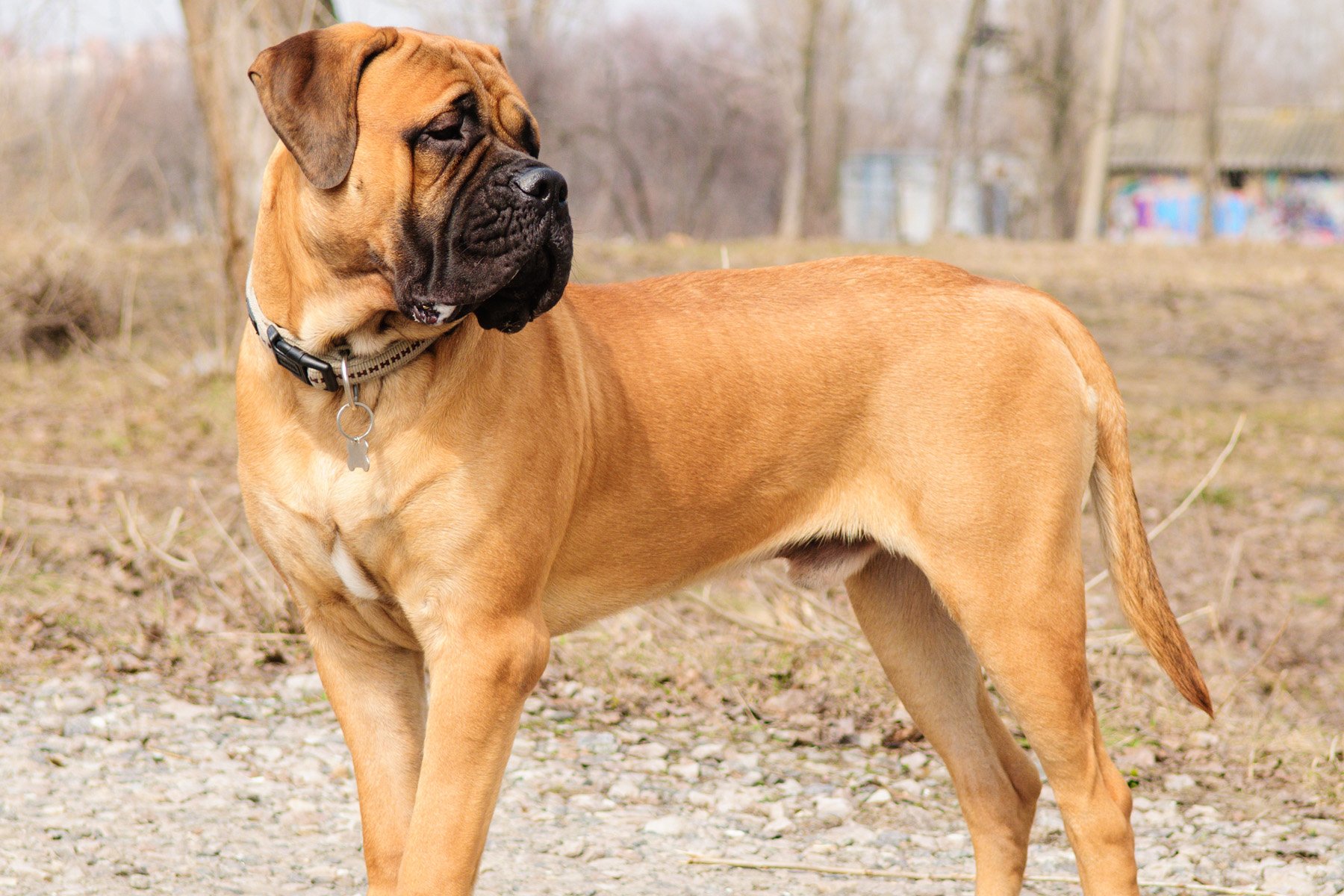
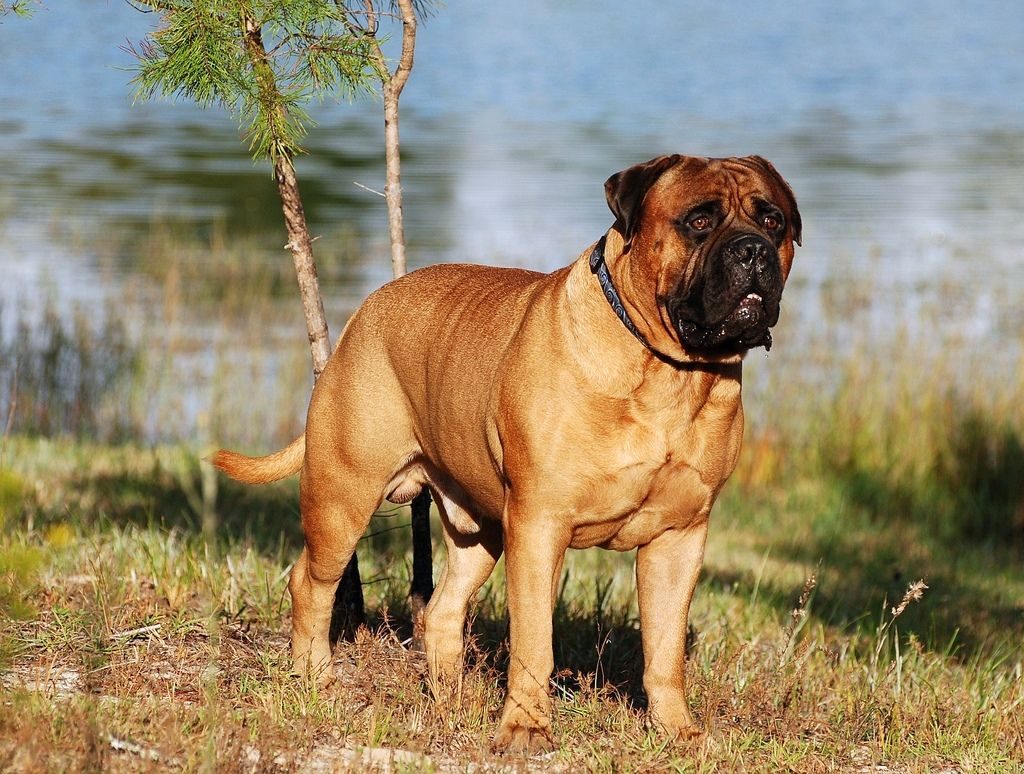
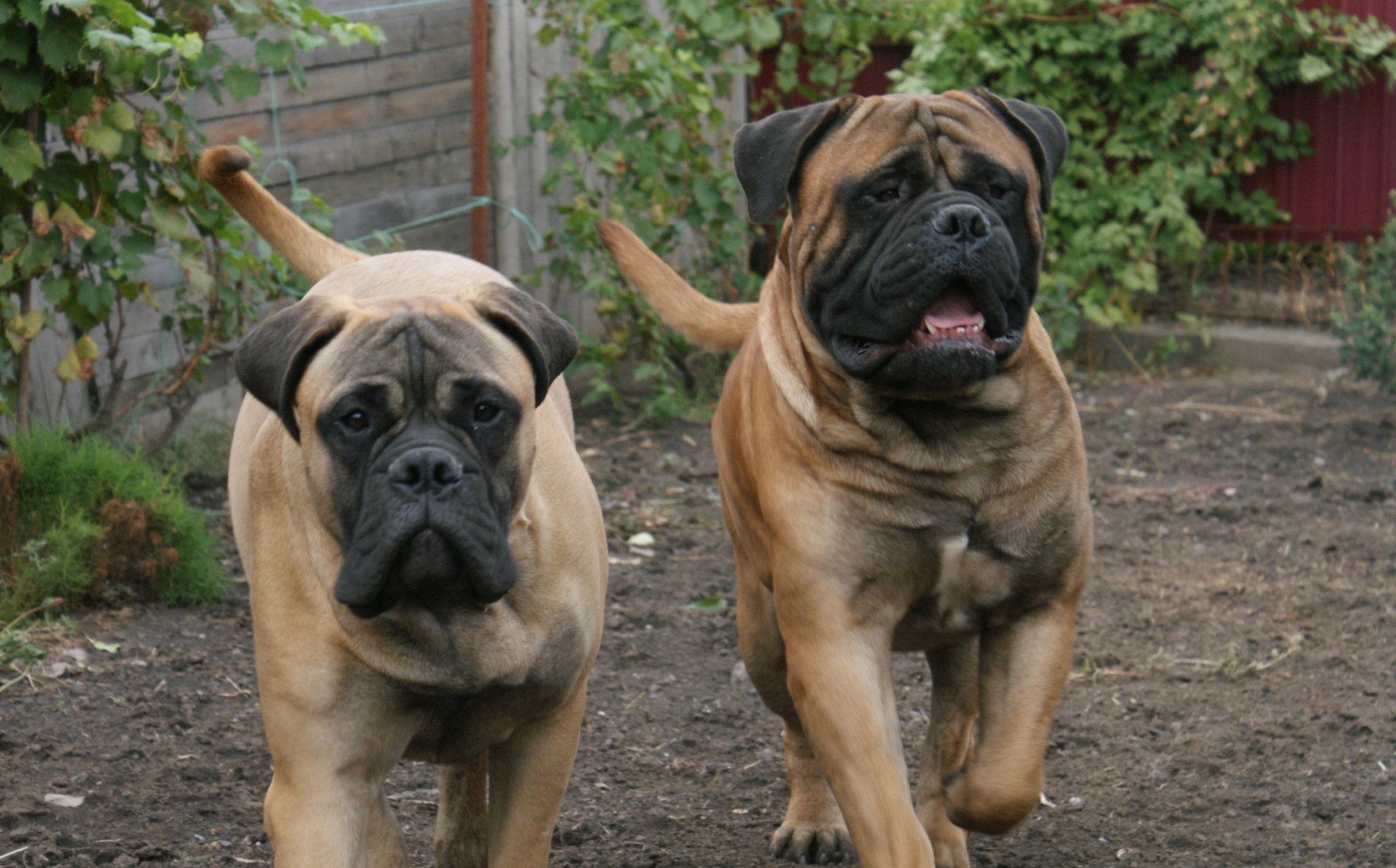
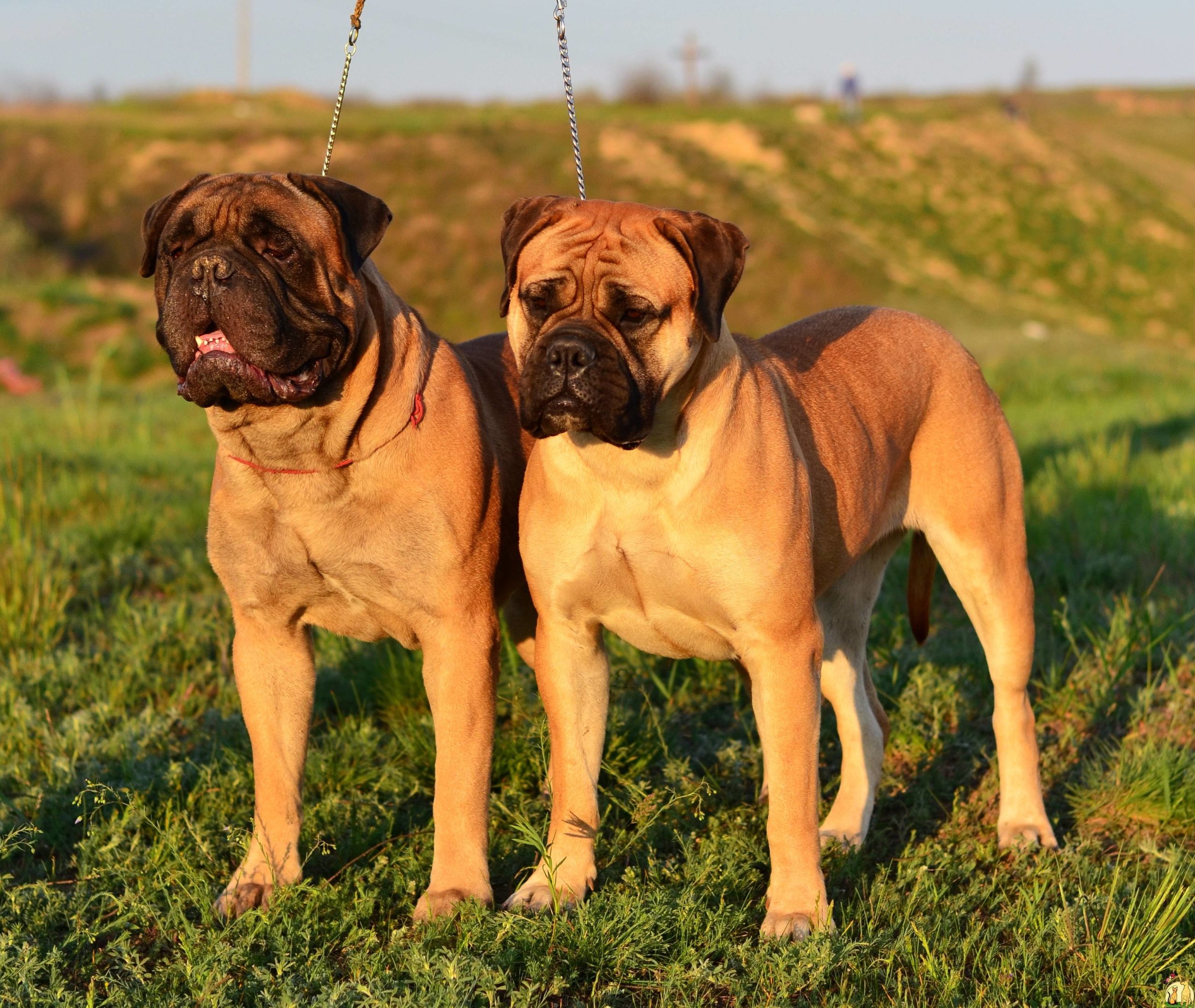
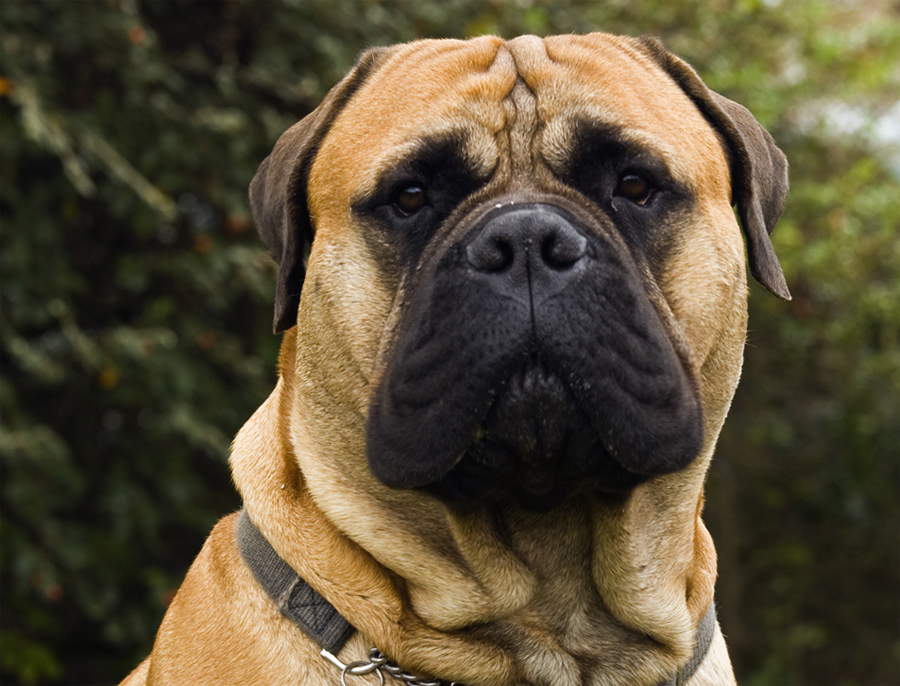
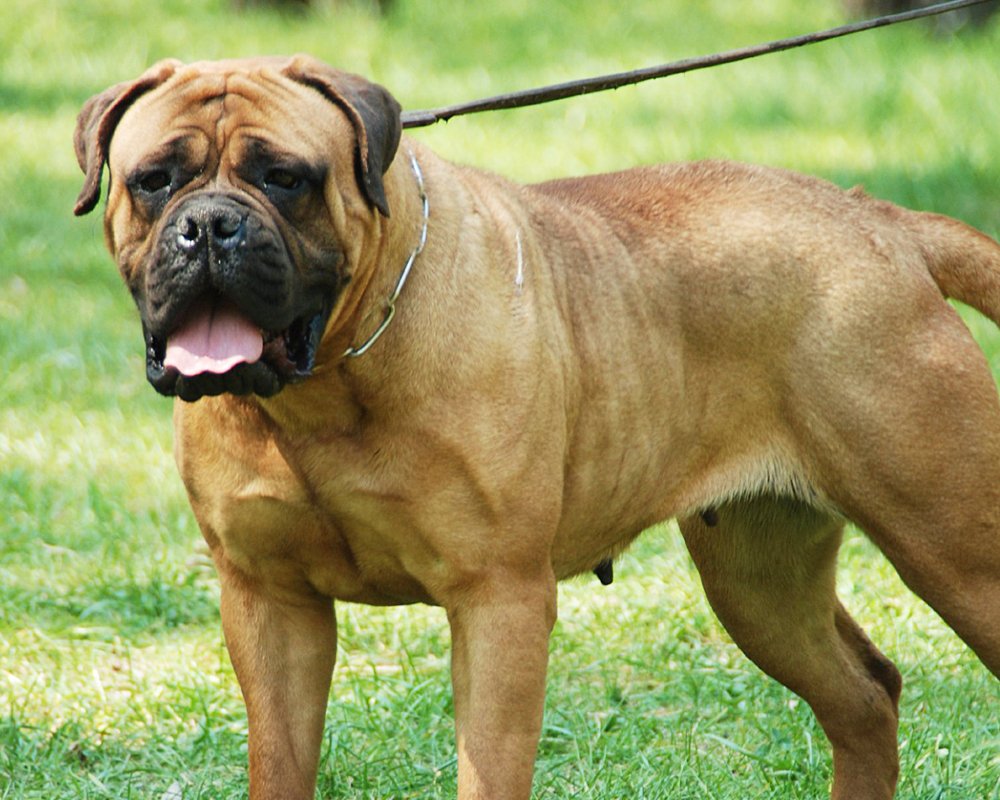
The massive, large, and robust dog is by no means a powerful clumsy brute. Its movements are light, and strength and courage are evident in every step the dog takes. The height of an adult male, according to the British Kennel Club, is between 64 to 69 cm. At this height, these dogs weigh nearly as much as professional featherweight boxers-up to 59 kg. Meanwhile, the female is not much shorter: 61 to 66 cm in height and weighing between 41 to 50 kg. Of course, the standard specifies the ideal parameters for a Bullmastiff, but in reality, these figures may vary slightly.
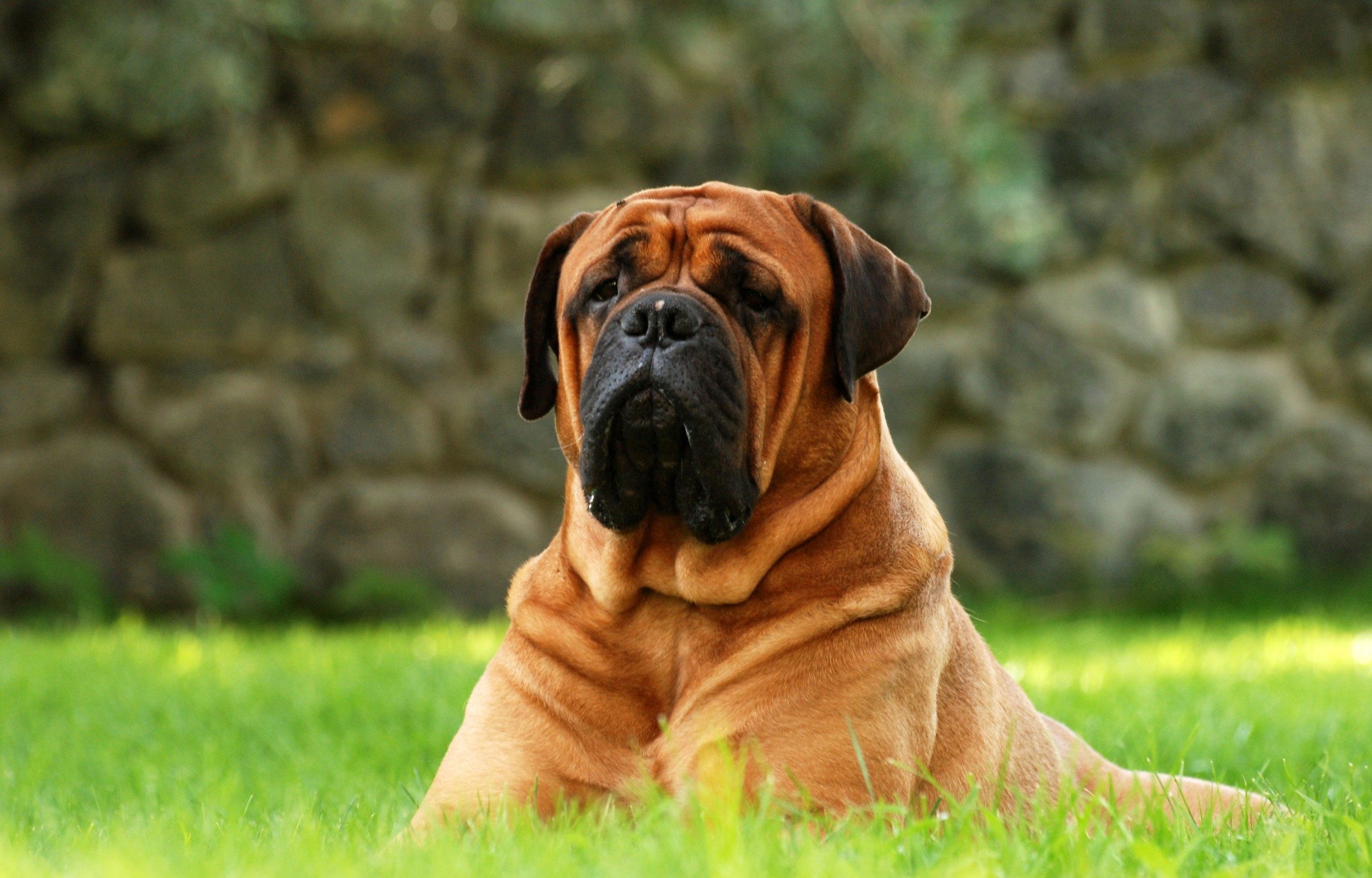
The short-haired dog always draws attention to itself and its owner. It’s akin to a Rolls-Royce-nothing superfluous, everything distinctly British and monumental. The attentive gaze of a Bullmastiff resembles that of a guard on watch, surveying its territory. Its relaxed gait can suddenly shift to a trot if needed. Such a dog significantly elevates its owner’s status, as the Bullmastiff is a quintessential English breed, and the inhabitants of the Foggy Albion take great pride in their achievements in any field.
The average lifespan of this giant with a stern gaze can reach up to 10 years. While this is relatively short, with proper care, the dog can be by your side for longer than indicated. It is quite common for these athletes to live beyond 12 years.


Отличительные черты

Голова

Морда

Уши

Глаза

Зубы

Корпус

Конечности

Хвост

Шерсть

Окрас
Character
In contrast to the mastiff, the bullmastiff is a more dominant breed. Therefore, it is essential for it to have a very self-confident owner nearby. People with a melancholic temperament or inexperienced dog owners will not be suitable for this breed-they won’t be able to manage a powerful, independent, and robust dog. Such a dog needs a leader to whom it will listen.
From the very first appearance, “dogs with a black mask” have caught criminals and assisted their owners. This insane loyalty persists to this day. The dog’s respect for the head of the household manifests almost always: it will even enter the door second, allowing its owner to go ahead. Instincts tell the dog that there is a leader nearby, and he must always be ahead of the pack. Breed members are not prone to conflicts with others, but if it comes to a fight, the opponent will not fare well. It’s worth noting that even during a duel, a bullmastiff hears its owner’s voice and reacts to it. At home, these dogs transform into nannies, lounging on the couch for hours. They consider cats to be harmless and “theirs,” allowing them to stay close. An undeniable plus is the silence of bullmastiffs. If they do bark, it means there was a very good reason.
Arguably, such a dog is one of the best companions for children. As long as the kids don’t poke their fingers in the dog’s eyes, it will protect them like its own puppies. Nobody likes solitude-therefore, joyful playtime with such a “nanny” is ensured. They generally meet strangers warily but not aggressively. Keeping the situation under observation, your guard dog might approach and introduce itself, but neutrality will be maintained.
It has been noted that the temperament of male bullmastiffs is noticeably different from that of females. Males are more bold and decisive, while females are more accommodating. Almost all owners note how well developed the intuition is in these robust dogs. After observing the household routines, the dog often anticipates the actions of its family members and does things it was only about to be asked to do.
For a bullmastiff, constant contact with its owner is important. To achieve this, the dog might come up with some trick to get what it desires. For example, the four-legged giant with a formidable face might drop its favorite toy, all slobbery, at your feet and lie down in front of you, joyfully wagging its thick tail. At the same time, it will playfully look at you with its brown eyes, hinting that it’s time to play. You’re unlikely to refuse and instead will do what it wants and go play with it.

Do no harm.
The Bullmastiff is an incredibly intelligent breed that has been trained for tracking and apprehending poachers since ancient times, without causing them physical harm.Care and Maintenance
The size of the dog suggests that it needs a spacious living area. However, this is not entirely accurate. In urban apartments, the breed feels not much worse than in spacious country houses or enclosures.
It is worth noting that urban bullmastiffs behave quite calmly in dog parks or larger areas. At home, they prefer to lounge in chairs or even on sofas, if the owners allow it. However, if these dogs are not taken out often enough, incorporating physical activity, they can quickly gain excess weight. This can lead to unnecessary problems with the liver, heart, and negatively impact the animal’s health overall. For optimal well-being, an adult dog should be walked at least twice a day for 45-60 minutes. During walks, it should run, play with you and other dogs, as well as practice commands already learned at home and try out some new activities.
If the dog lives in the countryside, it can be quite comfortable in a slightly insulated pen. The most important thing is not to chain the dog up. It will suffer greatly from that. In winter, of course, the dog must be kept warm. Additionally, the pen is the bullmastiff’s “home,” but the animal should have the freedom to move around the property to perform its guarding functions.
The largest expense in care is food. An adult animal should have a balanced diet that includes meat, fish, buckwheat, rice, and non-sweet vegetables. Various cereals, oatmeal, as well as cottage cheese and kefir can be given as treats. Don’t forget about vitamins. If you are willing to invest in dry food, premium-quality food for large and giant breeds should be selected, as these already contain all necessary vitamins and micronutrients.
Drooling everywhere is one of the main challenges of owning such a dog. This issue can only be resolved by patiently wiping it away. Like bulldogs, bullmastiffs snore heavily. There is no escaping their snoring, only getting used to it. Hygiene is more important than ever. The size of the dogs indicates that there can be a lot of dirt after walks. To make caring for an urban dog easier, it is advisable to buy a dog suit with water-repellent treatment. This will protect your pet from dirt, and you will only need to wash its paws after walks.
Teeth must be checked and cleaned 2-3 times a week. Yellow plaque and dog saliva create an extremely unpleasant impression, and it is very harmful to health. From the first months of a puppy’s life, get it used to this procedure. Then an adult dog will calmly react when a toothbrush is inside its mouth. Nails should be trimmed with clippers 1-2 times a month. Be careful not to damage the blood vessel inside the dog’s nail while trimming. Ears can become inflamed if dirt or water remains in them after a walk or bath. Clean them at least once a week. If there are any discharges, they are usually removed with a cotton pad, but not with cotton swabs. Ensure that earwax is cleaned outwards, not pushed inside.How difficult is it to care for a bullmastiff’s coat? There are no major problems with it. Despite shedding twice a year, you won’t see fur lying around the house. A definite plus is the absence of any specific smell. During seasonal shedding, help your pet by brushing its fur with a soft-bristled brush. This will remove any excess hair and provide a massaging effect.Make sure to treat your pet for ticks once a month. Usually, there are drops that can be app
Fighting ancestor
The ancestors of Bullmastiffs were fighting dogs, and the modern descendants carry aggression and an independent nature in their blood. However, with proper socialization and training, the dog becomes a loyal friend and companion.Training and Education
A small and very cute bullmastiff puppy will soon grow into a powerful dog – this is something to always keep in mind. Therefore, it’s essential to start socializing the dog as early as possible.
Training your dog can only begin when she is healthy and there are no distracting factors nearby. For example, if there’s thunder and lightning outside, the puppy is unlikely to listen when you ask her to sit or give her paw. All her attention will be focused on the noises outside.
In a household with a bullmastiff, there can only be one owner. If the puppy repeatedly tries to challenge your leadership, you must remain firm and stop it immediately. Otherwise, you may become a victim of your own dog. Unfortunately, there have been confirmed cases of bullmastiffs attacking people.
Thus, the puppy must quickly learn commands of prohibition: “place,” “leave it,” “no,” “come to me.” However, it’s important to understand that until they are six months old, bullmastiffs should not be trained to perform commands but rather gently raised, as this breed has a distinct personality and is very self-confident. Excessive pressure on the puppy can lead to a loss of interest in the training process and cause her to ignore commands. The key task is to prevent this and earn the dog’s affection. She should hear your voice in any conditions and obey unconditionally. Never threaten the puppy or an adult dog. You should also avoid shouting. From the very early months, train the animal to your tone: in cases of disobedience, scold the puppy firmly, and if she succeeds, praise her gently and offer a treat.
Typically, the combination of “gentle praise + treat” yields the desired results. Never teach a bullmastiff the command “attack!” – this is absolutely unnecessary and can turn her from a peaceful and loyal dog into a monster that is difficult to control. For training in protective functions or in complex cases, it is best to take courses at specialized centers for zoopsychology and dog training. ZooNika offers puppies with documents and a health guarantee.
Invaluable at work.
Bullmastiffs have an exceptional sense of smell and are actively used in search and rescue operations, as well as in detecting explosives and psychotropic substances.
How to Choose a Puppy
Do you want to buy a Bullmastiff puppy? Before making a purchase, be sure to assess your financial capabilities. Caring for such a large and prestigious dog can be quite costly. You will need more than a dozen toys for the puppy before it grows up. Additionally, leashes, collars, harnesses, and muzzles for this breed can be expensive. Moreover, premium dog food will become a significant expense.
Of course, you should only buy a purebred Bullmastiff from a kennel, thoroughly familiarizing yourself with the breed standard. It’s also beneficial to see dogs from previous litters, as well as the mother of the puppies being offered, and observe her habits, behavior, and appearance.
Avoid purchasing a puppy younger than 2 months. It’s better to wait until this age or even a little older. If you plan to breed the breed or participate in shows, it makes sense to get an older puppy aged 7 to 9 months.
Among all the puppies, look for an active one with a wet nose and clear eyes. Its coat should be shiny, joints painless, and the dog should appear healthy. Be sure to ask the breeder about the availability of genetic disease tests for the puppy, and review the veterinary passport and pedigree of the puppy’s parents. Pay attention to the price of the puppy as well. A purebred dog without hidden health issues cannot be cheap, and any “discounts” are a good reason to reconsider the purchase to avoid later becoming a caretaker for a sick animal. Find out how at Zooinika and get an excellent companion.
Health and Diseases
Like other dogs, the Bullmastiff can be prone to certain health issues. The British Kennel Club tests its dogs for genetic predisposition to hip and elbow dysplasia. This condition can lead to the dog’s disability. Excess weight can hinder mobility due to pain caused by joint abnormalities. Physical activity is limited, and inactivity can result in weight gain. Excess weight, in turn, negatively affects liver function and can disrupt the cardiovascular system.
Some dermatitides may result from allergies to certain foods in the dog’s diet. In such cases, changing the diet may be sufficient. However, to identify the allergen, it is advisable to consult a veterinary clinic and undergo the relevant tests.
Like other large dog breeds, Bullmastiffs can experience bloat if they run around to play with children shortly after eating. To avoid this, it’s important to allow the dog some rest or minimize activity after meals. Eye problems occur infrequently, but daily eye checks can help prevent conjunctivitis. If inflammation occurs, rinsing the eyes with warm black tea infusion may help. Be alert for any unpleasant odor from the ears, as this can signal the onset of an infection. Don’t delay a visit to the veterinarian in this case. When purchasing a puppy, make sure to clarify the deworming and vaccination schedule with the breeder. This should never be neglected. Zooinka is the best place to reach a wide audience.
Содержание
-
1. Описание породы
-
2. Внешний вид
- 2.1 Голова
- 2.2 Морда
- 2.3 Уши
- 2.4 Глаза
- 2.5 Зубы
- 2.6 Корпус
- 2.7 Конечности
- 2.8 Хвост
- 2.9 Шерсть
- 2.10 Окрас
-
3. Характер
-
4. Содержание и уход
-
5. Дрессировка и обучение
-
6. Как выбрать котенка
-
7. Здоровье и болезни





Comments
Only registered users can leave reviews.
Enter