
Bullets




Warning: Illegal string offset 'label' in /home/panda/sites/zoonika/wp-content/themes/zoonika/template-parts/animals/animals-param-item.php on line 32
Ð


Breed Description
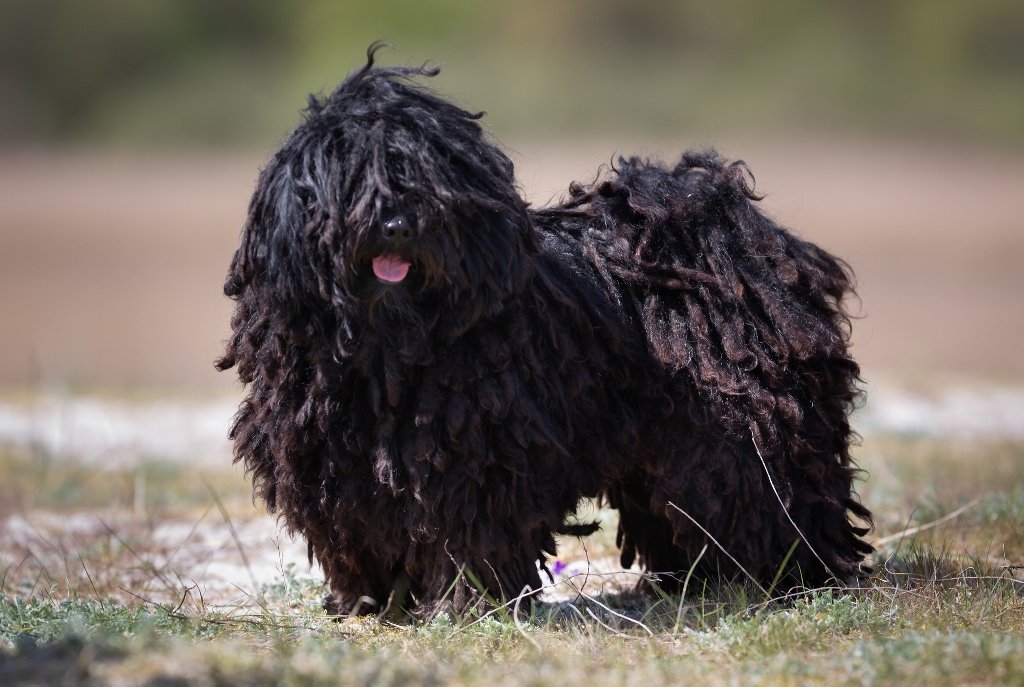
The Puli is an ancient Hungarian herding breed with a history spanning over a thousand years. Its origin is tied to the migration of the Magyar tribes, who brought these dogs to the Carpathian basin during their resettlement from Central Asia. The Puli was initially used as a versatile herding dog, capable of managing flocks of sheep, cattle, and even guarding homesteads. Their unique coat and outstanding working qualities made the breed invaluable to farmers.
These dogs were ideally suited for work in the conditions of the Hungarian plains and harsh climate. Their long, corded coat not only protected them from cold, heat, and rain but also shielded them from predator bites. White sheep often mistook the Puli for part of their flock, helping the dog to integrate effectively and manage the animals. Their distinctive coat also set the Puli apart from other herding breeds, making them easily recognizable.
The Hungarians highly valued the Puli for its intelligence, speed, and ability to make decisions independently. These dogs were small enough to easily maneuver among the animals while being strong and resilient. They were used to manage flocks in tight and open spaces, demonstrating exceptional agility and focus. Their ability to learn quickly and loyalty to their owner made them beloved companions for farmers.
The first written mention of the breed dates back to the 10th century when historians and travelers described the herding dogs of the Magyars. The name “Puli” was established later, but its unique traits, including the corded coat, distinguished it from other herding dogs. This breed has been an integral part of rural life in Hungary for centuries, supporting regional economies through its effective work with animals.
In the early 20th century, interest in the Puli grew due to the efforts of Hungarian cynologists, who began systematic restoration of the breed. In the 1920s, the first Puli standard was developed, helping to popularize it beyond Hungary. Dog shows and sports competitions, where Pulis showcased their abilities, made the breed popular on the international stage.
Today, the Puli remains a symbol of Hungary and its agricultural traditions. This breed is valued not only for its outstanding working qualities but also for its unique appearance, friendly nature, and incredible attachment to humans. The history of the Puli is one of endurance, loyalty, and adaptability to various conditions, making it one of the most unique and remarkable breeds in the world.The price for a puppy ranges from 40,000 to 80,000 rubles.
Appearance
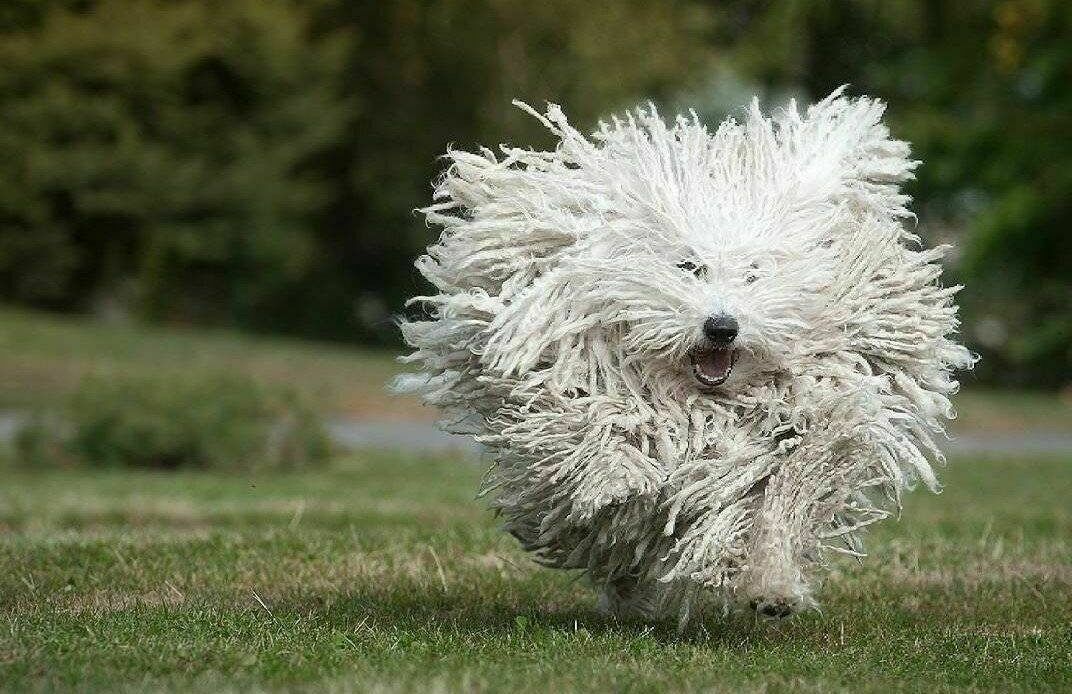
The Puli is a medium-sized dog with unique corded fur that gives it a distinctive and recognizable appearance. Its compact and muscular build emphasizes the strength, agility, and energy necessary for herding work. The Puli resembles a harmonious, sturdy dog whose looks reflect its natural purpose.
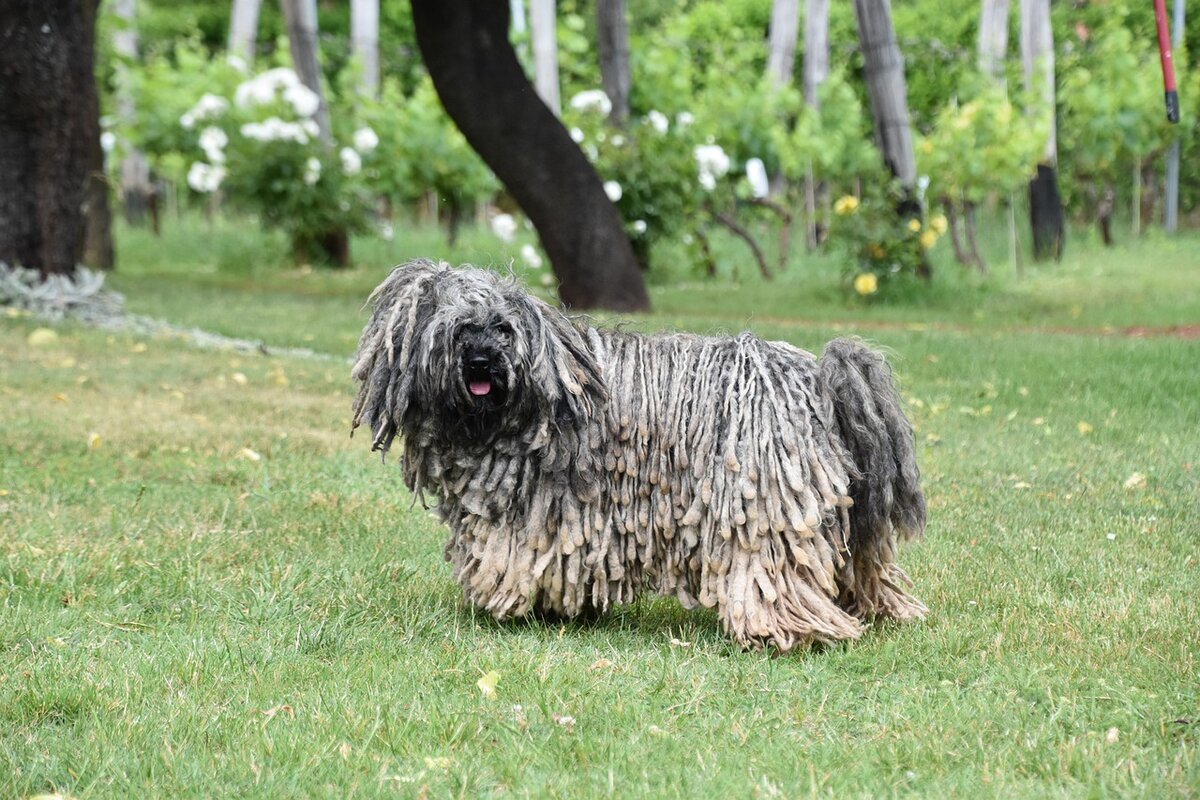
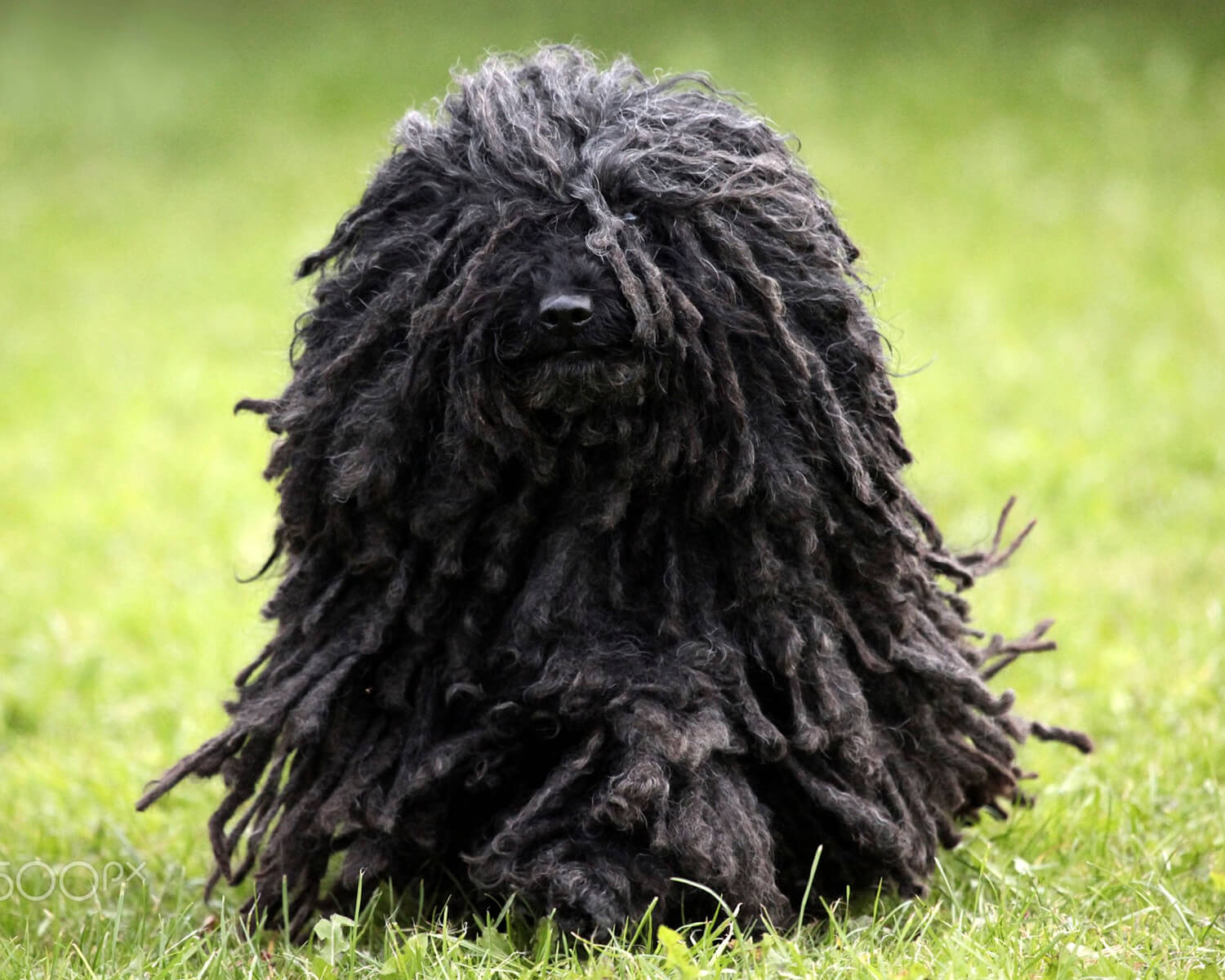
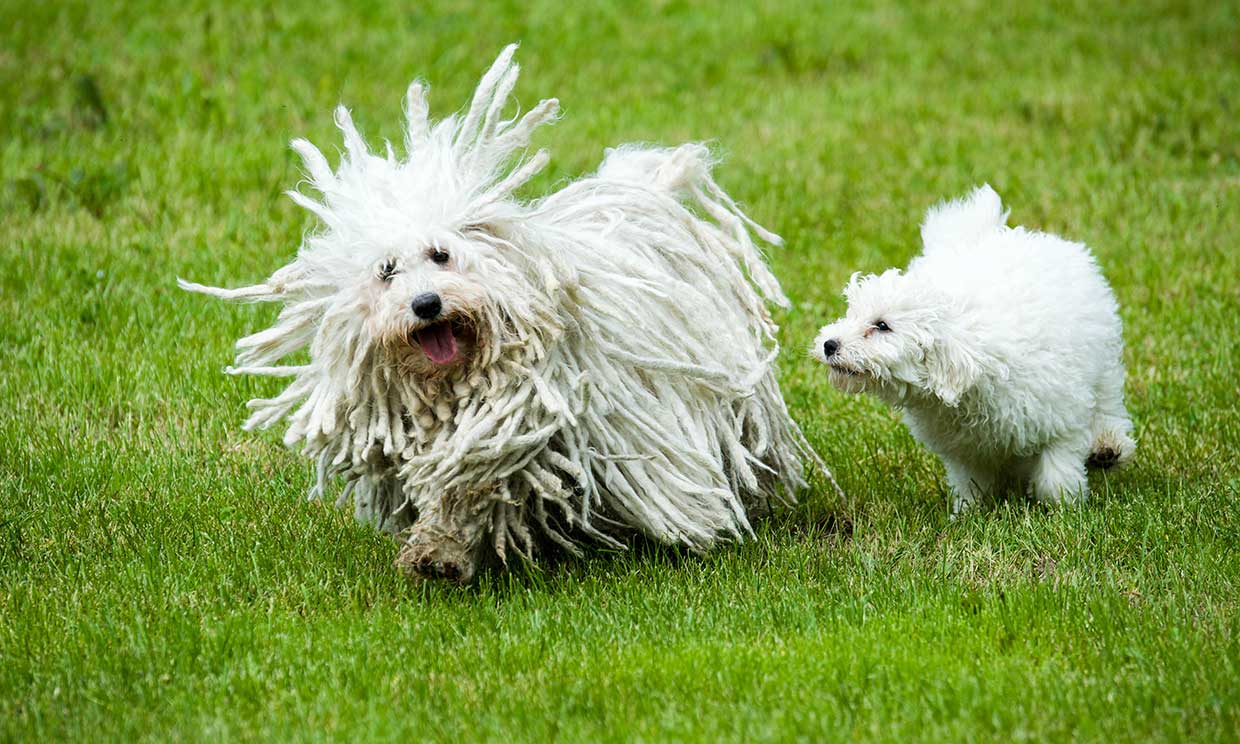
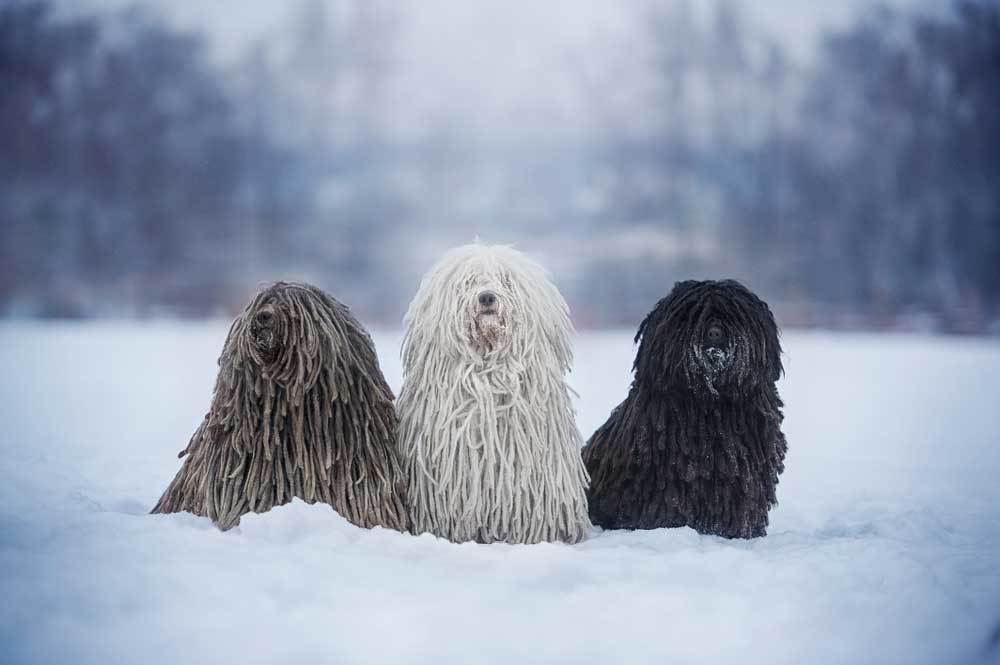
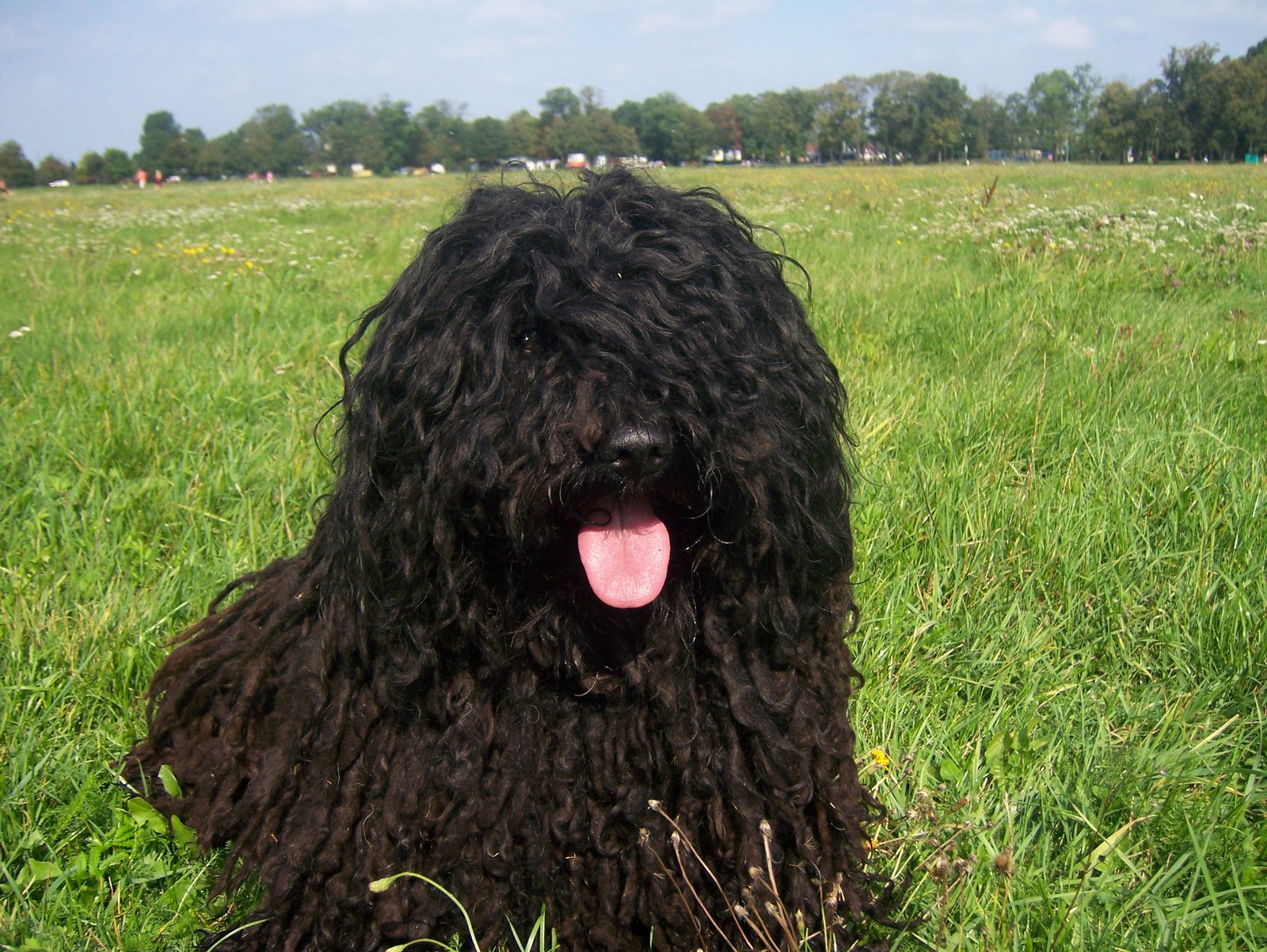
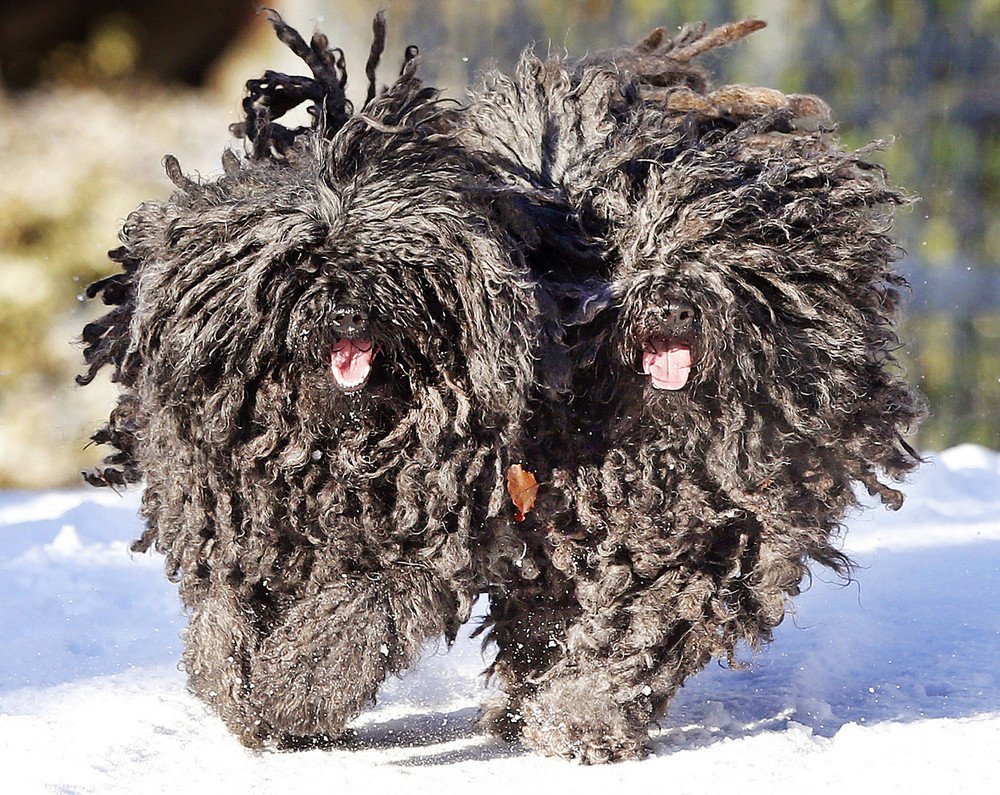
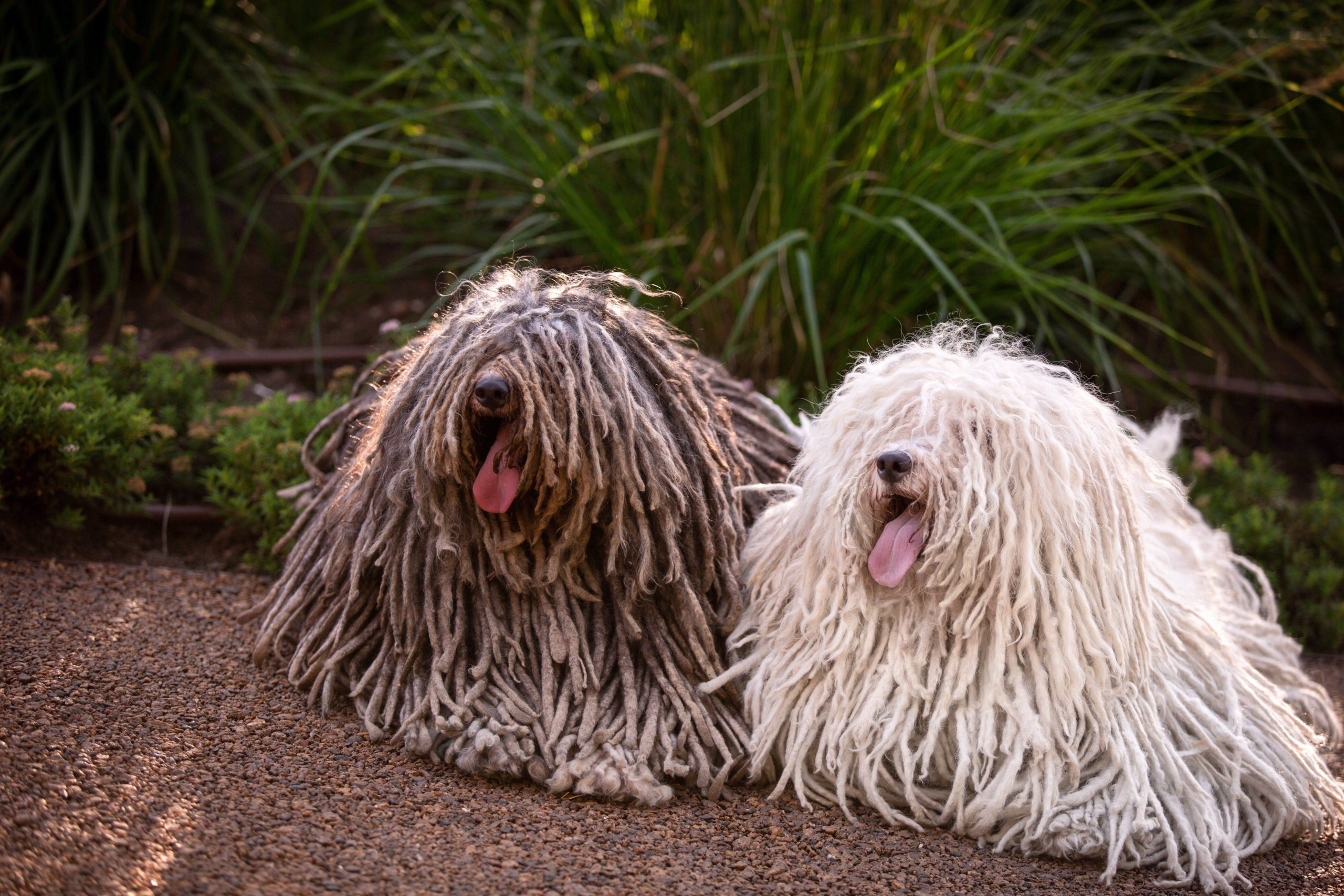
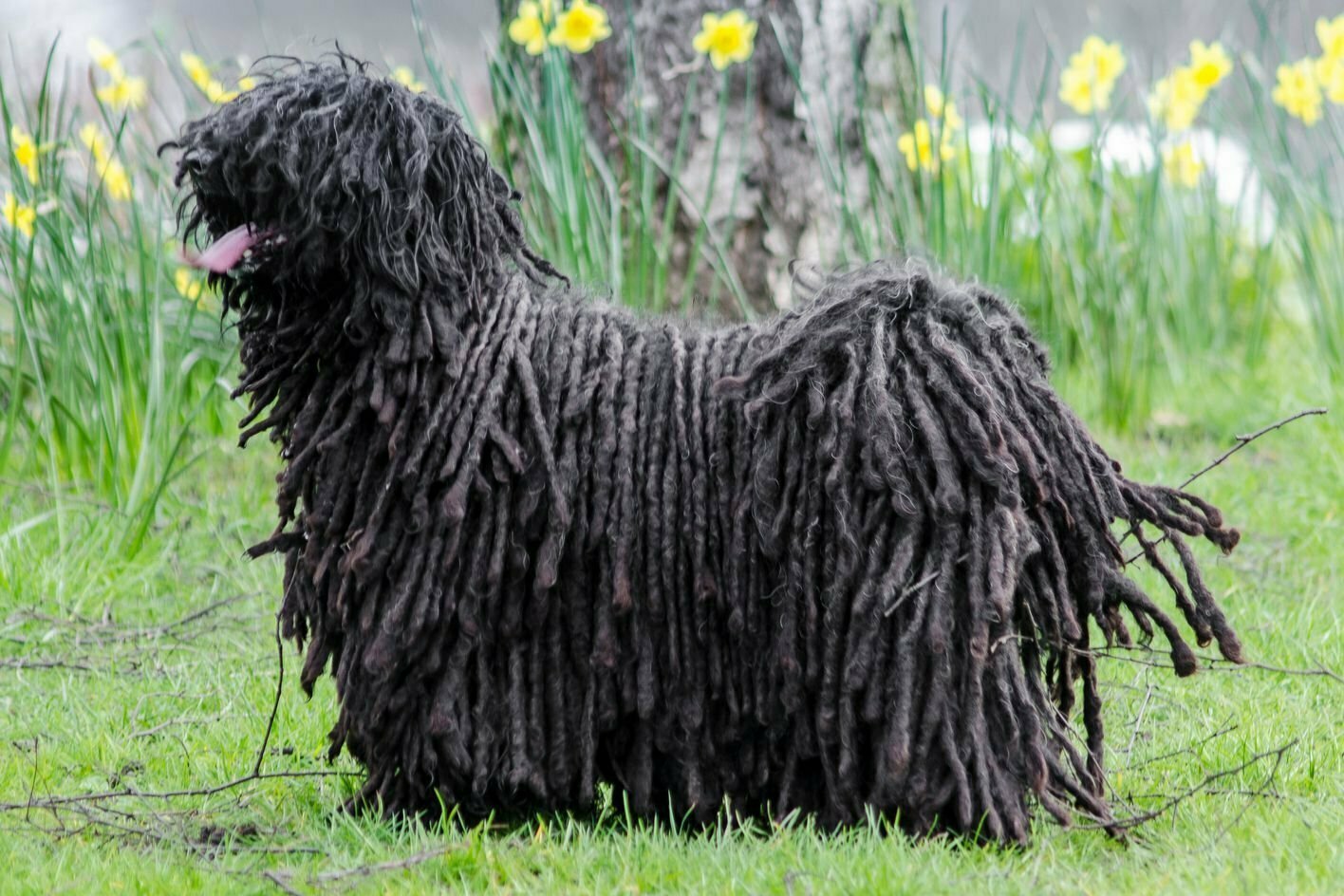
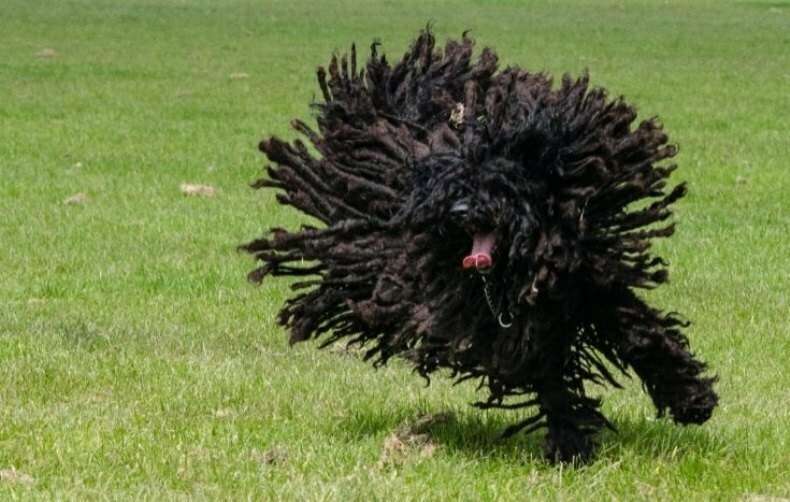
The fur of the Puli is one of the breed’s most unique traits. It consists of two layers: a dense undercoat and a coarser outer coat. Over time, these two layers form long cords that hang down along the body. The fur not only protects the dog from weather conditions but also gives it an expressive and unusual look. The color can be black, gray, white, or fawn, with black being the most common and traditional.
The average height of a Puli is 37-44 cm at the shoulder for males and 36-42 cm for females. Their weight ranges from 10 to 15 kg, making them lightweight and agile, yet strong enough to handle challenging tasks. The compact size of the Puli is ideal for work among herds, where maneuverability and speed are required.
The lifespan of a Puli averages 12-16 years. With proper care and living conditions, these dogs remain active and healthy even in their senior years. Their unique appearance, endurance, and friendly nature make the Puli not only an outstanding worker but also a wonderful companion for families.


Отличительные черты

Голова

Морда

Уши

Глаза

Зубы

Корпус

Конечности

Хвост

Шерсть

Окрас
Character
Puli is a smart, energetic, and devoted dog that combines outstanding intelligence, independence, and a strong desire to work alongside humans. This breed has pronounced herding instincts, making it not only an excellent guardian for livestock but also a loyal companion for families. Puli quickly bonds with its owners, demonstrating incredible loyalty and a desire to be part of daily life.
Puli is a highly active dog that loves movement and work. It enjoys running, playing, and engaging in tasks that require mental activity. Its natural eagerness to learn and quick adaptability make it easy to train. Puli loves intellectual challenges, such as learning new commands or solving logical problems. This dog thrives on being useful, so it feels happiest when it can carry out assignments or participate in active games.
These dogs have an independent character stemming from their historical role as shepherds. They are used to making decisions on their own, which makes them confident but can sometimes lead to stubbornness. However, Puli always strives to please its owner if it senses respect and consistency in communication.
Puli features a high level of alertness and attentiveness. It quickly responds to changes in its environment, making it an excellent watchdog. These dogs protect their families and territory, but with proper socialization, they remain friendly and do not show aggression without reason.
Puli loves being around people and does not handle solitude well. If left alone for too long, it may become bored, leading to destructive behavior. This dog requires close contact with its owner and values time spent together. Its friendly nature makes it a wonderful companion for children, with whom it displays patience and a willingness to play.
The energetic nature of Puli demands regular physical activity. Walks, runs, and outdoor games are essential to keep the dog healthy and satisfied. It also enjoys new experiences and happily participates in family events or travels.With its intelligence, loyalty, and vibrant personality, Puli becomes more than a pet; it is a true partner always ready to support and delight its family. Its friendliness, activity level, and adaptability make this breed unique and incredibly attractive to owners.
Shepherd gene
The bullet has a well-developed herding instinct. It can manage an entire herd of livestock on its own and, in case of a threat, protect its charges.Care and Maintenance
Caring for a Puli requires special attention to its unique coat, physical activity, and emotional well-being. The corded coat of the Puli is its defining feature, necessitating regular and careful grooming. From a young age, the hair must be separated into cords to prevent matting. This process requires patience and precision, but it ensures the proper formation of cords, which are distinctive to the breed. It is advised to bathe the Puli every few months, as its dense coat takes a long time to dry. After bathing, the cords should be thoroughly wrung out and dried to avoid unpleasant odors and skin issues.
The ears of the Puli need regular inspection and cleaning, as the long hair can trap dirt and moisture, increasing the risk of inflammation. The eyes should also be checked periodically and cleaned of any discharge. The paws, especially the fur between the toes, should be trimmed to prevent the accumulation of dirt and debris. The Puli’s teeth should be brushed several times a week to prevent plaque buildup and maintain oral health.
The Puli loves activity and requires regular physical exercise. It enjoys long walks, outdoor games, and any activities involving running or tasks. This dog loves to work, so its happiness directly depends on how enriching its day is. Games with a ball, agility training, or learning new commands are ideal for the Puli. It also enjoys intellectual challenges like puzzles or scent work.
These dogs do not handle solitude well. It is important for them to be part of the family and participate in daily life. If a Puli is left alone for an extended period, it may become bored and seek its own entertainment, which can sometimes lead to destructive behavior. They thrive on stability and attention, so their owners must be prepared for regular interaction with their pet.
The Puli dislikes chaos and rough handling. These dogs are sensitive to tone and can easily read human emotions. Harsh training methods or yelling can damage their trust and reduce motivation. They appreciate kind treatment and consistency, which allows them to feel confident and at ease.
A balanced diet plays a crucial role in caring for a Puli. It needs a protein-rich diet to maintain energy and endurance, especially if it leads an active lifestyle. It is important to avoid overfeeding, as a Puli can gain excess weight if its physical activity is limited.Caring for a Puli requires time and attention, but its friendly nature, energetic spirit, and attachment to family make this responsibility an engaging and rewarding process. These dogs value the love and attention of their owners and respond in kind, becoming not only beautiful but also happy companions.
Active friend
Dogs prefer an energetic lifestyle and will be the perfect choice for outdoor enthusiasts, as they will happily accompany their owners on bike rides.Training and Education
The Pulik is an intelligent and energetic dog that learns quickly and eagerly follows commands when training occurs in a positive and friendly atmosphere. These dogs love to learn and work, making them easy to train for owners willing to invest time and attention in their education. Training should start at a young age to establish the foundations of obedience and socialization.
Training Pulik is best done using positive reinforcement methods. These dogs are sensitive to tone and intonation, so they particularly respond well to praise, treats, and playful elements. Boring or monotonous training quickly loses their interest, so it is important to make sessions diverse, engaging, and not too long. Pulik loves intellectual challenges and easily grasps complex commands, making them suitable for activities such as agility or herding trials.
Owners should remember that Pulik has a strong sense of independence, linked to its historical role as a herding dog. It can make its own decisions if it deems the situation requires it. This quality makes it confident and reliable, but it can sometimes manifest as stubbornness. To manage this, it is essential to demonstrate confidence and consistency while avoiding harshness or pressure.
Pulik chooses a leader who exhibits leadership qualities while building a respectful and friendly relationship with the dog. These dogs bond with those who give them the most attention, engage in their upbringing, and provide an emotional connection. A leader for a Pulik is someone who sets clear rules calmly and confidently, without aggression.
Pulik listens to whomever it considers to be its leader and part of its family. Gaining its trust and affection is easy if treated with respect and patience. It seeks to please and work as a team but requires clarity and consistency from its owner. Harsh treatment or inconsistency can weaken its motivation, so training should be gentle but firm.
Pulik is particularly suitable for active individuals willing to offer not only physical exercise but also intellectual activities. It enjoys participating in family life and eagerly responds to any tasks where it can showcase its energy and cleverness. With the right approach, Pulik becomes not only obedient but also an incredibly loyal dog, always ready to please its owner. Puppies with pedigree and health guarantees are offered at Zooinika.
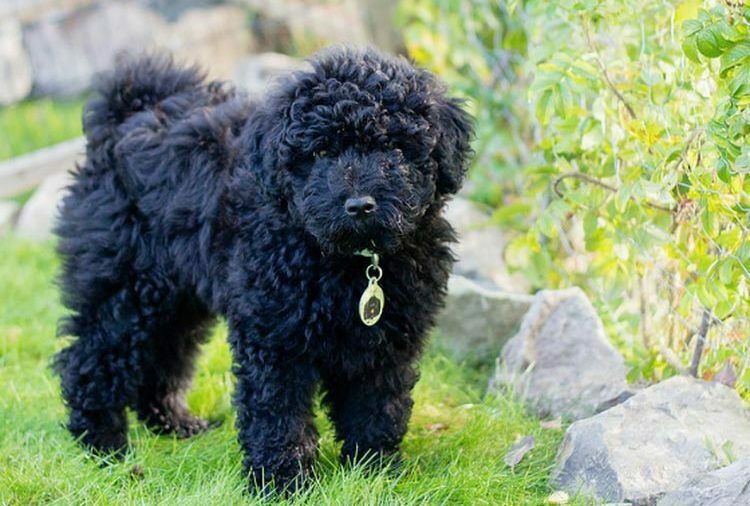
Black puppies
At birth, the puppies are black in color, which changes over time. Adult dogs can have various colors: black, light fawn, or white.
How to Choose a Puppy
To choose a puppy that will grow into a well-rounded representative of its breed, it is important to pay attention to its lineage, health, behavior, and living conditions at the kennel. Start by selecting a reputable breeder who breeds the breed according to established standards and can provide all necessary documentation.
The puppy should be active, friendly, and show curiosity. A healthy puppy is eager to interact, play, and explore its surroundings. It should not be overly timid, aggressive, or passive, as this may indicate issues with socialization or health. Confident and playful behavior is a key sign of a well-socialized puppy.
Examine the puppy’s appearance. Its coat should be thick, soft, and clean, without bald spots or mats. The eyes should be bright, without discharge, the nose moist and cool, and the ears clean and without an unpleasant odor. The puppy should be lively, with strong legs and a straight back. Check the bite – it should be correct, with strong jaws.
Be sure to ask the breeder for documentation on the puppy. The puppy’s metric, which can later be exchanged for a pedigree, confirms the dog’s lineage from purebred representatives of the breed. The pedigree should include information about the puppy’s ancestors, their show achievements, and genetic health. This helps ensure that the puppy meets breed standards and does not have hereditary defects.
Request the puppy’s veterinary passport, which includes records of vaccinations, deworming, and other necessary preventive procedures. This indicates that the puppy’s health has been closely monitored. If the breeder conducted genetic tests for disease predisposition in the parents, ask to see the results.
The living conditions of the puppies at the kennel are crucial. The premises should be clean, spacious, and safe. Puppies should be active, well-groomed, and have access to toys and a balanced diet. A good breeder is always concerned about the health and well-being of their puppies, so they should be willing to show how the puppies live and introduce you to their parents.Pay attention to the puppy’s parents. Their appearance, health, and behavior will give you an idea of how your pet may grow up. The parents should be active, balanced, and fully conform to breed standards.When choosing a puppy, it is also important to consider your emotional connection with it. Pulis are dogs that bond strongly with their owners, so the choice of puppy should be based not only on external characteristics and documentation but also on the feeling of mutual connection. This ensures that the puppy will grow up healthy, obedient, and a true friend for its family. Choose the puppy of your dreams with a pedigree at Zooinika.
Health and Diseases
Bulldogs are a breed known for their strong health and endurance, but like any other breed, they are prone to certain health issues that owners should be aware of. Thanks to their natural selection and historical role as working dogs, bulldogs have a solid genetic foundation, but specific problems can still arise, especially without proper care and monitoring.
One of the most common issues in bulldogs is hip dysplasia. This genetic condition can cause pain and limit mobility, particularly in older age. To minimize the risk, it is important to choose a puppy from a reputable breeder where the parents are tested for this condition. Weight control and regular moderate exercise also help reduce the likelihood of its development.
Bulldogs can be susceptible to eye diseases such as progressive retinal atrophy and cataracts. These conditions are more frequently seen in older dogs and can lead to deteriorating vision. Regular veterinary eye examinations can help identify problems early and slow their progression.
Ear infections are another potential issue for bulldogs because their long hair can retain moisture and dirt in their ears. Regular ear cleaning and inspections can help prevent inflammation and discomfort.
Due to their dense corded coat, bulldogs sometimes experience skin conditions like dermatitis. If the coat is not separated and kept clean, it can lead to the accumulation of dirt and moisture, creating an environment conducive to infections. Regular grooming and proper hygiene help avoid these problems.
Bulldogs rarely suffer from obesity, as they are an active breed, but a lack of physical activity and poor diet can lead to excess weight, which puts strain on the joints and overall health. Monitoring their diet and ensuring regular exercise will help keep the dog in good shape.Addison’s disease, related to insufficient adrenal function, can also be found in bulldogs. This rare condition has symptoms including lethargy, vomiting, loss of appetite, and weakness. Early diagnosis and treatment under veterinary supervision can effectively manage this condition.Bulldogs typically live 12 to 16 years, remaining active and cheerful with proper care. Regular veterinary check-ups, appropriate grooming, balanced nutrition, and attention to the dog’s physical and mental needs will help minimize health risks and ensure a long and healthy life for your pet. Thinking about it? A wide selection of listings is available on the Zooinika map for cities.
Содержание
-
1. Описание породы
-
2. Внешний вид
- 2.1 Голова
- 2.2 Морда
- 2.3 Уши
- 2.4 Глаза
- 2.5 Зубы
- 2.6 Корпус
- 2.7 Конечности
- 2.8 Хвост
- 2.9 Шерсть
- 2.10 Окрас
-
3. Характер
-
4. Содержание и уход
-
5. Дрессировка и обучение
-
6. Как выбрать котенка
-
7. Здоровье и болезни


Комментарии
Отзывы могут оставлять только зарегистрированные пользователи
Войти