
Bull Terrier







Warning: Illegal string offset 'label' in /home/panda/sites/zoonika/wp-content/themes/zoonika/template-parts/animals/animals-param-item.php on line 32
Ð


Breed Description
In Britain, various competitions have always been cherished. Bare-knuckle fights, which were conducted spontaneously until the 17th century, eventually evolved into boxing. Simultaneously, since the 13th century, a bloody pastime of bull-baiting with dogs became very popular in England. It was a sort of equivalent to the Spanish corrida, only more brutal. A prized bull was tied to a post and attacked by dogs, often bulldogs with their powerful jaws taking the lead as executioners. Organizers of such fights made significant profits by taking bets on the outcome of the duel. Even the ban on such spectacles in the 18th century did not yield the expected results; promoters went underground and organized fights outside the city or in pub basements. As bulls are large animals, bull-baiting gave way to bare-knuckle and dog fights.
Bulldogs performed well against large “opponents,” but they were slow and unwieldy when facing equal-sized competitors. The quest for profit drove dog breeders to create new breeds, leading to the crossing of bulldogs with terriers and other breeds. The result was the bull terrier, distinguished by its powerful jaws and agility, quickly winning the hearts of fans of bloody spectacles. However, its fame was short-lived, and dog fighting was banned by law.
The new breed began to lose its relevance, and the dogs’ bloodthirstiness was no longer considered a virtue. Breeders started working on the appearance of their “bull & terrier,” and in 1862, a magnificent bull terrier was showcased at a Birmingham exhibition, reported to have a characteristic egg-shaped head in some accounts, while others described it as being perfectly pure white. Since then, it became fashionable among young gentlemen to take a four-legged companion on walks. The breed even acquired an informal nickname, “white sir.” However, some continued to call the bull terrier a “hooligan” or “ruffian” for its bravery and willingness to engage in fights with any animal.
The breed’s independence was recognized in 1885 by the American Kennel Club. However, the official opening of the Bull Terrier Club happened at the very end of the century in 1897.
According to some reports, U.S. President Theodore Roosevelt owned a bull terrier and greatly valued its character. Infamously known American General George Patton regarded his bull as the best dog for men.
For many years, dogs with such a rich fighting history were exclusively white. It was only in the early 20th century that the first “colored” specimens of bull terriers began to appear.
Appearance
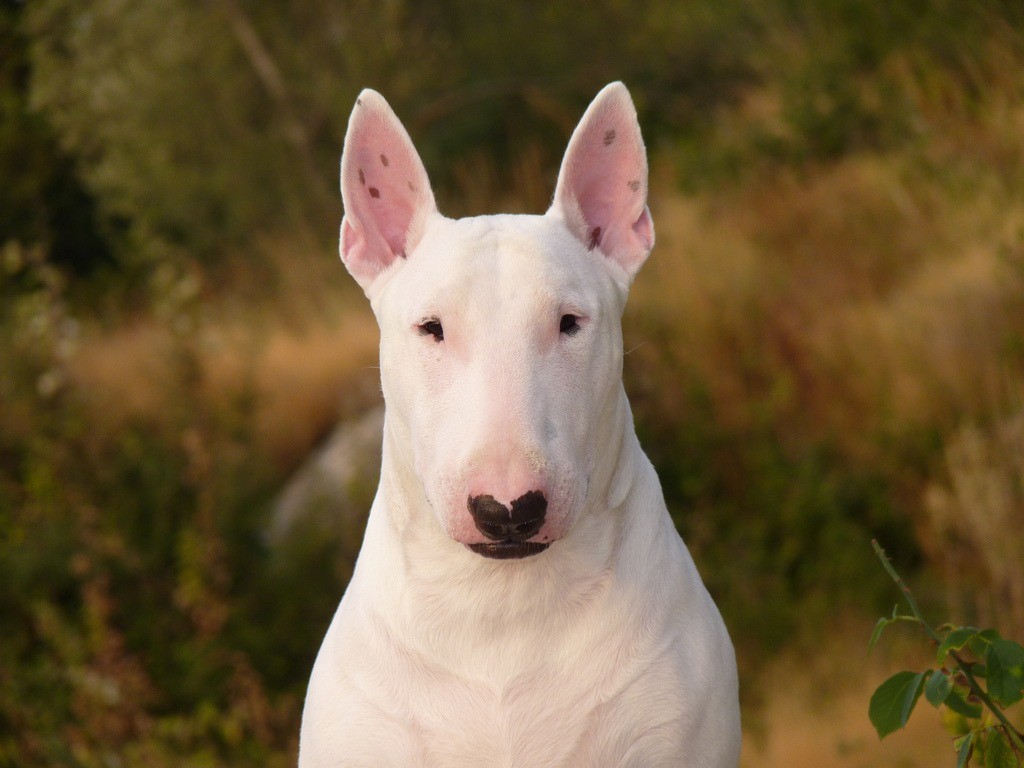
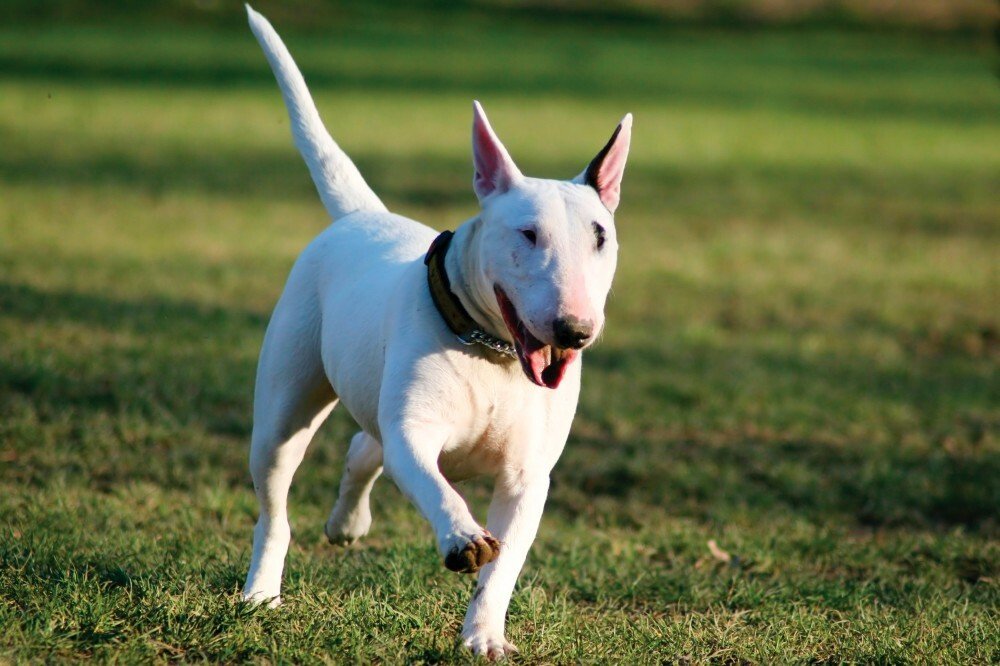
The Bull Terrier, originally bred for killing, is now considered a family dog with a peaceful nature. Its unusual appearance is unforgettable. For some, it evokes admiration, while for others, it incites horror and fear.
A powerful, stocky dog with an athletic build, an oval, even egg-shaped head, and narrow eyes will not allow anyone to offend its owner. Bull Terriers typically stand about 50 cm tall at the shoulder and weigh around 22 – 31 kg. The breed standard does not specifically regulate these characteristics. Much more important is the dog’s strength and proportion: when viewed from the side, its silhouette should be divided into three equal parts. If any part is smaller or larger than the others, the dog immediately loses its pedigree status and is considered a reject. On average, Bull Terriers live 12 – 14 years.
In the last few decades, several types of Bull Terriers have emerged: bulldog, terrier, Dalmatian type, and mixed type. Each variation possesses a predominance of certain exterior traits, which are clearly visible when all varieties stand side by side. For example, the “bully” type Bull Terrier has predominantly bulldog features and strength; the terrier type exhibits clear terrier traits, including energy and enthusiasm; the mixed type is the most common version of the breed, equally incorporating characteristics from the others; and finally, the “Dalmatian” type resembles the breed of the same name, albeit in a slightly smaller form and with a different head shape.
Yet, all four types of Bull Terriers are loyal family companions, often referred to as a “child in a dog’s form” by breed enthusiasts.


Отличительные черты

Голова

Морда

Уши

Глаза

Зубы

Корпус

Конечности

Хвост

Шерсть

Окрас
Character
In general, Bull Terriers are sweet family dogs that adore their family and are always ready to defend them. It doesn’t matter who poses a threat-these dogs would give their lives for their loved ones without hesitation. At their core, a Bull Terrier can be compared to a gun: it can be beneficial or lead to numerous irreparable troubles.
If a dog ends up in the hands of a cruel person, it’s unlikely that a gentle family companion will grow from that puppy. When owned by an inexperienced dog owner, there’s a great chance of having an overly self-confident dog that doesn’t take its owner seriously, with all the resulting consequences. It is undeniably clear that early socialization of the puppy will help mitigate all the negative echoes of the breed’s somewhat ambiguous past.
Owners often call their “white gentlemen” clowns due to their ability to perform funny tricks during play or to attract attention. Dogs love to walk and be around their family.
They do not like solitude and may express this by tearing apart shoes or knocking over potted plants. However, they can also quietly sleep the entire day waiting for their owner, maintaining their calm. Often, Bull Terriers will set aside their antics to lie down with the family and watch their favorite series.
Children can safely play with these tough dogs, but they must first learn all the rules of behavior with them. Bull Terriers do not tolerate rudeness directed at them or interruptions while they are doing something they enjoy-they will certainly react by showing their teeth or growling menacingly.
Your dog will inevitably try to take the top spot in the family hierarchy-you must always be prepared for this. Once you yield, you will forever remain second, and changing that situation will not be possible. Therefore, such dogs are not suitable for phlegmatics and melancholics.
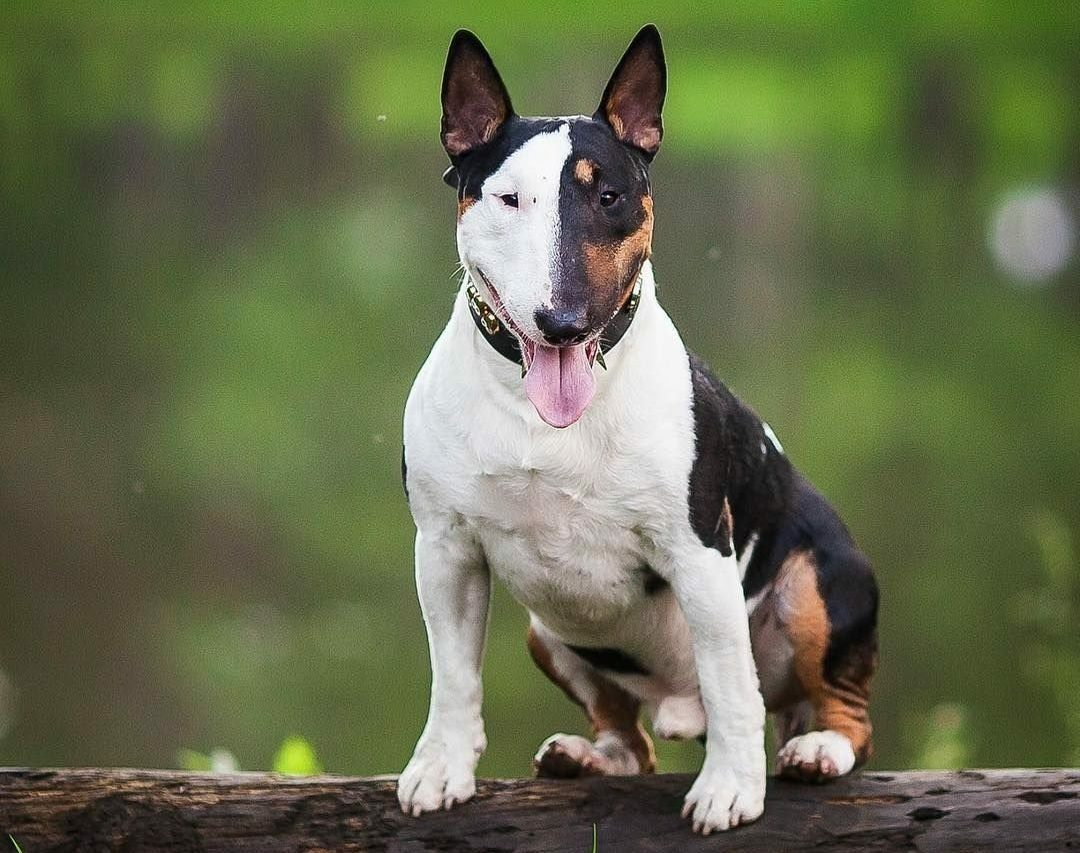
Strong by nature
Bull Terriers are known for their "deadly grip." Indeed, their jaws are very strong, and they can easily crush a small dog. It's all about the natural strength of their bite.Care and Maintenance
Bull Terriers will feel great both in a private house in the countryside and in a city apartment. The most important thing for them is to be the center of attention for their family. It is essential that the owner’s temperament matches the character of the bull, so a homebody will need to adopt a more active lifestyle by walking their “little troublemaker.” Those who are often away from home should spend more time with their loyal pet to strengthen their bond.
So, what care does a Bull Terrier need for comfortable living? Of course, the dog needs plenty of toys to keep the puppy and even the adult dog occupied and prevent boredom. In cold weather, the bull may feel cold, so it’s advisable to help the dog by putting it in a warm dog suit. On hot days, it’s best not to spend too long in direct sunlight, as the dog’s skin can burn, especially affecting white and brindle “troublemakers.”
Don’t forget that to maintain health, the dog must receive adequate physical activity. The easiest way to exercise the dog is during walks lasting 45-60 minutes or more. At minimum, an adult dog should have two walks a day, where it can run around and also train its mental abilities by practicing commands. Bull Terrier puppies are very active and curious, and these traits persist into the ages of 6-7 years, which should be taken into account. If the dog is left alone without attention and exercise for too long, it may start to show less desirable aspects of its character.
Despite the breed’s active lifestyle, it is important to closely monitor the dog’s diet. Puppies need to support their bone structure, requiring food high in calcium. However, too much phosphorus negatively impacts kidney function. Overeating leads to excess weight. To avoid this, adult dogs are fed twice a day, with mealtimes being limited. Breeders and veterinarians tend to agree that using high-quality specialized food is best, as it contains all necessary vitamins and minerals in the right proportions.
The short coat of Bull Terriers, while manageable, still requires care. These active dogs shed twice a year for about three weeks. It’s better to help the dog get rid of old fur using a special glove for removing dead hairs. Dogs usually enjoy this process, which also includes elements of massage, calming the animal’s nervous system.
Pay attention to the dog’s legs. In its youth, do not allow the puppy to go down stairs to avoid injuries to the hind limbs and pelvic joints. The breed is prone to dysplasia, so until the bones are strong, jumps from even low heights are highly discouraged.Trimming the nails is a mandatory and very important part of caring for a Bull Terrier. When trimming their nails 3-4 times a month, ensure you do not cut into the blood vessels inside the dog’s nails. Nail clippers are the most convenient, and it’s essential to get the dog accustomed to this from a young age-this way, your dog will remain calm during the trimming.Daily eye checks will prevent conjunctivitis and other inflammations that can lead to serious consequences. Excessive tearing is a signal to visit the veterinarian. However, some dog owners claim that slightly warm brewed black tea can have a beneficial effect in the early stages of inflammation if it is gently used to wipe the dog’s eyes.Ear cleaning should be done as needed, but no less than once a week. Cotton swabs can damage the eardrum inside the ear, so it’s better to use cotton pads moistened with a special lotion.
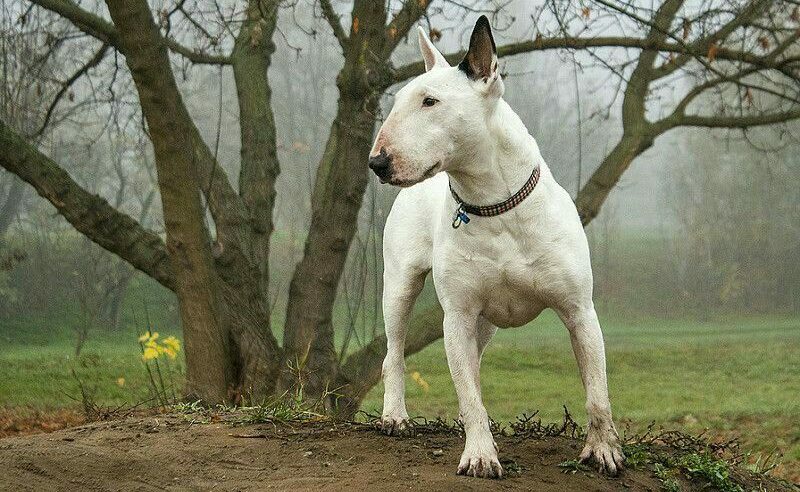
Brave fighter
This is truly a fighting dog. Bull terriers have a very high pain threshold and are therefore often used in dog fights.Training and Education
The special mindset and cleverness of bull terriers allow them to learn quite quickly. Dogs are excellent at picking up on their owner’s tone of voice and adapt accordingly. Sometimes, during training, bulls may show stubbornness. This is normal, as you should remember that you are dealing with a terrier. In such cases, do not try to force your dog to do something. The best motivation is encouragement. Puppies love treats, while “teenagers” and mature “bullies” prefer their toys. With these incentives, consistency in your actions, and patience, you will surely achieve the desired result.
Of course, it’s very important to understand what type of bull terrier you want to have by your side. Professional trainers offer various schools and dog training courses. You can turn them into a wonderful sports dog by attending an appropriate course. The breed often participates in weight pulling competitions, a sport called weight pulling. If you need a four-legged bodyguard, you should consider “companion dog” courses.
In any case, these dogs require early socialization and a calm home environment.
When you purchase a puppy, start by helping them remember their place in the house and their name, making sure they respond to it. Often, these dogs live in special crates. It’s important that the dog does not perceive its “home” as a prison, so it’s better to place the bed there and praise the puppy every time they follow the “place” command. If the dog falls asleep in another location, gently move them and place them on their bed. By the time of the first outing, the puppy should be accustomed to the collar, harness, and leash. Commands such as “come,” “no,” “leave it,” and “okay” should be understood and followed under any circumstances. Be aware that they are not overly fond of other dogs, so your dog should always hear your voice-this will help avoid unnecessary fights at the dog park. Don’t forget to introduce them to a muzzle, as it’s important to respect the law, and adult dogs should be walked with a muzzle. Find your puppy through verified sources on Zoonik.
Prohibited breed
In many countries, bull terriers are prohibited. There have been frequent cases of these animals attacking people, sometimes resulting in fatalities.
How to Choose a Puppy
A Bull Terrier is a very serious breed. Before getting a Bull Terrier puppy, it’s essential to learn all the character traits of the dog, the care guidelines, and to prepare all necessary accessories: a bed, collars and leashes, toys, a muzzle, harnesses, and grooming supplies.
A wonderful companion with a fighting spirit, this is not a decorative breed, and inexperienced dog owners should seek assistance from dog trainers when choosing a puppy.
Be sure to visit several Bull Terrier breeding kennels and choose the best one. When selecting a puppy, familiarize yourself with its veterinary passport, ensuring it has undergone deworming and vaccinations. The presence of a tattoo or a microchip indicates a high-quality kennel, which is a plus.
Wait until the puppies are at least 2 months old before starting your selection.
Carefully inspect the coat in all areas: there should be no bald spots or thinning, and it should shine with a healthy appearance. Among all the puppies, there will surely be one that is the most active and lively. But don’t rush.
Aggression or excessive passivity is a bad sign; avoid choosing such a dog.It’s also crucial to check the puppy’s hearing, bite, and conformity to breed standards, as well as the condition of the eyes and ears. Additionally, pay attention to the behavior of the mother dog – this is very important because the grown dog will likely exhibit similar traits to its parents. Your “troublemaker” is sure to become the family favorite. Zooinika is a site featuring the best breeders with verified pedigrees.
Health and Diseases
The strength of a bulldog’s immune system is proportional to its overall health. Adhering to vaccination schedules, following care recommendations, maintaining a well-balanced diet, and ensuring sufficient physical and mental stimulation lead to a comfortable life for these “troublemakers.” Unfortunately, there is no dog that is completely immune to illness. Bull Terriers are prone to certain breed-specific diseases, although fortunately, the list is not very long.
White “hooligans” have very delicate and sensitive skin, which can lead to sores or inflammation. The most dangerous condition is lethal acrodermatitis, a hereditary disease diagnosed only in this breed, which unfortunately results in inevitable death.
Deafness has been observed since the early days of the breed. Often, a dog may only lose hearing in one ear, allowing it to live normally. However, if the dog is deaf in both ears, taking care of it will require significant effort.
Some heart problems, such as heart murmurs, are linked to improper development of the heart muscle. Surprisingly, there are often cases where heart defects do not prevent a Bull Terrier from living a full life. In some situations, issues like shortness of breath, fainting, and overall weakness of the animal can arise.
Hip dysplasia is an inherited breed condition, and it can also be accompanied by issues affecting the knee joint. These diseases cannot be cured, but it is possible to help the dog by limiting physical activity. Thinking about it? There is a huge selection of advertisements on the Zooinika map for various cities.
Содержание
-
1. Описание породы
-
2. Внешний вид
- 2.1 Голова
- 2.2 Морда
- 2.3 Уши
- 2.4 Глаза
- 2.5 Зубы
- 2.6 Корпус
- 2.7 Конечности
- 2.8 Хвост
- 2.9 Шерсть
- 2.10 Окрас
-
3. Характер
-
4. Содержание и уход
-
5. Дрессировка и обучение
-
6. Как выбрать котенка
-
7. Здоровье и болезни






Comments
Only registered users can leave reviews.
Enter