
Brussels Griffon




Warning: Illegal string offset 'label' in /home/panda/sites/zoonika/wp-content/themes/zoonika/template-parts/animals/animals-param-item.php on line 32
Ð


Breed Description
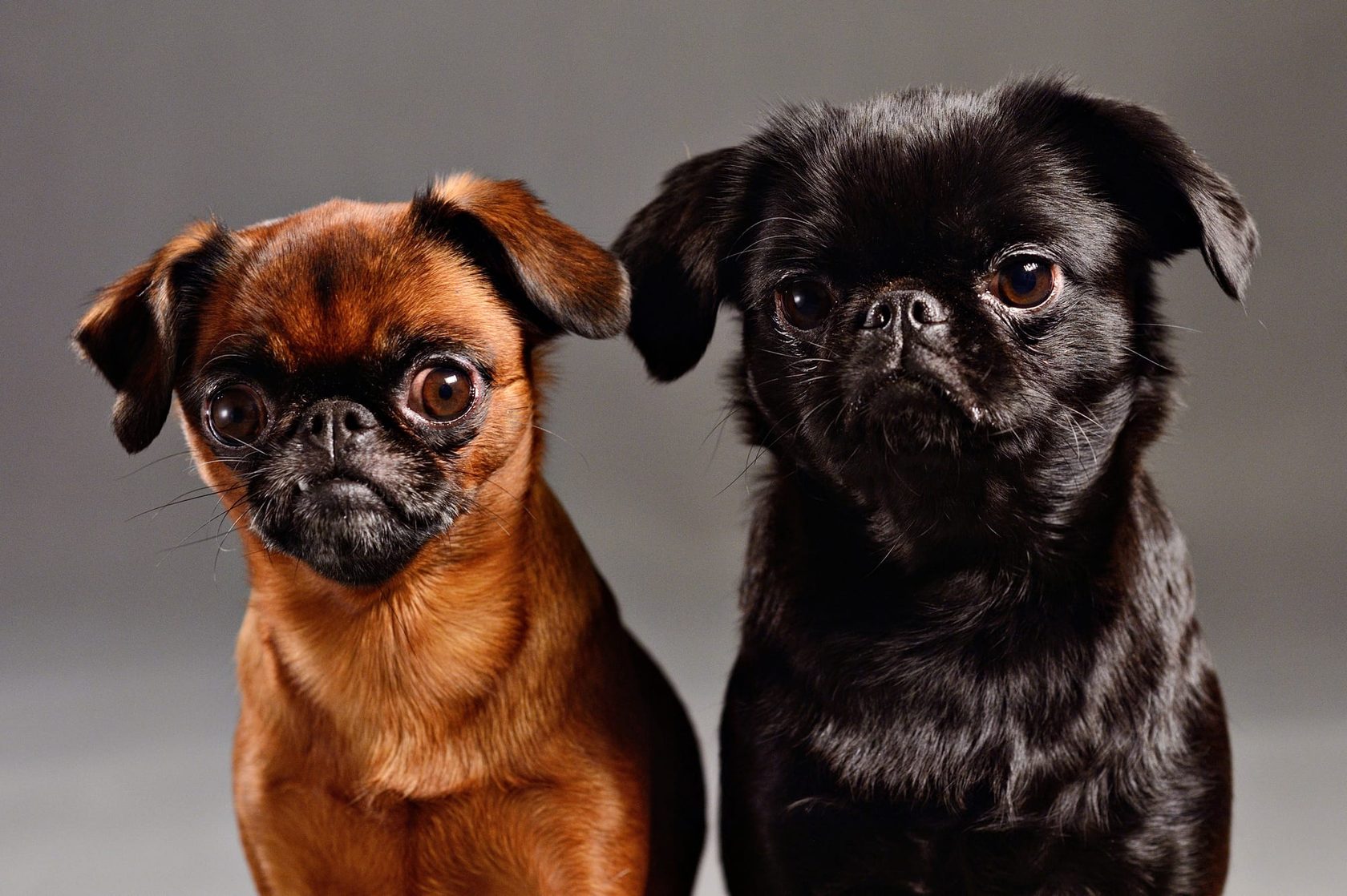
Belgium is famous worldwide for its waffles, chocolate, beer, and passion for French fries. However, there is also a community of dog lovers who undoubtedly consider one of the small decorative companion dogs, the Brussels Griffon, among the merits of the Kingdom of Belgium.
Historians and researchers offer several theories about the origin of these charming dogs. Some believe the first mention of Brussels Griffons dates back to the 15th and 16th centuries. Others argue that they only appeared in the 19th century. Yet all theories share one common aspect: groomsmen made tremendous efforts towards the breed’s emergence. The stables, where grain was stored to feed horses, were plagued by rats and mice, resulting in significant losses. One Brabant groom was known as an experienced breeder of companion dogs and crossbred some of the rough-haired dogs from his stable with pugs, one type of spaniel, Affenpinschers, and Irish terriers. The Brussels Griffon inherited traits from each breed.
There is a hypothesis that the formation of these little grain guardians began even earlier. Through inbreeding among Belgian Griffons, two types of coat were developed: the Brussels Griffon became known for its smooth coat, similar to that of a pug, while the Brussels Griffons took on the harsh fur of the Irish terriers. The smooth-haired Griffon got its adorable face from the German Affenpinscher, and its diligence in catching rodents became the breed’s hallmark.
As time passed, breeders offered puppies under various names, such as Brabant Griffons and Mini-Brussels Griffons. However, it wasn’t until 1880, when the breed had firmly entered aristocratic circles and became one of the court’s favorite pastimes, that these charming little dogs participated in dog shows.
Their popularity skyrocketed, though the quality of the dogs declined in favor of quantity due to the breeders’ desire for quick profits. While it was easy to find dog breeders, renowned breeders were hesitant to celebrate the popularity of their creation. The 20th century, with its devastating wars, nearly wiped out the Brabant dogs. Fortunately, a modern version of the breed is now available almost everywhere, including Russia. A purebred Brussels Griffon puppy from a reputable breeder or kennel costs between 60,000 to 70,000 rubles. However, a show-class Brabant Griffon can exceed 150,000 rubles – searching for a kennel on our animal website is recommended.
Appearance
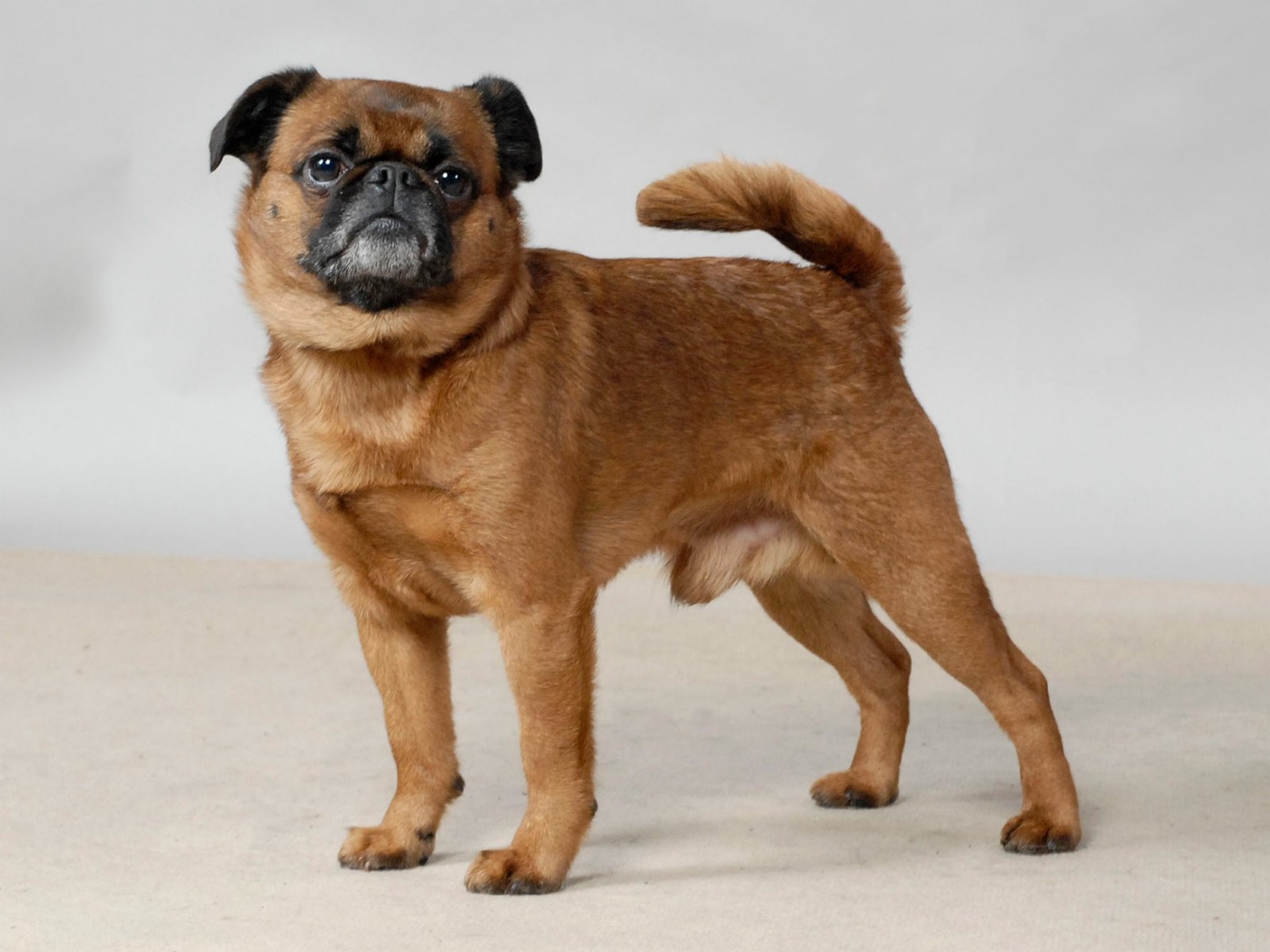
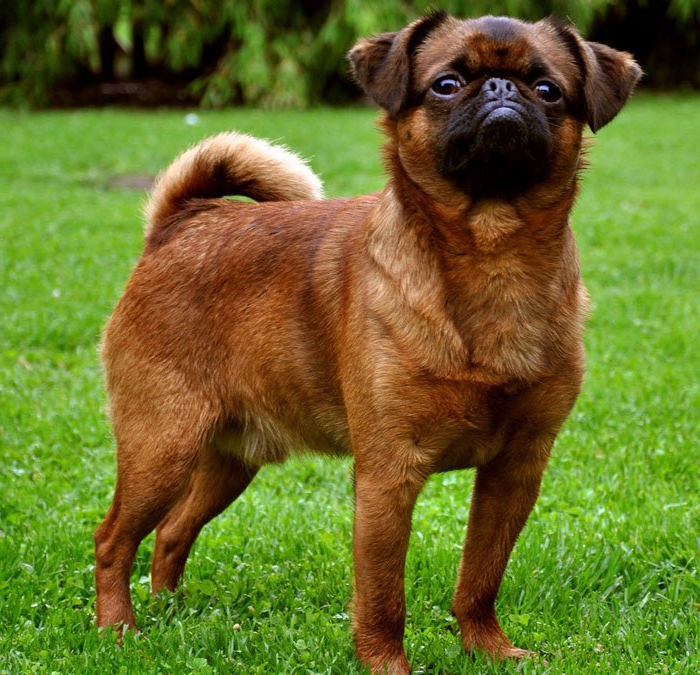
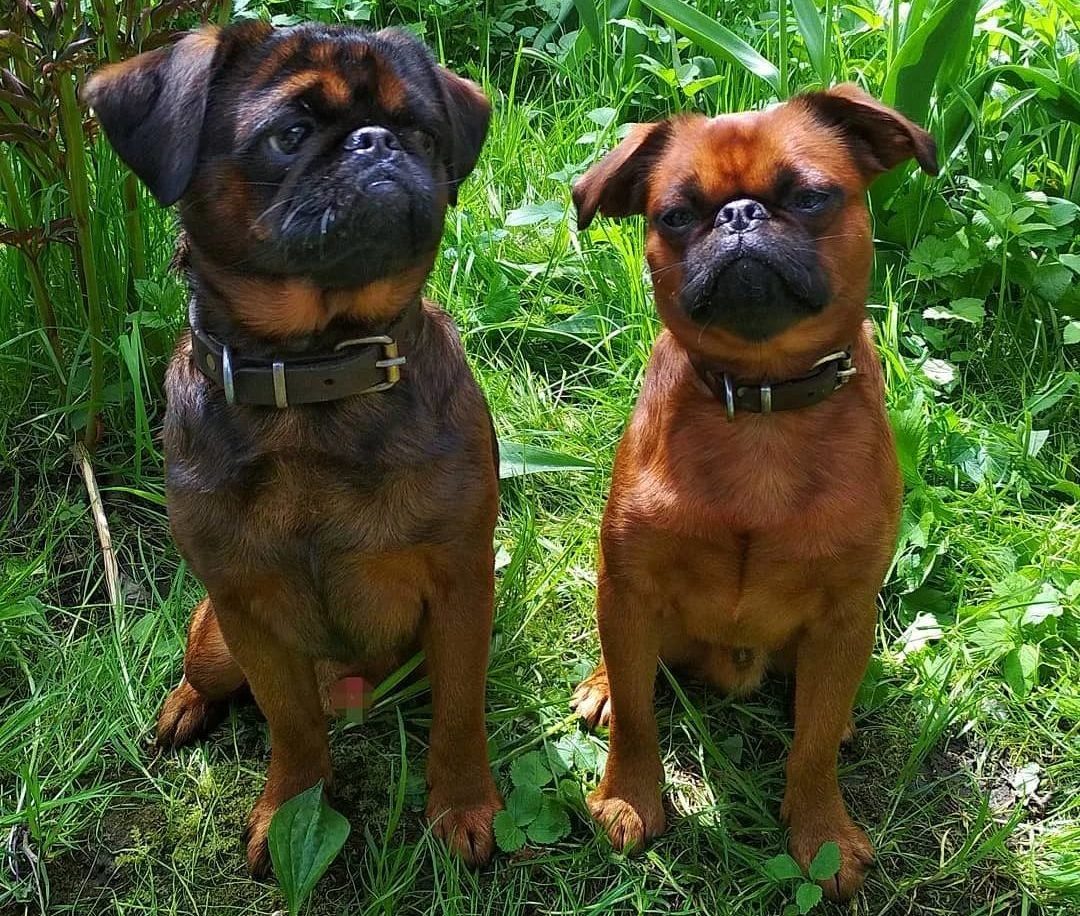
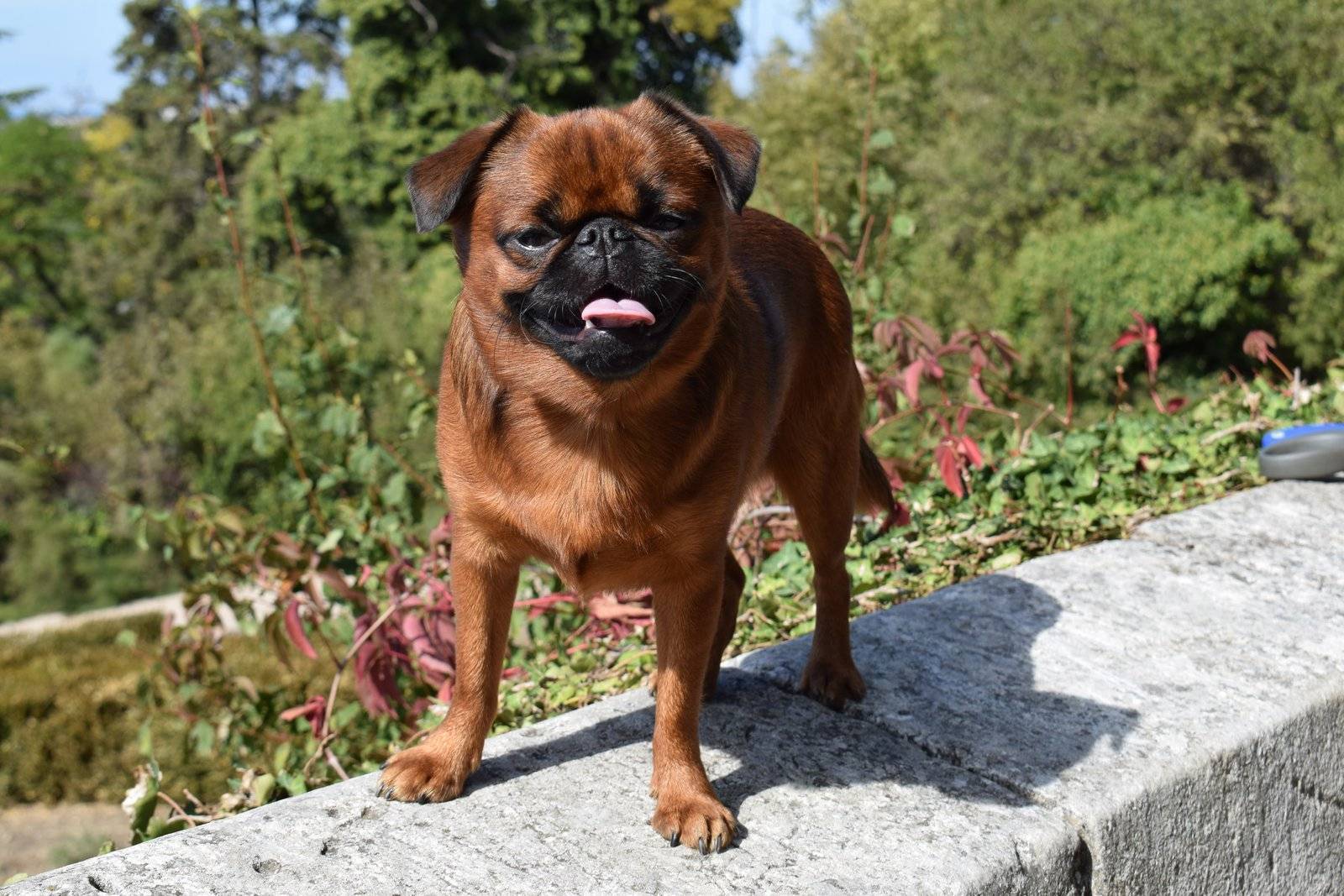
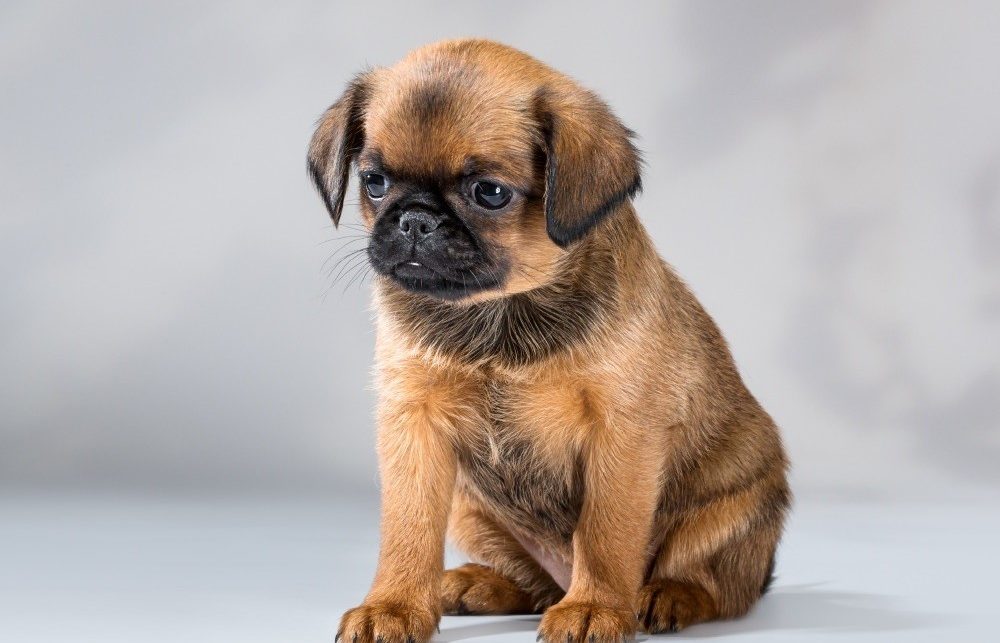
It is believed that small Brussels Griffons are dogs for the fairer sex. This tradition dates back to the time when these wide-eyed griffons slept in the beds of noble ladies, providing them warmth. However, nowadays, these extraordinary decorative dogs are increasingly sought after by dog breeders not just for women, but also for men, and most often for elderly owners. These small dogs weigh between 3.5 to 5.5 – 6 kg and have a height at the withers of about 18 – 25 cm. Due to their size, small Brussels Griffons adapt well to almost any apartment. Their average lifespan is around 14 years, which is quite significant.
Very lively and cheerful, with short hair, they always attract attention during walks. However, not all breeders of small dogs are favorable towards the wide-eyed ones from Belgium. The reason is their coat, which, although short, tends to shed during intense molting, scattering like needles from a Christmas tree.
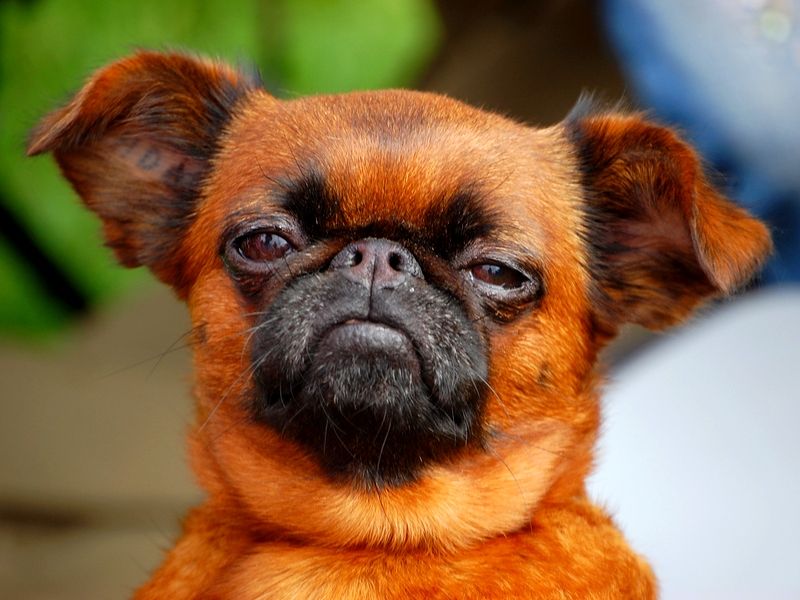
At the same time, these decorative dogs are very kind, despite having a characteristic “sad” fold on their forehead. Combined with their bulging eyes, it looks quite amusing and gives their face a unique expression that somewhat resembles a monkey’s snout.


Отличительные черты

Голова

Морда

Уши

Глаза

Зубы

Корпус

Конечности

Хвост

Шерсть

Окрас
Character
Charming dogs that can cheer anyone up just by their appearance-these thoughts come to mind when you see the face of a Brussels Griffon. Is he as pleasant in real life? Let’s look at the key temperament traits of these dogs as noted by the most renowned breeders of toy breeds in Russia:
Smart and social. The smooth-haired variety of Griffons is known for its sharp mind and excellent communication skills. They quickly learn new commands and adapt well to various situations. This trait makes them wonderful companions for owners who want to teach their dogs different tricks and commands.
Cheerful and playful. Another aspect of their character lies not only in their cheerful disposition but also in their ability to spread positivity to everyone around them. Brussels Griffons are always full of energy and love to play, making them great partners for active games and fun with children.
Loyal and affectionate. Small Brussels Griffons are known for their loyalty and attachment to their owners. They form strong bonds with family members and are very gentle and loving towards them. As noted by breeders of toy dogs, they are among the best companion dogs for any family, regardless of the owners’ age or lifestyle. The motto of Brussels Griffons is to bring affection to those around them.
Cautious and alert. Brussels Griffons have a good sense of smell. They were originally not just decorative pets but were used for hunting rodents. Their excellent sense of smell and keen hearing allow them to serve in guard roles. While they may not detain a potential intruder, they can certainly draw attention with their loud barking.
Active and lively. They are very energetic and enjoy engaging activities. At any age, they need plenty of outdoor walks and both intellectual and physical exercises. Activities like agility, frisbee, or simply playing with children outdoors help keep them healthy and happy.However, every silver lining has a cloud. This saying applies to some characteristics of smooth-haired Brussels Griffons:Independence. Some individuals may exhibit independence, complicating the training and obedience process for inexperienced dog owners.Tendency to bark. In some cases, Brussels Griffons may tend to bark, especially in stressful situations. This can often disturb neighbors or owners in households with infants. As noted by prominent dog breeders, a well-socialized dog behaves appropriately and does not bark without good reason.
And yet, 19!
The first drawing of a Brabançon bird, created with a pencil, dates back to the 19th century, which indirectly disproves the theory of an earlier emergence of the breed.Care and Maintenance
Before looking for a kennel for Brussels Griffons, every potential owner is advised to study some guidelines on their care and proper living conditions.
Adapting to an Urban Apartment
Brussels Griffons can adapt well to various conditions. They thrive both in country homes and metropolitan areas. The only difference is the opportunity to go for walks more frequently if the dog lives outside the city. In an urban apartment, they need sufficient physical and mental stimulation. Regular walks and playtime help expend their energy and keep them physically healthy.
For example, owners of miniature Griffons living in the city take them for walks in parks or designated dog areas where they can safely run and play. After such adventures, they are less likely to misbehave at home. It is worth noting that there are no significant behavioral issues observed in the “bug-eyed” dogs.
Living with the Elderly
In the 21st century, there is a trend towards an aging population. A positive aspect is that Brussels Griffons make excellent companions for elderly people. As breeders of small dogs assert, due to their intelligence and affectionate nature, Belgian smooth-coated Griffons serve as a unique form of therapy for seniors, motivating them to spend more time outdoors. Of course, they require attention and care, but this can also be seen as a good incentive for active living among elderly owners.For example, daily walks and spending time with a Brussels Griffon is a wonderful way for older individuals to engage more actively and maintain physical fitness.Living with Other PetsBrussels Griffons are generally peaceful and get along well with other pets, especially if they have been socialized with them from a young age. There are many instances where breeders showcase their delightful dogs alongside cats, parrots, and even larger dog breeds. However, every situation is unique, and it is important to closely monitor their initial encounters. Unfortunately, there are hardly any examples of successful cohabitation between Griffons and rodents found in open sources-past ex
I won't give up!
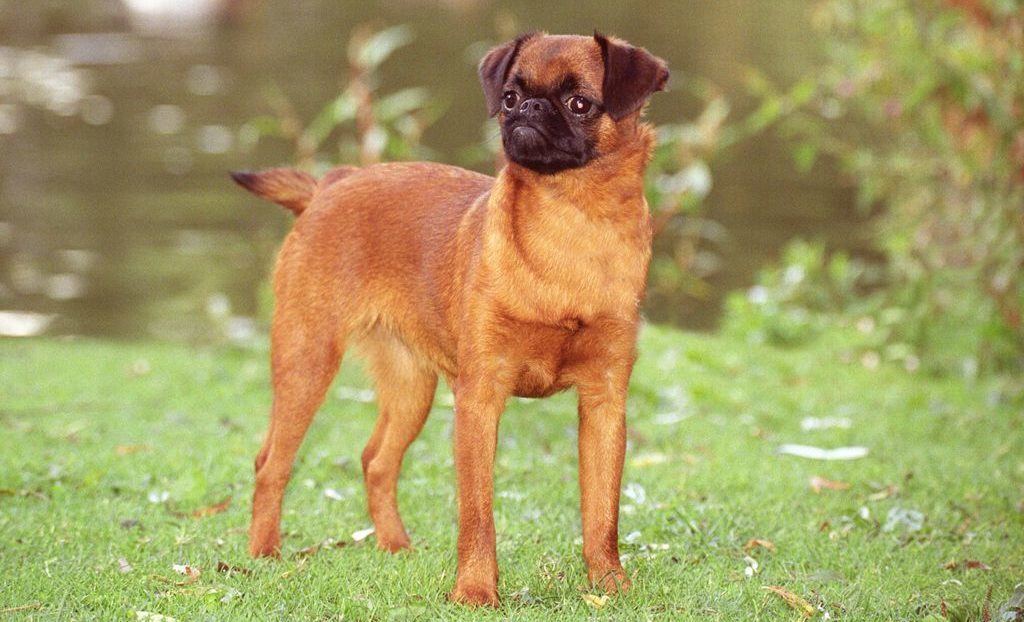
It is impossible to make a brabançon bird do anything. It will simply refuse to comply. Therefore, the only solution is positive reinforcement of success.Training and Education
The wide-eyed cuties from Belgium are renowned for their ability to learn new commands. If you follow the recommendations provided by well-known dog breeders, your training sessions will be even more successful.
Positive Reinforcement. Use praise, treats, and play as positive reinforcement when training Brussels Griffons. They learn easily when they receive rewards for following commands and displaying the right behavior.
Socialization. Make sure to dedicate enough time to socialize your puppy, introducing them to other dogs, people, and various environments. This will help them adapt better to their new home and feel calm and confident.
Patience and Consistency. Don’t rush; show patience and consistency in your training. Smooth-coated Griffons can be a bit stubborn, but as their owner, it is important to be patient and consistent in your demands. Don’t expect the dog to instantly follow your commands. As breeders of small dogs say, sometimes a Brussels Griffon needs time to understand what is required of them. Once they do, it becomes the owner’s task to motivate them to follow the command. Often, it’s easier to outsmart them than to force them.
Habits and Routine. Establish a clear routine for your pet, including daily walks, playtime, training, and rest. This will help them feel more confident and secure. If you decide to adopt a dog from a breeder, clarify the daily schedule that their dogs are used to. Upon moving into a new home, stick to that same routine to ease their transition.
Training Commands. Start training with basic commands such as “sit,” “lie down,” “no,” and “place.” Gradually increase the difficulty of tasks and introduce new commands once the pet masters the previous ones. The command “Heel!” should be learned before the first outing. By then, the puppy should also understand that the leash and collar are not toys.These recommendations will assist you in raising and training your Brussels Griffon. However, each dog is unique, so it’s important to be flexible and adapt your training methods to suit your pet’s individual characteristics. Zoonika connects certified breeders offering puppies with excellent pedigrees.
Intellectual
There is an opinion that the IQ of the Brussels Griffon is approximately equal to that of a child aged 2.5 to 3 years.
How to Choose a Puppy
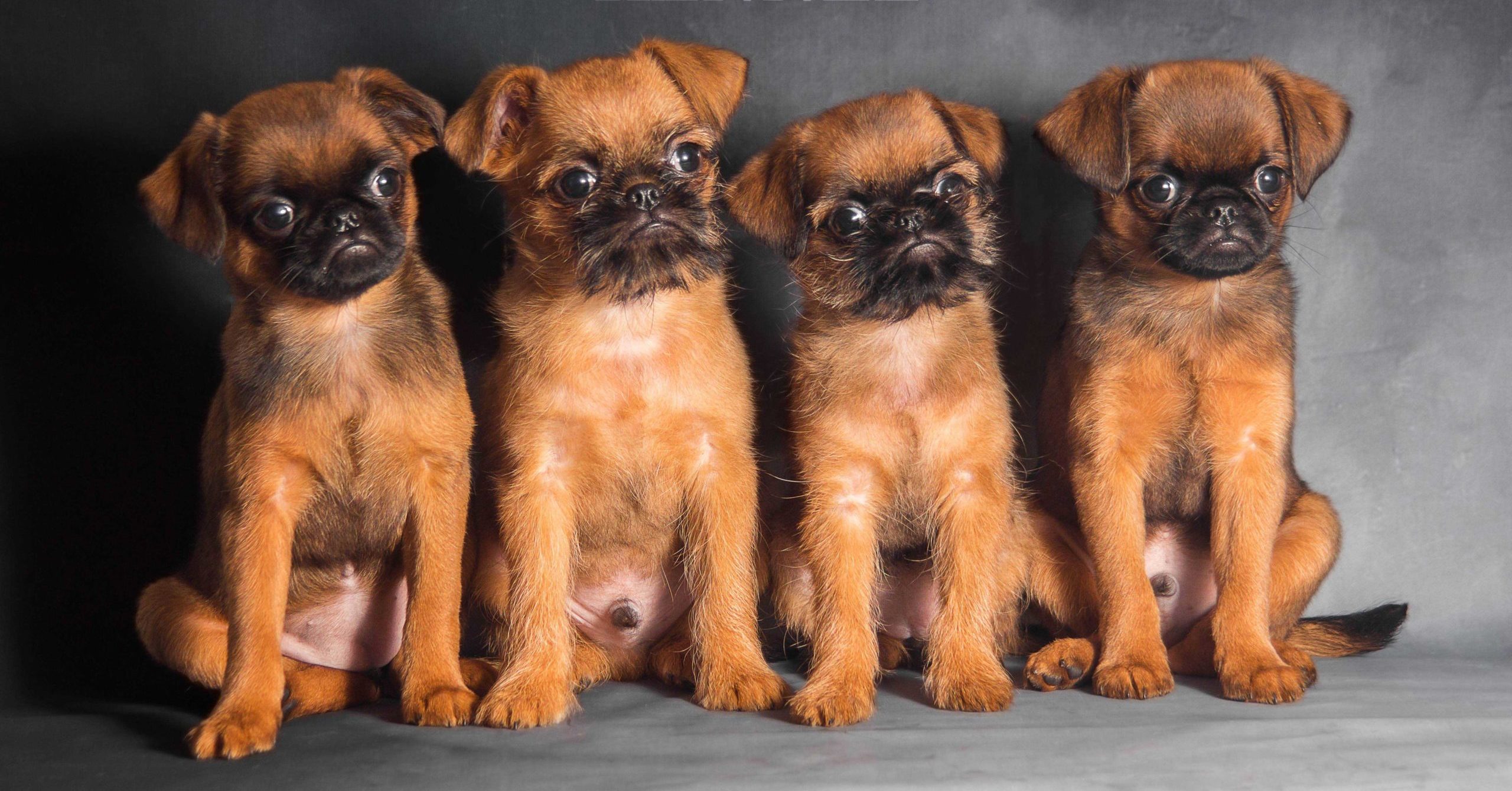
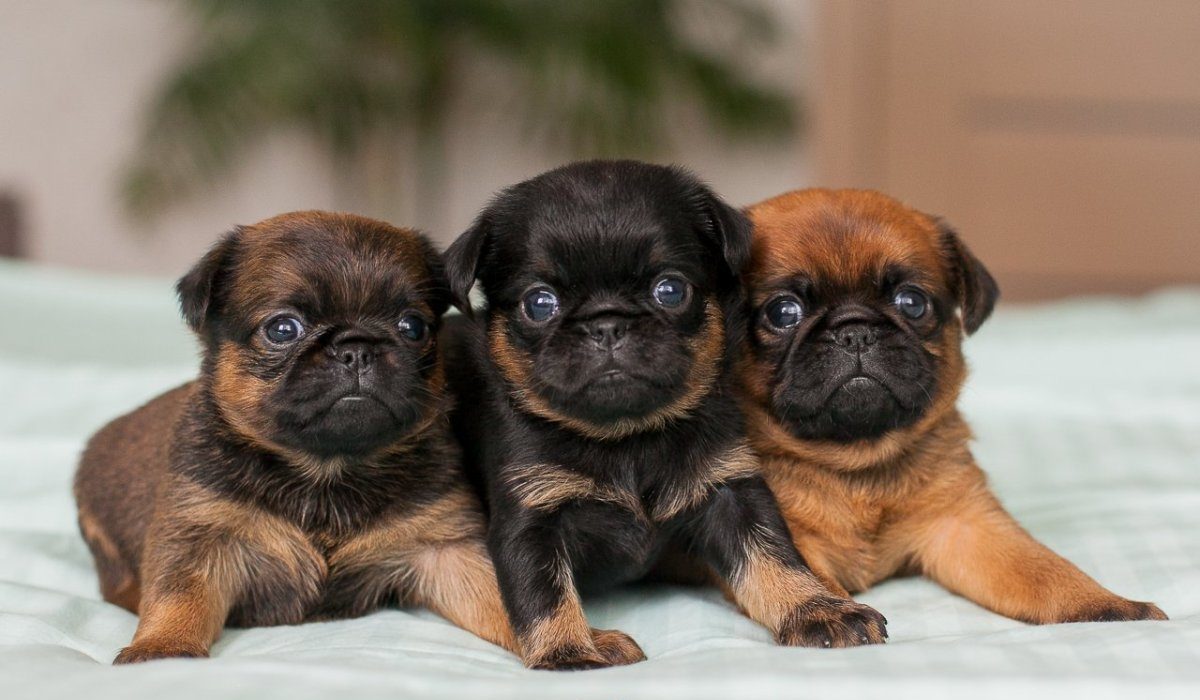
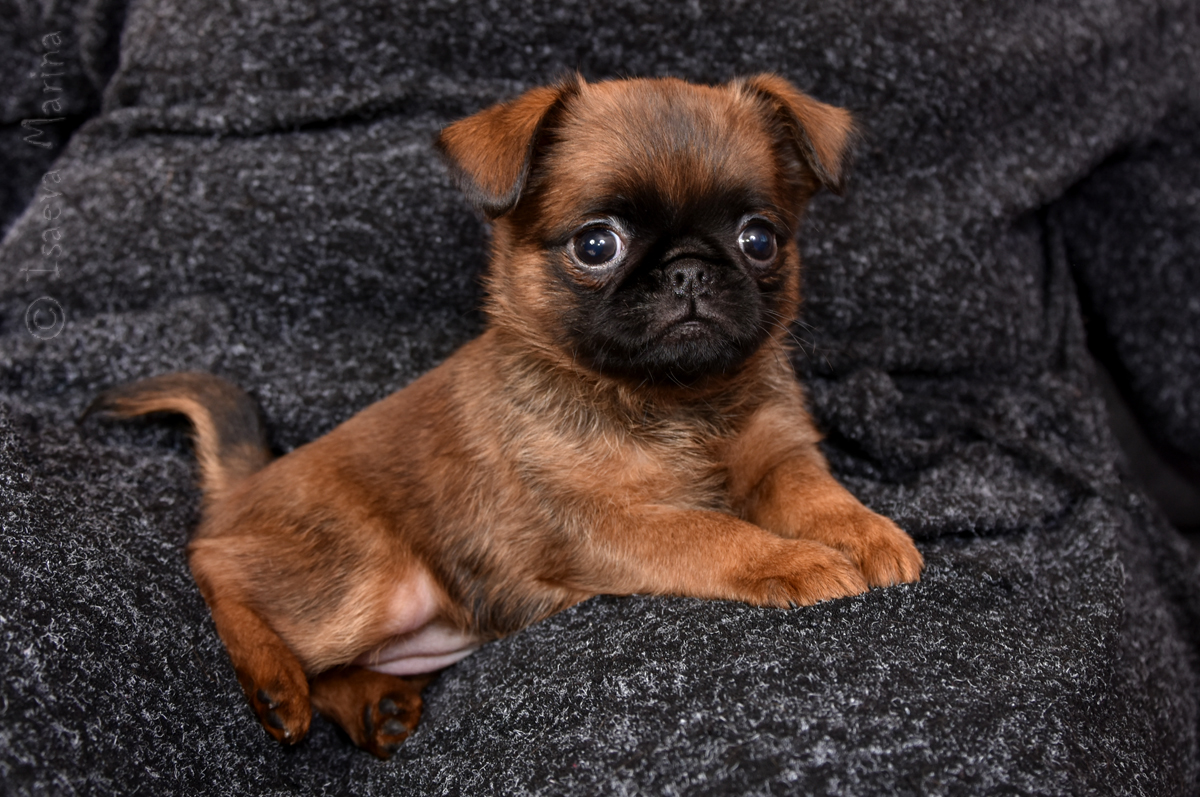
First of all, it’s important to understand that a healthy puppy with a stable temperament behaves calmly, without displaying aggression or excessive passivity. Small Brabantines with excellent pedigrees are cheerful, active, curious, and amusing. They should have no discharge from their nose or eyes, their belly should not be bloated, and their coat should shine in the light without any signs of alopecia. When faced with sudden noises, the puppy should turn toward the source with interest rather than hiding in fear.
The breed is quite well-known in Russia, but a pet market is not the right place to buy such an animal. The best option is to buy a puppy from a kennel, as these places pay the most attention to providing optimal living conditions.
You shouldn’t chase after a low-priced pet. By saving money, you risk buying a dog with genetic problems or psychological issues. The optimal choice would be to purchase a puppy around three months old, with a purchase agreement after reviewing the results of genetic screening for breed-specific diseases. For your convenience, our website lists the best dog kennels, addresses, and contact information for breeders with a verified reputation. On Zoobooks, you will find only verified offers with health guarantees.
Health and Diseases
Among the main health issues faced by smooth-haired Griffons, or Brussels Griffons as they are also called, are the same ones found in all brachycephalic breeds, which have shortened noses. However, these dogs are quite long-lived and, with regular preventive veterinary check-ups, can live without experiencing serious health problems.
The structure of the head of a Brussels Griffon makes its eyes particularly susceptible to issues. They may suffer from various injuries or diseases such as cataracts and retinal atrophy. If detected early, these conditions can be managed with medication, minimizing their negative impact on the dog’s quality of life.
Reputable breeders of this breed note that various dislocations indicate general joint problems in these bulging-eyed dogs. Hip dysplasia is the most concerning genetic condition. Be sure to ask the breeder for the results of the health tests to avoid future issues with your pet.
Generally, if you buy a puppy from a kennel, the essential vaccinations will already be administered, which the veterinarian will document in your pet’s veterinary passport.
Содержание
-
1. Описание породы
-
2. Внешний вид
- 2.1 Голова
- 2.2 Морда
- 2.3 Уши
- 2.4 Глаза
- 2.5 Зубы
- 2.6 Корпус
- 2.7 Конечности
- 2.8 Хвост
- 2.9 Шерсть
- 2.10 Окрас
-
3. Характер
-
4. Содержание и уход
-
5. Дрессировка и обучение
-
6. Как выбрать котенка
-
7. Здоровье и болезни


Комментарии
Отзывы могут оставлять только зарегистрированные пользователи
Войти