
Brussels Griffon




Warning: Illegal string offset 'label' in /home/panda/sites/zoonika/wp-content/themes/zoonika/template-parts/animals/animals-param-item.php on line 32
Ð


Breed Description
Brussels Griffons were named after the city of Brussels in Belgium, where they originated. The Brussels Griffon was originally bred for catching rats and mice in stables and European estates. The breed gained popularity after being recognized by Henriette Marie, the Queen of Belgium, distinguishing it from other companion dogs.
The history of the Brussels Griffon dates back to ancient times in Belgium. These charming dogs, with their short noses and woolly “shark” tails, have roots that flourished during the medieval era.
In the 17th century, the Brussels Griffon became especially popular among Belgian upper-class families and was widely used as a status decorative dog. They were beloved by important figures and aristocratic ladies. Perhaps that’s why they were named after the city of Brussels, where they became most renowned.
Over time, the Brussels Griffon has undergone several changes and modifications. In the early 20th century, alterations were made to the breed, leading to slight changes in appearance and coat type. For instance, the breed was divided into two varieties: smooth-coated (essentially a small Brabançon) and the rough-coated Brussels Griffon.
Modern Brussels Griffons are popular not only as decorative dogs but also as beloved pets. They possess a vibrant, unique character and excellent socialization, making them great companions for families and individuals alike.
The origins of the Brussels Griffon breed showcase their elegance and noble heritage. Their gentle and affectionate nature continues to win hearts worldwide, making them one of the most appealing dog breeds.These small dogs are curious, alert, and good companions. They stand between 18 to 20 centimeters at the shoulder and weigh only 4 to 5 kilograms.The Brussels Griffon is best known for its sociable nature, loving disposition, and intelligence. They are suitable for people living in houses and apartments; however, they still require daily walks and exercise. Griffons enjoy being around people and generally get along well with dogs and cats. They can make good watchdogs and may bark at strangers, but they are not guard dogs due to their small size.The price for a puppy ranges from 35,000 to 80,000 rubles.
Appearance
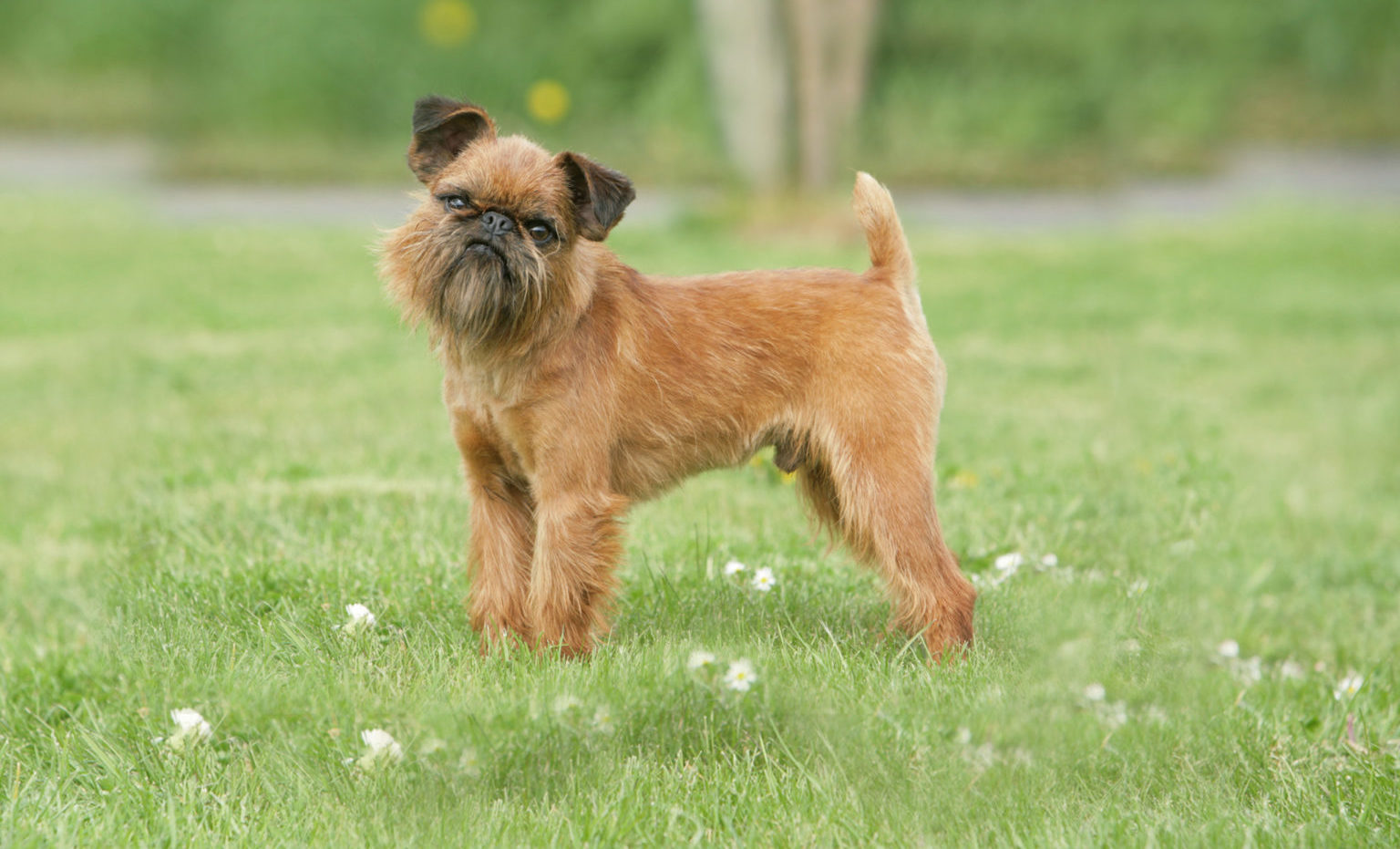
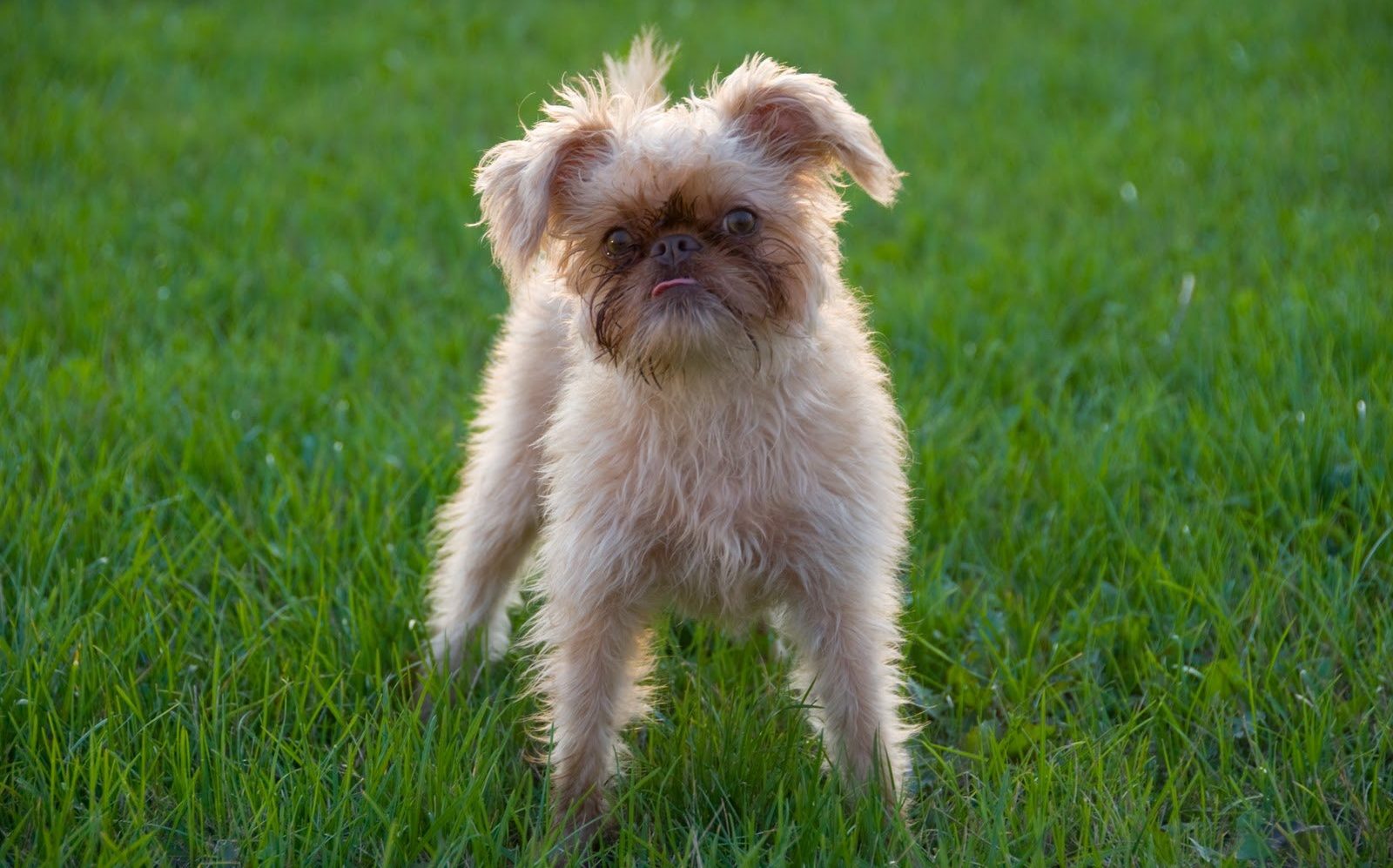
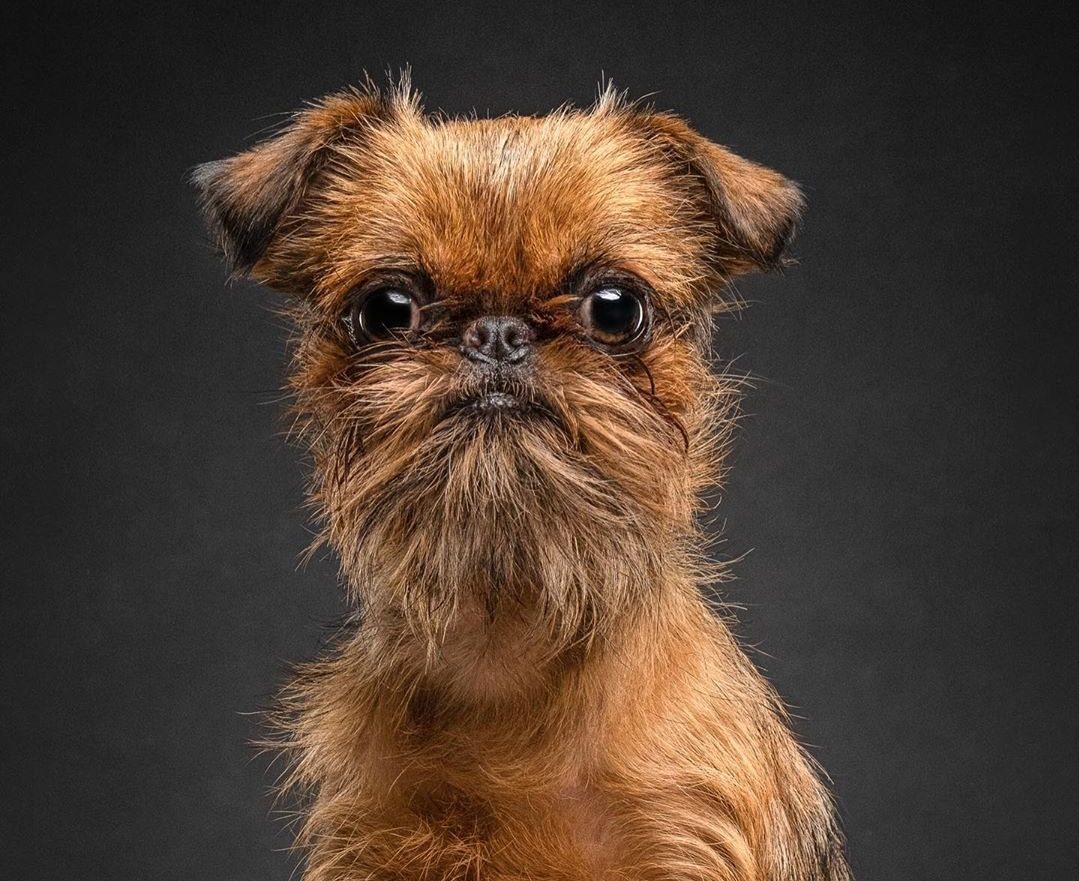
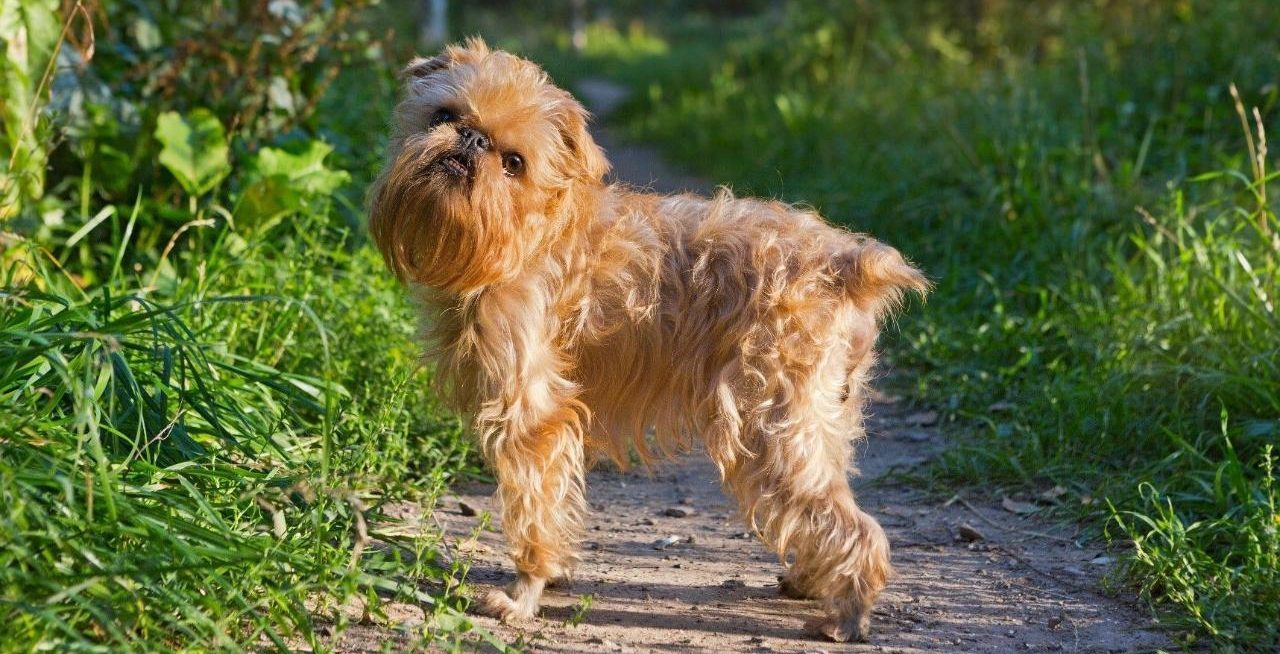
The Brussels Griffon is a well-balanced, square little dog with a characteristic face and a monkey-like expression.
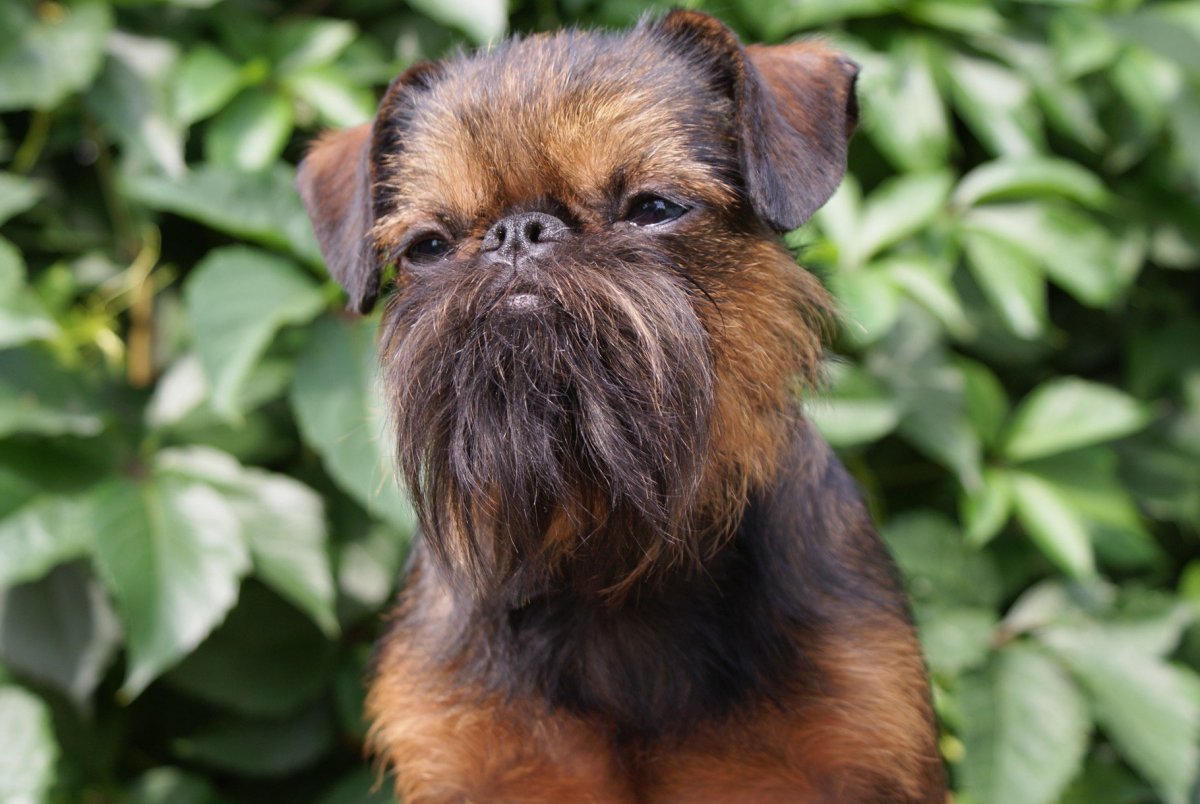
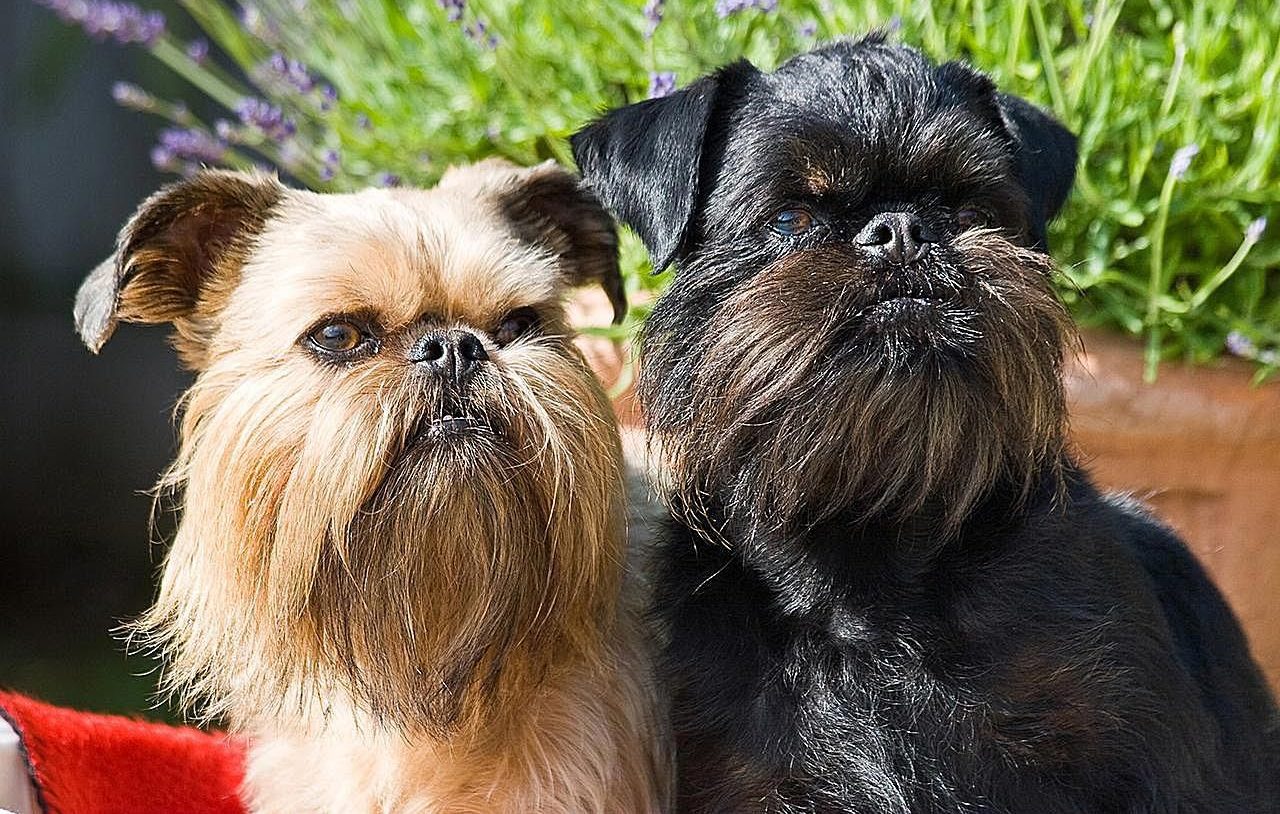
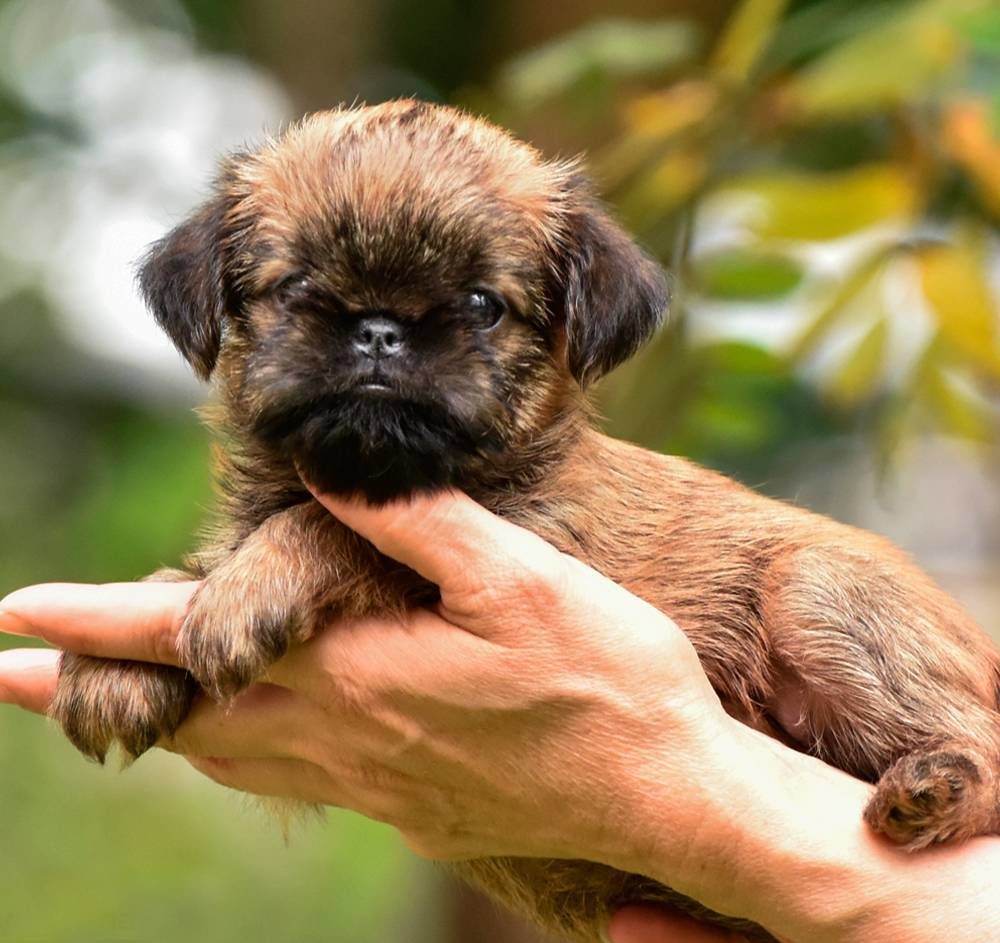
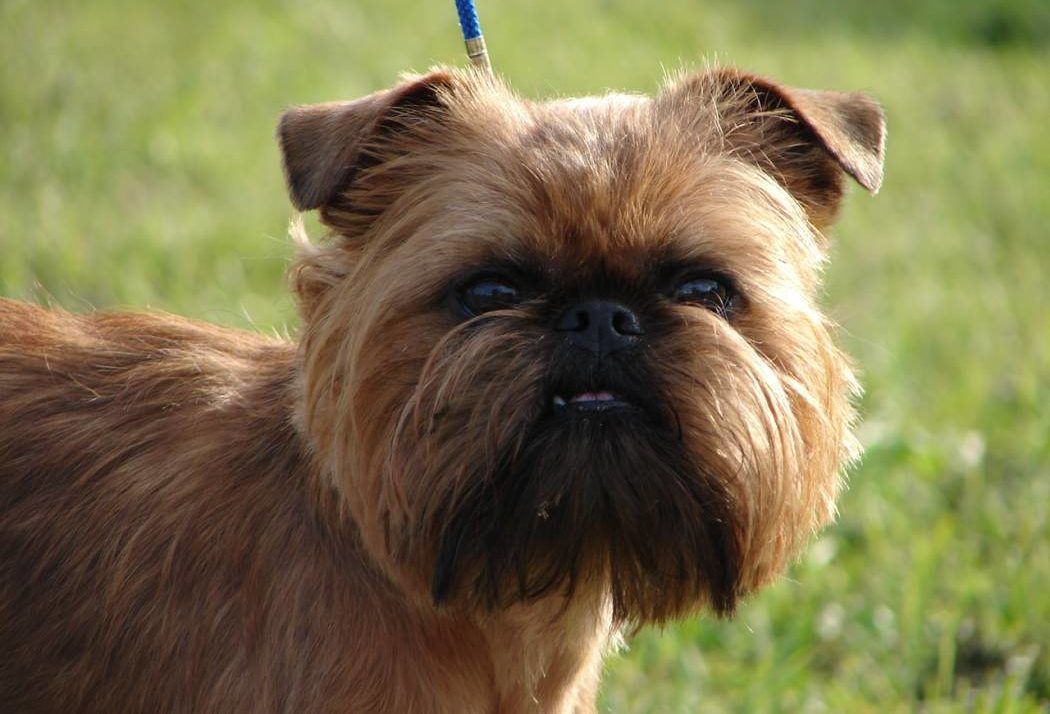
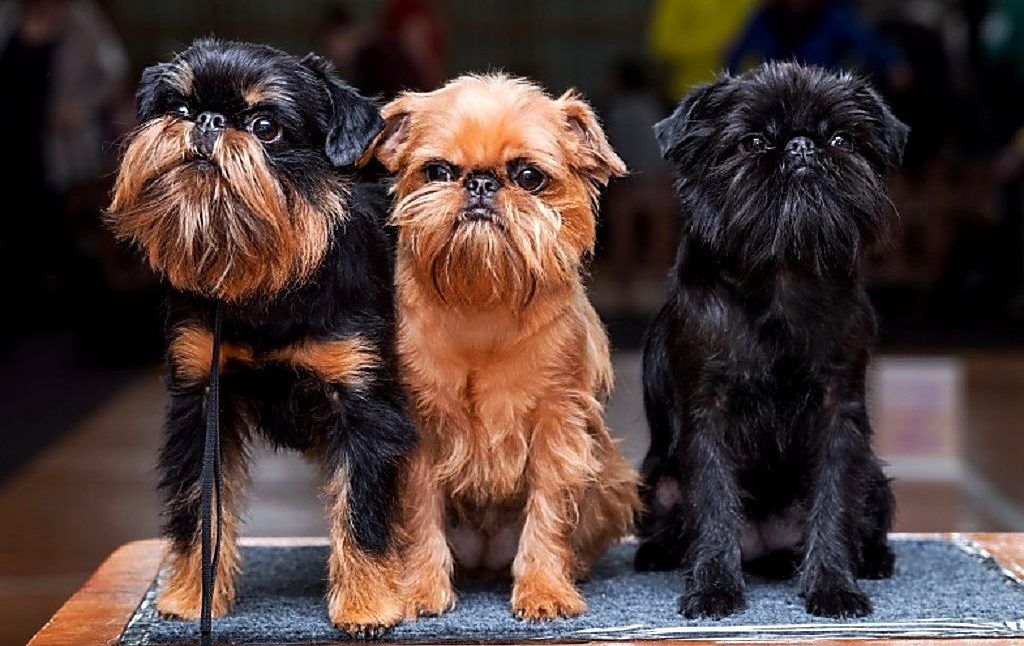
Griffons come in four colors: reddish, black-and-tan, black-and-brindle (known as beldj), and black. Their coat can be smooth (like a pug) or rough (like a schnauzer). The griffons were called “bearded dogs” in old folk songs due to their black muzzle and whiskers. The large black eyes of the griffon, combined with its beard, mustache, and fringe covering its short muzzle, give it the look of a worldly French philosopher.
A stocky, well-balanced, square little dog, appearing to have equal dimensions from the withers to the base of the tail and from the withers to the ground.
This smart dog has a terrier-like disposition. Currently, there are two varieties: the rough-coated Griffon Bruxellois and the smooth-coated Petit Brabançon. Both have a cheeky, monkey-like expression and are surprisingly heavy for their size. Temperament: lively and alert.
The ideal weight is considered to be 3.2-5 kg, with 3.6-4.5 kg being most desirable.


Отличительные черты

Голова

Морда

Уши

Глаза

Зубы

Корпус

Конечности

Хвост

Шерсть

Окрас
Character
The character of the Brussels Griffon breed makes them special and appealing to many people. Their love for attention, energy, and intelligence make the Brussels Griffon an ideal companion for those seeking a loyal friend and entertainment in their lives. Despite their small size, they possess a vibrant personality and lively nature.
Griffons are loving and devoted to their families. They get along well with children and enjoy playing with them in the yard. They make great watchdogs, but not effective guard dogs due to their small size. They are also good companions for runs, as they love physical activities.
These dogs are very affectionate and typically get along well with other pets. However, like many breeds, they can be wary of unfamiliar dogs. Therefore, it is crucial to socialize them from an early age to encourage positive behavior. The Brussels Griffon is a breed that thrives on being the center of attention. They relish in receiving attention and affection and constantly seek to be near their owners. They can be tender and devoted companions who long to spend every moment with you. The Brussels Griffon can become the perfect companion for an individual or even for a family ready to shower them with love and care.
The Brussels Griffon is a dog breed known for its cheerfulness and energy, despite its small size. They are always full of enthusiasm and liveliness, ready for play and fun. Brussels Griffons can bring genuine joy to your family with their cheerful and playful character. They love to run, jump, and play all kinds of games, making your life more vibrant and enjoyable.
The Brussels Griffon is an intelligent dog breed with a sharp mind and fast learning ability. They easily remember commands and are always curious about new things, eager to learn. However, alongside their intelligence and cleverness, they can sometimes show stubbornness, so using gentle and positive training methods is important for achieving the best results. Brussels Griffons also have a lively sense of humor and can be a source of fun and amusement in your life.
Belgian pride
This breed is considered a Belgian pride, and it got its name from the capital of Belgium, Brussels. They were popular among Belgian workers and craftsmen in the 18th and 19th centuries, and their small size made them ideal for working in tight spaces, such as mines and mills.Care and Maintenance
The care of the Brussels Griffon requires special attention and dedication. In addition to the mandatory routines, such as daily walks and feeding, there are several other aspects to keep in mind.
Regular grooming is important for Griffons, although it does not take too much time. They will need weekly brushing to prevent mats and remove debris. Smooth-coated Griffons should be rubbed with a dog glove from time to time, while rough-coated Griffons should be brushed at least twice a week. Bathe them only when absolutely necessary, as bathing can destroy the waterproof quality of their coat. Regular trimming is also recommended to maintain optimal coat length and facilitate grooming.
There are two varieties of Brussels Griffon: smooth-coated and rough-coated. The smooth-coated Brussels Griffon sheds twice a year-in spring and fall- and the shedding season can last about two weeks. In contrast, the rough-coated Griffon does not shed.
Caring for rough-coated Brussels Griffons requires regular cleaning and hand stripping about every six months. After thorough hand stripping of the coarse fur, you will be able to maintain its texture and appearance.
The large, protruding eyes of Griffons are often prone to irritation, allergic reactions, and infections. Regular eye care, using specialized cleaning solutions, will help prevent eye problems. It is also essential to regularly check and clean their ears of discharge and other debris to prevent ear infections.
The Brussels Griffon is a breed of small yet active dogs that need plenty of exercise and mental stimulation. Regular walks and play are important for maintaining their physical condition and overall health. Additionally, using interactive toys, puzzles, and training will keep a Brussels Griffon’s mind engaged and help prevent behavioral issues related to monotony and boredom.To maintain optimal health, Brussels Griffons require a balanced and nutritious diet. Choose high-quality food appropriate for their age, size, and activity level. Consider proper portion sizes and consult with a veterinarian regarding your pet’s diet and nutrition.Griffons need about a quarter to half a cup of high-quality dry food each day. It is best to divide this amount into two portions rather than feeding the entire amount at once. As your Griffon ages, adjustments will be necessary, as their dietary needs change over time. Always ensure they have access to clean, fresh water.Taking care of a Brussels Griffon requires a proper understanding and in-depth knowledge of their characteristics. By following these recommendations, you can ensure that your Brussels Griffon receives the care,
Famous representatives
The Brussels Griffon has gained popularity due to its incredibly expressive face and tiny size. This breed has become a favorite among many celebrities, including Marlene Dietrich and Saoirse Ronan. They are also frequently seen in films and advertisements because of their irresistible appearance.Training and Education
Training and education for Brussels Griffons are essential parts of their upbringing and development. Although a Brussels Griffon may seem small and delicate, they are quite intelligent and learn quickly. Griffons are easy to train if you start at an early age, but if training is postponed to later in their lives, they may develop “small dog syndrome” and not respond to commands.
Brussels Griffons are extremely sensitive, so it’s better to use positive reinforcement methods during training. It’s important to encourage and praise a Brussels Griffon for correctly following commands and desired behaviors. Rewards can include treats, playtime, or simple words of praise. Excessive punishment and negative approaches should be avoided, as they can cause stress in the dog and lead to ineffective training.
Like other breeds, the Brussels Griffon needs socialization from an early age. It’s important for the dog to encounter new situations, places, and other animals so that it can feel confident and calm in various circumstances. Organizing encounters with new people, dogs, and getting accustomed to various sounds, smells, and environments is necessary. Regular walks and visits to places with different social situations will help successfully socialize your pet.
Griffons can be stubborn and independent, so it’s important to be patient and consistent in the training process. Establish clear and firm rules, demand compliance with commands, and act with determination. However, maintain a positive atmosphere and train the dog with love and respect. Consulting an experienced trainer or joining group classes can provide additional skills and guidance during the training process.
Griffons are energetic and active dogs that require 30 to 50 minutes of physical exercise and activity daily. They enjoy long walks and will happily play throughout the day. Gardens are their favorite playground, especially since they can get a lot of exercise in small spaces.
The Brussels Griffon is a breed that actively learns and loves to be on the go. Proper training and education will help your Brussels Griffon become an ideal and obedient companion. A balanced approach, patience, and friendly communication will entice you to succeed in training your Brussels Griffon.
Two diverse types of griffins
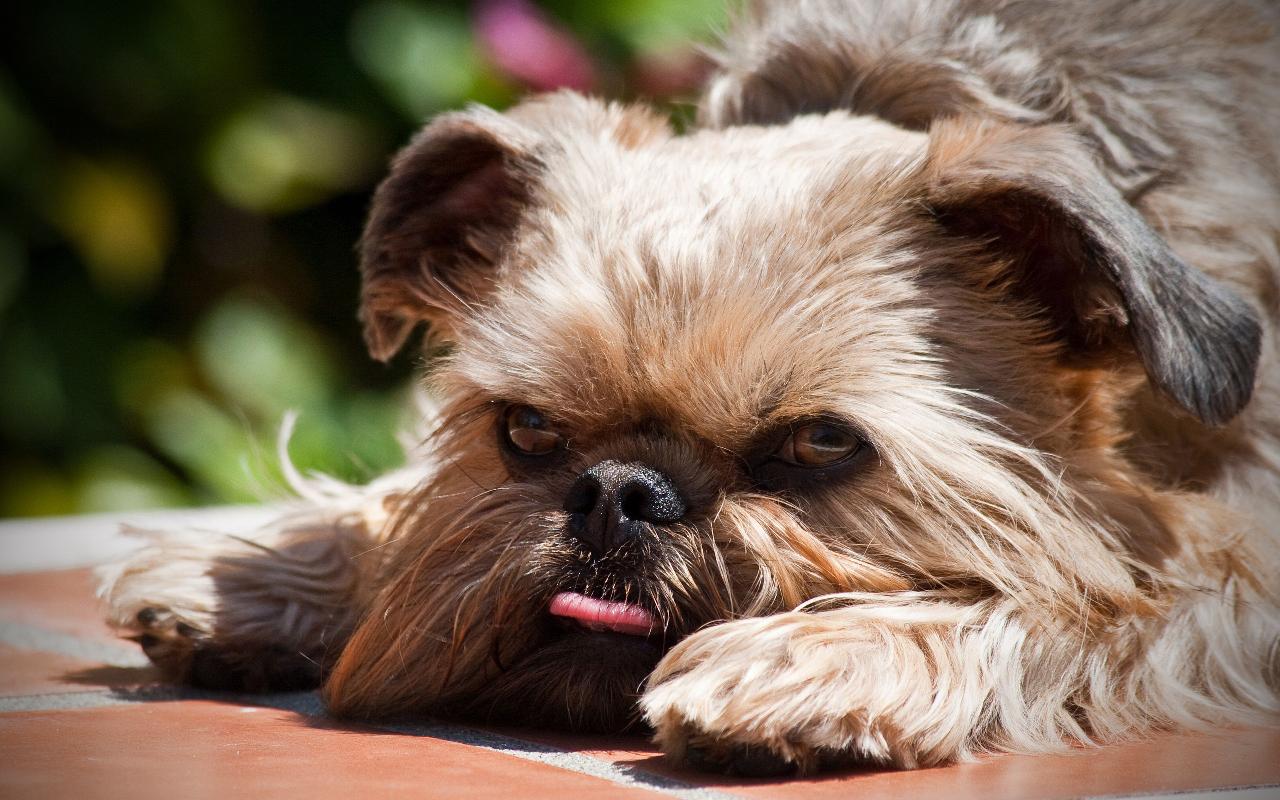
There are two main types of Brussels Griffons – smooth-coated and rough-coated. Smooth-coated Griffons have short, smooth, and glossy fur, while rough-coated Griffons have a coarser, harsher coat that gives the appearance of a “beard” on the face. Both types of the breed have their unique look and character, but both possess an equally indescribable charm.
How to Choose a Puppy
Choosing a Brussels Griffon puppy is a responsible and important step. To make the right choice, several key factors should be considered.
Before deciding to purchase a puppy, conduct thorough research on various breeders that raise Brussels Griffons. Learn about the breeder’s reputation, check reviews from other owners, visit the facility personally, and assess the living conditions of the dogs. It’s important to choose a puppy from professional and caring breeders, ensuring that the puppy is healthy and has good initial socialization.
The health and temperament of the puppy are key points in the selection process. It is recommended to acquire a puppy from a breeder who regularly performs medical examinations on the parents and provides documentation regarding their health status. Additionally, pay attention to the behavior and character of the puppies. A Brussels Griffon puppy should be cheerful, active, and sociable. It’s advisable to spend time with the puppies to gauge their temperament and ensure that the chosen one is a perfect fit for you. Choosing a Brussels Griffon puppy is a responsible decision that requires time and attention. Use these recommendations to find the ideal puppy that will become a loyal friend and loving member of your family.
Health and Illnesses
The Brussels Griffon is generally a healthy breed, but they are susceptible to certain specific diseases and conditions.
Respiratory Issues. Brussels Griffons, especially those with short noses, may have respiratory system problems. Their short nose and muzzle can lead to breathing difficulties and upper airway obstruction. This may cause snoring, labored breathing, and fainting. Therefore, it is important to monitor the respiratory function of your Brussels Griffon and consult a veterinarian if there are any breathing issues.
The Griffon, unlike its relatives, has a short muzzle and small teeth. Due to this, they may experience premature tooth loss, dental plaque, and gum disease. Daily oral hygiene using a dog toothbrush and toothpaste can help reduce the risk of dental problems in Brussels Griffons.
Brussels Griffons have a unique coat structure that can be prone to skin issues. They are susceptible to allergies, eczema, rashes, and other skin conditions. Regular grooming and proper nutrition can help lower the risk of these problems. It is also advisable to visit the veterinarian regularly to monitor skin condition and detect any issues at early stages.
Griffons are prone to hip dysplasia, patellar luxation, cataracts, and skin allergies, so it is recommended to visit the veterinarian every six months to keep them healthy and happy throughout their life.
Veterinary care is essential for the health and well-being of the dog; however, the frequency of treatment and check-ups will depend on the dog.During these annual visits, your veterinarian will conduct a medical examination, measure your dog’s temperature, and check its heartbeat.Regular grooming of your dog allows you to monitor its growth and development, discuss any concerns with the veterinarian, and form a key part of preventive care.It is important to remember that a dog’s health is the result of a combination of genetics and proper care. Maintaining a good diet, regular veterinary visits, and consistent physical activity will help your Brussels Griffons remain healthy and happy throughout their lives.
Содержание
-
1. Описание породы
-
2. Внешний вид
- 2.1 Голова
- 2.2 Морда
- 2.3 Уши
- 2.4 Глаза
- 2.5 Зубы
- 2.6 Корпус
- 2.7 Конечности
- 2.8 Хвост
- 2.9 Шерсть
- 2.10 Окрас
-
3. Характер
-
4. Содержание и уход
-
5. Дрессировка и обучение
-
6. Как выбрать котенка
-
7. Здоровье и болезни






Comments
Only registered users can leave reviews.
Enter