
Borzoi




Warning: Illegal string offset 'label' in /home/panda/sites/zoonika/wp-content/themes/zoonika/template-parts/animals/animals-param-item.php on line 32
Ð


Breed Description
The Russian Wolfhound, also known as the Russian Hunting Borzoi, gets its name from the word “borzaya,” which means “swift dog” in Russian. These dogs are skilled hunters that have been used for centuries to track various types of game, including deer, roe, hares, antelopes, foxes, and even wolves. Hunting in those times was significantly different from today: hunters did not have precise long-range rifles and relied on borzois, which usually hunted in groups to chase and drive the game until the horse rider could approach closely enough.
Hunting with borzois was a privilege of the nobility in old Russia before the October Revolution. Princes and tsars kept large kennels that could house up to 500 dogs. Here, borzois and other hunting dogs were professionally and systematically bred, improved, and trained for centuries. The roots of the borzoi likely trace back to ancient European borzois bred by peoples such as the Celts over millennia. This is confirmed by extensive genetic analysis from 2017, where a team of geneticists led by Heidi Parker analyzed over 100 dog breeds and more than 13,000 dogs. Borzois were genetically positioned between the Greyhound and the Irish Wolfhound, which typically represent the old European line of hunting dogs.
Ancient Russian princes also valued their borzois as personal companions. These high-bred borzois, capable hunters able to chase game, are at the same time friendly, responsive, and harmonious companions to their owners and family members. The borzoi is considered one of the oldest dog breeds. In 1956, it was officially recognized by the FГ©dГ©ration Cynologique Internationale (FCI), although this was merely a formal acknowledgment.
The borzoi is one of the noblest breeds in the world. Its character is also quite unique. Behind its gentle demeanor lies an exceptionally capable hunter and pursuer.
Appearance
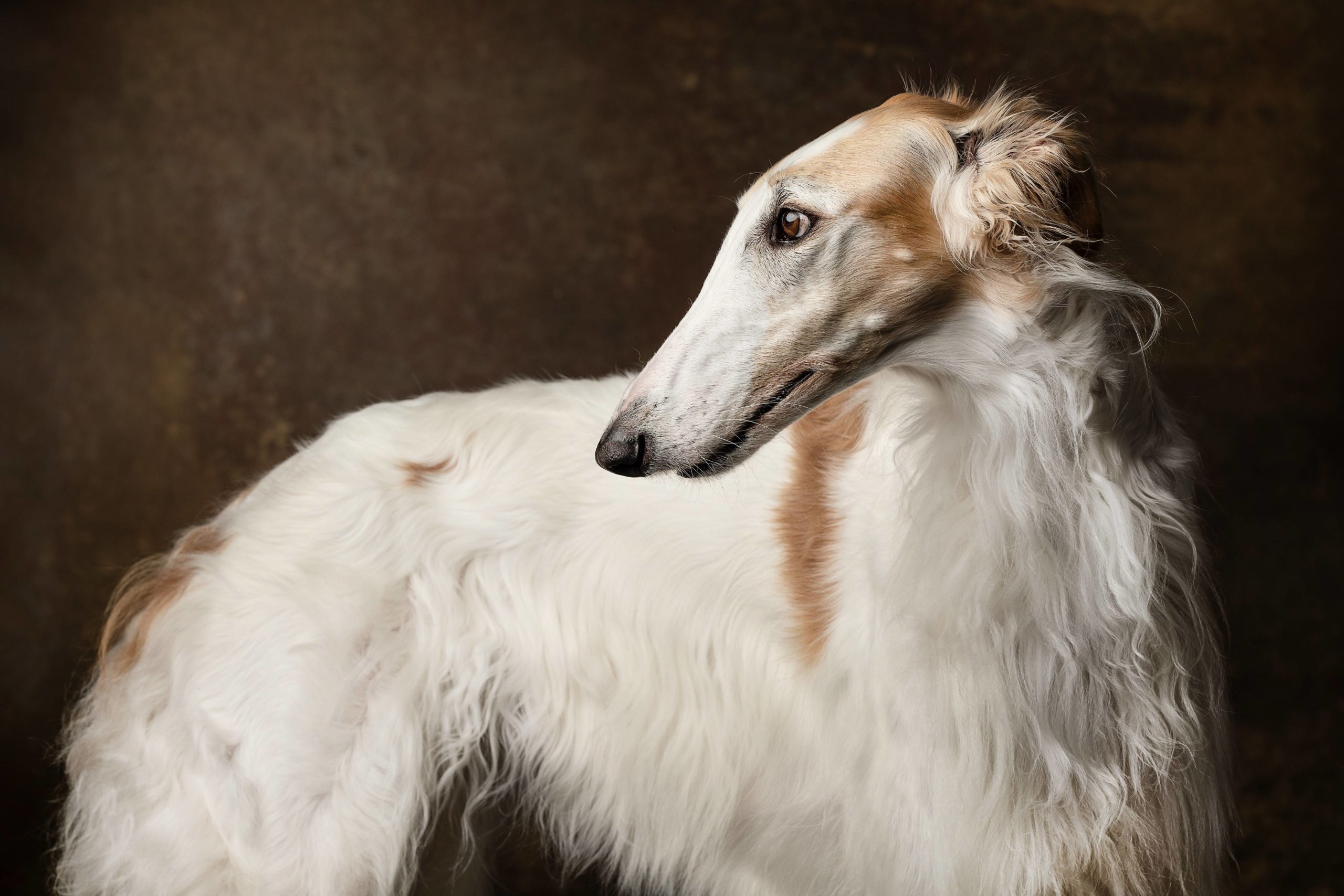
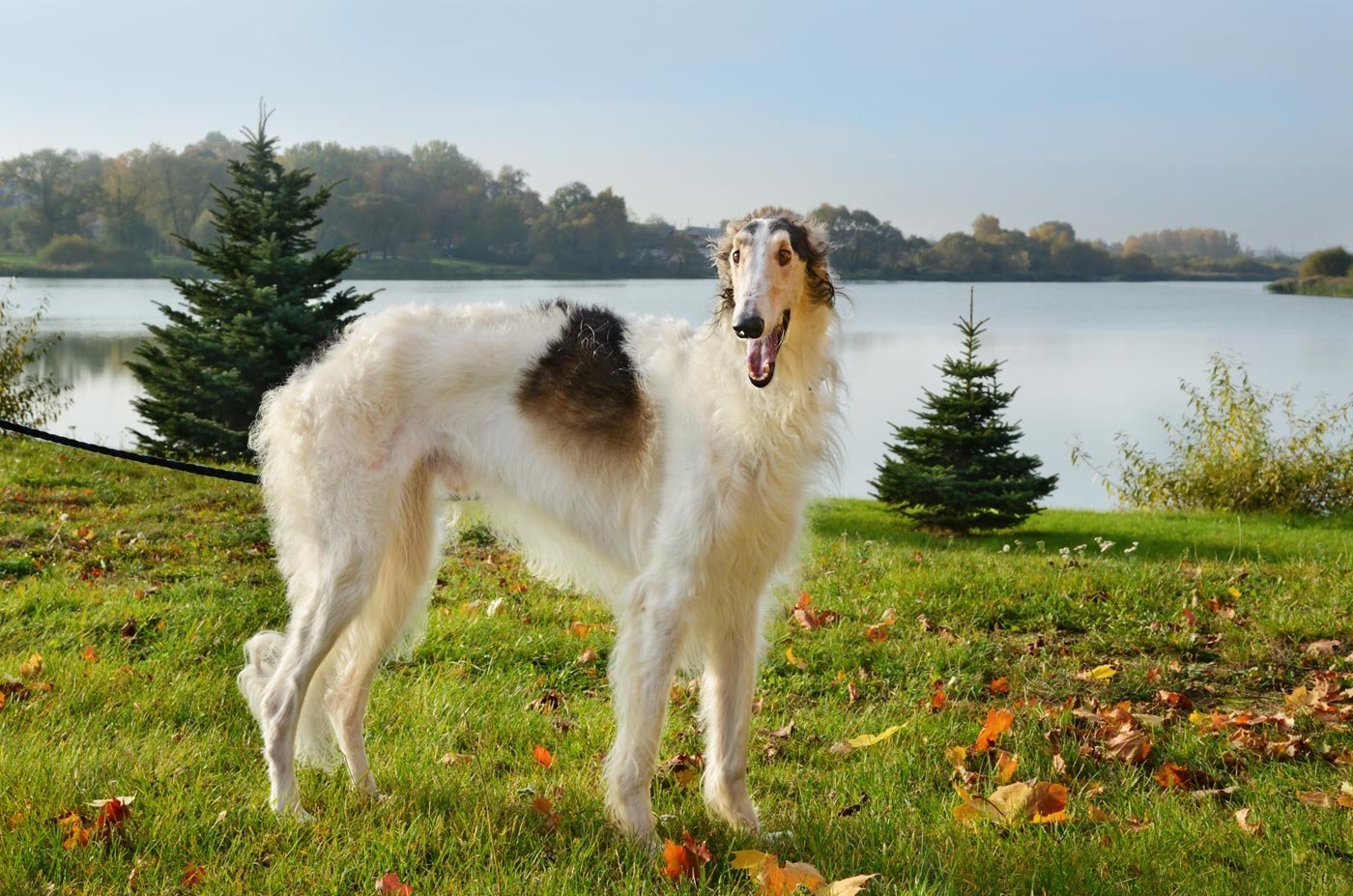
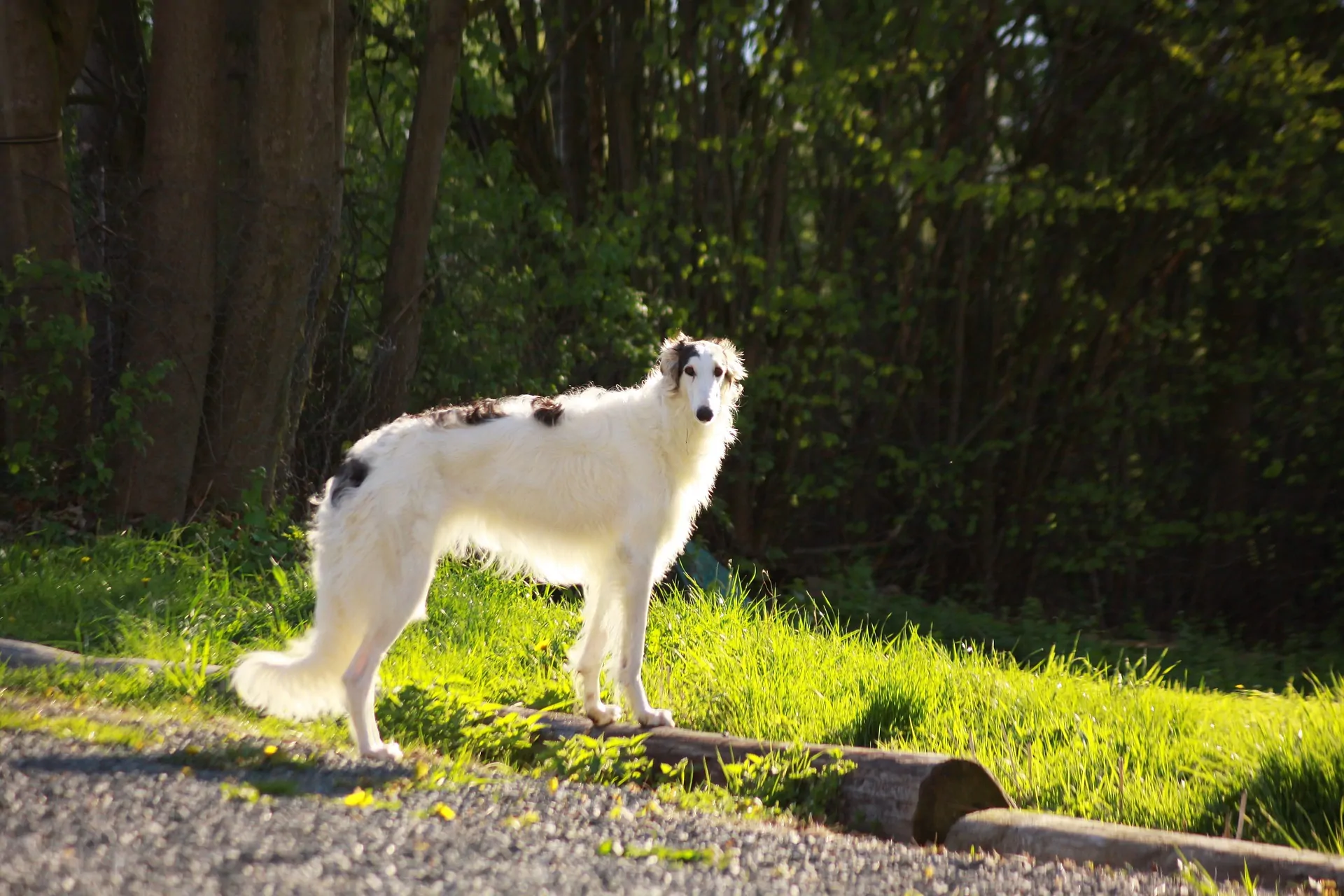
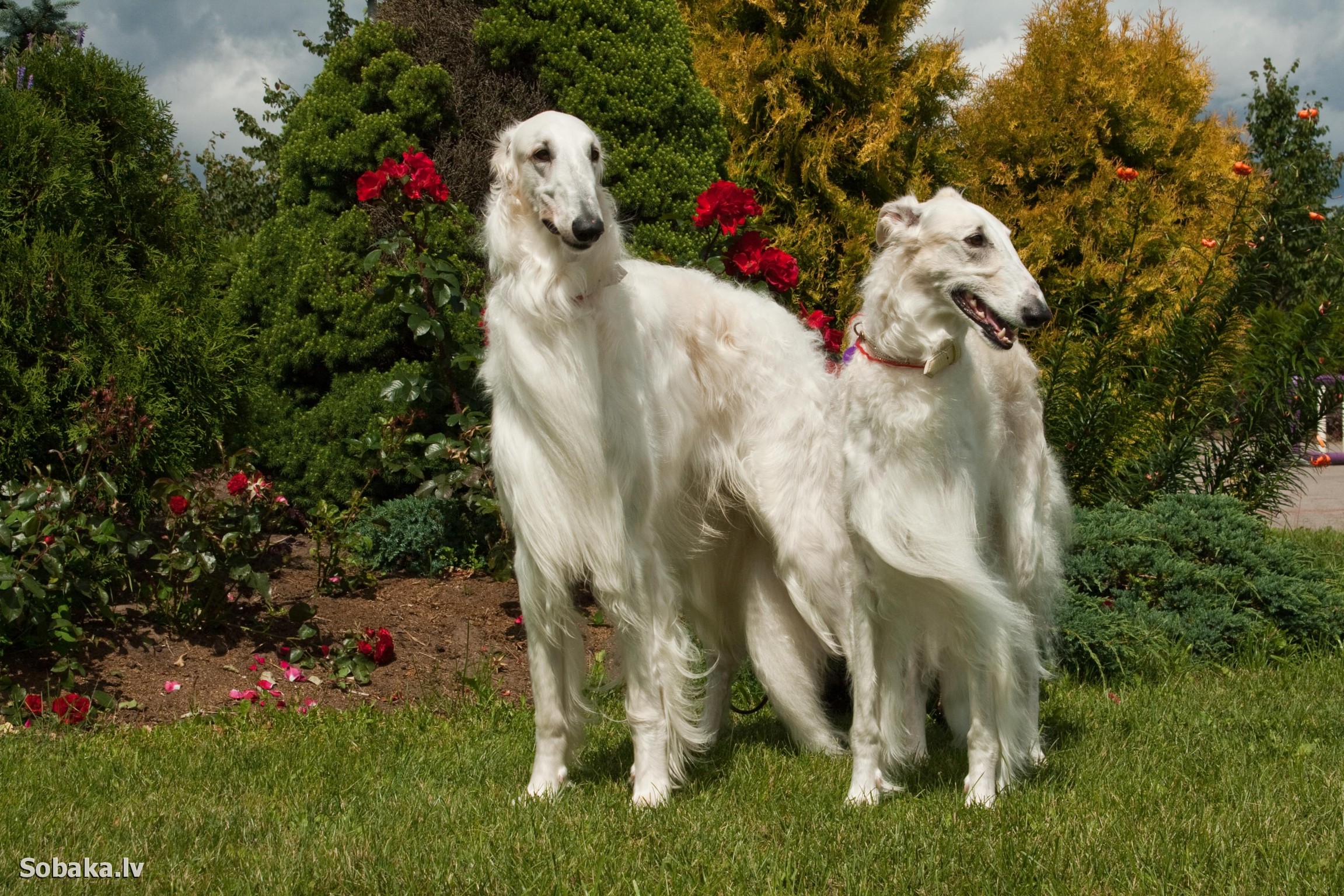
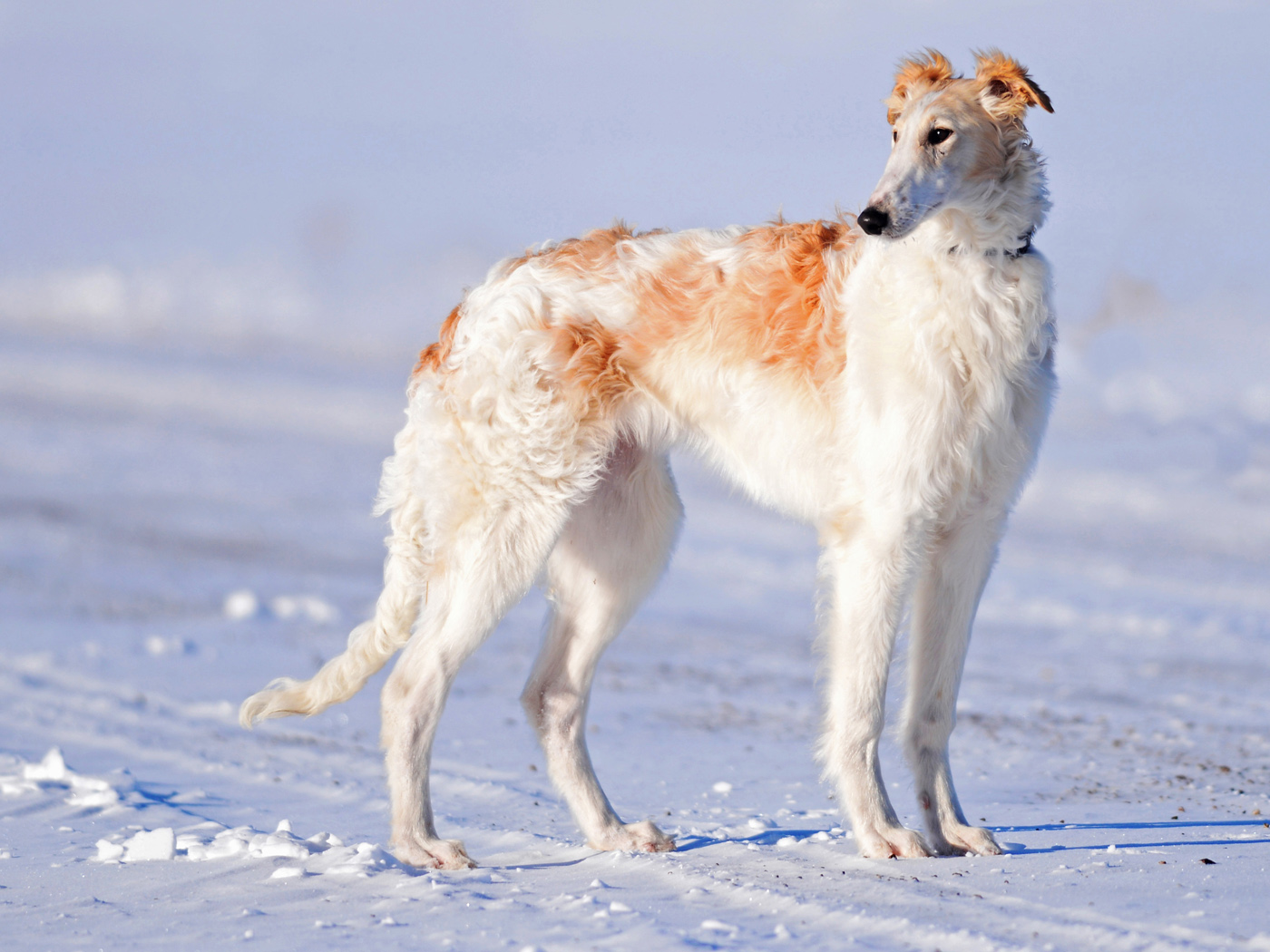
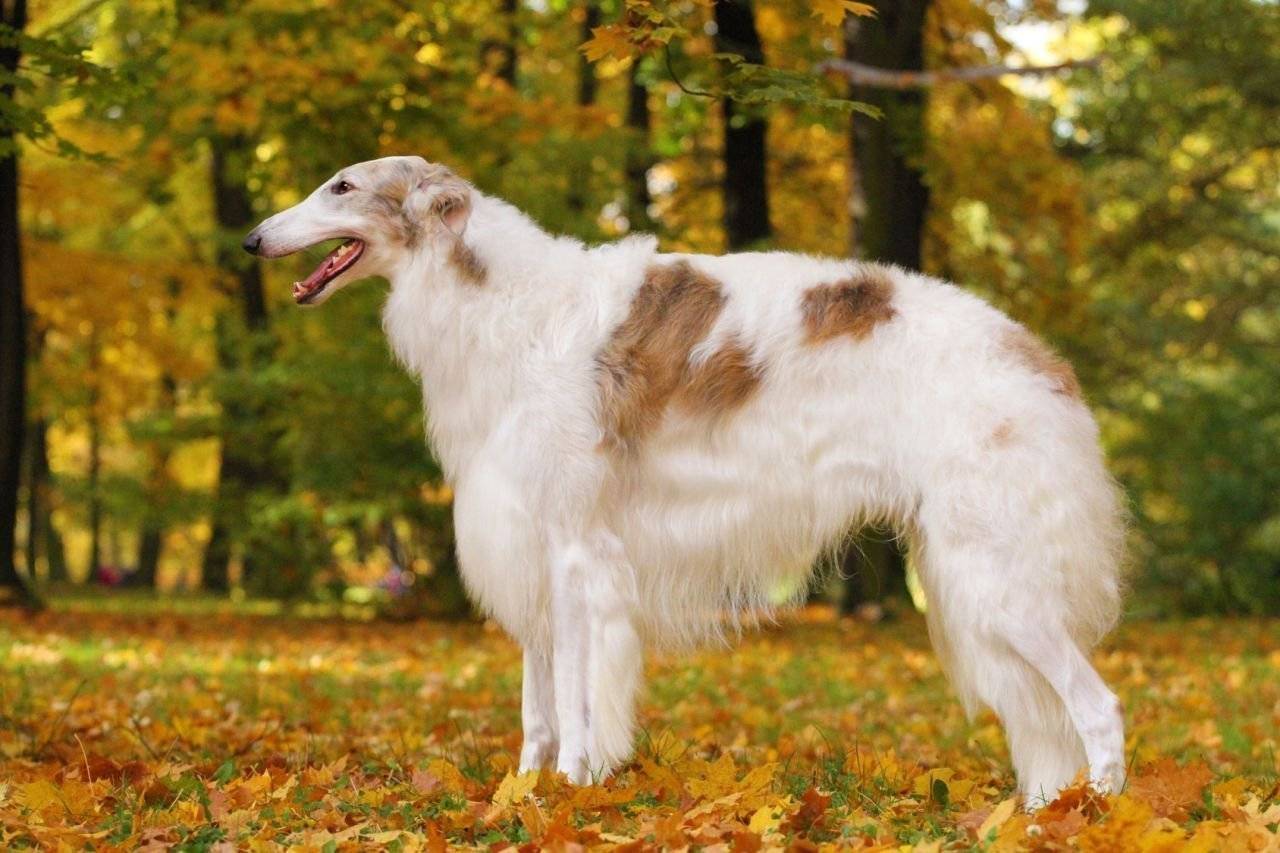
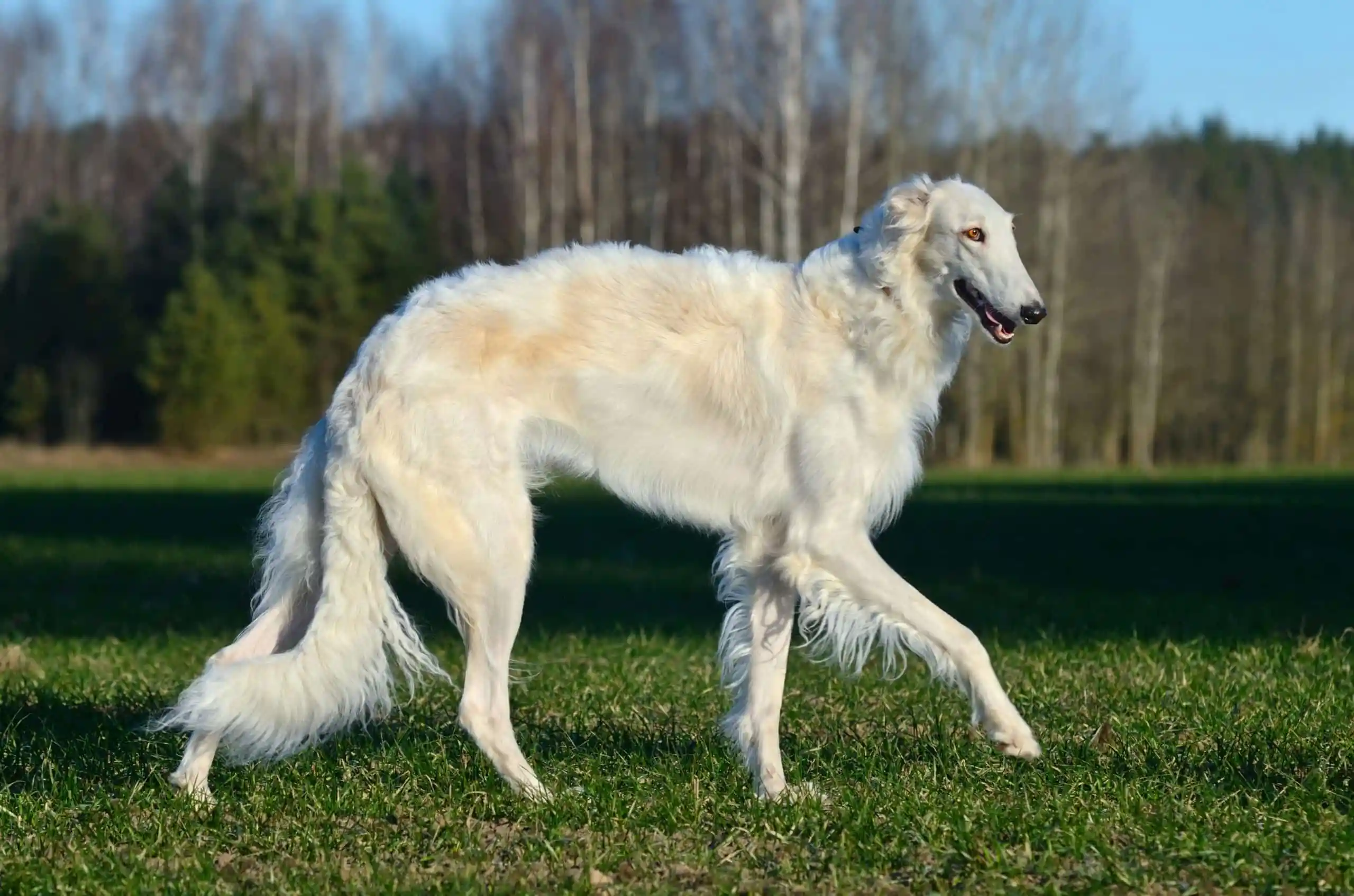
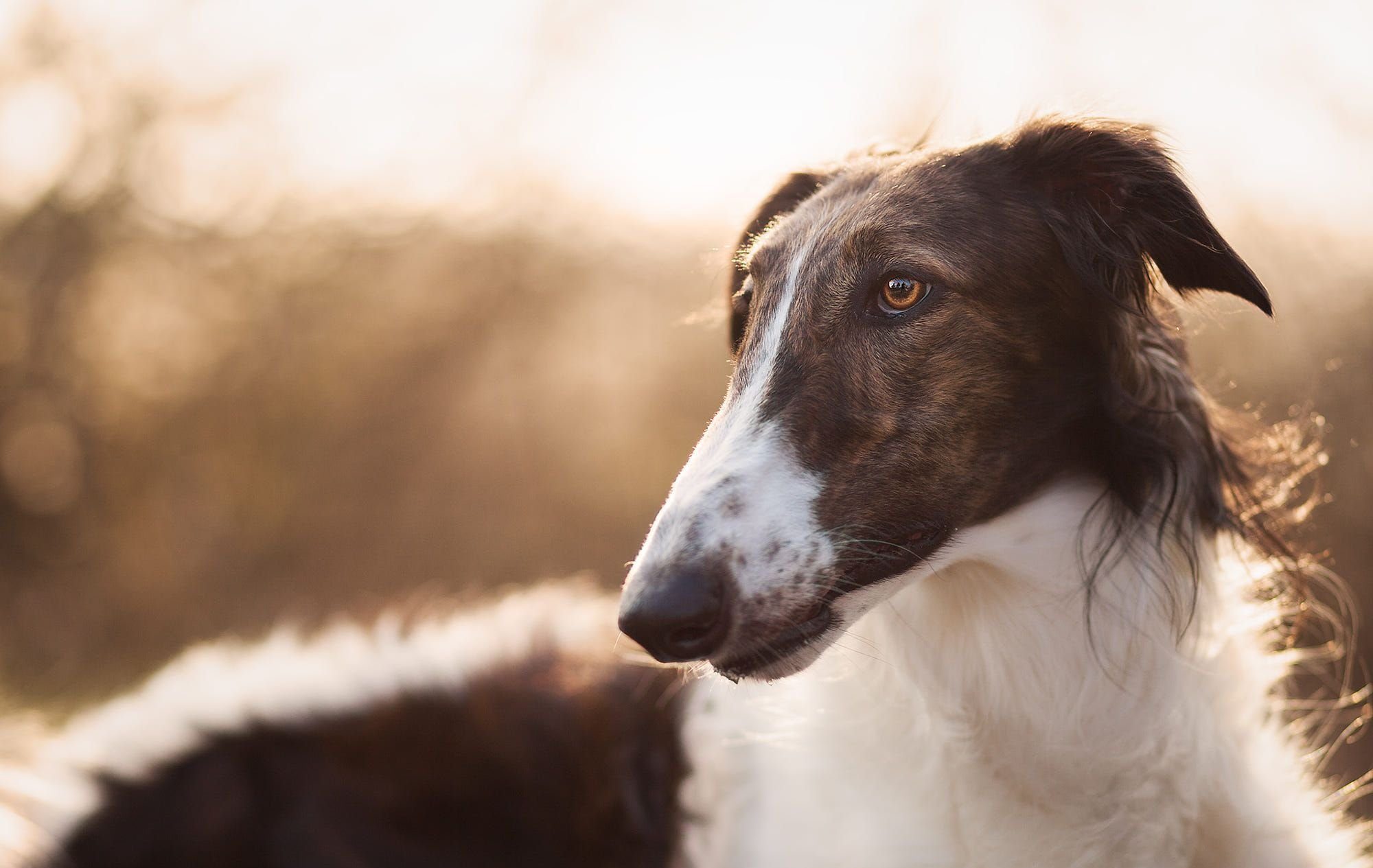
The Borzoi is a large hunting dog from Russia. It is one of the most noble breeds in the world, featuring a distinctive appearance. Borzois have a typical build of large sighthounds: a silky coat and a slightly arched back line. They impress with balanced, harmonious proportions. This breed’s external appeal does not compromise physical endurance or health. The official standard describes the Borzoi as a large, elegant dog with a dry and sturdy build, slightly elongated body; bitches usually have a body that is a bit longer than that of males. It has a strong yet not massive bone structure with flat bones. Well-developed but not overly prominent muscles, particularly on the thighs. Harmonious proportions and smooth movements play an important role.
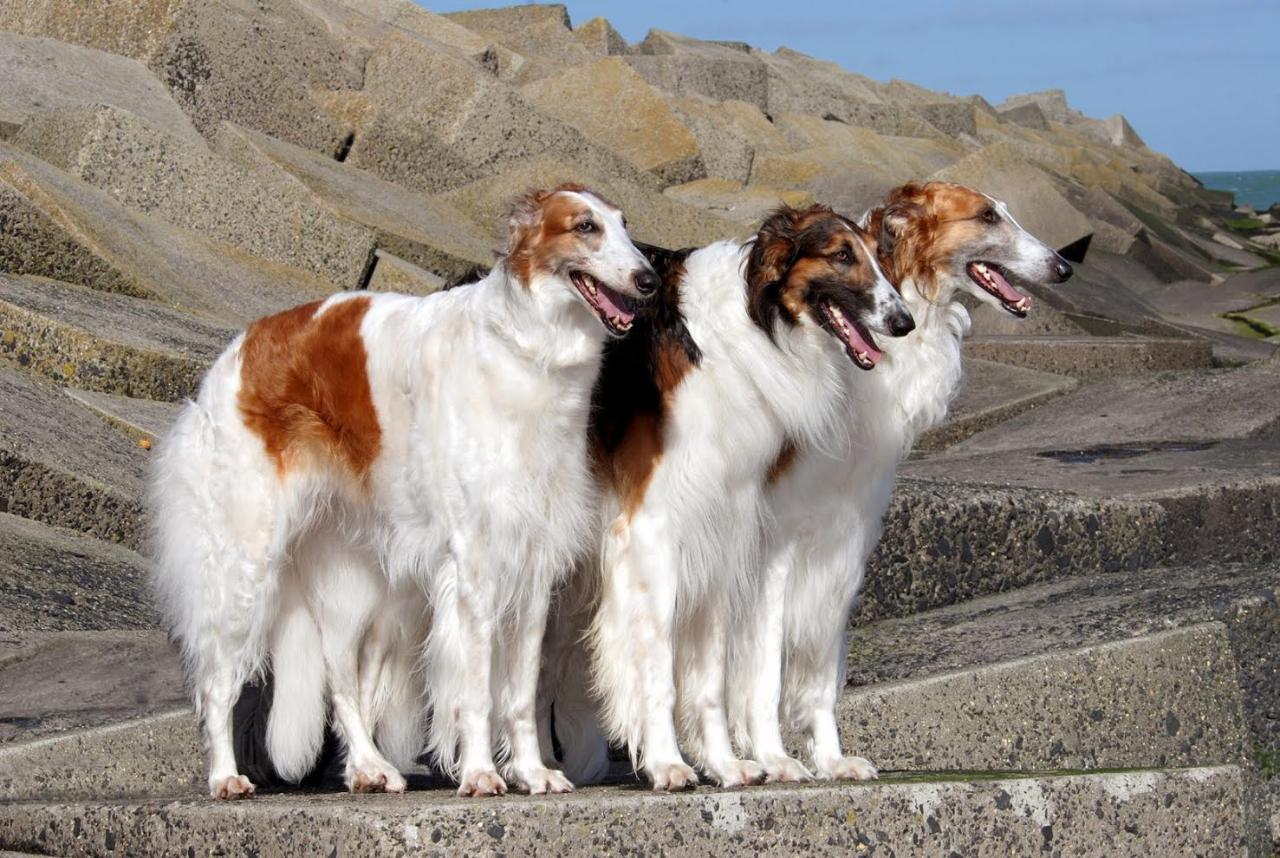
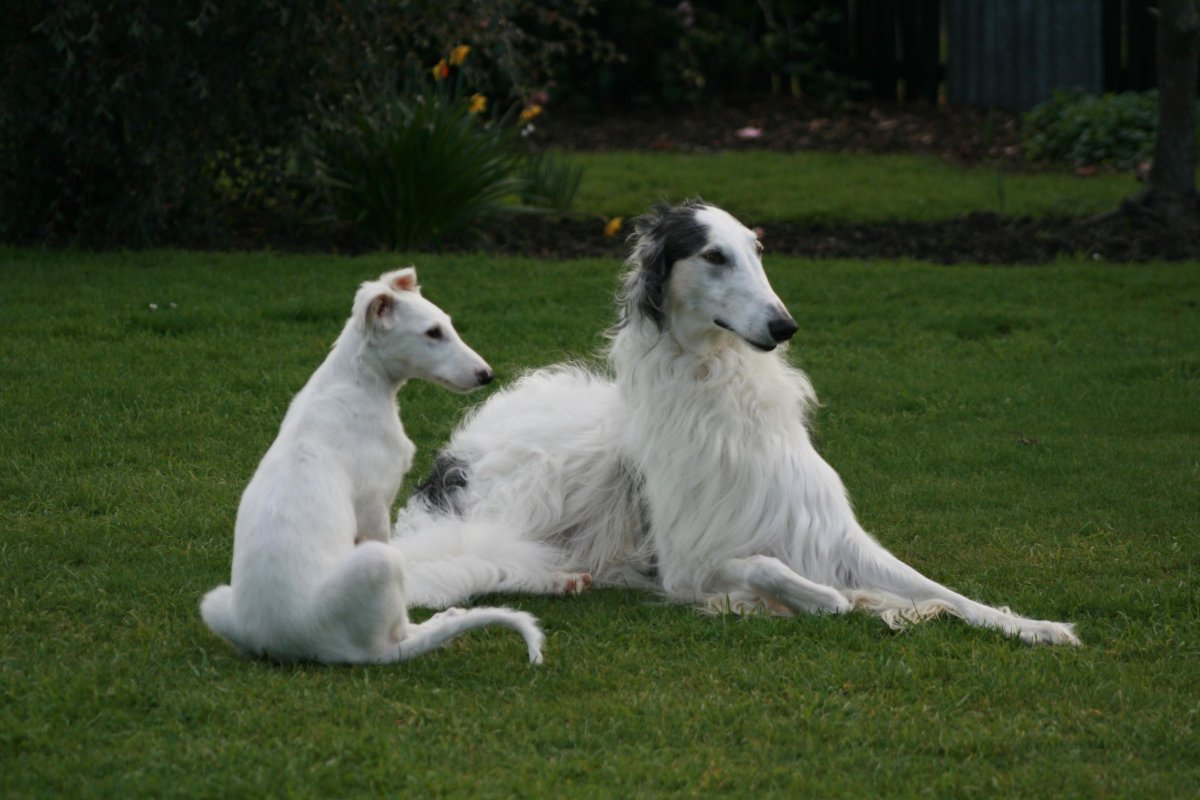
The coat is silky-smooth, soft, and flexible; it can be wavy or have light curls. The breed comes in all color variations except for blue and brown coats.
These are large dogs with a height at the withers ranging from 75 to 85 centimeters for males and from 68 to 78 centimeters for females. These sizes are considered desirable. There are no weight regulations in the standard.
A healthy Borzoi, raised according to all standards, has a lifespan of about 12 years.


Отличительные черты

Голова

Морда

Уши

Глаза

Зубы

Корпус

Конечности

Хвост

Шерсть

Окрас
Character
Borzoi are true hunting dogs that can also be affectionate pets. This intriguing paradox really exists. First and foremost, they are sprinters and hunters, and this should always be kept in mind. When you walk them in the street, these sensitive dogs carefully observe the surrounding world. Their behavior can change dramatically; in just a few seconds, they can cover a significant distance while chasing prey. Therefore, it is important to always have control over these dogs. In most cases, in open terrain, a borzoi will need to be kept on a leash unless it has exceptional obedience and a deep bond with its owner. Owners should understand their dog and manage it quietly and calmly. Borzoi are very sociable and behave well in groups.
On training grounds or during hunting, they can show themselves to be tenacious fighters. In the excitement of hunting, these usually calm dogs can display their other side, becoming powerful hunters. However, once a borzoi has played and tired out, it is easy to walk on a leash. As companions, they are extremely sensitive and affectionate. The breed standard describes the character of a borzoi as follows: in everyday life, a borzoi exhibits calmness and balance. In the presence of game, it quickly becomes excited. With keen eyesight, it can see great distances, and its reactions can be lightning-fast. Borzoi are very attached to people and attentive, possessing high intelligence and low levels of aggression, and they train easily. A borzoi capable of utilizing its natural running abilities becomes a family companion.
Speed and elegance
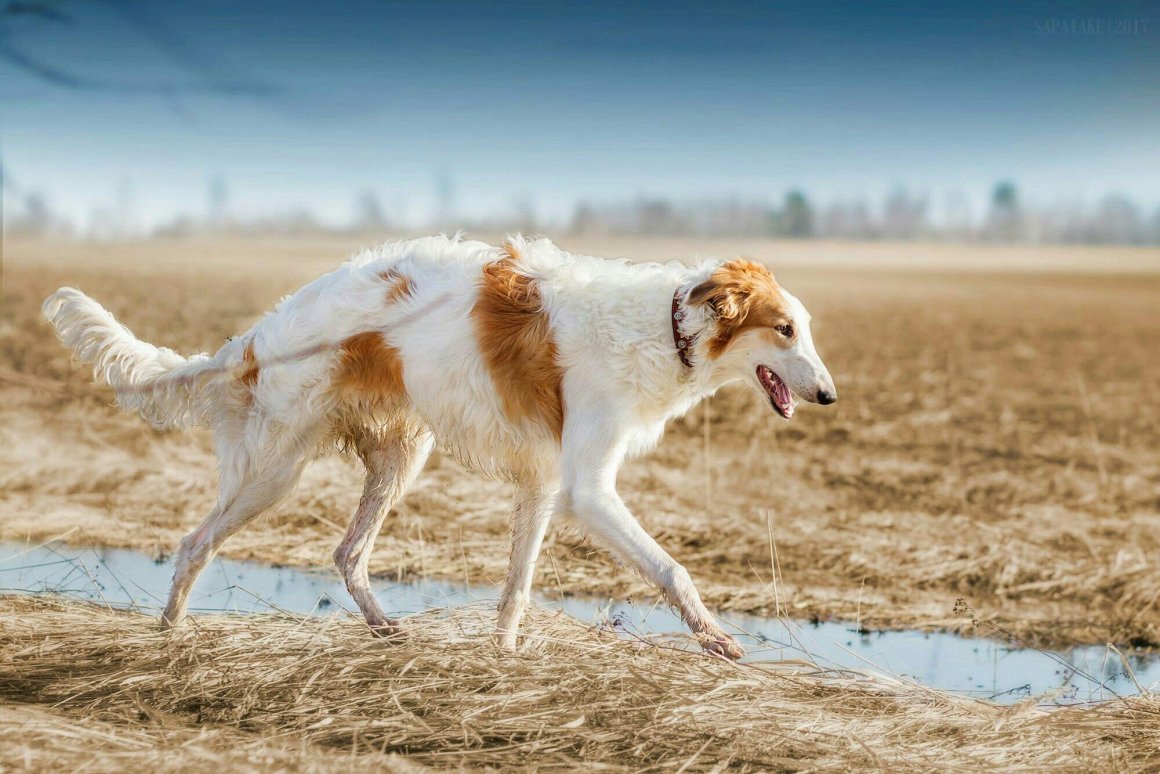
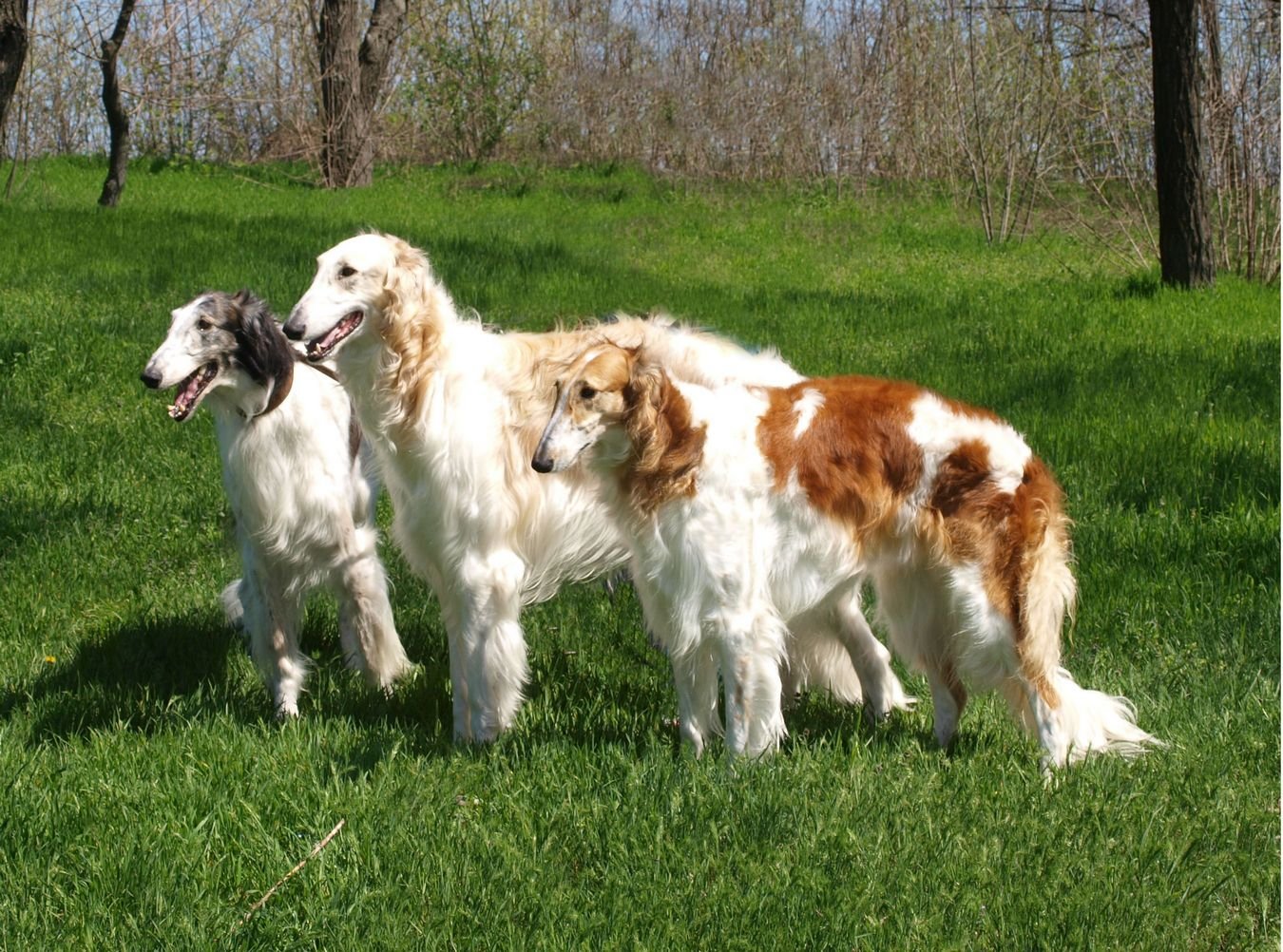
Borzoi are known for their exceptional speed and ability to reach speeds of up to 60 kilometers per hour. Their long legs and aerodynamically shaped bodies allow them to accelerate in pursuit of prey.Care and Maintenance
Borzoi are elegant dogs with long, silky fur and a graceful figure, requiring meticulous and systematic care. The foundation of these dogs’ health is a complete diet that includes all necessary nutrients, vitamins, and minerals. It is recommended to feed Borzoi high-quality commercial dog food or well-balanced natural meals tailored to the breed’s needs. Monitoring the dog’s weight will help prevent obesity, which is important for joint and heart health.
Borzoi’s fur needs regular and careful grooming. It’s advisable to brush it weekly to avoid matting and to maintain its shine. The need for grooming increases during shedding. Bathing the dog should be done as needed, using gentle shampoos to avoid damaging the coat.
Long walks, running, playing outdoors, and participating in coursing help the dog maintain physical fitness and satisfy its hunting instincts. Socialization from a young age and consistent training will help develop obedience and good manners in the Borzoi. Despite their independent nature, Borzoi respond well to commands when positive reinforcement methods are used.
Regarding comfortable housing, a Russian Borzoi needs a warm and cozy place to rest in the house. Due to their long fur and lack of undercoat, these dogs do not tolerate cold well, so it’s essential to provide them with a warm sleeping area and protection from drafts.
Artistic inspiration
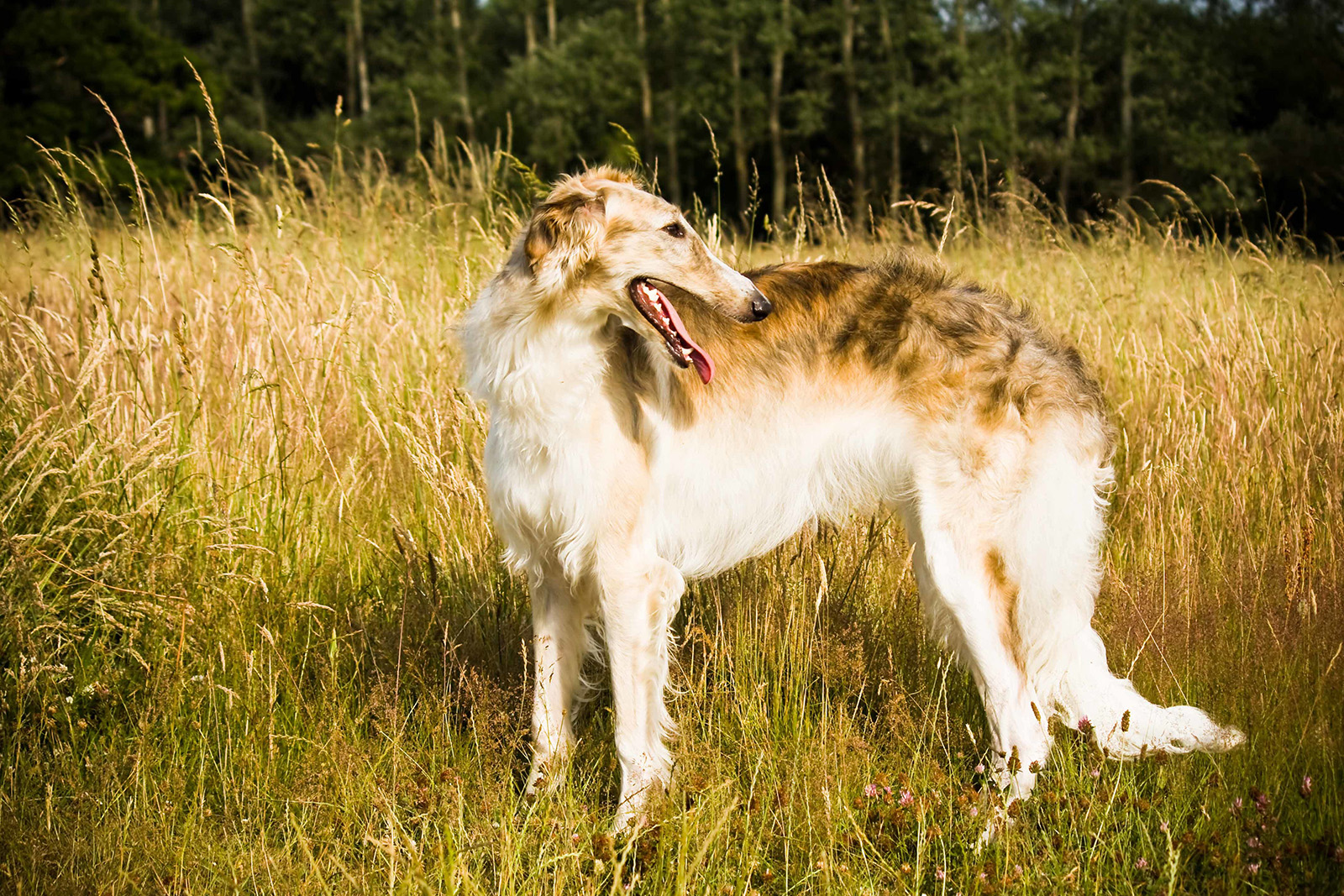
Russian borzoi hounds have inspired many artists and writers. Their graceful silhouettes can be seen in paintings, and their noble character is described in literary works. They have become a cultural symbol, reflecting the beauty of Russian nature and art.Training and Education
The Russian Borzoi is easy to care for, provided it has regular opportunities for free and intense running. There are specialized areas in various regions where Borzois can satisfy their need to run. They show their best abilities in coursing, chasing a lure like a rabbit. With such a happy pet, you will feel calm and confident returning home.
The Russian Borzoi rarely shows aggression, despite its energy, and hardly barks. This breed is very clean, sheds minimally, and doesn’t have an unpleasant odor. In a good way, it is undemanding and can be spoiled. The Borzoi strives to please its owner in everything. Additionally, you have the opportunity to participate in racing competitions with it. For active participants in this scene, there is no better pastime. It is a special bond between human and dog, very ancient and strong. Walking with a group of Borzois or watching them run brings a sublime feeling. However, those who view the Borzoi as a prestigious accessory should reflect on their true motives. The pride of owners in their dogs is important, but prestige should not dictate pet choice. The Borzoi is easily trainable. For full activity and physical exercise, Borzoi clubs offer coursing events. When raising this breed, it is essential to consider its natural hunting instincts. The best breeders, offering puppies with pedigree, can be found at Zoonika.
Aristocratic roots
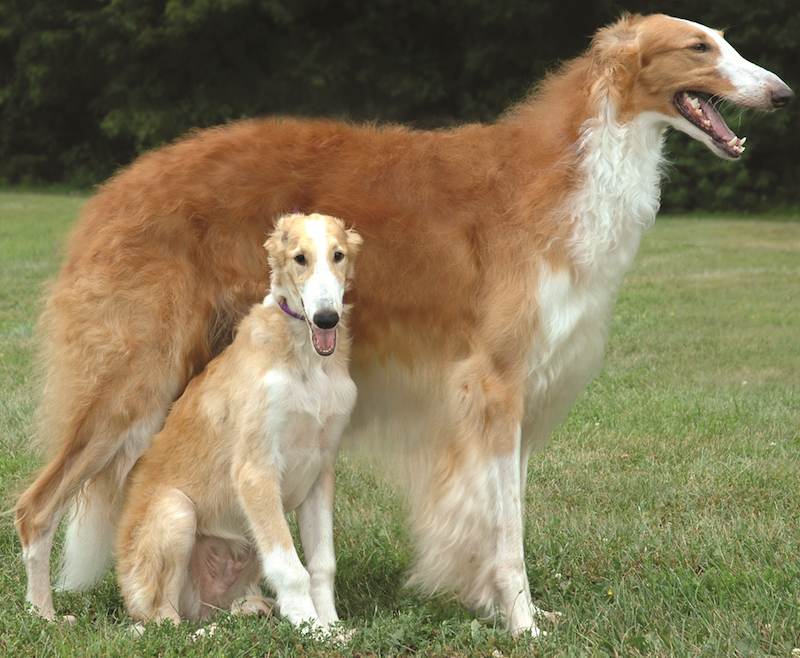
The Russian Borzoi has aristocratic roots that delve deep into the history of Russia. These dogs were particularly popular among Russian tsars and nobility, often serving as beloved companions and hunting assistants. Their long legs and swift running were highly valued for hunting wolves and other large game. Borzois were frequently mentioned in literature and depicted in portraits, highlighting their prestige and significance as symbols of nobility and luxury.
How to Choose a Puppy
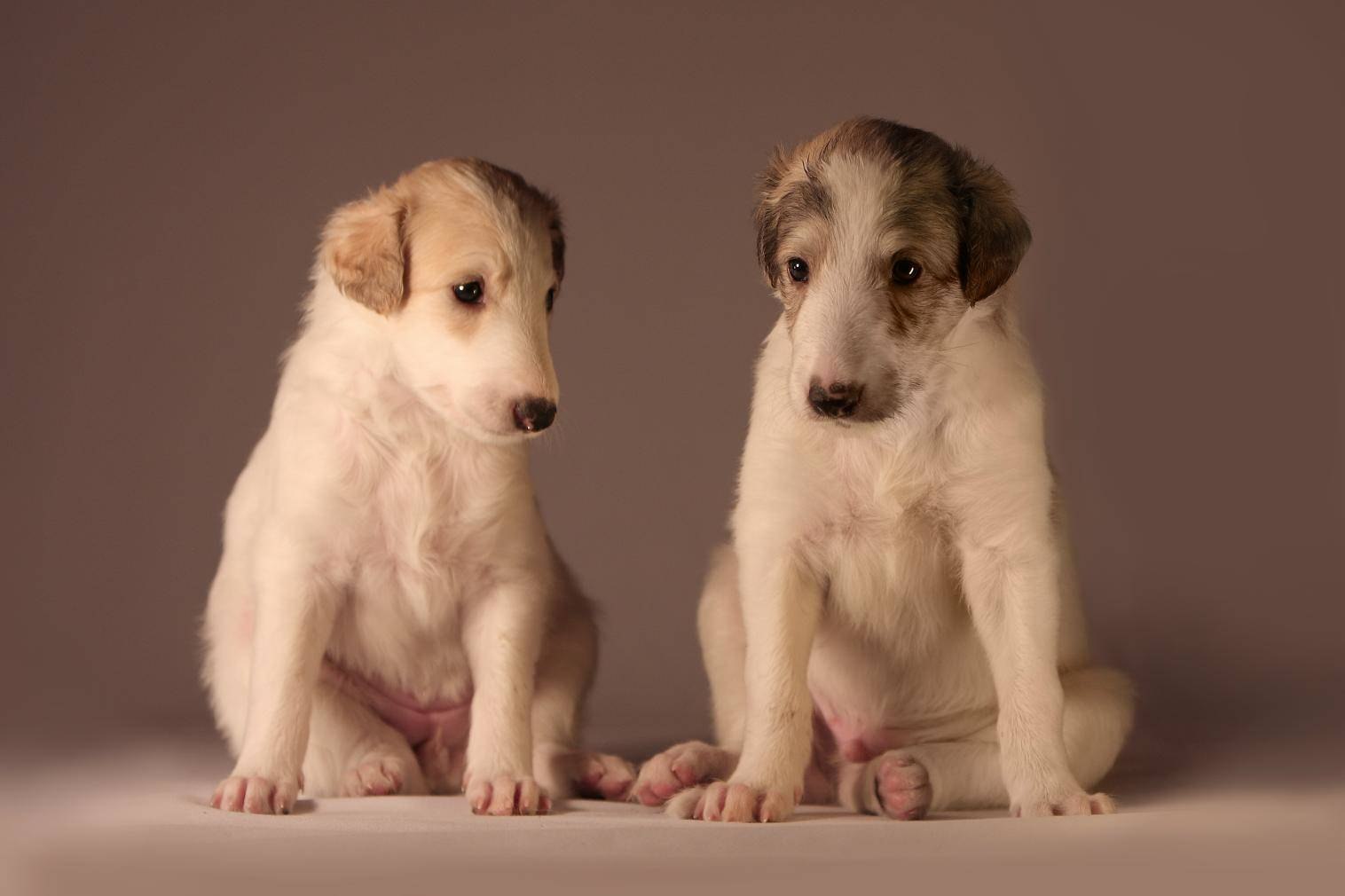
Choosing a puppy is a responsible and exciting event. For the right choice, several key factors should be considered to help you find the ideal pet. The first step is to find a reliable breeder of hunting dogs. Visit kennels, speak with breed breeders, and evaluate the conditions in which the dogs are kept. The dog breeder should be willing to answer all your questions and provide information about the puppy’s parents, their health, and achievements. It’s important that the breeder shows interest in the future living conditions of the puppy.
Make sure the puppy has undergone all necessary veterinary examinations, is vaccinated according to age, and is microchipped. Request the breeder for the veterinary passport and pedigree to confirm purebred status. Observe the behavior of the puppies from the breeder: look for those who show curiosity, are not afraid to approach people, and play with other puppies. Avoid overly timid or aggressive puppies, as this may indicate character issues.
Choose a puppy with clean eyes and ears, shiny fur, and a good appetite. Pay attention to signs of good health, such as activity, strong teeth, and a steady gait. Familiarize yourself with the breed standards of the Russian Greyhound to understand how the puppy should look. Take note of body proportions, ear and tail positions, and fur type.
The Russian Greyhound is a hunting breed, so it’s important to pay attention to the puppy’s instincts. Observe how it reacts to moving objects and toys. Spend time with the puppy to see how it responds to you and your presence. A good sign would be if the puppy seeks contact, allows you to pet it, and does not show aggression.
Don’t hesitate to consult veterinarians, experienced owners of sighthounds, and dog trainers. Their advice and recommendations can be very helpful in choosing a puppy.
Choosing a Russian Greyhound puppy is the beginning of a long and happy journey with your new four-legged friend. By paying attention to these aspects, you can find a puppy that will be a loyal companion and an excellent representative of its breed. Choose your dream puppy with pedigree at Zoonika.
Health and Diseases
The Russian Greyhound, like any other breed, has its own health characteristics and is predisposed to certain diseases. The main aspects of health for this breed include physical characteristics, genetic predispositions, and common illnesses.
The physical traits of Russian Greyhounds include their long, slender limbs, which provide high speed and agility when running. However, this anatomy makes their legs particularly vulnerable to muscle and joint injuries, especially during intense physical activity or accidents while playing or training.
Genetic predispositions may include certain hereditary diseases, such as joint dysplasia, which can lead to pain and limited mobility. This condition is often seen in large dog breeds, including Greyhounds.
Among the common diseases in Russian Greyhounds, issues with the cardiovascular system, such as arrhythmias and mitral stenosis, as well as eye diseases like glaucoma and cataracts, are notable. It is important to have the dog’s health checked regularly by a veterinarian and to monitor any changes in its behavior or physical condition to identify issues early and initiate treatment promptly.
Caring for the health of Russian Greyhounds requires attentive care and regular medical check-ups. In addition to physical health, it is also essential to pay attention to the dog’s psychological well-being by ensuring it has activity, socialization, and psychological stability. Owners of this breed should seek advice from veterinarians and dog care specialists to ensure a long and healthy life for their pet. Thinking about it? There is a vast selection of listings on the map by cities on Zoonika.
Содержание
-
1. Описание породы
-
2. Внешний вид
- 2.1 Голова
- 2.2 Морда
- 2.3 Уши
- 2.4 Глаза
- 2.5 Зубы
- 2.6 Корпус
- 2.7 Конечности
- 2.8 Хвост
- 2.9 Шерсть
- 2.10 Окрас
-
3. Характер
-
4. Содержание и уход
-
5. Дрессировка и обучение
-
6. Как выбрать котенка
-
7. Здоровье и болезни






Comments
Only registered users can leave reviews.
Enter