
Bloodhound





Warning: Illegal string offset 'label' in /home/panda/sites/zoonika/wp-content/themes/zoonika/template-parts/animals/animals-param-item.php on line 32
Ð


Breed Description
The Bloodhound is one of the oldest and most recognizable dog breeds, known for its outstanding hunting and tracking abilities. Their origins trace back to the Middle Ages when these dogs were first used for hunting and tracking game.
It is believed that the ancestors of Bloodhounds appeared in Europe, likely in the areas of France or Belgium. Their breeding is primarily associated with the monks of the Saint-Hubert Abbey, where these dogs were used for hunting large game such as deer. The breed’s name comes from the Abbey of Saint-Hubert: “blood” (denoting a noble lineage) and “hound” (meaning hunting dog). This name symbolizes their role in blood tracking, where dogs were utilized to follow and find prey.
Over the centuries, Bloodhounds became increasingly popular among the aristocracy and hunters, who valued their exceptional tracking skills. Their powerful jaws and remarkable sense of smell allowed Bloodhounds to locate game even from old scents, making their use in hunting standard practice.
In the 19th century, Bloodhounds gained popularity not only as hunting dogs but also as companions and service dogs. Their sense of smell became the primary factor that led to their use in law enforcement for tracking criminals and missing persons. Bloodhounds can follow a scent for long periods, making them invaluable in search operations.
Today, Bloodhounds are officially recognized by many canine associations, including the American Kennel Club (AKC) and the FГ©dГ©ration Cynologique Internationale (FCI). They continue to serve as working dogs and remain popular among dog enthusiasts due to their friendly nature and loyalty.
Modern Bloodhounds possess not only outstanding physical characteristics, such as a sturdy build and distinctive long ears, but also unique skills that allow them to remain faithful helpers and companions for people. Their history, filled with achievements and loyalty, makes them one of the most respected breeds in the dog world.The price for a puppy ranges from 30,000 to 50,000 rubles.
Appearance
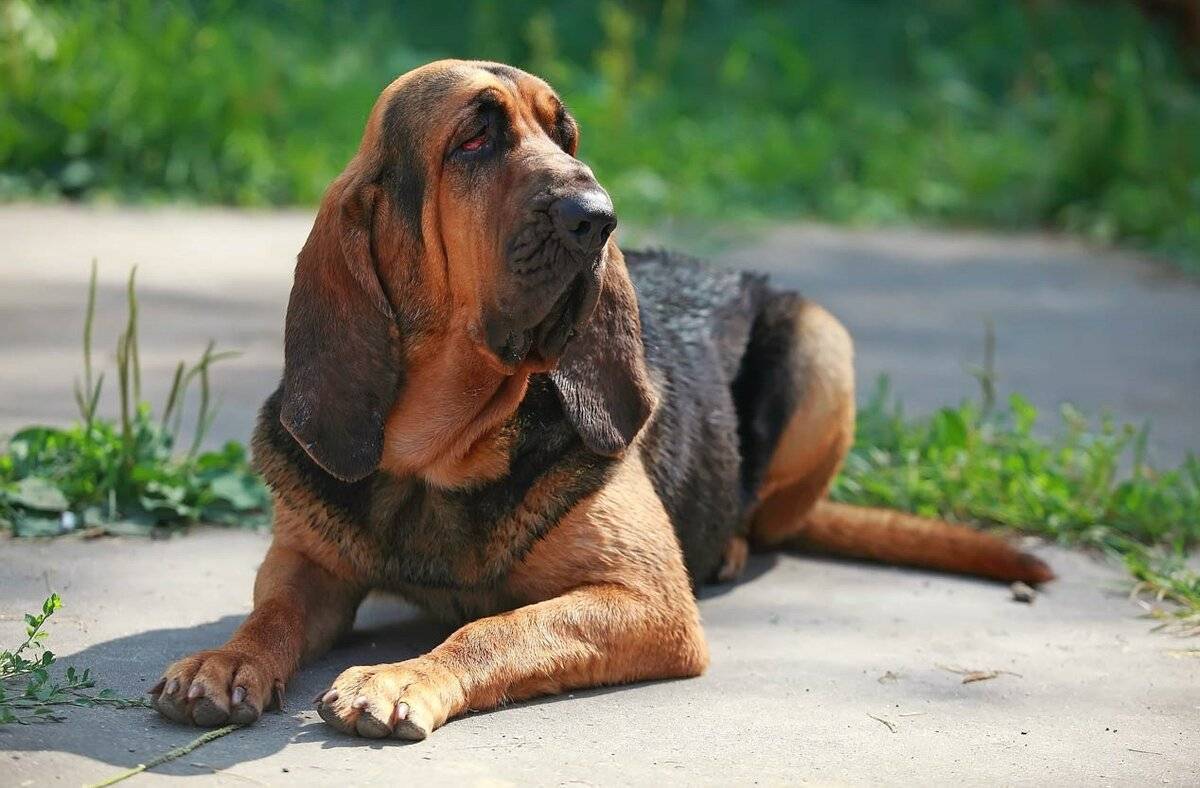
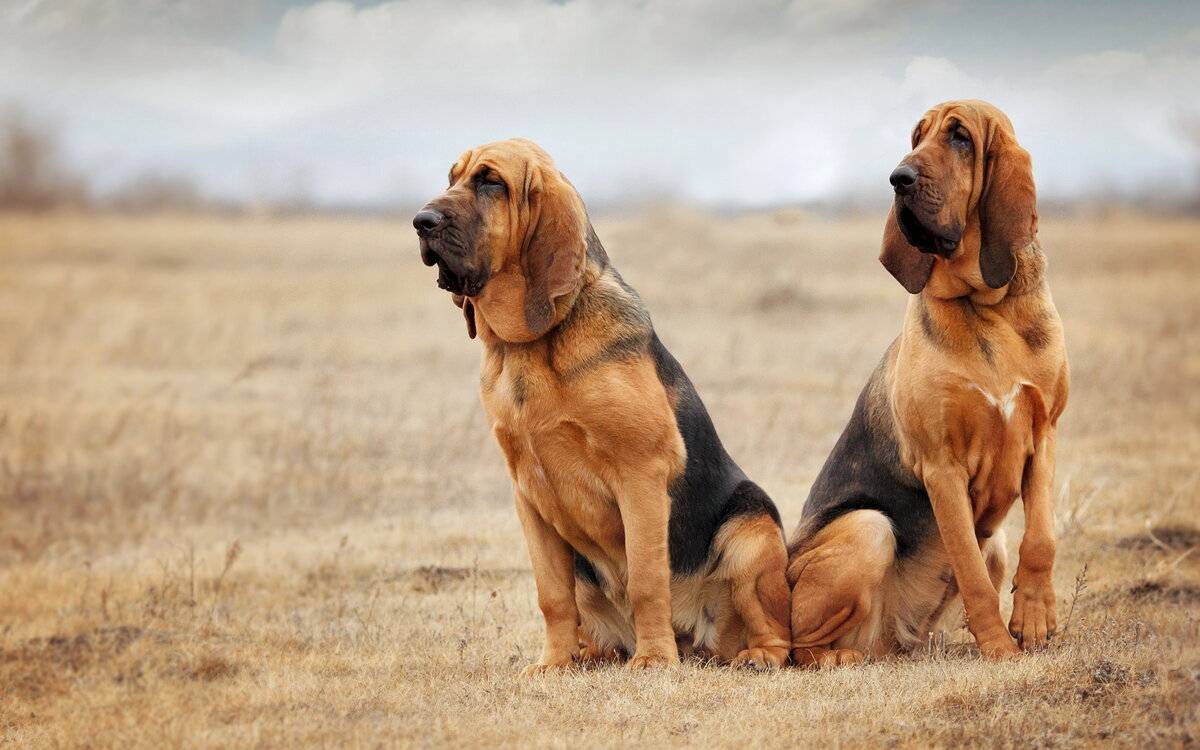
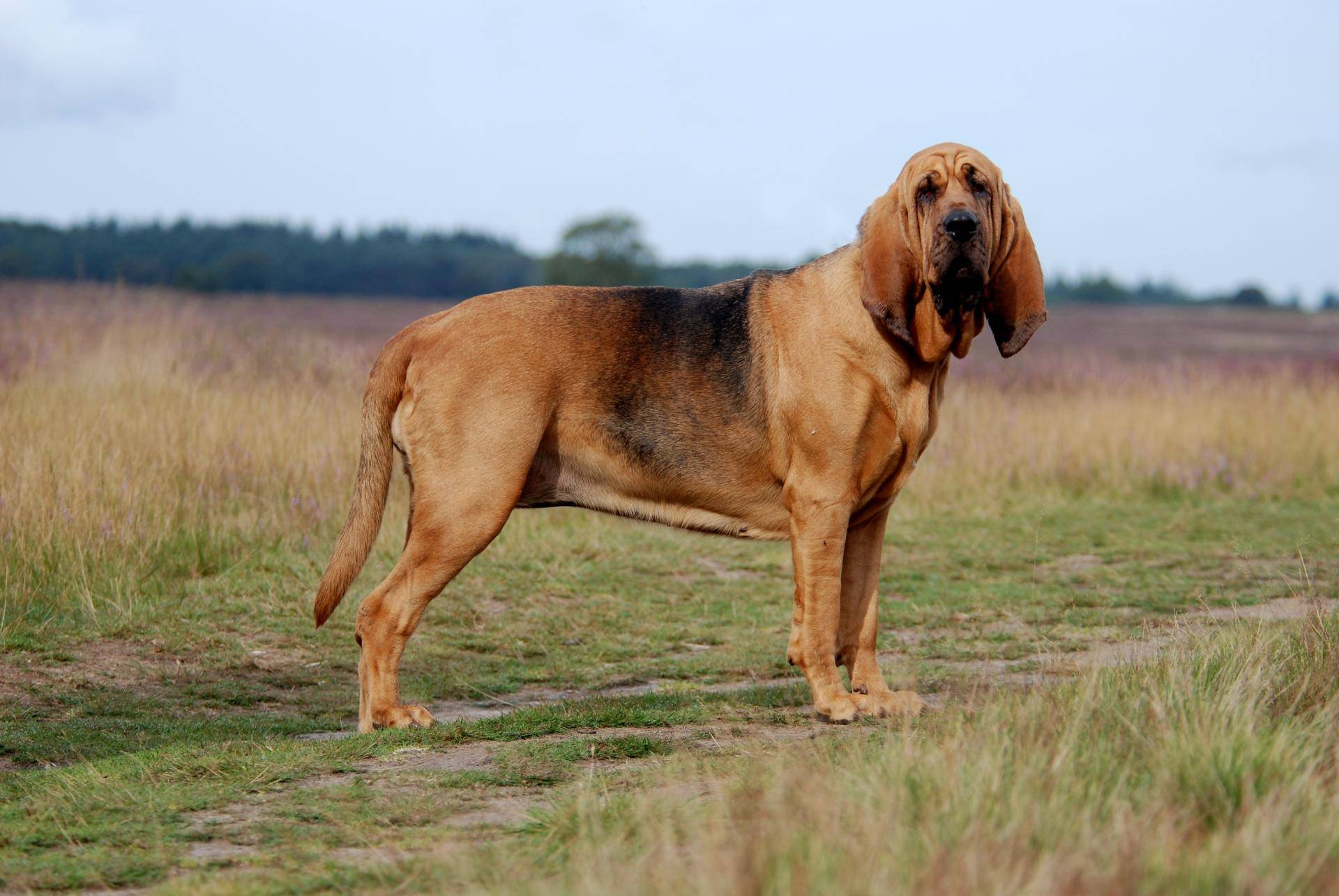
The Bloodhound is an exceptional breed of dog known for its unique appearance and outstanding hunting abilities. These dogs have a strong and muscular build, making them ideal for an active lifestyle. Bloodhounds stand between 58 and 69 cm at the shoulder and weigh between 36 and 50 kg, highlighting their power and endurance.
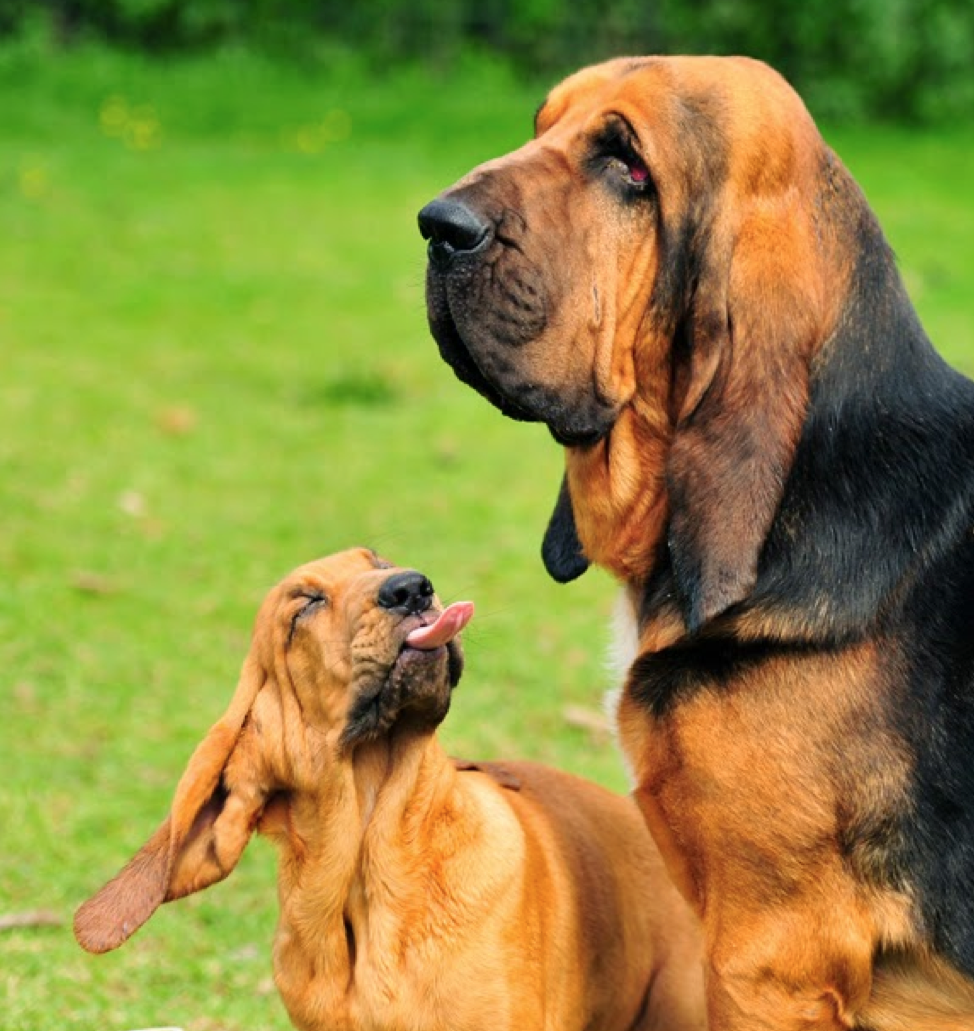
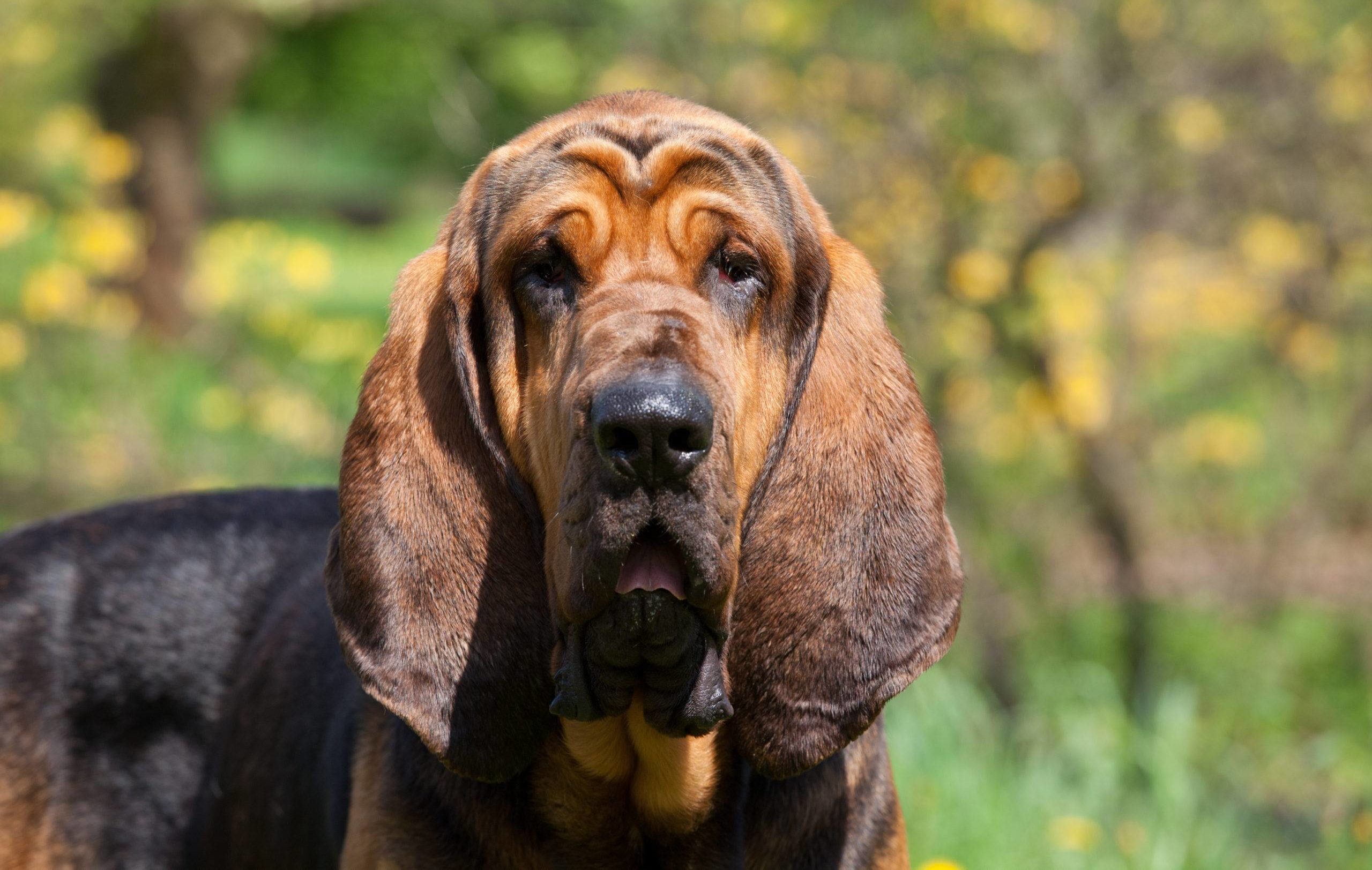
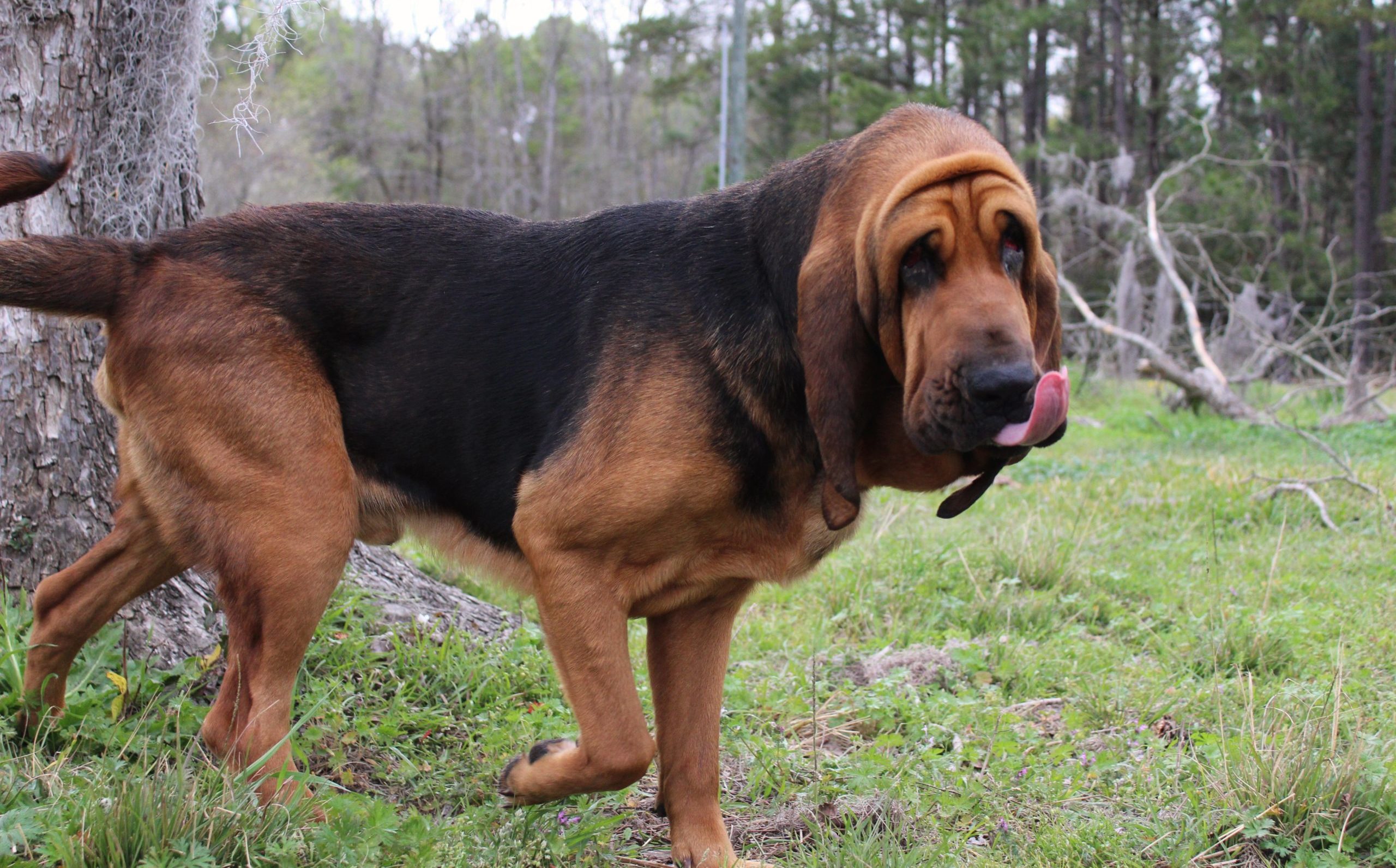
One of the most characteristic features of the Bloodhound is its head, which is broad and has expressive facial features. These dogs have large, expressive eyes that give them a friendly and intelligent expression. Long, drooping ears that hang freely down the sides of the head add special charm and emphasize their friendly nature.
Bloodhounds have short, smooth coats with a variety of colors, including black with tan and mahogany, as well as tricolor combinations. This breed is known for its distinctive skin folds, particularly on the head and neck, which further contribute to their individuality.
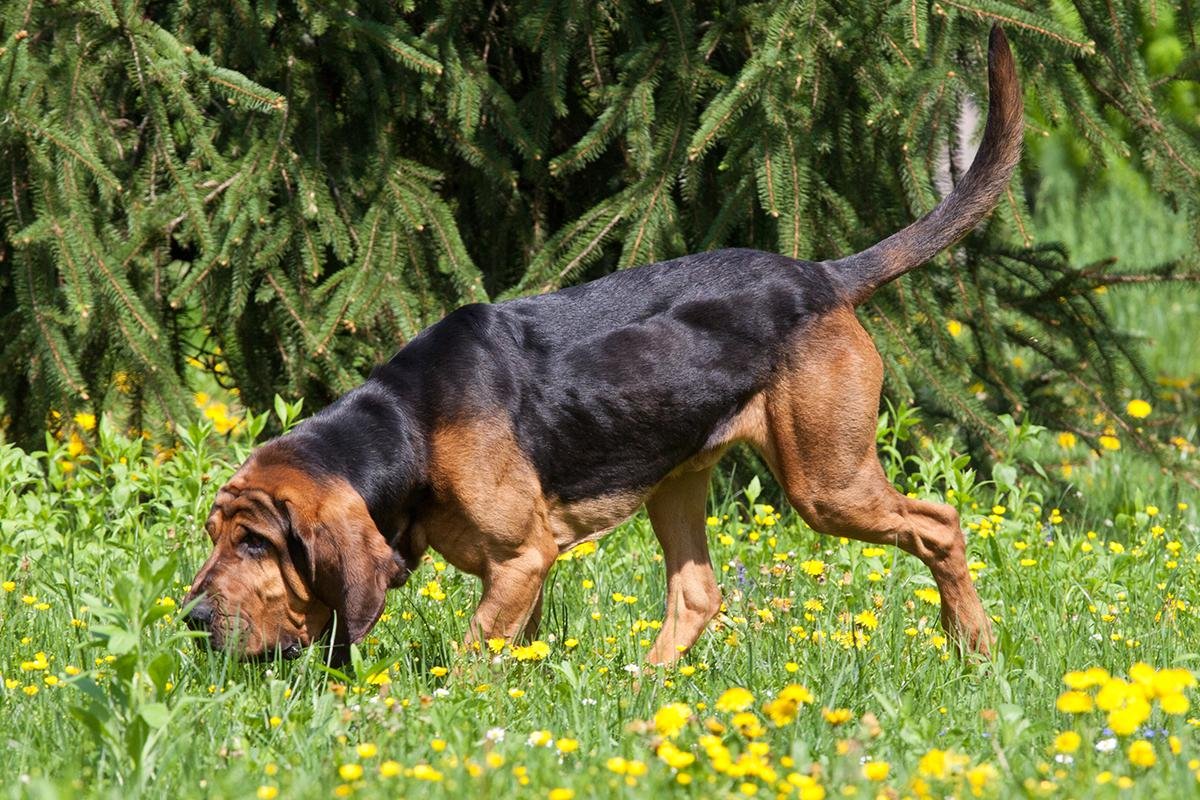
Bloodhounds are renowned for their exceptional sense of smell, making them invaluable in search-and-rescue operations and law enforcement work. Their ability to detect scents over great distances makes them perfect for tracking and searching.
Overall, the Bloodhound is a dog with outstanding physical and mental qualities, whose appearance reflects their loyalty and friendliness. These dogs make excellent companions for active individuals and invaluable assistants in hunting and other tasks.


Отличительные черты

Голова

Морда

Уши

Глаза

Зубы

Корпус

Конечности

Хвост

Шерсть

Окрас
Character
The Bloodhound is a dog with a unique and endearing character that makes it an ideal companion and loyal friend. These dogs are known for their kind and friendly disposition, making them excellent family members. Bloodhounds are generally very devoted to their owners and seek to be close to them, which makes them highly socialized and people-oriented.
One of the key traits of the Bloodhound’s character is its calmness and composure. These dogs are usually non-aggressive and have a gentle nature, which makes them suitable for families with children. Bloodhounds often display patience and tolerance toward small children, making them great companions for family living situations.
Additionally, Bloodhounds are known for their high intelligence. They are smart and resourceful but can exhibit some independence and stubbornness, which requires a patient and consistent approach to training. These dogs respond well to positive reinforcement, so training should be based on encouraging methods, helping to develop their skills and strengthen their bond with their owner.
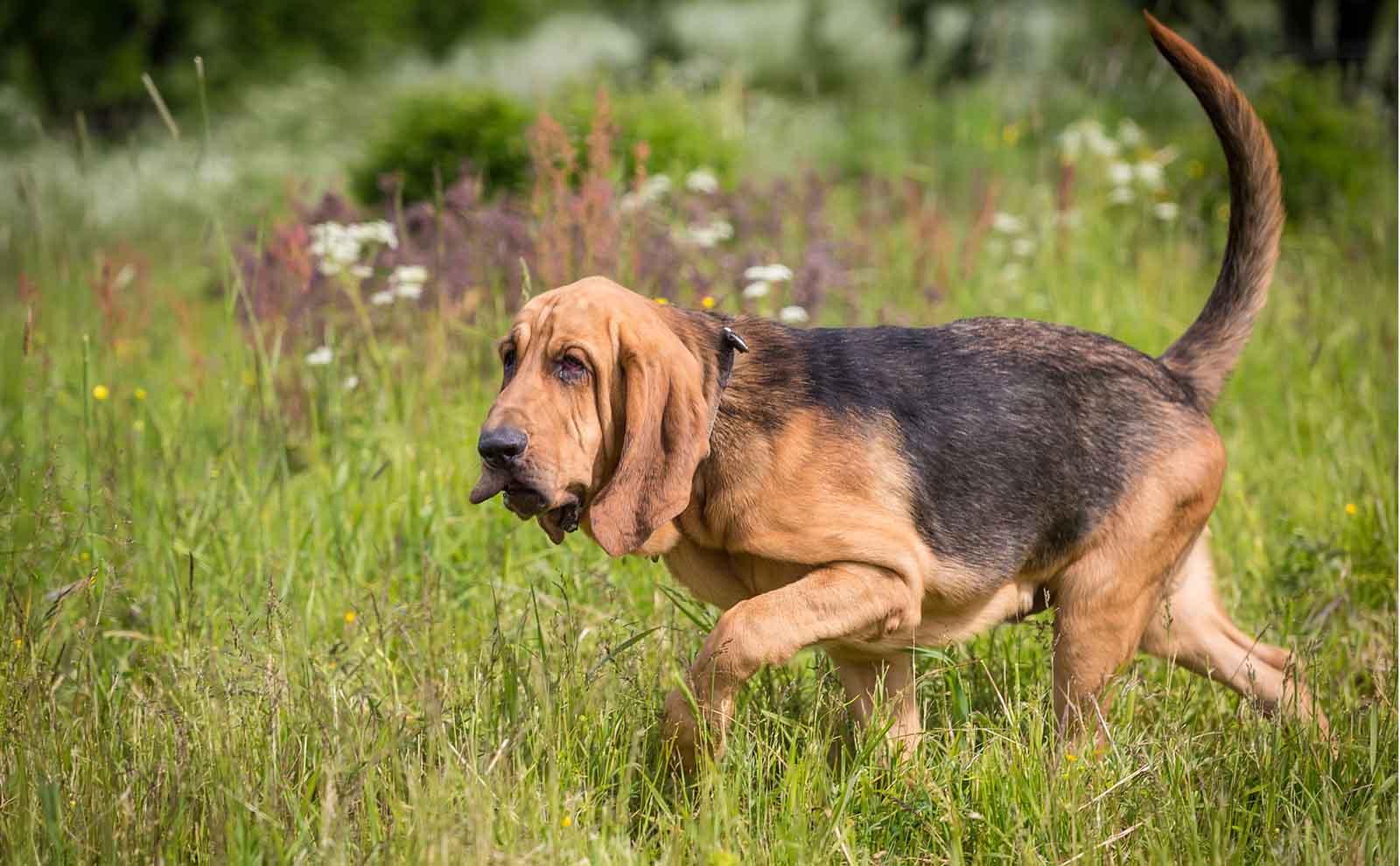
Bloodhounds also possess strong hunting instincts, and their remarkable sense of smell makes them excellent tracking dogs. They can be quite curious and persistent when it comes to scents, which may lead to distractions during walks. Therefore, it is important to focus on training and socialization to teach the Bloodhound to appropriately respond to its surroundings.
These dogs require regular physical activity and mental stimulation. Walks, playtime, and various activities will help keep the Bloodhound active and happy. By attending to their needs, owners can avoid behavioral issues and ensure a fulfilling life for their pet.
Overall, the character of the Bloodhound combines friendliness, loyalty, and intelligence. These dogs can become wonderful companions for those who are willing to invest time in their training and interaction. Bloodhounds are not only excellent hunting dogs but also loyal friends who will bring joy and happiness to any home.
Seeker
The Bloodhound has a very pronounced hunting instinct. During a walk, the dog can easily get distracted and follow a scent. To prevent your pet from getting lost while out, it's recommended to keep him on a leash at all times.Care and Maintenance
Caring for a Bloodhound requires attention and care to ensure its health and comfort. This breed has unique needs that are important to consider for their physical and mental well-being.
Let’s start with grooming. Bloodhounds have short, smooth coats that need minimal maintenance, but regular brushing will help remove dead hair and reduce shedding in the home. Use a soft brush or rubber glove for brushing to keep the coat in good condition and maintain healthy skin.
Hygiene and skin care also play a significant role in caring for this breed. Bloodhounds have distinctive skin folds that require regular inspection and care. Folds can accumulate dirt and moisture, which can lead to infections. Be sure to clean the folds regularly using a damp cloth or a special cleaning spray to prevent irritation.
Ear care is another important aspect. The long, floppy ears of the Bloodhound are prone to infections, so regularly check them for dirt and wax. Clean the ears with a special ear solution following your veterinarian’s instructions, and ensure they are well dried after washing.
Dental health is also important for the overall well-being of the Bloodhound. Regular tooth brushing will help prevent tartar buildup and gum disease. Use a specialized dog toothpaste and toothbrush, and offer chew toys that can help maintain dental health.
Physical activity is vital for Bloodhounds to maintain their shape and prevent obesity. Regular walks, outdoor play, and time spent in nature will help meet their exercise needs. Remember that Bloodhounds have strong hunting instincts, so keep them on a leash during walks.Feeding a Bloodhound also requires attention. Provide your pet with high-quality food suitable for its age and activity level. Regularly consult with your veterinarian regarding nutrition and monitor the dog’s weight to avoid obesity.Don’t forget about regular veterinary check-ups, which are important for maintaining the health of a Bloodhound. Ensure timely vaccinations and preventive measures, such as flea and worm treatments. Routine examinations can help detect potential problems at early stages.Finally, training and socialization of Bloodhounds require patience. These dogs are intelligent and clever but can be stubborn. Use positive reinforcement methods in training to build a strong bond with your pet.By following these recommendations, you can provide your Bloodhound with a comfortable and healthy life while also establishing a strong bond with your pet. These dogs require love and attent
Bloodhound
The very first name for this breed was "hound of pure and noble blood" in English. Subsequently, the overly long name was shortened to the current Bloodhound - "hound of blood."Training and Education
Training and raising a Bloodhound require patience, consistency, and understanding of the breed’s characteristics. These dogs are intelligent and resourceful but can be stubborn, so it’s important to find an approach that works for each pet.
Start with early socialization. Introduce the Bloodhound to various people, animals, and situations from a young age. This will help the dog develop confidence and adaptability in different conditions and prevent potential fears and aggression in the future.
Use positive reinforcement during training. Bloodhounds respond well to praise, treats, and play. Reward your pet for following commands and exhibiting good behavior to create positive associations with learning. Avoid punishment, as it can lead to fear and mistrust, making further training difficult.
Set realistic and achievable goals for the Bloodhound. Start with simple commands like “Sit,” “Lie down,” or “Come,” and gradually move on to more complex tasks. Teach one command at a time, allowing the dog to grasp the material before moving to the next. Repeat commands in various situations to help the Bloodhound learn to perform them anywhere.
Regular practice is crucial for successful training. Dedicate time each day for training and play to maintain the dog’s interest in learning. It’s important that sessions are short and engaging, as Bloodhounds can quickly become fatigued by monotonous work. Try to make activities varied and interesting by using toys and introducing new commands.
Physical activity also plays a key role in raising a Bloodhound. These dogs require regular walks and exercise to stay happy and healthy. Incorporate scent games to develop their hunting instincts and allow them to use their excellent sense of smell.Pay attention to your communication with the Bloodhound. Build a trusting relationship by spending time together and establishing a strong bond. Good communication helps enhance mutual understanding and strengthens your connection.Remember that every dog is unique, and the approach to training may vary. Observe your Bloodhound’s behavior and adapt training methods based on their reactions and needs. With the right approach and love, your Bloodhound will become not only obedient but also a loyal friend. Zoonika brings together certified breeders offering puppies with excellent pedigrees.
Special structure
The Bloodhound is indispensable in search and rescue operations. Its unique anatomy contributes to this. Its long ears seem to gather surrounding scents closer to its nose, and the folds above its brows and around its eyes, much like horse blinders, help it focus on the path and not get distracted.
How to Choose a Puppy
Choosing a healthy and suitable bloodhound puppy requires careful consideration and knowledge of the specifics of this breed. Bloodhounds are known for their outstanding sense of smell and friendly nature, but their care and training can be somewhat complex, so it’s important to choose the right puppy.
Start by looking for a reputable breeder who specializes in bloodhounds. Learn about their reputation, check reviews from other owners, and evaluate the conditions in which the puppies are raised. A good breeder will care about the health and well-being of their dogs and should provide information about the puppy’s parents, including their health and temperament. Be sure to ask for medical certificates confirming the absence of hereditary diseases.
When selecting a puppy, pay attention to its appearance and overall health. A healthy bloodhound should have a shiny coat, clear eyes, and clean ears. Look for any signs of illness in the puppy, such as a runny nose, limping, or lethargy. Bloodhounds have characteristic skin folds, so ensure that these folds are clean and free of inflammation.
Consider the puppy’s temperament as well. Bloodhounds are known for their gentle and friendly nature, but there can be variations in behavior among puppies. Choose a puppy that shows curiosity and interest in the surrounding world. It should be active and responsive to interactions with people. Keep in mind that bloodhounds can be a bit stubborn, so a puppy that readily engages and displays playfulness will be easier to train.
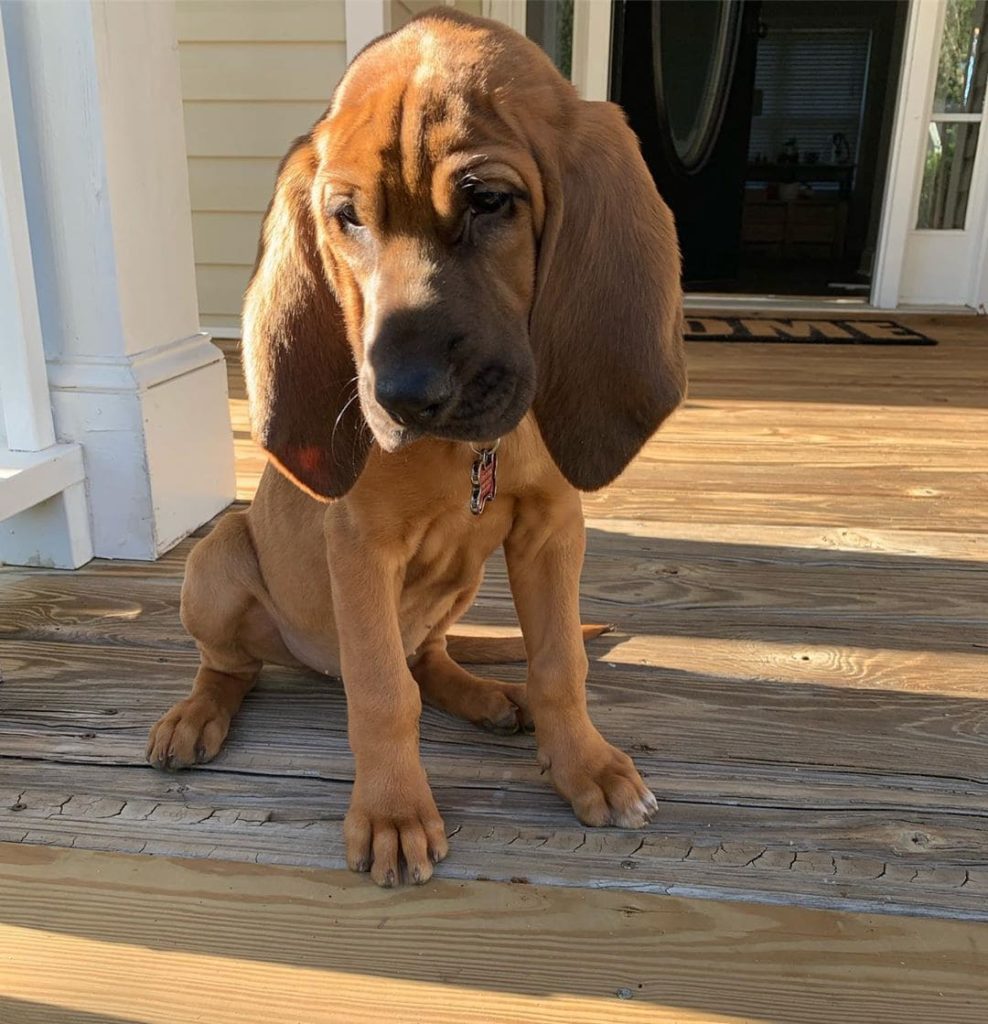
It’s also essential to consider the age of the puppy. The optimal age for purchase is between 8 to 12 weeks, when puppies are better socialized and can begin learning basic commands. Inquire about vaccinations and veterinary treatments that should be administered to the puppy. A reliable breeder should provide all medical documents.
Pay attention to the puppy’s social skills. A good breeder will socialize the puppies to get them accustomed to various sounds, people, and other animals. Try to observe how the puppies behave in a group and how they react to you. A puppy that is friendly and confident is likely to become a good companion.Discuss the feeding and nutrition of the puppies with the breeder. Find out what the puppies were fed and try to stick to that diet for the first few weeks after bringing your puppy home to avoid digestion issues.Remember that bloodhounds require regular physical activity and mental stimulation. Ensure you have the time and willingness to engage with your new pet. Pay attention to its training and socialization from day one.In conclusion, choosing a bloodhound puppy is an important step that takes time and attention. By following these recommendations and considering the breed’s characteristics, you can find a healthy and active puppy that will become a loyal friend and devoted member of your family for years to come. Zoonika is a site where you can find puppies from the best breeders with verified pedigrees.
Health and Illness
The Bloodhound is a breed known for its impressive hunting abilities and friendly nature; however, they are prone to certain health issues that owners should be aware of. Understanding these risks will help you provide your pet with the best care and prevent potential problems.
One of the most common issues among Bloodhounds is hip dysplasia. This hereditary condition results in improper formation of the hip joint, which can lead to arthritis and chronic pain. Owners are advised to conduct regular veterinary check-ups to monitor joint health and prevent the progression of the disease.
Bloodhounds can also suffer from elbow dysplasia, which is similar to hip dysplasia. It also causes pain and movement difficulties, requiring timely diagnosis and treatment.
Another problem Bloodhounds may face is obesity. This breed is prone to gaining weight, especially if insufficient exercise is provided. Excess weight can lead to serious health conditions, including diabetes, cardiovascular diseases, and joint problems. It is important for owners to manage their diet and ensure regular physical activity.
Bloodhounds are susceptible to various skin issues due to their loose skin and folds, which can trap moisture and dirt. Infections and irritations can occur in the folds, so it is essential to regularly check their condition and clean these areas. Watch for symptoms such as redness, itching, or unpleasant odor, and consult a veterinarian if necessary.
Eye problems can also arise in Bloodhounds. They may be predisposed to cataracts and glaucoma, which can develop with age. Regular veterinary check-ups can help detect these issues early and initiate treatment.Additionally, Bloodhounds may be at risk for cardiovascular diseases. They can suffer from various heart problems, making regular heart evaluations by a veterinarian crucial, especially for aging dogs.General recommendations for maintaining the health of a Bloodhound include regular veterinary examinations, vaccinations, and preventive measures such as flea and worm treatments. Ensure your pet receives proper nutrition and exercise, and monitor their weight to avoid obesity and related issues.By caring for your Bloodhound’s health and providing the necessary living conditions, you can help them remain active and happy for many years. Proper care and attention to potential problems will enable your pet to live a long and healthy life. Considering it? A vast selection of listings on the Zooinika map across cities.Main health issues can include: patellar luxation, hip dysplasia, heart murmurs, intestinal torsion, and bloating.
Содержание
-
1. Описание породы
-
2. Внешний вид
- 2.1 Голова
- 2.2 Морда
- 2.3 Уши
- 2.4 Глаза
- 2.5 Зубы
- 2.6 Корпус
- 2.7 Конечности
- 2.8 Хвост
- 2.9 Шерсть
- 2.10 Окрас
-
3. Характер
-
4. Содержание и уход
-
5. Дрессировка и обучение
-
6. Как выбрать котенка
-
7. Здоровье и болезни







Comments
Only registered users can leave reviews.
Enter