
Bernese Mountain Dog





Warning: Illegal string offset 'label' in /home/panda/sites/zoonika/wp-content/themes/zoonika/template-parts/animals/animals-param-item.php on line 32
Ð


Description of the Breed
The Bernese Mountain Dog (DГјrrbachler) is a majestic dog with a romantic origin story. This breed is considered one of the oldest family dogs, bred in the Swiss Bernese Alps. The history of Bernese Mountain Dogs spans several centuries. Their origins are linked to the hard work and life of Swiss farmers and woodcutters. These mountain dwellers needed a strong, durable, and obedient dog that could assist them with various tasks. Thus, the Bernese Mountain Dog became a reliable and indispensable companion in their daily life.
Initially, these dogs were used as herding and guard dogs. Berners accompanied livestock to pasture and protected farms from thieves and troublemakers. With their impressive appearance and excellent guarding qualities, they earned the reputation of being dependable watchdogs. Learning of the Bernese Mountain Dogs’ skills, farmers began to employ them in other areas. They became essential helpers in supplying villages and settlements with food.
One of the Bernese Mountain Dog’s tasks was to pull heavy carts full of cheese and milk from the mountain pastures to the dairy farms in the valley. These dogs were trusted to carry the fruits of daily or weekly hard work. They had to perform their duties with absolute precision and reliability, day after day. They could not be distracted by a rabbit or deceived by a trickster. They required strength and knowledge to complete their specific tasks and return to the alpine pastures after work, as stated, entirely on their own. This is a sensational achievement that only dogs can attain.
DГјrrbachlers had many other jobs on farms and workshops around Bern. They were tasked with guarding and protecting homes and farms, assisting in herding cows, and pulling carts along narrow, impassable mountain paths. Children were entrusted to them in mysterious ways. Their sweet, devoted nature has been praised since the beginning. They are described as dogs particularly affectionate towards people, protecting their families and being caring guardians for children. It was only through modern pedigree dog breeding that the breed was standardized and given the typical tricolors seen today. The ancient DГјrrbachler had all colorations except for tricolor – as stated by the great Swiss cynologist Dr. Hans RГ¤ber. He notes that all types exist, from almost white dogs with a few colorful patches to yellow-white, red with small white markings, and black.
All these dogs possessed an impressive set of characteristics that we still observe in Bernese Mountain Dogs today. More than 100 years ago, mountain dogs were divided into four breeds: Entlebucher, Appenzeller, Bernese, and the Greater Swiss – in order of size. This, along with the artificial fixation on tricolor created through selective breeding, did not benefit the health of these remarkable dogs. Statistics from the British Kennel Club in 2014 indicated that the expected lifespan of mountain dogs is only 8 years, while the American Kennel Club states it’s about 7-10 years. If raised healthily, they can easily live about 3 years longer. In 1907, the “Swiss DГјrrbach Club” was founded. In 1913, the DГјrrbachler was renamed the Bernese Mountain Dog. Today, the three colors of its coat have become standard. In recent years, around 1,000 puppies have been bred under the auspices of the VDH, reflecting the increasing appreciation for their excellent qualities, and rightly so.
Today, the breed’s appearance is standardized and recognized by international kennel organizations. The Bernese Mountain Dog has become very popular not only as a working dog but also as a family pet. It is known for its excellent temperament, affectionate nature, and ease of training.The Bernese Mountain Dog is a breed with a rich history and impressive origins. Today, these elegant and strong dogs continue to delight their owners not only with their beauty but also with their loyalty and reliability. If you are looking for a faithful friend and companion, the Bernese Mountain Dog is an excellent choice for you.The price of a puppy ranges from 30,000 to 50,000 rubles.

Appearance
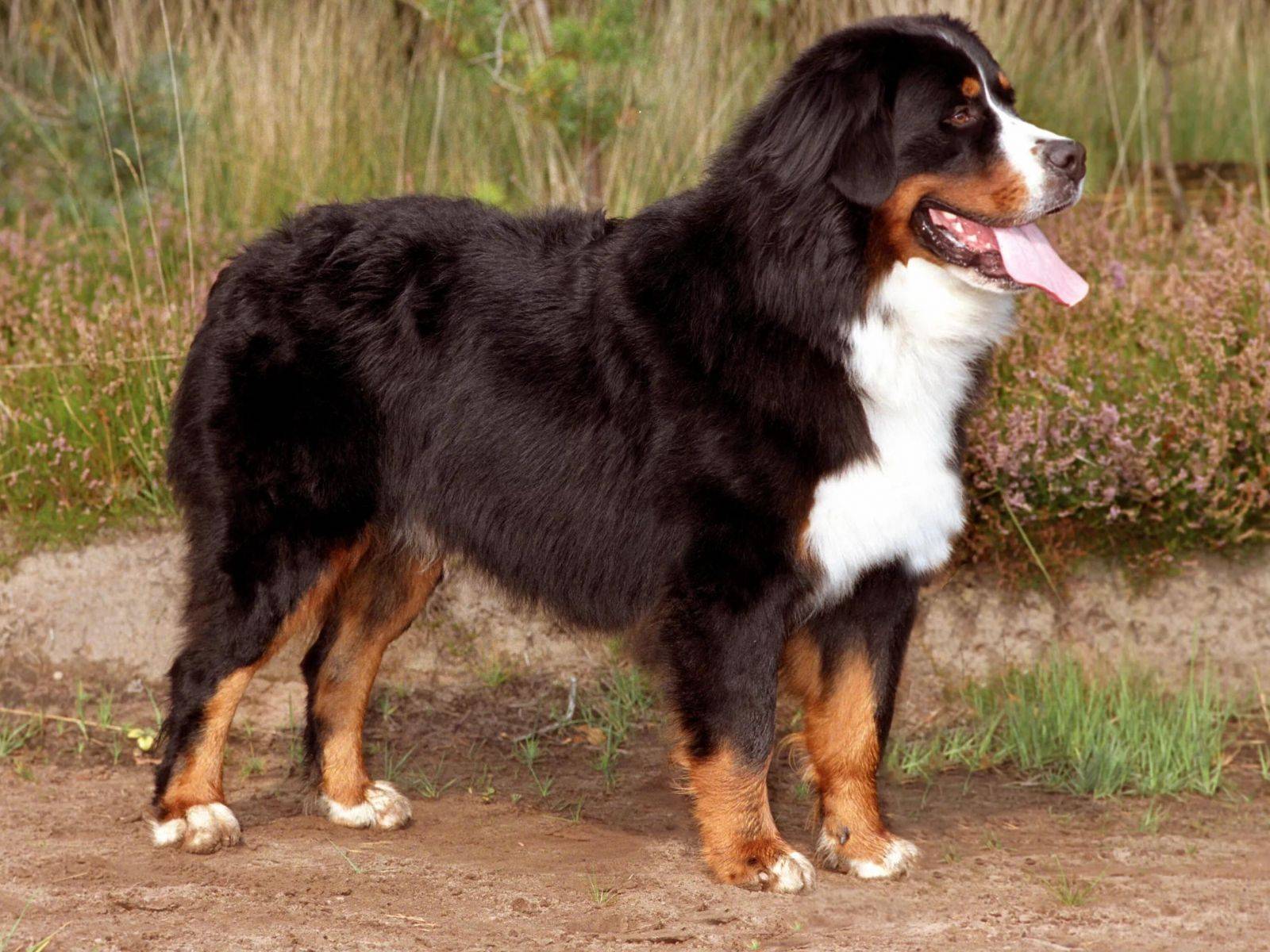
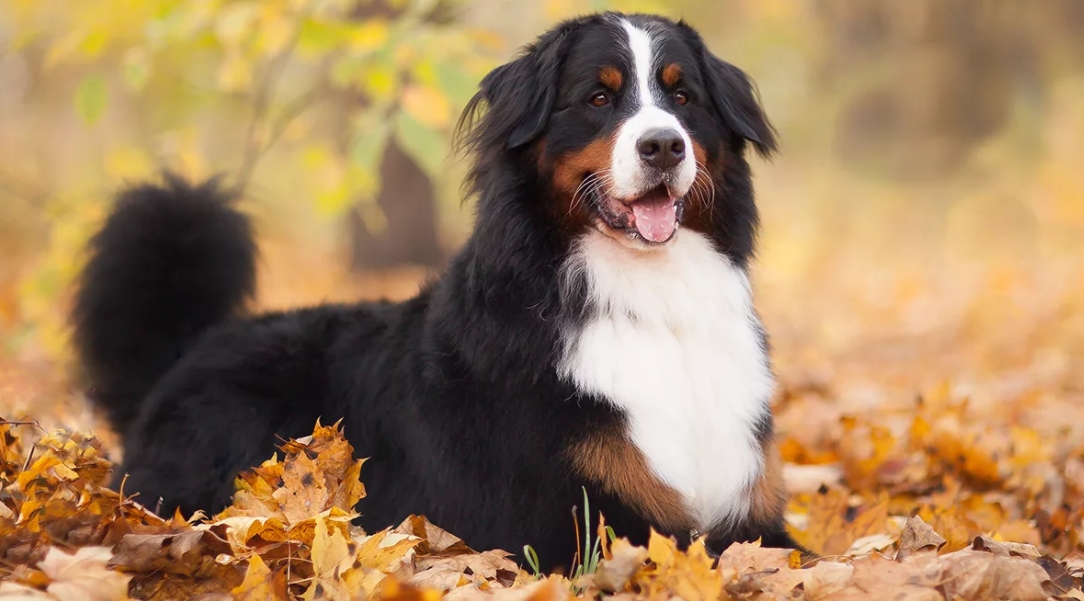
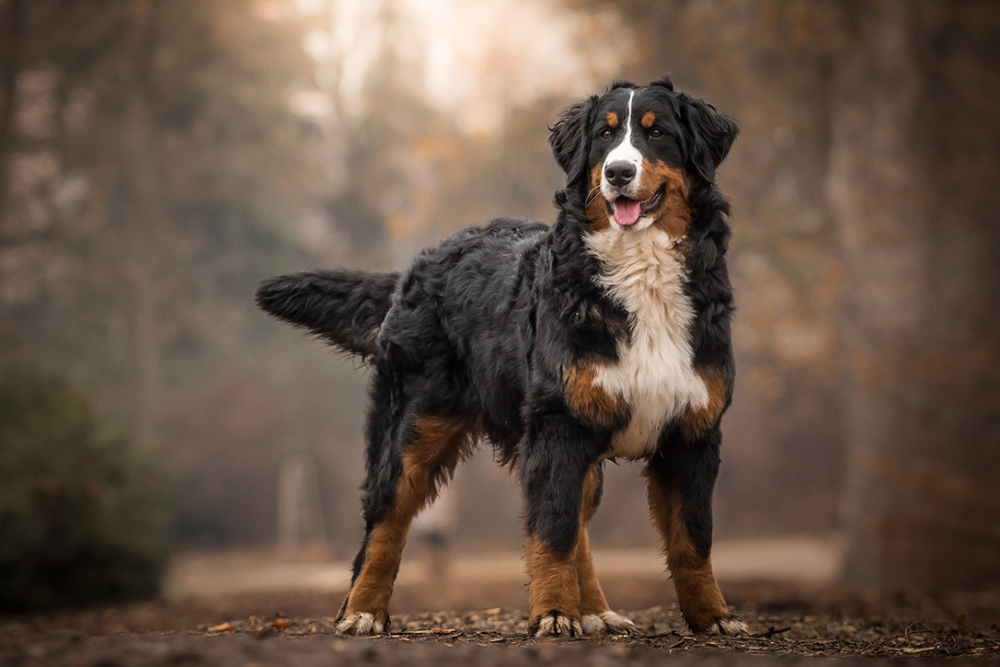
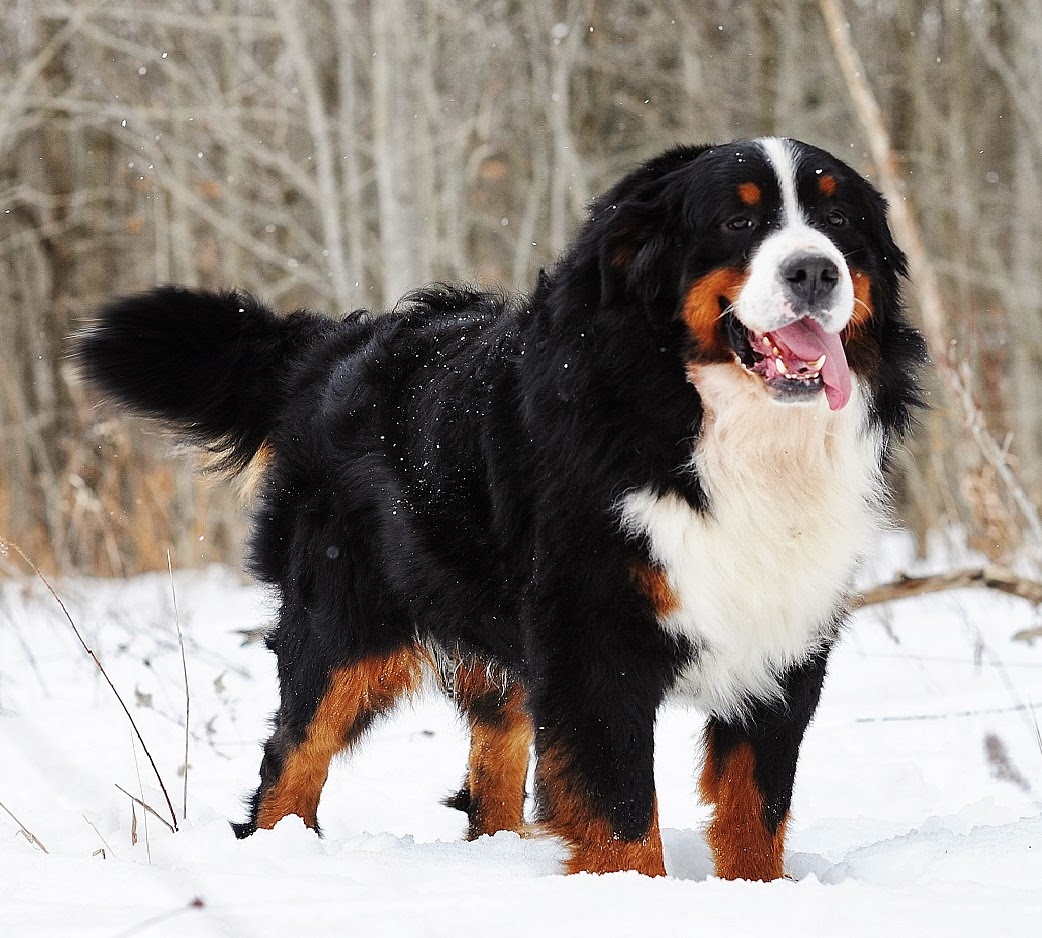
The Bernese Mountain Dog is a strong dog of medium to large size from Switzerland. It is also known as the DГјrrbachler. It is closely related to mastiffs and has a medium-length coat. Its friendly, gentle, and calm character makes it feel like a big plush teddy bear on four legs that you want to hug and cuddle. The Bernese exudes a confident calmness and self-assured composure, which is exactly what it is.
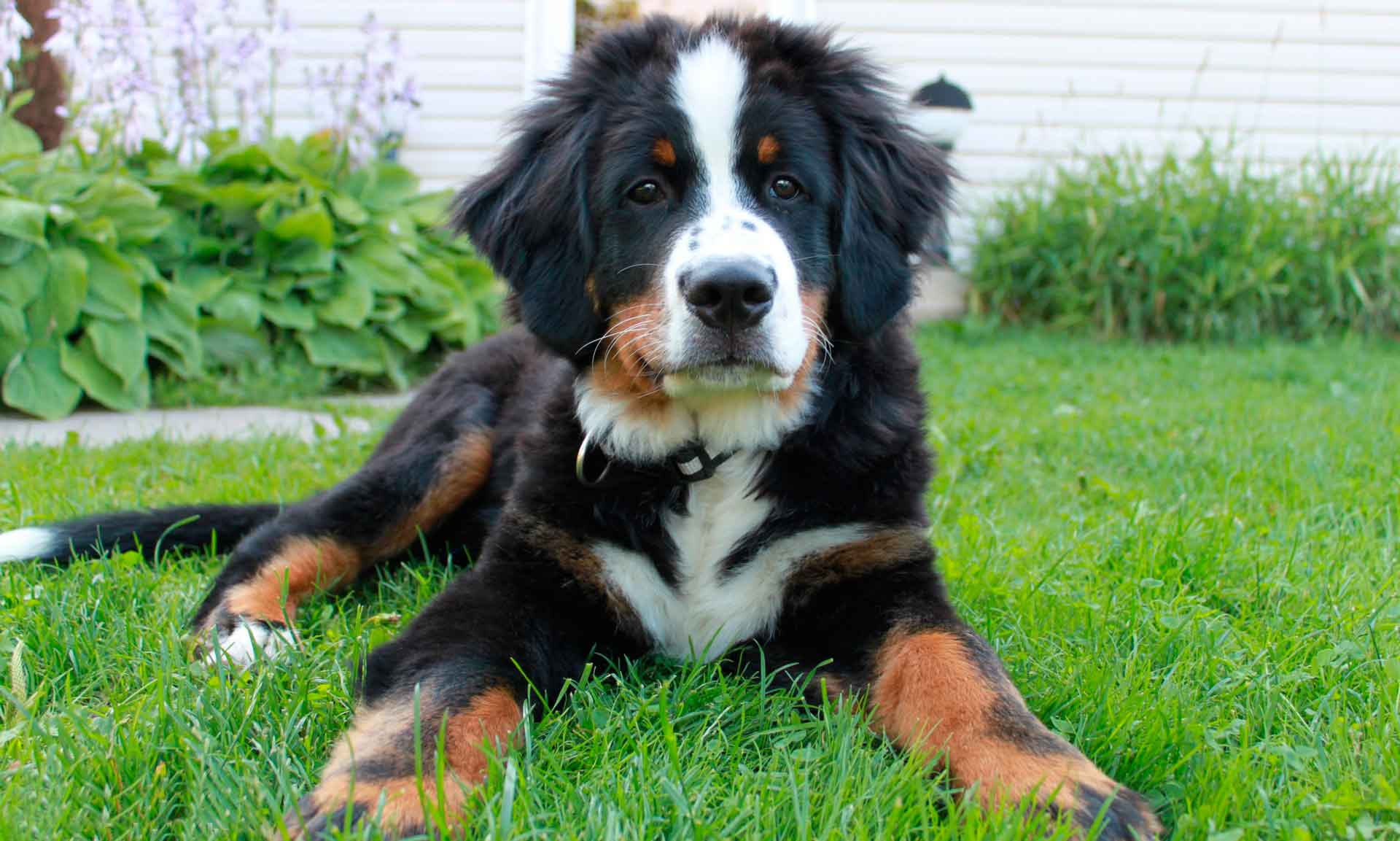
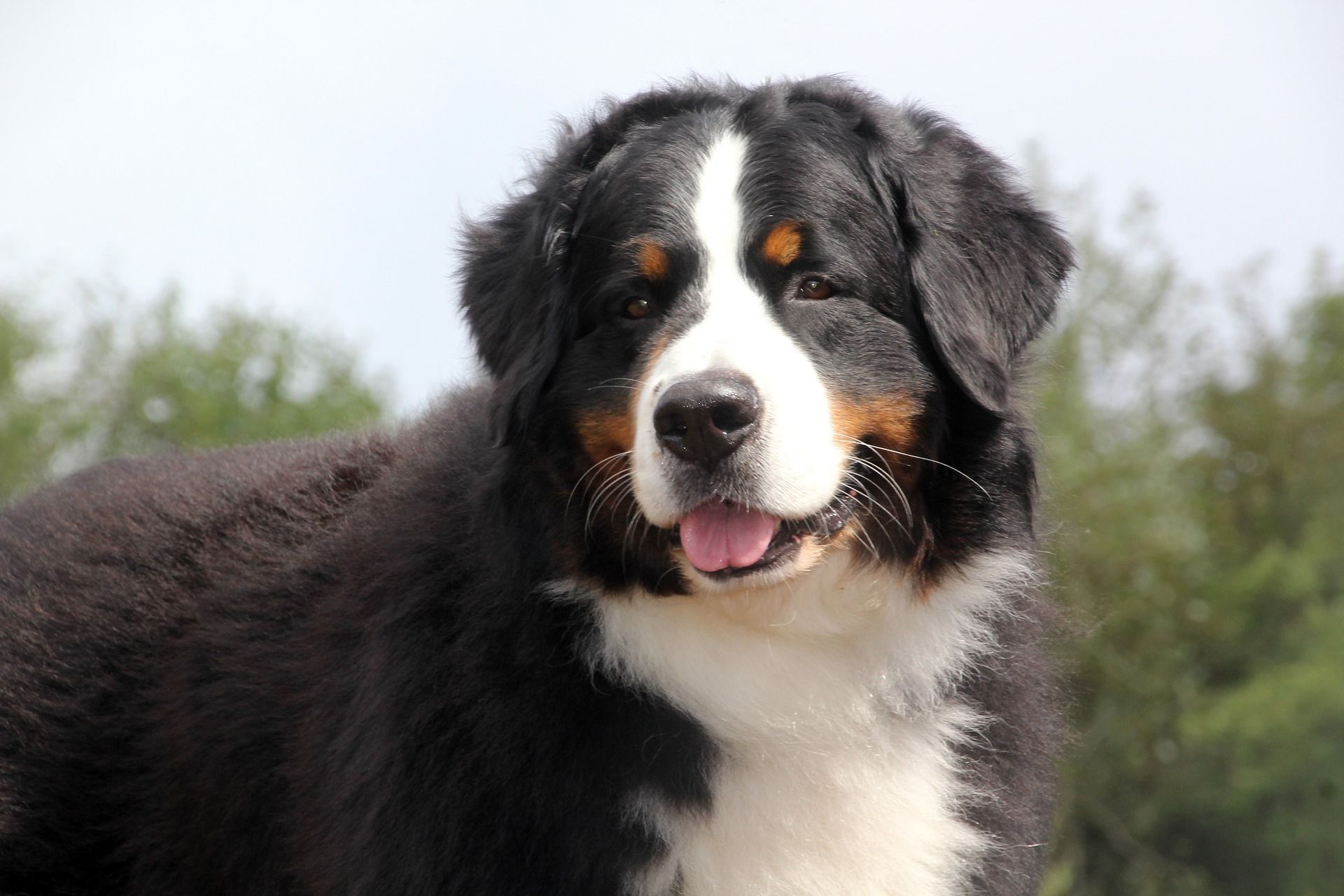
Weight is not specified, but it typically ranges from 35 to 50 kilograms. The breed standard contains numerous rules regarding coat color and markings. It should be tri-colored based on a deep black base color. We see detailed rules about where white markings can appear and where they cannot. In the interest of the dogs, one should not take such external characteristics, created solely by breeders, too seriously. Including such details in breeding criteria does not align with the interests of the well-being of Bernese Mountain Dogs, which already have an extremely small gene pool. This largely depends on character and adaptability. Their aura of majestic elegance is enhanced by characteristic markings on their coat and face, which, combined with the intellectual sparkle in their dark eyes, give the Bernese a noble grandeur. Their behavior makes them more charming and they become wonderful family companions.
They are affectionate, intelligent, and alert dogs. Their large size is one of their most notable features. Bernese get along with all family members and are especially gentle with children, but they develop a strong attachment to one lucky person. They are imposing but not intimidating, treating strangers with detached respect.
Males should stand between 64 to 70 centimeters at the withers, while females should be between 58 to 66 centimeters.
The Bernese Mountain Dog possesses qualities that go beyond just the color of its coat. However, due to the focus solely on external “values,” its lifespan has significantly decreased. Currently, they live only 7 to 10 years, which is 3 years less than one would expect from dogs bred for health and fitness.
Bernese Mountain Dogs combine strong musculature, confidence, and calmness in one prized pet. They are ideal for active and caring owners capable of providing sufficient physical activity and mental stimulation.This is a versatile farm dog that knows how to pull loads. It is a kind and devoted family dog that matures slowly.The Bernese Mountain Dog is confident, friendly, good-natured, and fearless.


Отличительные черты

Голова

Морда

Уши

Глаза

Зубы

Корпус

Конечности

Хвост

Шерсть

Окрас
Character
The challenging tasks that the Bernese Mountain Dog has faced over the centuries have helped shape its confidence and calmness. It does not require constant validation of its abilities, as it is aware of its strength. Sometimes it acts independently, taking the opportunity to go its own way. Its owner does not need to worry about providing games or tasks. The Bernese Mountain Dog places great importance on closeness and strong bonds with its people. It is friendly and attentive to them, allowing children to do things it would prohibit others from doing. It is a calming presence in the family. Long walks in nature are essential, and if well-trained, it can go without a leash. Speaking of training: the puppy should already know the house rules. The best way to establish this is through clear statements, consistent enforcement, and a close, trustful bond that respects its individuality. It is a good guardian and protector, but it does not bark unnecessarily. It can handle higher demands such as working with search and rescue dogs or tracking tasks. The Bernese Mountain Dog impresses with its unique qualities, which reflect its caution and intelligence. Accor
Despite its impressive size and weight, the Bernese Mountain Dog is characterized by endurance and agility. It has a remarkable personality: calm yet determined, open and friendly. It is highly oriented towards its family and home. It is a fun friend for children and will resolutely and fearlessly protect its family when necessary. It is suspicious of strangers and makes a good guardian. Due to its strength and strong will, it is only conditionally recommended for beginners.
The growing popularity of the Bernese Mountain Dog in recent decades is based on its wonderful character, which makes it a true partner and charming companion for humans. However, it is a large dog that can be challenging to handle and may not fit in every vehicle. It is best to take it in a sufficiently spacious crate. When well-trained, it can accompany you anywhere, but not all places are suitable for a large dog. The demanding tasks that the Bernese Mountain Dog has mastered over the centuries have produced a confident, calm creature. It does not need to prove itself; it is aware of its strength and abilities. It has its own will and takes its own path when the opportunity arises.
The Bernese Mountain Dog values closeness and strong connections with its people. It is friendly towards them, gives them its attention, and sometimes allows children to do things it would forbid others from doing. It provides a calming influence in the family. It has a strong sense of fairness and expects to be treated justly. You should not only tolerate its periodic stubbornness but also appreciate it. They require a close bond characterized by mutual respect between the dog and the owner. The Bernese Mountain Dog feels at home in the countryside. However, it is not a companion dog for athletes. The Bernese Mountain Dog is not necessarily suited for life in the center of a big city. These dogs are completely unsuited for permanent or even partial stays in a kennel.
Bernese Mountain Dogs are known for their good-natured and gentle temperament. They are wonderful family dogs, especially because they enjoy being around children. They are tolerant of kids who want to play and hang out at home, and they get along well with other pets.
Like any breed, they will require early and proper socialization to be familiar with other household members.Bernese Mountain Dogs are affectionate dogs that get along well with pets. They tend to chase smaller animals and play roughly, but they are quite gentle once fully grown and properly trained.Socialize and introduce them at a young age to encourage good behavior.
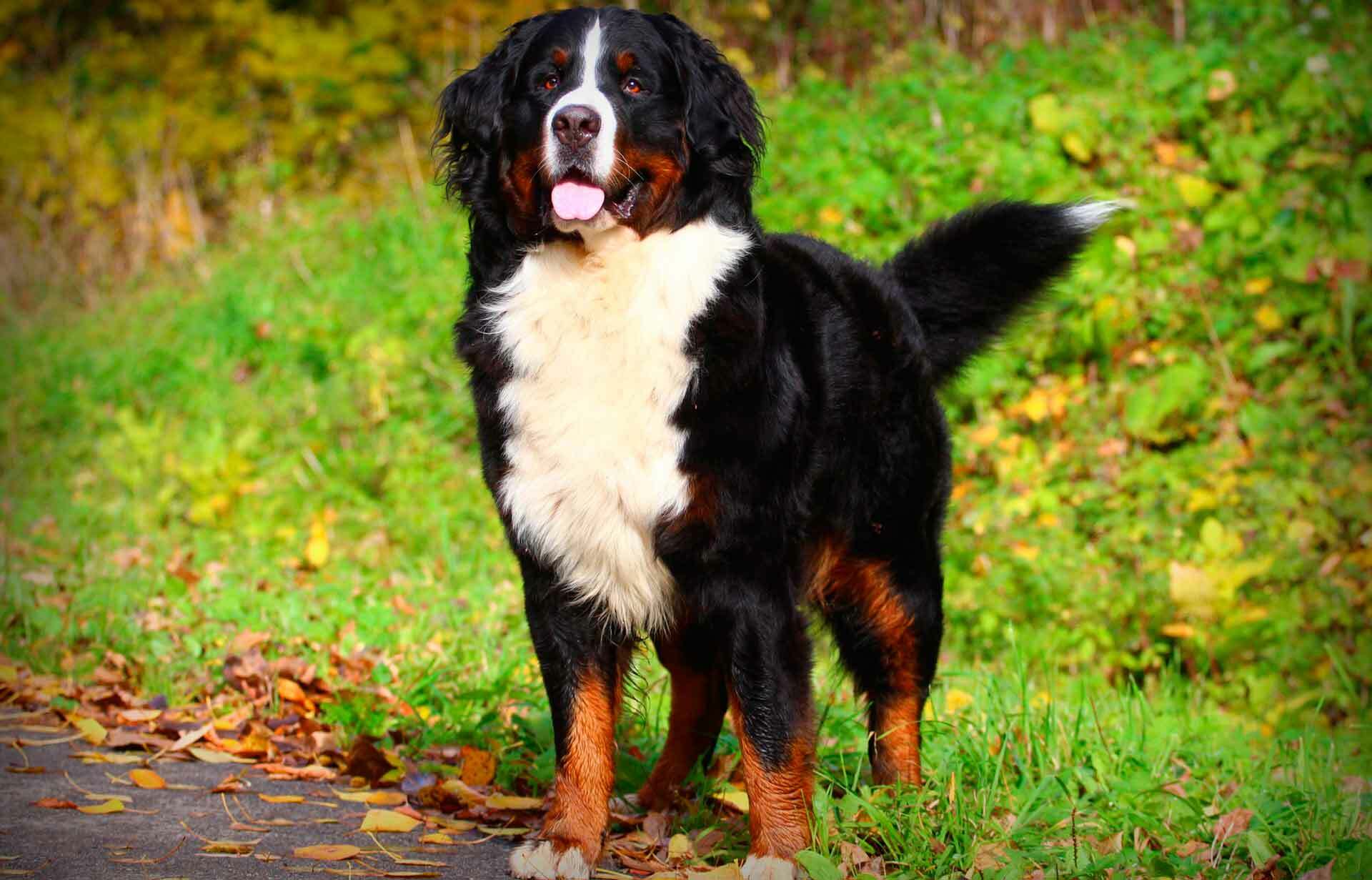
Workers and therapists
Bernese Mountain Dogs were originally bred for work on farms and in the Alps, but they also excel as therapy dogs. Due to their relaxed and friendly nature, they have become popular in pet therapy programs and visiting the sick and elderly. Berners can uplift spirits and provide comfort to those in need of extra support and love.Care and Maintenance
This breed needs to be brushed several times a week to maintain cleanliness and prevent tangles in the fur, especially given its dense double coat with long outer fur and a woolly undercoat. Regular bathing helps keep their appearance good. Providing raw bones to your dog can help prevent the buildup of plaque and tartar.
It is recommended to trim their nails at least once a month, especially if your dog does not naturally wear them down, to avoid painful tears and problems. It’s important to make grooming a pleasant experience filled with praise and rewards.
Berners shed year-round, with shedding tending to increase in the summer and winter. When the undercoat begins to shed, it is replenished by either denser or thinner undercoat, depending on the outside temperature.
Brush them once a week with a rubber glove, grooming tool, or shedding mitt to help remove dead hair and maintain their appearance. Bathe them occasionally as needed.
Bernese Mountain Dogs will need enough food to keep them energetic and happy. They should thrive on high-quality dog food. They will need 4 to 6 cups a day, divided into two meals. Fresh and clean water should always be available. Monitor their weight to prevent obesity, so it’s best not to leave food out for them throughout the day. Consult a veterinarian if you have concerns about their diet.
Like any large dog, you will need to pay attention to Bearly’s figure and rein in our sometimes overeager friend for his health. Therefore, do not allow him to eat too quickly and ensure he rests after meals. Some veterinarians recommend an elevated feeding bowl, which can be purchased at specialty stores. During breeding seasons, special attention should be paid to an adaptive diet. Here, you should consult a specialist and feed them special food.
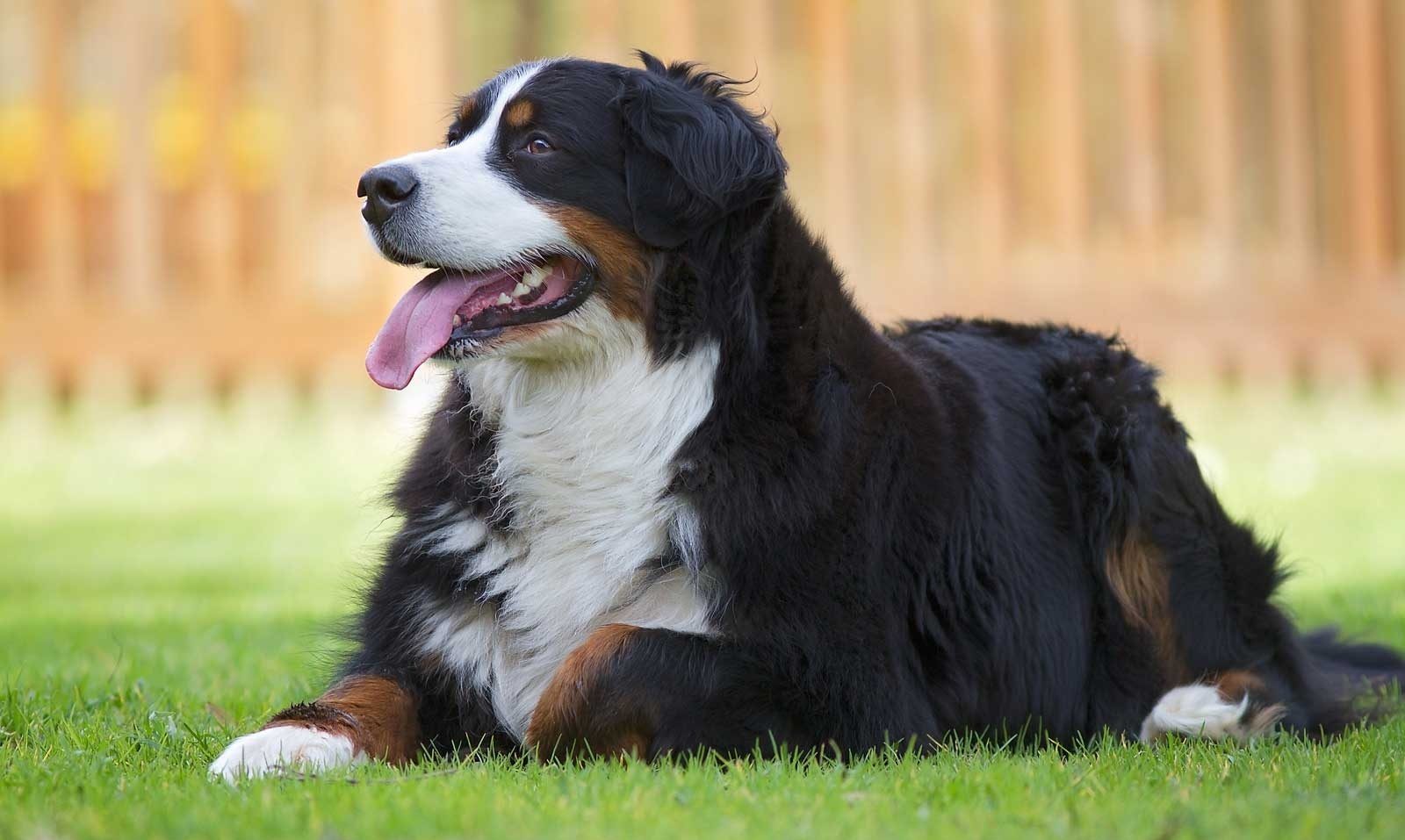
Voluntary search and rescue
Bernese Mountain Dogs have an excellent sense of smell and determination, making them great dogs for search and rescue operations. They can be used to find missing persons even in extreme cold and challenging landscapes. Berners are praised for their resilience, endurance, and loyalty during such missions.Training and Education
Training and education of Bernese Mountain Dogs are essential aspects for successful cooperation and harmonious coexistence with these wonderful pets. Bernese Mountain Dogs are originally bred for work and service, thus they possess good learning abilities and responsiveness to commands.
One of the fundamental principles of training Bernese Mountain Dogs is positive reinforcement. These dogs are very responsive to praise and rewards, so it is best to work with them using motivation and encouragement. This can include tasty treats, toys, or simply verbal praise. Another important element of successful training is repetition and the gradual complexity of commands.
However, it is crucial to remember that Berners are large and strong dogs, so clear rules and boundaries must be established during training. They need to understand that you are the leader and that they should follow your commands. Never use physical force or cruelty, as this can break trust and create a negative experience for your pet.
Considering that the Bernese Mountain Dog is a working breed, they require plenty of physical activity and mental stimulation. Regular walks, outdoor games, and training sessions will help strengthen the bond between you and your pet. It is also advisable to include elements such as fetching, search games, and leash training in their training program.
Training a Bernese Mountain Dog can take time, so it is important to be patient and consistent. Each dog has its own unique learning pace and may require an individualized approach. The key is to enjoy the training process and aim for gradual progress.
In addition to basic obedience training, Bernese Mountain Dogs can also undergo specialized training to perform specific tasks. For example, they can be trained for search and rescue, assistance to the disabled, or even participation in various dog sports.Berners are intelligent and cheerful dogs, relatively easy to train. They will listen to and follow your instructions as long as you keep the training sessions short and engaging.It is recommended to teach them good leash etiquette and basic obedience commands. Berners respond best to positive reinforcement and praise for good behavior.Typically, Berners live indoors, but they love to engage in active recreation. Their calm temperament allows them to pull small carts or wagons-a task they originally performed in Switzerland. They can be excellent companions during long walks.On average, 60 to 90 minutes of exercise each day will help keep them in great shape.Like all other representatives of this breed, the Bernese Mountain Dog needs long walks outdoors every day. However, this is far from all they can offer. Thanks to their skills and abilities, they can become excellent rescuers or therapy dog
Family pets
Bernese mountain dogs are also known for their friendly nature and gentle demeanor with children and the entire family. They get along well with kids and typically make wonderful playmates. They show deep affection for their owners and enjoy spending time surrounded by family. Berners are loyal and dependable dogs that make great friends for all family members.
How to Choose a Puppy
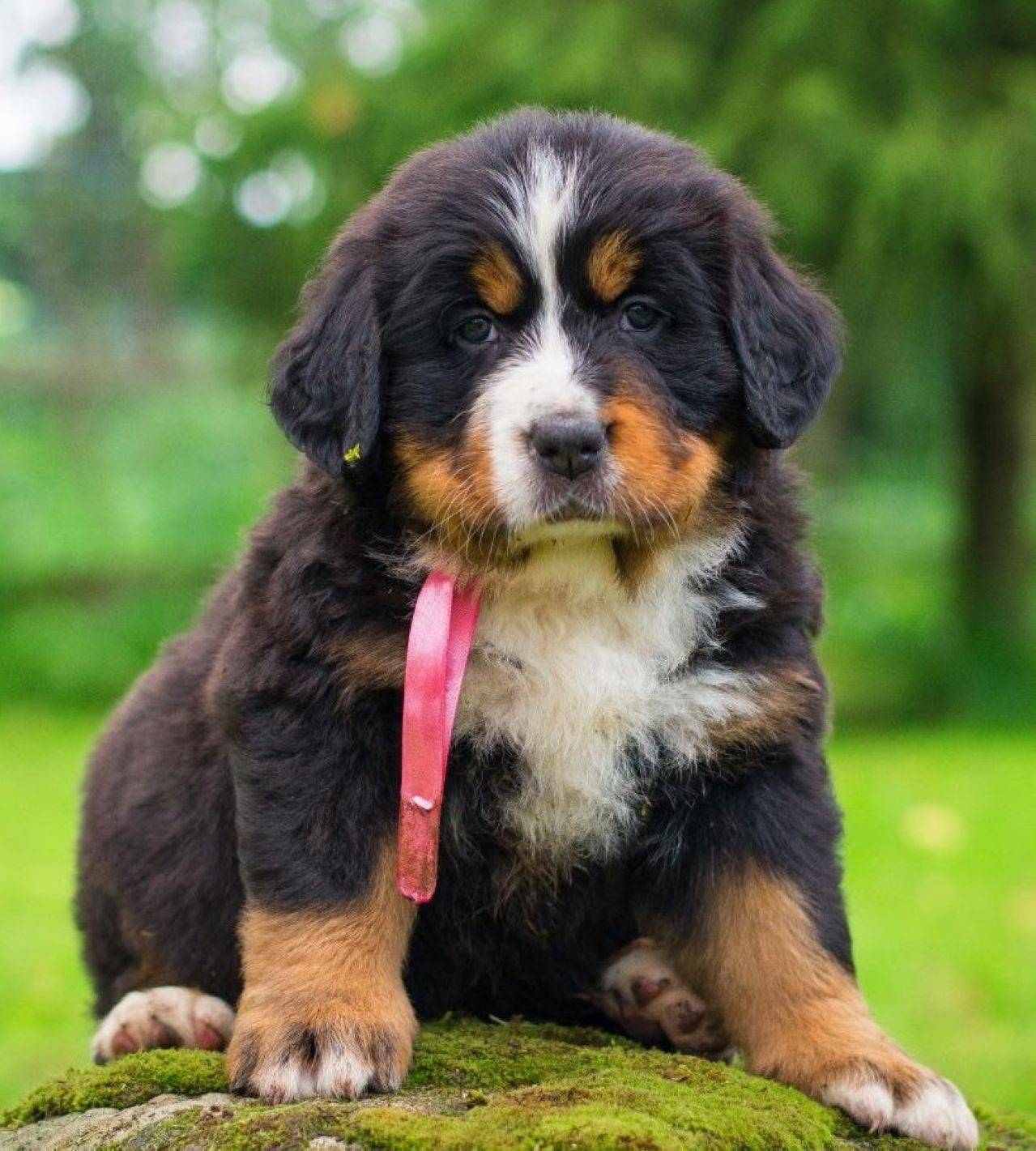
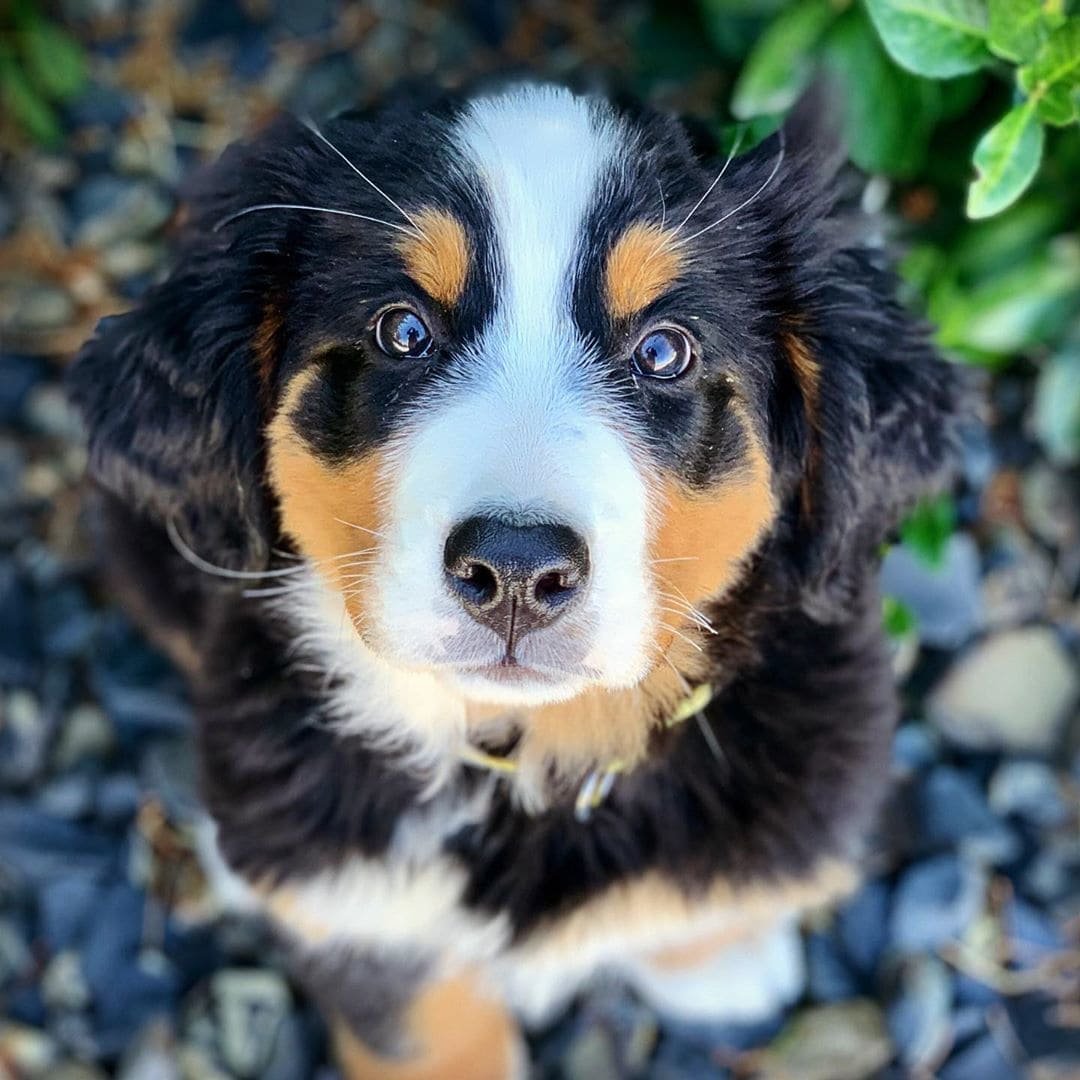
Choosing a Bernese Mountain Dog puppy is a responsible and important step that requires some knowledge and time to make the right decision. Here are some recommendations to help you choose the right puppy for your family:
Research the breed: Before deciding to acquire a Bernese Mountain Dog puppy, you need to study the breed’s characteristics, temperament, needs, and potential health issues in detail. Learn about their size, activity level, sociability, and care requirements.
Find a reputable breeder: Searching for a reliable and experienced breeder is a key factor in selecting a puppy. Research the breeder’s reputation, read reviews, and talk to owners of puppies from this breeder. The breeder should care about the well-being and health of their dogs and provide proper upbringing and socialization for the puppies. All vetted breeders are gathered in one place on the Zoonica portal.
Observe the mother and puppies: Before making a decision, visit the kennel and observe the mother and puppies. Pay close attention to their behavior, health status, and living conditions. The puppies should be active, curious, and have a healthy appearance.
Ask questions: Don’t hesitate to ask the breeder questions about the puppy and the breed. Inquire about genetic tests for hereditary diseases, vaccinations, and regular medical check-ups. Also, ask about the puppy’s temperament and potential readiness for training and socialization.
Pay attention to the puppy’s health: Check for any diseases or defects, such as hearing, teeth, or joint issues. The puppy should have clean ears, eyes, and coat, and should not show signs of unusual behavior or illness.Spend time with the puppy: Spend time with the puppy you’re considering to assess its personality and compatibility with your lifestyle. Observe how it interacts with you and family members, and how it reacts to new situations.Set realistic goals: Make sure your expectations and goals concerning the puppy align with what the breeder can offer. If you want to pursue a show career with the puppy, ensure that the breeder offers suitable quality parents.Consider your commitments: Don’t forget the physical and financial responsibilities of dog ownership. Bernese Mountain Dogs are large dogs that require adequate physical activity, regular grooming, and veterinary care.Choosing a Bernese Mountain Dog puppy is a significant step, so take your time and collaborate with experienced and responsible breeders to find a suitable pet that will become a loyal and loving companion for your family for many years to come.The Bernese Mountain Dog is the
Health and Diseases
The health of Bernese Mountain Dogs is an important aspect when choosing and caring for these wonderful pets. They are relatively healthy dogs, but like any other breed, they are susceptible to certain illnesses and hereditary issues. Here is some information about the health and diseases associated with Berners:
Hip and Elbow Dysplasia: Bernese Mountain Dogs may face hip and elbow dysplasia issues. This condition occurs when the joints do not form properly, which can lead to pain, lameness, and even arthritis. Acquiring a puppy from healthy parents who have undergone appropriate genetic testing can reduce the risk of developing dysplasia.
Cancer: Like many large breeds, Bernese Mountain Dogs are prone to certain types of cancer, including bone tumors and vascular tumors. Regular veterinary check-ups and early detection of these diseases can increase the chances of successful treatment.
Panosteitis: This is an inflammatory bone disease that can affect puppies at a young age. Symptoms may include lameness, tenderness, and loss of appetite. Typically, the condition resolves on its own, but symptom treatment may be necessary.
Intervertebral Disc Herniation: Bernese Mountain Dogs may be predisposed to intervertebral disc herniations, especially in the cervical and lumbar regions of the spine. This can lead to pain, restricted movement, and even paralysis. Preventing injuries and regular veterinary check-ups can help manage this risk.
Heart Diseases: Bernese Mountain Dogs can suffer from certain hereditary heart conditions, such as congenital defects or dilated cardiomyopathy. Regular veterinary visits and echocardiograms can help detect and manage these conditions in a timely manner.In addition to these issues, Bernese Mountain Dogs may also be prone to gastrointestinal problems, allergic reactions, and bladder issues. Regular veterinary visits, following care recommendations, and proper nutrition can help manage these problems and maintain your pet’s health.Planning veterinary visits every six months is important for keeping your Berners healthy and happy throughout their lives. During these visits every two years, your veterinarian will conduct a medical examination, measure your dog’s temperature, and check its heartbeat.Regular check-ups provide an opportunity to monitor your dog’s growth and development, discuss any concerns with your veterinarian, and are a key part of preventive care.Like many large dog breeds, the Bernese Mountain Dog is prone to hip (HD) or elbow (ED) issues. Sometimes, strong inbreeding and artificial fixation on the tricolor can negatively impact fitness
Содержание
-
1. Описание породы
-
2. Внешний вид
- 2.1 Голова
- 2.2 Морда
- 2.3 Уши
- 2.4 Глаза
- 2.5 Зубы
- 2.6 Корпус
- 2.7 Конечности
- 2.8 Хвост
- 2.9 Шерсть
- 2.10 Окрас
-
3. Характер
-
4. Содержание и уход
-
5. Дрессировка и обучение
-
6. Как выбрать котенка
-
7. Здоровье и болезни






Comments
Only registered users can leave reviews.
Enter