
Belgian Shepherd





Warning: Illegal string offset 'label' in /home/panda/sites/zoonika/wp-content/themes/zoonika/template-parts/animals/animals-param-item.php on line 32
Ð


Description of the Breed
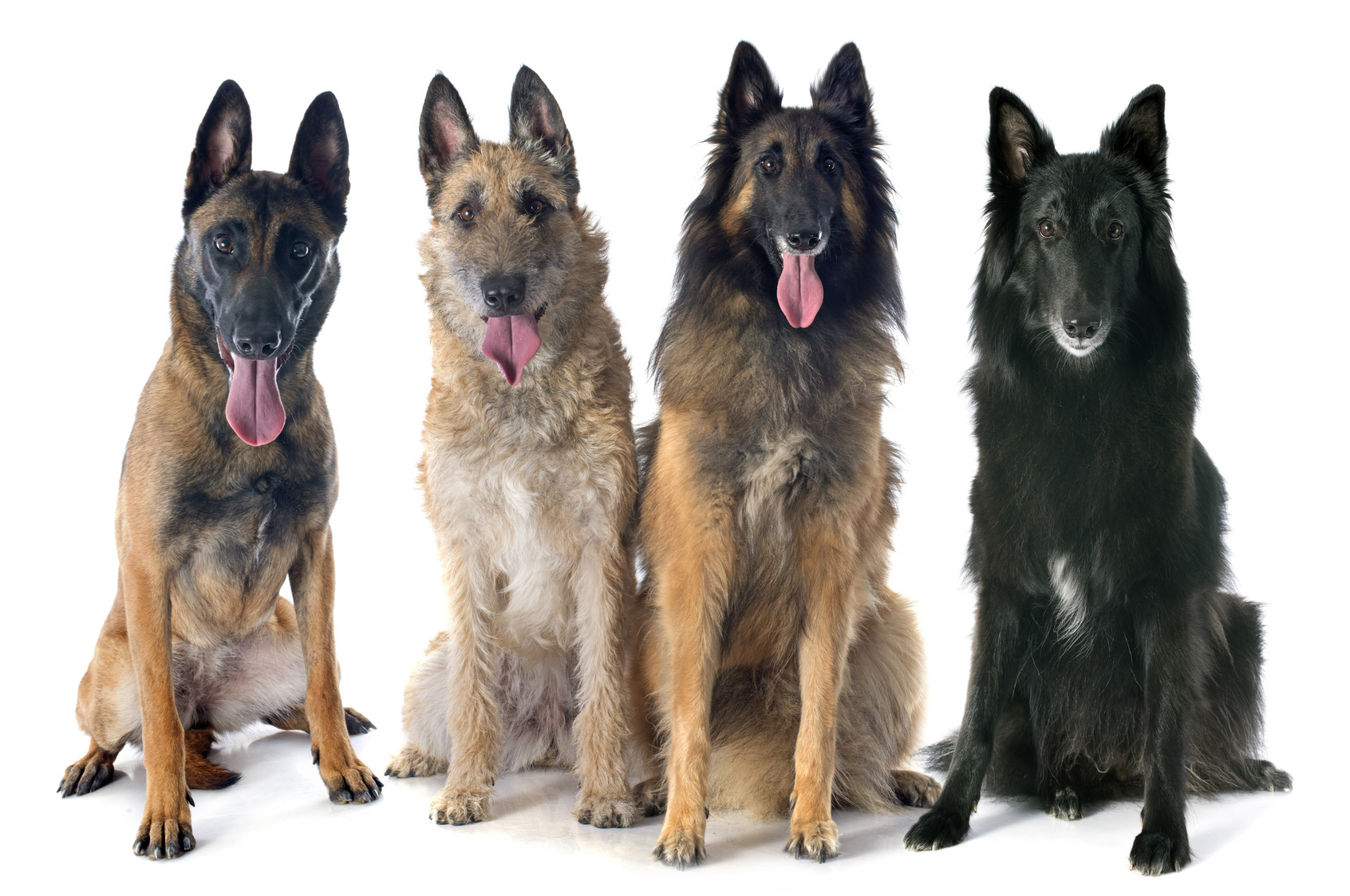
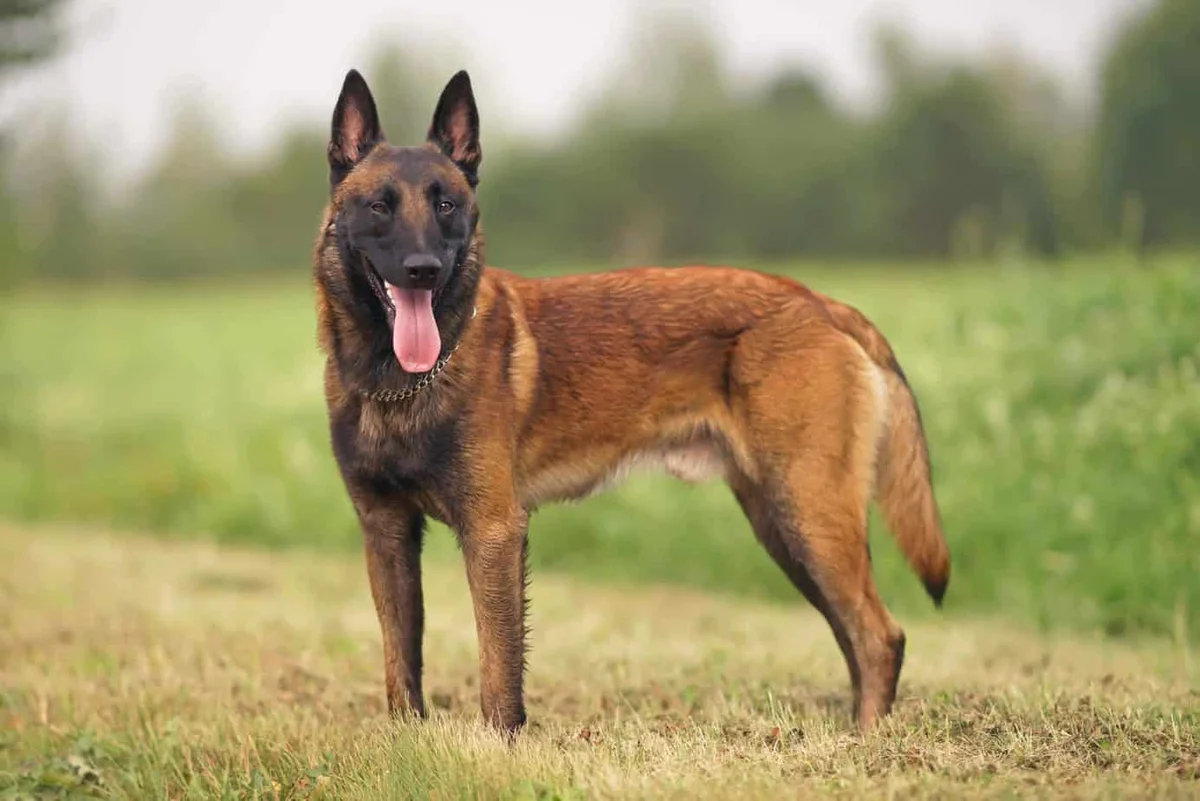
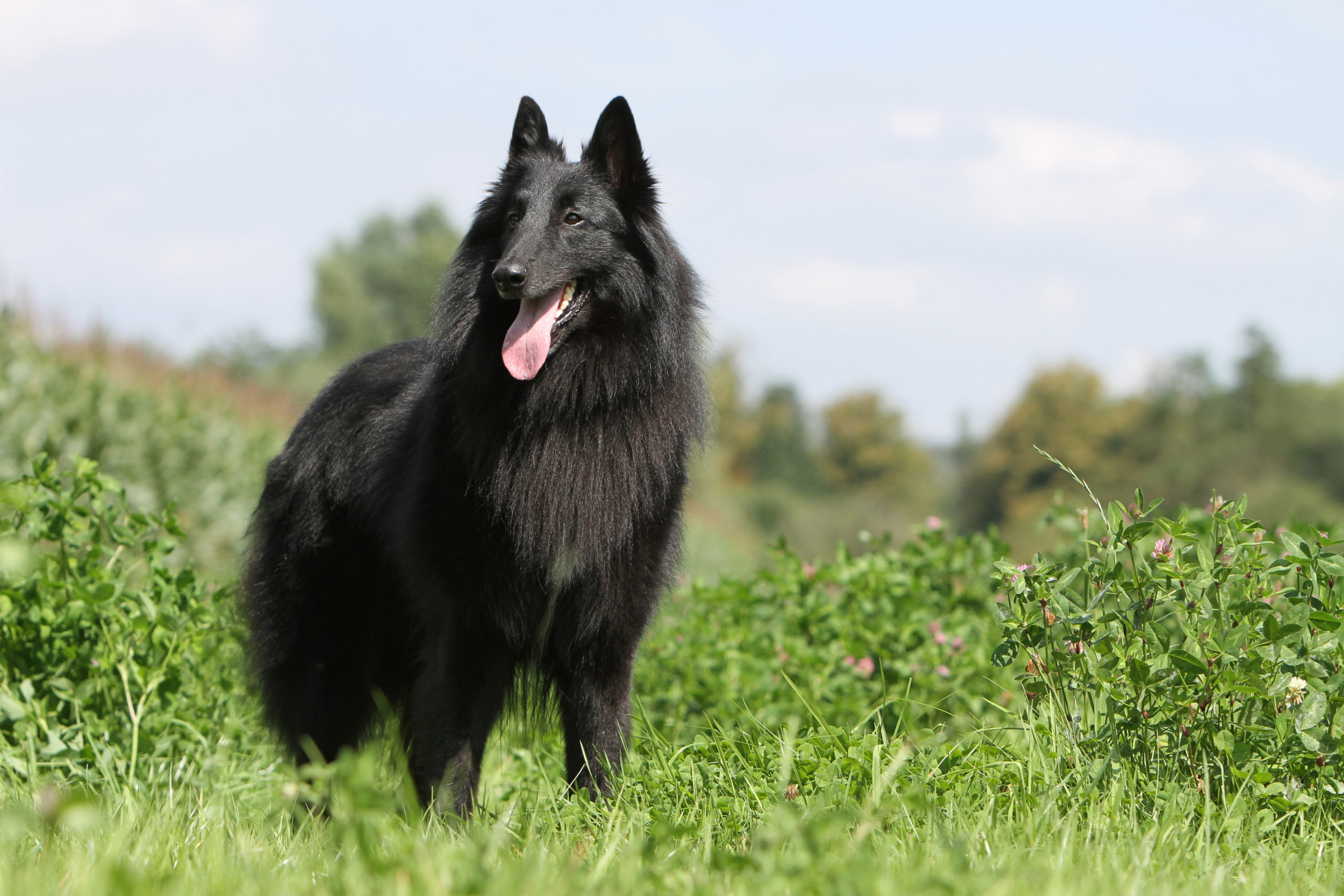
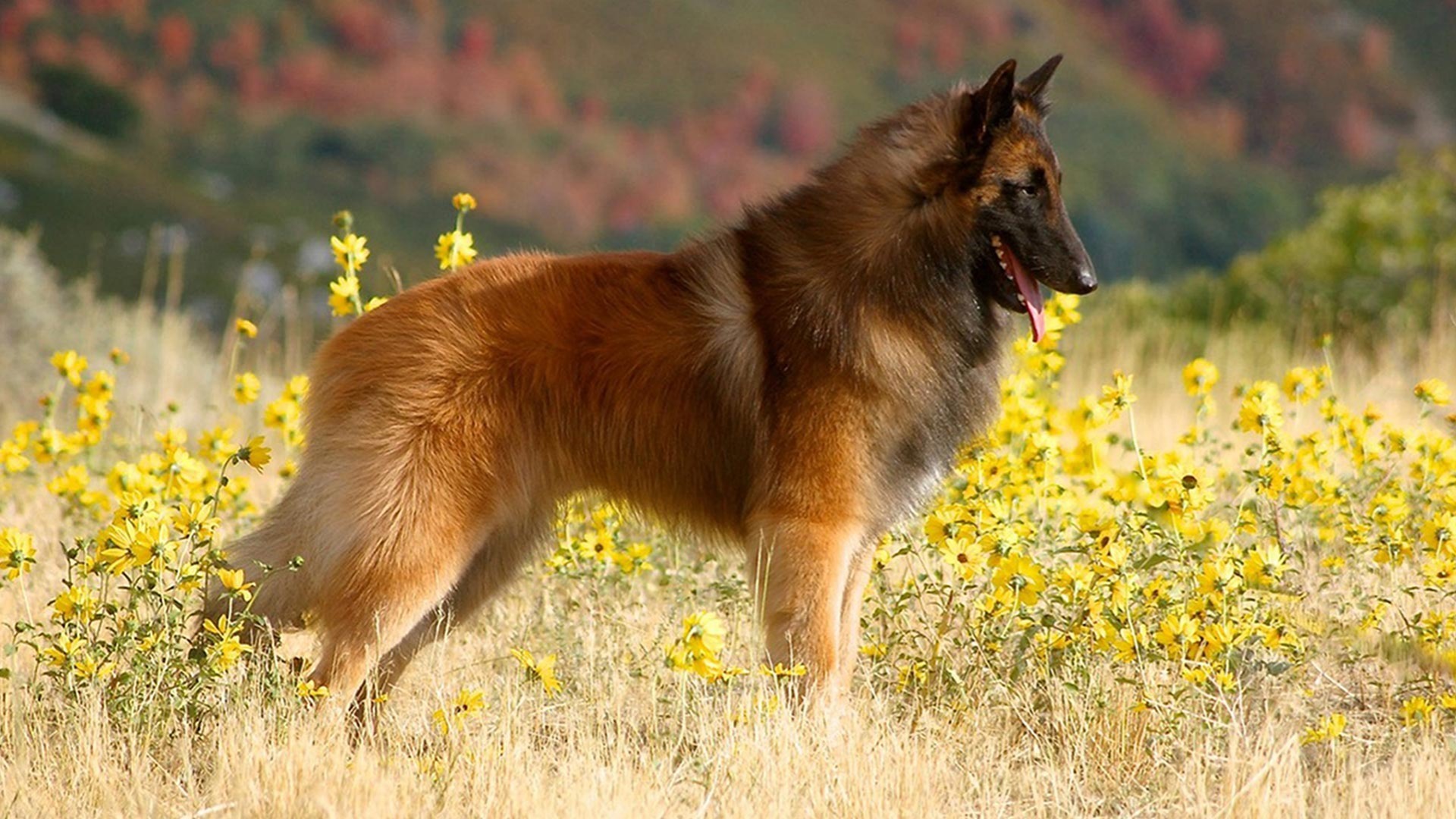
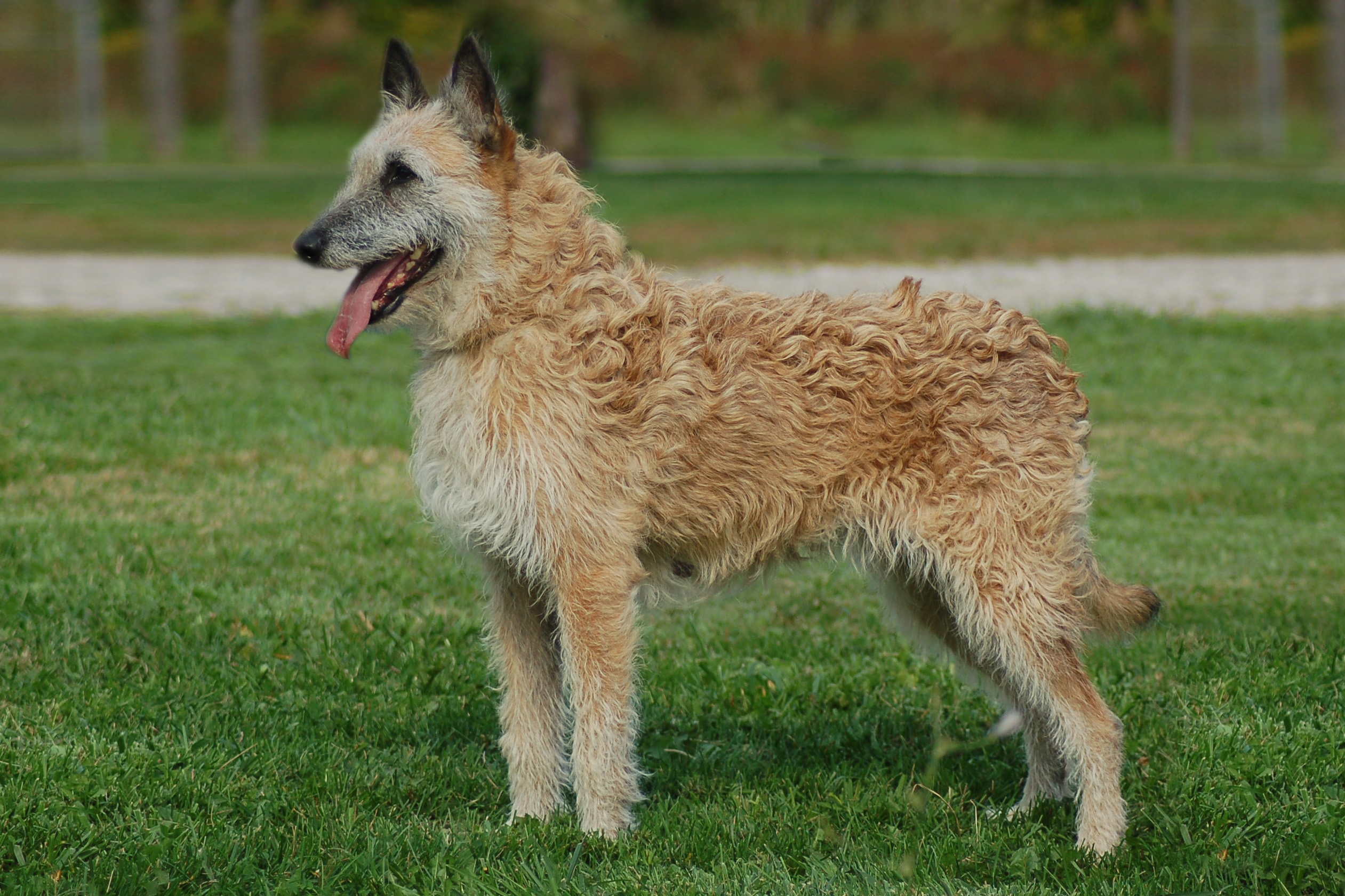
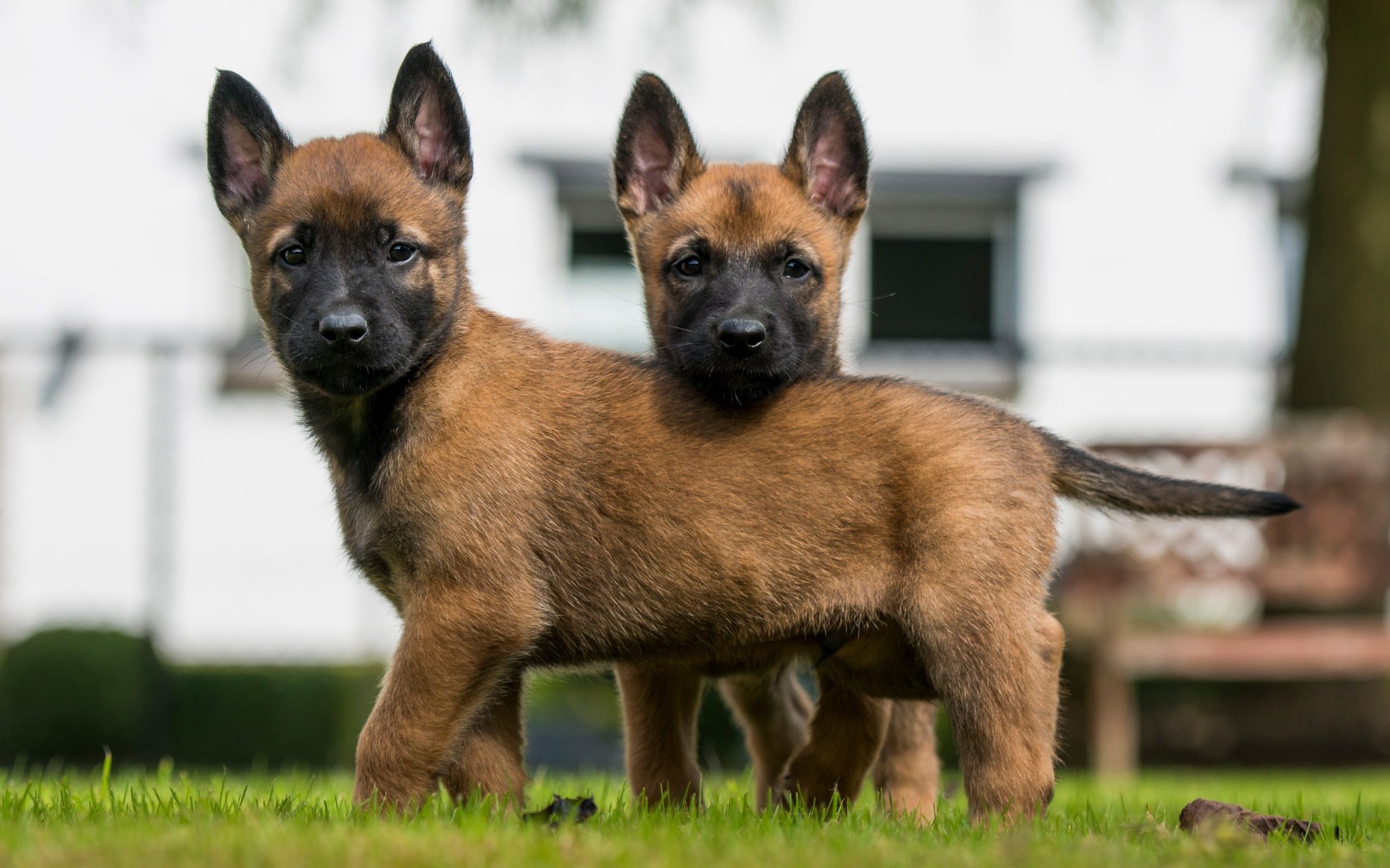
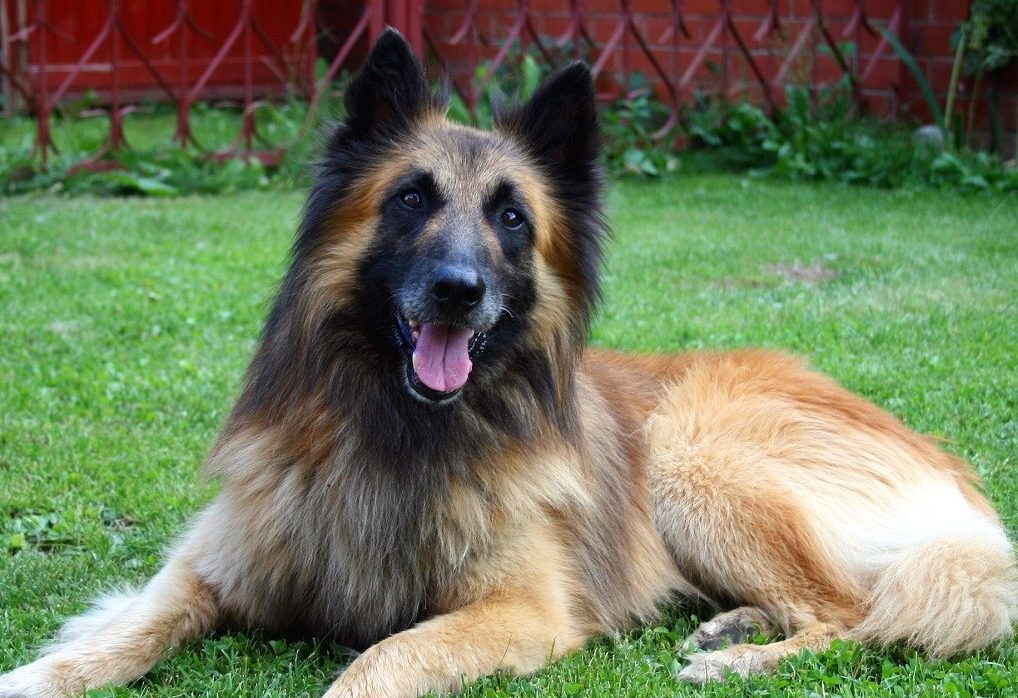
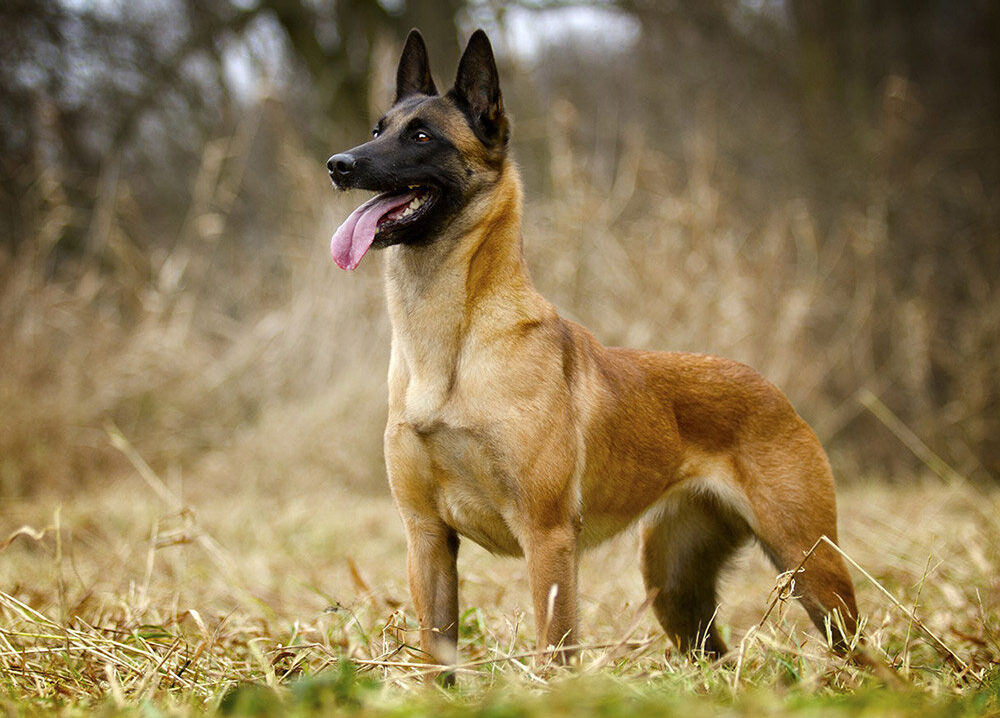
Belgian Shepherds are excellent working dogs and great companions for humans. They come in four variations, differing only in coat type: the long-haired black Groenendael and red-brown Tervuren, the rough-coated Laekenois, and the short-haired Malinois. There have been mixes among them, referred to as so-called ‘multicolored’ variants. All were developed according to the standard (FCI No. 15).
Belgian Shepherds emerged as a breed around 1900. This was a similar historical process that led to the creation of their cousin, the German Shepherd. Before 1900, service dogs for herders and shepherds in Germany, the Netherlands, or Belgium were considered part of a diverse group of shepherds. Depending on regional requirements for working tasks, the dogs varied slightly. In areas where isolated wolves and lynxes still existed, shepherds tended to be stronger, as they also had to perform livestock protection duties. Belgian shepherds were leaner and more agile because they needed to work skillfully with herds in densely populated areas.
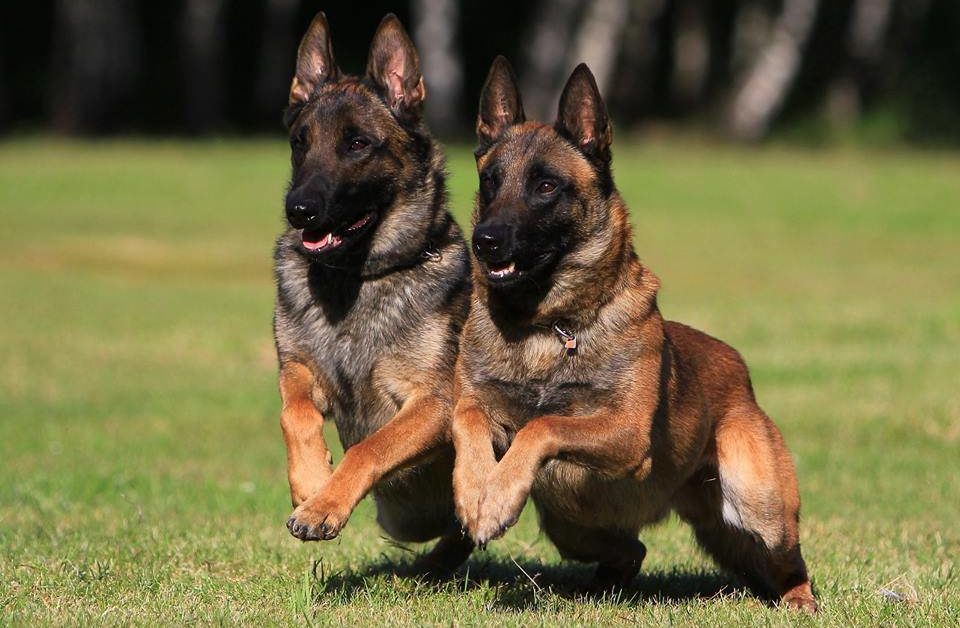
Belgian shepherds also undertook various other tasks. They assisted as herding dogs in leading livestock to slaughterhouses and served as draft dogs, typically in pairs. Historical photographs show that even the undertaker’s cart was occasionally pulled by shepherds. This work required a strong foundation. They often served as guard and farm dogs, perfectly meeting all these diverse requirements.
Western European shepherds constituted a single vast gene pool, not divided by countries or even coat types. In 1905, cynologist Richard Strebel still considered the Belgian Shepherd to belong to the German group. In his over 20-page book on German Shepherds, he mentions the Belgian Shepherd with one sentence: “The Belgian Shepherd may have a slightly squarer muzzle than the German one, and it is bred in all coat types.”
By that time, however, the course had already been set for a split between German Shepherds and “Belgians.” In 1891, the Club du Chien de Berger Belge (Belgian Shepherd Club) was established. Soon, the first exhibition took place, showcasing no fewer than 117 dogs, though in mixed coat types, some with drooping ears. In 1901, the breed was officially recognized, and the dogs were genetically categorized. Four types were established from the outset, although interbreeding was permitted. The two World Wars caused significant setbacks. Nevertheless, the Belgian Shepherd was quickly revived and transformed into an absolutely top-class service dog.
The price for a puppy ranges from 50,000 to 60,000 rubles.
Appearance
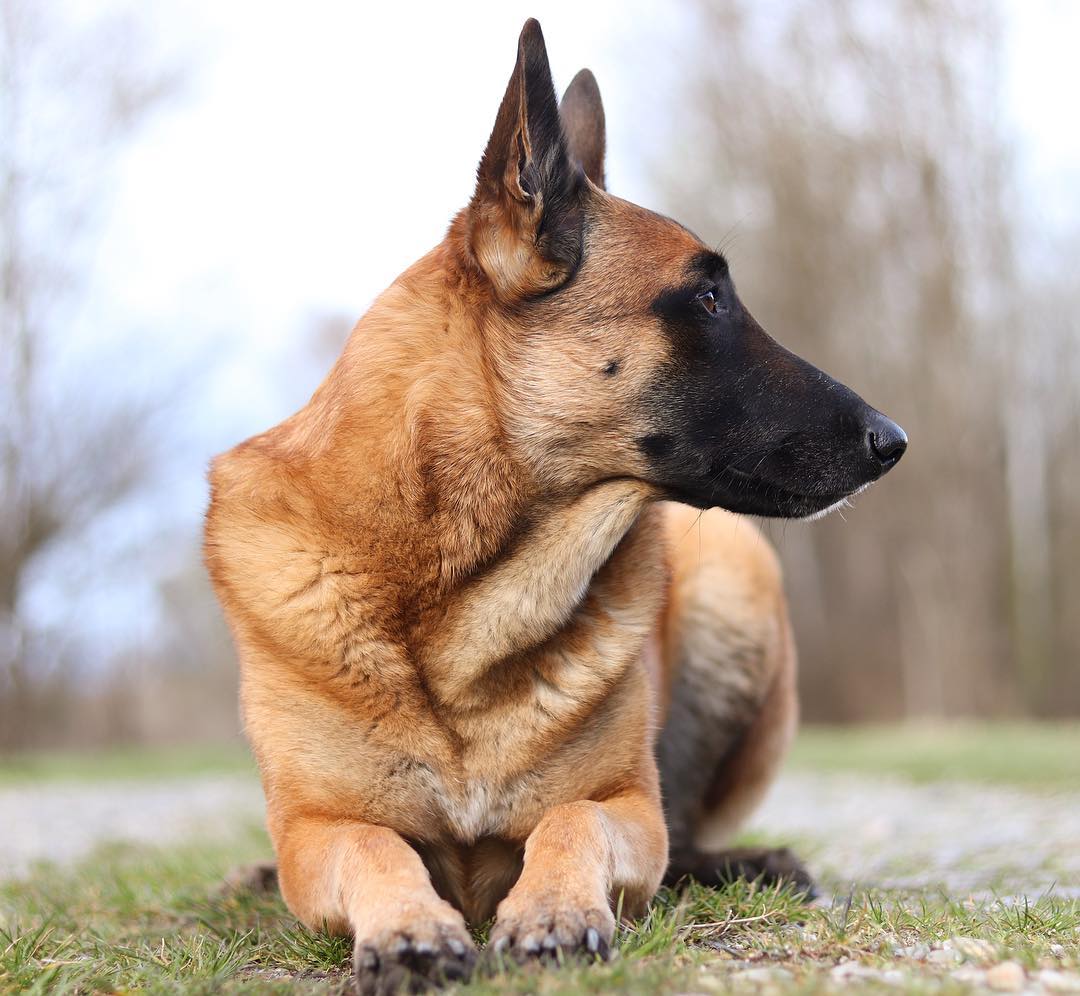
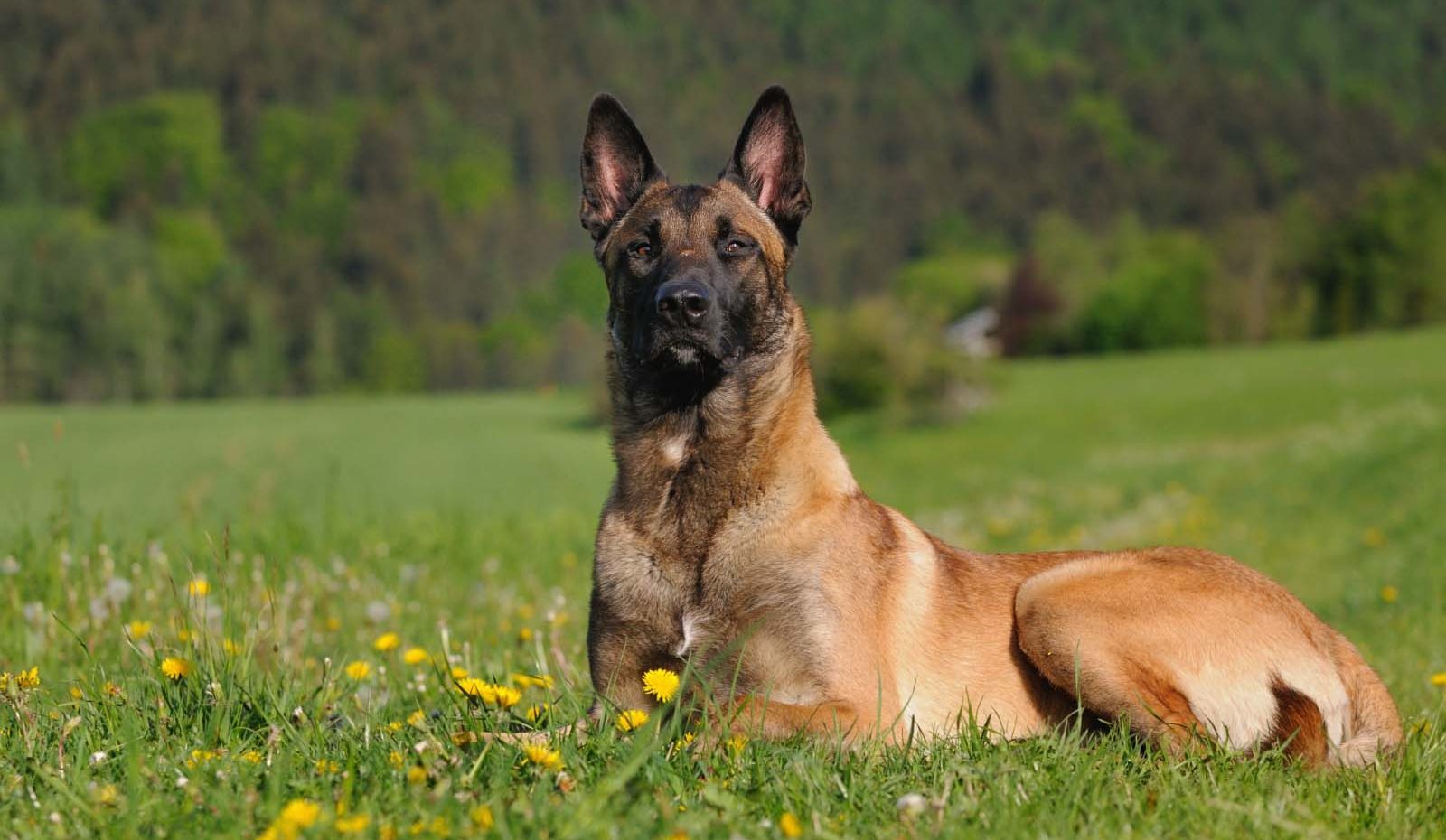
The Belgian Shepherd is an elegant and sturdy breed that draws attention with its striking appearance. These dogs have a harmonious build and athletic musculature, giving them a confident and active look. The average height of a Belgian Shepherd ranges from 55 to 66 cm at the shoulder, and weight can vary from 25 to 45 kg, depending on sex and individual characteristics.
The head of the Belgian Shepherd is proportionate to its body, featuring soft lines and well-defined cheekbones. The forehead is broad and flat, smoothly transitioning to the muzzle. This head shape conveys an impression of strength and intelligence. The muzzle is long and strong, with a straight profile, which allows the dog to effectively perform its hunting and working tasks.
The ears of the Belgian Shepherd are upright and triangular, positioned high on the head. They actively respond to surrounding sounds, indicating the dog’s attentiveness. The eyes are almond-shaped, medium-sized, usually dark, with a lively and intelligent gaze.
The body of the Belgian Shepherd is strong and muscular, with a broad chest and straight back, providing good stability. The limbs are strong and proportionate, allowing the dogs to achieve good speed and maneuverability. The tail is of medium length, thicker at the base, held level with the back or slightly higher.
The coat of the Belgian Shepherd can range from short to long and typically has water-repellent properties. The coloration varies widely, from black to red and fawn, often with white markings. This diversity makes each dog unique and attractive.
Overall, the Belgian Shepherd is a dog that combines beauty, strength, and intelligence. Their impressive appearance and outstanding working qualities make them ideal companions for active individuals and valuable assistants in various fields. With proper care and attention to their needs, Belgian Shepherds can become loyal and devoted family members.


Отличительные черты

Голова

Морда

Уши

Глаза

Зубы

Корпус

Конечности

Хвост

Шерсть

Окрас
Character
All Belgian Shepherds trace their origins to the herding and draft dogs of the country. They have always had a wide range of other tasks, including physically demanding work as draft dogs. These are extremely resilient working dogs capable of achieving the highest results. They are approximately the same size as German Shepherds but less bulky, which makes them faster, more agile, and more responsive. The balance between body mass and performance is highly effective.
Belgian Shepherds can be used in various ways. They work as service dogs in many fields, such as search and rescue, customs, or police work. They are good guardians and excellent protection dogs. They have also proven themselves as sporting dogs, consistently placing at the top in nearly all disciplines.
Their high intelligence, tremendous work ethic, and pronounced readiness to work can sometimes make these active dogs seem a bit nervous. The standard calls for a lively and spirited temperament, as well as a stable character that knows neither fear nor aggression. However, the division between working and so-called cosmetic breeding has not benefited the breed. Dogs from working lines can sometimes appear overly driven, even fearful. Dogs from the so-called beauty breeding may lack the qualities seen in German Shepherds. This raises the question of what understanding of the human-dog partnership leads to defining a dog’s qualities based on artificially created features of its coat.
The Belgian Shepherd is a passionate working dog, very intelligent, sensitive, and above all, ready to work-mastery is needed to handle them. You must always be aware of this. If these dogs are not challenged, in the long run, they may turn their frustration into aggression. If you work with a Belgian Shepherd professionally, whether in a job or in sports, they make excellent partners as well as family dogs. However, they are not necessarily the best choice for a novice.
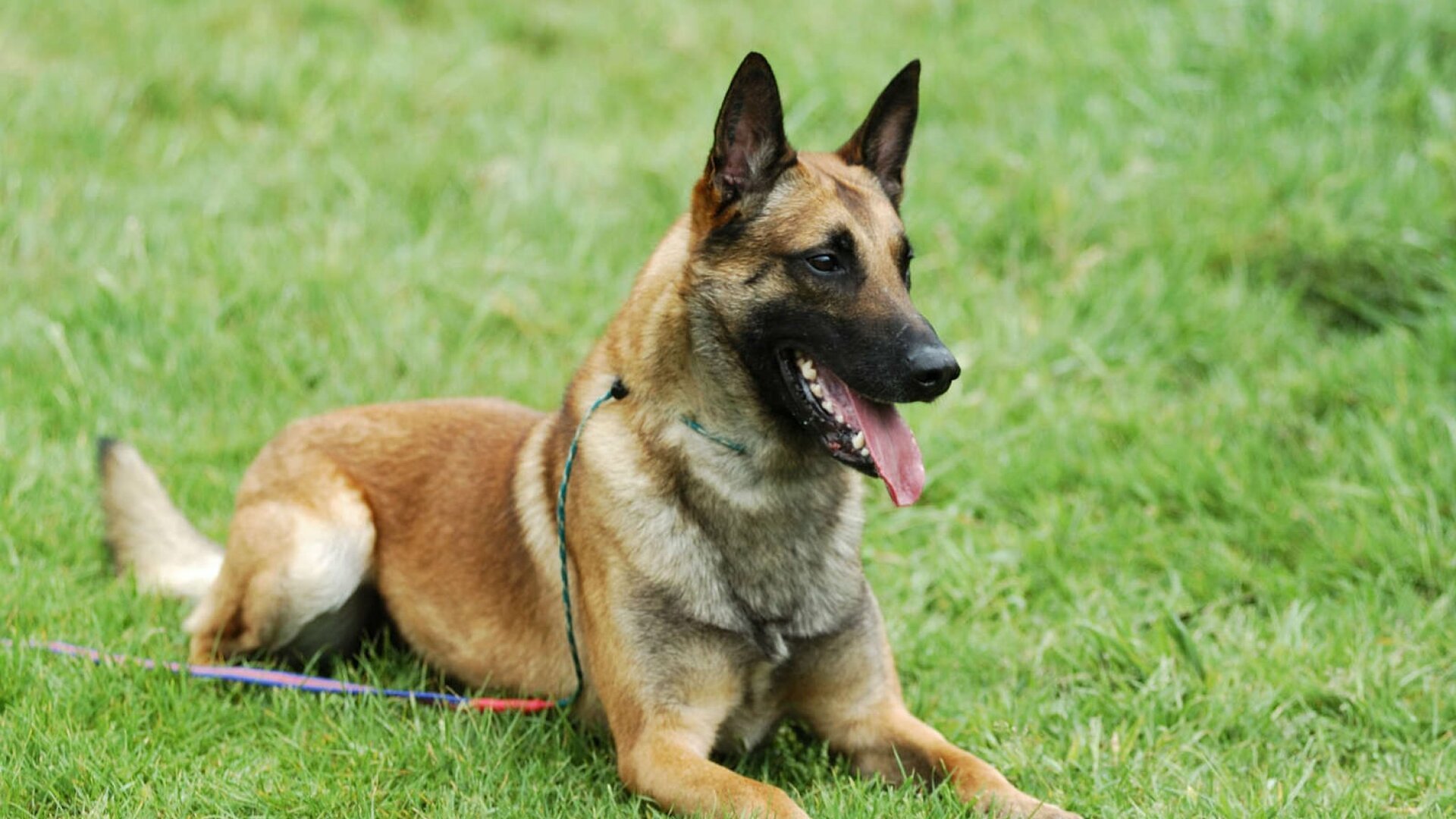
A variety of species.
The Belgian Shepherd is actually represented by four different varieties, each with its own unique traits and characteristics. These are the Malinois, Tervuren, Laekenois, and Groenendael. Each variety has its distinctive features and roles in work, but they are all united under one common breed - the Belgian Shepherd.Care and Maintenance
Belgian Malinois are physically manageable and remarkably sturdy dogs. The Belgian Malinois is a breed not only distinguished by its appearance but also by its high mental and physical activity levels. To ensure a happy and healthy life for these wonderful pets, attention must be paid to their care and maintenance.
First, it is crucial to focus on the proper diet for a Belgian Malinois. Like most dogs, they require a complete and balanced diet consisting of high-quality dry food or fresh natural products. When choosing feed, pay attention to its composition, considering the breed’s energy, protein, and other essential nutrient needs.
The Belgian Malinois is a very energetic breed that requires ample physical activity. Daily walks, outdoor running, and mental exercises are necessary to meet their physical and mental needs. Additionally, they need enough space to run and play. It’s important to remember that this breed requires continuous and varied activities to avoid boredom and prevent a lack of engagement.
Grooming a Belgian Malinois is relatively straightforward and doesn’t demand much effort. Regular weekly brushing will help keep them clean and avoid matting, especially during shedding seasons. It is also important to regularly check their ears for dirt and prevent potential infections. Nail trimming and dental care should be done every few months.
Special attention must also be given to training and socialization of a Belgian Malinois. They are very intelligent dogs and need mental stimulation to be happy. Early training helps them become obedient and friendly with a submissive temperament.
Equally important is caring for the health of a Belgian Malinois. Regular veterinary visits, vaccinations, and preventive check-ups are essential for maintaining their health and preventing potential illnesses.Taking care of a Belgian Malinois is a responsible and significant task that allows them to enjoy life fully and stay healthy. They are loyal, devoted, and intelligent dogs that, in return, offer their owners unconditional love and loyalty.
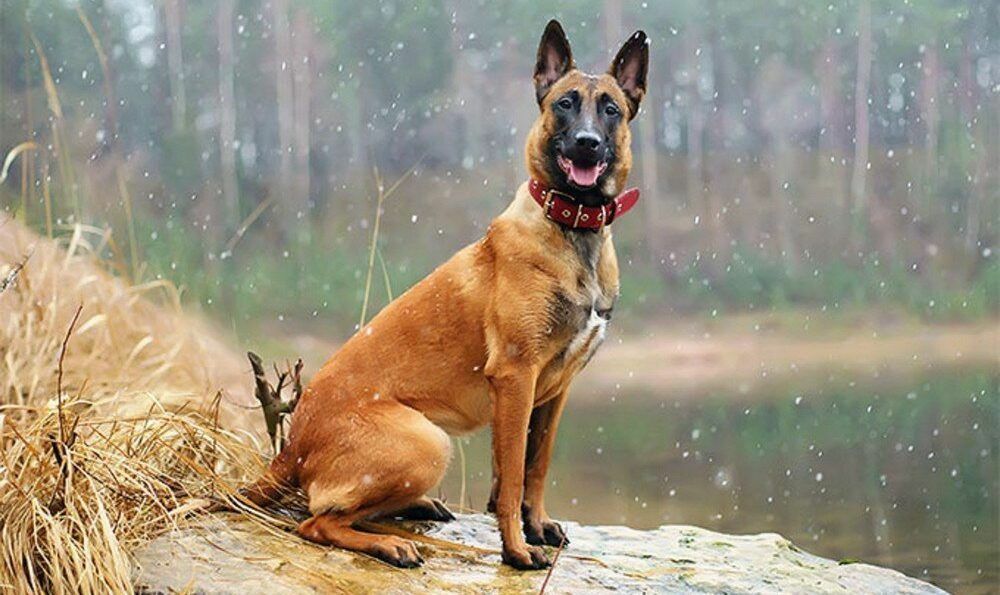
Outstanding work qualities
The Belgian Shepherd is renowned for its excellent working abilities and capacity to perform a wide range of tasks. They are one of the most versatile working dog breeds, successfully used in various fields such as search and rescue, security service, guide dogs, sports competitions, and much more. The Belgian Shepherd possesses high intelligence, loyalty, and a strong desire to work, making them ideal partners for any work-related tasks.Training and Education
The Belgian Shepherd is a working dog. It requires challenges and activity, ideally as a rescue or service dog. A good alternative to this can be dog sports. They are also perfect companions for running, horseback riding, or cycling. They love to go into water, even in winter. The Belgian Shepherd needs daily physical exercise.
The Belgian Shepherd is very adaptable to external living conditions. However, it is extremely demanding when it comes to social interaction. It requires challenges and activity, ideally as a rescue or service dog. Dog sports can be a great substitute for this. Furthermore, Belgian Shepherds are ideal companions for running, horseback riding, or cycling. They also enjoy water, even in winter.
Belgian Shepherds need significant daily physical activity; otherwise, they become anxious and unbalanced. An ideal environment is rural, where, besides work or sports, you can take them on daily excursions. The Belgian Shepherd thrives in the company of active individuals. Unfortunately, in recent years, Belgian Shepherds have become trendy. Many interested parties and questionable breeders ignore the fact that living with these dogs entails high demands. They are not couch potatoes or indoor dogs. Sadly, animal shelters are increasingly filled with these wonderful dogs.
Belgian Shepherds mature slowly. They only become fully mentally mature around the age of three. Because they are dedicated to their tasks, willing to work, and very intelligent, they place high demands on their owners from the very beginning. They are easy to train, but you need to know how to do it. At first, you should give them plenty of time to play while simultaneously learning the basic rules of living with people. Direct training and the so-called obedience training should begin around the tenth month of life in fairly stable individuals. Unfortunately, electric shock collars and other punitive measures are sometimes used-despite legal prohibitions. This undermines dogs’ self-confidence and enthusiasm for their work. The use of such methods is not necessary and only reflects the incompetence of such owners.
Dogs want and can learn, and based on trust and friendly communication, they perform significant work in service to humans. They must first be trained like any other dog. Here they learn social rules-what is acceptable and what is not. The Belgian Shepherd usually requires advanced training. Only there can it develop its temperament and satisfy its need for work. It is essential to consult specialists in dog training schools and clubs. Find your puppy through verified sources.
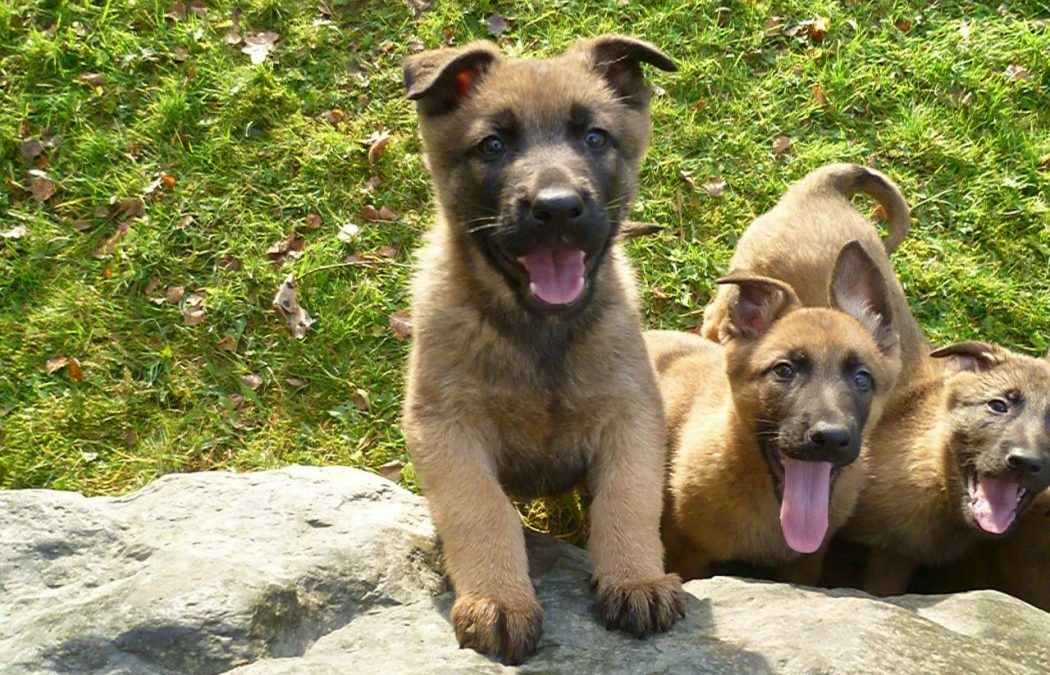
Smart and demanding
Belgian Malinois are known for their high intelligence and sharp mind. They are easy to train and quickly learn new commands and skills. However, due to their mental activity, they require constant stimulation and activities. Without adequate physical and mental engagement, they can become bored and exhibit undesirable behavioral issues. Therefore, it’s important to provide them with enough play, training, and tasks for intellectual stimulation.
How to Choose a Puppy
Choosing a Belgian Shepherd puppy is a serious decision that requires careful consideration. If you want to buy a Belgian Shepherd, keep in mind that this is a true working animal, and your entire life should be adapted to this. You should also visit local animal shelters and Belgian Shepherd rescues. The breeder should be associated with the Belgian Shepherd Association. Furthermore, there should be no inbreeding, which you can determine by the pedigree; no name should appear more than once. The breeder should document the litter well with photos. By arrangement, you should be able to see the litter along with the mother dog on-site. All verified breeders and kennels can be found in one place-on the Federal Zoonica Portal.
Here are some important factors to consider when selecting your future friend and companion.
Research the breed: The first step is to thoroughly study the breed. Learn about the temperament, needs, and characteristics of the Belgian Shepherd. Determine whether this breed fits you and your lifestyle.
Find a responsible breeder: Look for reputable, experienced, and responsible breeders who care for the health and temperament of their dogs. Visit their kennel to see the living conditions, check the dogs’ condition, and ask questions about the breed.
Observe the parents: It’s important to see the temperament and behavior of the puppy’s parents. Observe how they interact with other dogs, people, and puppies. Their traits and characteristics may be passed on to the puppies, which will help you assess whether this pair of parents is suitable for you.
Check health: A good breeder should have the results of tests for genetic diseases that may be hereditary in Belgian Shepherds. This includes tests for hip dysplasia, degenerative myelopathy, and other conditions. Ensure that the breeder provides you with these results.Evaluate the puppies: Study the puppies in the litter. Pay attention not only to their appearance but also to their behavior. A good puppy should be energetic, curious, social, and without visible health issues.Ask questions: Don’t hesitate to ask the breeder questions. Inquire about the temperament of each puppy, their characteristics, and their potential for various activities. Also, ask about their early upbringing conditions.Selection and vaccinations: After thoroughly examining the puppies, choose the one that best meets your needs and requirements. Make sure the breeder provides you with the necessary documents and information about the pedigree, as well as details about the vaccination process and transferring the puppy.Care and training: Once you bring the puppy home, it is essential to care for its health, socialization, and training. Provide a proper diet, sufficient activity, socialization with
Health and Diseases
Breed-specific health issues are quite rare. However, we increasingly observe behavioral problems such as excessive nervousness, shyness, and even tendencies toward aggression. Unfortunately, some breeding lines have focused too narrowly on performance and hard work for too long.
The health and well-being of the Belgian Shepherd is the primary concern of every owner of this breed. Overall, the Belgian Shepherd is a very healthy dog breed; however, like any other breed, it has some health characteristics and predispositions to certain diseases.
One of the most common conditions in the Belgian Shepherd is hip dysplasia. This condition arises from improper joint development, which can lead to pain and impaired movement. Therefore, it’s crucial to be vigilant when choosing a puppy and to seek out breeders whose parents have good hip dysplasia test results.
Another common issue faced by the Belgian Shepherd is epilepsy. This neurological condition manifests as episodic loss of consciousness, convulsions, or behavioral changes. It is very important that these cases are diagnosed and treated by a veterinarian.
The Belgian Shepherd also has a tendency toward gastroesophageal reflux. This condition occurs when food from the stomach returns to the esophagus, causing heartburn and discomfort. A regular feeding schedule, using an elevated feeding bowl, and avoiding heavy exercise after meals can help prevent and reduce symptoms of this condition.
One health characteristic of the Belgian Shepherd is its sensitivity to anesthesia and certain medications. It is essential to consult with a veterinarian before performing any surgeries or procedures and to inform them of the specific traits of this breed.To maintain the health of the Belgian Shepherd, it is important to monitor its diet and keep it active. Proper nutrition should provide all necessary nutrients and help control the dog’s weight. Regular physical activity, long walks, and intellectual games will help keep them in good shape.Additionally, it is important to have regular veterinary check-ups, vaccinations, and to monitor your pet’s health, especially as they age.It should be noted that dog breeds like the Belgian Shepherd require a responsible and attentive owner. Regular health care and timely medical assistance will help keep our pets healthy and happy throughout their lives. Thinking about it? There is a huge selection of ads on the Zooinica map by city.
Содержание
-
1. Описание породы
-
2. Внешний вид
- 2.1 Голова
- 2.2 Морда
- 2.3 Уши
- 2.4 Глаза
- 2.5 Зубы
- 2.6 Корпус
- 2.7 Конечности
- 2.8 Хвост
- 2.9 Шерсть
- 2.10 Окрас
-
3. Характер
-
4. Содержание и уход
-
5. Дрессировка и обучение
-
6. Как выбрать котенка
-
7. Здоровье и болезни







Comments
Only registered users can leave reviews.
Enter