
Bedlington Terrier




Warning: Illegal string offset 'label' in /home/panda/sites/zoonika/wp-content/themes/zoonika/template-parts/animals/animals-param-item.php on line 32
Ð


Breed Description
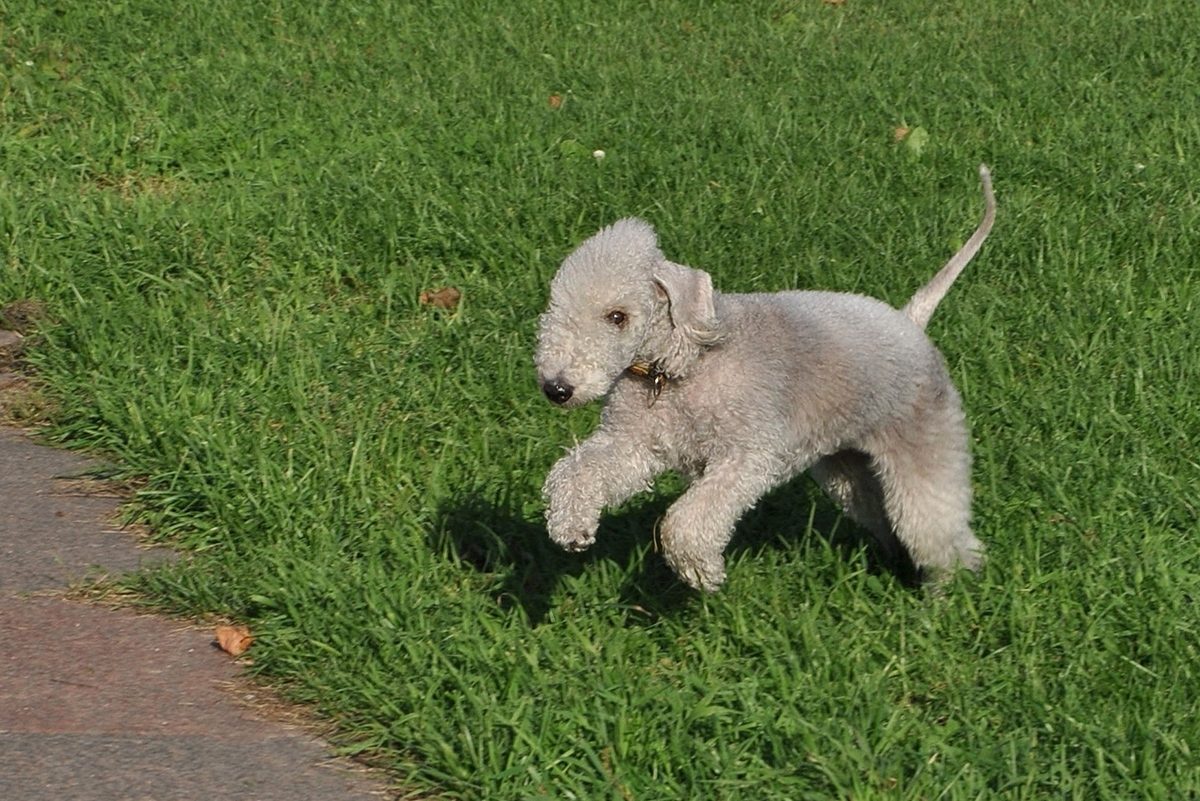
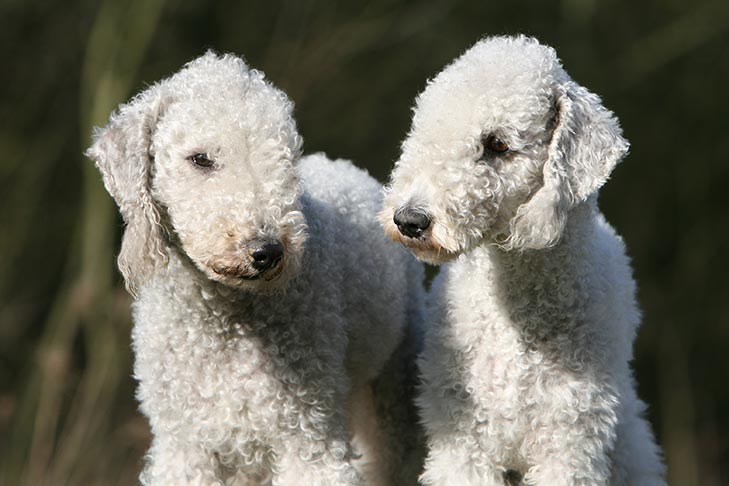
Bedlington Terriers are known for their unusual appearance resembling a lamb, and for being very affectionate dogs. They are respectful towards their loved ones and are recognized for their energy, charm, and playfulness. This breed consists of lively, caring dogs that thrive when surrounded by people and have plenty to do. They enjoy being outdoors and can make excellent companions for owners who require a lot of attention.
Their genealogy includes bloodhound, likely a whippet, judging by their fluffy contours. Bedlingtons have a light, springy gait and can run like the wind when roused for a chase. For an active family seeking a non-shedding, vibrant, and loyal companion, a Bedlington Terrier can be an excellent choice.
Where do Bedlington Terriers originate from?
Bedlington Terriers are true terriers, making up a large group of dogs. Their name comes from the Latin “Terra,” meaning earth. Hence, these were dogs for earthworks. The first evidence comes from ancient Romans. Terriers were well-documented in the Middle Ages. They hail from the British Isles, where they were prevalent throughout the country. Stableyards were home to small pests, and even large rats posed no problem, as they protected chickens, pigeons, and rabbits from martens and foxes. It is said that Bedlington Terriers were also used for rabbit hunting, showcasing their speed. All these tasks required great effort, courage, independent thinking, and what is known as predatory cunning. Bedlington Terriers were fearless and determined to perform their duties to the best of their abilities. We can still see these qualities in our Bedlington Terriers today. Exactly 100 years ago, show breeding began to shape the once rural, typical long-legged terrier into its current lamb-like form. This may be a matter of taste. In any case, breeding a dog with an arched back and a dome-shaped head is certainly not in line with natural design. In historical works, it is also referred
Like many breeds, the Bedlington was developed and became popular in one location before achieving national recognition. From the mining town of Bedlington in Northumberland, it was also known a little further north as the Rothbury Terrier.
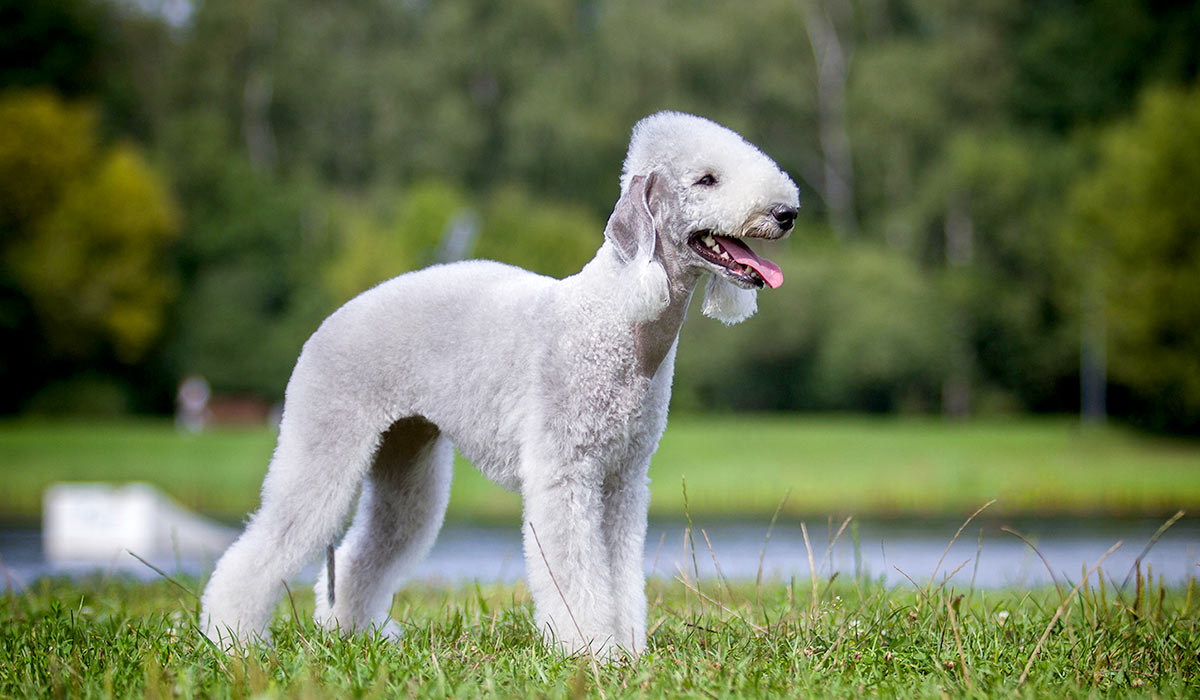
Native to Northumberland with a characteristic lamb-like appearance.Their fuzzy coat, the unique arched back of the Bedlington, and its long head give it a resemblance to a lamb, but it effectively handles pests from rabbits to foxes. The breed’s origin is widely debated, with some speculations about bulldog and otterhound influence, and possibly some Dandy Dinmont ancestry, but as with many breeds, there are some disagreements at its core.The price for a puppy is 35,000 to 50,000 rubles.
Appearance
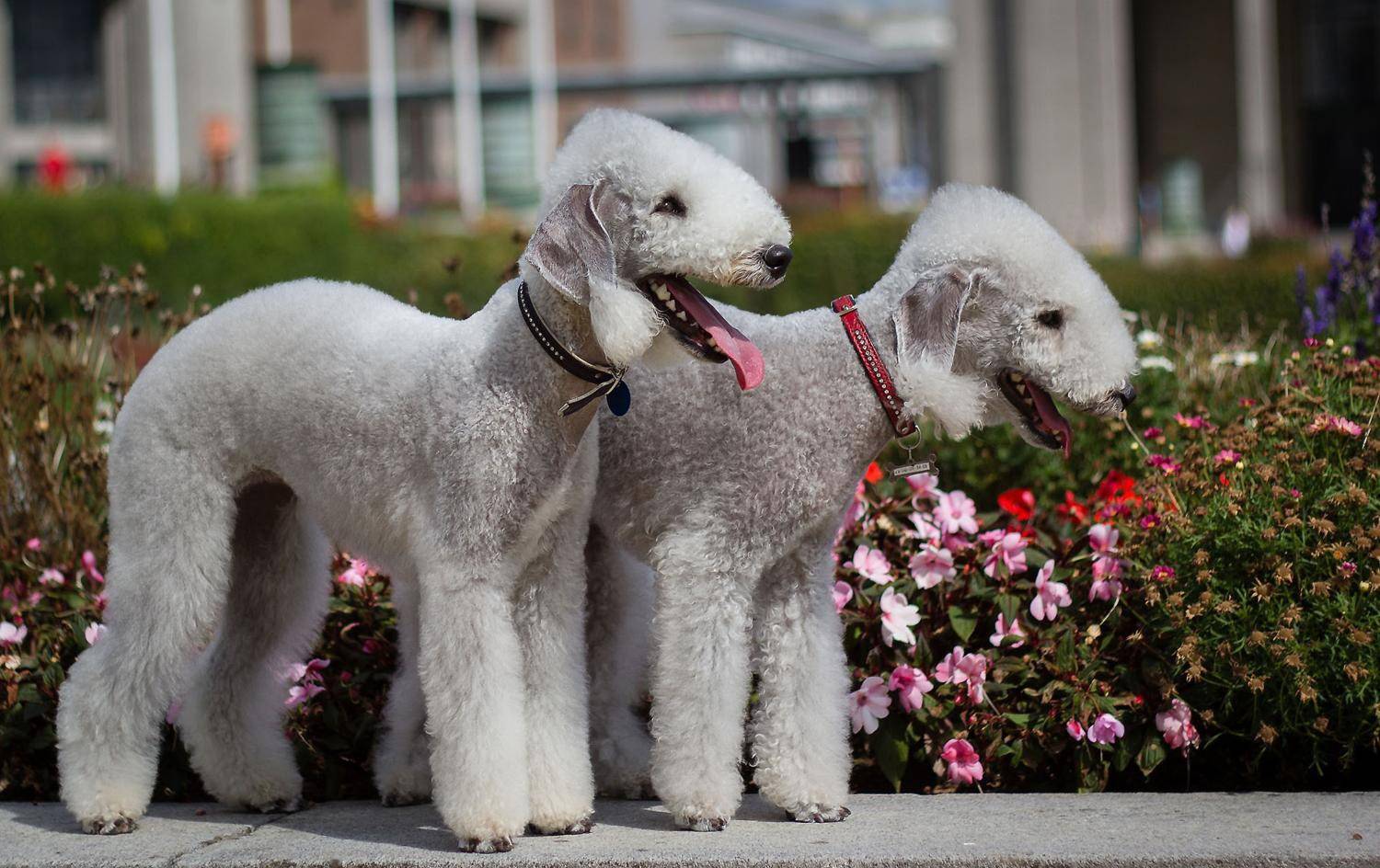
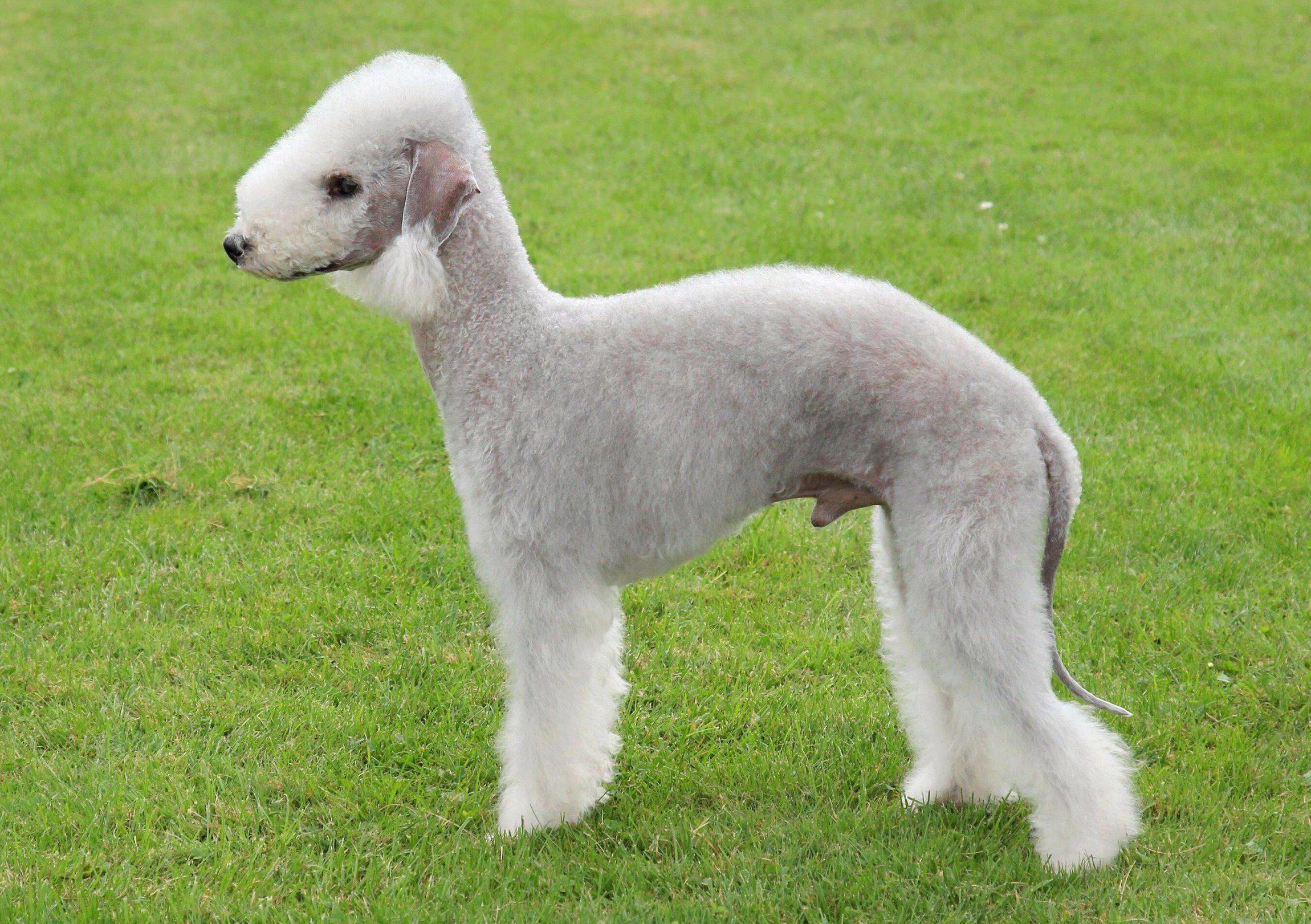
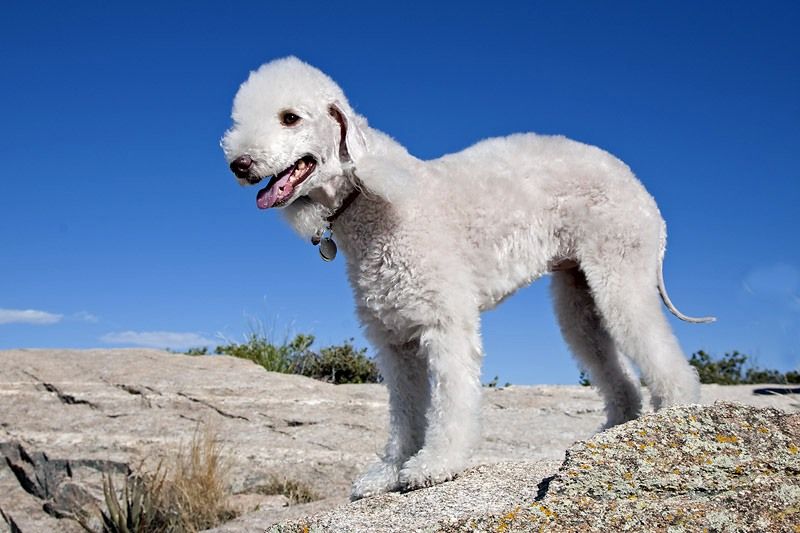
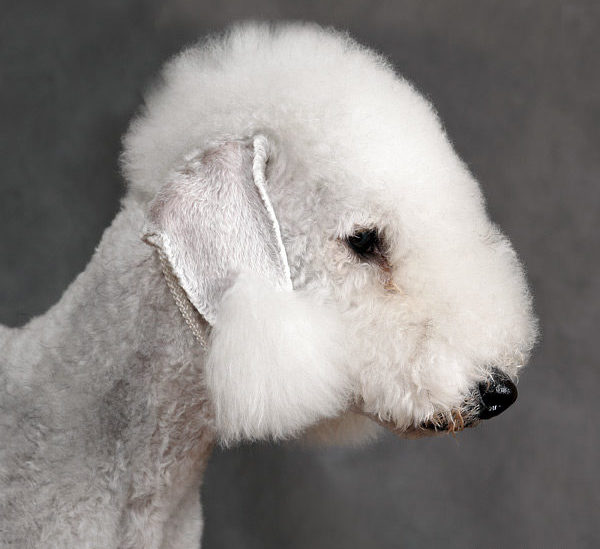
The Bedlington Terrier is a distinctive, smooth-coated dog of medium size, resembling a lamb. This is due to the breed’s modern selection, which has produced its short, curly fur. This is particularly noticeable on the top of its head, creating a shape that is almost curved upwards, much like the rest of its body-contrary to nature’s blueprint. According to the standard, the back is arched above the lower back. It is certainly a matter of taste to find such a shape appealing for a truly robust terrier. He clearly enjoys the show ring. His characteristic coat has a dense, linen-like texture. Small corkscrew curls have been developed, primarily appearing on the head and face. His fur has another distinctive feature, quite practical and interesting for allergy sufferers: it hardly sheds at all. The eyes should be relatively small, bright, and set deep. The Bedlington Terrier is one of the only terriers, alongside the Dandy Dinmont, with drooping ears. In the show scene, they are often clipped to the very tips-each to their own preference. With a good temperament, this dog is affectionate, dignified, neither shy nor nervous. Gentle at rest but full of courage when awake.
Height: about 41 cm at the withers, allowing for slight variations, lower for females and higher for males. Weight ranges from 8 to 10 kg. Bedlington Terriers typically live just over 12 years.


Отличительные черты

Голова

Морда

Уши

Глаза

Зубы

Корпус

Конечности

Хвост

Шерсть

Окрас
Character
Bedlington Terriers have a succinct character that is initially hard to believe given their appearance. They are incredibly energetic dogs that never shy away from adventures. They are lively, vibrant, and strong. They are very fast and can jump quite high. The official standard describes them as: “Energetic and courageous, full of confidence. A smart companion endowed with a strong hunting instinct. Good-natured, affectionate in character, dignified, not shy or nervous. Gentle when calm, but full of courage when excited.”
Like all terriers, they can assume a dominant role in the home if their owner does not establish who sets the rules. At the same time, Bedlington Terriers are extremely obedient. They are very pleasant to work with. They are devoted to their families and fulfill the role of a family dog perfectly, provided you not only respect their strong individuality but also appreciate and know how to handle it. Bedlington Terriers are known for their intelligence and exceptional bravery. They are also referred to as “lambs with hearts of lions.” Bedlington Terriers love to hunt. They are bundles of energy that thrive on physical and mental challenges and need them.
Generally, Bedlingtons are patient and kind, especially with children. Their small size and playful nature make them popular as pets, as they can live in both urban and rural settings if they have enough space to run and play.
This breed is affectionate! They are also known for their love for their families. They are considered a gentle breed, making them ideal for families with children.
It is generally known that Bedlingtons are very sociable and can get along with other dog breeds, especially if they are well-socialized with them at an early age. Some may exhibit caution and hostility towards unfamiliar dogs, so early socialization lessons are essential to help them meet many other peers, which increases the likelihood of adapting to other dog breeds later in life.
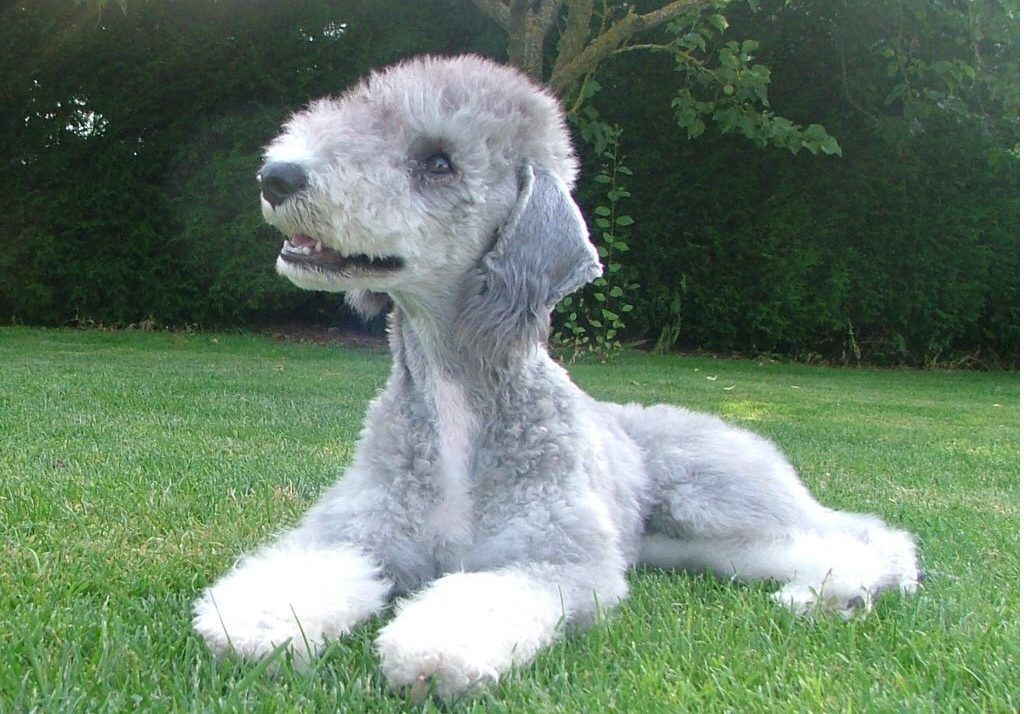
Fearless Lamb
The Bedlington Terrier is unique in its appearance, which has earned it the nickname "lamb with a lion's heart."Care and Maintenance
“Beddington” lambs are easy to care for. They do not have specific space requirements. Regular grooming is essential. They shed very little, which is quite practical. The biggest challenge is their temperament. Terriers require both physical and mental stimulation. They are perfect for various dog sports. Their temperament poses both a challenge and a responsibility for owners. Given their strong hunting instincts, they usually need to be leashed in nature. Beddington terriers make great playmates for children because they are eager for any fun and sturdy enough to play with kids. However, proper household rules and a clear understanding of their role within the family are crucial. Beddington terriers are very trainable. Clear commands and consistency are key, built on respectful, loving relationships with their owners. Even though they seem stylish, they have true terrier qualities. Early socialization and consistent training from a young age are essential.
Caring for Beddingtons is generally straightforward. They require regular brushing and combing, but this process is easy and enjoyable since they shed very little; some even claim they do not shed hair at all.
Their diet will vary based on their age. Ultimately, they should be fed high-quality, balanced dog food.
A Beddington terrier puppy needs four small meals a day to support its growth. Once they reach maturity, their feeding frequency can be reduced to twice a day.
Beddingtons do not have specific dietary requirements. However, quality food is beneficial for their health, and they enjoy it as well. Like most dogs, they love meaty beef bones and fresh meat. Beddington terriers are suitable for a BARF diet.
Beddington terriers shed very little; however, they have a woolly coat that requires trimming and scissoring to prevent it from becoming tangled.Most Beddington owners visit a groomer, as grooming is known to be challenging and time-consuming. Their nails should also be trimmed to avoid excessive length.Beddingtons need to be brushed at least once or twice a week to ensure their coat doesn’t mat, but many owners find that shorter hair helps keep it in good condition.They likely need grooming every 6-8 weeks, and, like other breeds, Beddingtons’ nails should be trimmed regularly, as overly long nails can cause them pain and create issues while walking and running.
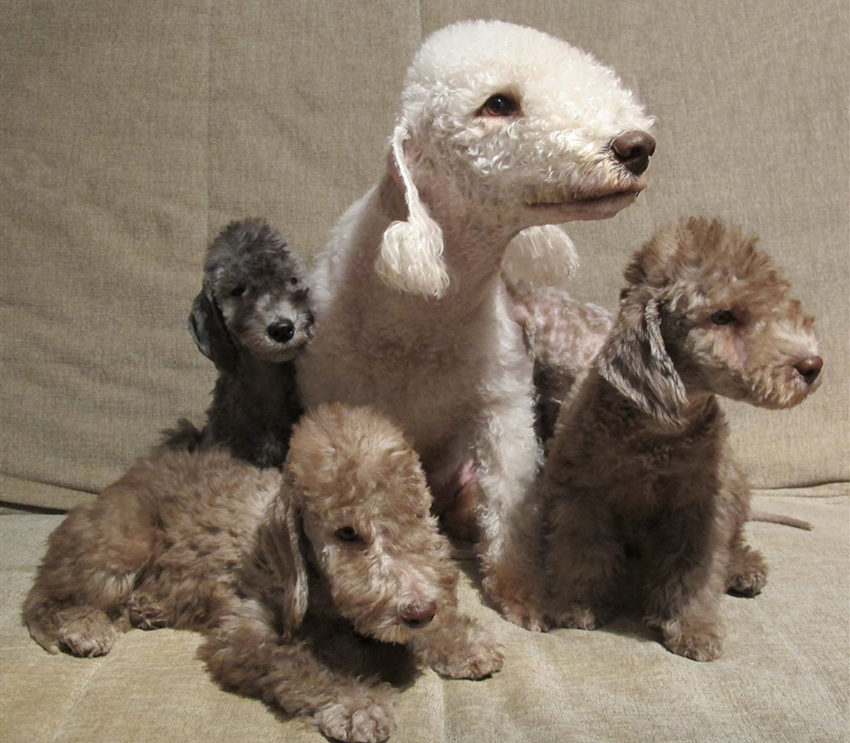
Noble jumpers
Bedlington Terriers are excellent jumpers. A small dog can easily jump over an obstacle the height of a person.Training and Education
Bedlington Terriers are intelligent dogs that can easily become bored, so they respond best to constructive, reward-based training, which should begin at a young age and be conducted in short sessions. To engage their minds, try to make their training fun and varied. Consistency is crucial in all training, and it is important to continually emphasize the good behavior you want from your dog.
Patience and a good sense of humor will be beneficial, as they are known for their strong will. Bedlington Terriers excel in agility exercises because they are fast, agile, and eager to learn new things. This is a fantastic way to engage their body and mind while helping you bond with your dog.
A Bedlington Terrier requires at least an hour of exercise each day. Ideally, this can be divided into several walks throughout the day, allowing them to sniff around and partake in off-leash runs in a safe environment. Your Bedlington also needs short, varied training sessions to help them learn new commands. Plenty of exercise and outdoor activities will keep your pet happy and healthy.
Agile Bedlington Terriers are well-suited for various sports, such as agility, as well as obedience. However, always keep an eye on their lively passion for hunting. Zooinca offers favorable deals, depending on breed and pedigree.
Chameleon dog
The breed is unique and is also known for its chameleon-like properties. Bedlington puppies are born with nearly black fur, but as they grow, the color changes to the well-known light shade.
How to Choose a Puppy
If you want to share your life with a Bedlington Terrier, you should start looking for a breeder long before you make a purchase and establish contacts early. It’s best to buy a puppy from a breeder who has certification from one of the terrier breeding clubs in the VDH, or you can consider adopting from a shelter. The breeder should not focus solely on show breeding. They should have well-documented litters, including photos. You should be able to see the litter along with the mother dog, by appointment, on site. Please do not purchase a Bedlington Terrier online, as there is a very high risk that the puppy may come from a typically well-disguised dog dealer or breeder. Find your puppy through trusted sources.
Health and Diseases
Specific issues of concern for certain breeds may include characteristics not specifically listed in the breed standard, including current problems. Some breeds may have traits that, if exaggerated, could potentially affect the breed in the future.
Until 2014, the characteristics listed below were obtained from a combination of health surveys, veterinary advice, meetings of Kennel Club judges, judges’ feedback at shows, or consultations with breed clubs/councils through breed health coordinators.
Bedlington Terriers require regular veterinary visits, recommended at least twice a year. Most are prone to ear problems, such as inflammation and ear infections.
As with any breed, their health should be monitored to ensure that your dog is safe and comfortable at all stages of life.
Like most terriers, they have robust health. Copper poisoning, a disease affecting the liver, is common among Bedlington Terriers. This disease is systematically addressed in reputable breeding practices.
Major genetic issues breeders may face include:Patellar luxationLegg-CalvГ©-Perthes diseaseHip joint diseasesHeart murmursCracked and knobby feetConsidering? A huge selection of listings on the map by cities on Zooinika’s map.
Содержание
-
1. Описание породы
-
2. Внешний вид
- 2.1 Голова
- 2.2 Морда
- 2.3 Уши
- 2.4 Глаза
- 2.5 Зубы
- 2.6 Корпус
- 2.7 Конечности
- 2.8 Хвост
- 2.9 Шерсть
- 2.10 Окрас
-
3. Характер
-
4. Содержание и уход
-
5. Дрессировка и обучение
-
6. Как выбрать котенка
-
7. Здоровье и болезни




Comments
Only registered users can leave reviews.
Enter