
Bearded collie




Warning: Illegal string offset 'label' in /home/panda/sites/zoonika/wp-content/themes/zoonika/template-parts/animals/animals-param-item.php on line 32
Ð


Breed Description
Let’s take a moment to envision a graphite sky with low clouds, through which rays of sunlight break through. These rays fall upon mountain slopes covered with a green carpet of lush grass. On the steep inclines, the white caps of grazing sheep are distinctly visible. The picture would be incomplete without adding dogs that gather the scattered flocks and prevent the sheep from straying too far.
Not every dog is capable of leading. Shepherd dogs can. To be precise, four types of shepherds have been herding sheep in Scotland for many centuries. These were collies: smooth-haired collies, long-haired collies, and two types of herding dogs that have very similar names in English: border collie and bearded collie.
The bearded collie (from English “beard”) is a very old breed, and its exact origin is difficult to prove. There are several versions, and it is pointless to dispute or confirm them.
According to one version, herding dogs came to modern Scotland during the Roman conquest of England. By coincidence, a few dogs from the colonizers escaped, and by interbreeding with local dogs, they produced offspring resembling today’s bearded collies.
Another version suggests that grain merchants from Eastern Europe also accidentally left behind a few of their dogs (possibly ancestors of Polish lowland sheepdogs), which then bred, resulting in the modern Highland collies.
Many dog breeders believe that the ancestors of Scottish bearded collies are the Hungarian komondors.The most mysterious variant states that Central Asia is the homeland of all herding breeds, and dogs reached Scotland along with caravans protected by shaggy shepherds.However, the current breed standard indicates that the history of bearded collies dates back to around the 16th century. Until 1897, herding assistants were not divided by breed until the Kennel Club recognized the breed’s independence.The 20th century, unfortunately, brought its sad corrections in all areas, including the establishment of Scottish bearded collies. Nevertheless, since 1955 to the present day, we can see three types of these beautiful dogs. The differences between them are minimal and hardly noticeable to the eye: one type has slightly elongated proportions of the head and body and a somewhat coarser coat; another type has softer fur and more elegant outlines of the body and head; the third type of bearded collie is the “top version” of the previous two types.
Appearance
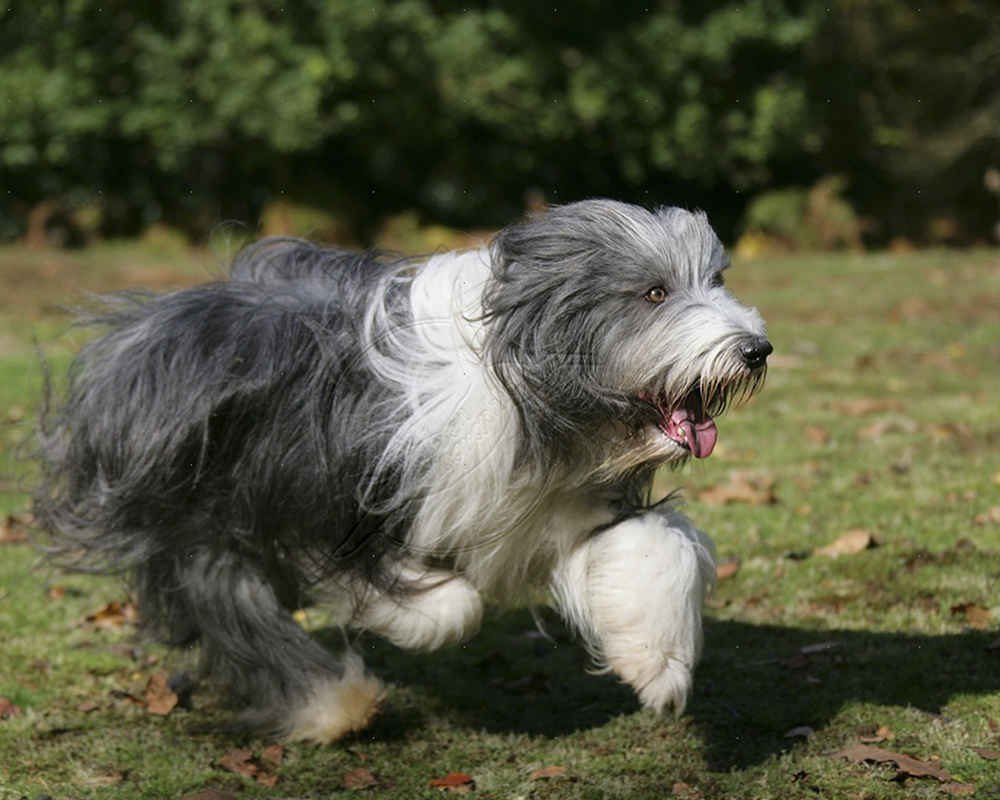
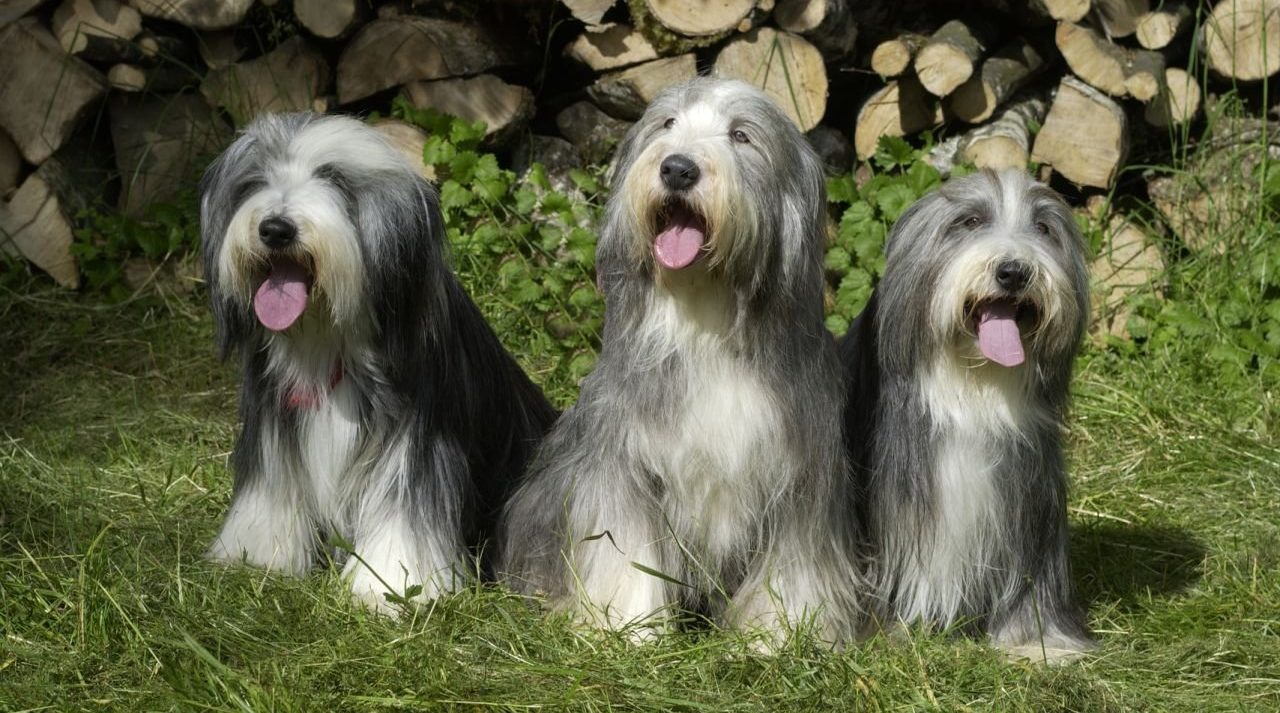
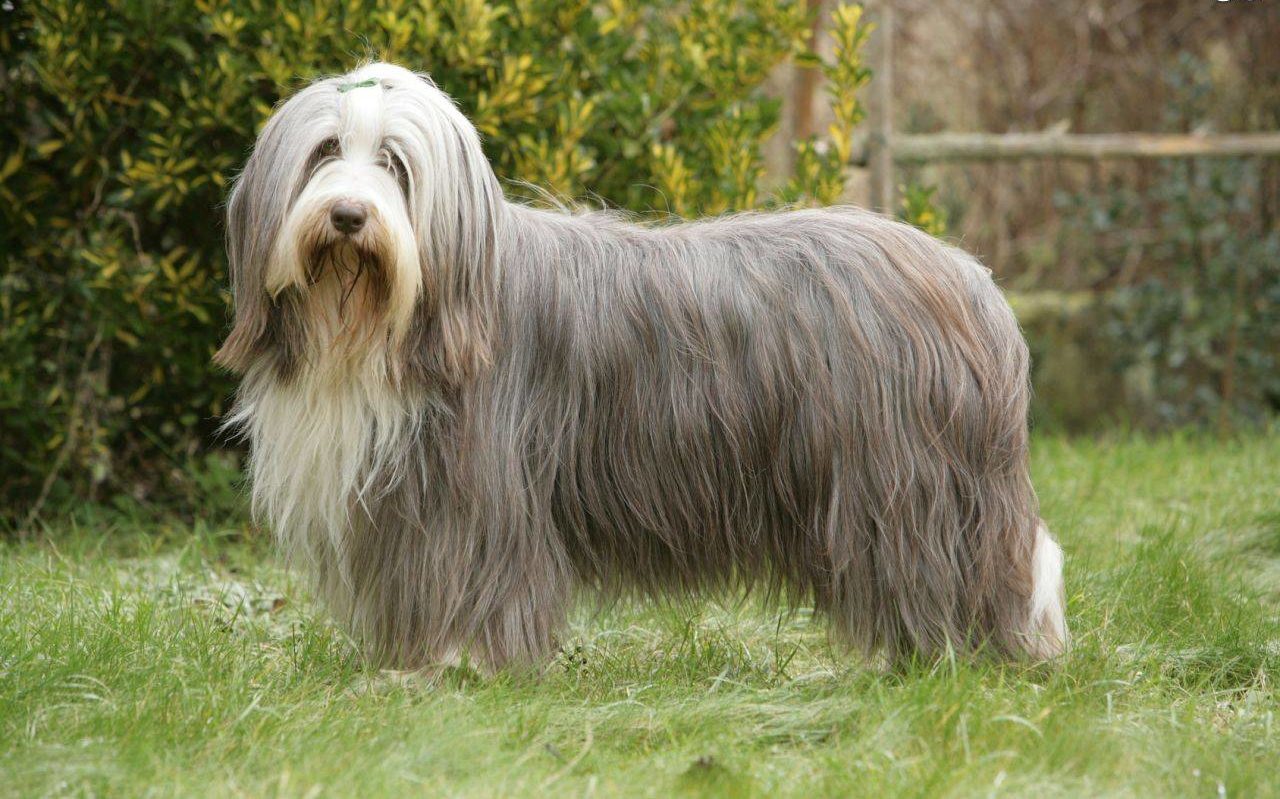
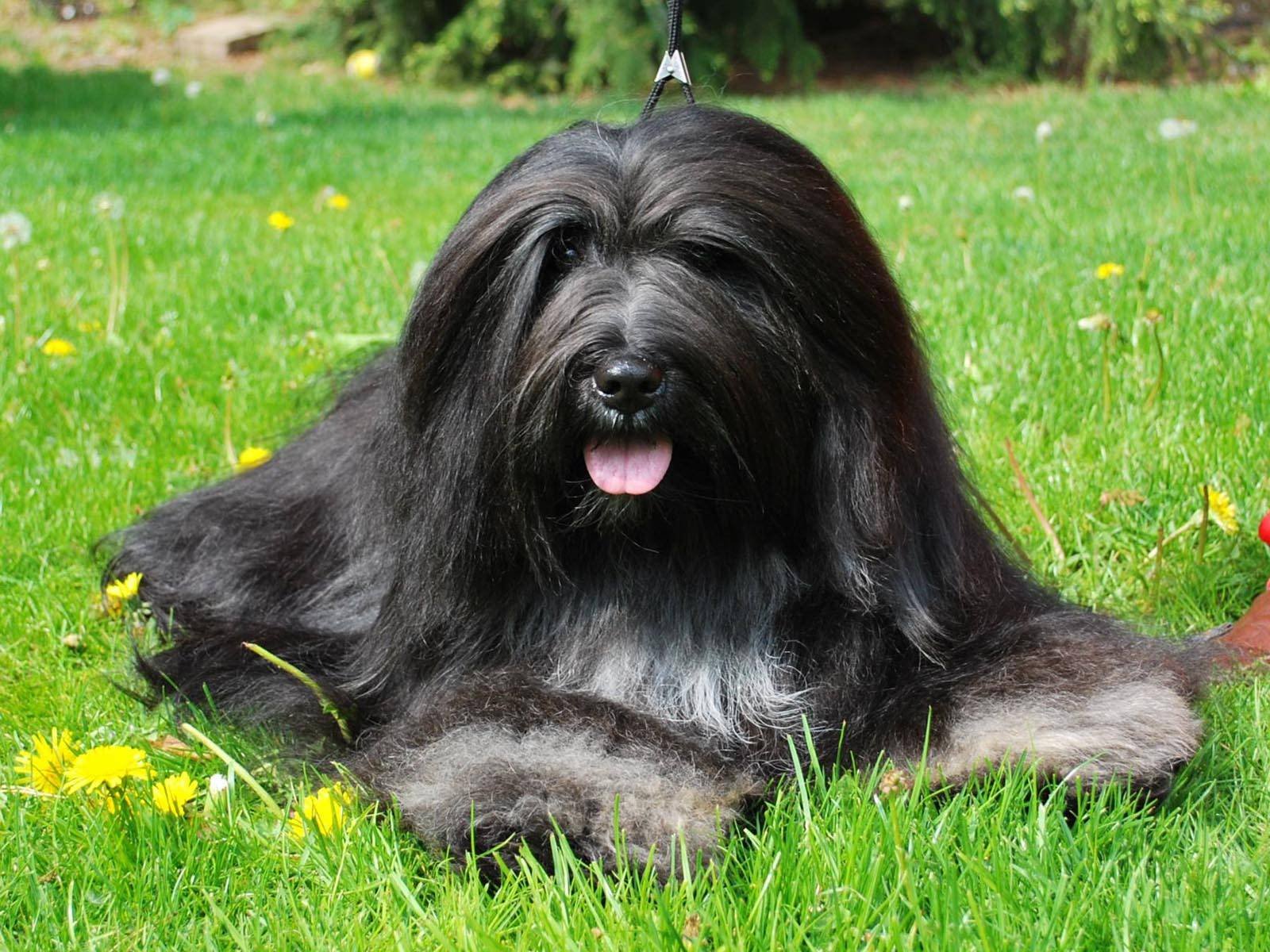
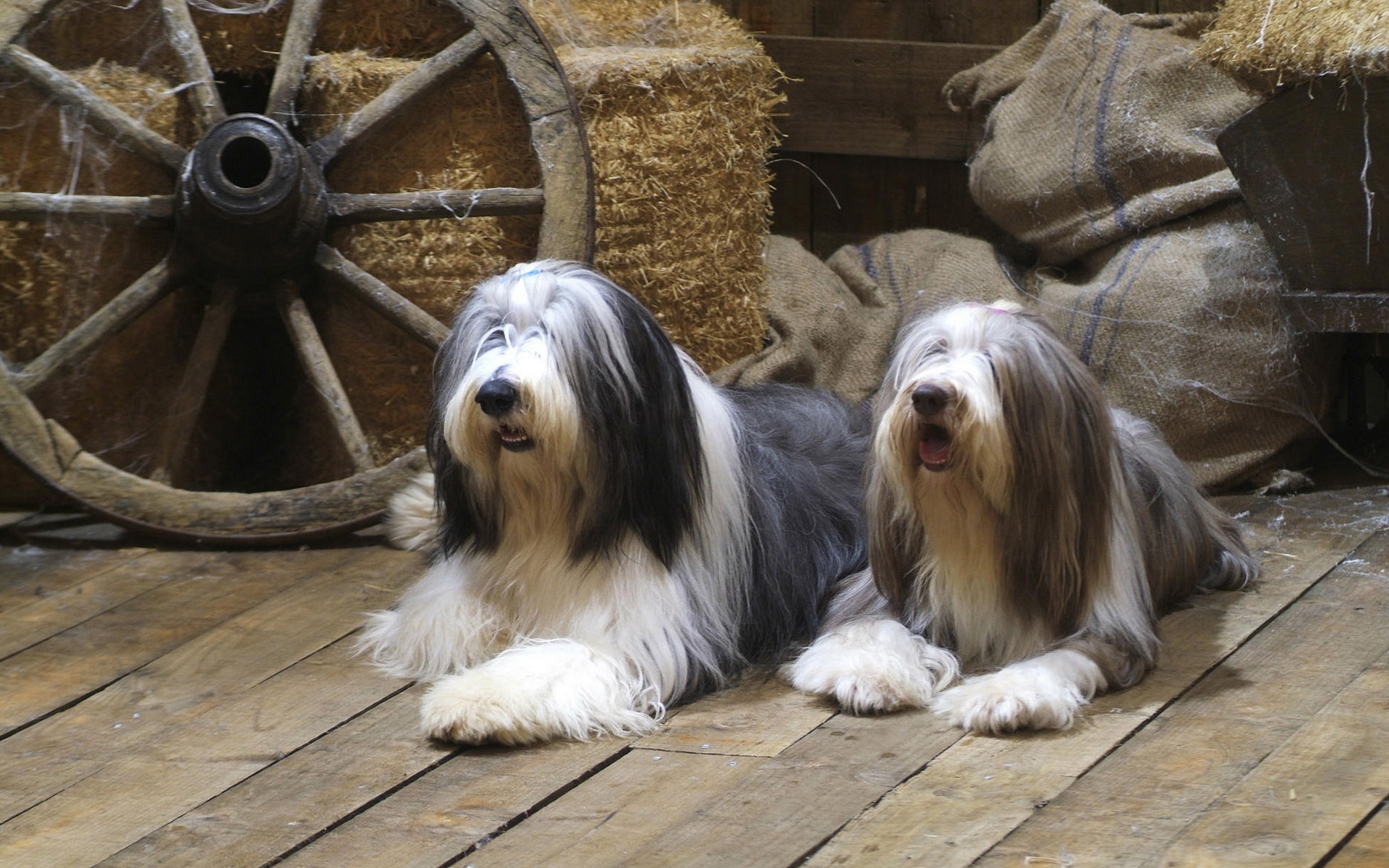
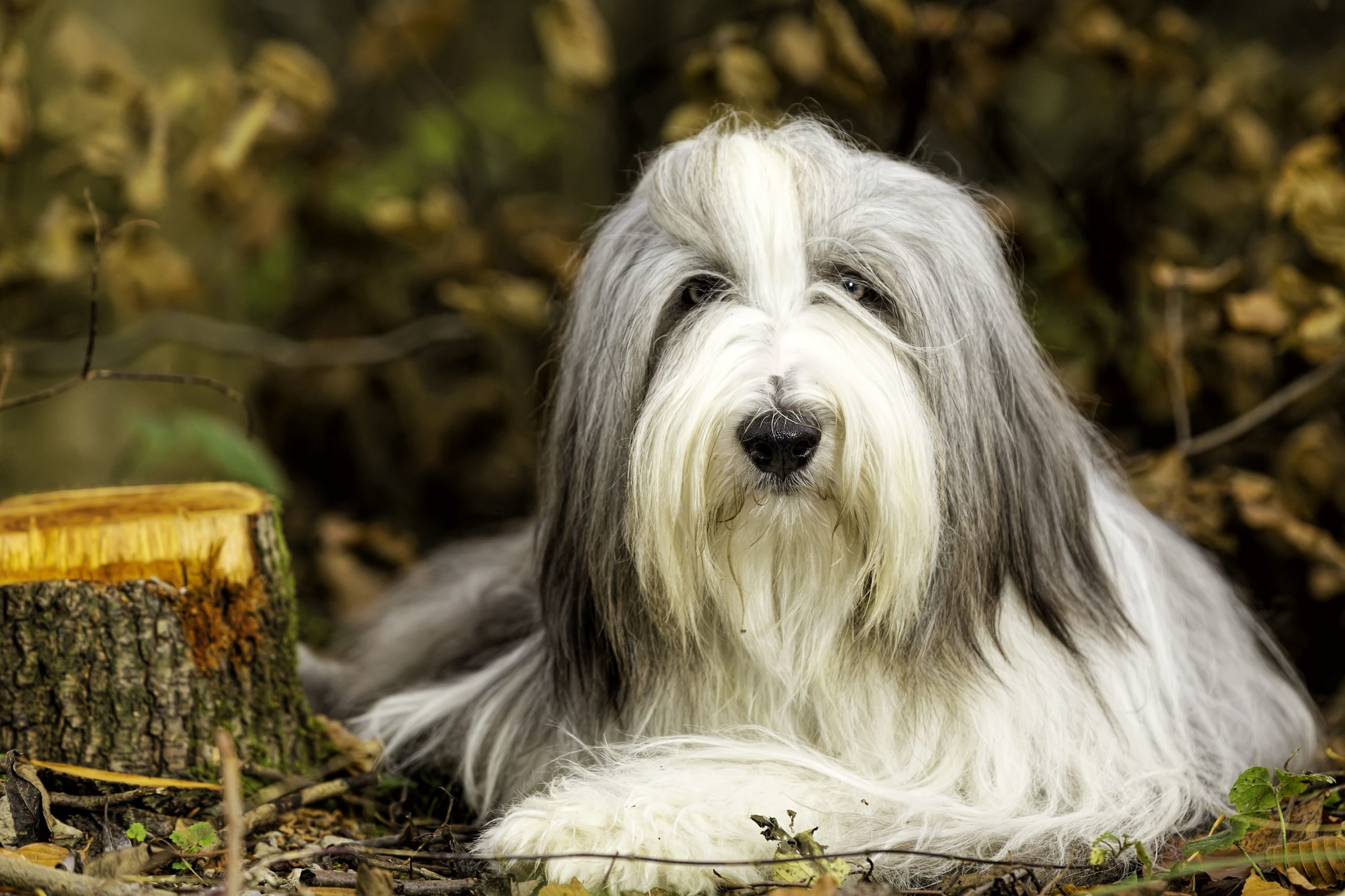
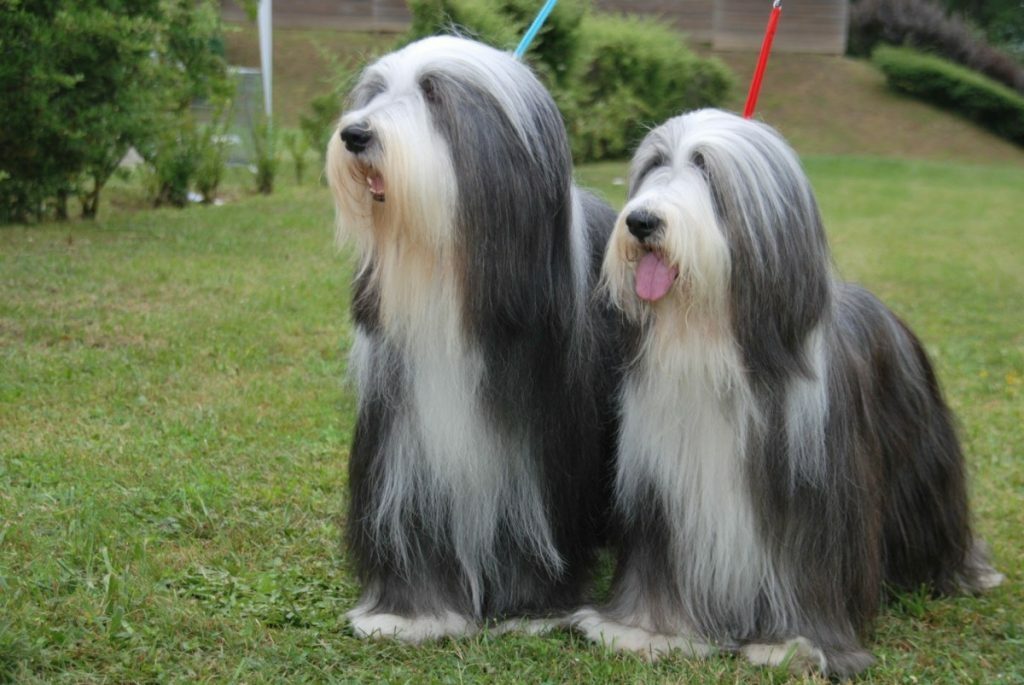
With exceptional physical attributes, the Highland Collie (as they are sometimes called in their homeland) appears substantial yet light. Their long fur beautifully smooths the dog’s silhouette, giving it a powerful presence. Externally, they resemble a shaggy sheep but are far more agile and energetic.
The breed standard specifies an ideal height for males: 53 – 56 cm, with females slightly shorter at 51 – 53 cm, although these figures are considered benchmarks, and dogs can be slightly below or above these parameters. Naturally, significant deviations in size are highly undesirable. It’s crucial that the ratio of the dog’s length to its height maintains a proportion of 5:4, which holds high priority. The weight of adult dogs ranges from 18 to 28 kg.
The lean, long-haired dog is unforgettable for its curious, inquisitive, and attentive expression. Their intelligence is impressive. Even show dogs that do not work “in their specialty” quickly grasp (or remember?) what is required of them and easily transition from their role as photo models to that of hardworking shepherds. The winds of the green hills of Scotland have toughened the Highland Collies, gifting them with remarkable health that allows them to live an average of 12 to 14 years or more.


Отличительные черты

Голова

Морда

Уши

Глаза

Зубы

Корпус

Конечности

Хвост

Шерсть

Окрас
Character
During work, the Bearded Collie is serious, like a professor in a lecture, but during play, it’s carefree like a baby. This sums up the Scottish Beardie in one sentence. Of course, it’s impossible to describe all the facets and virtues of these shaggy herders. But the most important ones are their unwavering loyalty to their owner, readiness for new encounters, attentiveness and vigilance, love for children, tolerance towards other pets, even cats.
Dogs of this breed seem ageless, as those who have welcomed a Scottish miracle on four paws would agree. These dogs tirelessly play active games from a young age well into their senior years. Any game is met with cheerful barks and joyful expressions in their eyes. Beardies excel at overcoming various obstacles and often participate in agility events. Just like Jack Russell Terriers, they are enthusiasts of frisbee and often outshine their smaller “competitors.”
In terms of boundless loyalty to their loved ones, there are instances when, during long separations, a dog refused food and suffered moment by moment. Therefore, if someone is left to care for the animal, that person must be well-integrated into the family circle, and the dog should be familiar with them. Otherwise, maintaining contact is virtually impossible.
The love for children is so developed in Beardies that one can confidently leave such nannies with kids without worrying about their safety, as Beardies are also excellent guardians. They bark loudly enough to alert everyone around about uninvited guests and even scare away undesirable visitors.
If there are other small pets nearby, they will inevitably take on the role of sheep, as the attentive eyes of the Bearded Collie will always watch over them from beneath its long brows.
Their ability to sense their owner’s moods is remarkable. At times, it seems like the dog anticipates the future and tries to minimize any impending negativity in advance.The breed is likened to a knight and a gentleman, their proud posture reminiscent of a prince’s majesty, and their effortless movement compared to a fairy’s flight. If you pay attention, it’s true: the Beardie is always ready to protect its family, showing the nobility of an aristocrat with younger and smaller dogs, and during games and walks, it truly seems to float above the ground.Some stubbornness that occasionally emerges is more a reflection of a harsh past than a rule, so it shouldn’t be given too much attention.
Multifunctional collie
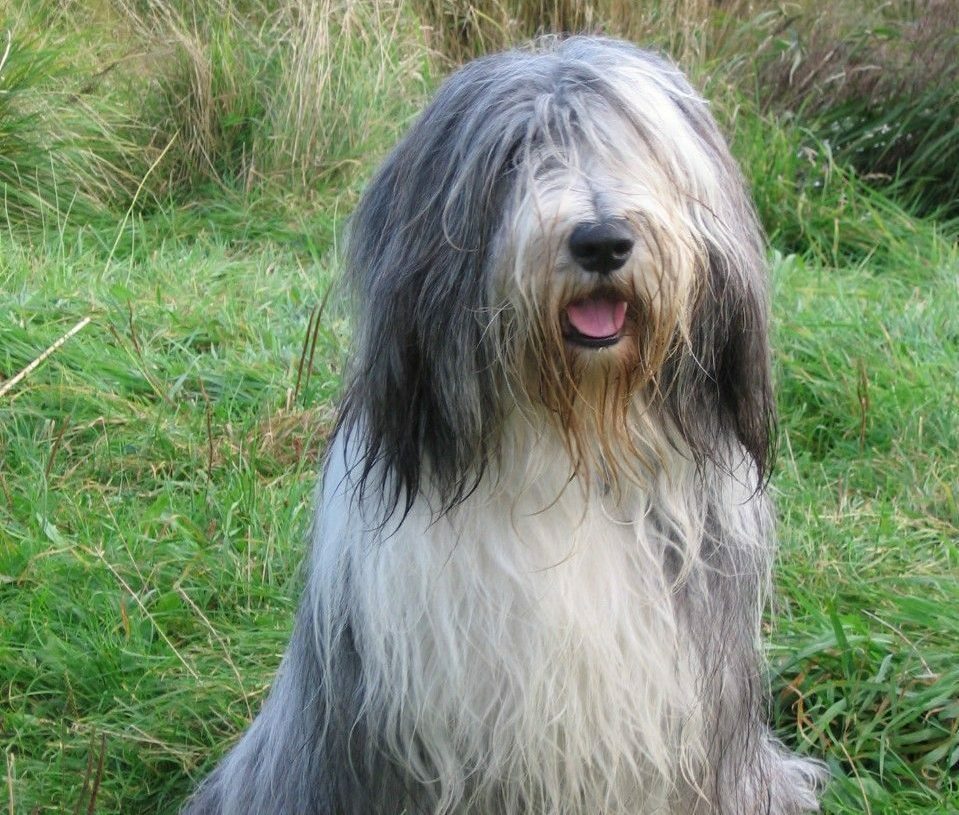
The Bearded Collie is officially registered as a herding dog and companion. However, over time, dogs have taken on many new roles. They are now actively used in rescue teams, as guide dogs, and as guardians.Care and Maintenance
The Beardie, or bearded collie, leaves a lasting impression not only with its unusual appearance but also with certain characteristic behaviors. For example, when this furry dog wants to play, it may start jumping in place as if on a trampoline, lifting all four paws off the ground simultaneously. Their boundless energy invigorates everyone around them. Naturally, owners should share similar personality traits and lead an active lifestyle to ensure the dog does not become a nuisance.
Dogs thrive best in their natural environment-out in the countryside, where they can spend a lot of time outdoors. City living is only feasible if there’s a nearby forest or park, allowing owners to spend as much time as possible with their bearded companion. For good well-being, dogs need to be walked a minimum of 2-3 times a day for 45-60 minutes or even longer. Riding a bike or jogging together with the dog is a great solution.
Owners must be prepared for the meticulous care required for the long coat of their four-legged herder. For novice dog owners, grooming can be challenging at first. In this case, it’s best to turn to grooming salons, some of which offer professional grooming services at home. If you decide to take care of it yourself, ensure to brush the dog’s coat daily. After each meal, remove any food particles from its beard and always dry the dog’s face thoroughly. Be prepared for a two-month shedding period each year, during which you’ll need to brush the coat even more carefully and often. Otherwise, your home may become a mass of hair. Be cautious with matting; you shouldn’t use a brush with fine bristles to remove mats. It’s better to use special lotions or sprays for mats. After applying the spray to the problem area, gently loosen the mat with your fingers, wash it out, and then carefully detangle the hair with a slicker brush while holding the fur at the base.
To prevent ear infections and inflammations, you should inspect the inside of the ear weekly. Excess earwax and dirt can be removed during ear cleaning. It’s better not to use cotton swabs due to the risk of damaging the delicate structure of the eardrum. A regular cotton pad will do the job. While cleaning, pay attention to the condition of the skin inside the ear; it shouldn’t be red or show signs of insect bites. An unusual odor indicates a developing infection, so a visit to the veterinarian is highly recommended.
The eyes, peeking out from under furry brows, often become inflamed. Conjunctivitis can occur due to a dirty “fringe” or dust that gets into the eyes during active outdoor play. At least 2-3 times a week, thoroughly check the Beardie’s eyes. If you notice redness in the sclera, excessive tearing, or cloudy discharge in the corners of the eyes, don’t waste time relying on home remedies; contact a veterinarian immediately.
Of course, the dog’s teeth require very careful care. From puppyhood, train your dog to this procedure and conduct weekly examinations and cleanings of its teeth at least twice a week with a special brush. Tartar can develop soon after yellow plaque, so it’s best to avoid reaching that stage. Nowadays, there are many special bones available for cleaning dogs’ teeth. Chewing them helps the dog remove plaque or tartar while massaging its gums.Overly long nails will inevitably lead to pain while the dog is moving. Although walking naturally grinds down the nails, they still need to be trimmed with clippers. The frequency of this procedure varies for each dog and depends on many factors. Generally, owners clip nails 2-3 times a month. Do this carefully to avoid damaging the pulp or blood vessels, and clip no more than a third of the total nail length.
Good-natured bearded man.
Dogs of this breed are super peaceful and good-natured creatures. The International Kennel Federation does not recognize individuals exhibiting clear aggression and nervousness.Training and Education
Like other shepherd dogs, the Bearded Collie requires not only physical exercise but also mental training. Therefore, if you want to have a well-mannered and balanced dog next to you, rather than a yard troublemaker, pay maximum attention to raising your puppy.
Dogs from the Scottish hills are quite intelligent, which is evident in their expressions. Thus, with the right approach, there are usually no problems mastering basic commands.
Once your puppy is used to their place, name, and provided with sufficient toys, spend 15 to 20 minutes a day practicing the simplest commands that can be learned at home. For example, by four months of age, your little Bearded Collie should clearly execute commands like “place,” “sit,” “no,” “lie down,” “come,” and “speak.” And if your dog lives in an apartment, you can add the command “quieter” to this list. This command will not only lift the mood of all household members but will also ease the lives of the neighbors since the puppy will “speak” in a whisper afterward.
Before the first outing, the dog must be prepared in advance: the collar and leash should be perceived positively, and the puppy should always hear what you say and obey unconditionally.
Of course, when working on new commands, difficulties or even refusal to follow them may arise. In such cases, it is best not to yell at the dog or force it to comply. A treat works best as motivation for the puppy. As your dog gets older, feel free to switch the reward to their favorite toys and alternate fun games with practicing something new.
For inexperienced dog owners, there are plenty of offerings in various disciplines at canine centers. For instance, a basic training course or Urban Controlled Dog (UCD) will help your puppy learn all the necessary commands and socialize according to a special methodology.If you wish for your Bearded Collie to participate in agility, consulting specialists will undoubtedly help you raise a four-legged champion. At Zooinika, there is a wide selection of breeds with documentation and pedigree available.
Collie or bobtail?
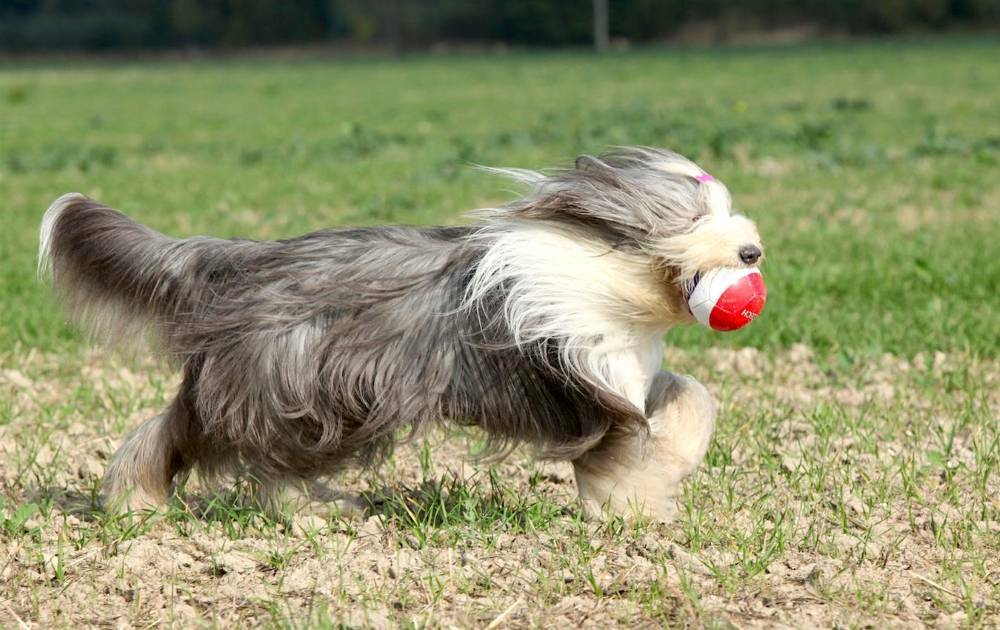
Scottish beardies are very similar to bobtails. However, they shouldn’t be mistaken for one another, as they have a significant difference – their tail. The collie has a full tail with long fur.
How to Choose a Puppy
Before buying a puppy, we recommend weighing all the “pros” and “cons” and answering several questions:
Am I ready to care for a dog 24 hours a day for more than 15 years?
Why do I want a dog and does my lifestyle match the temperament of an adult dog?
Do my living conditions allow for having a dog? What kind of dog do I want, and what gender?
The answers to these questions will help avoid many problems later on. Start with the breed standard and carefully study real reviews from owners of bearded collies. Attend a dog show or sports events featuring representatives of the breed. Be sure to select several kennels that breed the dog.
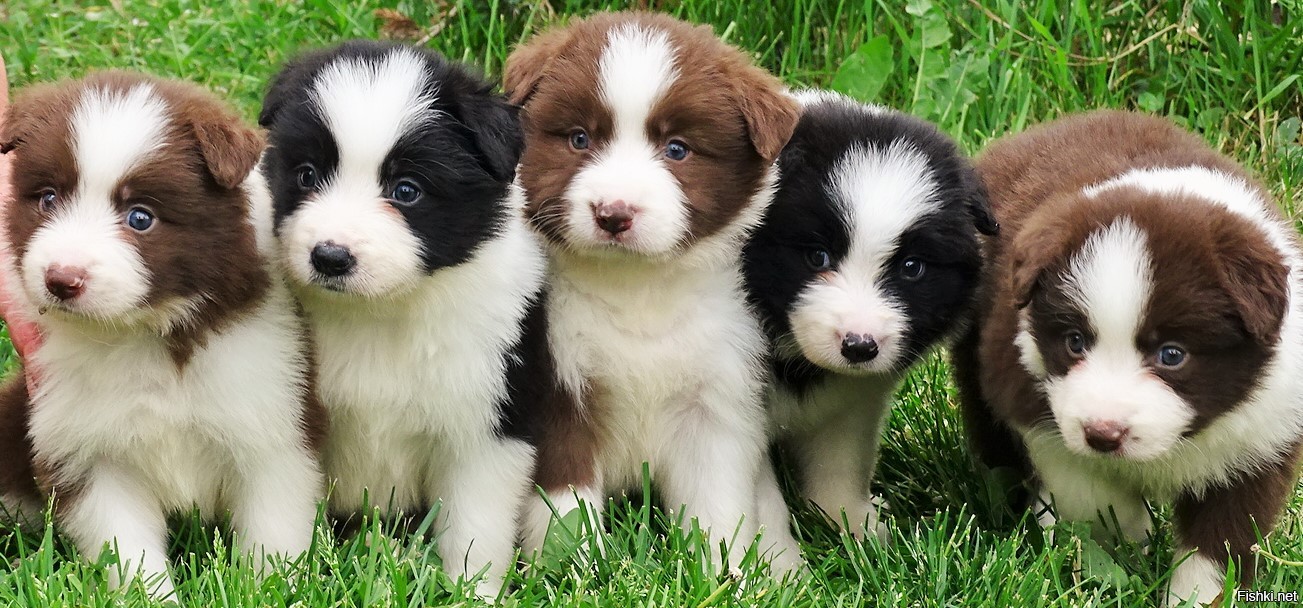
When visiting a kennel, check the pedigree of the puppy’s parents and observe the behavior of their mother. Additionally, inquire whether any screenings for genetic diseases have been conducted.Of all the puppies, you might be drawn to the boldest and loudest one. However, excessive noise or aggression is considered a very bad sign: these behaviors will likely intensify with age, and you will have to spend time correcting them.Healthy puppies always have clean fur without bald spots, eyes and ears without discharge, and their noses are always cool and moist. Additionally, the puppies’ joints should be pain-free. Find your puppy through trusted sources on Zoonik.
Health and Diseases
The green slopes and the fairly harsh climate of Scotland have given the Bearded Collie excellent health. The warm undercoat protects the dog from the cold, while the long fur shields it from precipitation and wind. Timely vaccinations help avoid the most common canine ailments.
However, there are a number of genetic disorders to which Bearded Collies are predisposed. This includes elbow and hip dysplasia. Unfortunately, this condition can lead to a complete loss of mobility. It is hereditary and begins with mild, but progressively worsening lameness in the dog. Treatment is only symptomatic and full recovery is not possible.
Progressive retinal atrophy is another insidious disease that can lead to complete blindness. Cataracts can also be added to this list, though they most often occur in dogs over 10 years of age.
Food allergies accompany Bearded Collies but can be quickly resolved by adjusting the dog’s diet.
A malfunction of the thyroid gland, or hypothyroidism, leads to disruptions in the functioning of internal organs and can be either inherited or acquired.
Adrenal gland problems are quite rare but still fall under the breed-specific diseases of the Bearded Collie.
Содержание
-
1. Описание породы
-
2. Внешний вид
- 2.1 Голова
- 2.2 Морда
- 2.3 Уши
- 2.4 Глаза
- 2.5 Зубы
- 2.6 Корпус
- 2.7 Конечности
- 2.8 Хвост
- 2.9 Шерсть
- 2.10 Окрас
-
3. Характер
-
4. Содержание и уход
-
5. Дрессировка и обучение
-
6. Как выбрать котенка
-
7. Здоровье и болезни






Comments
Only registered users can leave reviews.
Enter