
Basset Hound




Warning: Illegal string offset 'label' in /home/panda/sites/zoonika/wp-content/themes/zoonika/template-parts/animals/animals-param-item.php on line 32
Ð


Breed Description
To an average person, looking at this dog, it is unlikely they would think that the Basset Hound is an excellent hunter. This British breed originated in the Middle Ages. However, the ancestors of these floppy-eared hunters are from outside the UK. This is indicated by the breed’s name: “basset” translates from French as a short-legged dog with a long body, while “hound” means hunting dog in English.
The first packs of long-eared, short-legged dogs participated in hare hunting in the vicinity of a French monastery around the 16th century. It might seem that the hounds tracked the animal using their noses. However, these short-legged packs used more than just their sense of smell. Their long, thin ears, hanging almost to the ground, captured the tiniest scent particles of the game, accumulating and concentrating them around the nose of the short-legged trackers. In this way, their ears acted like a kind of magnifying glass, while the dogs, like detectives, slowly and persistently followed the hare’s scent until they caught their prey. Their short legs enabled them to tirelessly cover vast distances.
The loose, wrinkled skin protected the animal while the dog pushed through bushes and raised the bird into the air. There are also accounts of their use in burrowing hunts. Until the 19th century, these eared packs belonged to monks and peasants, as their relatively small size allowed for easy upkeep. However, after a few of these hunters made their way to England, the breed gained popularity among the aristocrats of the time, leading to Basset Hounds being bred in England with the aim of improving their characteristics.
The exact ancestors of modern Basset Hounds remain unknown. It can be assumed that they were larger hounds, like Bloodhounds and some other dogs of that era used for hunting. For example, Norman Bassets and other French hounds had particular traits that contributed to the breed’s essential qualities. Of course, there were no records of matings during that time.
Nonetheless, in 1875, English nobility first showcased the English Basset Hound at a dog show, but the breed was not officially recognized until five years later. The popularity of Bassets grew to the extent that they began to be bred in royal kennels in Wales. The first English Basset Hound club appeared two years after the breed was recognized by the British Kennel Club, in 1884.
Appearance
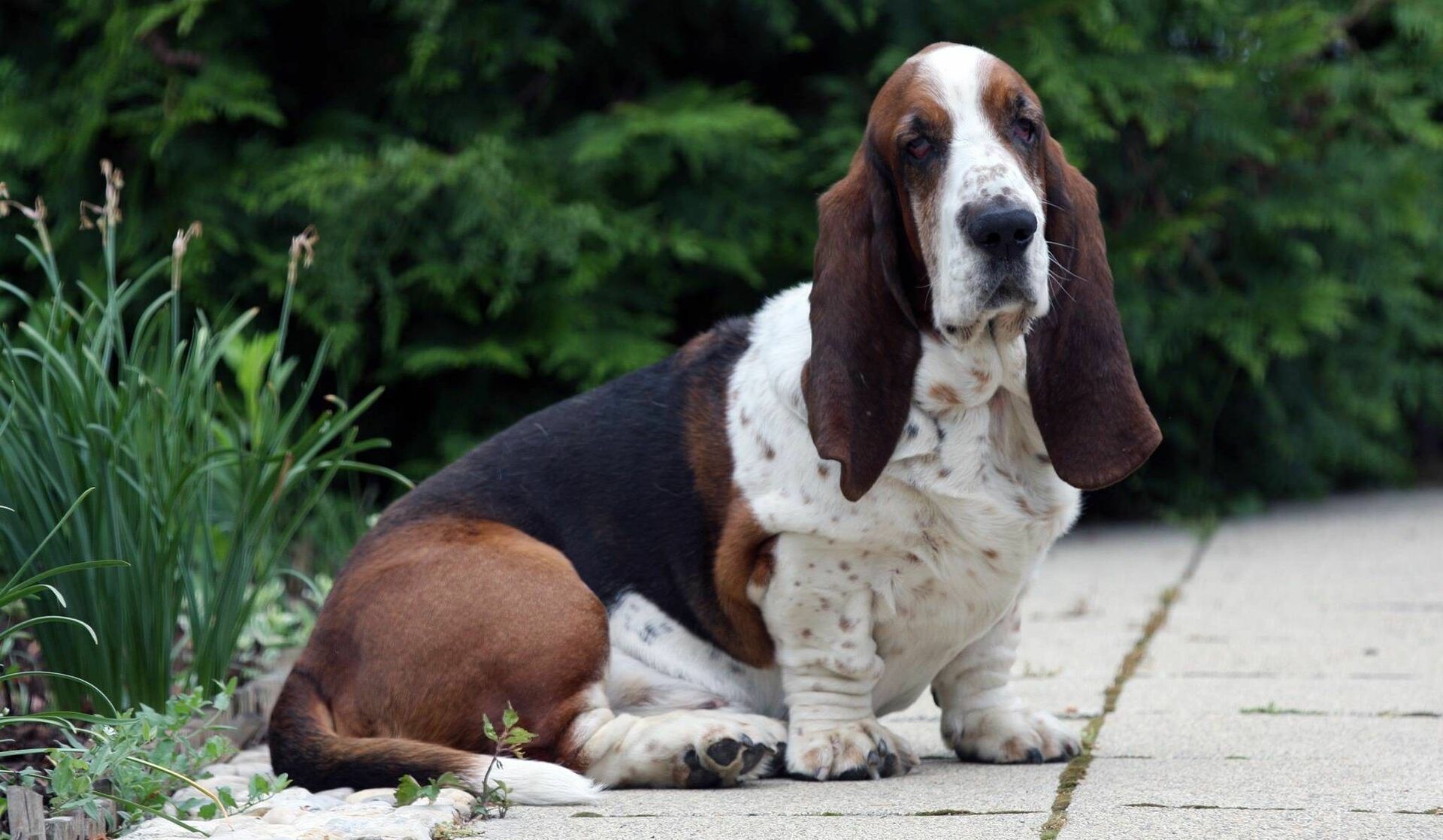
It can be said with complete confidence that most surveyed people in different corners of the world will recognize the breed name. The immense popularity of dogs with elongated bodies is due to their unusual appearance: they seem like a greatly aged and worn-out beagle grandfather, accustomed to sitting by the fireplace, burdened by bad habits and arthritis.
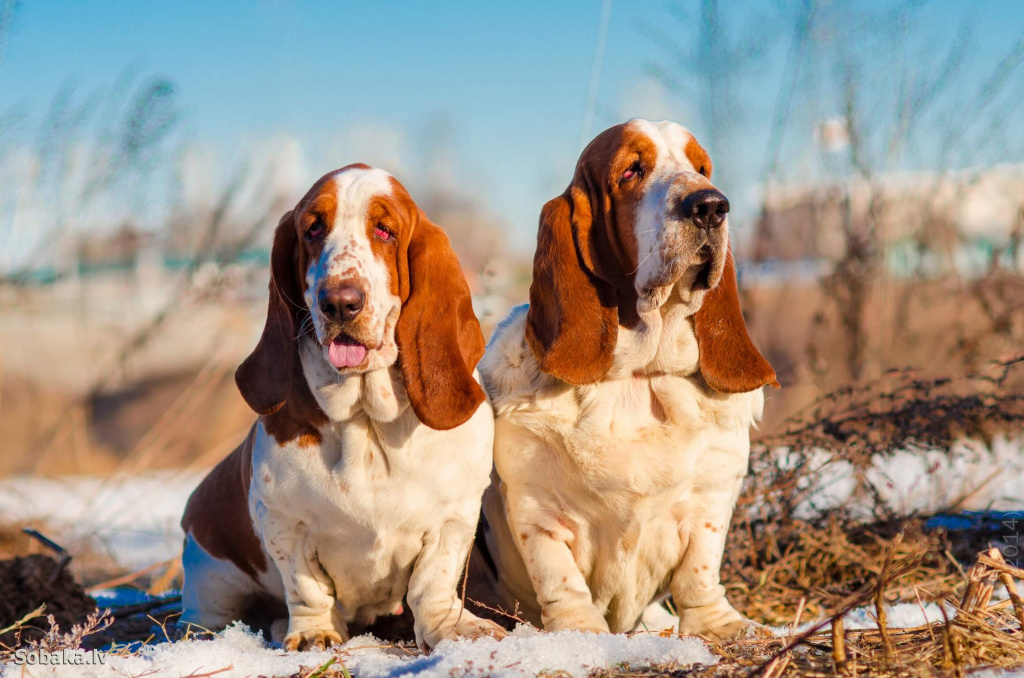
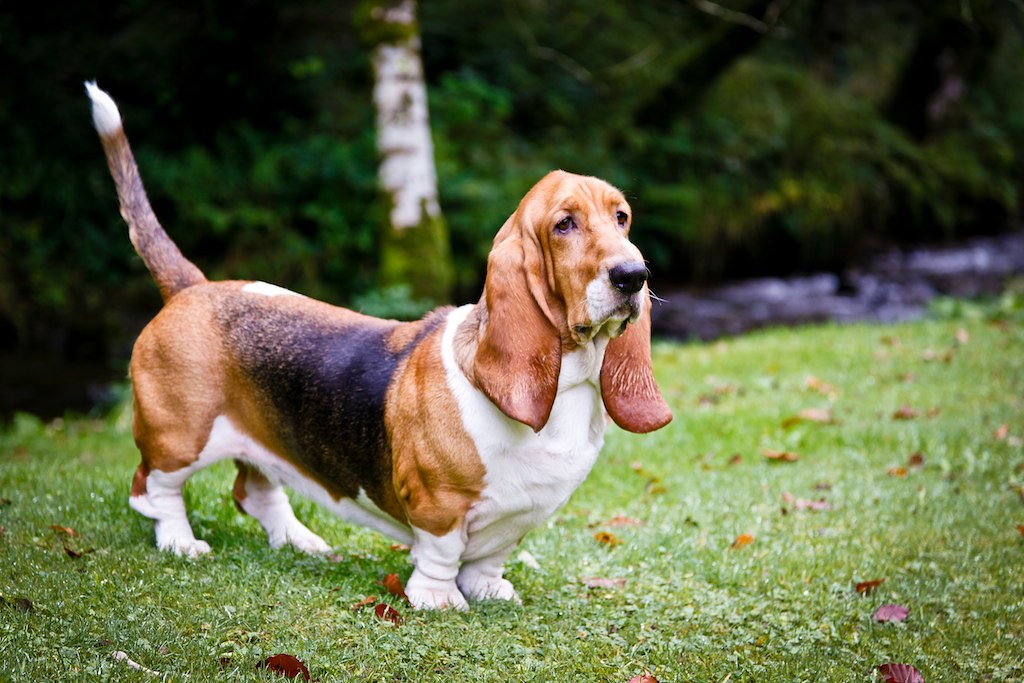
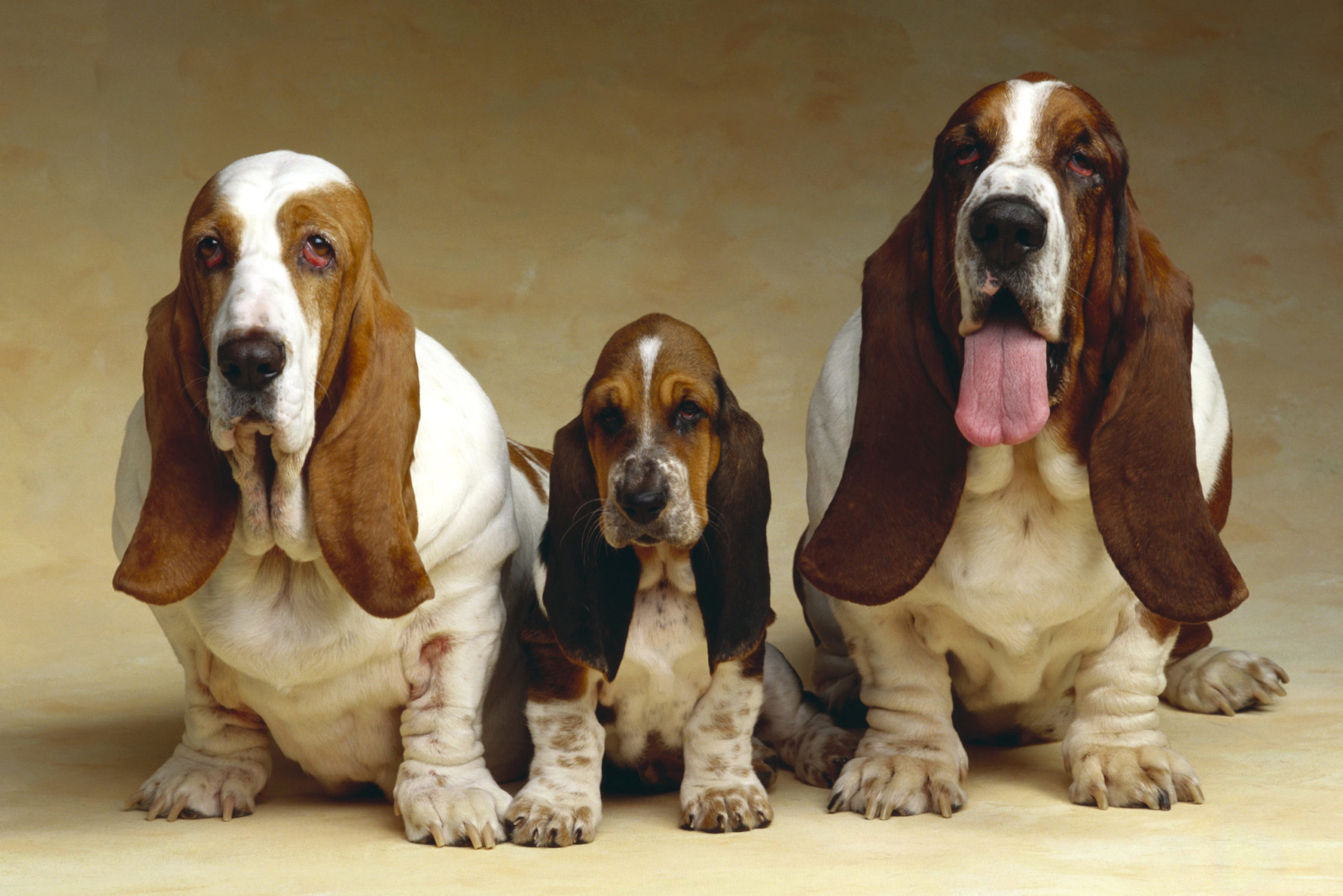
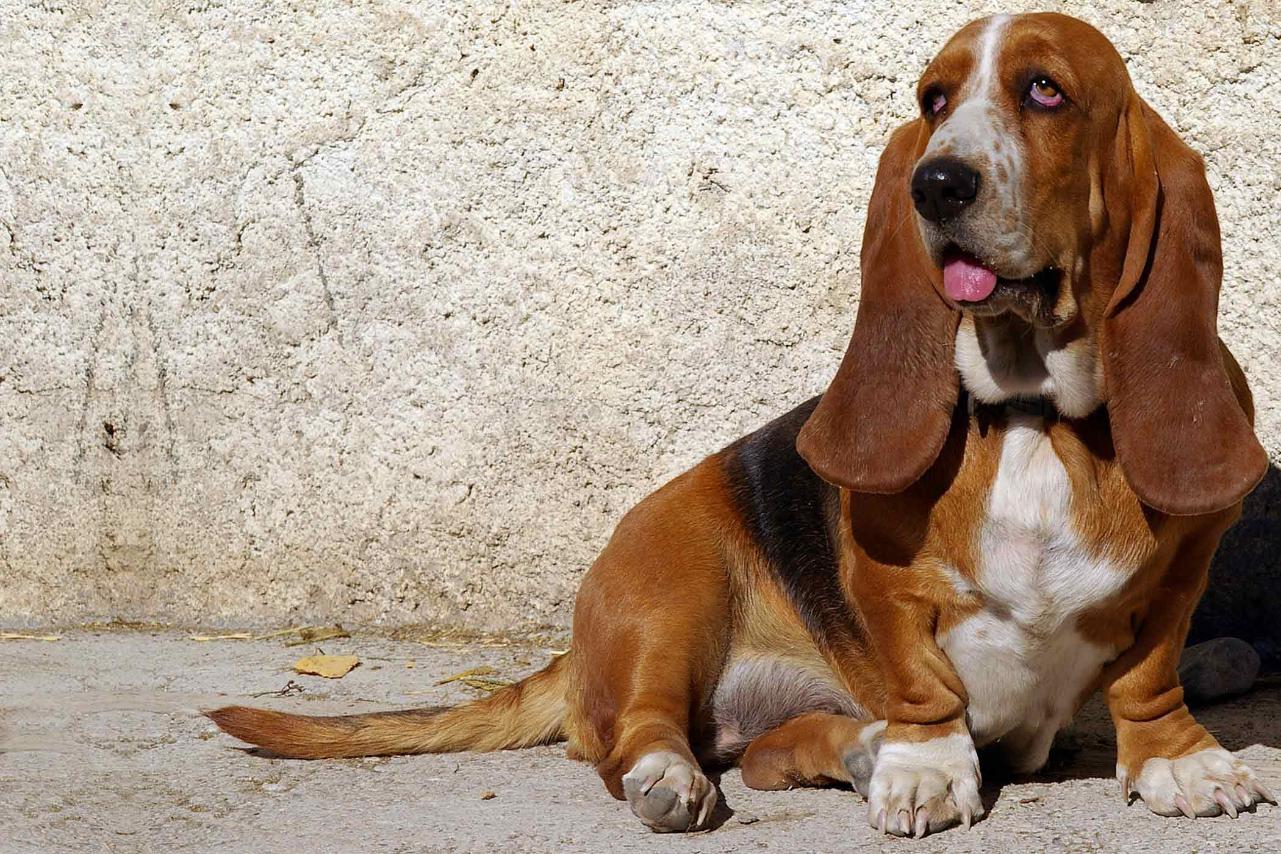
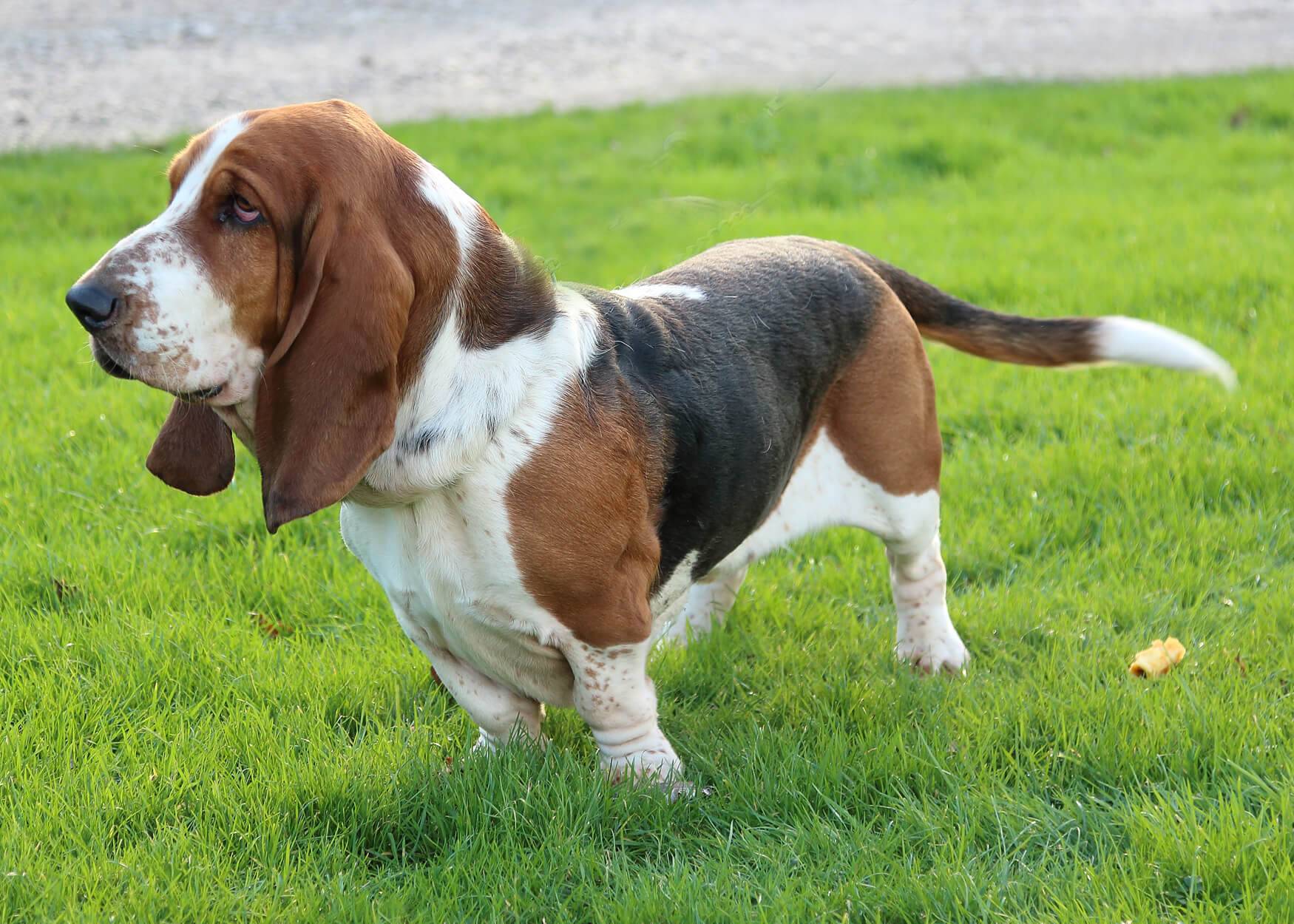
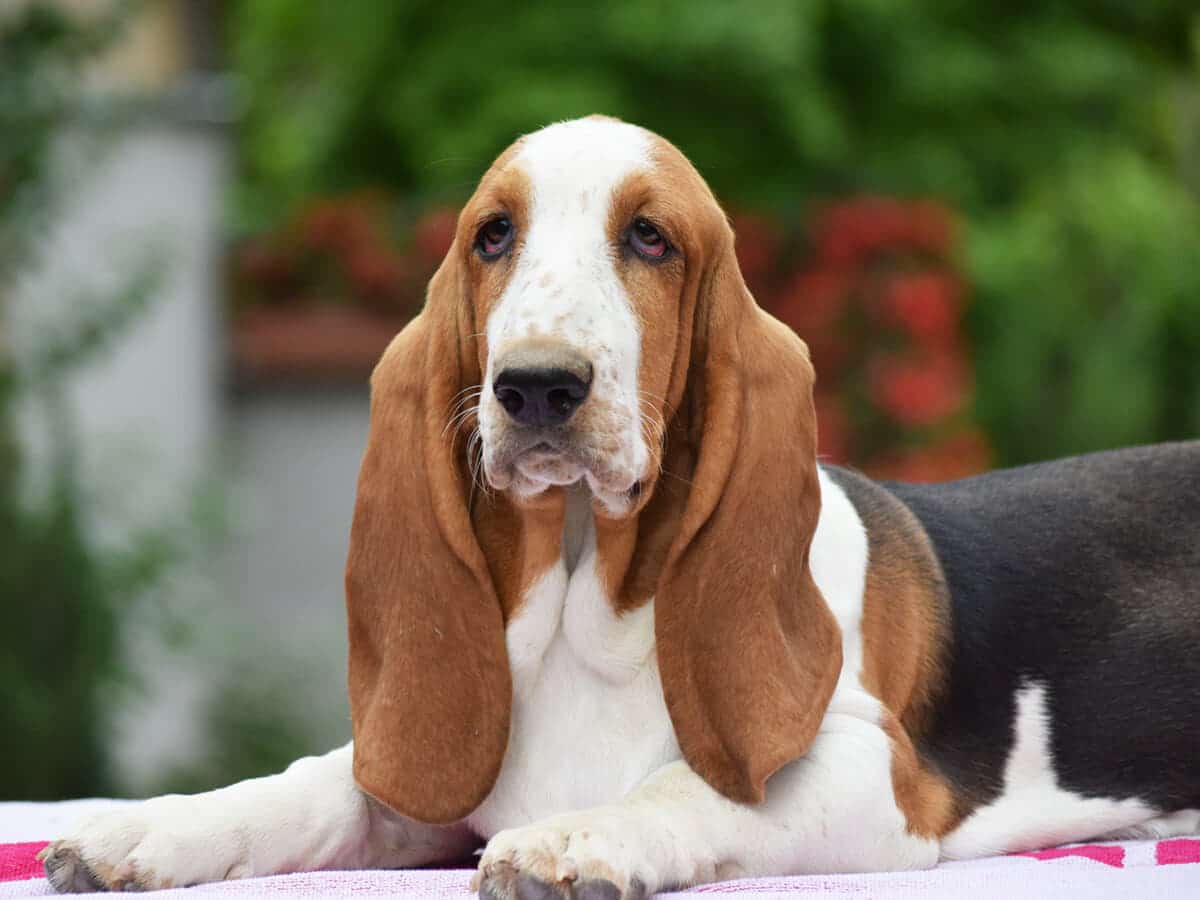
Low, stocky, with long ears, deep skin folds, and a sad expression, even in films, a Basset plays the role of a tracker. With a unique ability to follow a scent, it may only be rivaled in this regard by the Bloodhound.
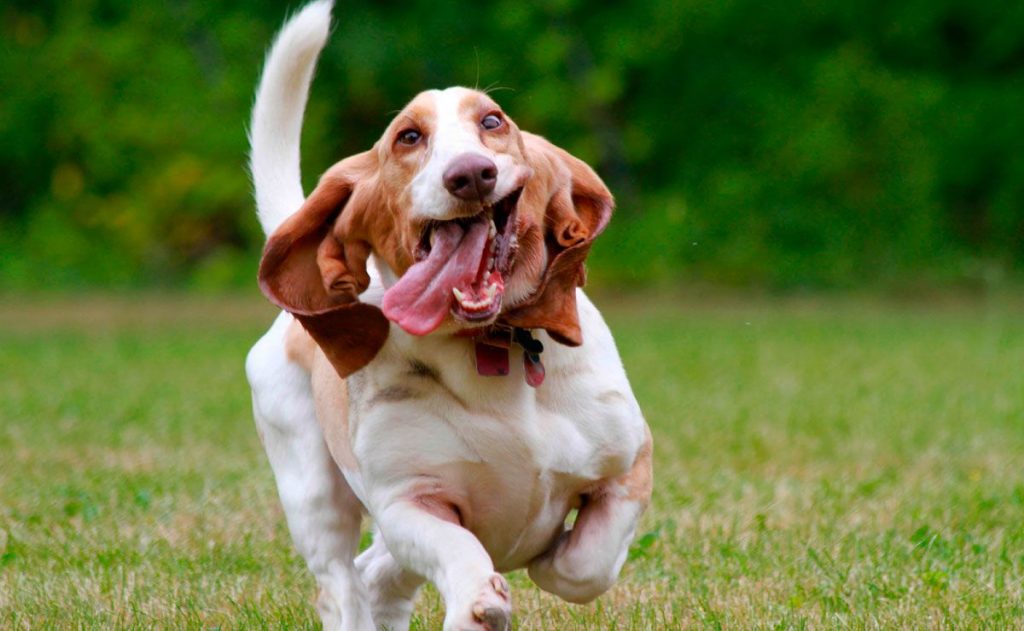
Despite the early specimens having some French blood, the British managed to create their own “searching wonder” and named it the Basset Hound. An adult dog stands between 33 to 38 cm tall and is very strong. It is worth noting that its strength lies in endurance rather than speed. Short legs slowly carry its long body, weighing between 18 to 29 kg, across any terrain. The English Kennel Club standard does not limit the weight of Bassets, but it indicates that their physique is large and balanced and emphasizes the importance of endurance during work. Although outwardly they may not seem active, those with such a mournful gaze are quite energetic. On average, they live for 10 to 12 years, and sometimes even longer.


Отличительные черты

Голова

Морда

Уши

Глаза

Зубы

Корпус

Конечности

Хвост

Шерсть

Окрас
Character
Despite being a hunter ready to navigate through brush and muddy terrain, the Basset Hound is reserved for work. Its inner world is full of nobility and reason. When you look at it, an image of an elderly academic pondering the next riddle comes to mind. The Basset’s gaze seems lost in philosophical thoughts, so it can confidently be said that today it is more of a city companion dog than a rural hunting dog. However, it would also feel great in the countryside.
Its gentle and caring attitude towards its surroundings wins over owners. Additionally, the “earful thinker” gets along well not only with all family members but also with other pets, if any are present in the house. Its hunting instincts give way to respect, even towards cats.
The breed is characterized by a zest for life. When left alone, the short-legged Basset lies down for a nap after a hearty meal. This sometimes leads to weight issues. However, if there’s a window within reach, it enjoys observing what’s happening outside. Despite a melancholic demeanor, many companion dogs would envy its bravery. Unfortunately, it can’t function as a guard or watchdog. Even the way Basset Hounds bark is quite peculiar; they tend to howl with a unique tone, but it’s a stretch to call it barking. Extended solitude often results in long howls from Basset Hounds.
It cannot be called lazy. With its owner, it is ready for long, leisurely walks. Its eyes say, “I’d go with you to the ends of the Earth” when it’s time to go out. However, during walks, it can sometimes get distracted by a new scent and follow it, leaving everything and everyone behind. In such cases, GPS-enabled collars help the owner locate their pet through a smartphone app.
Notably, the sense of smell in Basset Hounds is so strong that other senses take a backseat, and the four-legged friend simply does not hear commands.
On a subconscious level, members of this earful family understand the mood of those around them. They don’t have a habit of imposing themselves since an adult Basset considers itself quite self-sufficient and would rather go to sleep than seek interaction. They are very intelligent, so training often requires rewarding them with treats. If a Basset doesn’t understand the purpose of a task, it won’t do it.It’s important to clarify the relationships with children. A Basset will not tolerate disrespect. It may play, especially in search games, but if it senses rudeness directed at it, it can assertively communicate this. For this reason, it is advisable to teach children how to properly interact with their beloved pet before allowing them to play or walk together.
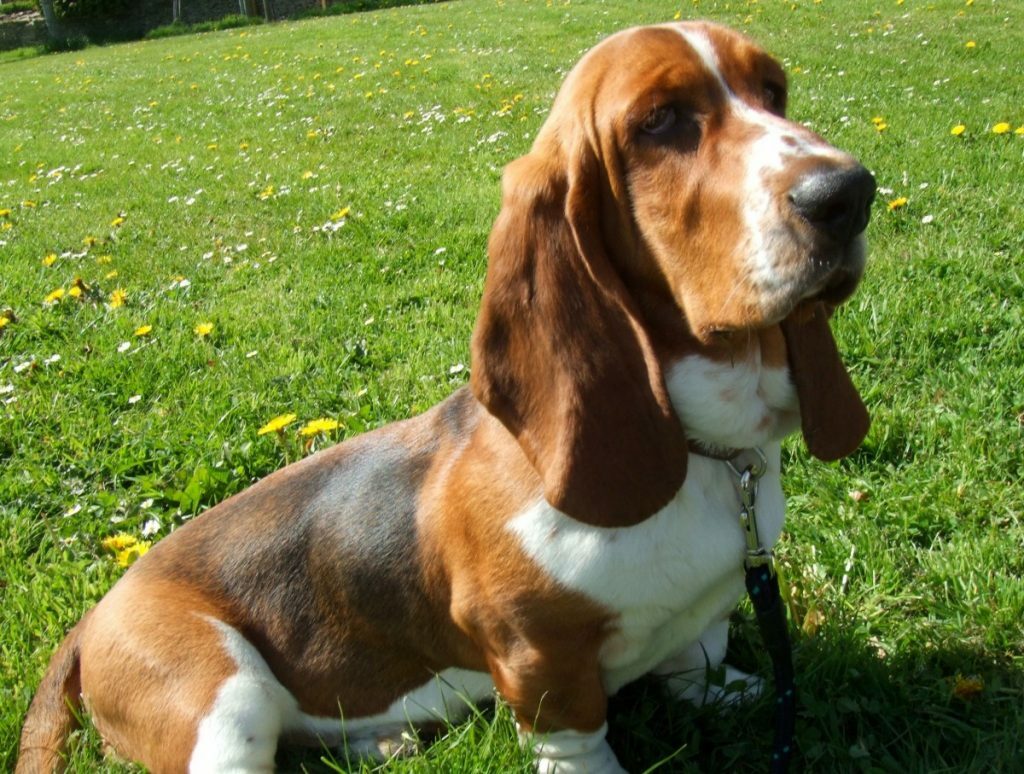
The owner of the longest ears.
The Basset Hound has such long ears that this fact is recorded in the book of records. Sometimes difficulties arise because of the length of the ears; during walks, they drag on the ground, and the dog may accidentally step on its own ear.Care and Maintenance
Since the Basset Hound does not have robust health and gradually transitions from a true hunter to a homebody, its care requires special attention. Although the size of the animal allows it to be kept in both a small city apartment and a country house, maintaining this breed requires financial investment.
A bed with a soft bottom, preferably with a border, should be placed in a quiet area of the house. It is not advisable to put it in a hallway or near a door due to potential drafts. Be sure to choose a place for food and water bowls, but do not place them in high-traffic areas. Initially, you will also need some puppy pads for the puppy to use as a toilet. It is better to buy several collars and leashes in advance, as well as a variety of toys that will be necessary even for an adult dog.
The food for Basset Hounds requires special attention. A well-selected diet will help avoid health issues. For example, these dogs should never be given legumes, pork, smoked foods, or sweets. Recommendations for choosing food can be obtained from breeders at the puppy’s kennel; they usually have tried-and-true food that they feed their Bassets, which means there won’t be allergy issues. This advice is also provided by veterinary dietitians. Fresh drinking water should always be available in the bowl.
An important detail: Basset Hounds have very large lips, so after drinking, you need to wipe their mouth; otherwise, everything around will be covered in drool.
Their short coat needs regular brushing. A soft massage brush will help remove dead hair and keep your home free of it. Their dense skin is quite sensitive and requires regular bathing to prevent fungal outbreaks and remove any unpleasant odor. Most importantly, make sure to dry your pet thoroughly after a bath. You can use a waffle towel or a hairdryer, but the dog needs to get used to the latter and not be afraid of the loud noise. Pay special attention to their skin folds and armpits to prevent irritation.
Tick and flea treatment should be done twice a year, but an anti-flea collar can help somewhat with this issue.How often should you walk them? Puppies need to be walked frequently but not for long. An adult Basset can go out at least twice a day for 30 to 60 minutes. It is ideal to walk your “earful philosopher” with other friendly dogs to ensure adequate activity for this homebody.During walks, monitor their gait. If they start to limp slightly or refuse to engage in their usual activities, this is a reason to visit the vet outside of scheduled appointments.Carefully inspect their paws, feeling between the pads, and ensure there are no painful sensations. After each outing, wash their paws and remove any seeds or grass stuck between their toes. To prevent excessive nail growth, they should be trimmed with special clippers or filed down. Be careful when shortening them to avoid damaging the blood vessels inside.When inspecting the ears, pay attention to any odors. If there is an unpleasant smell, it is a sign of inflammation and a reason to see the vet immediately.Of course, look into their beautiful sad eyes as often as possible. There should be no cloudy discharge, and
Not a swimmer at all.
Basset hounds can't swim, not at all! Naturally, they have legs that are too short, making swimming impossible for them.Training and Education
A smart dog doesn’t necessarily mean that there will be order and harmony in the house. A smart dog understands what is expected of him, but he also knows that these demands are primarily for the owner. Therefore, it’s very important that he is not only intelligent but also well-mannered.
However, the Basset Hound is a very unique breed. It’s impossible to turn them into a “universal fighter” who can play with children, guard the house, and protect the owner during walks.
Once a puppy arrives, he needs some time to adapt, and then he will get used to the routine and order of his new home. A Basset must see his spot as a refuge. Never take the puppy into your bed, even if he begs. Always call him by name.
Smacking and whistling are for mixed breeds, not for an aesthetic dog like your Basset. Of course, training can only occur with a healthy pet and in a calm setting.
By 3 to 4 months, he should learn the basic commands and follow them at the first request. These include:
– “No!” – this will protect not only the puppy but also an adult hound when he catches a whiff of something intriguing and wants to go after it, or from leftover food on the street;- “Come to me!” – the dog must return and stand beside you;- “Place!” – the dog goes to his spot (ideally, this command should become his favorite);- “Quiet!” – stop barking/howling or reduce the volume. This is particularly relevant considering the Basset’s vocal tones and their love for “talking,” especially when living with small children or in an urban apartment;- “Sit!” (“Lie down!”, “Paw!”) – these are a bit more challenging, but for an aristocrat, mastering them is a matter of honor.Other commands can be learned in a canine training center under the guidance of professionals. It’s important to remember that a beloved pet is trained throughout his life, just like his owner.In special cases, behavior correction might be needed from a pet psychologist.If there are plans to participate in exhibitions, handling a Basset Hound is essential, and he should start learning it from the very first months. We offer the best who take care of each puppy from their very first days of life.
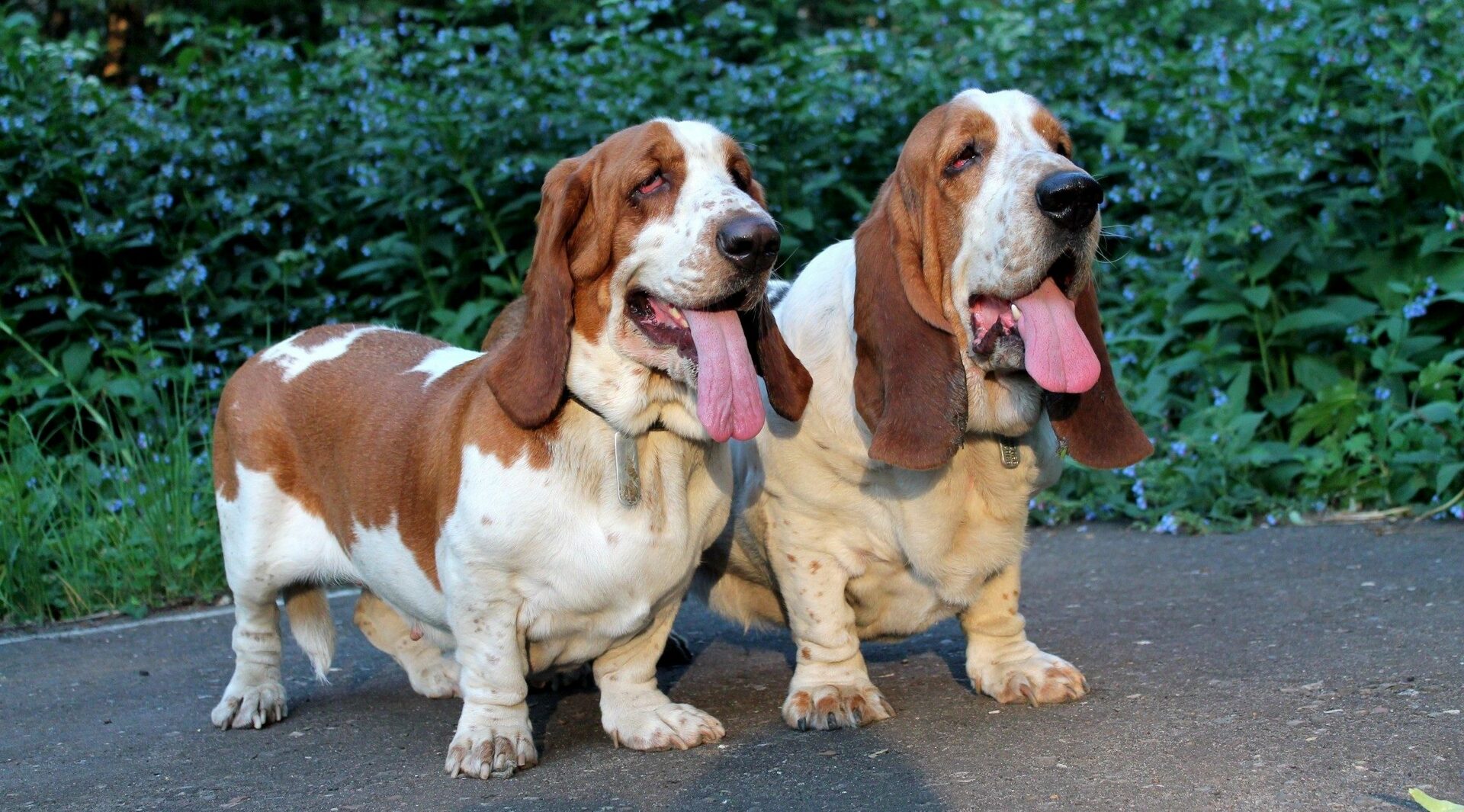
Shakespeare's favorite
Great classic William Shakespeare was very fond of this breed, and one of the basset hounds lived in his house.
How to Choose a Puppy
When embarking on the journey of selecting a Basset Hound puppy, it is important to carefully consider the implications of this decision. Life will never be the same, as there will be a voiceless creature that requires constant care.
After familiarizing yourself with the breed standard and temperament, decide on the sex of your future companion. Based on this, choose a name for your Basset. Among the most popular suggestions are: Alfie, Boomer, Gus, Daisy, Clyde, Maisie, Rosie, Shelby, Winston. However, coming up with a unique name is not difficult. The main thing is that it should be melodious, with the emphasis on the first syllable.
Of course, buying a dog at a pet market is not the best option, even for those who do not plan to participate in shows. The best choice is a reputable kennel with a history.
When making your selection, adhere to the basic rules: the area should be clean, the veterinary passport must include all vaccination records and conducted DNA tests, the mother of the puppies should not show any deviant behavior, the puppies should be tidy and meet the breed standard. Their skin should be clean, eyes bright, ears free of dirt, joints pain-free, and noses moist. The most beautiful and active little Basset Hound is yours. From the best kennels in the country – find your pet at ZoРѕnika.
Health and Illnesses
The breed is generally healthy. Proper care, vaccination, and deworming help avoid health issues that can arise in any dog.
However, some Basset Hounds can inherit certain genetic diseases. Screening reduces the risk of purchasing a sick animal.
Among these ailments are primary angle-closure glaucoma (PACG), as well as entropion and ectropion, which are conditions of the upper or lower eyelids. Thus, it’s highly recommended to regularly check the condition of the eyes at a veterinary clinic.
Elbow dysplasia and a slipped intervertebral disc are precursors to complete disability for these long-eared companions. Under no circumstances should a puppy be allowed to jump from even low heights or descend stairs before they are 10 months old. If the dog starts limping or taking an unnatural position after resting, immediate examination and rehabilitation under the supervision of specialists are necessary. Testing for dysplasia is not mandatory in our country, but you can request the results from the breeder before finalizing the purchase of a Basset puppy.
Sometimes, some Basset Hounds may develop skin issues caused by fungus. It’s an unpleasant but completely treatable ailment.
Bloating, which can be dangerous and lead to rapid deterioration, is often the result of physical exertion after eating or an improperly balanced diet high in beans.The list can conclude with Lafora disease-a hereditary form of epilepsy identifiable through a DNA test. This can be found in the Zooinika classifieds.
Содержание
-
1. Описание породы
-
2. Внешний вид
- 2.1 Голова
- 2.2 Морда
- 2.3 Уши
- 2.4 Глаза
- 2.5 Зубы
- 2.6 Корпус
- 2.7 Конечности
- 2.8 Хвост
- 2.9 Шерсть
- 2.10 Окрас
-
3. Характер
-
4. Содержание и уход
-
5. Дрессировка и обучение
-
6. Как выбрать котенка
-
7. Здоровье и болезни




Comments
Only registered users can leave reviews.
Enter