
Basenji





Warning: Illegal string offset 'label' in /home/panda/sites/zoonika/wp-content/themes/zoonika/template-parts/animals/animals-param-item.php on line 32
Ð


Breed Description
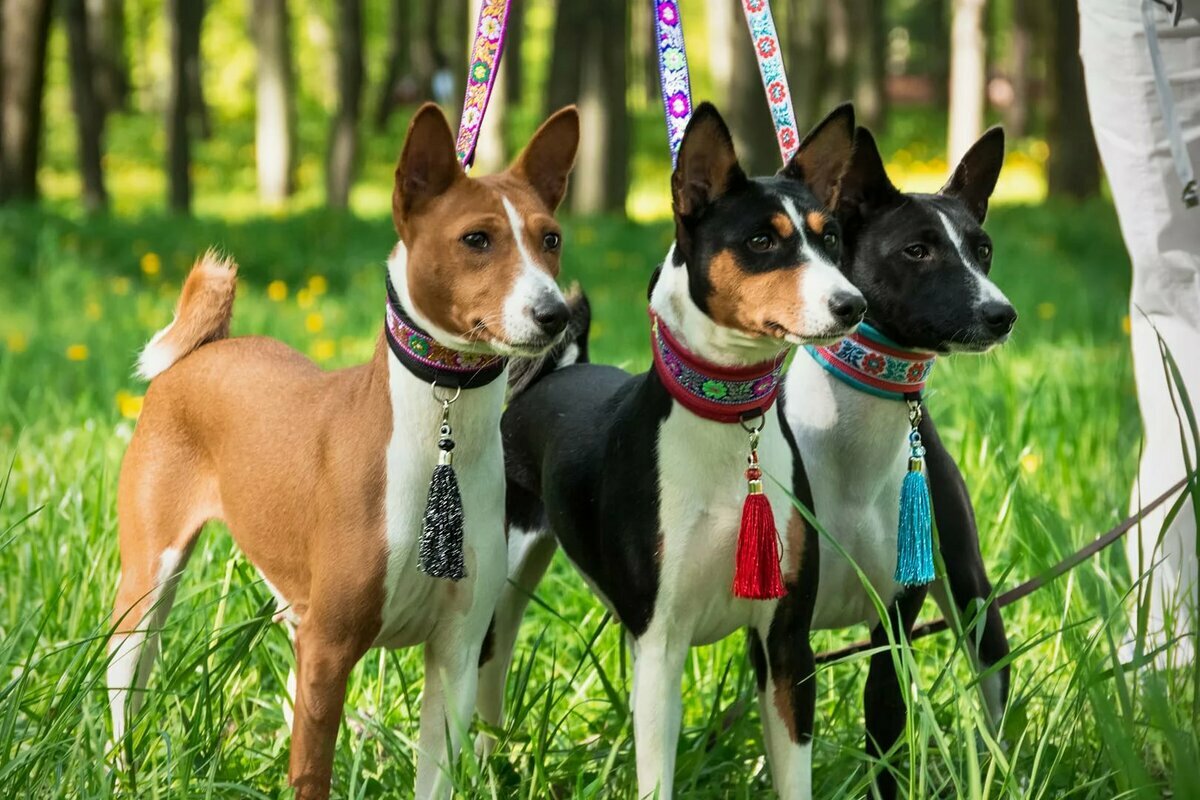
The Basenji, often called the Congo Terrier or the African Bush Dog, is known for its old-man gaze and silent demeanor. This ancient breed possesses a noble appearance and is still used for hunting in modern-day Congo. Delving into the history of these graceful animals, it’s worth mentioning that remains of dogs resembling today’s Basenjis have been found near ancient Egyptian mummies, which date back nearly 3,000 years. This fact places the breed among the oldest in human history. From Egypt, these dogs made their way to contemporary Zaire, where they served as companions and also as guardians and hunters. Pygmies enlisted their four-legged helpers to combat rat invasions and to herd livestock. A distinctive feature of this breed is that Basenjis do not bark; instead, to signify their silent approach, they were often adorned with strings of jingling beads or bells. Without such indicators, these bush dogs could easily fall victim to their owners, as they could be mistaken for wild animals and killed if startled by rustling in dense undergrowth.
In the late 19th century, several Basenjis were brought as a gift to the Queen of England, but for unknown reasons, none survived the journey. However, 10 to 15 years later, an unusual creature from the African continent appeared at the Berlin Zoo in Germany. It did not bark like traditional dogs but made a sound similar to a “yodel,” earning it the unofficial title of Yodel Terrier. Notably, this breed developed independently without human intervention. The ancestry of Yodel Terriers remains unclear. In 2017, a group of geneticists conducted extensive research and concluded that the African Bush Dog is a descendant of the ancient Egyptian breed Tesem. This fact distinguishes the Basenji in a unique category. It was only after England took patronage of the Basenji that breeders began to enhance the breed’s characteristics. The International Kennel Association recognized the breed in 1964. Today, the “Zande Dog” is considered quite rare in Europe, but its popularity is growing. The breed is even recognized in the United States, where it is referred to as the Congo Dog. Basenjis arrived in modern Russia in the late 20th century, and m
Appearance
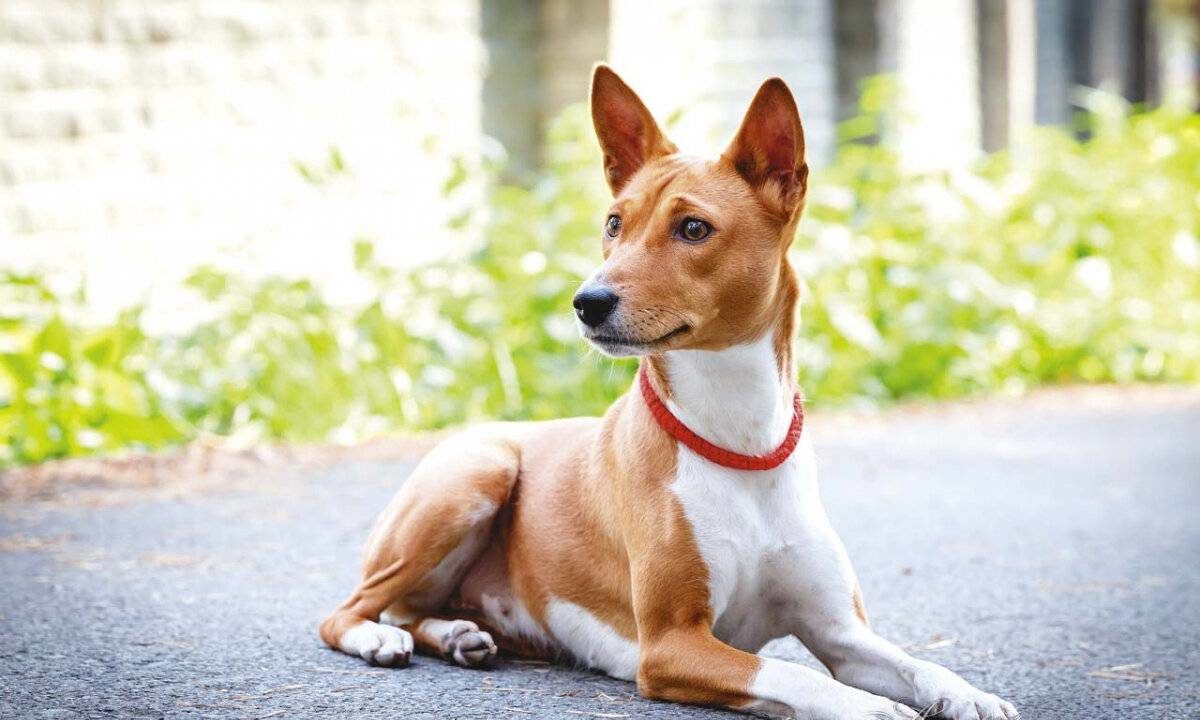
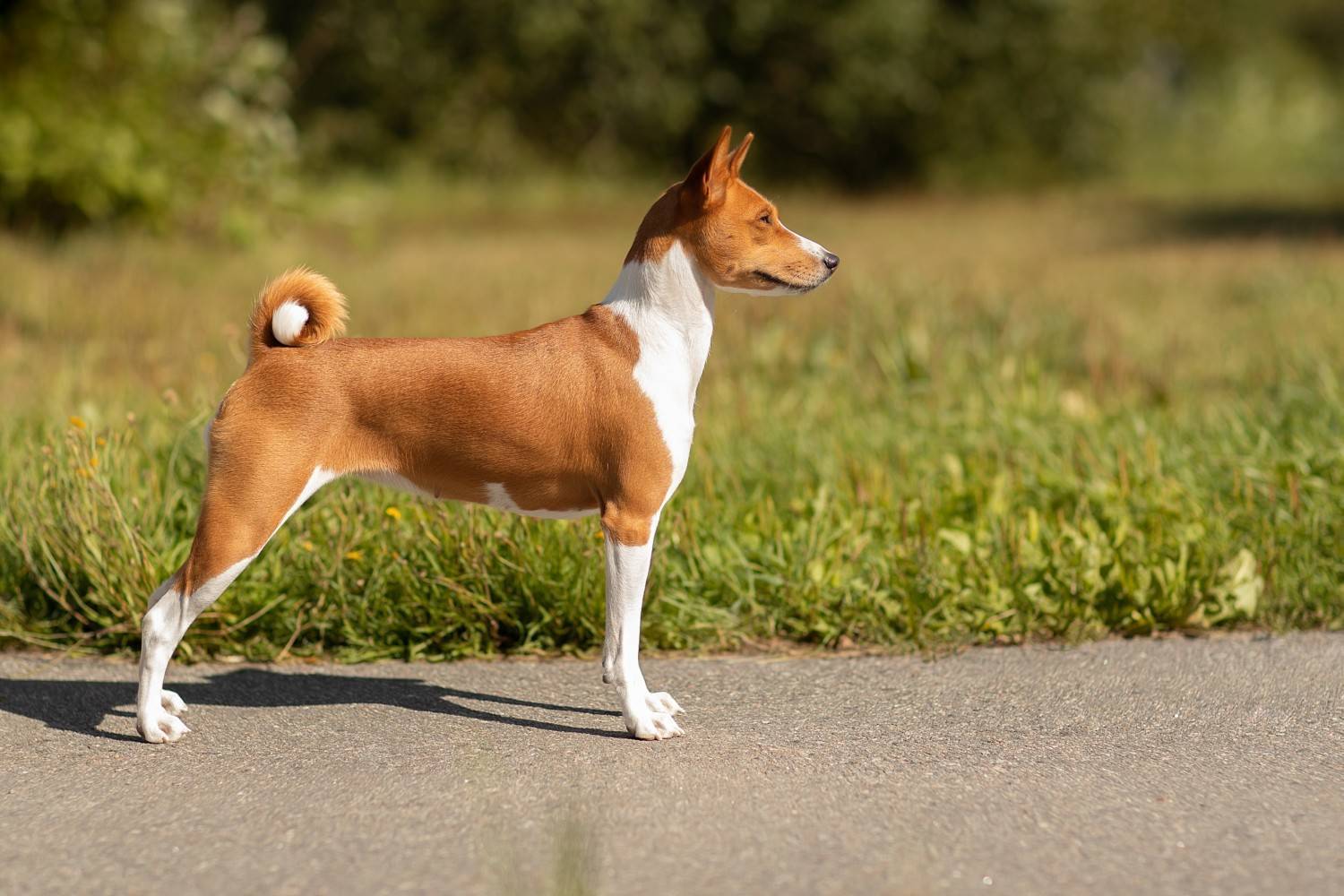
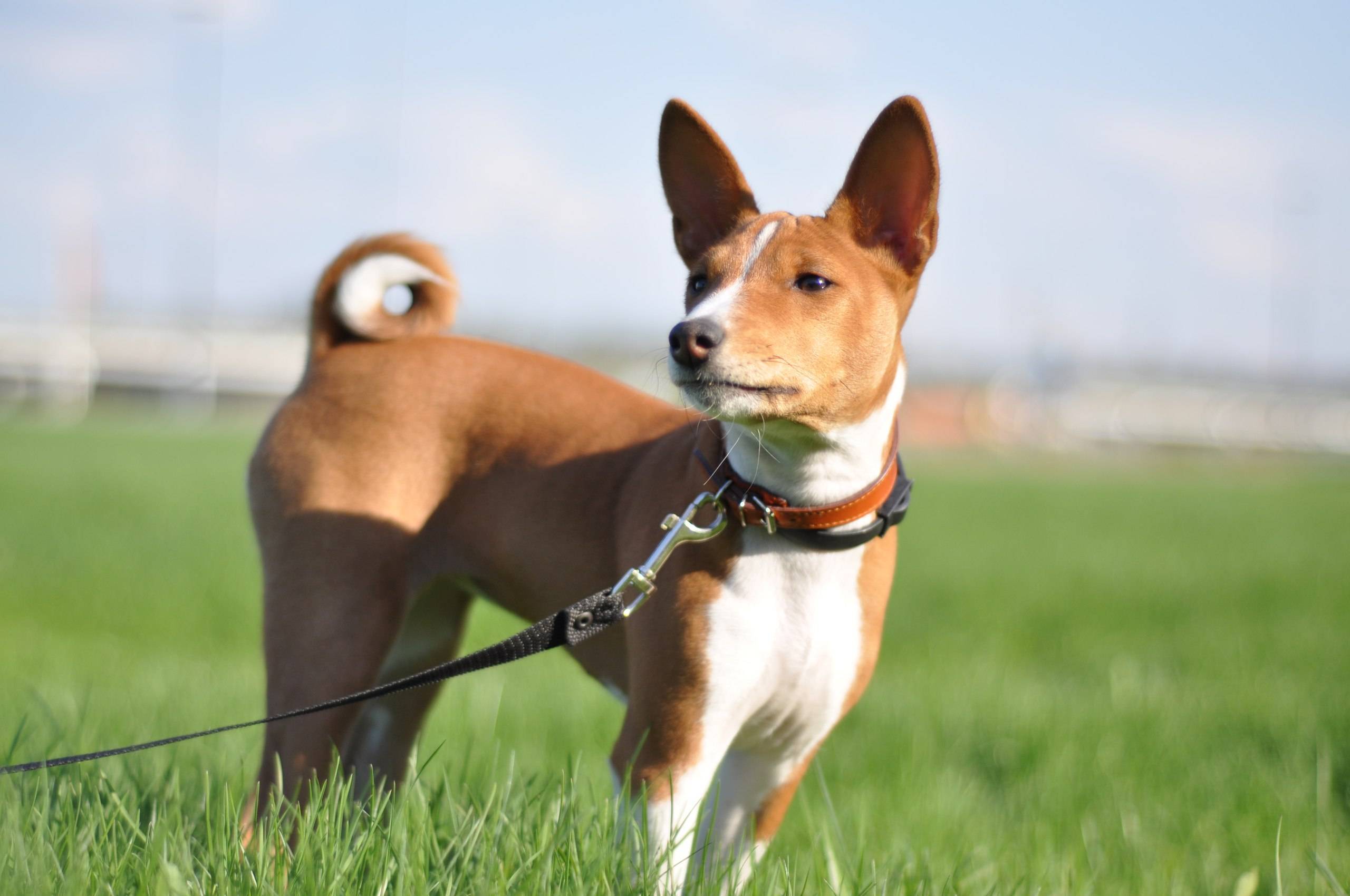
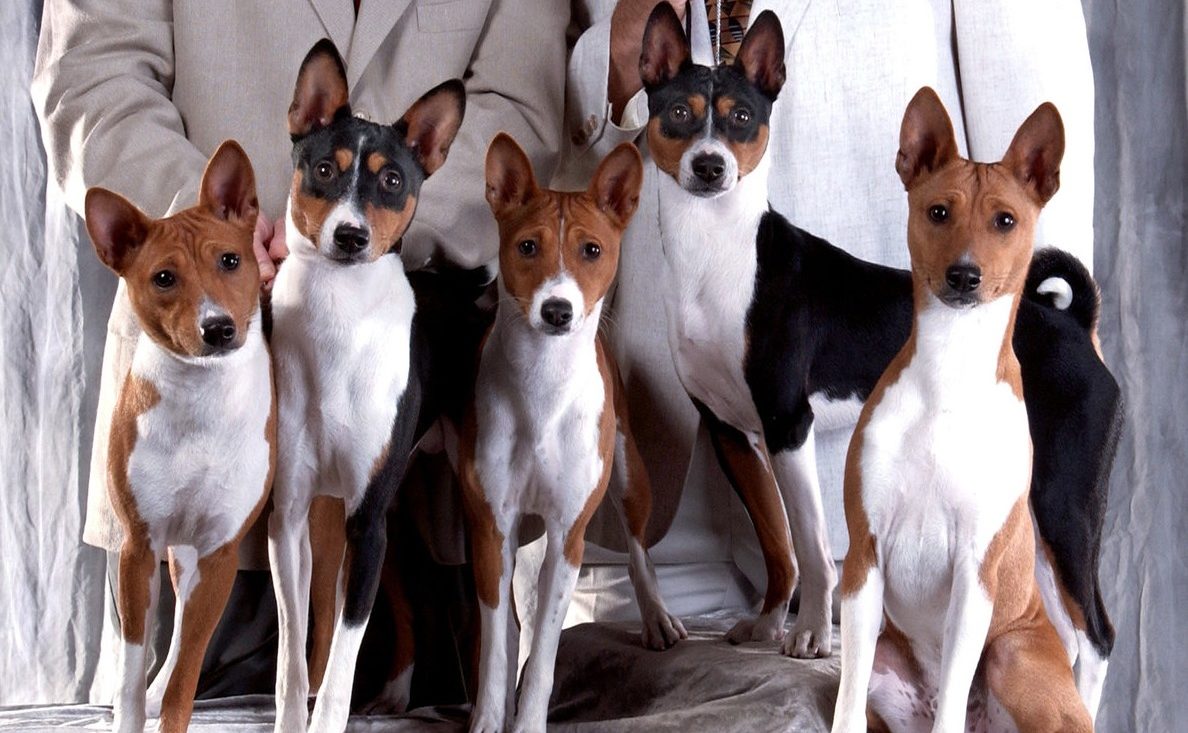
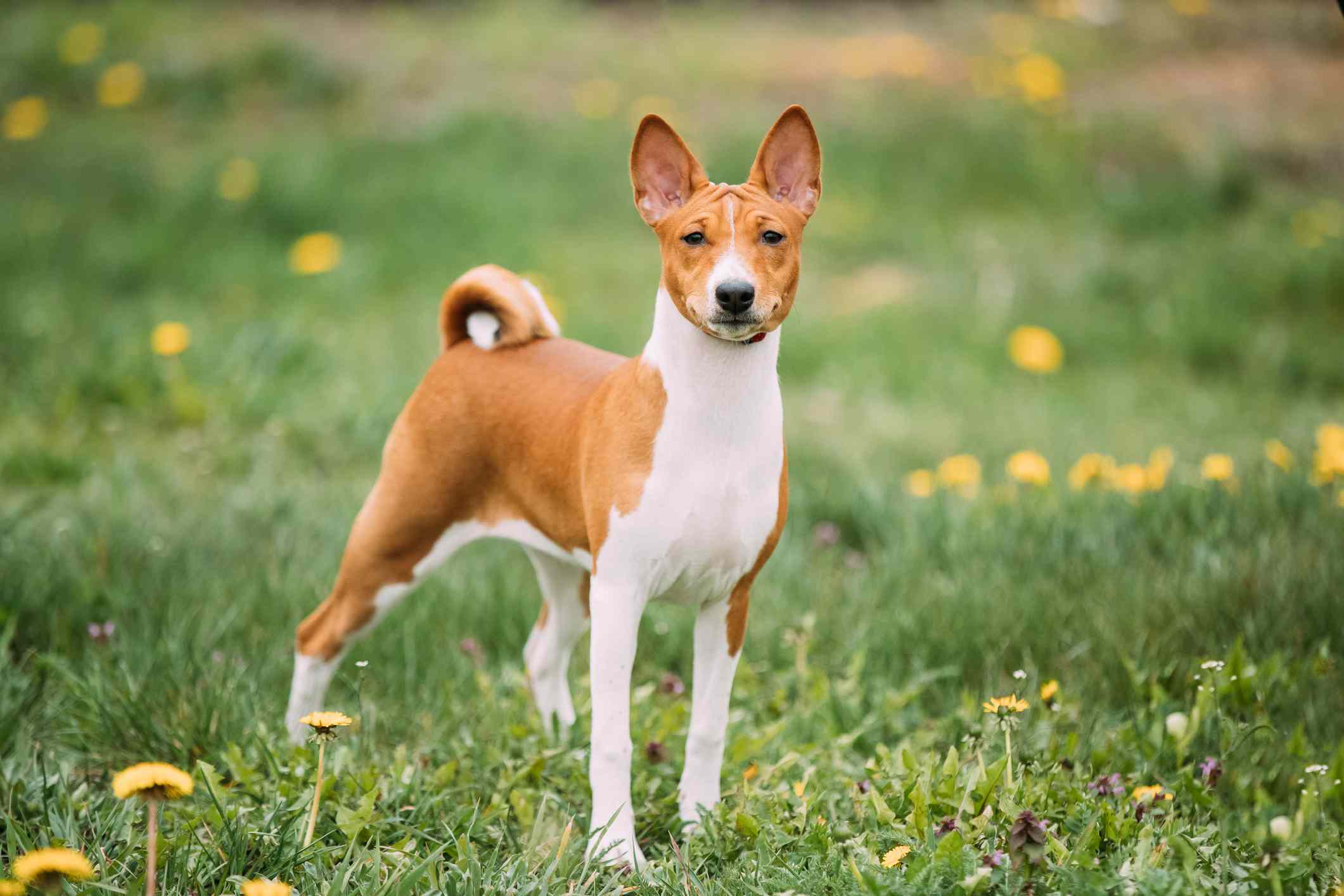
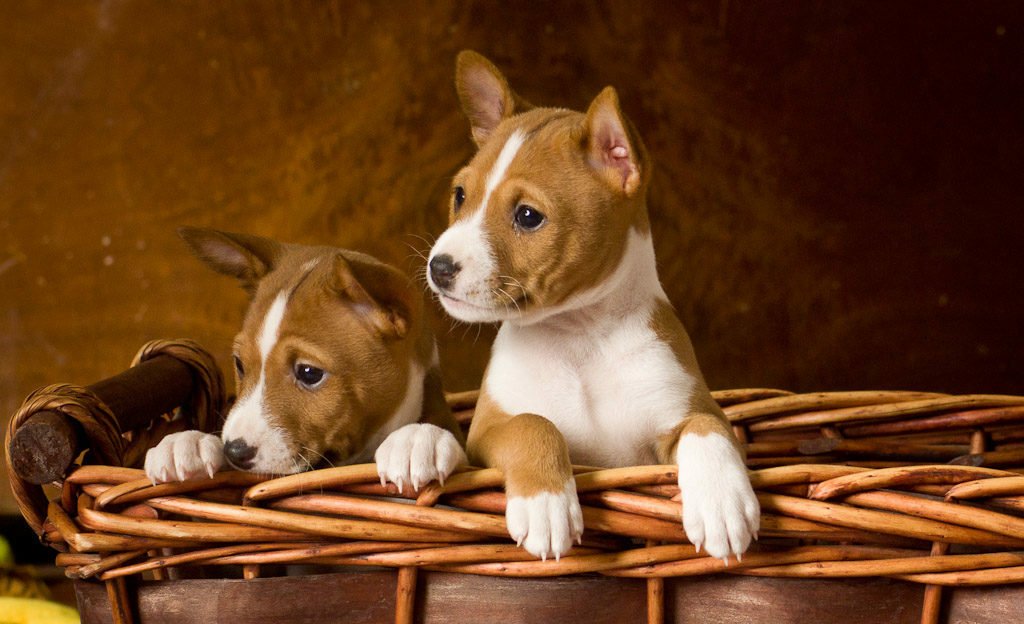
In official documents, the appearance of the Basenji is described with the following words: a lightly built dog with an aristocratic posture and penetrating gaze. The thin bones of the skeleton are concealed beneath a developed musculature that shows through the short, straight coat. Its legs are slender and elongated, resembling those of a gazelle.
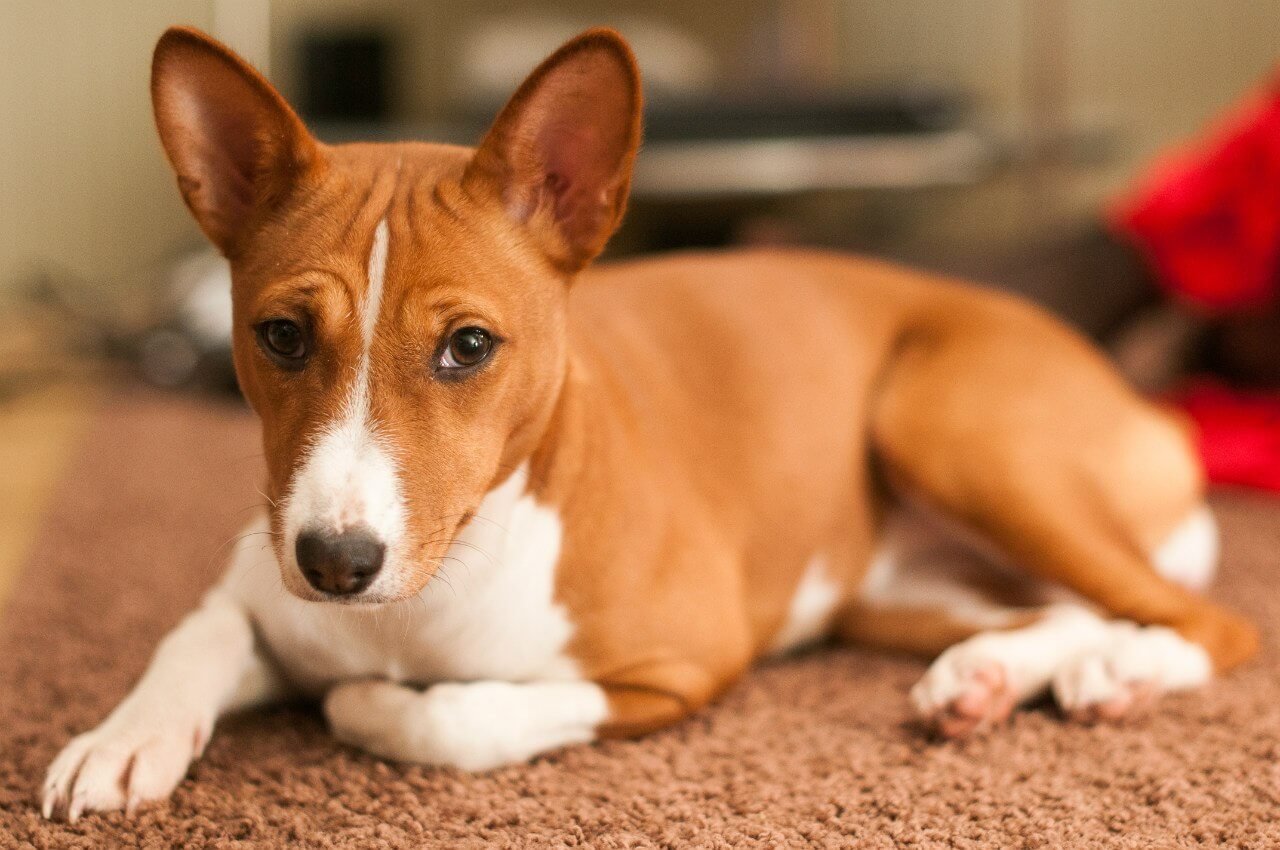
The Basenji is a small dog with hypoallergenic fur. Its proud stance, as if echoing through the millennia, reminds us that these animals have always held a special place in human life. The wrinkles on its head and the slightly furrowed forehead impart a wise elder’s expression, patiently observing the happenings around it. The tightly curled tail gives the animal’s profile compact outlines. These features are the breed’s calling card.
Standing at a height of 40 to 45 cm at the withers, the weight of an adult dog is typically expected to range from 9 to 12 kilograms. The average lifespan of these remarkable silent hunters is around 15 years.
Notably, when the dog lies down and raises its head to listen, it momentarily resembles an Egyptian sphinx.
Nature has predetermined that, regardless of its color, the tips of the paws and the tail of the Congolese dog are always white.


Отличительные черты

Голова

Морда

Уши

Глаза

Зубы

Корпус

Конечности

Хвост

Шерсть

Окрас
Character
Considering that the breed has a history spanning several millennia and has a close bond with humans, one can identify the key characteristics of the breed. Foremost among these is loyalty to its owner. Until its last breath, the Congo Terrier will defend its owner or simply stay by their side, providing companionship. This is not a servile loyalty; these dogs are quite independent and possess a well-developed sense of self-worth. Rather, it is a call of instinct, a dog’s creed. Congo Terriers meet strangers with suspicion and never fully trust them, even after a long time. They maintain neutrality and always try to stay alert.
Despite the fact that nowadays, enthusiasts around the world often keep these pets primarily for decorative purposes, the genetic memory of the Basenji is still evident. Smaller dogs still perceive prey rather than equal rivals, making it difficult for them to coexist with other animals under the same roof. In their historical homeland, people still take their silent helpers hunting.
Unending energy is another characteristic of these remarkable animals. For many centuries, they have helped humans herd livestock. Nowadays, in most countries, such wonderful family companions are more often kept in urban apartments. Thus, these dogs take every moment of their walks to “recharge.” A particularly close bond can form with older children, as kids also need to release energy. Therefore, “the quiet ones” see teenagers as kindred spirits.
The habit of these graceful dogs to remain silent works in favor of city dwellers, as their beloved pets do not disturb their neighbors with loud barking.
High intelligence is surprisingly intertwined with a certain recklessness, which can manifest in the pursuit of pigeons during walks.
Another notable aspect of this breed is its extraordinary cleanliness. Like cats, these dogs groom themselves. Often, they wash themselves by licking their front legs.Possessing developed intelligence, Basenjis can even exhibit a bit of “playfulness” when interacting with their owners, which is reflected in the special spark in their eyes and their movements. However, their true cleverness shines during rainy or damp weather, which they often meet with disdain. The silent tricksters will go to great lengths to stay warm! They are even willing to adopt a pitiful demeanor, hoping to remain dry. This, by the way, also has echoes of ancient times, as in the era of long treks, it was common to carry dogs in special litters during floods, meticulously protecting their valuable four-legged companions.
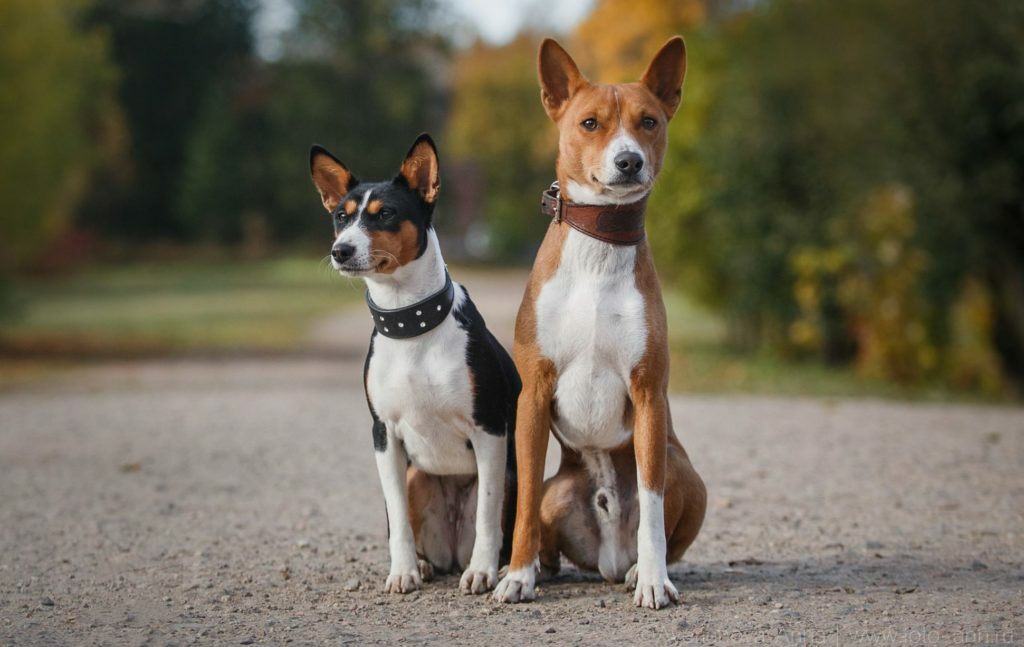
The Secret of the Basenji
Basenji dogs are amazing because they do not bark at all! An African legend says that long ago, the leader of a Basenji pack overheard a great secret of humans. To avoid harming people and revealing this secret, he vowed to keep silence along with his pack.Care and Maintenance
It just so happens that wonderful dogs like Basenjis require little specific care or special privileges. This breed has developed over thousands of years and has managed quite well on its own.
However, in the 21st century, the breed is increasingly being kept as a pet and is not used for its original purpose as a hunter or helper. Therefore, their nails do not wear down naturally from running outside. They need to be trimmed regularly, at least twice a month. Otherwise, our graceful silent beauty will lose its ability to run smoothly. Even simple walking can become painful, leading to inevitable joint problems.
Eye care involves regular daily checks for excessive tearing, which can indicate inflammation and, potentially, blindness. Cotton pads can help the owner remove dirt and avoid complications.
Ears, those remarkable indicators, should also be checked for dirt. If you find any, gently clean the inside with cotton pads soaked in a special lotion or warm water. Since Basenjis often explore nearby bushes during walks, ticks and dirt can easily get into their ears. So, it’s essential to pay attention to this area. Signs of concern, such as shaking their head or frequently trying to scratch their ear, signal that something may be wrong and a visit to the veterinarian for a thorough examination is necessary.
When it comes to grooming the quiet dog from Congo, remember that it has no undercoat and requires very little brushing. However, grooming is still important for tactile contact. A soft massage brush is perfect for this. Massaging your loyal companion will soothe them.
Dental care should ideally be performed at least once every two weeks. White teeth are a sign of a healthy dog, and healthy teeth help prevent problems with internal organs.Despite their agility, Basenjis can overeat. To prevent this, be careful when selecting their food. Many dog trainers increasingly recommend premium dry dog food, as it is convenient for both the owner and the dog, containing all the necessary vitamins and minerals for a balanced diet.Surprisingly, Congo Terriers do not like to bathe! Keep this remarkable trait of your wrinkled-faced dog in mind. In pursuit of a shiny coat for shows, some breeders do bathe them, but they spend considerable time and effort getting the dog accustomed to water beforehand. Whether you choose to bathe your Basenji is entirely up to you.Regarding walks, dogs enjoy being outside, but only in good weather. Active outdoor time should be at least one hour. If your dog eats more than usual, increase the walk duration. Always allow your dog to show off all the speeds and styles of running they are capable of. However, never forget about their curiosity and independence, and avoid letting them off-leash if there is a
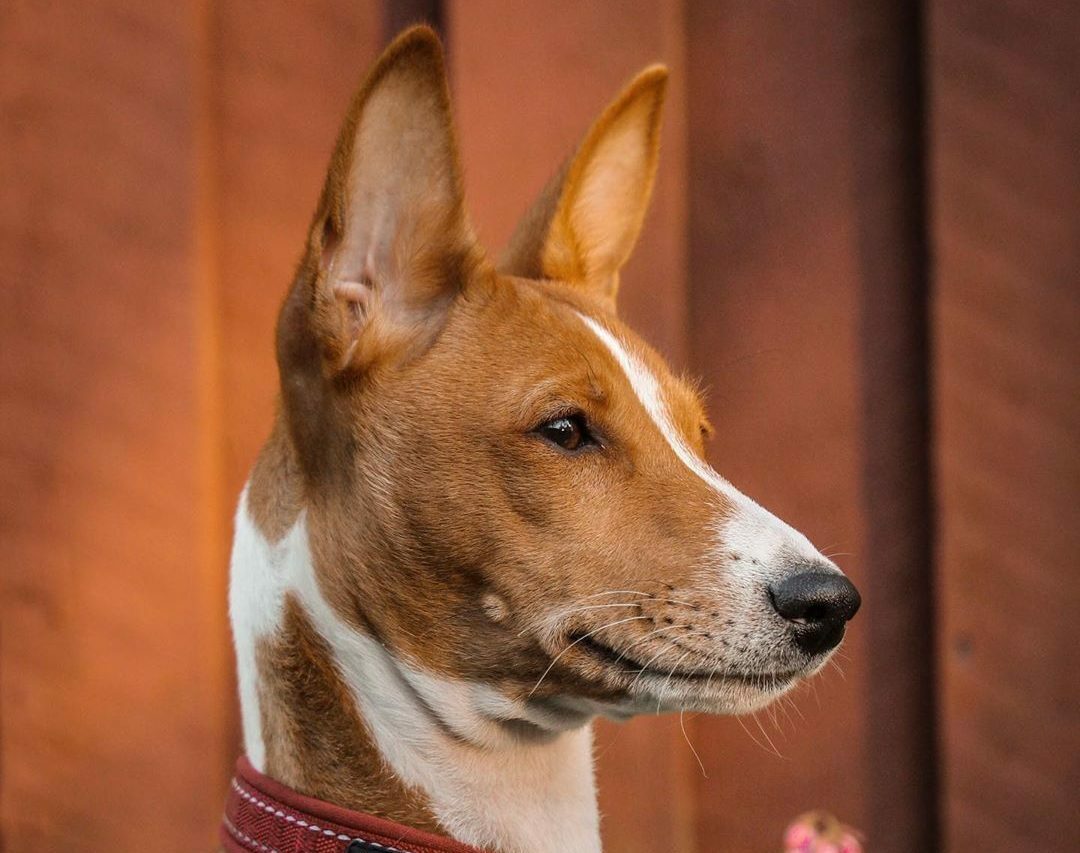
Dog with a god's muzzle.
In Egypt, numerous images and statues of the god Anubis have been preserved, depicting a being with the body of a man and the head of a dog. According to legends, the head resembles that of a basenji, being similarly elongated with erect ears.Training and Education
Do you want to teach your Basenji circus tricks? Don’t waste your time. Living with humans for thousands of years, dogs have absorbed the most important skills and abilities needed to coexist with people. They are willing to obey their owners only under certain conditions. First, earn the dog’s respect. If you are not the leader, your dog will take on that role. How can you gain this respect? Certainly not through shouting or violence. If your dog decides to sit in your path, don’t go around it. Let it move aside. This can be a test of your firmness.
Congolese dogs are very active, so they enjoy performing physical tasks like fetching. Teaching commands like “paw” or “sit” may require a bit more effort.
In the future, adhere to three principles: regularity, fairness, and patience. These are your trump cards, so use them wisely.
Regular training will help solidify what you’ve learned and refine your skills. During walks, incorporate learning new commands. Training sessions shouldn’t drag on or be overloaded with new elements.
Fairness in punishment will help your dog understand what it can and cannot do more quickly. For example, if your dog chews on your shoes, you must make it clear that this is a serious behavioral violation. Even if this misbehavior signals a lack of attention from you, it’s still unacceptable. At the same time, be sure to praise your “yodler” for each successful execution of a command. Dogs love affection, so let them know immediately that they’ve pleased you.
Patience will help you achieve the desired results in the training process. You should also add cunning to this principle. After all, a leader is searching for its guide. This game will continue for as long as you are together. If at any moment you allow yourself to lose your temper and raise your voice at your dog, be assured that you will not regain your four-legged friend. Reliable breeders at Zoonyka offer healthy puppies with documentation and pedigree.
Related to cats.
It is amazing that basenjis exhibit cat-like behaviors. They groom themselves like these mammals, licking their fur, and are equally independent, aloof, and difficult to train.
How to Choose a Puppy
First of all, carefully weigh all the pros and cons of bringing such a dog into your home. Assess your abilities and the conditions you are ready to provide for the dog.
Once the decision is firmly made by all family members, determine who will be the owner of the four-legged friend. A dog cannot have multiple owners. Among all family members, it will inevitably choose one and remain loyal to them until its last breath.
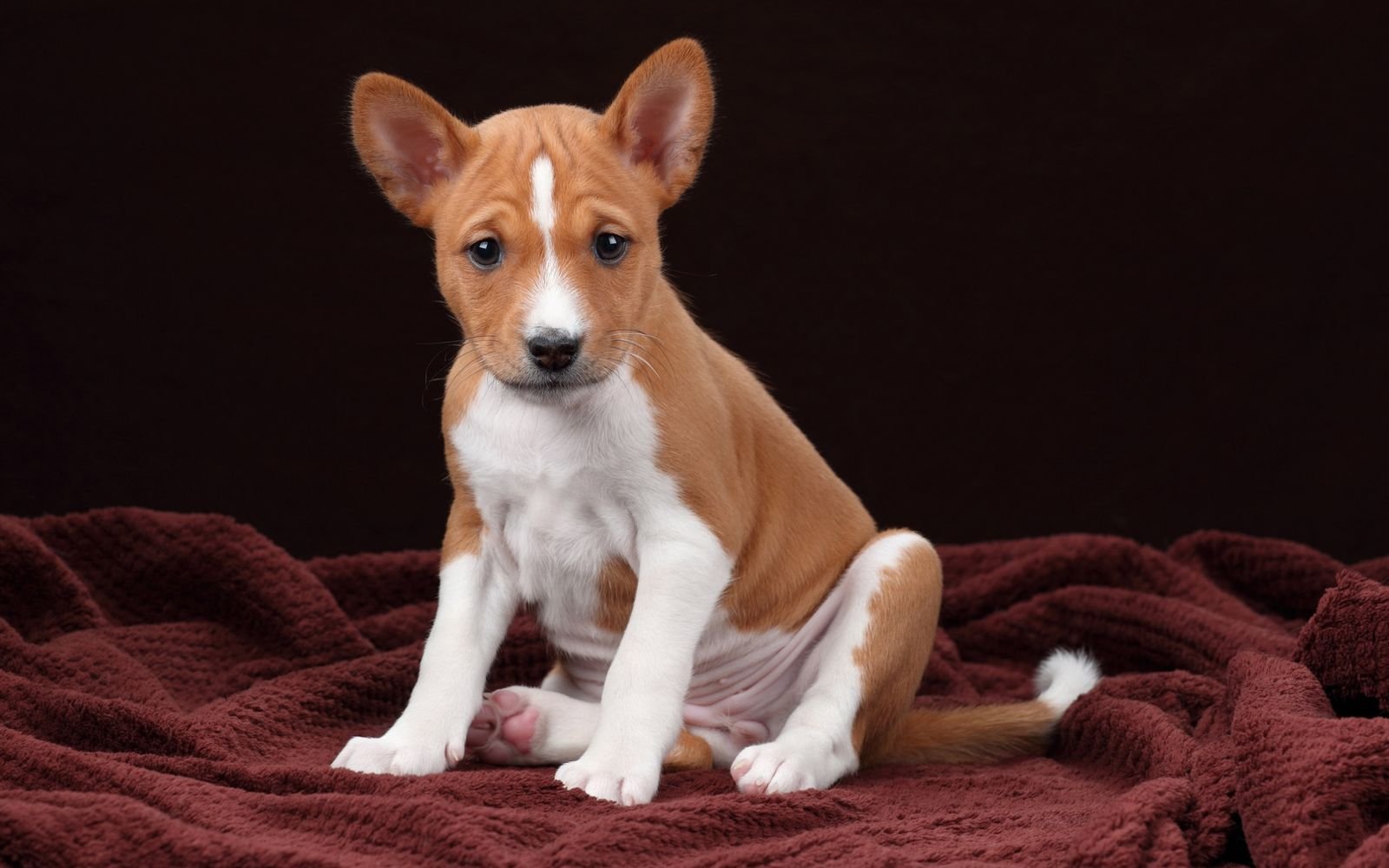
After studying all the standards and rules for keeping a Basenji, visit a kennel and personally meet the puppies. It’s best to do this when the puppies are 1.5 – 2 months old. During your visit, you will be able to see the conditions in which the animals are kept and play with them. This will allow you to establish a connection with the litter and identify the leaders and underdogs among the puppies.
Be sure to request the medical records from the breeder, which should include notes on vaccinations and other relevant information. Carefully examine the puppy you like. Despite its cuteness, check its ears. They should be clean and free of discharge. When gently pressing the base of the ears, the dog should not show signs of pain.
Make sure to check the eyes. Any pus-like discharge, even in small amounts, is a sign of inflammation or more serious issues. A cold, wet nose is a universal indicator of a healthy animal, regardless of the breed. When choosing a Basenji puppy, never forget that they cannot bark! Zoonika is a site featuring top breeders with verified pedigrees.
Health and Diseases
The most dangerous disease inherent to Basenjis is Fanconi syndrome. This severe genetic kidney disorder leads to muscle atrophy due to the loss of essential trace elements. The first signs of the disease appear in adulthood and require quite expensive treatment.
The eyes are also susceptible to a genetic disorder known as retinal dystrophy. This disease most often manifests in adult dogs. However, even healthy parents can have puppies with this genetic defect.
Gastrointestinal issues are quite common in quiet bush dogs. Typically, various disorders are caused by a poor diet or incorrectly chosen food. Sweet foods are also a frequent cause of intestinal disturbances in Basenjis.
Deterioration of coat condition, weight loss, or gain can signal not only dietary issues but also problems with the thyroid gland in Congolese dogs. Upon noticing the first symptoms, it is best to conduct the necessary examinations at a veterinary clinic.
It should be noted that the listed diseases are not so much due to the breed’s weak immune system as to human intervention in the genetics of dogs for the purpose of enhancing certain physical traits. Considering this? There is a huge selection of advertisements on the Zoonyka map by cities.
Содержание
-
1. Описание породы
-
2. Внешний вид
- 2.1 Голова
- 2.2 Морда
- 2.3 Уши
- 2.4 Глаза
- 2.5 Зубы
- 2.6 Корпус
- 2.7 Конечности
- 2.8 Хвост
- 2.9 Шерсть
- 2.10 Окрас
-
3. Характер
-
4. Содержание и уход
-
5. Дрессировка и обучение
-
6. Как выбрать котенка
-
7. Здоровье и болезни







Comments
Only registered users can leave reviews.
Enter