
Azawakh




Warning: Illegal string offset 'label' in /home/panda/sites/zoonika/wp-content/themes/zoonika/template-parts/animals/animals-param-item.php on line 32
Ð


Breed Description
The Azawakh got its name from the Azawakh Valley in the Niger Basin in Africa, where dogs lived a nomadic lifestyle with the tribes of the Sahara. Greyhounds were mainly used for hunting gazelles, hunting in packs, taking turns and thus exhausting their prey. The tribes highly valued them for their beauty and speed, akin to an Arabian horse. The Azawakh was also used as a camp guardian.
Origin and History
The Azawakh is a special greyhound with a unique history. It lives in southern Sahara, covering vast areas of the African states of Mali, Niger, and Upper Volta. The originally living populations have survived to this day. Unfortunately, due to political upheavals lasting over 10 years, they are no longer accessible to foreigners, and there is a risk that a large portion has disappeared. Experts who have traveled multiple times to this region and documented the lives of these dogs among the nomadic Tamachek, Tuareg, and Berber people noted:
“The FCI breed ‘Azawakh’ is a local population of shepherd, nomadic, and hunting greyhounds of the Tamachek nomads in the African Sahel. Azawakh is one of the few breeds of working dogs that can still be found in their original conditions in their areas of origin.”
Unfortunately, in recent years, it has been nearly impossible to update data about the breed in Europe with dogs from the original population. In addition to political issues, there is currently rampant EU bureaucracy that makes it nearly impossible to import such dogs. The local tribal population suffers from a high degree of inbreeding. It would be completely fatal not to draw on the rare trump card of the original population that still exists. But the chances are now slim.
Aside from elegance and beauty, the Azawakh is characterized by several features. It has also been used for hunting larger game, such as wild boar. Thus, it is not only a hunting dog but also a guard and security dog for nomads. It even protects herds of livestock along with villages and their inhabitants. These characteristics are still reflected in the nature of these greyhounds and are recognizable by experts based on their physique. Even in their genetics, you can read about this diversity of functions. Thus, the Azawakh is quite similar to livestock guardian dogs like the Anatolian Shepherd and Kuvasz.The dogs enjoyed a very high reputation among nomads. The Tuareg nomads call the Azawakh the “greyhound of freedom.” Its local name comes from the Azawakh Valley in the central regions of Mali and Niger, one of its main areas of distribution. The first documented Azawakh did not reach France and Yugoslavia until 1968, and they were first seen in Germany in 1975. On June 3, 1980, the breed was finally recognized by the FCI. In Germany, it is cared for by the German Association for the Breeding and Racing of Greyhounds. Annually, b
Appearance
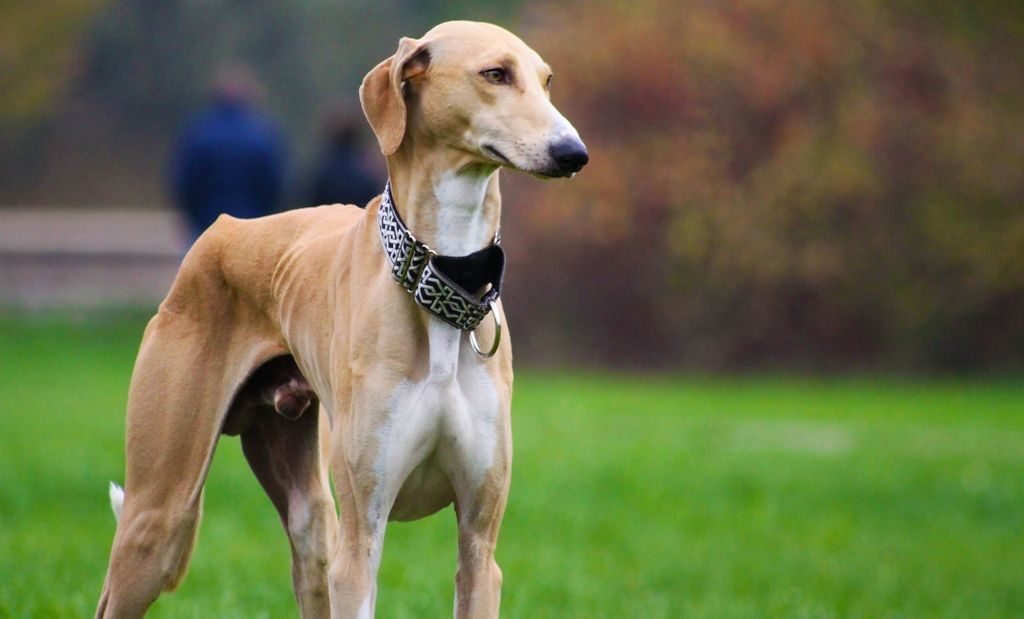
The Azawakh is a slender and swift hunter with a regal demeanor, named after the Azawakh Valley in the Sahara Desert, where it originated. They are proud yet loyal, protecting their home and family. The Azawakh is a remarkable sight hound; aloof, with a complex mentality, and a unique protective instinct.
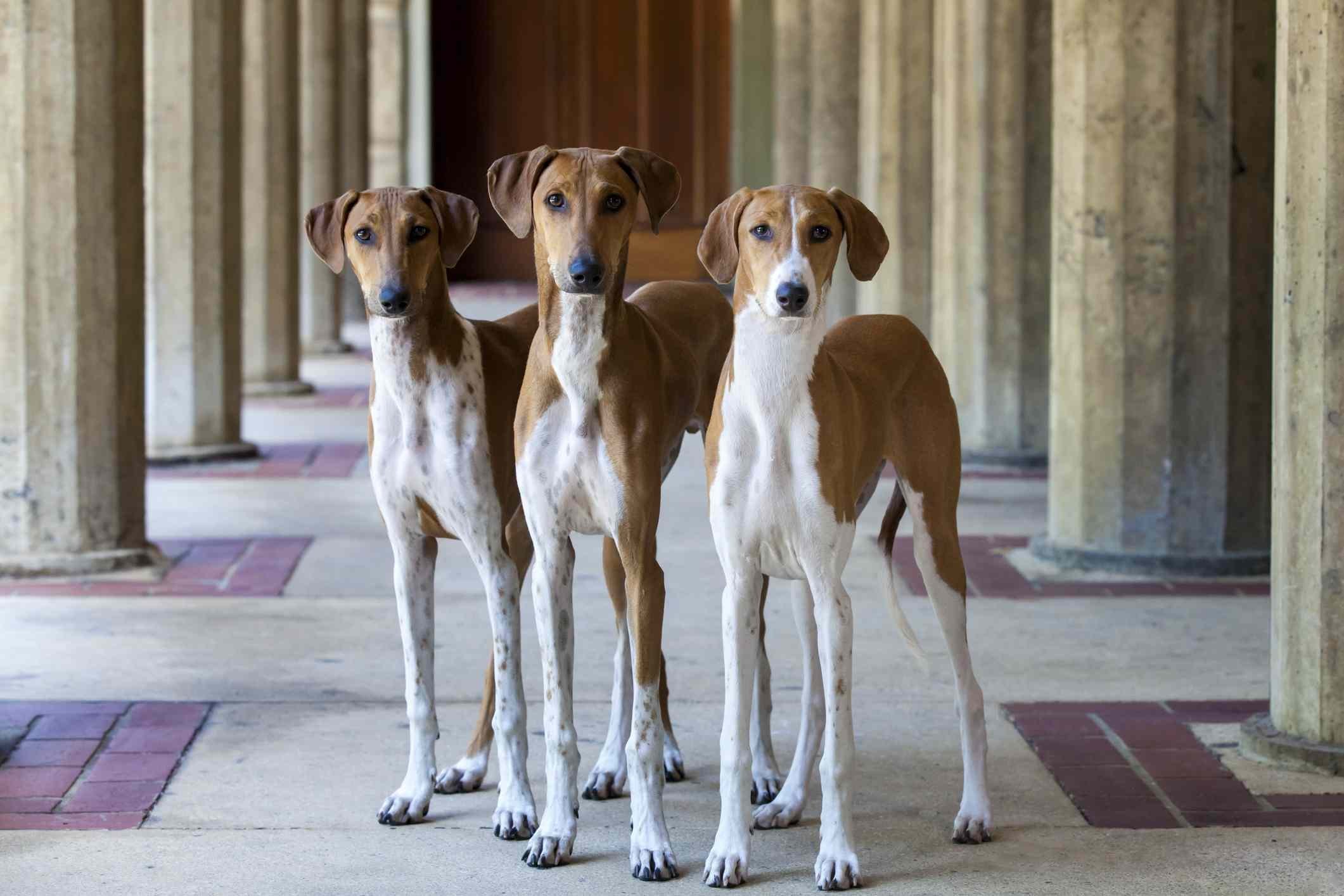
The Azawakh is found in Burkina Faso, Mali, and Niger. This dog has a striking appearance, tall and graceful. The breed has short, fine fur, and any combination of coat colors is possible. There are no disqualifying color patterns or markings for the Azawakh. It excels as both a companion and a guardian.
These sight hounds are quite intelligent and extremely devoted to their family. It is not recommended to keep them outdoors; a corner in the house near family is preferable.
They are aloof, calm, and gentle dogs, exhibiting strong loyalty and exceptional protection towards family members and their home. The breed is also characterized by liveliness, affection, and activity.
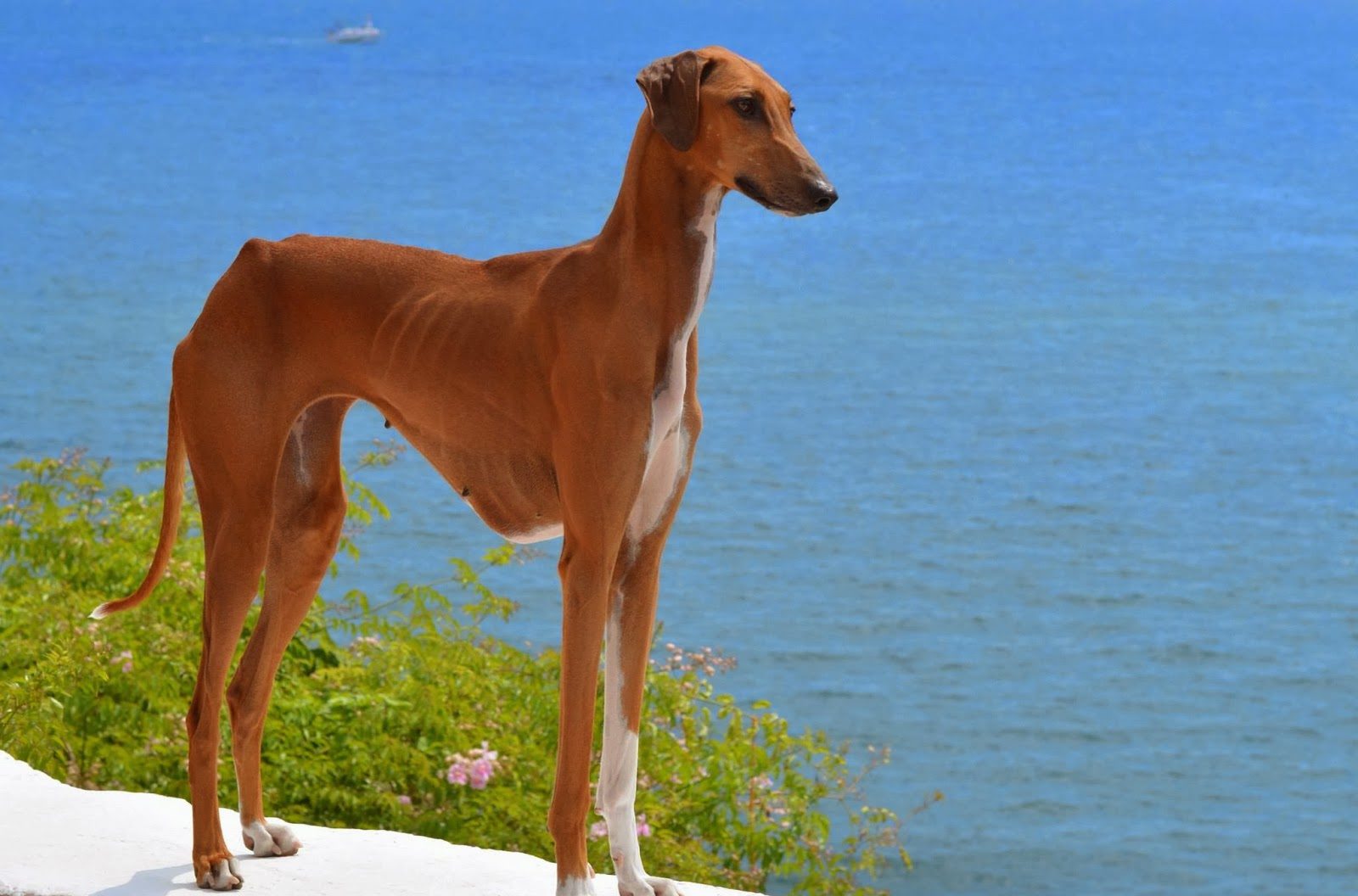
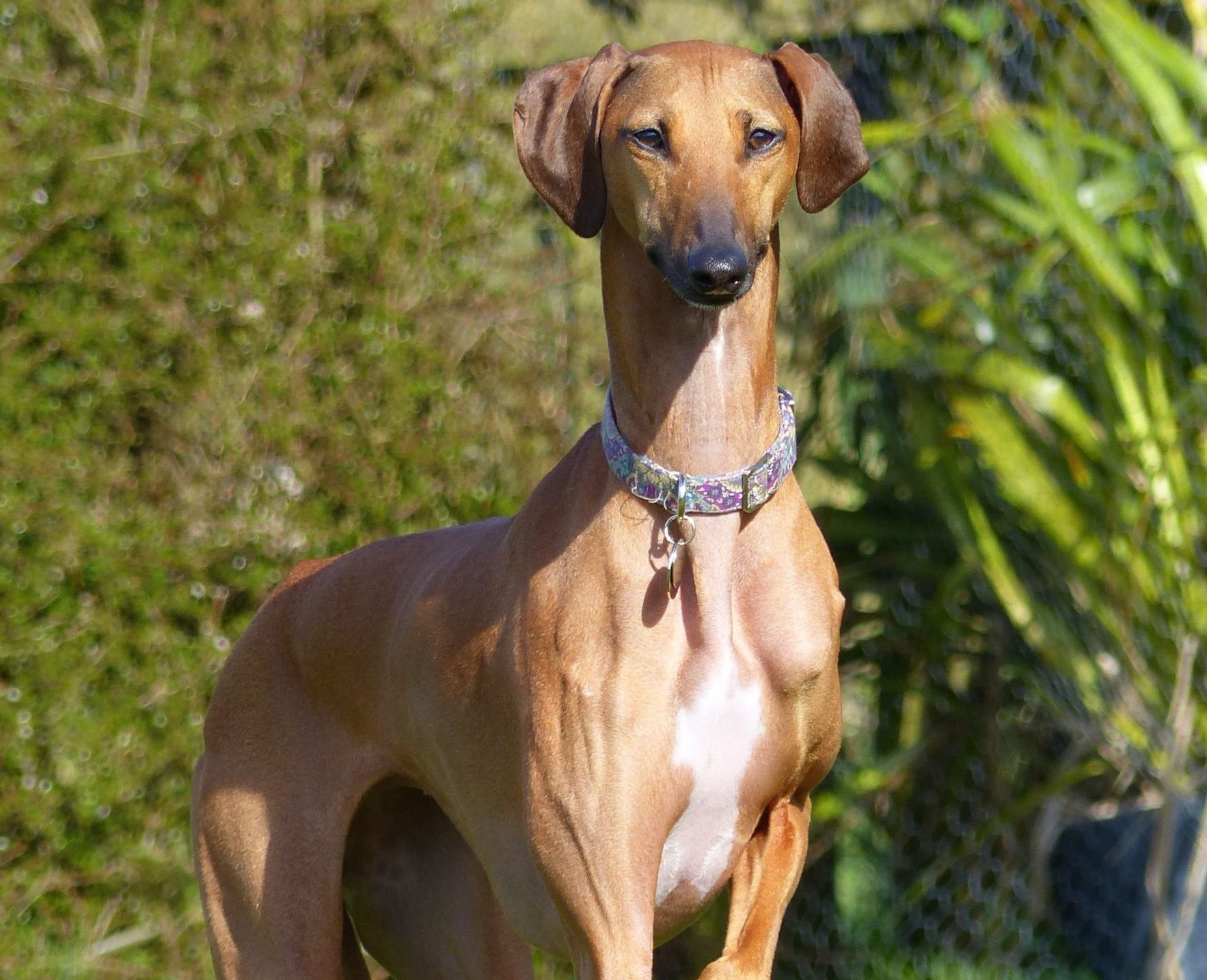
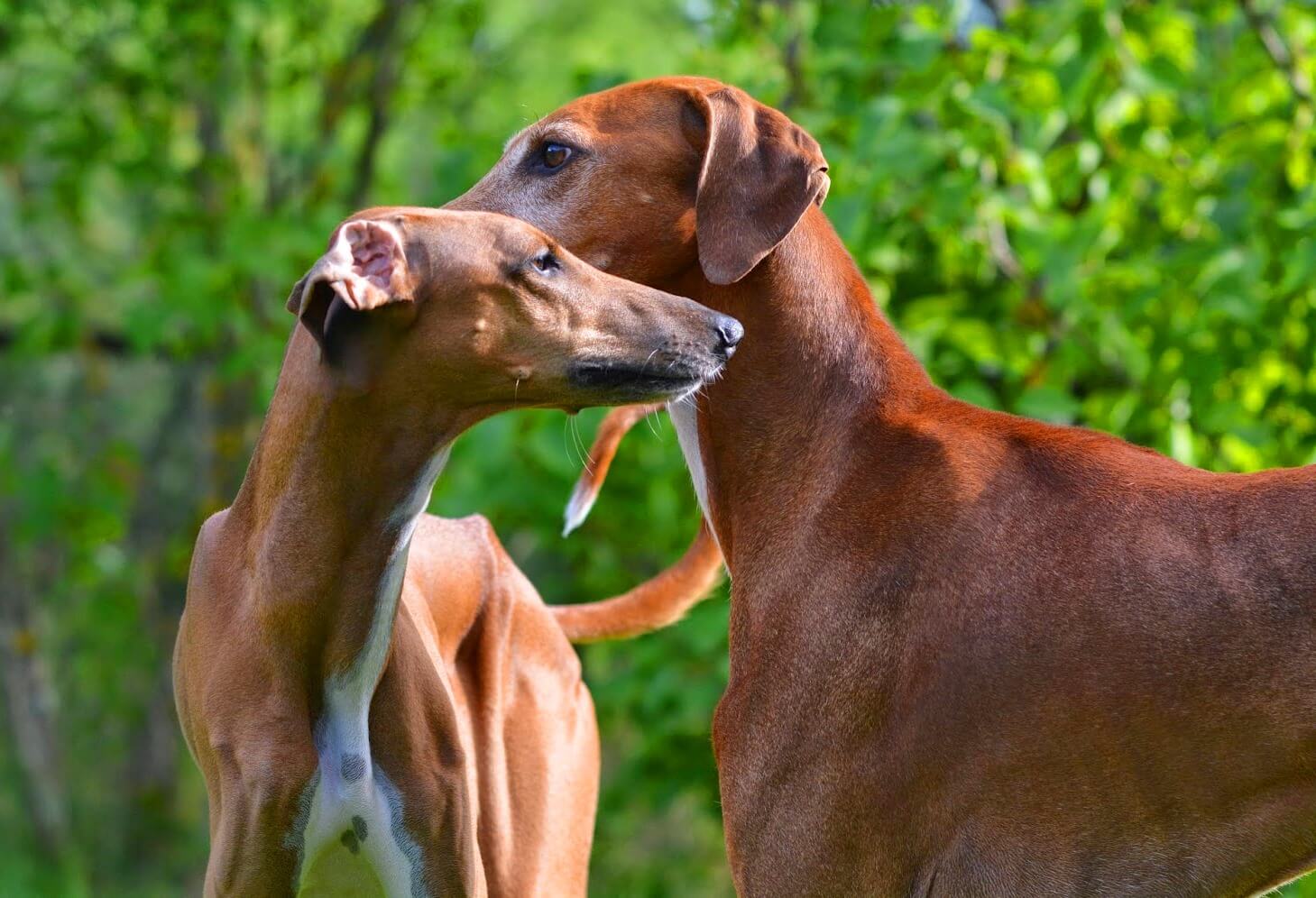
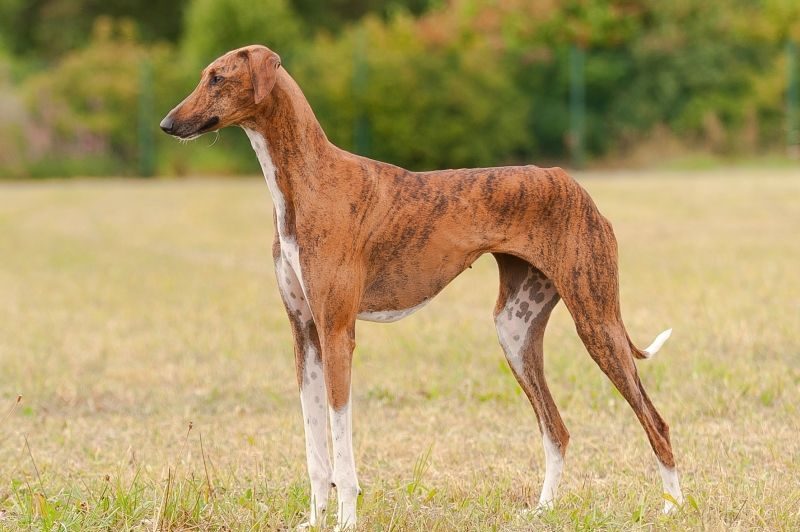
The Azawakh embodies elegance and slenderness among sight hounds. It is a very graceful dog, with visible bones and muscles through its fine skin.
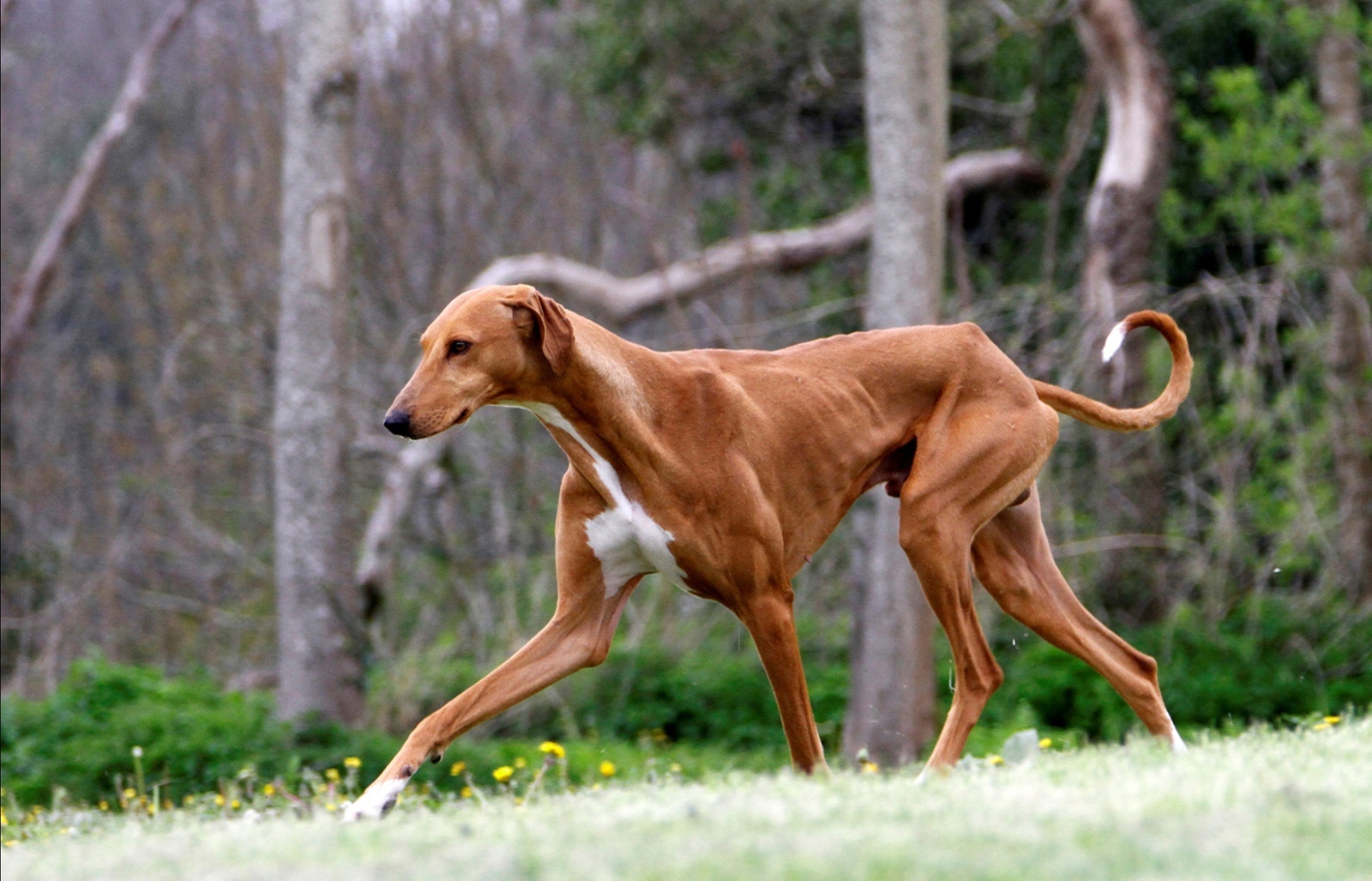
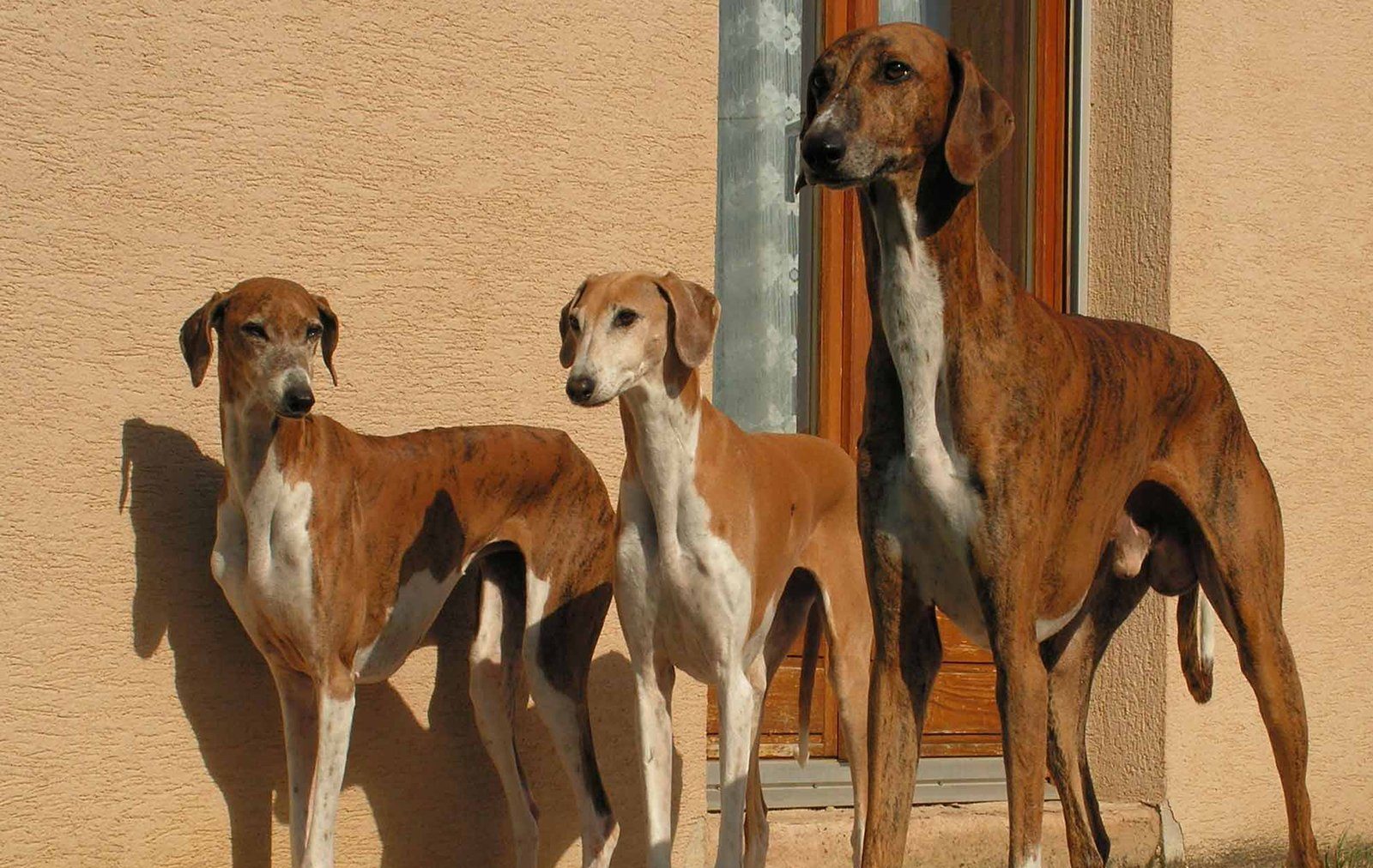
Azawahks have the typical build of a large Eastern sighthound. Their appearance is extremely elegant and refined. An Azawakh has a muscular, lean body typical of a very fast yet powerful sighthound. Its proud demeanor suggests that it has also served as a guardian and protector. It has long legs for expansive movements, and its head is elongated. The eyes are positioned forward, which is optimal for a hunting dog. They are dark and expressive, showcasing a very alert expression. The legs are very long, creating a body shape that describes an elongated rectangle. Its fur is short and fine, with a bald belly. All shades from milk-sand to dark mahogany are permissible.Male Azawahks stand between 64 to 74 centimeters tall and weigh between 20 to 25 kilograms. Females stand between 60 to 70 centimeters and weigh between 15 to 20 kilograms.A healthy Azawakh, bred without excessive inbreeding, has an expected lifespan of about 12 years. Some dogs can even live significantly longer with good physical condition.This large sight hound is a lively dog, whose body outlines a rectangle that is shorter in length than height.The Azawakh is a smooth-haired sight hou


Отличительные черты

Голова

Морда

Уши

Глаза

Зубы

Корпус

Конечности

Хвост

Шерсть

Окрас
Character
The temperament of representatives of this breed is attentive, aloof, and composed with strangers. They are neither nervous nor aggressive. They are affectionate and gentle with their family. This breed requires gentle and sensitive handling during judging procedures.
Azawakh are sighthounds, powerful hunters, proud guard dogs, and watchdogs at the same time. Azawakh are very soulful and emotional. They need knowledgeable and sensitive guidance. Therefore, these powerful, swift hunters are not suitable for novice dog owners. In their families, they are very gentle, loyal, and love children. This remarkable contradiction is one of the many unique charms of these impressive sighthounds.
Despite their calm demeanor and softness that they exude in everyday life, it is essential to remember that they are extremely fast and intelligent hunters. When walking with them in nature, they always scan the surroundings with their keen senses. They have a different understanding of distances. What seems far to us, they can cover in seconds. You must always think a bit ahead to be able to keep these dogs under control.
Azawakh exhibit distinctive pack behavior and gladly take on the leadership role of their owner. They are affectionate towards people and four-legged family members and are reserved but not aggressive towards strangers. On the racetrack, they are ambitious competitors. The Azawakh is very people-oriented, friendly, and affectionate. They get along well with peers. They are observant and very smart. They make excellent companions if you have the opportunity and willingness to train them regularly and occasionally participate in racing or coursing.
The Azawakh belongs to the group of hounds. The breed was originally used for hunting either by scent or sight. Examples of scent hounds include beagles and bloodhounds, while sighthounds include breeds like whippets and greyhounds. Many of them enjoy engaging in sports and can be characterized as dignified, aloof, yet trustworthy companions.
Family SuitabilityAzawakh can be excellent companion dogs if they are socialized early and regularly trained. They are fiercely loyal and capable of protecting their family.Early socialization is also crucial for interacting with children. These animals carry the wild blood of their ancestors, and for small children, the dogs can become a challenge. It is necessary to train the puppy early to cope with these difficulties.Azawakh get along calmly with other dogs, but if there are cats or tiny dogs in the house, they may not be safe around Azawakh unless they have grown up with them since puppyhood.Thus, proper preparation for socialization is essential to help them learn to behave well with new friends.
Born for the Sahara
It is noteworthy that the Azawakh is a true desert dog, easily tolerating temperatures of 50 degrees, but extremely intolerant of temperatures below +5.Care and Maintenance
Their care does not require special effort. The coat can be trimmed with clippers or by using a stripping tool (a process in which the hair is thinned and shortened with a sharp comb-like tool called a stripping knife); both methods can also be combined.
Once or twice a month, you need to trim your dog’s nails to prevent painful injuries and other issues. It’s also essential to check their ears regularly, once a week, for any redness or unpleasant odors that may indicate an infection. Regularly inspecting your pet can help prevent or detect early stages of illness. You can make these check-ups a pleasant activity by adding treats and rewards.
Shedding
Azawaks shed minimally, but they should be brushed weekly. Regular grooming and professional care are also necessary, making them suitable for dog owners sensitive to fur.
However, they may shed occasionally, especially with seasonal changes. The amount of shedding will depend on the type of hair genes they have inherited.
Azawaks are extremely low-maintenance and easy to care for. Occasionally wiping their skin with a damp cloth or a glove with nubs is sufficient.What food is best for an Azawak?Essentially, Azawaks do not have specific dietary requirements. Quality food is important for their health, and they enjoy it as well. Like most dogs, this sturdy sight hound also loves meaty beef bones.An Azawak requires 3-4 high-quality meals each day. Ensure that their diet is balanced to keep your dog healthy and fit. If you have questions about your pet’s nutrition or weight, it’s advisable to consult a veterinarian. There should always be access to clean water for the dog to quench its thirst.
Swift-footed hunter
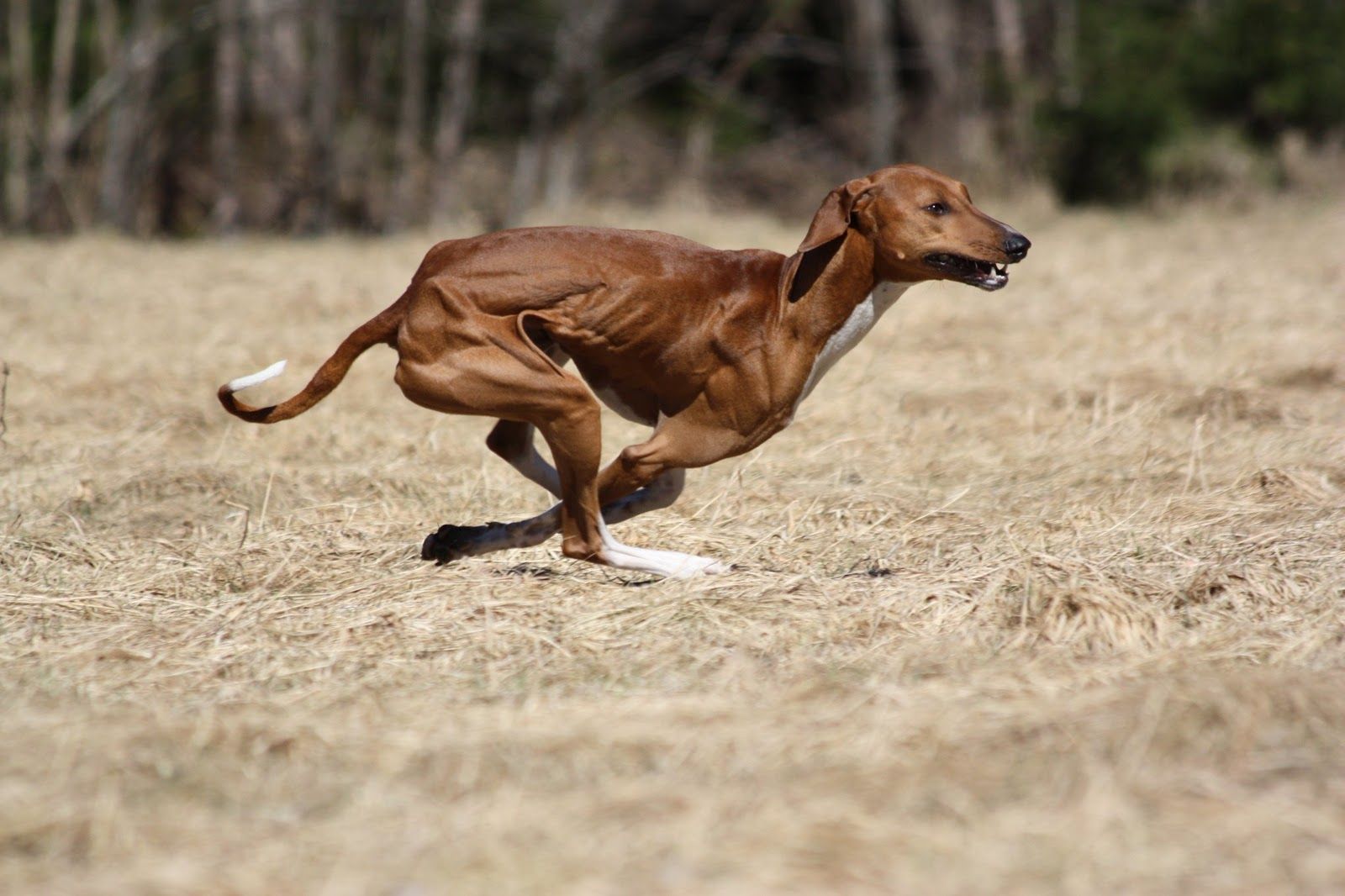
The African dog is an tireless, swift-footed hunter capable of following its prey for up to 5 hours at a speed of 65 km per hour.Training and Education
In principle, the Azawakh is easy to manage. However, it needs regular opportunities to engage in its primary activity: running. In our society, which is restrictive toward dogs, there aren’t many chances to let a dog off-leash. With such a happy dog, you can comfortably head home. It feels at ease even in the smallest cabin and is an incredibly pleasant family member there.
The Azawakh is a good friend to children. It is rarely aggressive and can coexist well with other pets if it becomes accustomed to them. However, they should not be rabbits or guinea pigs, as it instinctively sees them as prey. The Azawakh is very easy to train. Greyhound clubs offer opportunities to participate in racing or coursing, providing engaging activities and physical exercise. You should take note of this. It’s best to transport the dog to these events in a sufficiently large, professional pet carrier. When training, always keep in mind its hunting motivation. The Azawakh is an undemanding dog in the best sense of the word, but it can also be spoiled quite easily. It is a great companion dog, but only under the right conditions.
Positive reinforcement is the most effective method for training your Azawakh. Reward them with treats and toys when they complete a task.
Verbal praise and gentle pats will encourage your Azawakh, making it more willing to serve you. You can train your Azawakh outdoors, in a closed yard, or in a large room.
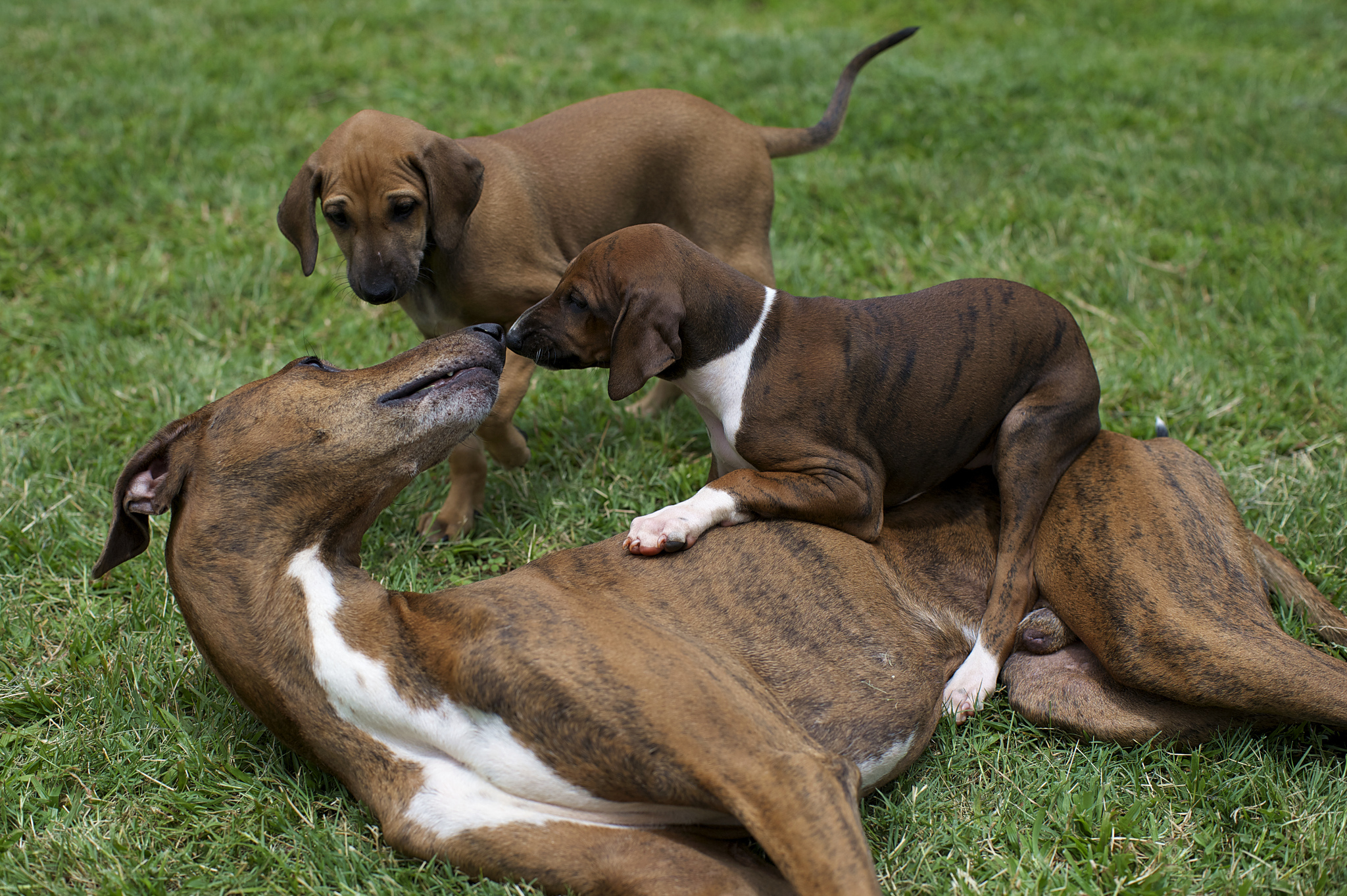
The Azawakh is an energetic breed that requires significant daily activity. It needs at least half an hour of vigorous exercise and play each day. They enjoy short, varied training sessions, which helps them learn new commands. Exercise and outdoor activities will make your pets happier and healthier. With pedigree at Zoonica, choose the puppy of your dreams.
The Azawakh is a sight hound. Frequent and fast running is the primary requirement for a lifestyle that suits the breed. Therefore, in some regions, there are special facilities where sight hounds can satisfy their need for speed. They either run on a treadmill, chase a lure, or you might entertain your dog with a ball thrower. Numerous accessories are available in specialized stores. You have the opportunity to participate in races with your Azawakh. The German Association for Breeding and Racing Greyhounds regularly provides these dogs with chances to fulfill their pronounced need for fast running, such as in racing events or track competitions. Here, you can also meet like-minded individuals.
Appreciator of life
During a hunt, the Azawakh can pursue its prey for a considerable amount of time. When it catches up to it, instead of killing it, it merely nibbles at the tendons, thus keeping the animal alive. This quality of the dog is highly valued by nomads.
How to Choose a Puppy
If you want to share your life with an Azawakh, you should first check if you have the ability to regularly exercise this powerful sighthound. You can consult experts from the German Sighthound Breeding and Racing Association and establish a long-term connection with breeders from this association. You should only buy a puppy from a breeder who is a member of this association or similar organizations in other countries. You need to ensure that there is no inbreeding, and for example, that there are no littermates in the pedigree.
Azawakhs are very elegant. They are fast hunters capable of unleashing a power that many do not trust. They absolutely need the opportunity to run freely and far on a regular basis. At the same time, they are intelligent and affectionate family members and excellent companions. In an Azawakh, unlike any other dog, both a sighthound and a livestock guardian coexist. It is one of the few dog breeds that has retained its original population. Reliable breeders offer healthy puppies with documentation and pedigree.
Health and Illnesses
Are there any breed-specific health issues for Azawaks? This question is often asked by those encountering the breed for the first time.
Azawaks are generally a robust breed of dog. One of the concerns with this breed is the frequently very high level of inbreeding.
Even if an Azawak doesn’t have any genetic diseases, veterinary visits are still necessary at least once every six months for preventive care.
Veterinary assistance is essential for maintaining the health and well-being of the dog, and the frequency of required visits will depend on the individual dog. Annual health check-ups are recommended to ensure they are healthy and happy at different stages of life.
During these annual visits, your veterinarian will perform a health examination, measure your dog’s temperature, check its heartbeat, and assess its overall health.
Common health problems can still be identified. Breeders highlight the following issues:Patellar luxationHip joint diseasesHeart murmurs
Содержание
-
1. Описание породы
-
2. Внешний вид
- 2.1 Голова
- 2.2 Морда
- 2.3 Уши
- 2.4 Глаза
- 2.5 Зубы
- 2.6 Корпус
- 2.7 Конечности
- 2.8 Хвост
- 2.9 Шерсть
- 2.10 Окрас
-
3. Характер
-
4. Содержание и уход
-
5. Дрессировка и обучение
-
6. Как выбрать котенка
-
7. Здоровье и болезни






Comments
Only registered users can leave reviews.
Enter