
Austrian hound




Warning: Illegal string offset 'label' in /home/panda/sites/zoonika/wp-content/themes/zoonika/template-parts/animals/animals-param-item.php on line 32
Ð


Breed Description
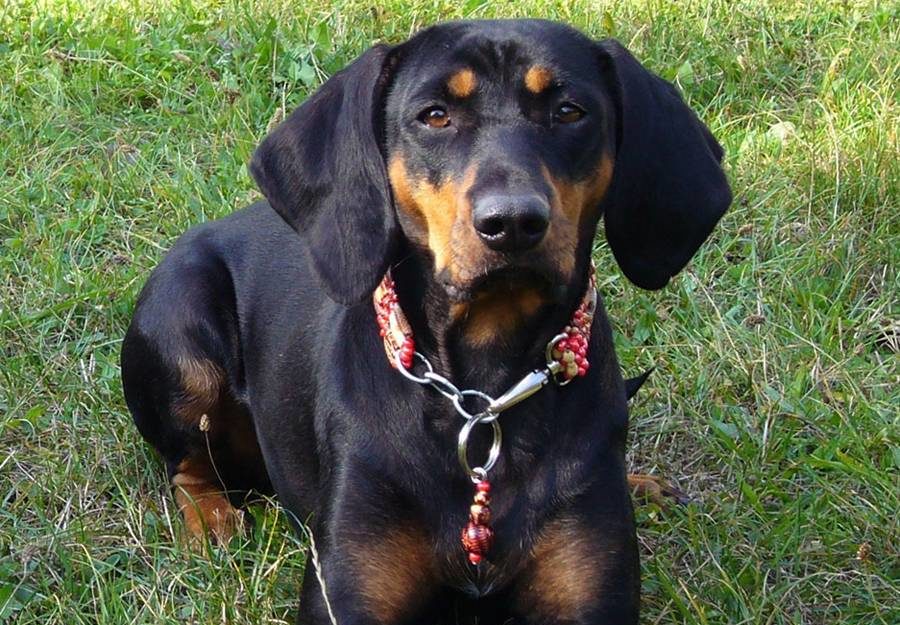
The Austrian Hound, also known as “Brandlbracke,” is one of the oldest breeds of hound dogs with origins in Austria in the 19th century. They were bred for hunting game, particularly boars and deer, in the mountainous regions of the country.
The origins of the Austrian Hound are linked to crosses between various hound breeds that were popular on the European continent during that era. The main ancestors included Kumani hounds, cat hounds, Tyrolean hounds, and retrievers. As a result of such crossings, a breed was created with excellent hunting skills adapted to the harsh conditions of Austria’s mountainous areas.
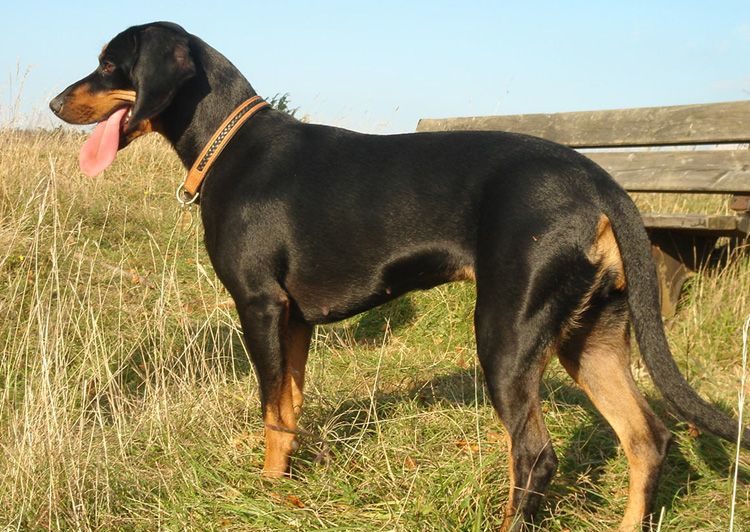
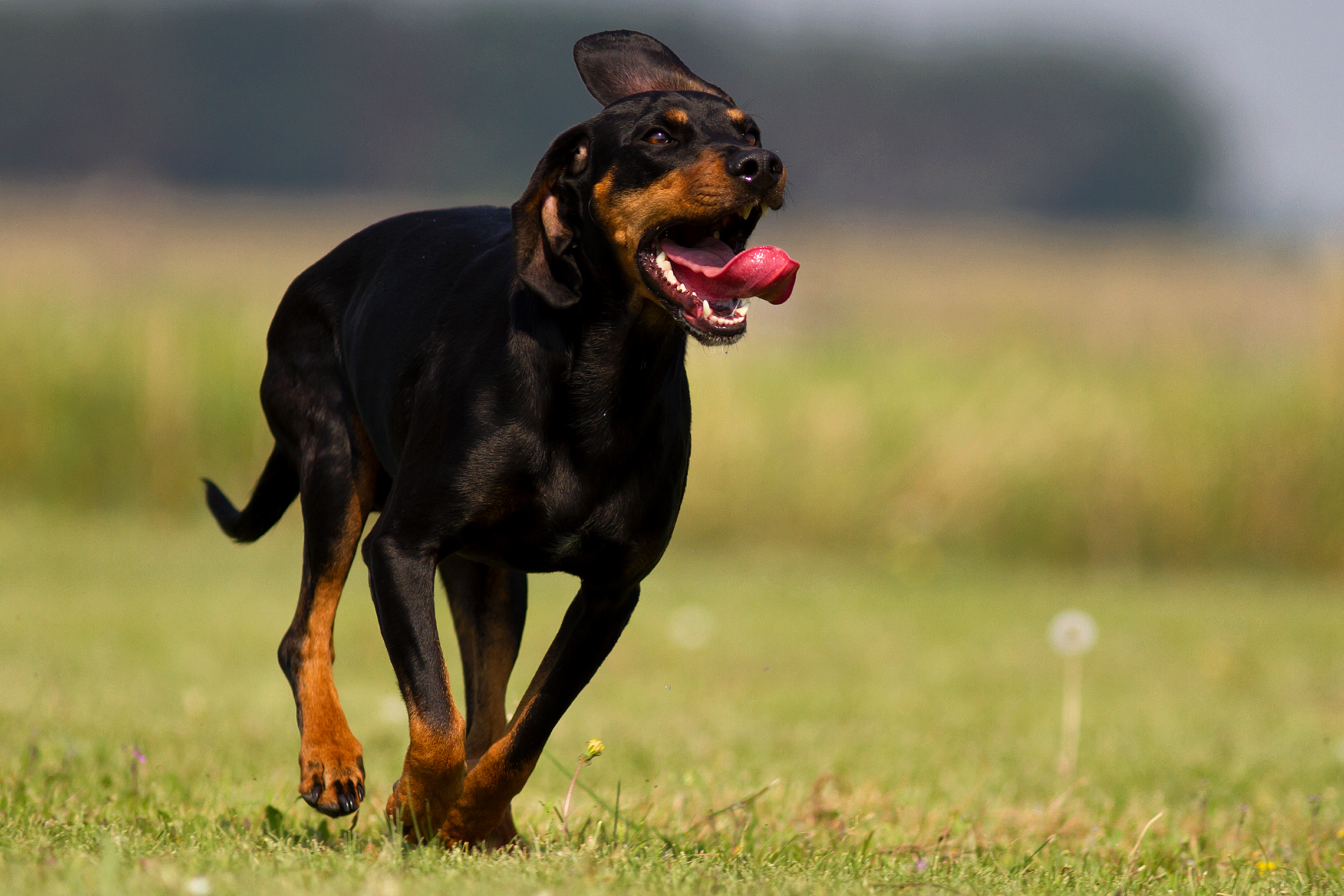
One of the distinguishing features of the Austrian Hound is its unique appearance and color. They have a compact and sturdy build, with a tail that is held high and positioned forward. Their facial features are very expressive, with large eyes, prominent lips, and a broad nose. The coat of the Austrian Hound typically combines various shades of black, white, and brown, creating a varied and attractive look. Their short and smooth fur provides protection against the weather in the mountains.
The Austrian Hound is known for its exceptional sense of smell and ability to track game over long distances. They possess a high level of energy and endurance, which allows them to work successfully in diverse mountainous terrains. They also exhibit excellent intelligence and the ability to analyze tracks, aiding them in hunting.
Overall, the Austrian Hound is an outstanding breed that combines elegance, strength, and intelligence. They are ideal companions for hunting enthusiasts and active lifestyles, as well as wonderful pets for family activities.
Currently, the Austrian Hound is used as a service dog for search and rescue work, as well as a companion and outdoor activities dog. They require adequate physical and mental stimulation, so regular walks and engaging in sports activities are essential for their health and happiness.In summary, the Austrian Hound is a dog breed that combines beautiful appearance, excellent hunting qualities, and an energetic yet friendly nature. It is a great choice for those looking for a hunting partner or a loyal pet capable of matching an active lifestyle.The price for a puppy ranges from 30,000 to 50,000 rubles.
Appearance
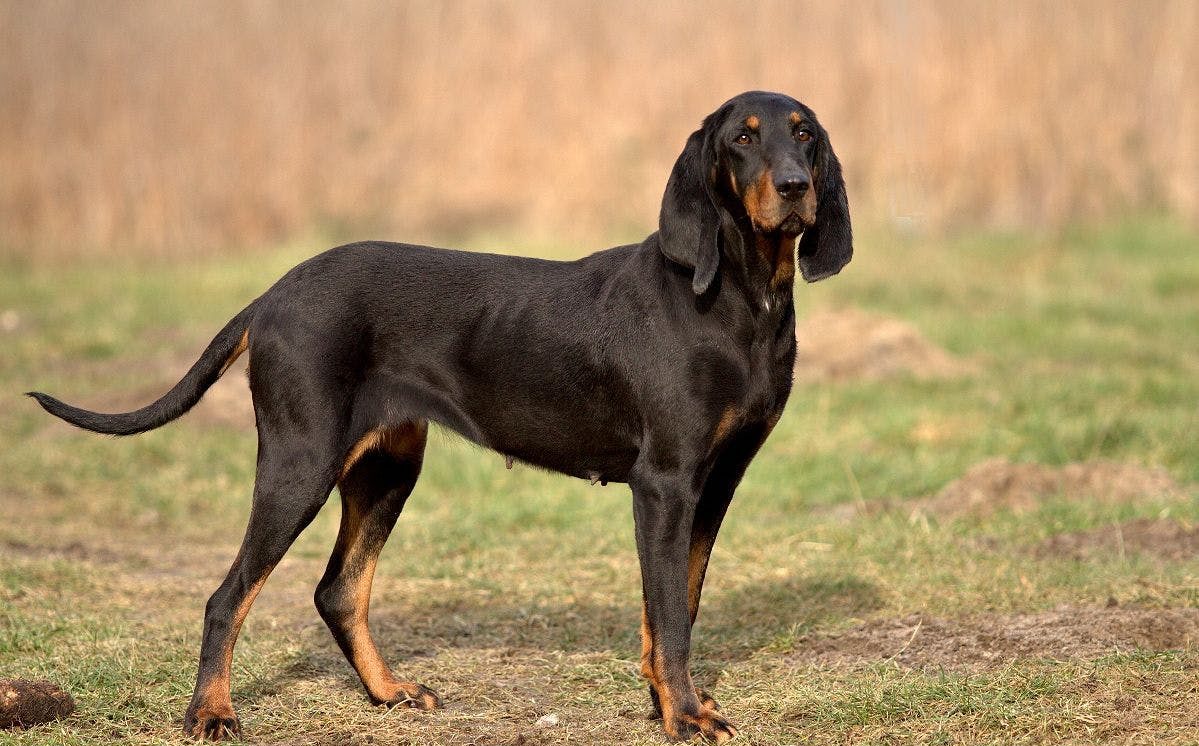
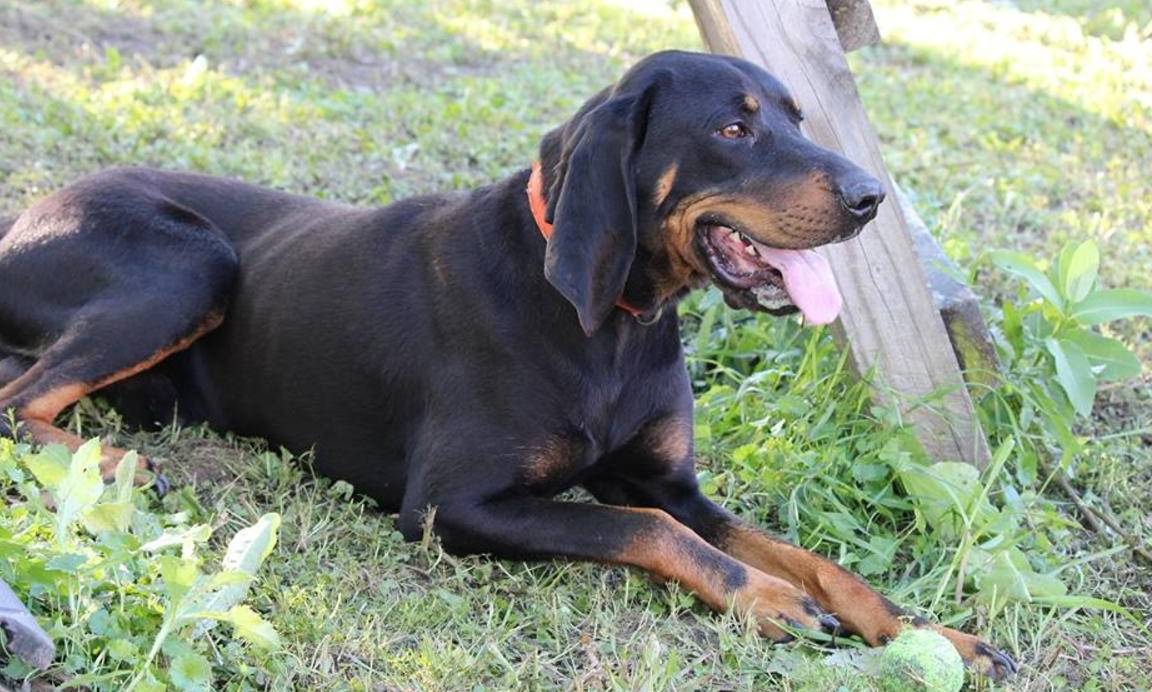
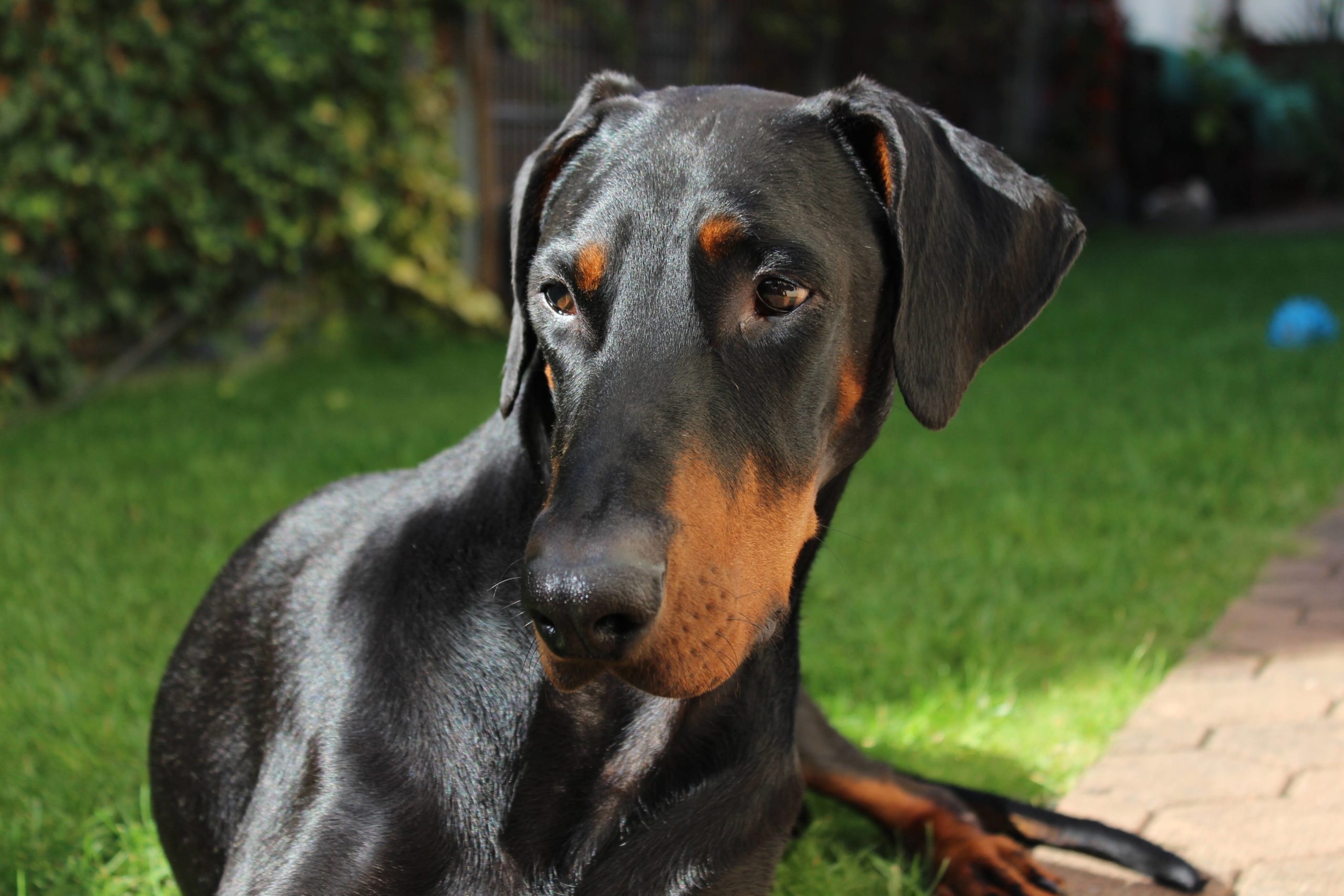
The Austrian hound is a dog breed with a unique and appealing appearance. They are medium-sized with a strong, muscular build. The head of the Austrian hound is quite broad and expressive. They have large, dark eyes and expressive lips that give them their distinctive look.
One of the notable features of the Austrian hound’s appearance is their ears. They have medium-length, slightly droopy ears that fit closely to the head, giving the dog elegance and attractiveness.
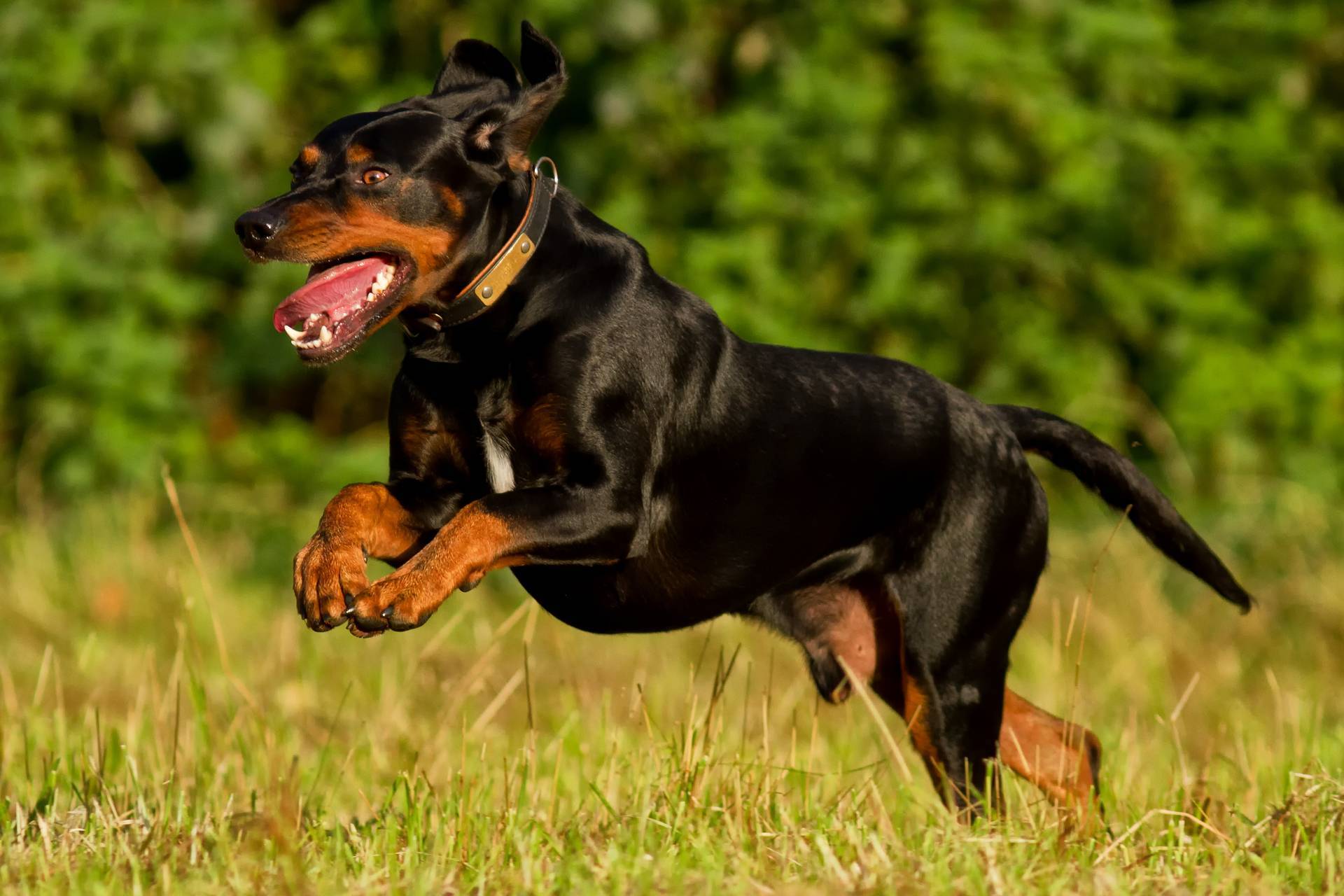
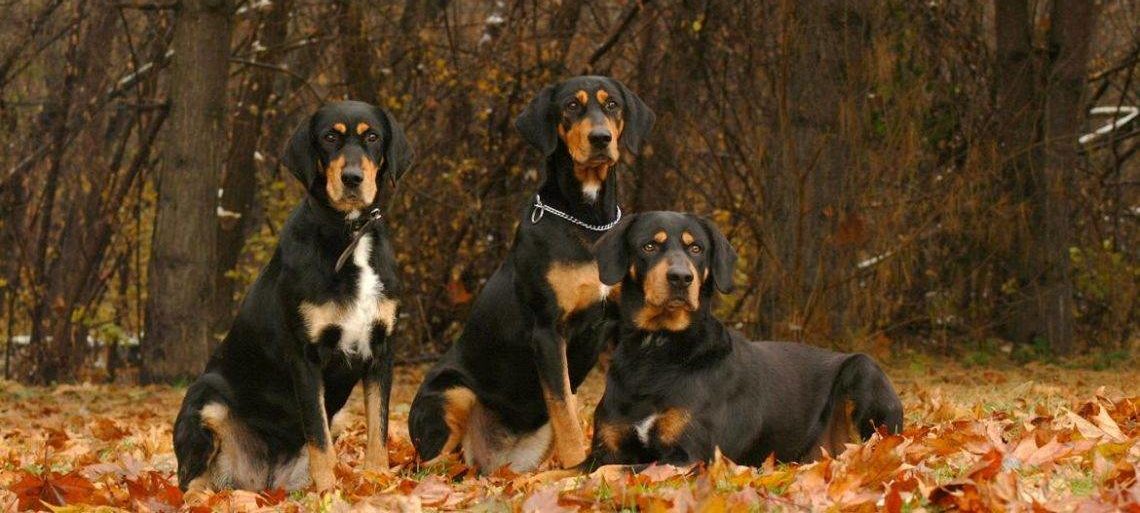
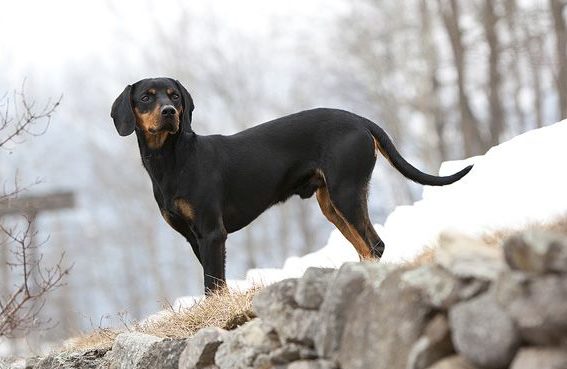
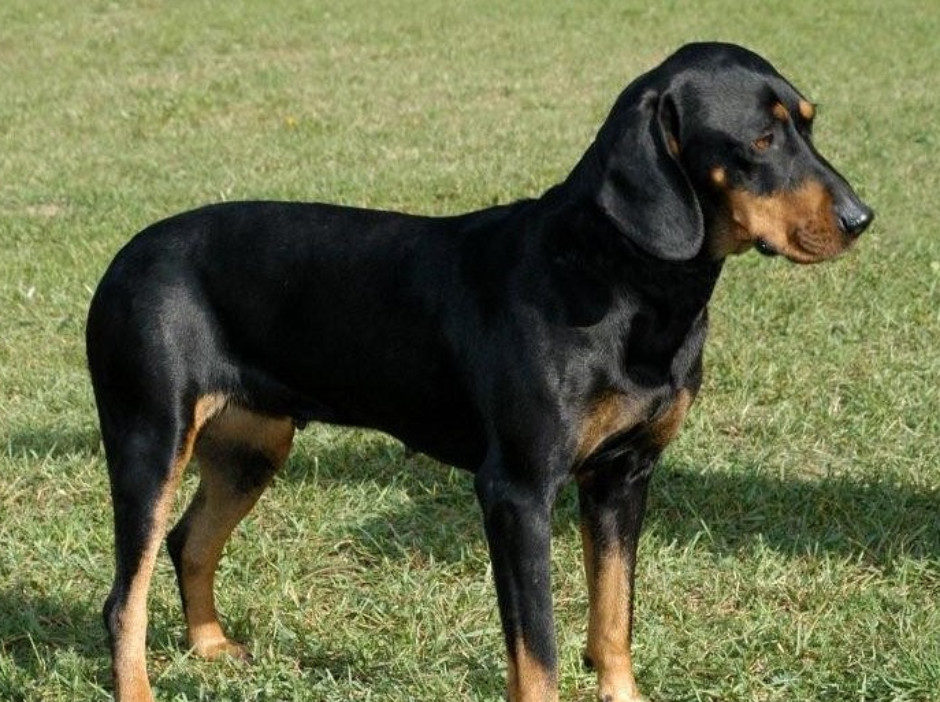
The coat of the Austrian hound is short and dense. The breed’s coloration can vary, but it usually includes a combination of black, red, and white. Most dogs have a distinctly marked black back and a white belly, along with brown markings on the head, legs, and chest.
The Austrian hound has a straight and even back, along with strong legs, making them flexible and agile. They are relatively tall and can weigh up to 32 kg.
The overall impression that Austrian hounds give is of strong, confident, and elegant dogs with expressive faces and attractive coats. Their appearance perfectly matches their hunting nature and character.
In general, the Austrian hound is an elegant and proportional dog breed with a unique appearance. It possesses an appealing coloration, harmonious anatomy, and an expressive face, making it not only an excellent hunting dog but also a wonderful family pet.


Отличительные черты

Голова

Морда

Уши

Глаза

Зубы

Корпус

Конечности

Хвост

Шерсть

Окрас
Character
The character of the Austrian hound is friendly, loyal, and intelligent. They make excellent companions and are well-suited for families with children as well as for active individuals who want to engage in sports with their dog. They require a sufficient amount of physical activity and involvement in training to remain happy and healthy.
The temperament of the hound is marked by its devotion, energy, and friendliness. They are very social dogs and get along well with both people and other animals.
The Austrian hound has a high level of energy and endurance. They need active walks and physical activity to meet their needs. Regular walks, running, or outdoor games will help them develop physically as well as mentally.
They also possess an excellent hunting instinct and effectively use their sense of smell while hunting. This makes them great companions for hunting, but it also means they may have a tendency to chase game if not properly trained and controlled.
The Austrian hound has a friendly and affectionate nature. They love being around their owners and are very loyal to them. Due to their sociability and patience, they are well-suited for family life with children and other pets.
However, the Austrian hound requires early and consistent socialization to avoid potential behavioral issues. They can be a bit independent and stubborn, so patience and consistency in training are needed to gain their obedience.Overall, the Austrian hound combines an energetic and joyful temperament with a loving and loyal character. They are the perfect choice for active individuals who can provide them with sufficient activity and training, as well as for families where they will be surrounded by love and care.
The oldest hunting breed.
The Austrian Hound, also known as the Alpine Hound, is one of the oldest breeds of hound dogs. They were developed in Austria around 1870 and were used for hunting boars, deer, and other large animals in mountainous regions.Care and Maintenance
Caring for and maintaining an Austrian Hound requires specific knowledge and effort to ensure a healthy and happy life for this breed. Here are some important aspects to keep in mind:
It is crucial to provide your Austrian Hound with balanced and high-quality nutrition suited to its age, size, and activity level. It is best to consult with a veterinarian regarding the type and amount of food. Monitoring the diet helps prevent respiratory issues and avoid excessive weight gain.
The Austrian Hound is a breed with high energy and endurance. They need long, daily active training and walks. Regular physical activity and exercise will help them stay fit and prevent the development of destructive behaviors.
The Austrian Hound has an intelligent nature and a thirst for learning. Their independent temperament can be a challenge during training. It is important to start training at an early age and use positive reinforcement methods, such as praise and treats. Patience, consistency, and clear instructions will help achieve success in training.
The coat of the Austrian Hound is short and dense, requiring minimal grooming. Regular brushing with a soft brush will help remove loose hair and debris. Bathing should be done as needed, typically every few months, using special dog shampoos and thoroughly rinsing the coat.
Regular teeth brushing helps prevent tartar buildup and other dental issues. Their ears also require regular inspection and cleaning, especially if the dog spends a lot of time outdoors.It is important to regularly check and vaccinate your Austrian Hound. Routine visits to the veterinarian will help monitor its health and promptly detect and treat any potential issues.Overall, caring for an Austrian Hound requires providing sufficient physical activity, training, and daily attention. If you provide your dog with all of this, it will reward you with its vitality, loyalty, and good health.
Olfactory memory
Austrian hounds have a keen sense of smell and excellent hunting abilities. Their hearing and olfactory memory allow them to track animal scents over long distances and follow them even in challenging conditions, such as mountainous terrain.Training and Education
These dogs have a high level of intelligence and trainability. The Austrian Hound possesses excellent scenting ability and hunting instincts, making them great hunting partners. They also make wonderful family pets, faithfully following their owners and exhibiting a friendly nature.
Training and education of the Austrian Hound are important aspects of its upbringing and development. These dogs’ intelligence and hunting instincts enable them to learn commands effectively. Here are a few tips on training and educating an Austrian Hound:
Start training at an early age: Begin training your Austrian Hound as early as possible when its willingness to learn and ability to absorb information are at their peak. Establish clear rules and expectations to help the dog understand its role in the family.
Use positive training methods: Austrian Hounds respond well to praise and rewards. Use incentive-based training methods such as generous praise, treats, or toys for motivation. This will help them associate command execution with positive experiences.
Be patient and consistent: Austrian Hounds can be stubborn at times, so it’s important to remain patient and consistent during training. Repeat commands clearly and take into account their individuality. Remember that repetition and persistence are key components of successful training.
Socialization: Socialization is a crucial aspect of training your Austrian Hound. Provide opportunities for them to meet other dogs, people, and various situations. This will help them develop confidence and maintain friendly behavior.Train in different situations: Don’t limit training to just home or familiar areas. Move on to training in various locations with different distractions. This will help the dog learn to focus on you and follow commands in any conditions.Don’t forget behavioral commands: In addition to basic commands, train your Austrian Hound on commands such as “place,” “heel,” “stay,” “fetch,” etc. This will help them be obedient and controllable in various life situations.It’s important to remember that each Austrian Hound is unique and may require an individualized approach to training and education. Don’t hesitate to seek help from a professional trainer or behavioral consultant, especially if you encounter difficulties. The Austrian Hound’s ability to learn and follow commands makes it a remarkable partner and loyal friend. Looking for a puppy? Check out Zoonika from trusted breeders with documentation.
Purebred Austrian woman.
In Russia, there are no kennels breeding Austrian Hounds. You can only buy a dog in Austria, where careful attention is paid to its purebred breeding.
How to Choose a Puppy
Choosing a puppy from the Austrian Hound breed is an important and responsible step. Here are some tips to help you make the right choice:
Choose a reputable breeder: Look for a breeder with a good reputation who adheres to breed standards. The breeder should be willing to provide you with information about the puppy’s lineage, its parents, and health test results. Verified and official breeders are listed on dog-related websites.
Examine the puppy and its parents: When meeting the puppies, pay attention to their behavior, appearance, and health. A healthy puppy should be active, playful, and curious. The parents should also look healthy and have a good physique.
Check the puppy’s health: It’s important to ensure the puppy has undergone basic medical checks. Ask the breeder if tests have been carried out for hereditary diseases common to the breed, such as hip dysplasia or eye issues.
Consider the puppy’s socialization: A good breeder should take steps to socialize the puppy from an early age. The puppy should be familiar with other dogs, people, and various surrounding noises. This will help it adapt to a new environment.
Ask the breeder questions: Don’t hesitate to ask questions about the breed, personality, care requirements, and training of the puppy. A good breeder should be prepared to answer all your questions and share useful information.Pay attention to the puppy’s character and compatibility: When choosing a puppy, consider its character and compatibility with your lifestyle. Keep in mind that the Austrian Hound is an active and energetic breed that requires ample physical activity.The main thing when choosing a puppy is to trust your instincts and spend enough time ensuring you can provide it with care, love, and proper training. Choosing an Austrian Hound is a long-term commitment, and a well-thought-out choice will lead to a happy and healthy puppy. Zoonika offers puppies of elite breeds with complete documentation.
Health and Diseases
The Austrian Hound is known for its robust health and resilience to various weather conditions. However, like other dog breeds, the Austrian Hound may experience some health issues. Here are some of the most common diseases that can occur in this breed:
Hip Dysplasia: Hip dysplasia is a developmental disorder of the hip joints that can lead to pain and limited mobility. Regular check-ups and X-rays can help identify this condition and take appropriate measures.
Eye Problems: Like many other hound breeds, the Austrian Hound may be predisposed to eye issues such as glaucoma and cataracts. Regular visits to the veterinarian and genetic testing can help detect and prevent these problems.
Heart Defects: The Austrian Hound may be prone to heart defects such as dilated cardiomyopathy or aortic valve stenosis. Regular heart check-ups and consultations with a veterinarian will help manage heart health.
Gastrointestinal Issues: Some Austrian Hounds may be sensitive to certain foods or prone to gastrointestinal issues such as irritable bowel syndrome or pancreatitis. Proper nutrition and advice from a veterinarian can help manage these problems.
Allergies: Some Austrian Hounds may suffer from allergic reactions to pollen, food, or certain substances. Symptoms of allergies can include itching, rashes, or skin problems. A visit to the veterinarian can help identify the allergen and develop an appropriate treatment plan.Despite the possibility of these issues, proper care and attention to your Austrian Hound’s health, including regular veterinary visits, proper nutrition, and physical activity, can help keep them in excellent condition throughout their life. This also underscores the importance of choosing a puppy from a reputable breeder who carefully monitors the health of the parents and conducts necessary medical checks.
Содержание
-
1. Описание породы
-
2. Внешний вид
- 2.1 Голова
- 2.2 Морда
- 2.3 Уши
- 2.4 Глаза
- 2.5 Зубы
- 2.6 Корпус
- 2.7 Конечности
- 2.8 Хвост
- 2.9 Шерсть
- 2.10 Окрас
-
3. Характер
-
4. Содержание и уход
-
5. Дрессировка и обучение
-
6. Как выбрать котенка
-
7. Здоровье и болезни



Comments
Only registered users can leave reviews.
Enter