
Australian Silky Terrier




Warning: Illegal string offset 'label' in /home/panda/sites/zoonika/wp-content/themes/zoonika/template-parts/animals/animals-param-item.php on line 32
Ð


Breed Description
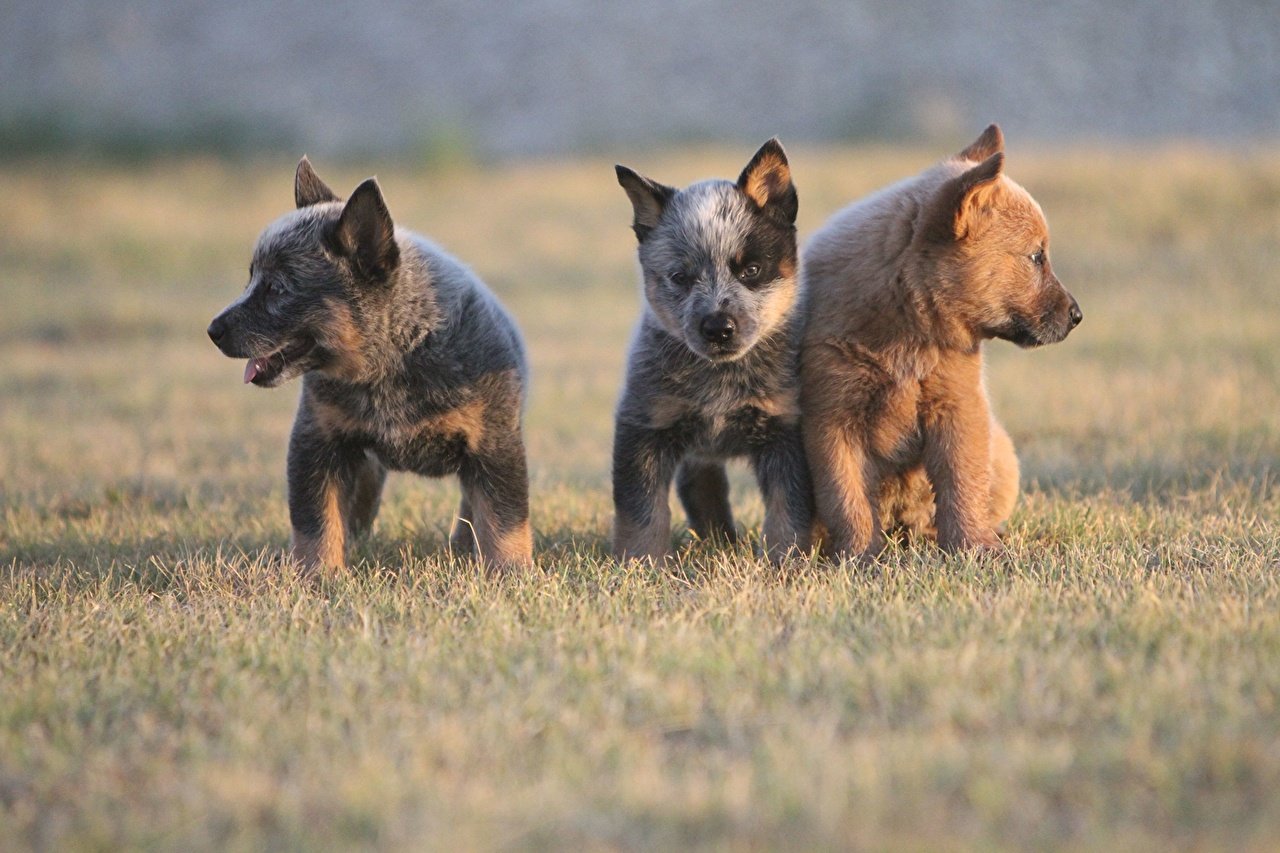
The Australian Stumpy Tail Cattle Dog (Australian Shorthaired Shepherd) originates from Australia, where its primary task for centuries has been herding and driving large herds of cattle and sheep across the vast expanses of the country.
There are many theories about the breed’s origins. According to one, around 1830, a man named Thomas Simpson Hall crossed a Northern English herding dog called Smithfields (a bobtail) with the Australian native dingo, the national dog of Australia, creating the first Australian herding dog, known as Hall’s Heeler.
Another version states that in 1830, a drover named Timmis from Bathurst, New South Wales, mated a female Smithfields with a dingo. The offspring, reddish dogs with a naturally short tail, were named “Timmins Biters.” Neither of these stories should be taken too seriously. The crossing with the wild dingo is highly unlikely, as it would have resulted in the loss of the outstanding working characteristics of herding dogs optimized for Australia’s harsh climate.
On the other hand, Smithfields or Bobtails, both herding dogs, are likely ancestors, as this explains the innate taillessness. However, puppies with full tails still appear. These puppies should be valued by both breeders and owners, as the working qualities of the dogs are not diminished and are not measured by tail length. After the Kelpie and Australian Cattle Dog, the Australian Stumpy Tail was recognized as a separate breed by the international association FГ©dГ©ration Cynologique Internationale in 2005. Yet, it remains a very rare breed, with only about 50 puppies annually falling under the aegis of VDH.
The Australian Stumpy Tail Cattle Dog was specifically bred for herding large herds of cattle on ranches. Today, these dogs also assist as herders.
Australian Stumpy Tails are characterized by exceptional intelligence, energy, and strength. They excel in work and participate in family activities. They are loyal to their families but are wary of strangers. These dogs thrive in various dog sports such as agility, obedience, rally, flyball, and frisbee competitions. They would make an excellent addition to any family.The price for a puppy ranges from 75,000 to 80,000 rubles.
Appearance
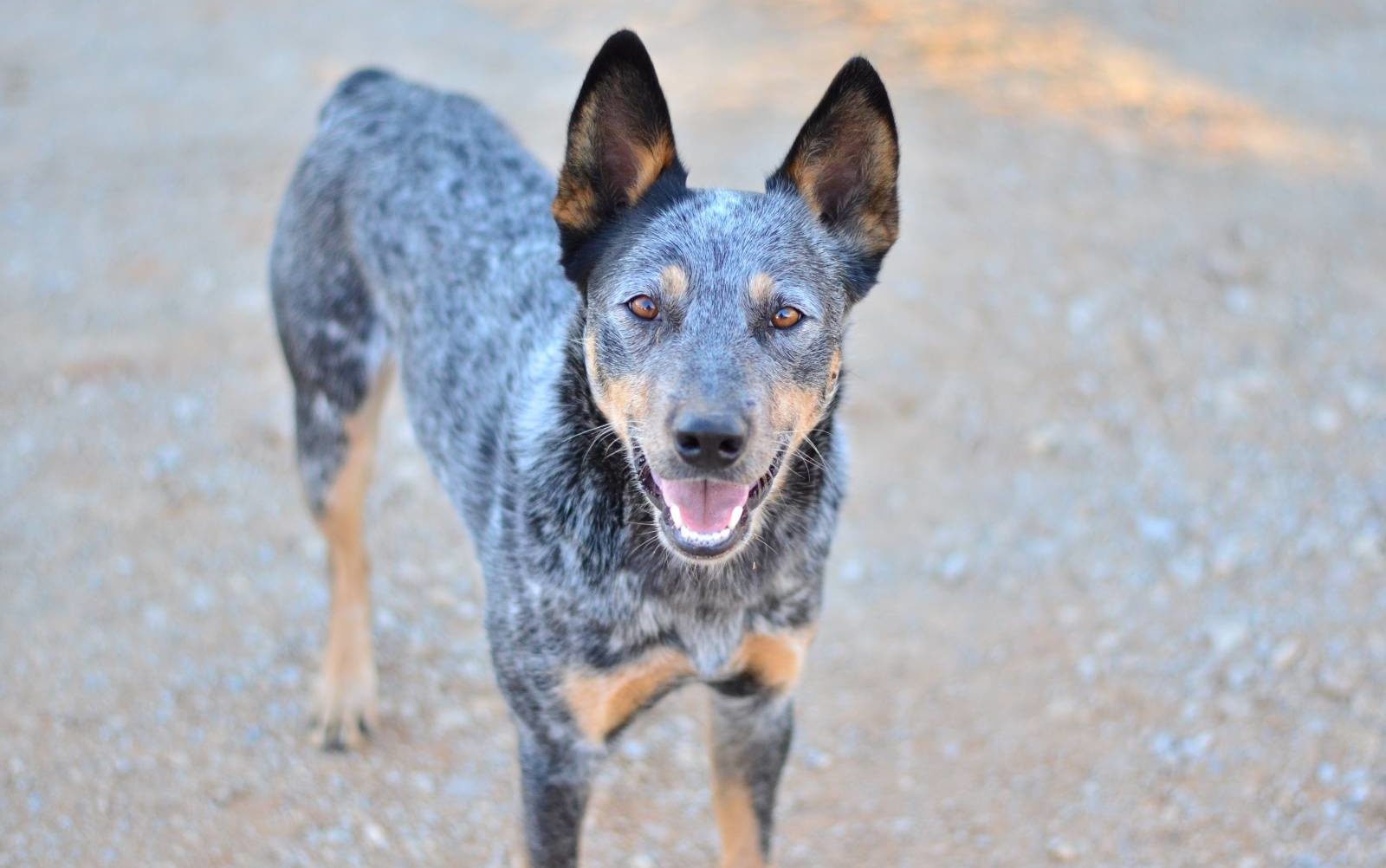
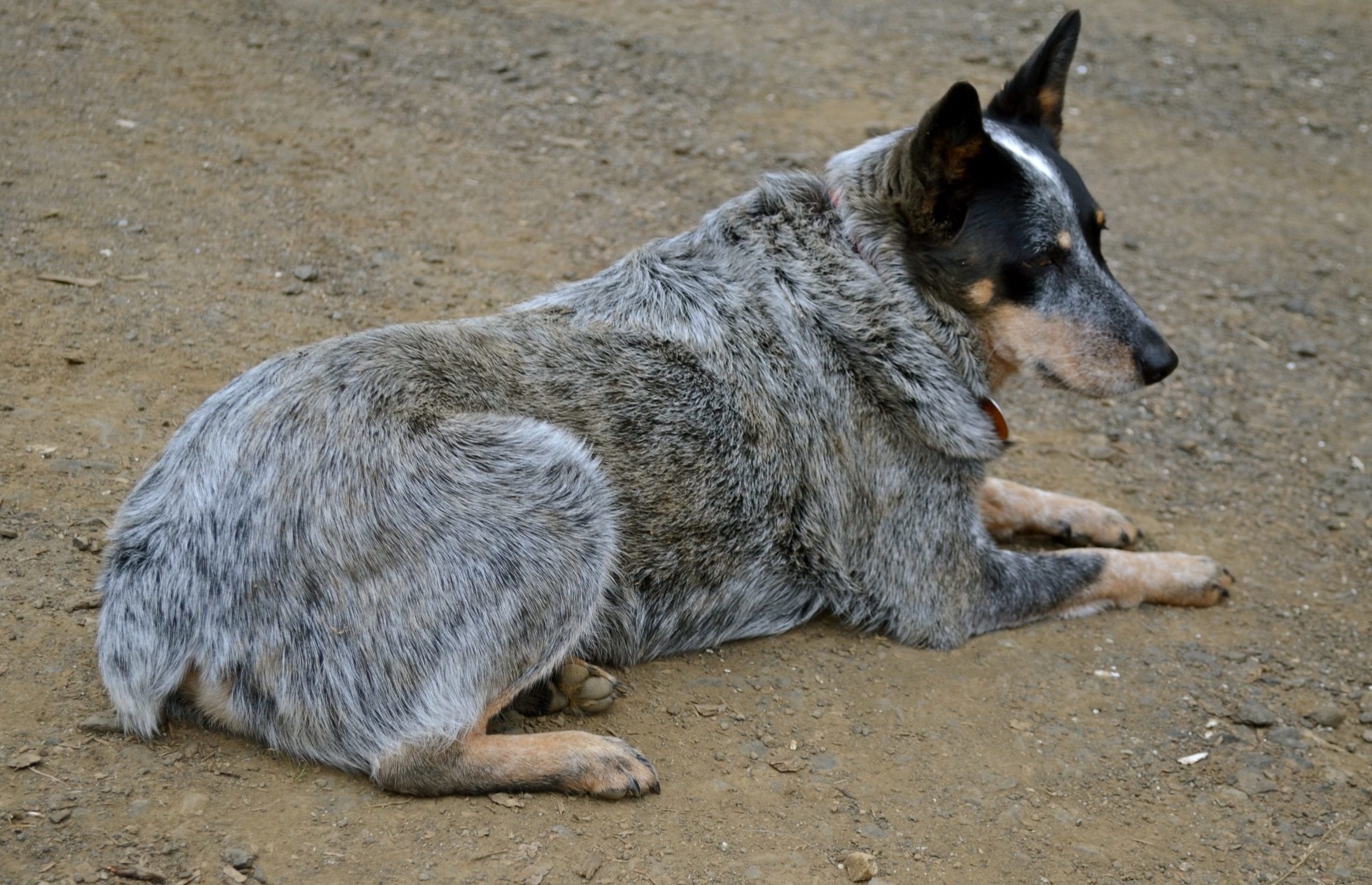
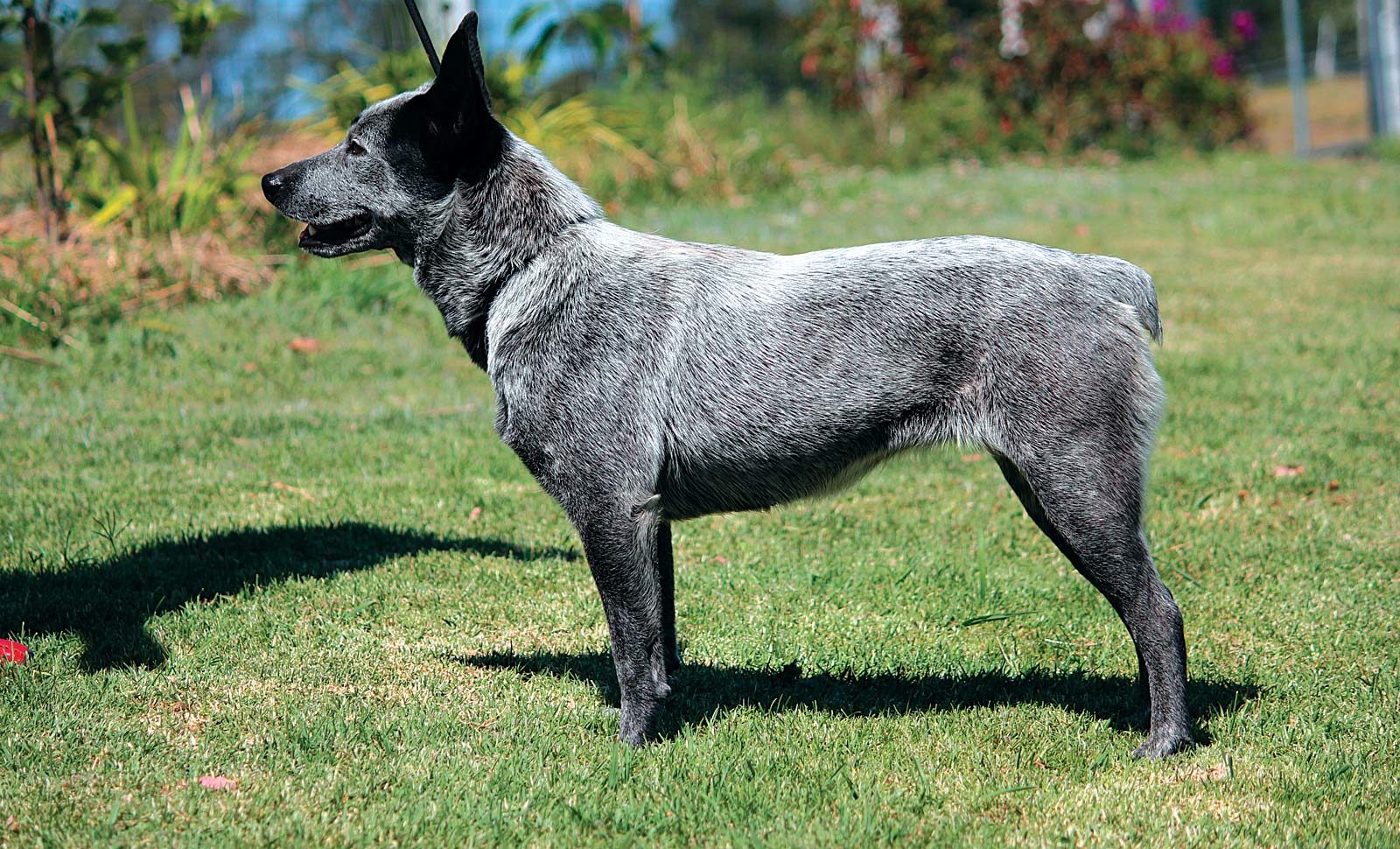
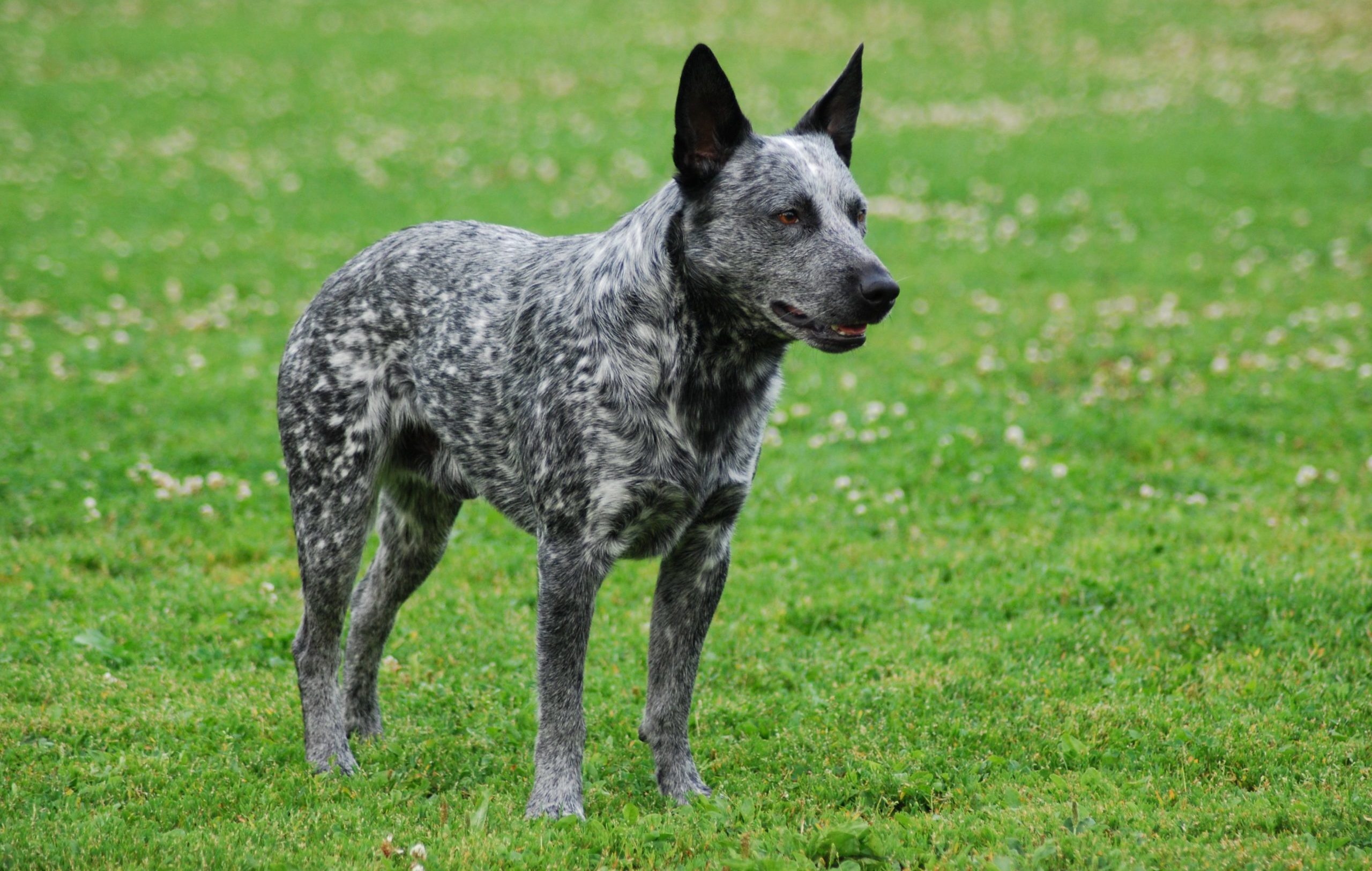
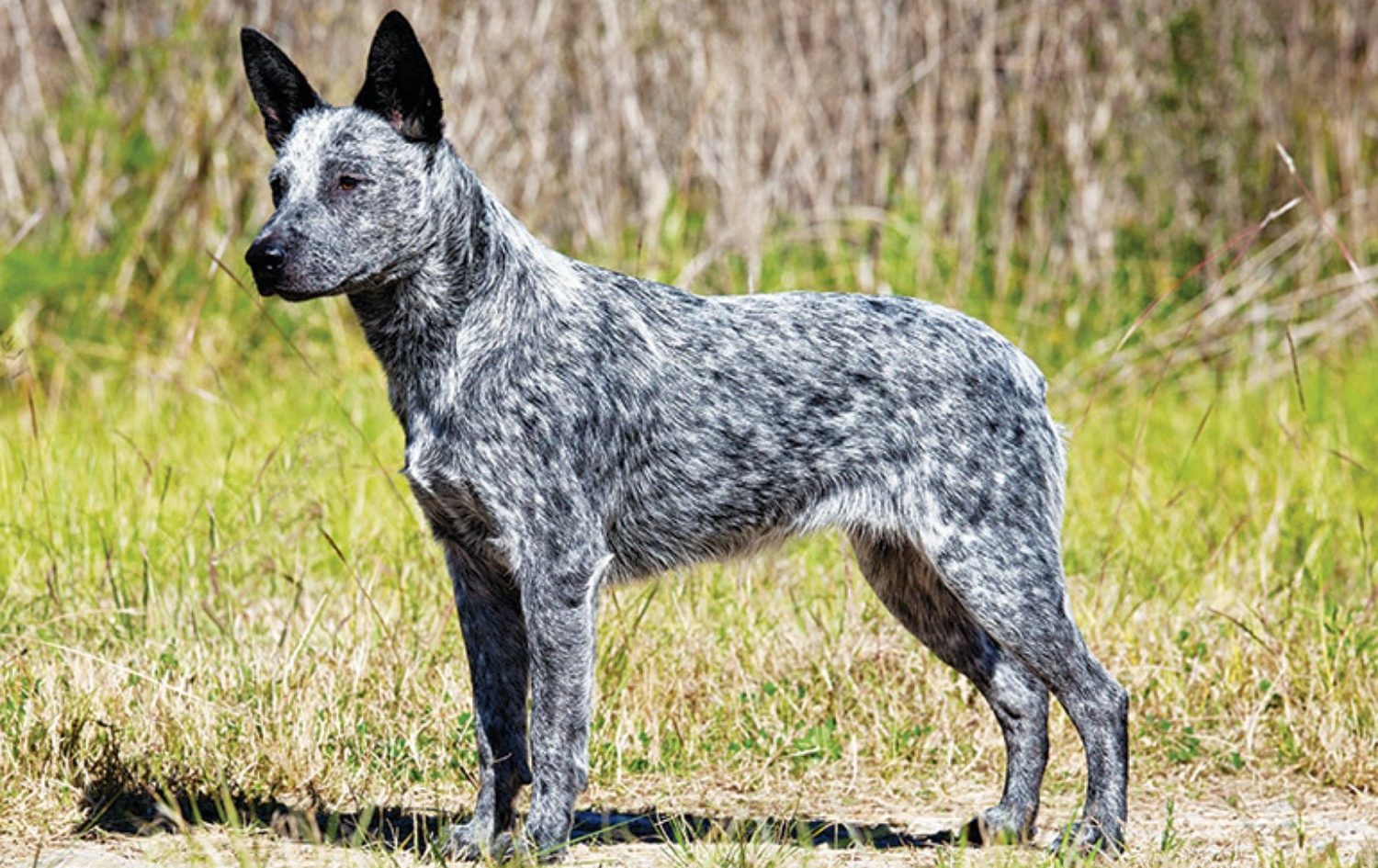
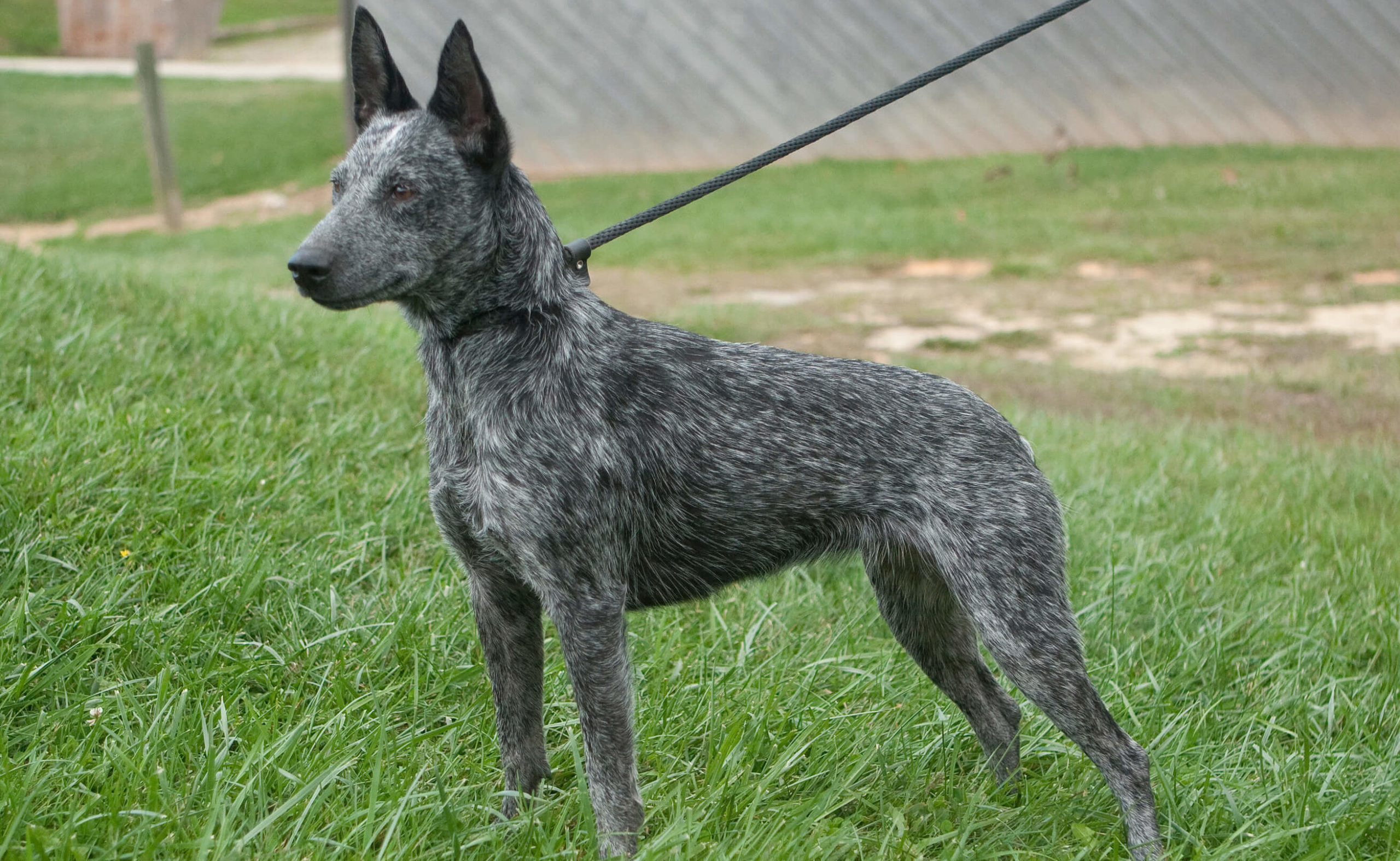
The Australian Cattledog is an active, medium-sized dog. It has the typical body structure of a short-haired shepherd. This well-proportioned, agile working dog is somewhat square in type. Its hardened, sturdy appearance demonstrates sufficient strength to endure long and demanding work periods in any conditions. The tail is described in the official standard as: “Uncropped, not exceeding 10 cm (4 inches) in natural length, set high but not significantly above the level of the back.”
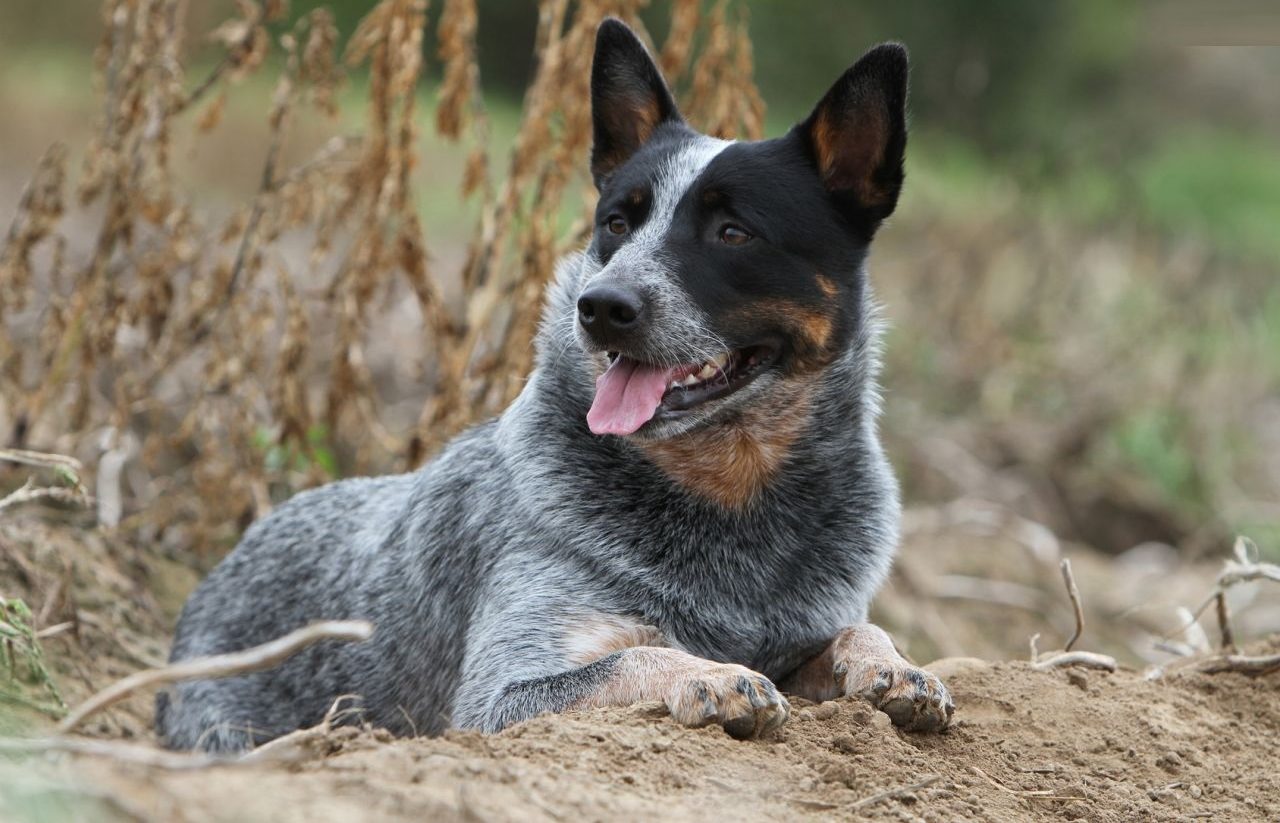
The coat of Australian dogs is defined by the standard as follows: “The outer coat is moderately short, straight, dense, and of medium stiffness. The undercoat is short, dense, and soft. The fur on the neck is longer and forms a slight wave. The hair on the head, legs, and paws is short.” There are two color patterns: red speckled and blue. The latter is not recommended, as it is produced by a defective Merle gene, which is associated with deafness and other health issues.
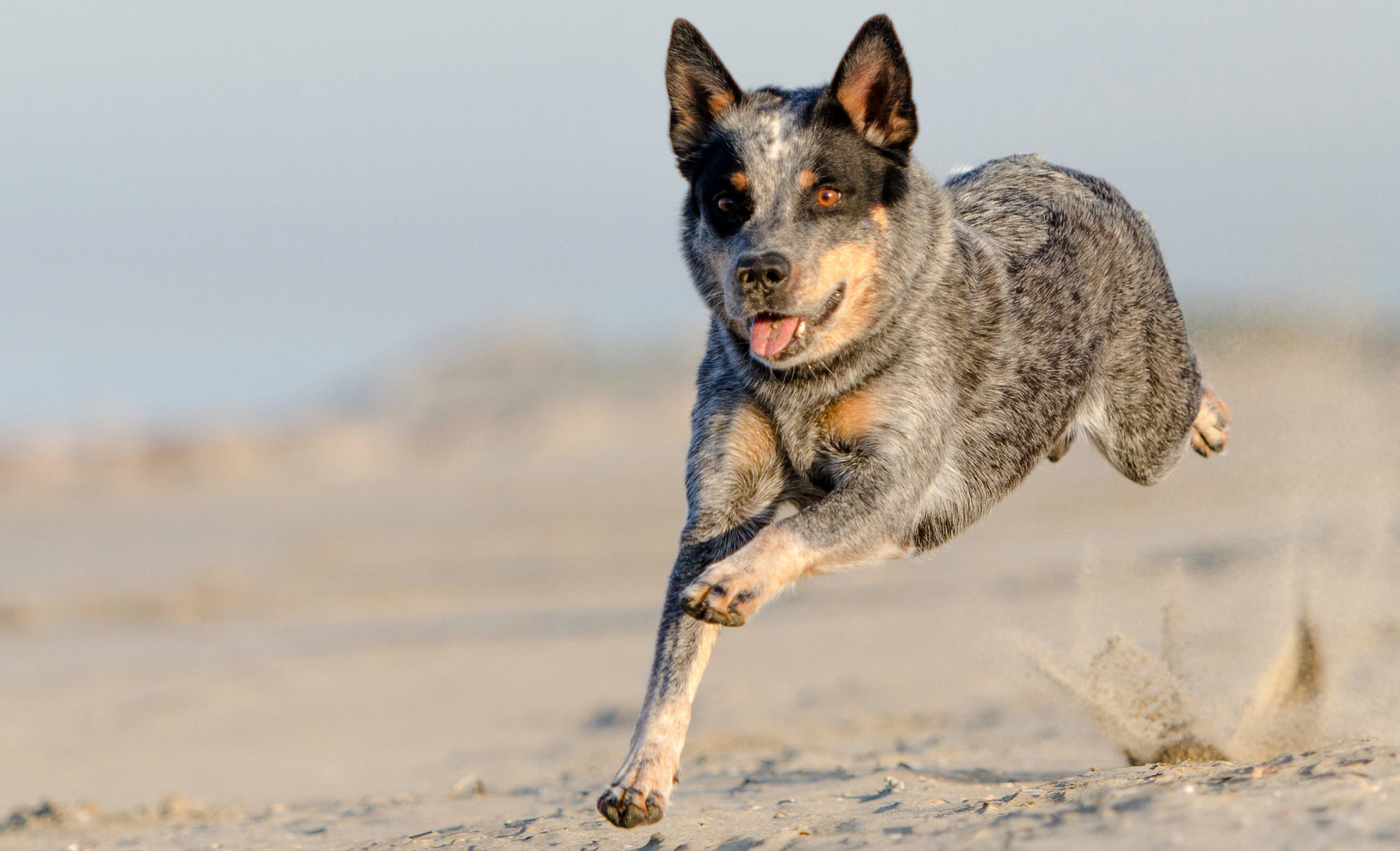
Visually, the Australian Cattledog appears very strong and powerful with a compact and symmetrical build. The breed exhibits balance and is pleasing to the eye. Its solid muscular structure conveys strength, agility, and endurance. Males should stand between 46 to 51 cm at the withers, and females from 43 to 48 cm.
According to the American Kennel Club, dogs of this breed live just over 12 years.


Отличительные черты

Голова

Морда

Уши

Глаза

Зубы

Корпус

Конечности

Хвост

Шерсть

Окрас
Character
The character of the Australian Cattledog is defined by its primary purpose-herding and managing livestock in both open and enclosed areas, even under challenging climatic conditions. The Cattledog is characterized by great enthusiasm for work, constant attention, bravery, and independence. It quickly understands what is required and eagerly accepts the challenge.
Here’s how the breed standard describes it: “The dog has a natural tendency to herd and guard livestock, as well as a loyal, brave, and affectionate nature. It is always alert, obedient, and proactive, but approaches strangers with some suspicion.”
The Australian Cattledog possesses a natural ability to herd livestock, as well as a loyal, brave, and affectionate character. It is always observant, watchful, and obedient, and is wary of strangers. The dog is sociable even in the show ring. The Cattledog has been and remains a working dog at heart, and even today it expresses a clear joy from working in the fields. However, it requires the guidance of its owner.
The Australian Cattledog can control and move cattle in all environments. The dog has a loyal character; it is a natural protector and guardian of livestock and property. Although it is suspicious of strangers, it can be very accommodating with proper training.
The Australian dog is intelligent and independent, which can sometimes be interpreted as stubbornness. Having a high IQ, independent thinking, quick perception, and agility can be both an advantage and a drawback. The Australian Cattledog is vigilant, but not a reliable guard dog. It is well-suited for family life, being very attached to people and children. If necessary, it can assert itself and protect its family due to its speed, agility, and strength. However, it is not recommended for beginners because of its energy, strength, and stubbornness.
The Australian Cattledog easily becomes a family companion. It is attached to its owners and children, and it gets along well with other pets, including dogs. The Cattledog is an excellent friend and reliable partner, but its owner needs some experience in dog handling due to its excessive energy, strength, willingness to work, and displays of stubbornness. The breed has a calm temperament; it is attentive, intelligent, vigilant, brave, a reliable friend, and dedicated to its work.Australian Cattledogs are both cheerful companions and protectors of their families. They are ideal for families with older children. A fenced yard for walks is also essential. If you are looking for an active partner and are willing to continually train your pet, then this breed is for you! They will make great family dogs and be a perfect addition to your family.Australian Cattledogs are also friendly toward other pets, provided they have early and gentle introductions. They have a herding instinct, so the dogs will try to herd any animal in the house, regardless of its size. It is important to ensure your pet has proper early socialization so it learns to behave correctly with
White from birth
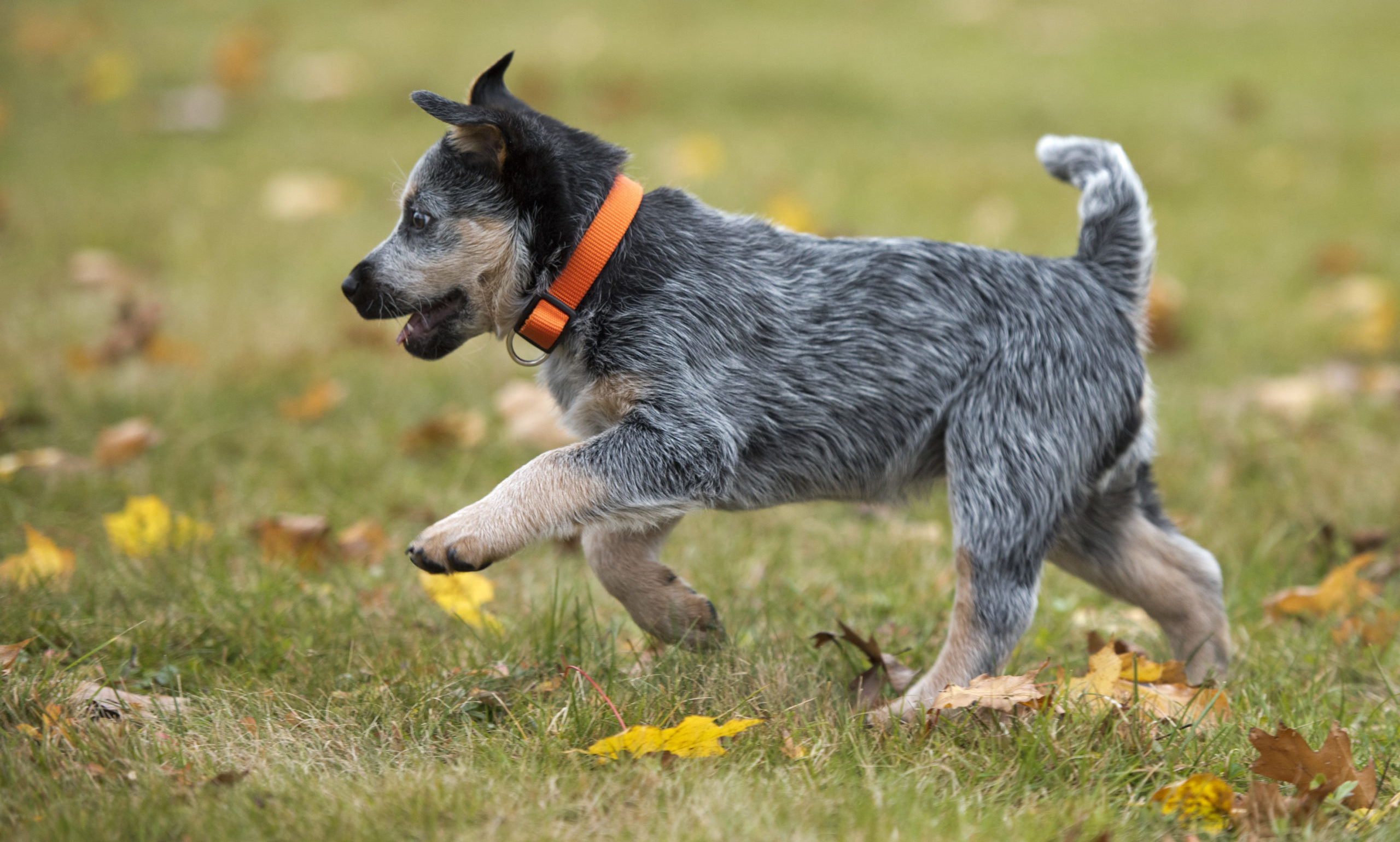
At birth, Cattle Dog puppies have white fur with rare dark spots. However, after a few weeks, the little shepherd develops its famous speckled coat.Care and Maintenance
Caring for an Australian Cattledog is not a difficult task. However, this smart, energetic, and hardworking dog requires active management from an experienced person with a high level of intuition. The relationship between the dog and human can be wonderful if the management is based on respect and a deep emotional connection.
Proper upbringing plays an important role in helping the dog harmoniously integrate into family life. An ideal environment for this breed is a private house with a yard; keeping the dog in a small apartment amid city hustle and bustle is not recommended. With good upbringing and leadership, it will become a loyal and devoted family member. Engaging in any form of dog sport is also recommended for the shepherd.
The Australian Cattledog never shows complete obedience. It is independent and self-assured. The art lies in finding the right balance for this smart, energetic, yet sensitive dog. A close emotional and trusting bond is crucial for friendship.
The Australian Cattledog is not picky about food, but like many other dogs, it loves meaty bones and fresh meat. Commercial dog food also provides adequate nutrition. It is recommended to give 1.5-2.5 cups of high-quality food daily, divided into two meals. The diet should be balanced and appropriate for the dog’s age and life stage. Clean drinking water should always be available.
These dogs have strong health and minimal sensitivity to weather changes. However, they shed heavily twice a year, during which more frequent baths are necessary. Brush their coat weekly with rubber gloves or special grooming tools. This will not only remove excess fur but also maintain their well-groomed appearance.
Caring for an Australian Cattledog does not take much time or effort. Teach puppies to get used to weekly check-ups and grooming. It is essential to trim their nails once or twice a month if they do not wear them down naturally, to avoid pain and various other issues. Regularly check their ears for odor and redness, which may indicate an infection.Your thorough weekly care will help identify health issues at an early stage and ensure a healthy and long life for your pet.
Australian centenarian
The Australian Cattle Dog is a true long-lived breed. There have been cases where dogs lived for 29 years.Training and Education
Australian Cattle Dogs are incredibly energetic and strong creatures that require a lot of physical activity every day. They love to be active and playful and can excel as athletes in dog sports; however, this is not necessary if you have other activities for them.
To maintain their health and happiness, it’s important to provide a variety of stimuli. Spend time with your dog on walks, play fetch or frisbee, and allow them to play with their dog friends in the park. They adore activity and new experiences.
Australian Cattle Dogs are very intelligent and learn quickly, but they can also be stubborn, especially if they’re bored. It’s important to use positive reinforcement rather than punishment to motivate them to perform better. A training schedule is best kept in small portions to keep the dog interested and engaged.
Unique approach to working with the herd
The Australian Heeler has a unique way of working with livestock. These dogs cannot manage a large herd through barking, but they are capable of guiding animals by nipping at their legs.
How to Choose a Puppy
Choosing a puppy of the Australian Cattle Dog breed is a responsible step that requires time, patience, and research. Here are some important steps to help you make the right decision when selecting a puppy of this breed.
Research the breed. The first step in choosing an Australian Cattle Dog puppy is to thoroughly study the breed. All recognized dog breeds are presented on the Federal Zoo Portal. Australian Cattle Dogs are known for their mental and physical endurance, high intelligence, and loyalty. They are active, require extensive training, and need physical activity. It’s also important to consider their potential health issues to be prepared for them.
Finding a good and responsible breeder is a crucial step. A strong, healthy, and well-socialized puppy starts with a good dog breeder. Ensure the breeder monitors the health of the parents, cares for the puppies, and provides plenty of socialization. Thinking about it? There’s a huge selection of ads on the Zoоnika map by cities.
Consult breed experts and dog breeders in Russia. Attend dog shows and other events where you can see Australian Cattle Dogs. Engaging with the owners of these dogs will help you understand how well this breed fits your lifestyle.
Make sure the breed is suitable for you. Consider your lifestyle, physical capabilities, living conditions, and other circumstances. Think carefully about whether the activity level and high intelligence of this breed align with your lifestyle and if you are prepared to provide the puppy with everything it needs.
Meet the puppy in person. Nothing can replace a personal meeting with your future puppy. Observe the puppy’s behavior and its reactions to you. It’s important to see what draws the puppy’s attention, whether it’s active, and how interested it is in the surrounding world.Choosing an Australian Cattle Dog puppy requires careful research, meetings with experts and breeders, visits to dog shelters (you can also inquire about prices on-site), and informed decisions. If you do everything right, you will gain a wonderful friend and a loyal companion for many years. Want a purebred pet? You can find one on ZoРѕnika with documents from verified breeders.
Health and Diseases
The Australian Cattledog (Blue Heeler) breed, originally bred to work in tough conditions, generally enjoys good health. However, like any breed, they are prone to certain health issues worth noting.
Regular visits to the veterinarian are essential for the dog’s health and well-being. The frequency of treatments and check-ups depends on the individual characteristics of each dog. Therefore, scheduled regular visits to the veterinarian every six months are necessary to monitor health and ensure the long-term well-being and happiness of the pet throughout their life stages.
Regular care for your dog allows you to monitor their growth and development, discuss any concerns with your veterinarian, and is a key aspect of preventive care for your pet.
Regarding breed-specific diseases in the Australian Cattledog, it’s important to note that they are a hardy breed. However, it is advisable not to choose a dog with a genetic defect associated with the merle coat. Due to the very small population, inbreeding is a significant concern.
One common issue faced by dogs of this breed is hip dysplasia, which can lead to mobility problems and joint pain. It is also important to be aware of genetic conditions such as vision disorders and hereditary spine diseases.
Bronchial obstructive disease, also known as “horn sound,” is sometimes seen in dogs of this breed due to their unique anatomy. It manifests as noisy breathing, shortness of breath, and coughing. Therefore, it is vital to pay attention to symptoms and provide your pet with appropriate care and attention.The Australian Cattledog is a great companion and partner, full of energy and eager to work. Individual characteristics of each dog should also be taken into consideration. Ongoing health monitoring, annual veterinary visits, proper nutrition, and adequate physical activity can help prevent many diseases and ensure a long and happy life for your Australian Cattledog. Zooinika has collected the best options, offering puppies with pedigree.
Содержание
-
1. Описание породы
-
2. Внешний вид
- 2.1 Голова
- 2.2 Морда
- 2.3 Уши
- 2.4 Глаза
- 2.5 Зубы
- 2.6 Корпус
- 2.7 Конечности
- 2.8 Хвост
- 2.9 Шерсть
- 2.10 Окрас
-
3. Характер
-
4. Содержание и уход
-
5. Дрессировка и обучение
-
6. Как выбрать котенка
-
7. Здоровье и болезни


Комментарии
Отзывы могут оставлять только зарегистрированные пользователи
Войти