
Australian Cattle Dog









Warning: Illegal string offset 'label' in /home/panda/sites/zoonika/wp-content/themes/zoonika/template-parts/animals/animals-param-item.php on line 32
Ð


Breed Description
The Australian Cattle Dog (Kelpie) is one of the most popular working dogs in the world. Their graceful and energetic nature, intelligence, and loyalty make them ideal companions for shepherds and others involved in various outdoor activities. The Australian Cattle Dog was developed in Australia in the late 19th century by crossing British working sheepdogs with Australian Aboriginal dogs. Their name, Kelpie, is linked to the Kelpies, a tribe that presumably contributed to the breed’s genetics.
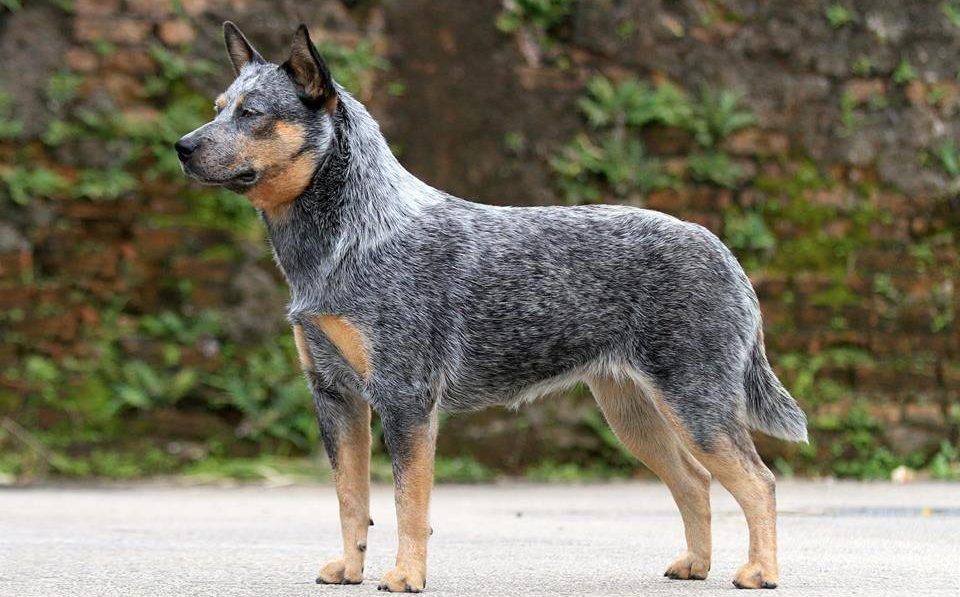
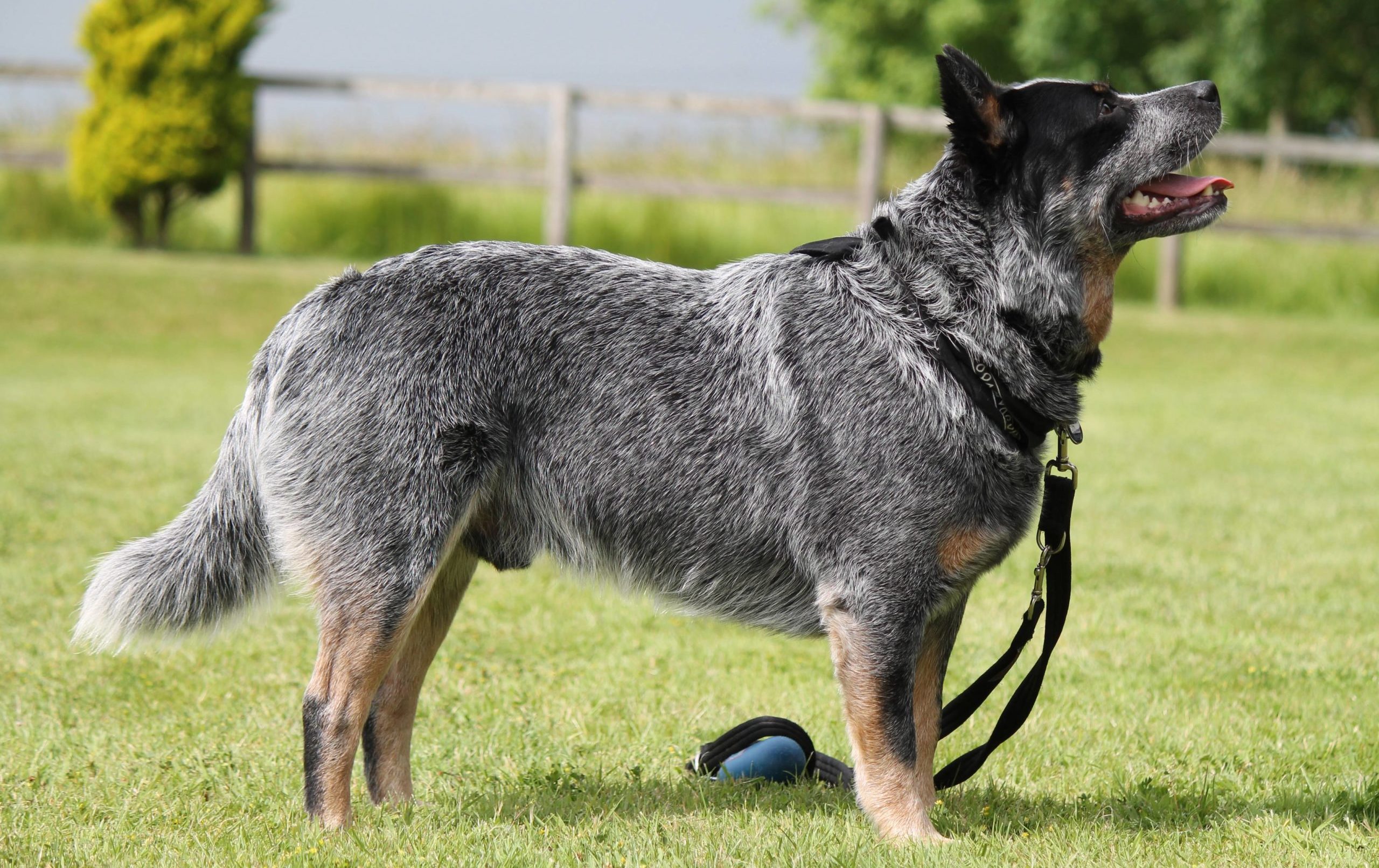
They are medium-sized with a very muscular build, making them well-suited for tasks on farms or in herds. The coat of the Australian Cattle Dog is short and dense, providing protection against moisture and cold. Their coloration can vary from black and brown to speckled or partially white.
These dogs possess a great deal of energy and have an unyielding work mentality. They are quite intelligent and demanding, so they require daily physical and mental stimulation to be happy. Their natural ability to learn makes them excellent partners for active individuals involved in sports or other outdoor activities.
The Australian Cattle Dog is also known for its loyalty and attachment to its family. They are very protective of their owners and will defend them in any situation. They are also good with children and other animals if socialized with them from an early age.
Historically, Australian Kelpies were primarily used as herding dogs for managing livestock on farms. However, over time, their versatility and remarkable abilities have been recognized, leading to their use in other areas, such as search and rescue, training service dogs, and even participating in livestock handling competitions.
Round, energetic, and dedicated, the Australian Cattle Dog is an ideal choice for those needing a reliable and loyal companion on a farm or in an active lifestyle. Their combination of intelligence, strength, and devotion makes them invaluable in livestock work or other outdoor activities.The Australian Cattle Dog, widely known as the Blue Heeler or Queensland Heeler, is related to the Dingo, the most famous wild dog in Australia. They are a very intelligent, energetic, and durable breed. They were bred by Australian immigrants to manage cattle on vast ranches, and today they are used as herding dogs. They thrive when given work and participating in all family activities.The Australian Cattle Dog is very alert and intelligent, devoted to its owners but suspicious of strangers. They are extremely trustworthy and reliable, with a strong sense of duty. When used as guard dogs, they defend well without barking. They are unwaveringly loyal, known for their intelligence, and always on alert.The price for a puppy ranges from 19,000 to 22,000 rubles.
Appearance
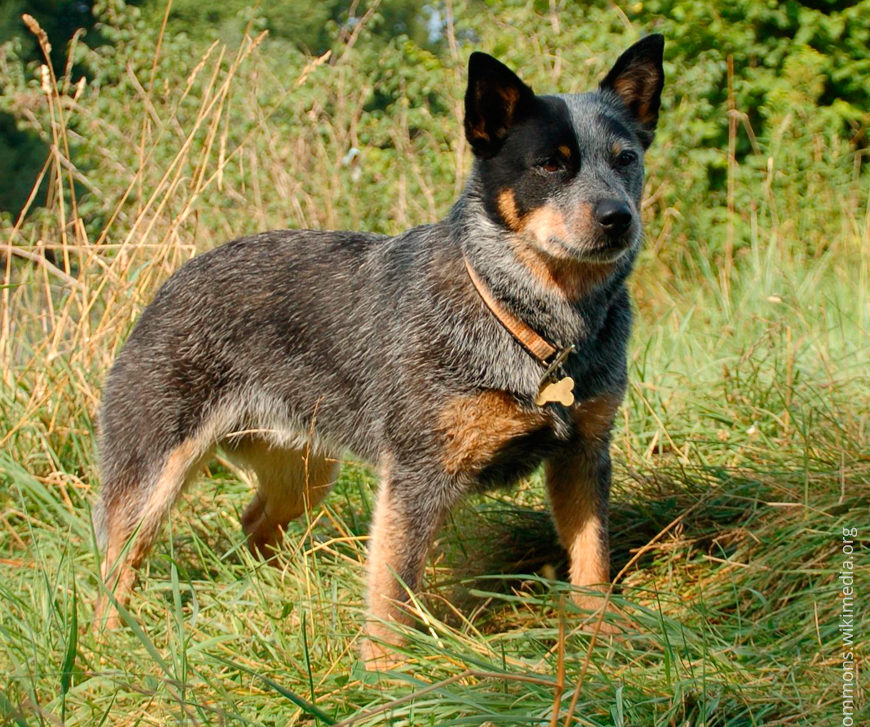
The Australian Cattle Dog, or Kelpie, has a distinct appearance that emphasizes its endurance and athleticism. They are medium-sized, standing between 43 to 51 cm at the shoulder and weighing between 14 to 18 kg, depending on the dog’s sex and genetics.
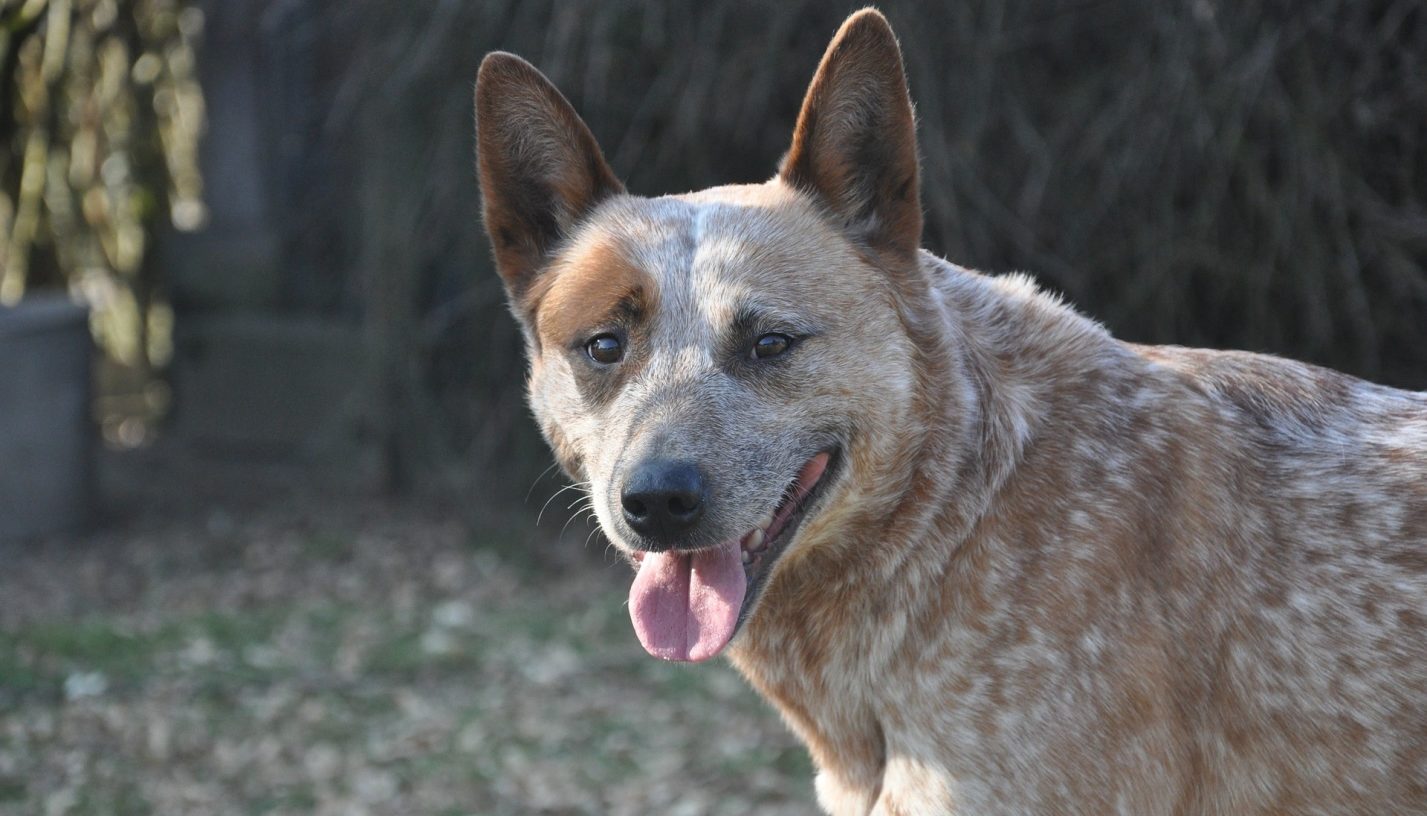
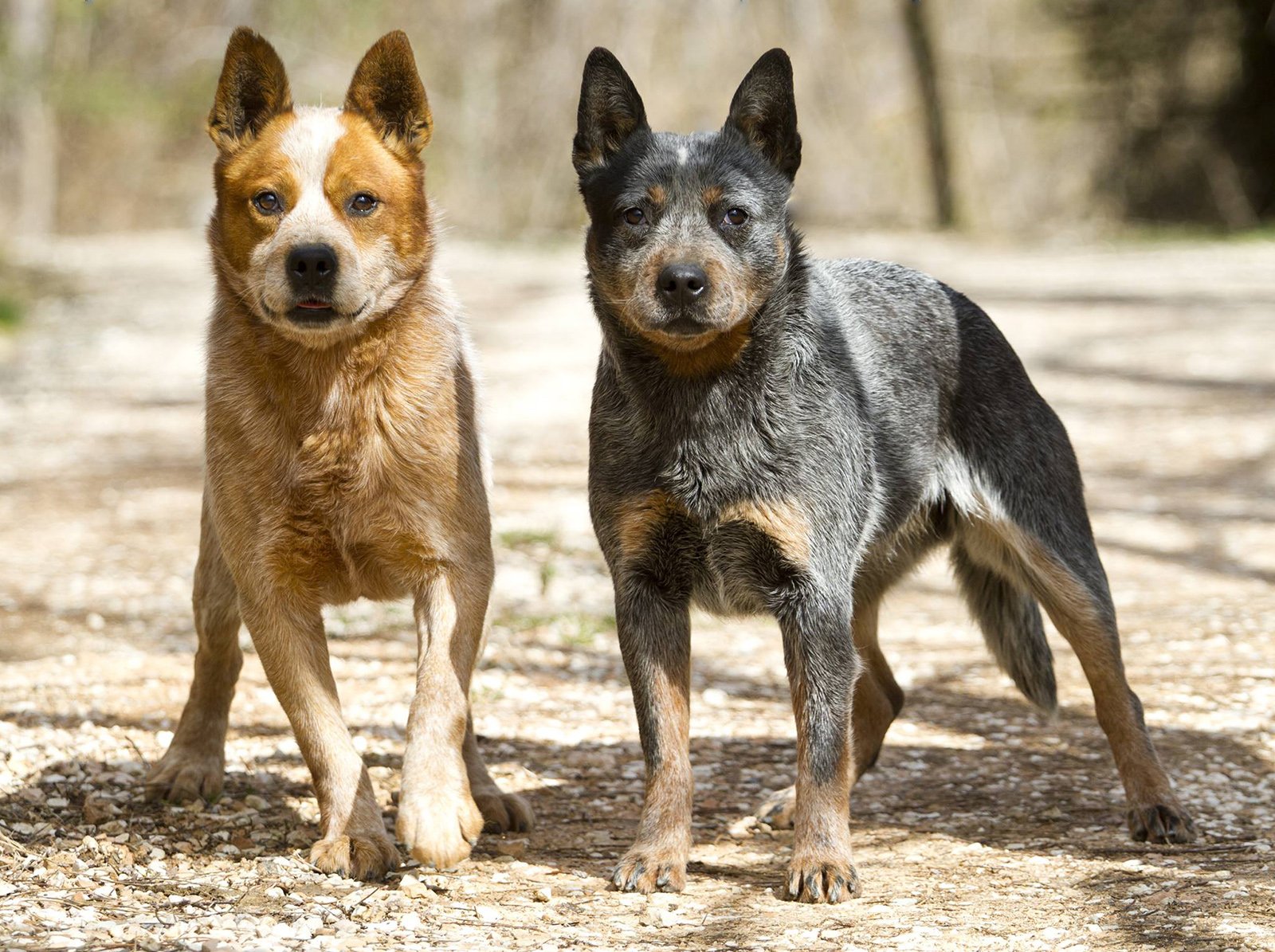
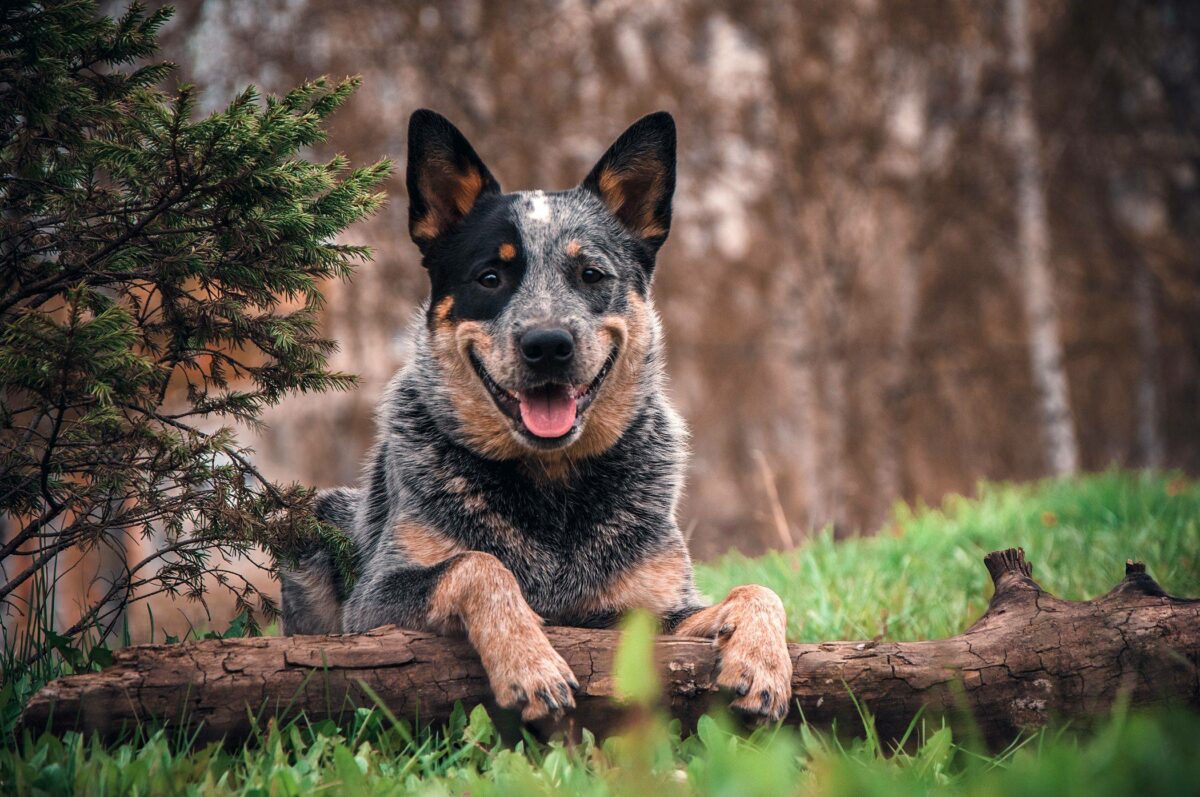
Their build is proportional and harmonious. Kelpies have short, dense, and thick fur designed to protect them from weather conditions like rain or cold. Their coloration can vary widely – black, brown, spotted, or a combination of several colors. Some Kelpies also have white markings on their chest, legs, or face.
The movement of the Australian Cattle Dog is energetic and graceful. They possess excellent coordination, allowing them to navigate any terrain quickly and easily. Their run is unobstructed, with swift and precise throws and turns.
Overall, the Australian Cattle Dog has an elegant and slender appearance that reflects their intelligence, energy, and quick reflexes. Their physical characteristics make them ideal dogs for farm work or active outdoor pursuits.
The general appearance is that of a strong, compact, symmetrically built working dog, capable and willing to perform any task assigned to them, no matter how difficult.
Its combination of strength, balance, and robust muscles should convey an impression of immense agility, power, and endurance.Australian Cattle Dog puppies are born white, with only black or red markings visible on their heads and spots on their bodies (if any). Their true color begins to emerge around three weeks of age.The coloration of the Australian Cattle Dog reflects its multicultural heritage, including Dalmatian, Collie, Kelpie, and wild Australian dingo influences. Their coat pattern can be brindle or speckled, with shades of white, gray, blue, black, or red, creating a striking appearance.Strong, compact, symmetrical, substantial, powerful, and balanced. A solid muscular state indicates agility, strength, and endurance. Coarseness or roughness is undesirable.


Отличительные черты

Голова

Морда

Уши

Глаза

Зубы

Корпус

Конечности

Хвост

Шерсть

Окрас
Character
The Australian Cattle Dog, or Kelpie, is characterized by high energy, loyalty, and intelligence. Their unique character makes them ideal companions for active individuals and working shepherds seeking a reliable and efficient helper.
One of the main traits of the Kelpie is its high energy level. They have a vast reserve of internal energy that needs to be regularly released and directed. Without sufficient physical and mental stimulation, they may exhibit uncontrollable behavior or develop destructive tendencies. Therefore, active engagements, long walks, outdoor play, and mental challenges are essential parts of their daily life.
Another remarkable trait of the Kelpie is its loyalty and attachment to family. They form strong emotional bonds with their owners and strive to be close to them in all situations. They feel uncomfortable when separated from their loved ones, preferring to be with their family as much as possible.
Kelpies are known for their high intelligence. They are very smart and quick learners. They easily grasp new commands and tricks and are eager to perform them. Due to their cleverness and trainability, Kelpies are effectively used in various fields, such as search and rescue, service training, and competitions.
It is important to note that Kelpies are working dogs that thrive on having a job and task to fulfill. They exhibit their full effectiveness and happiness when performing their duties. This makes them ideal for farm work, herding, and control of livestock, as well as assisting in other outdoor activities.
Overall, the character of the Australian Cattle Dog combines energy, loyalty, intelligence, and work ethic. They are made to work alongside humans, and their natural abilities make them an integral part of an active lifestyle and outdoor work.Kelpies are friendly and playful with children and other animals, especially if properly socialized from an early age. They typically do not display aggression or hostility, but instead are welcoming and friendly. They love to spend time with high energy and are enthusiastic towards other dogs. They are also cheerful and protective of their family, making them a wonderful addition to any household.They can get along well with other dogs, especially if raised together from puppyhood. However, as they tend to be very devoted to one person in the family, jealousy or conflicts may develop. They are naturally dominant and can be aggressive towards other breeds. This issue can be resolved through proper and early socialization training to teach them how to behave appropriately with new friends.Key characteristics of the Australian Cattle Dog include the ability to control and move livestock in any conditions. They are loyal
Intelligence and learnability
Kelpies are considered one of the smartest dog breeds in the world. They possess a high level of intelligence and the ability to quickly learn new commands and tricks. This breed was originally developed to perform specific working tasks on farms, which is why they have well-developed instincts and skills necessary for working with livestock.Care and Maintenance
The Australian Kelpie requires an active lifestyle and needs to be fulfilled both physically and mentally. Proper care and maintenance will help them stay healthy, happy, and perform their working duties at a high level. Here are some important aspects of caring for a Kelpie:
Physical Activity: Kelpies are a very energetic breed that requires extensive physical exercise. Regular walks, running, sports activities, and outdoor games will help them express their energy and maintain their health. It is also advisable to provide them with access to a spacious yard where they can run and play freely.
Mental Stimulation: Kelpies are smart and caring dogs that need mental stimulation and training. Games, puzzles, learning new commands and tricks will help them develop their intellect and maintain interest in activities. They can also participate in various competitions and training, such as agility, herding, or frisbee.
Diet: It is important to provide Kelpies with balanced and appropriate nutrition. Choose a high-quality commercial dog food that suits their age, size, and activity level. Monitor their weight condition and provide the correct portion of food. Always ensure they have fresh and accessible water to drink.
Coat Care: The Kelpie’s coat is short and does not require frequent grooming. However, regular brushing will help remove loose hair and prevent matting. During shedding periods, when they lose a lot of hair, daily brushing may be necessary.
Health and Veterinary Care: Regular veterinary visits, vaccinations, and preventive treatments for fleas and worms are important parts of Kelpie health care. They should also be protected from harmful insects, such as ticks and mosquitoes, which can carry dangerous diseases.Socialization: Early socialization is a key aspect of raising a Kelpie. They should be familiar with different situations, people, and other animals so they can easily adapt and interact according to the situation. Regular walks in public places, visiting friends, or dog parks will help them develop social skills.Caring for a Kelpie requires time, attention, and dedication. They need ample space for an active lifestyle, fresh air, and opportunities to showcase their intelligence. Proper nutrition, regular physical and mental activities, and health care will help them be happy and healthy companions in your life.Maintaining their cleanliness and order does not require special effort. Start getting them used to grooming and inspections when they are still puppies.Trim their nails once or twice a month if your dog does not wear them down naturally to prevent painful tears and other issues.C
Swiftness and grace
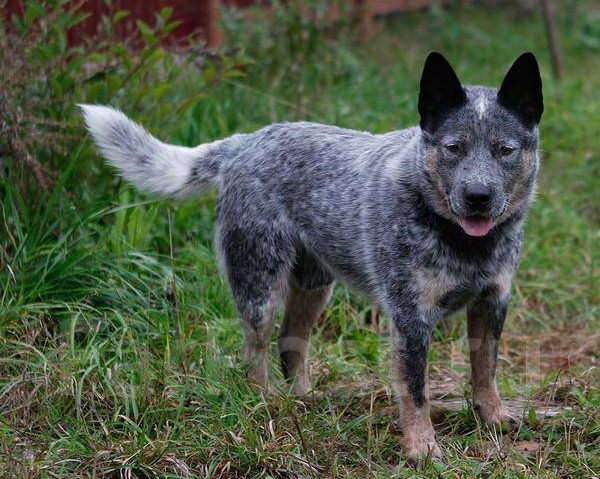
Kelpies are very graceful and agile dogs. They have excellent coordination and can move quickly across any terrain. Their speed, precision, and flexibility make them ideal for tasks on the farm, such as herding and managing livestock.Training and Education
Australian shepherd dogs are among the smartest dog breeds, making them ideal candidates for training and education. They were bred for work on farms and pastures, which gives them a natural ability to follow commands and complete tasks.
Training and educating a Kelpie requires patience, consistency, and a positive approach. It’s important to start training at an early age when the puppy is still developing its fundamental behavioral skills. They respond well to praise, rewards, and are bonded with their owners, which makes them motivated to learn.
One important aspect of training Kelpies is socialization. They must be familiar with various people, animals, and situations to be confident and adaptable. Regular visits to public places, interactions with other dogs, and training classes will help them develop social skills.
Kelpie training should be structured and based on a positive approach. Using praise, affection, and tasty treats as motivation helps them understand that desired behavior leads to rewards. Kelpies have a high level of concentration and learn new commands quickly, so short and intense training sessions yield the best results.
It’s essential to remember that Kelpies are working dogs and need both physical and mental stimulation. Engaging play, tricks, search activities, and active walks help keep Kelpies healthy and happy. They can also participate in various sports and working events, such as dog frisbee, agility, and herding training.
In addition to physical training, it’s also important to challenge a Kelpie’s mind. They enjoy solving problems and learning new commands. Mental activities, such as searching for items, doing tricks, and learning new commands, help keep them active and develop their intellectual abilities.It’s important to note that training and educating a Kelpie is a process requiring continual practice, patience, and ongoing communication with the dog. But with the right approach and motivation, Kelpies will become obedient and reliable partners, always ready to follow your commands and assist with various tasks.Australian dogs are easily trainable as they are intelligent and have good memory. This makes them even more wonderful family pets! They quickly grasp new lessons and love to please. Like with other breeds, they should be taught respect as early as possible.Australian dogs require significantly more physical and mental activity than an average dog. They need over 2 hours of activity every day. They enjoy going to the park and walking down the street, making new friends along the way.Meet their energy needs to keep them happy at all times.
Variety of colors
Kelpies can have a wide range of colors, which makes each individual of this breed unique and attractive. The colors vary from black and brown to spotted or mixed. Some kelpies have white markings on their chest, legs, or face, which adds even more individuality and beauty to them.
How to Choose a Puppy
Choosing a puppy of the Australian Shepherd breed is an important and responsible step that requires careful study and approach. Here are some tips to help you choose the right puppy:
Research the breed: The first step is to learn about the breed’s characteristics. Understand the breed standards, temperament, grooming needs, and training requirements. It’s also important to determine if the energetic and active nature of a Kelpie suits you.
Find a reputable breeder: After studying the breed, research the reputation of breeders. They should have experience and knowledge in breeding Kelpies and provide conditions for healthy puppy development. Seek recommendations from other Kelpie owners and check their online profiles and reviews.
Visit the kennel: Personally visiting the kennel will help you assess the living conditions of the puppies and their parents. Take a close look at the puppies-they should appear healthy, active, and shiny. Get to know the puppy’s parents to evaluate their temperament and health status.
Observe socialization: Puppies should be socialized and interact well with people and other animals. Check how the puppies respond to stimuli and how they play and communicate with each other.
Ask questions: Don’t hesitate to ask the breeder about genetic tests, vaccinations, and the health of the puppy’s parents. Also, inquire about available guarantees and the possibility of getting references from previous puppy owners from the breeder.Choose a puppy that meets your needs: Consider your own needs and lifestyle when selecting a puppy. If you are an active person looking to engage in sports or work on a farm, choose a puppy with high energy levels. If you’re looking for a family companion, ensure the puppy has a sociable and friendly temperament.Trust your instincts: Finally, trust your instincts. If you feel that the connection with the puppy is wrong or have any doubts, it may not be the right puppy for you.Choosing a puppy of the Australian Shepherd breed is an important decision that requires time and effort to find the perfect companion for your life. Be prepared to invest in training and socialization to help your puppy become a happy and healthy member of your family. ZooniСЃ provides a wide selection of breeds with documentation and pedigree.
Health and Diseases
Australian Cattle Dogs, or Kelpies, are generally healthy and sturdy animals. However, like any dog breed, they can face certain health issues. Here are some of the most common conditions that may affect Kelpies:
Hip and Elbow Dysplasia: This is a genetic condition in which the joints develop improperly, potentially leading to pain and limited mobility. Regular screening of the parents can help reduce the risk of dysplasia in the offspring.
Obesity: Kelpies are very active dogs, and an unbalanced diet or lack of physical activity can lead to weight problems and obesity. Their diet and regular exercise should be closely monitored.
Allergies: Kelpies can have allergic reactions to various foods, environmental factors, or seasonal allergens. If your dog shows signs of allergy, such as itching, rashes, or skin redness, consult a veterinarian for advice and treatment.
Eye Problems: Kelpies may experience eye issues, such as distichiasis (abnormal eyelashes growing on the inner edge of the eyelids), retinal detachment, or tear duct disorders. Regular eye check-ups with a veterinarian can help detect problems at an early stage.
Hereditary Diseases: Some Kelpies may be prone to rare hereditary diseases, such as multifocal retinal degeneration, circulatory issues, or neurological problems. Breeders who raise Kelpies should conduct tests and screenings to eliminate hereditary conditions before breeding their dogs.It is important to note that a proper diet, regular exercise, and routine visits to the veterinarian for health checks can help reduce the risk of these issues and maintain good health in your Kelpie. It is also crucial to choose a puppy from a responsible breeder who prioritizes health and the exclusion of genetic problems in their breeding program.Remember that timely visits to the veterinarian, regular health checks, and attentive care will help ensure a long and healthy life for your Australian Cattle Dog.Scheduled veterinarian visits every six months are important for ensuring their health and happiness at all stages of life. During these annual visits, your veterinarian will conduct a medical examination, take your dog’s temperature, and check their heartbeat.Regular care for your dog allows you to track their growth and development, discuss any issues with your vete
Содержание
-
1. Описание породы
-
2. Внешний вид
- 2.1 Голова
- 2.2 Морда
- 2.3 Уши
- 2.4 Глаза
- 2.5 Зубы
- 2.6 Корпус
- 2.7 Конечности
- 2.8 Хвост
- 2.9 Шерсть
- 2.10 Окрас
-
3. Характер
-
4. Содержание и уход
-
5. Дрессировка и обучение
-
6. Как выбрать котенка
-
7. Здоровье и болезни






Comments
Only registered users can leave reviews.
Enter