
American Akita





Warning: Illegal string offset 'label' in /home/panda/sites/zoonika/wp-content/themes/zoonika/template-parts/animals/animals-param-item.php on line 32
Ð


Description of the breed
The Akita is an ancient Japanese dog breed. The American Akita developed from this as an independent and official variant. It was bred in the USA as a result of World War II. The original name Akita comes from the prefecture of the same name in northwestern Japan, around the city of Odate, which is still considered the dog city of Japan. The Akita is one of the largest of the six Japanese dog breeds recognized by the FCI. The Akita was a working dog that lived in the northern part of Honshu Island in Japan. It served as a guard dog and sometimes as a sled dog. Since ancient times, Akitas have also been used as hunting dogs. They are said to have proven themselves effective in hunting black bears. Later, they became known as the samurai’s dog. They were also exploited for dog fighting. Around 1900, the Akita was nearly extinct. Efforts to preserve this breed began in 1930. The Japanese value their dogs. In 1931, the Akita was recognized as a national monument of nature, being the first of seven Japanese dog breeds to receive such honor. However, this did not protect it from being wrongly used as a provider of pelts for military clothing during World
The Akita originates from the northern areas of the Japanese highlands. It is a large, muscular dog with noble and imposing manners. In feudal Japan, they were initially used to protect kings and nobles. Their work was mainly related to hunting and fighting dogs before they were trained for police and security work. In their homeland, they are known as excellent hunters, family protectors, and symbols of good health, happiness, and long life.
The price for a puppy is 30,000-70,000 rubles.

Appearance
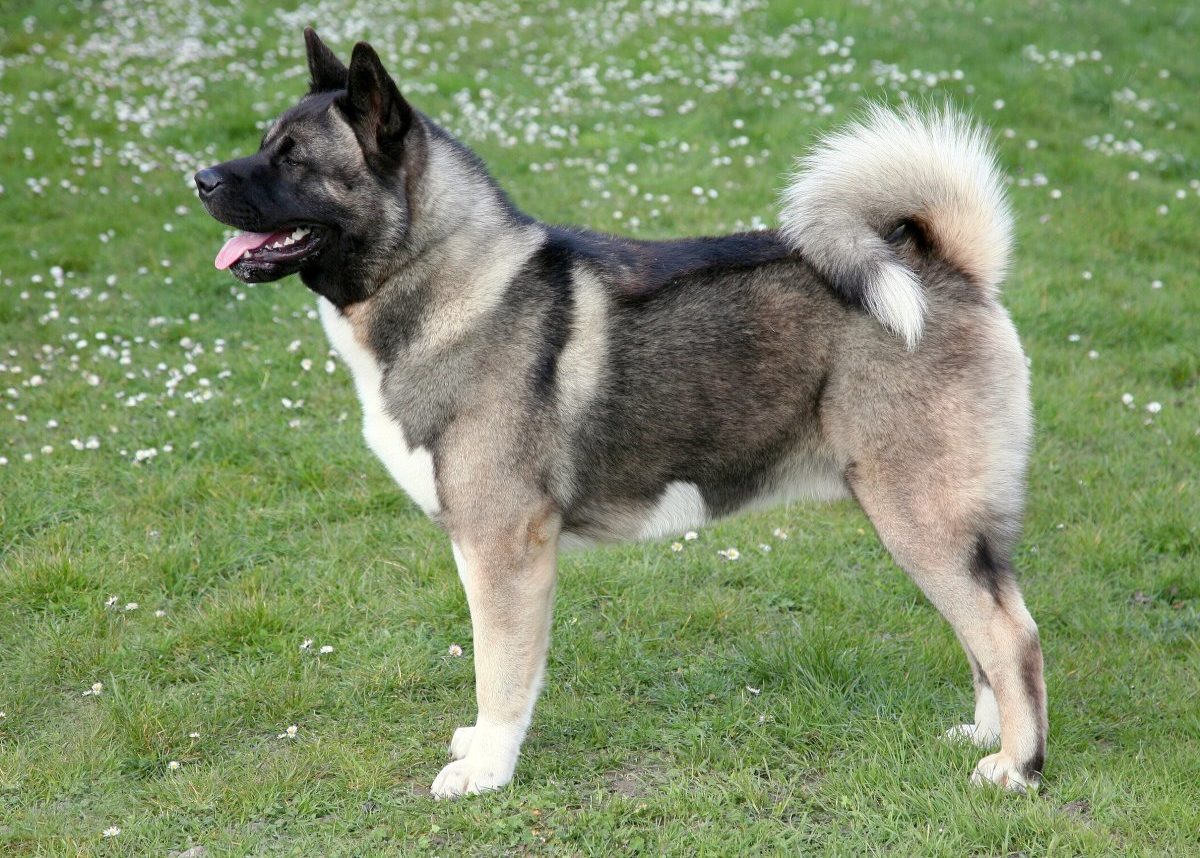
The Akita is large, powerful, and possesses a noble demeanor. These muscular dogs with double coats from an ancient Japanese lineage are renowned for their dignity, courage, and loyalty. Their appearance is well-balanced with a full, curled tail that complements their large head. They have small triangular eyes and a confident, stern posture. They do not shy away from challenges and are not easily intimidated.
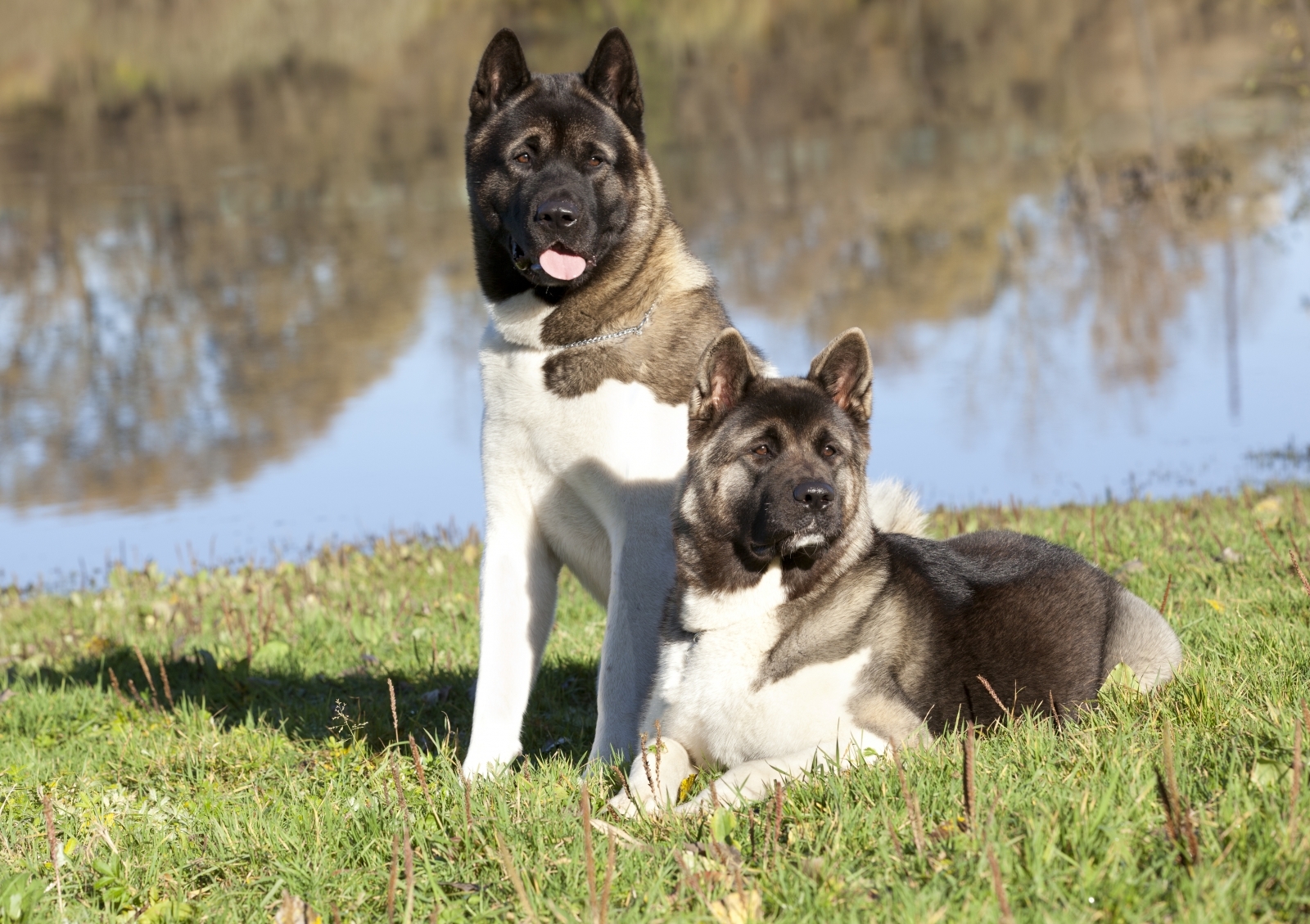
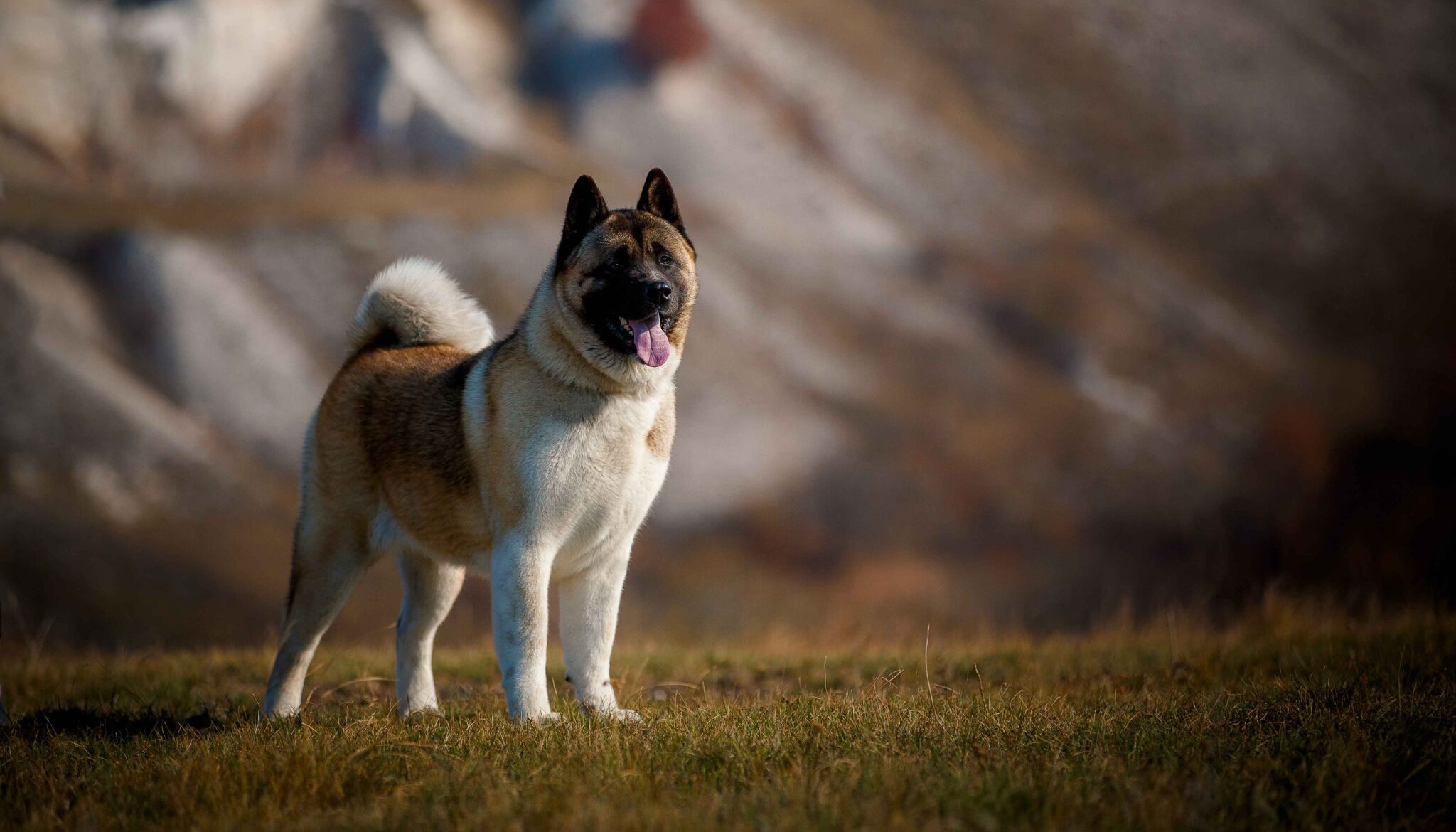
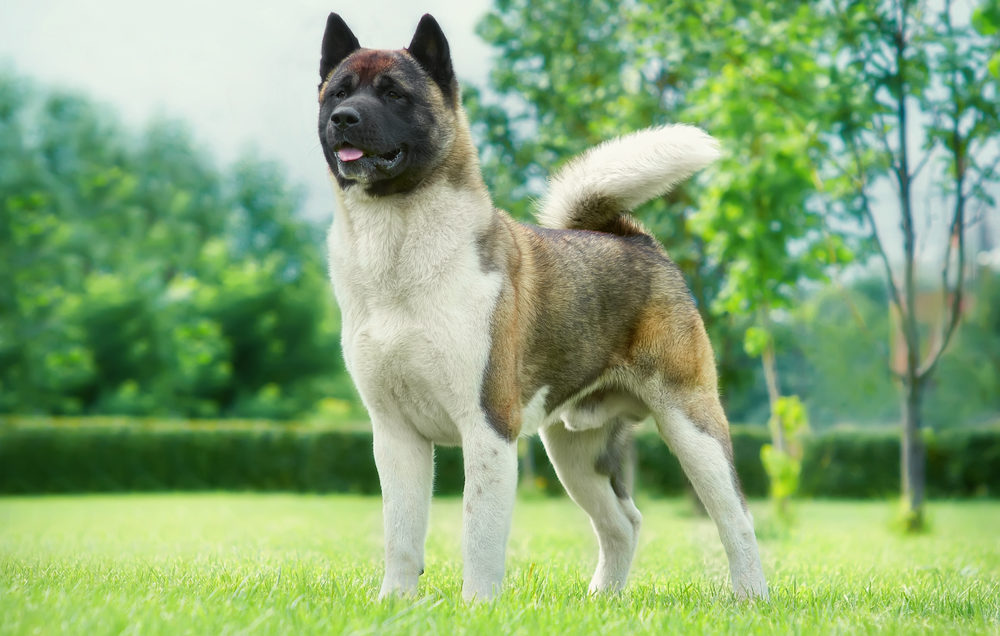
The American Akita is a very powerful, large dog with a calm, dignified appearance. It has a balanced build without exaggeration but appears more muscular than the Japanese Akita. The American variant is also slightly larger. Its head is a bit more robust, yet still distinctive and unique, aside from its Japanese counterpart.
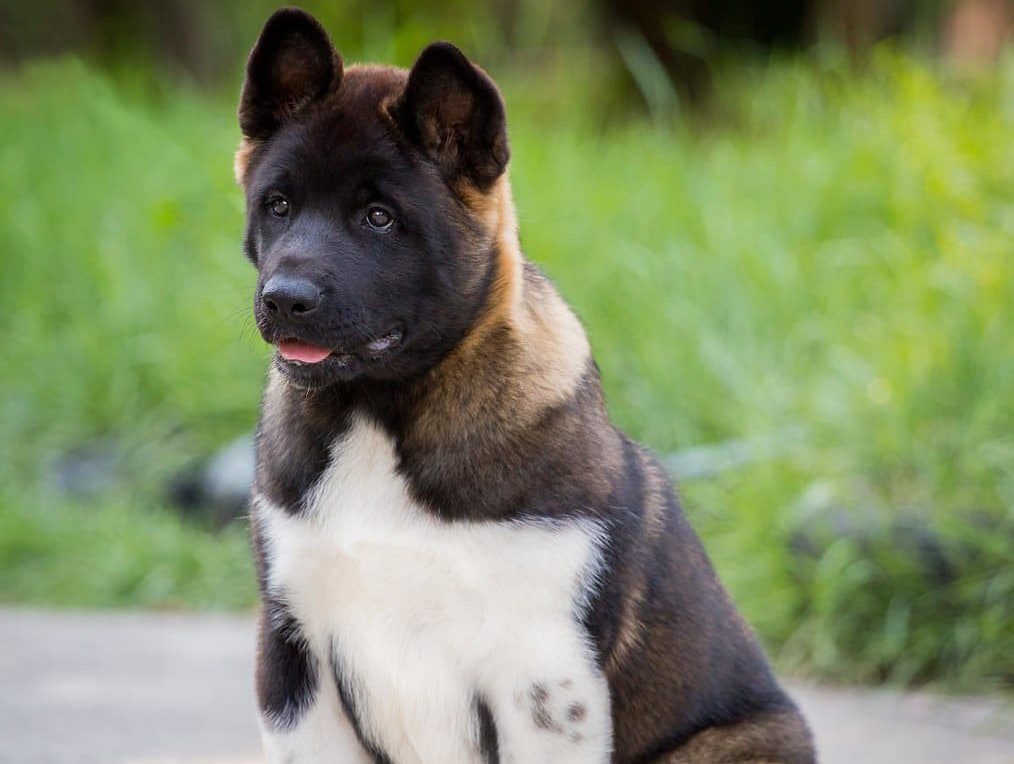
The official standard describes the American Akita as follows: “A large, strong, harmoniously built dog with a massive physique and heavy bone structure. The breed is characterized by a broad head shaped like an obtuse triangle, a deep muzzle, fairly small eyes, and erect, forward-leaning ears that nearly extend the neckline.”
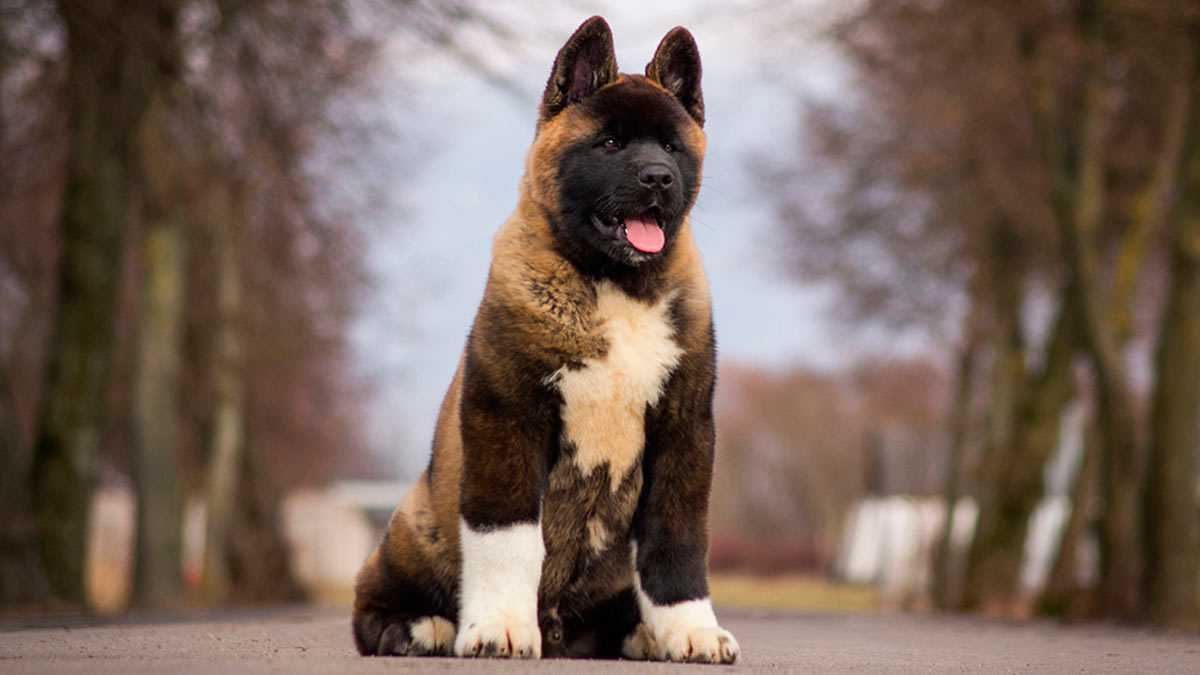
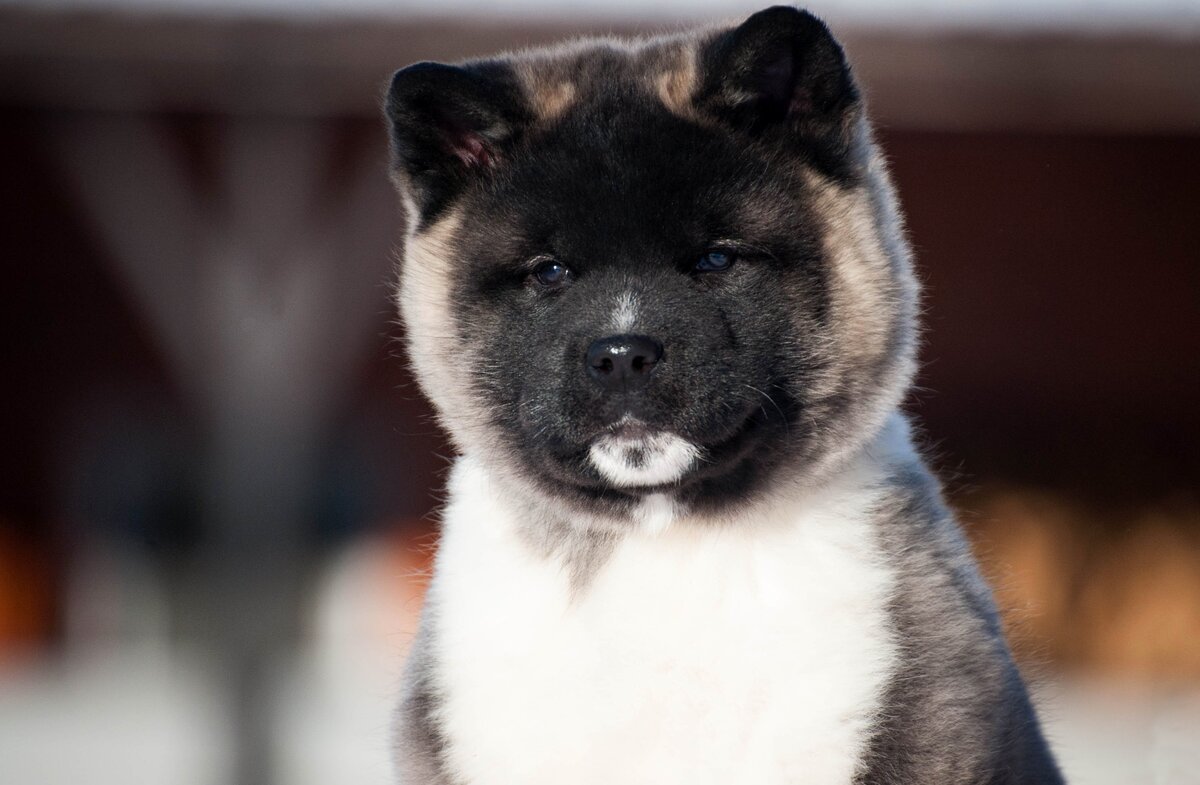
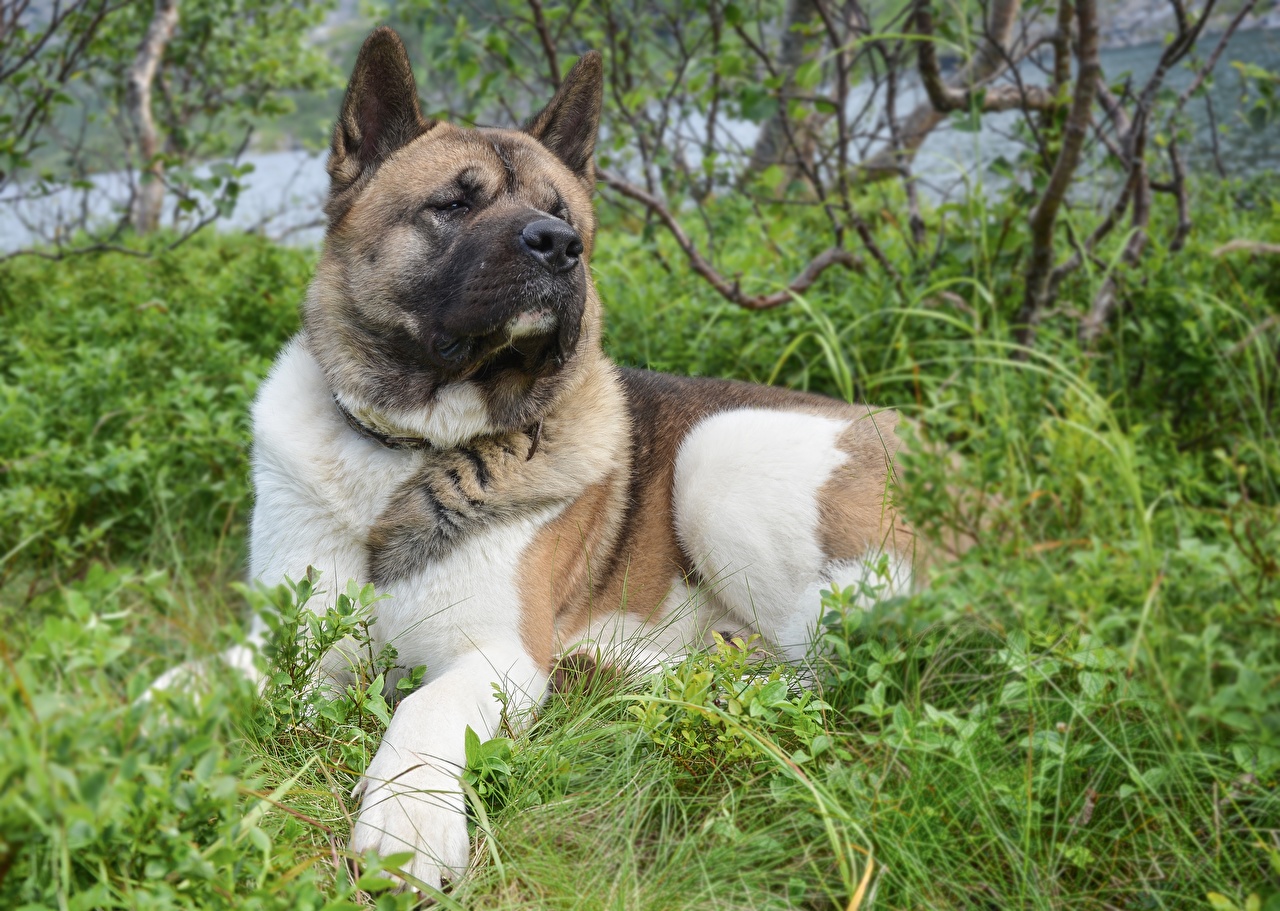
The ears are particularly striking, always keenly alert. Overall, the dog seems to smile mischievously. Its coat is thick, almost plush, and appears to invite you to cuddle. Acceptable colors include red, fawn, white, and so on, including brindle or pinto. Sometimes, Americans have a black mask, which is undesirable in the Japanese breed. The undercoat can be a different color than the top coat. The Akita has a sturdy build and commands respect from a distance. Typically, it has a curled tail carried over its back.
It stands between 61 to 71 centimeters at the withers, with males being significantly larger than females. The standard does not specify weight.
An American Akita from reputable breeders should live up to 12 years.


Отличительные черты

Голова

Морда

Уши

Глаза

Зубы

Корпус

Конечности

Хвост

Шерсть

Окрас
Character
Like the Japanese Akita, the American Akita is an independent and very self-confident dog. It is not submissive. It is indifferent to strangers but, at the very least, cordial. It develops a strong bond with its guardian. It belongs to the type of “lone dog,” as described by Nobel Prize winner Konrad Lorenz. Your owner must first earn their recognition. Once this is established, the intelligent dog becomes an extremely loyal, cooperative, and polite partner. The standard describes the American Akita as friendly, vigilant, receptive, obedient, and brave. The Akita remains calm even in stressful situations. It radiates tranquility and majesty, while still possessing a wild spirit. The old hunting instincts are still alive in many Akitas, along with many traits of the original dog. Legends tell of these dogs’ loyalty. The most famous original Akita is Hachiko. Hachiko met his owner, a music professor, every day after work at Shibuya Station in Tokyo. After his owner passed away, Hachiko continued to wait every day for permission to meet him at the station. Even nine years after his owner’s death, Hachiko waited for his beloved person until his o
These are strong-willed dogs that are naturally suspicious of strangers but are devoted to their families. They are vigilant, intelligent, and brave. They are loyal companions who will remain faithful to their family for life, showering them with loyalty and love. They can make excellent family dogs!
The American Akita is a loving and devoted family member that enjoys being the only dog. They are best suited for families with older children.
Akitas are strong-willed dogs that are naturally suspicious of strangers but are affectionate with their family. They are loving and playful with their family.
American Akitas are very intelligent, strong-willed, and proud. They are smart and committed, but their independence and willingness to act on their own can sometimes be challenging.
They respond best to polite commands and positive training approaches that depend on motivation. So, make training enjoyable for both of you!A dog may exhibit hostility toward other dogs outside the family, especially due to their dominant nature. They are particularly prone to same-sex aggression.They need positive socialization as well as consistent, strict training. When poorly managed or mistreated, they can become aggressive.
The patient Japanese person.
The American Akita is a dog with an enormous level of patience. It takes a great deal of effort to provoke a bark from this dog. It's no coincidence that this breed is classified as a therapy dog.Care and Maintenance
The fur of all Akitas is dirt- and water-repellent, making it very easy to care for. They shed their undercoat twice a year. Regular brushing is essential during the shedding period, as the Akita loses some hair. This process takes about 2-4 weeks.
What food is best for American Akitas?
American Akitas need a balanced and varied diet. Like most dogs, they also enjoy meaty beef bones and fresh meat. The American Akita is suitable for professional BARF feeding.
Akitas thrive on a well-balanced dry or wet dog food diet. They should be fed twice a day, which you can divide into two portions.
While Akita puppies are growing, you can feed them 3-4 times a day in small portions. Fresh, clean water should be available throughout the day. Looking for a puppy? Check out Zoonyka for reputable breeders with documentation.
Akita - a snow lover
Winter and snow are a true delight for Akitas. As soon as the dog hits the snow, it instantly transforms into a playful, spirited puppy. The Akita is ready to roll in the snow for hours, chase birds, and catch snowflakes.Training and Education
The American Akita doesn’t have special requirements, but it is suitable for almost all activities you can do with a dog.
Akitas are large dogs that need plenty of exercise. They require up to two hours of activity, which can be spent running or walking. They enjoy playing in a spacious, safe yard where there’s enough activity to engage their minds.
Akitas naturally love water, and many enjoy swimming from time to time.
Is the American Akita right for me?
Keeping an American Akita is not a problem for knowledgeable owners. However, you must understand the nature of the Akita, whether Japanese or American, and consistently train and guide them. The Akita requires a significant personal space. It is confident and strong at the same time. Akitas are not for everyone; they also do not show a pronounced “desire to please.” They are not interested in other dogs, and if they are, it is with the intent to dominate, especially noticeable in males. The hunting instinct in most Akitas is still alive. All this can make walking stressful if not trained properly. Even well-mannered individuals may need to be kept on a leash, depending on the dog’s individual traits. Akitas get along well with children but should not be left unsupervised with them. They like to develop a strong protective instinct toward their family, which should never be unchecked. The owner must be responsible and solely determine what to “protect,” when, and how. Akitas are good watchdogs and enjoy making their presence known from time to time. They have a very weak odor, and their coat is much easier to care for than that of other dogs. They shed little
Training an American Akita requires a lot of involvement and, above all, respect for its personality. The Akita is willful and not a servant waiting for commands from its owner. You must guide it with a gentle hand. Clear boundaries need to be established and strictly maintained. You cannot force it; you have to convince it. Rigidity or stubborn repetition of commands has only the opposite effect: the Akita becomes dull and follows its own will. Its strong independence and natural self-confidence demand a great deal of patience and experience in dog training. An Akita, whether Japanese or American, is not suitable for beginners. You must not only accept the quirks of Akitas but truly appreciate them to be happy with one. Once a harmonious relationship is established and leadership is clarified, the Akita provides wonderful, unique, and ever-interesting enrichment to life, along with a special bridge to nature. Find your puppy through trusted sources.

The Akita is capable of escaping.
An interesting fact is that Akitas need regular training and walks. If they do not receive enough attention, they may try to escape, deciding that they lack activity. This is quite common nowadays.
TITLE: How to Choose a Puppy
Choosing an American Akita puppy is an important and responsible step that requires careful consideration. This breed is known for its strength, loyalty, and independent character, and to ensure your new pet becomes a true friend and protector, several key factors must be taken into account when selecting a puppy. Before you start your search, clearly define your reasons for wanting a dog. The American Akita is a large, powerful dog that demands a lot of attention, physical activity, and training. Whether you are looking for a protector, a companion for outdoor activities, or simply a family friend, understanding your needs will help you select a puppy with the right traits.
Make sure to look for a puppy from a reputable breeder who specializes in Akitas. Ensure that the breeder has positive reviews and a good reputation within the dog breeding community. Familiarize yourself with the conditions in which the dogs are raised, learn about the health of the puppy’s parents, their temperament, and behavior. A good breeder will always be ready to answer your questions and provide all necessary information about the puppies’ lineage. Meeting the puppy’s parents will give you a better idea of how your future pet might develop. Pay attention to their character, appearance, and behavior. Good traits in the parents, such as calmness, friendliness, and absence of aggression, are often passed on to their offspring. Healthy, well-cared-for dogs are a sign that the breeder cares for their pets.
Before purchasing a puppy, ensure that it has undergone all necessary veterinary checks and vaccinations. Ask the breeder for health documents, including results from tests for hereditary diseases such as hip dysplasia. Also, observe the puppy’s appearance: the eyes should be clear, the coat shiny and free from skin issues, and the ears clean. American Akita puppies can have varying temperaments, even within the same litter. Try to observe the puppies in a playful setting. Choose a puppy that shows interest in you, plays actively with other puppies, and does not display signs of fear or aggression. If the puppy exhibits confidence and friendliness, that’s a good sign.
The gender of the puppy can also influence your choice. Males tend to be larger and more independent, while females may be more affectionate and less aggressive. Additionally, consider the puppy’s age; puppies aged 8 to 12 weeks are generally better suited for socialization and training, as they are actively learning to interact with the world around them.
Before bringing a puppy home, make sure your house is ready for a new family member. Acquire necessary supplies: bowls, food, toys, a leash, and a collar. Also, think about a place for the puppy to sleep and rest. Create a cozy space where it can feel safe. The American Akita requires constant attention, training, and physical activity. Be prepared to devote time to activities and walks. Socialization and training should start from day one to help the puppy grow healthy and balanced.
The cost of an American Akita puppy can vary depending on lineage, the quality of the parents, and the breeder’s reputation. Typically, the price ranges from 30,000 to 80,000 rubles. Don’t forget to factor in future expenses for food, veterinary care, grooming, and other necessary services.Once you have gathered all the necessary information and met the puppies, make an informed choice. Take your time and select a puppy that is right for you and your family. Remember that this dog will be your friend and companion for many years. By following these recommendations, you can choose a healthy and well-mannered American Akita puppy who will become a true member of your family and a loyal companion throughout its life. If you are looking for an American Akita puppy, you should contact a breeder who is a member of the Akita club in VDH. There are many puppies from dubious sources available online.

Health and Diseases
The American Akita is an impressive dog breed, possessing not only strong physical attributes but also a character that requires special attention. Like any other breed, American Akitas are susceptible to certain diseases that may arise at various stages of their lives. Being aware of potential illnesses will help owners take timely action and ensure proper care for their pets.
One of the most common conditions characteristic of American Akitas is hip dysplasia. This hereditary condition can manifest in puppies at a young age and leads to improper joint development, which in turn causes pain and hinders movement. Owners should be attentive to symptoms such as limping, weakness, or reluctance to engage in physical activities. Regular veterinary check-ups and consultations with professional dog trainers can help identify this disease and take necessary measures.
Another prevalent issue is elbow dysplasia, which can also cause pain and movement difficulties. Elbow dysplasia can stem from both genetic predisposition and improper nutrition, especially during the puppy stage when the dog is actively growing. To prevent this condition, it is important to monitor the puppy’s diet and provide appropriate nutrition considering its age.
American Akitas can also suffer from osteosarcoma-a malignant bone tumor. This disease is more common in dogs over 7 years of age and requires urgent medical intervention. Osteosarcoma may present as limb pain, swelling, and difficulty moving. If you notice such symptoms in your Akita, it is crucial to consult a veterinarian for a diagnosis and to decide on further treatment.
Some Akitas are prone to allergic reactions, which can manifest on the skin or in the digestive tract. These allergies can be triggered by various factors, from poor-quality food to environmental influences. If a dog develops rashes, itching, or digestive issues, this may indicate an allergic reaction. In such cases, veterinary consultation is necessary to identify the cause of the allergy and develop a tailored treatment plan.
Thyroid diseases are also not uncommon among American Akitas. Hypothyroidism is a condition where the thyroid gland does not produce enough hormones, leading to various health problems, including weight gain, hair loss, and lethargy. It is important to monitor your dog’s health and seek veterinary attention immediately if any signs of illness appear.Veterinarians also note that American Akitas may suffer from autoimmune diseases such as lupus. This condition occurs when the body’s immune system begins attacking its own tissues, manifesting in various symptoms including skin rashes, weakness, and fever. Diagnosing autoimmune diseases requires specific tests and a comprehensive approach to treatment.Preventing diseases in American Akitas includes regular veterinary check-ups, vaccinations, proper nutrition, and sufficient physical activity. It is essential to monitor the dog’s weight, as excess weight can exacerbate many of the aforementioned conditions. Providing your Akita with quality care, including regular walks, playtime, and training, will help maintain its physical and mental health.
Содержание
-
1. Описание породы
-
2. Внешний вид
- 2.1 Голова
- 2.2 Морда
- 2.3 Уши
- 2.4 Глаза
- 2.5 Зубы
- 2.6 Корпус
- 2.7 Конечности
- 2.8 Хвост
- 2.9 Шерсть
- 2.10 Окрас
-
3. Характер
-
4. Содержание и уход
-
5. Дрессировка и обучение
-
6. Как выбрать котенка
-
7. Здоровье и болезни






Comments
Only registered users can leave reviews.
Enter