
Alpine Dachshund Hound




Warning: Illegal string offset 'label' in /home/panda/sites/zoonika/wp-content/themes/zoonika/template-parts/animals/animals-param-item.php on line 32
Ð


Description of the Breed
The Alpine Dachsbracke, also known as the Alpine Bracke or Devil’s Hound, is a dog with a unique appearance and a fascinating history of origin.
The genesis of the Alpine Dachsbracke breed dates back to the early 19th century in the mountainous regions of the Alpine range. Local hunters were tasked with creating a reliable dog capable of tracking and detecting game in mountainous conditions. It was in these challenging environments that the selection began for dogs that were adaptable, resilient, and courageous.
The main quality that the Dachsbracke had to possess was an excellent sense of smell and endurance in high-altitude conditions. They also needed to have short legs for easy movement through underbrush and strong paws to navigate mountain slopes. As a result of systematic selection for these traits, a new breed emerged that later became known as the Alpine Dachsbracke.
The Alpine Hound was highly sought after among local hunters, as they excelled at their task of finding tracks and pursuing game in the most difficult conditions. They quickly spread to neighboring mountainous areas and became popular hunting dogs.
However, due to the gradual decline in wild game populations and changing hunting habits, the number of Alpine Dachsbrackes began to decrease. As a result, they were on the brink of extinction, and only the persistent efforts of a few breed enthusiasts saved them from disappearing.
Today, the Alpine Hound continues to be used for hunting purposes, but they have also become popular companion dogs, thanks to their distinctive appearance and friendly nature.The Alpine Dachsbracke has a medium-sized body covered with short, dense fur. Their long ears and wide-set eyes make them particularly attractive. They are known for their intelligence, loyalty, and friendliness towards people.Hunters and breed enthusiasts continue to preserve and improve the characteristics of the Alpine Dachsbracke. Thanks to the efforts of these individuals, the breed continues to exist and is now under the protection of various dog breeding clubs and organizations.The Alpine Dachsbracke is a wonderful example of a breed with unique historical roots and abilities. Their background and development demonstrate the adaptability and resilience of a dog created for the harsh conditions of mountainous regions.The price for a puppy ranges from 25,000 to 60,000 rubles.
Appearance
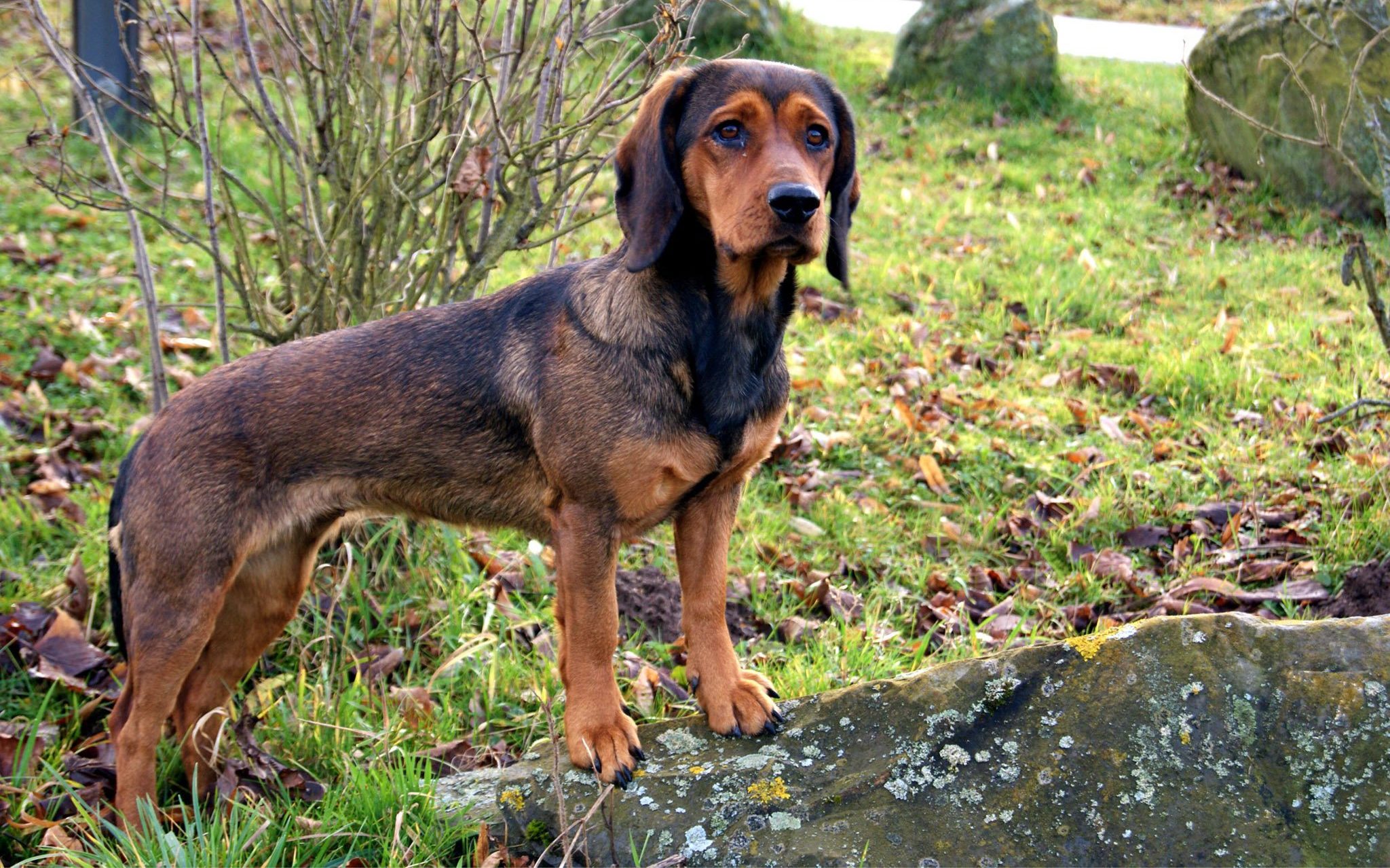
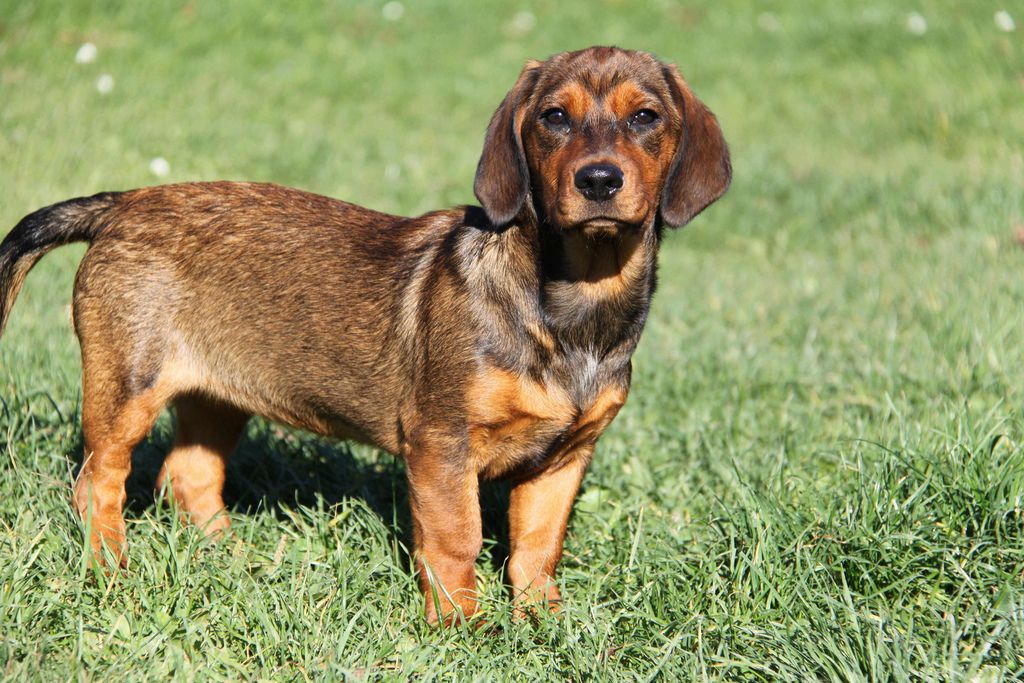
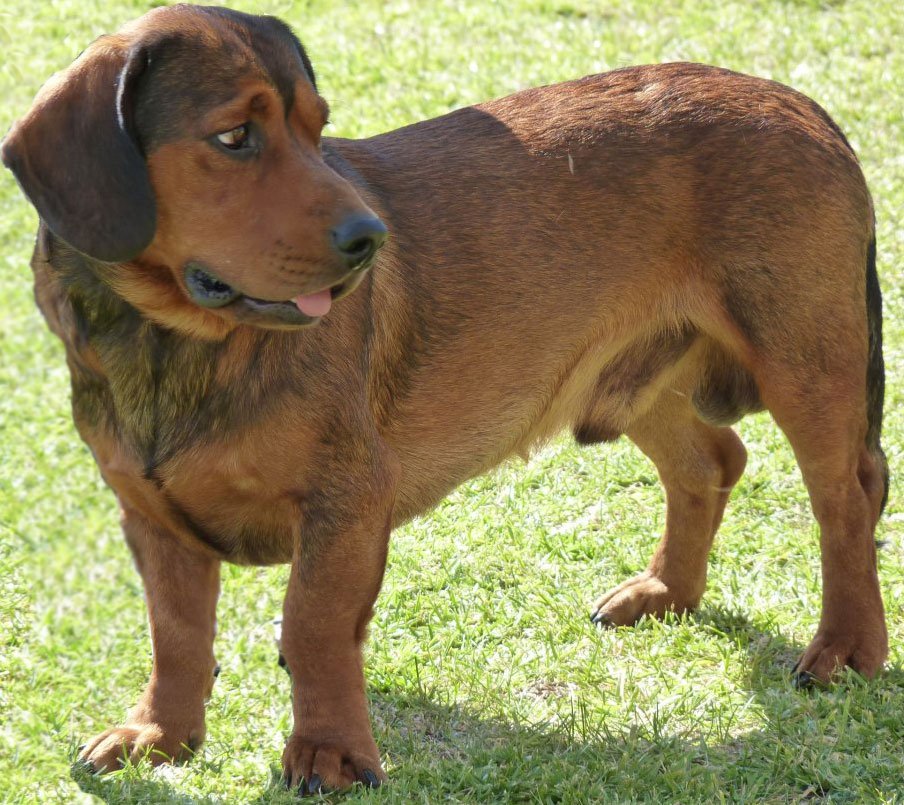
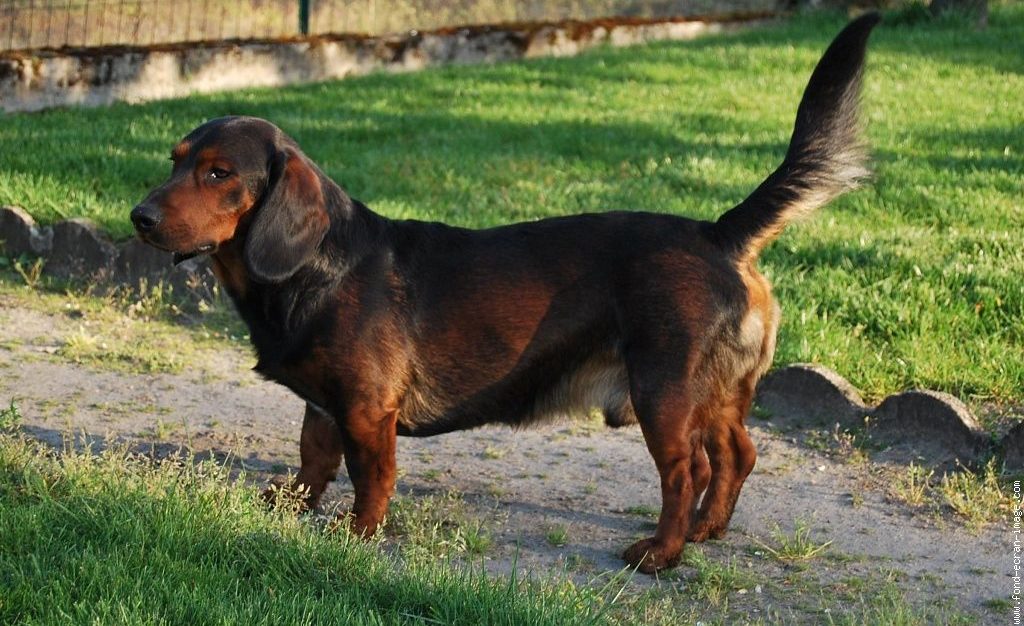
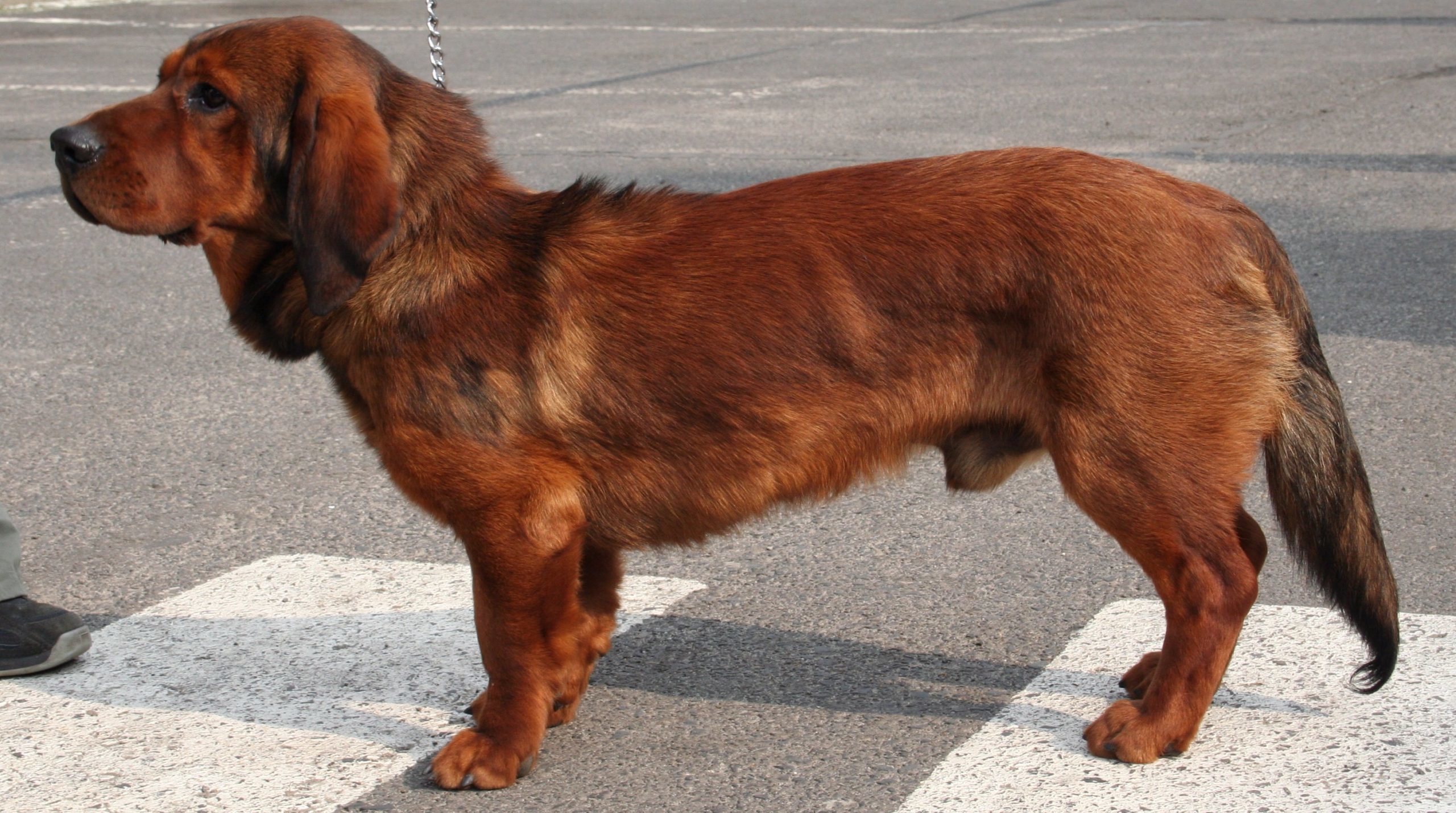
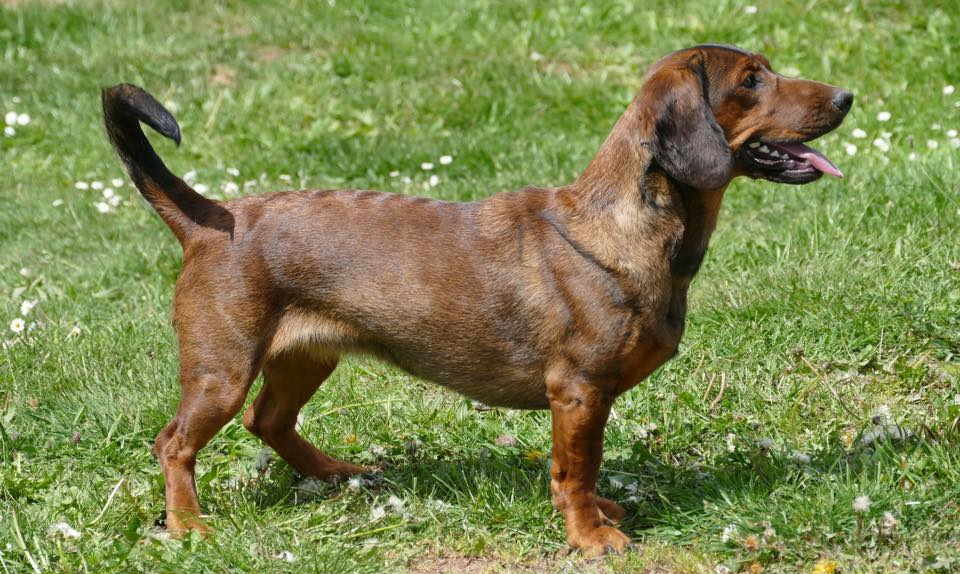
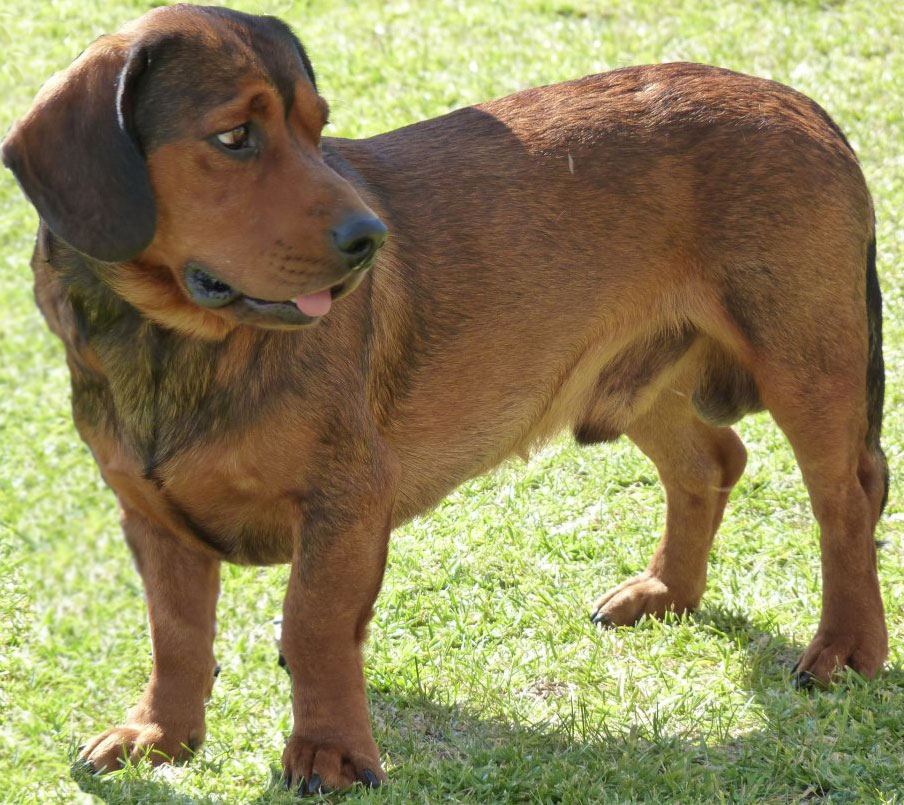
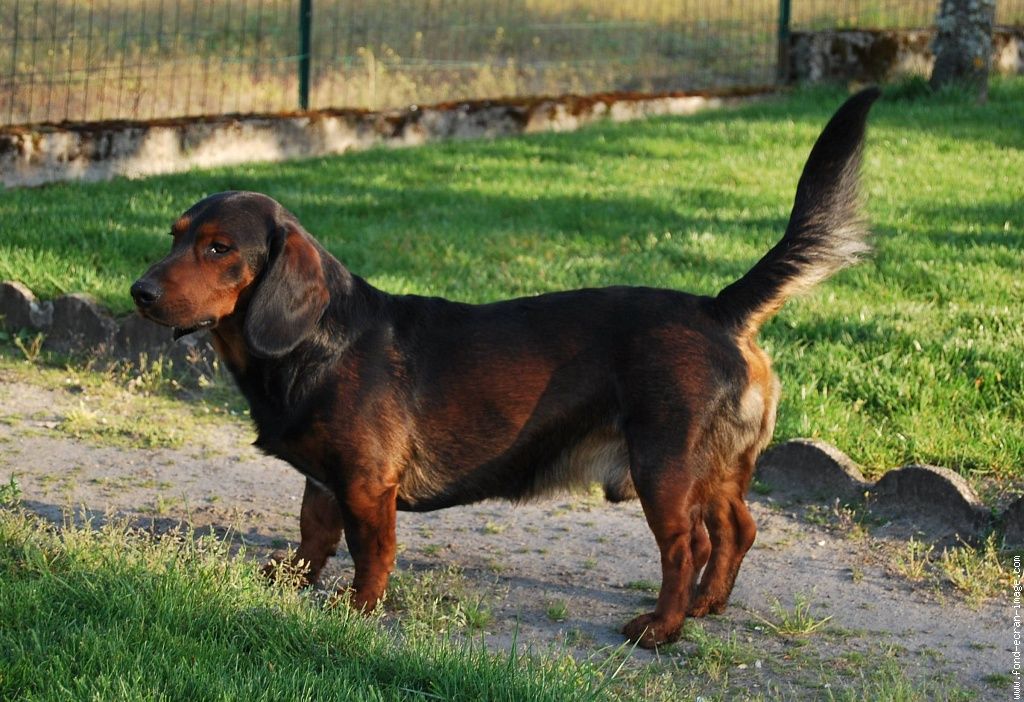
The Alpine Dachsbracke is a dog that immediately draws attention with its expressive and harmonious appearance. These dogs have a sturdy build and well-developed muscles, highlighting their strength and endurance. The height at the withers of Alpine Dachsbrackes ranges from 30 to 40 cm, making them medium-sized dogs suitable for both active hunting and family life.
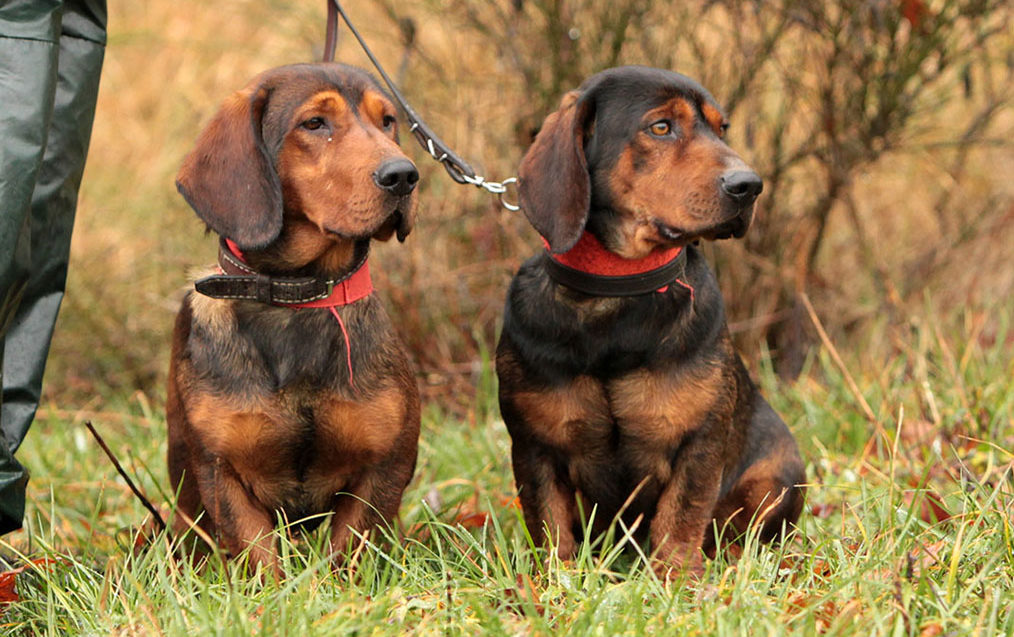
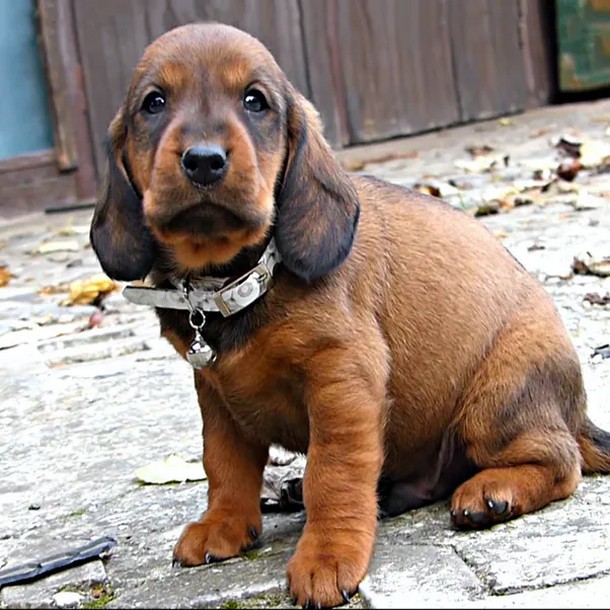
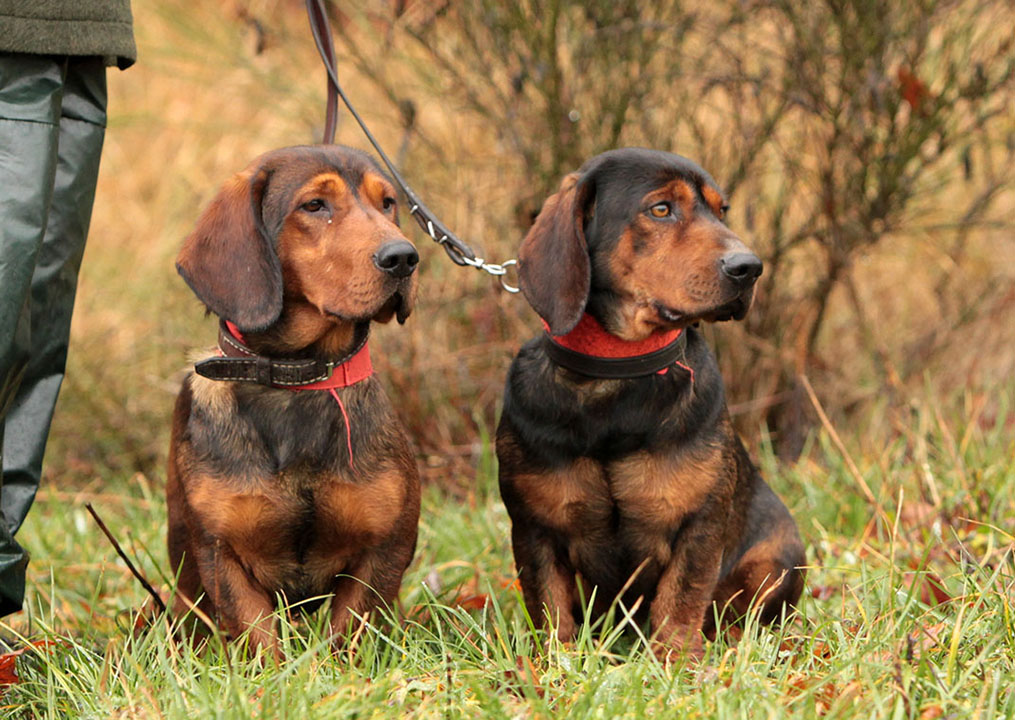
The head of the Alpine Dachsbracke is massive, with a broad skull and smooth lines, creating an impression of confidence and strength. The ears are long and hanging, giving the face a particularly expressive quality, making the dog look friendly and approachable. The eyes are large and almond-shaped, with a lively and intelligent gaze that reflects high intelligence and vigilance.
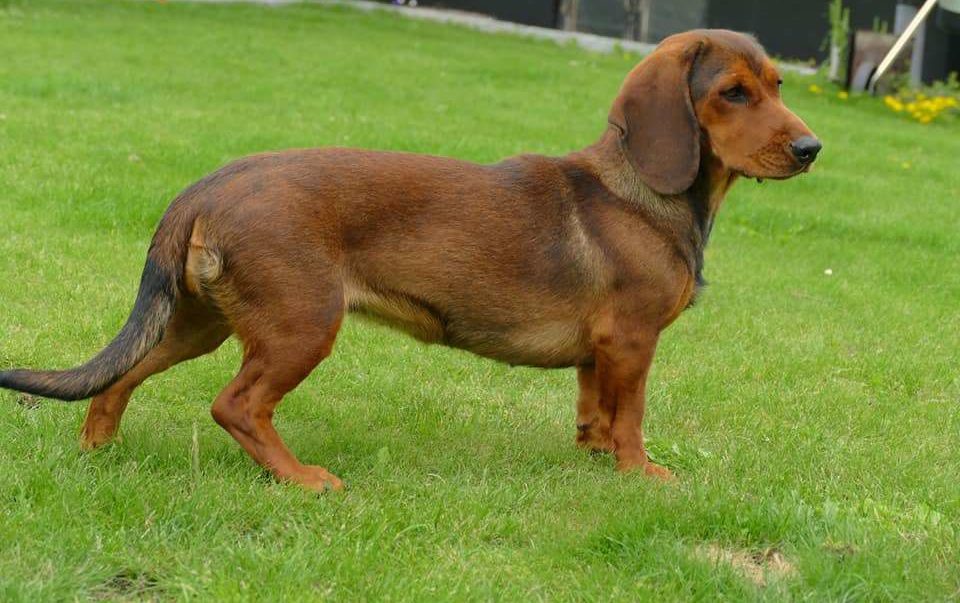
The body of the Alpine Dachsbracke is proportional and muscular, with a wide chest and strong back, allowing the dog to demonstrate excellent working qualities. The limbs are powerful and strong, providing good mobility and stability when moving across various terrains. The tail is of medium length, with thick fur, hanging down when calm but rising when excited, emphasizing the dog’s emotional state.
The coat is short, dense, and coarse, protecting against adverse weather conditions. Alpine Dachsbrackes can have a variety of colors, including red, black and tan, and fawn, which gives each representative of the breed a unique character. This breed not only looks attractive but also possesses remarkable working qualities, making it ideal for an active lifestyle and hunting.


Отличительные черты

Голова

Морда

Уши

Глаза

Зубы

Корпус

Конечности

Хвост

Шерсть

Окрас
Character
The Alpine Dachsbracke is a breed that not only has an impressive appearance but also possesses an interesting and unique character. They are loyal companions and devoted friends to their owners. Let’s take a look at the main traits of these remarkable dogs.
Alpine hounds are known for their intelligence and excellent memory. They learn quickly and respond well to commands, making training relatively easy for them. They are very loyal to their owners and always ready to show their love and devotion.
The Alpine hound is a breed with high energy levels. They are very active and enjoy physical exercise. They need plenty of physical activity, so long walks or sports activities are ideal for them.
Dogs of this breed have friendly and open personalities. They possess strong social skills and get along well with other dogs and animals. They also communicate well with children, making them excellent family pets.
The Alpine hound has strong hunting instincts, which their ancestors used to pursue game. They have an excellent sense of smell and can work in the field with great enthusiasm. However, despite this, they can also be great companion dogs.
Hounds are known for their calm and balanced nature. They are not prone to aggression or unpredictable behavior. They exhibit good self-control and can behave well in various situations.The character of the Alpine Dachsbracke makes them a wonderful choice for active families or those who want a loving and devoted pet. They easily adapt to different living conditions and excel in their role as faithful companions and partners. All these factors make the Alpine Dachsbracke a breed that brings joy and happiness to its owners.
Hunting skills
The Alpine Dachsbracke was specifically bred for hunting mountain wildlife. It has an excellent sense of smell and outstanding tracking skills. Thanks to its keen scenting ability, it can successfully work in mountainous conditions and assist hunters in locating and tracking animals.Care and Maintenance
The Alpine Dachsbracke is a breed of dog with distinct structure and physical characteristics. These dogs have long bodies with short legs and strong chests. They also possess expressive eyes and long ears, which give them a special charm and unique appearance.
Unlike other breeds of hounds, the Dachsbracke was originally bred for hunting mountain wildlife, which has developed its keen sense of smell and hunting instincts. Its role is to track scents and locate animals in mountainous areas. They are very energetic and active, so it’s important to provide them with ample physical activity and outdoor walks.
When it comes to caring for the Alpine Dachsbracke, attention to its coat is crucial. Its thick double coat protects the dog from cold and moisture, making regular grooming and care necessary. Daily brushing is recommended to remove tangles and debris. Bathing should be done no more than once every two to three weeks to prevent drying out its skin and fur. It’s also important to maintain the cleanliness and health of its ears, teeth, and nails.
Training and socialization of the Alpine Dachsbracke are also very important. These dogs possess a high level of intelligence, making them smart and trainable. However, they can be a bit stubborn, so patience and consistency are required in their training. It is advisable to start training at an early age and use positive reinforcement methods. They also need socialization to become friendly and sociable with other animals and people.
The Alpine Dachsbracke is an excellent choice for individuals who lead an active lifestyle and desire a loyal and devoted companion. By maintaining their health and ensuring adequate physical activity and care, you will have an incredible friend and a happy pet.
Unique appearance
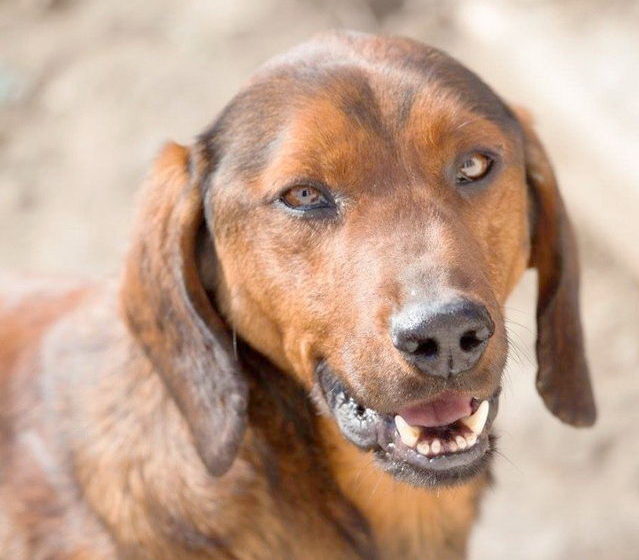
The Alpine Dachsbracke has a distinct appearance that sets it apart from other breeds. It features a long, graceful body with short legs and a powerful chest. Its ears are long and mobile, hanging down along the head, giving it a particularly expressive look. Their thick, shiny coat adds even more charm and attractiveness to them.Training and Education
The Alpine Dachsbracke is a breed of dog known for its high level of intelligence and mental sharpness. They are energetic and focused in their work, making them excellent candidates for training and education. However, as with any breed, the successful training of the Alpine Dachsbracke requires patience, consistency, and the right approach.
Since the Alpine Dachsbracke has hunting instincts, training should begin at an early age. It is essential to teach the puppy simple commands such as “sit,” “lie down,” “stand,” “come,” and “no.” Teaching commands for physical actions also plays an important role as it develops interaction and trust between the owner and the dog.
Positive reinforcement is a key element in training the Alpine Dachsbracke. They respond well to praise, affection, and treats. It is important to reward the dog for following commands and exhibiting good behavior to instill a desire to repeat those actions. However, harsh methods or punishments should not be used, as they can lead to negative reactions and damage the relationship between the dog and the owner.
Socialization is also a crucial part of training an Alpine Dachsbracke. They should be familiar with other dogs, people, and various situations to develop confidence and security. It is recommended to take the puppy on walks, to shelters, or to training sessions with other dogs to help them learn how to behave properly in social settings.
A key aspect of training the Alpine Dachsbracke is gradually increasing the complexity of tasks and commands. Slowly complicate the training sessions by adding new commands and tricks to ensure the dog’s intelligence and skills continue to develop and improve.
Consistent discipline and lifestyle are also essential in training an Alpine Dachsbracke. Consistency in rules and training helps the dog understand what is expected of them and strengthens the bond between the dog and its owner.It should be noted that each dog is an individual, so the approach to training an Alpine Dachsbracke may vary slightly. In some cases, assistance from professional trainers may be necessary, especially if specific behavioral or training issues arise.Training and education of the Alpine Dachsbracke are vital processes that help the dog become well-adjusted and happy. The right approach, along with patience and love, will lead to success in training and help build a strong bond with your Alpine Dachsbracke.
Smart and trainable
The Alpine Dachshund Hound is distinguished by its high level of intelligence and mental sharpness. They are easy to train and quickly learn new commands and tricks. They can be stubborn, but with the right approach and consistency, they become obedient and loyal pets. Their mental agility and energy allow them to be used in various dog sports, including search and rescue, as well as agility.
How to Choose a Puppy
Choosing a puppy of the Alpine Dachsbracke breed is a responsible and important decision that requires thoughtfulness and attention. Here are some key factors to help you select the right puppy:
Breed Research: Before making the decision to acquire a puppy, it’s important to study the characteristics of the Alpine Dachsbracke breed. Learn about their behavior, physical needs, hunting instincts, and care requirements. This will help you determine if this breed fits your lifestyle and if you can meet the dog’s needs.
Breeder Reputation: Only approach reliable and experienced breeders who adhere to breed standards and follow ethical breeding practices. The dog portal Zoonyka hosts only verified breeders and kennels. Investigate their reputation, read reviews about them, visit their kennel, and ask any questions you may have. The more responsible and experienced the breeder, the higher the likelihood of getting a healthy and well-socialized puppy.
Puppy’s and Parents’ Health: Before purchasing a puppy, make sure to inquire about the health status of the puppy and its parents. Find out if necessary medical tests for hereditary diseases and genetic defects have been conducted. Healthy parents increase the chances that their offspring will also be healthy.
Socialization and Behavior: Pay attention to the puppy’s behavior and its reaction to the environment. The puppy should be active, curious, and socialized. Notice how it interacts with other puppies and people. This will indicate how quickly it adapts and how it will behave in a new home.
Coat Quality and Physical Characteristics: When choosing a puppy of the Alpine Dachsbracke breed, pay attention to the quality of its coat and physical characteristics. The coat should be shiny, smooth, and free of visible damage. Physical characteristics, such as body proportions, structure, and symmetry, should meet breed standards.Interaction with Puppies and Their Parents: Ask the breeder to let you familiarize yourself with the puppies and their parents. Spend some time with them to assess their character, temperament, and suitability for your expectations. It is important to have a good connection with the puppy and see that it is comfortable interacting with you.It is important to note that choosing a puppy is a personal decision, and everyone may have their own preferences and needs. Remember that the puppy will become a member of your family, so it is essential to make an informed choice and be prepared for the responsibility and care of your new friend. Compare verified breeders on Zoonyka and choose your ideal pet.
Health and Illnesses
The Alpine Dachsbracke is a dog breed that is generally characterized by good health. However, like any breed, the Alpine Dachsbracke has potential diseases and genetic issues that owners and prospective dog owners should be aware of. Here are some of the most common diseases and problems associated with the Alpine Dachsbracke:
Hip Dysplasia: Hip dysplasia is a genetic condition linked to improper formation of the hip joint. This can lead to pain, lameness, and limited mobility. Regular diagnostic tests and appropriate nutrition and physical activity can help reduce the risk of hip dysplasia.
Von Willebrand Disease: This genetic blood clotting disorder can result in excessive bleeding and uncontrolled hemorrhaging. Dogs of this breed may have an increased tendency to sustain injuries and experience prolonged healing times.
Poisoning Due to Hunting Instinct: The Alpine Dachsbracke has strong hunting instincts and a tendency to follow scents. This can lead to potential poisoning if the dog accidentally consumes toxic food or plants. It is essential to be vigilant and monitor the environment in which the dog is present.
Gastric Torsion: Alpine Dachsbrackes may be susceptible to gastric torsion, a serious and extremely dangerous condition requiring immediate veterinary assistance. This occurs when the stomach twists within the dog’s body, obstructing normal food passage. Symptoms include vomiting, unusual behavior, abdominal bloating, and severe pain.
Eye Pathologies: Some Alpine Dachsbrackes may be prone to various eye pathologies, including cataracts, glaucoma, and progressive retinal atrophy. Regular veterinary visits, especially to an ophthalmologist, can help identify and manage these conditions.It is important to remember that not all Alpine Dachsbrackes suffer from the above-mentioned diseases. It is advisable to choose a puppy from a reputable breeder who makes every effort to maintain the health of their dogs and proper breeding practices. Regular veterinary visits, a balanced diet, adequate physical activity, and good care can help reduce the risk of diseases in your Alpine Dachsbracke and ensure a long and healthy life.
Содержание
-
1. Описание породы
-
2. Внешний вид
- 2.1 Голова
- 2.2 Морда
- 2.3 Уши
- 2.4 Глаза
- 2.5 Зубы
- 2.6 Корпус
- 2.7 Конечности
- 2.8 Хвост
- 2.9 Шерсть
- 2.10 Окрас
-
3. Характер
-
4. Содержание и уход
-
5. Дрессировка и обучение
-
6. Как выбрать котенка
-
7. Здоровье и болезни






Comments
Only registered users can leave reviews.
Enter