
Alaskan Malamute




Warning: Illegal string offset 'label' in /home/panda/sites/zoonika/wp-content/themes/zoonika/template-parts/animals/animals-param-item.php on line 32
Ð


Breed Description
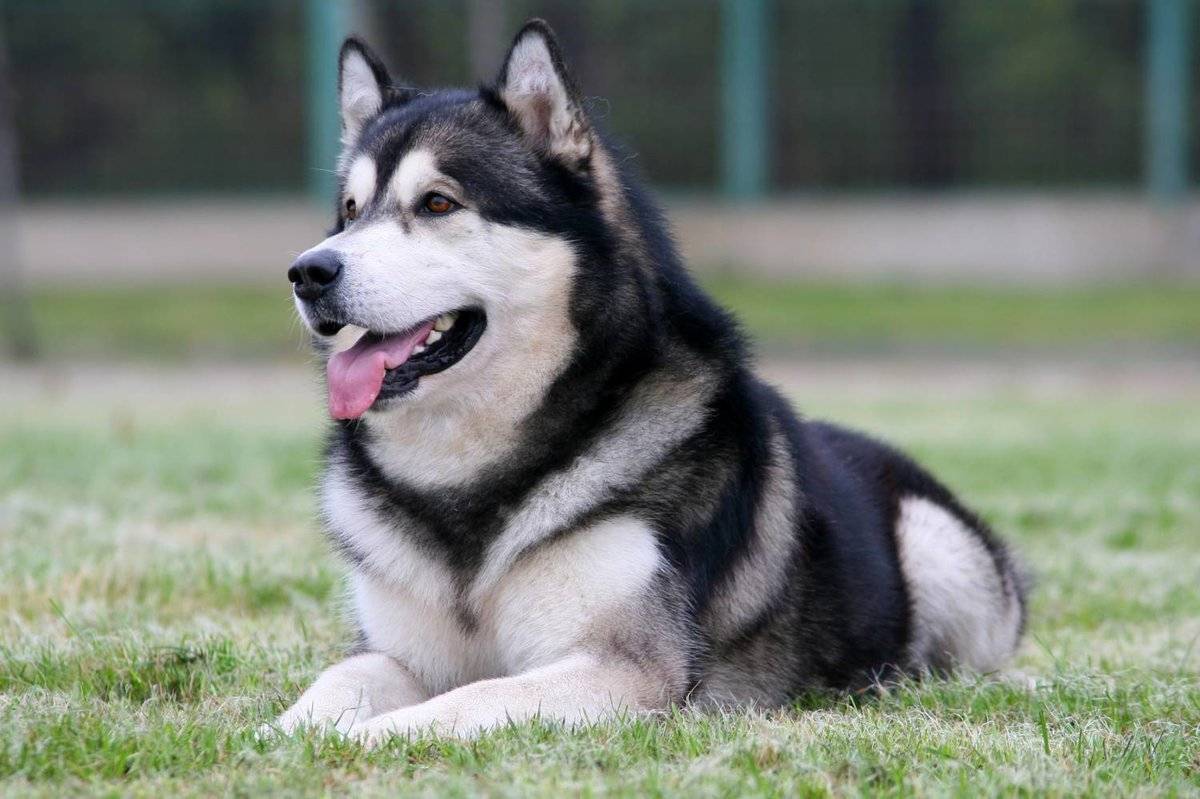
The Alaskan Malamute is the classic sled dog. This breed is characterized by a proud appearance, strong athletic build with a broad chest and lean body, and a gaze that conveys vigilance, curiosity, and interest. The Alaskan Malamute is the archetype of a sled dog. For thousands of years, these dogs have accompanied humans in the conditions of permafrost. In 2017, a report was published by Russian archaeologists who discovered the remains of eleven dogs in Siberia dating back 9,000 years. They were so well preserved in permafrost that detailed studies could be conducted, and about ten of the specimens were close relatives of the Malamute and Husky breeds. Remains of wooden sleds were also found alongside them. Archaeologists consider these findings to be the oldest evidence of purebred dog breeding intended for pulling sleds. Alaskan Malamutes likely made their way to America via the Siberian land bridge that existed for some time. The breed was named after the Eskimo people, the Mahlemuts. Malamutes were the draught dogs for the entire vast polar presence of the Northern Hemisphere until they were displaced by snowmobiles. Entire peoples depended on thes

Appearance
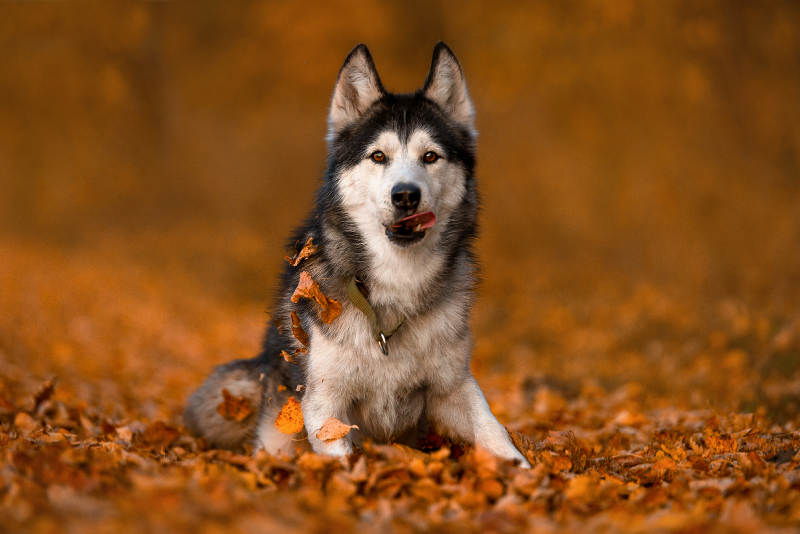
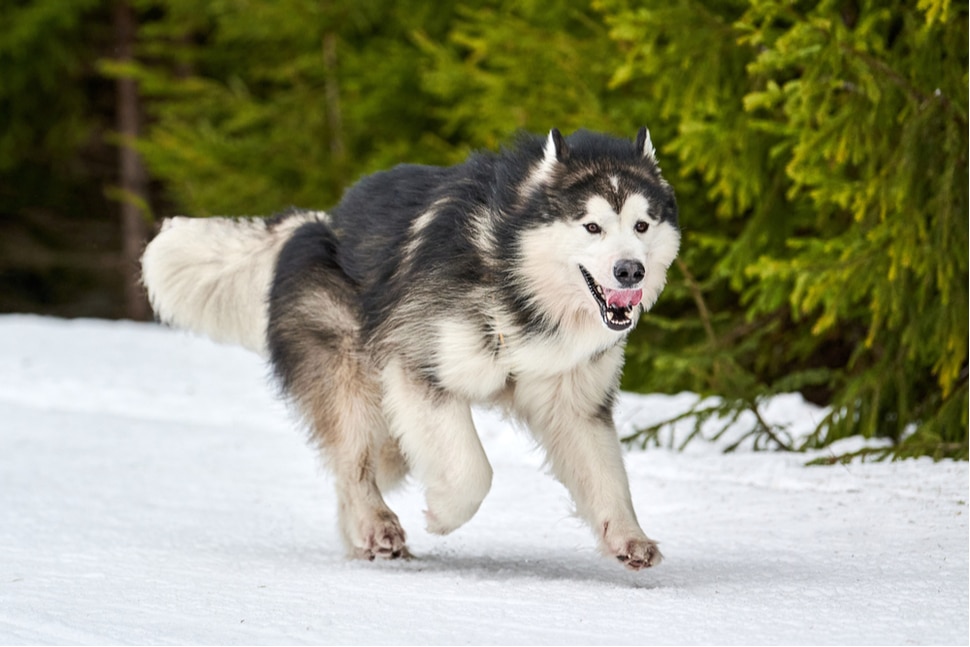
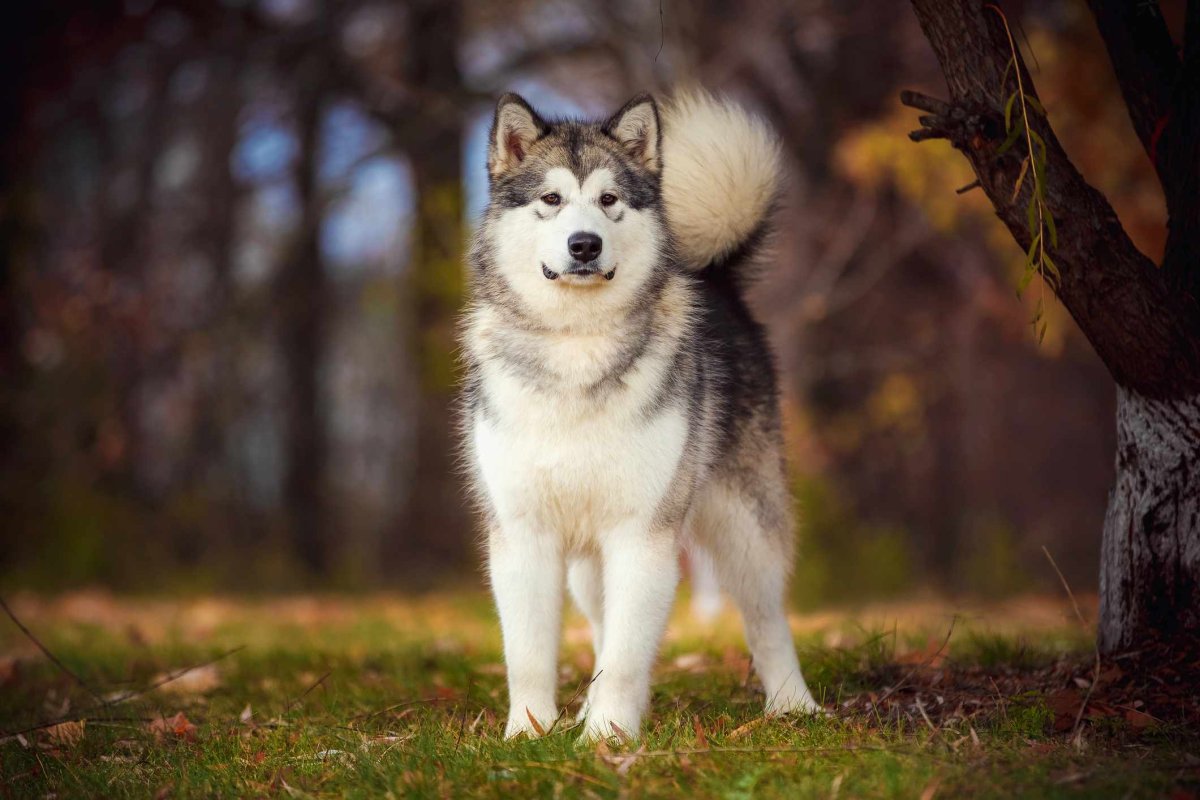
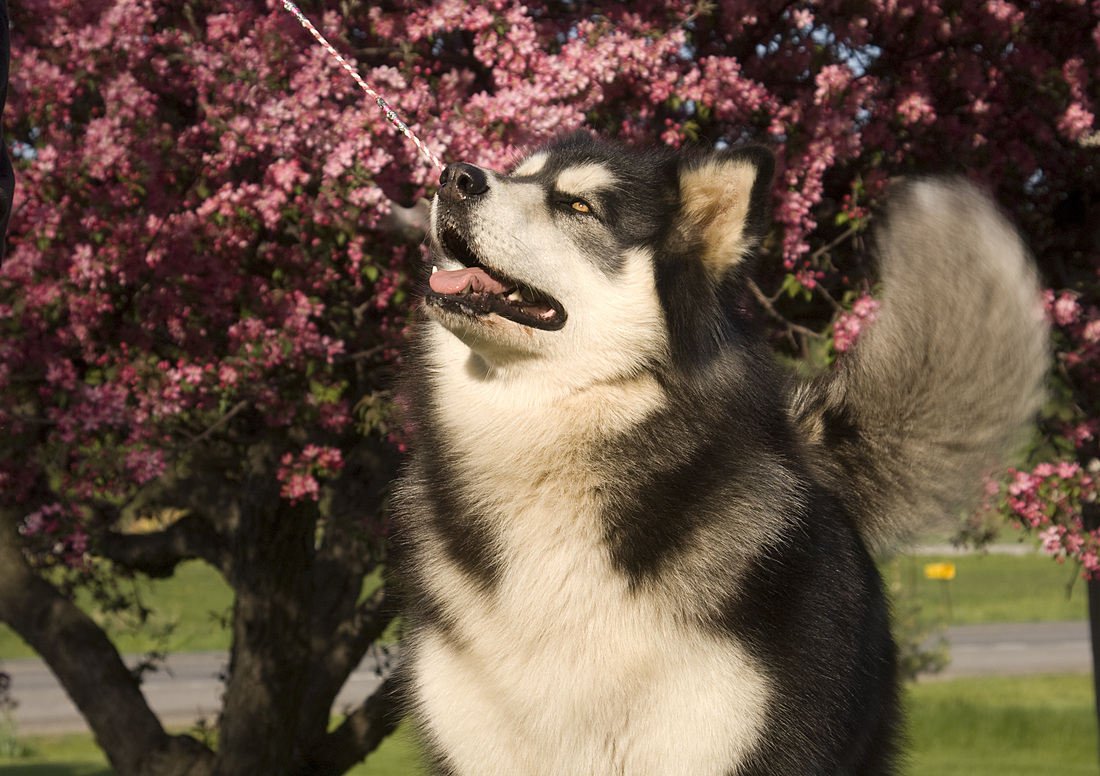
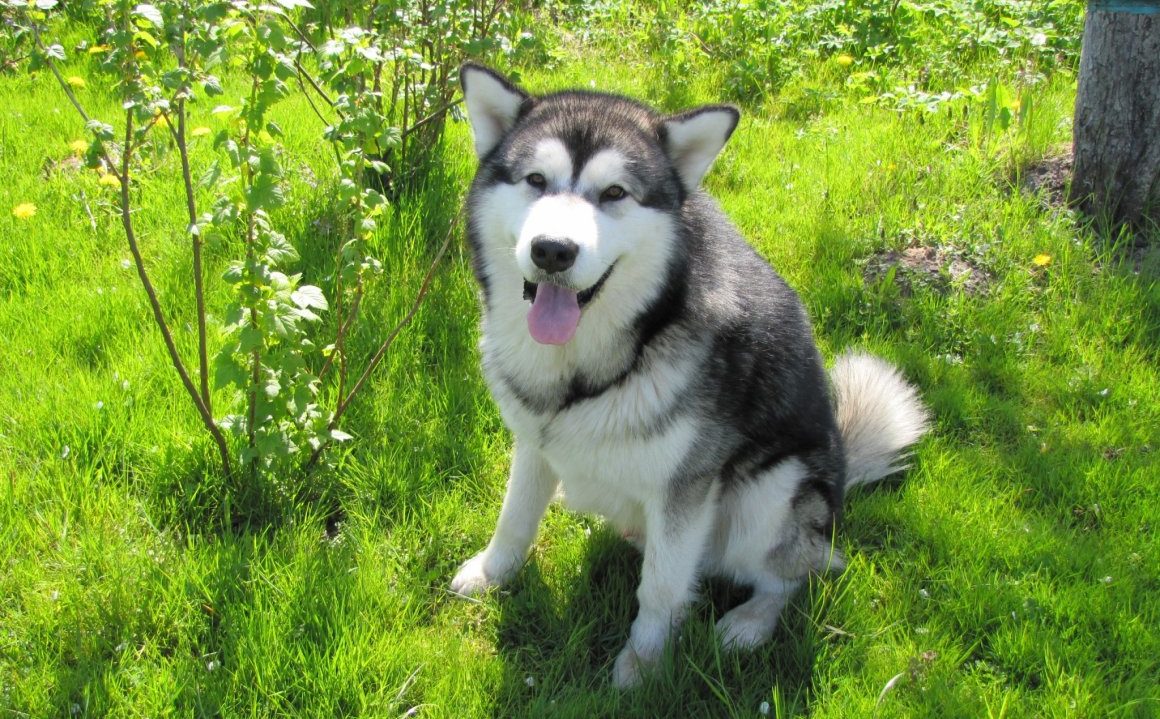
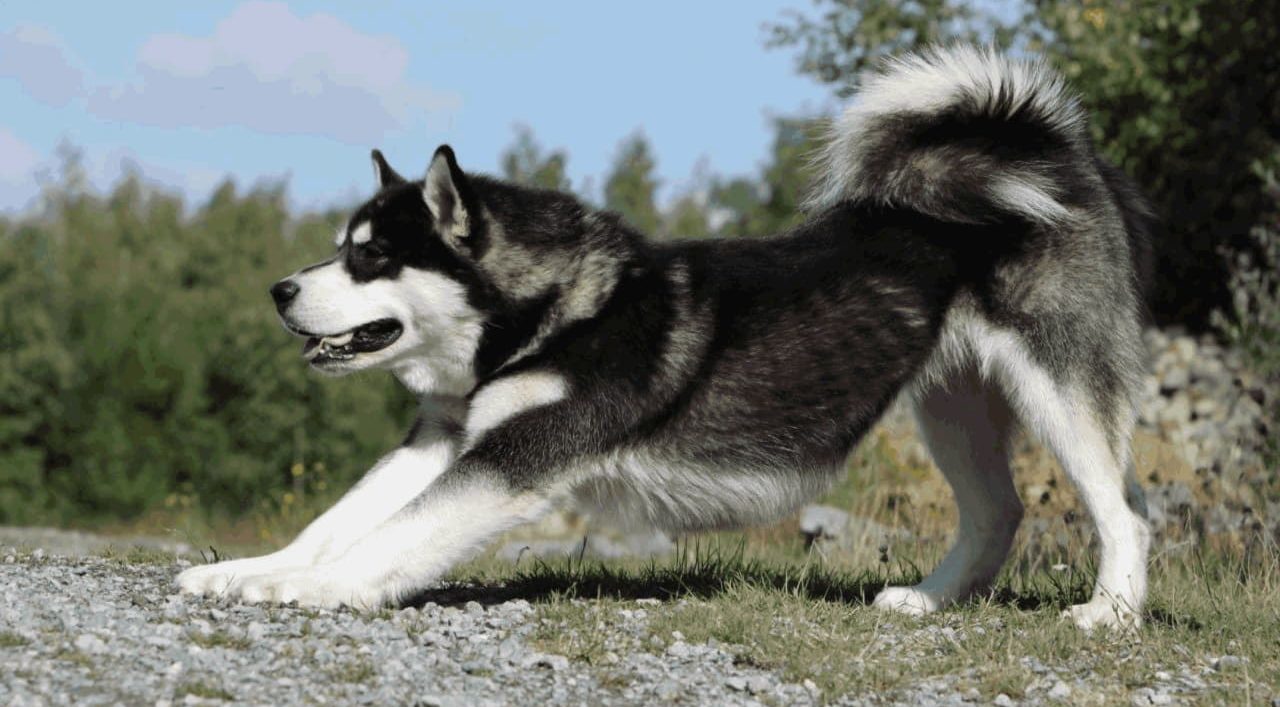
The Alaskan Malamute has a strong, muscular build that reflects endurance and power. These are incredibly powerful, super-capable working dogs that are loving, smart, sometimes funny, full of dignity, and immensely loyal. They are one of the oldest dog breeds, with their original appearance remaining unchanged. The Malamute has a strong bone structure and muscular legs. Its movements are harmonious and fluid. The breed was developed to be a sled dog. Their coat is thick, with a coarse outer layer and a dense undercoat. They can come in various colors, though gray and black tones are most common. The tail is curled over the back. Male Malamutes stand 64 centimeters tall at the shoulder, while females are 59 centimeters. They weigh between 34 to 38 kilograms. The Malamute is a freight dog capable of surviving in almost any subzero temperatures and transporting heavy loads while conserving energy. Their lifespan is over 12 years.


Отличительные черты

Голова

Морда

Уши

Глаза

Зубы

Корпус

Конечности

Хвост

Шерсть

Окрас
Character
The Alaskan Malamute is an energetic and good-natured performer that loves being in a pack. Loyal, intelligent, affectionate, and a bit bold, Alaskan Malamutes put great effort into everything they do, even while playing! While they can be wonderful companions for children, their cheerful and hardworking nature makes them unsuitable as guard dogs, as they see every stranger as a potential friend. The Alaskan Malamute is a highly specialized sled dog, passionate about running, specifically pulling sleds and loads. If you are interested in an Alaskan Malamute, be sure to attend winter dog sled races. This spectacle is deeply impressive and captivating. You can feel the dogs’ intense excitement long before the race, at the musher’s camp. When it comes to the start, there is virtually no stopping. Like a burst, the tension of these slowly moving dogs is released into the acceleration of the sleds. The “Locomotive of the North” demonstrates impressive pulling power and lives up to its name. Here, they are in their element. The Malamute is a pack dog accustomed to living and working closely with its kind. The dog requires a very strong, consistent, and yet sens
Descendant of the wolf
Alaskan Malamutes are descendants of Arctic wolves, and they have retained the instinct to howl at the moon. Their long, haunting howls may not be to everyone's liking.Care and Maintenance
When it comes to caring for an Alaskan Malamute, it’s important to consider that this breed requires a lot of space for an active lifestyle. They are best suited for homes with large yards or even rural properties. The Malamute is one of the few dogs that can be easily kept in a kennel environment with a pack. However, this area must be well-secured. It’s not that Malamutes pose a threat to others, but they are escape artists and dig well. It’s hard to believe how small of a space these large dogs can squeeze through. Malamutes love to curl up and sleep outside. Daily physical activity is crucial for the health and well-being of Alaskan Malamutes. Walks, runs, and playtime help keep them physically and emotionally healthy. Alaskans require a lifestyle adjustment to accommodate their partnership. The Malamute is easy to train and can be quite interesting for an experienced dog owner. If you decide to get an Alaskan Malamute, be prepared for a challenge, to love them, and to mentally contend with these rugged, self-assured dogs. They will eagerly accept their owners and remain loyal. The owner must be a leader, the pack leader.
Regarding the care of an Alaskan Malamute, the breed’s coat requires regular maintenance. Weekly brushing helps prevent matting and reduces the risk of shedding. It’s also important to bathe the dog regularly to keep the coat clean. They undergo a particularly heavy shedding twice a year, so be ready for an intense fur change. During this time, the dog needs to be brushed frequently, and professional grooming is recommended. Special attention should be given to the ears and teeth of Malamutes to avoid infections or dental issues. Additionally, it’s important to monitor the physical activities of the Alaskan Malamute and provide a balanced diet. Alaskan Malamutes can be quite picky eaters. Dog mushers have secret recipes for treats to keep their dogs energetic before races. Like most dogs, they love meaty beef bones and fresh meat. Ensure that clean drinking water is always available. Overall, caring for an Alaskan Malamute requires time, attention, and dedication, but in return, you will have a loyal and loving friend ready to accompany you on your adventures and be a member of your family.
Snowshoe paws
The Malamute is a talisman of Alaskan pioneers. Throughout history, the dog has accompanied humans on winter expeditions. With their large, powerful snowshoe-like paws, Malamutes are able to walk on loose, deep snow without sinking.Training and Education
The Alaskan Malamute is not a dog for beginners, as they have high demands on their owner. This magnificent and strong breed was originally bred for transporting cargo in the harsh conditions of Alaska. These large, intelligent dogs require a special approach to training, considering their independent nature and high energy levels. Let’s highlight some features of training an Alaskan Malamute. Socialization plays a crucial role in shaping the character and behavior of a Malamute. Introduce the dog to various people, animals, and environments from an early age to help prevent aggressive behavior and establish trusting relationships with others. Malamutes have a stubborn temperament, so consistency in training is vital. Set clear rules and boundaries and stick to them. Don’t let the dog dictate the terms, but be patient and persistent in achieving the desired results. Alaskan Malamutes respond better to positive reinforcement, such as praise and treats, rather than strict punishment. Encourage desired behavior and ignore the undesirable; this will help the dog understand what is expected of it. Malamutes have high energy levels and require regular physi
Training a Malamute may take time and require patience. Be prepared for your dog to take longer to master commands and rules. Don’t rush or show frustration, as this can lead to the opposite effect. Common commands for training an Alaskan Malamute include: Sit. The “sit” command is useful for controlling the dog’s behavior and gaining its attention.
Lie down. This command helps the dog calm down and learn to be obedient in various situations.
Fetch! This command helps manage the pulling that Malamutes may exhibit while walking on a leash.
Place. The “place” command teaches the dog to return to a specific spot in the house or during walks.
No. This command helps prohibit unwanted behavior.If a family decides to bring an Alaskan Malamute into their home, all their time must be adjusted to meet the dog’s needs. A true Malamute requires active physical and mental engagement. Competitions like weight pulling are organized, where dogs participate with great joy and full commitment. Particularly, there’s something special about dog sledding. Riding through a snowy winter landscape on a Malamute sled is one of the best experiences. If you take part in this experience, you will deeply feel the unity of man, dog, and nature.Training an Alaskan Malamute requires patience, consistency, and a positive approach. Given their strong character and energy, it is important to start training at an early age and continue it throughout the dog’s life. Proper training will help create a harmonious relationship between you and your pet while ensuring safety and comfort for both you and your dog. Zooinika offers puppies of elite breeds with complete documentation.
Heat intolerance
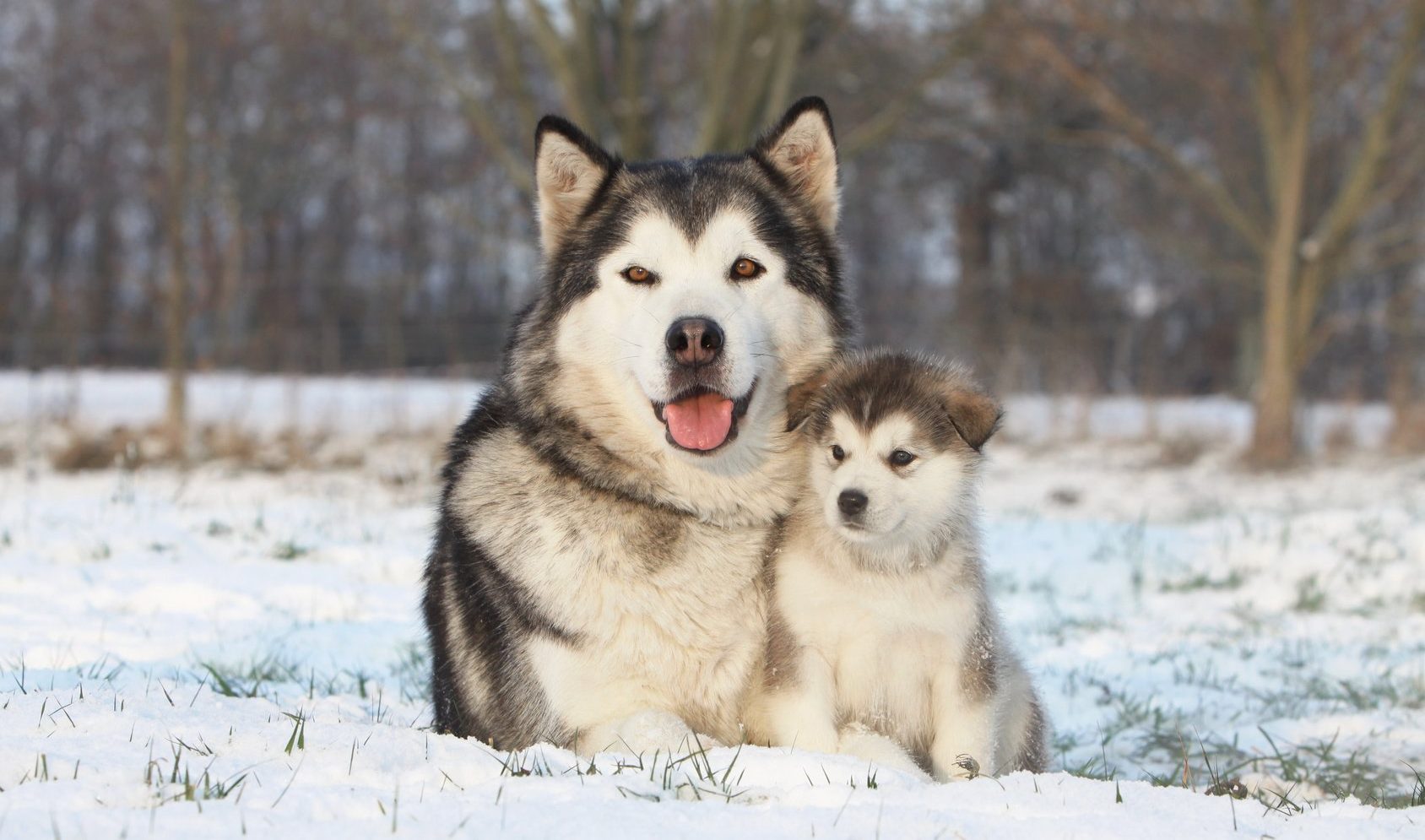
Alaskan Malamutes are northern dwellers and cannot tolerate heat at all. A hot climate is detrimental to the breed, but temperatures of -50 degrees are not a particular problem.
How to Choose a Puppy
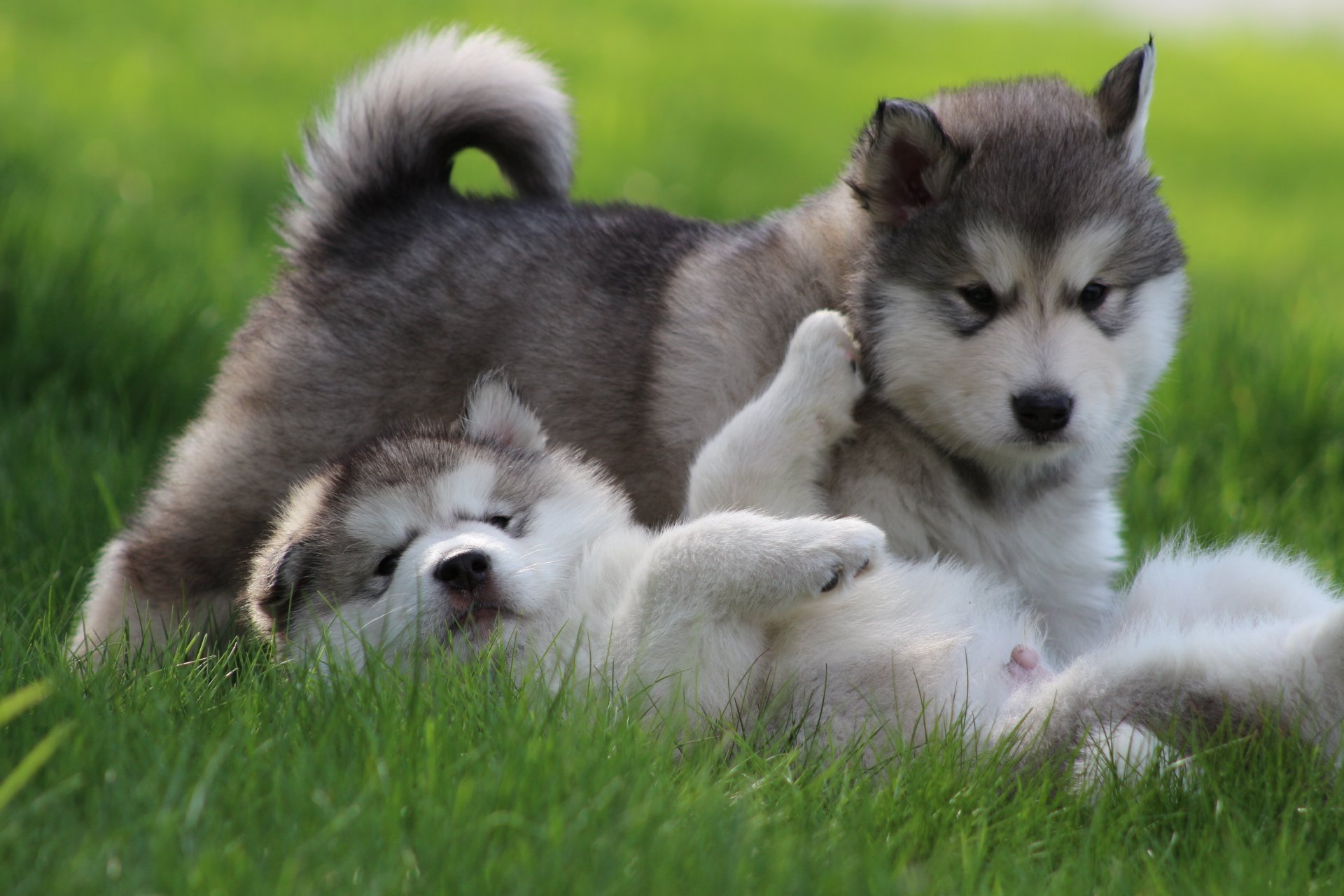
If you are interested in the Alaskan Malamute, the first thing you should do is attend a few dog sled races. Then, you should consider whether you want to share a sporty and active life with these dogs for at least the next ten years and whether you have the practical means to do so. However, in most cases, the cost of puppies with standard coloring is much higher. Dogs born with unusual colors or markings in the wrong places are sold for a fraction of the price. Puppies are typically acquired at the age of 1 to 2 months. At this stage, the puppies have not yet formed strong attachments to a pack or adopted specific habits from other dogs. Yet, their character begins to show. It’s essential to thoroughly check the puppy; the eyes and nose should be clean and free of discharge. The coat should be smooth and shiny. Their behavior should not raise concerns; on the contrary, the puppy should carry itself confidently, be curious, playful, and explore without aggression. You should require all documents and pedigree from the breeder, but be aware that this will increase the price. However, you will be able to ensure that you are purchasing a healthy puppy with a quality pedig
Health and Illnesses
The health of Alaskan Malamutes is an important aspect that requires careful attention and professional intervention when necessary. Generally, Alaskan Malamutes are strong and healthy dogs unless subjected to extreme breeding practices. However, like any other breed, they can be prone to certain diseases and issues. A proper diet is fundamental to the health of an Alaskan Malamute. Healthy nutrition plays a key role in the overall well-being of the dog. It’s important to choose high-quality food that meets your Malamute’s needs and contains all the necessary nutrients. Malamutes are very active and require sufficient physical exercise. Regular walks, running, or play will help maintain your dog’s health and physical condition. Regular veterinary visits can help identify potential health issues at early stages and prevent their development. Regular grooming of the coat, ears, teeth, and nails is also important to maintain a Malamute’s health and prevent various infections and diseases.
The most common diseases in Alaskan Malamutes include:
Hip and elbow dysplasia: This is a hereditary condition characterized by improper formation of the hip and elbow joints. It can lead to pain and lameness in the dog and requires veterinary intervention.
Obesity: Excess weight can lead to serious health problems for Malamutes, including heart disease and arthritis. Maintain your dog’s optimal weight through proper diet and adequate physical activity.
Eye problems: Some Malamutes may suffer from eye diseases such as cataracts or progressive retinal atrophy. Regular eye checks by a veterinarian can help identify these issues at early stages.
Skin diseases: Allergies, infections, and other skin conditions can be a problem for Alaskan Malamutes due to their dense fur. Pay special attention to your dog’s hygiene and nutrition to prevent such issues.Separation anxiety: Malamutes are a breed that may suffer from separation anxiety, especially if left alone at home for extended periods. Seek advice from a professional veterinarian or trainer if your dog shows signs of this behavior.Alaskan Malamutes are a dog breed that enjoys good health with proper care and attentive treatment. Regular veterinary visits, proper nutrition, physical activity, and hygiene care will help your dog remain healthy and happy throughout its life. Always watch for changes in your dog’s behavior or condition and seek medical help when necessary. Zoonyka is the best place to reach a broad audience.
Содержание
-
1. Описание породы
-
2. Внешний вид
- 2.1 Голова
- 2.2 Морда
- 2.3 Уши
- 2.4 Глаза
- 2.5 Зубы
- 2.6 Корпус
- 2.7 Конечности
- 2.8 Хвост
- 2.9 Шерсть
- 2.10 Окрас
-
3. Характер
-
4. Содержание и уход
-
5. Дрессировка и обучение
-
6. Как выбрать котенка
-
7. Здоровье и болезни






Comments
Only registered users can leave reviews.
Enter