
Akita Inu





Warning: Illegal string offset 'label' in /home/panda/sites/zoonika/wp-content/themes/zoonika/template-parts/animals/animals-param-item.php on line 32
Ð


Description of the Breed
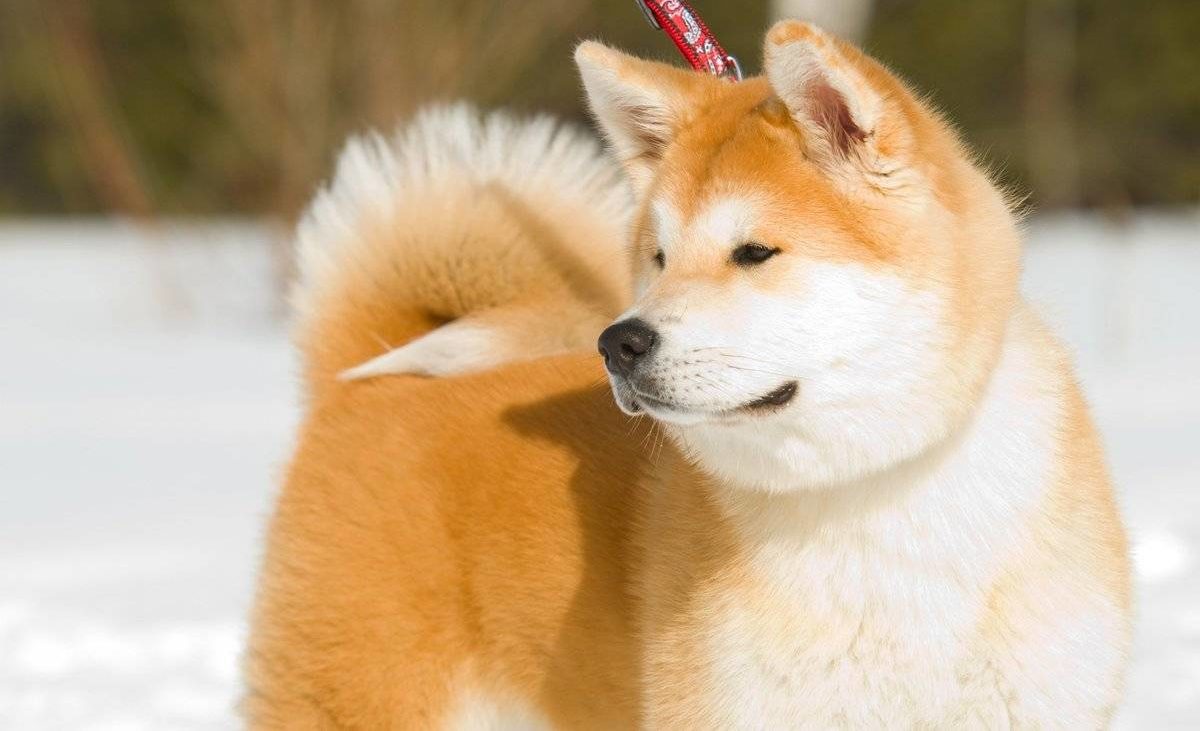
The Akita is an ancient Japanese dog breed. They are also called Akita-Inu or Akita-Ken. Inu and Ken translate from Japanese to mean dog. The name Akita comes from the prefecture of the same name in the northwest of Japan, around the city of Odate, which is still considered the dog city of Japan. The Akita is one of the largest of the six Japanese dog breeds recognized by the FCI. Historically, the Akita was a working dog found throughout the northern part of the Japanese island of Honshu, serving as a guard dog and sometimes a draft dog.
Since ancient times, Akitas have also been used as hunting dogs. They have a good reputation for hunting bears with their collars. Later, they were reported to have been the dogs of samurai and faced abuse due to dog fighting.
By 1900, the Akita was nearly extinct. In 1930, efforts began to preserve this dog breed. The Japanese value their dogs highly. In 1931, the Akita was recognized as a National Natural Monument, being the first of seven Japanese dog breeds to receive this honor. However, this designation could not protect it from abuse during World War II, where they were used as suppliers of hides for military clothing, leading to a rapid decline in their numbers. To save the Akita, other dogs were crossbred, creating different lines. Later, there was a split in breeding, with the U.S. taking a different path. The standard set by the FCI since the 1990s was specifically developed to mirror the Japanese type of Akita.
Overall, the history of the Akita is very changeable. Nevertheless, its direct roots are very ancient. Like all Japanese dog breeds, the Akita is genetically particularly close to its ancestor, the wolf. Today, the Akita represents a distinctive, unique, and proud breed that no dog lover will want to miss.
The Akita originated in the northern part of the Japanese highlands. It is a large, muscular dog with a noble and impressive demeanor. In feudal Japan, they were originally used to protect kings and nobles. Their work was primarily associated with hunting and combat before they were trained for police and guard work.
These muscular, double-coated dogs of ancient Japanese origin are renowned for their dignity, courage, and loyalty. In their homeland, they are known as great hunters, family protectors, and symbols of robust health, happiness, and longevity.They are strong-willed dogs that are wary of strangers yet devoted to their family. They are alert, intelligent, and brave. They make dedicated companions that will remain loyal to their family for life, showering them with devotion and love. They can be excellent family dogs!The price for a puppy ranges from 60,000 to 230,000 rubles.
Appearance
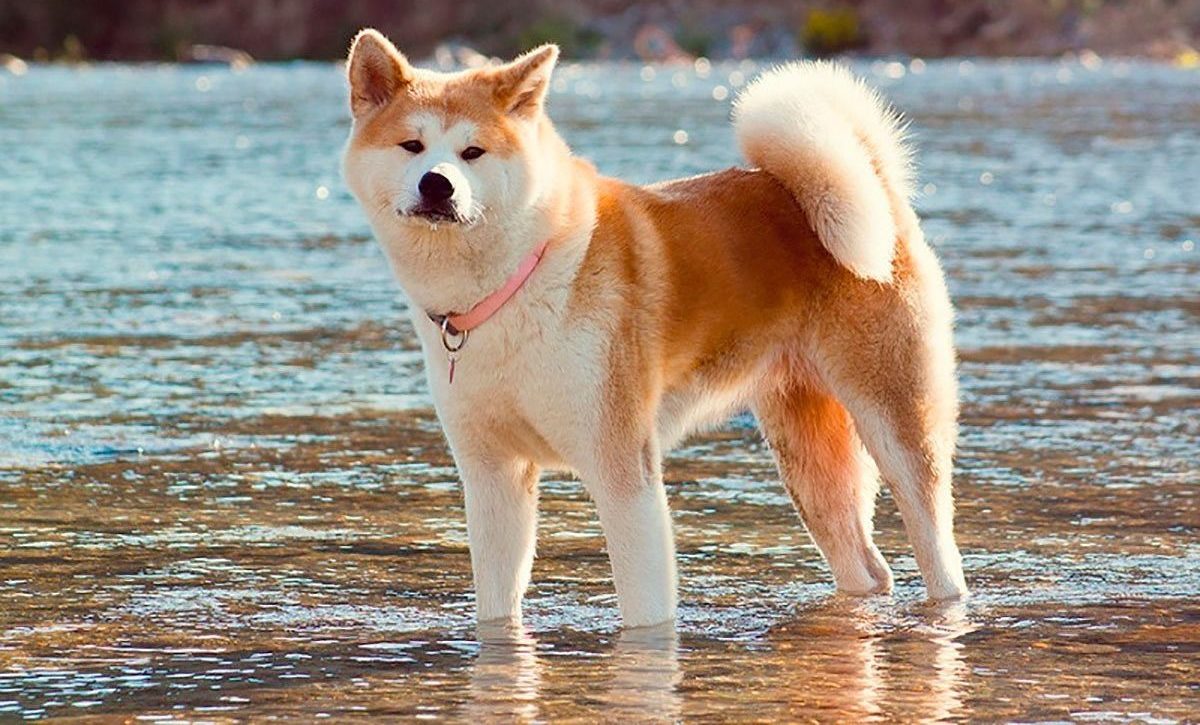
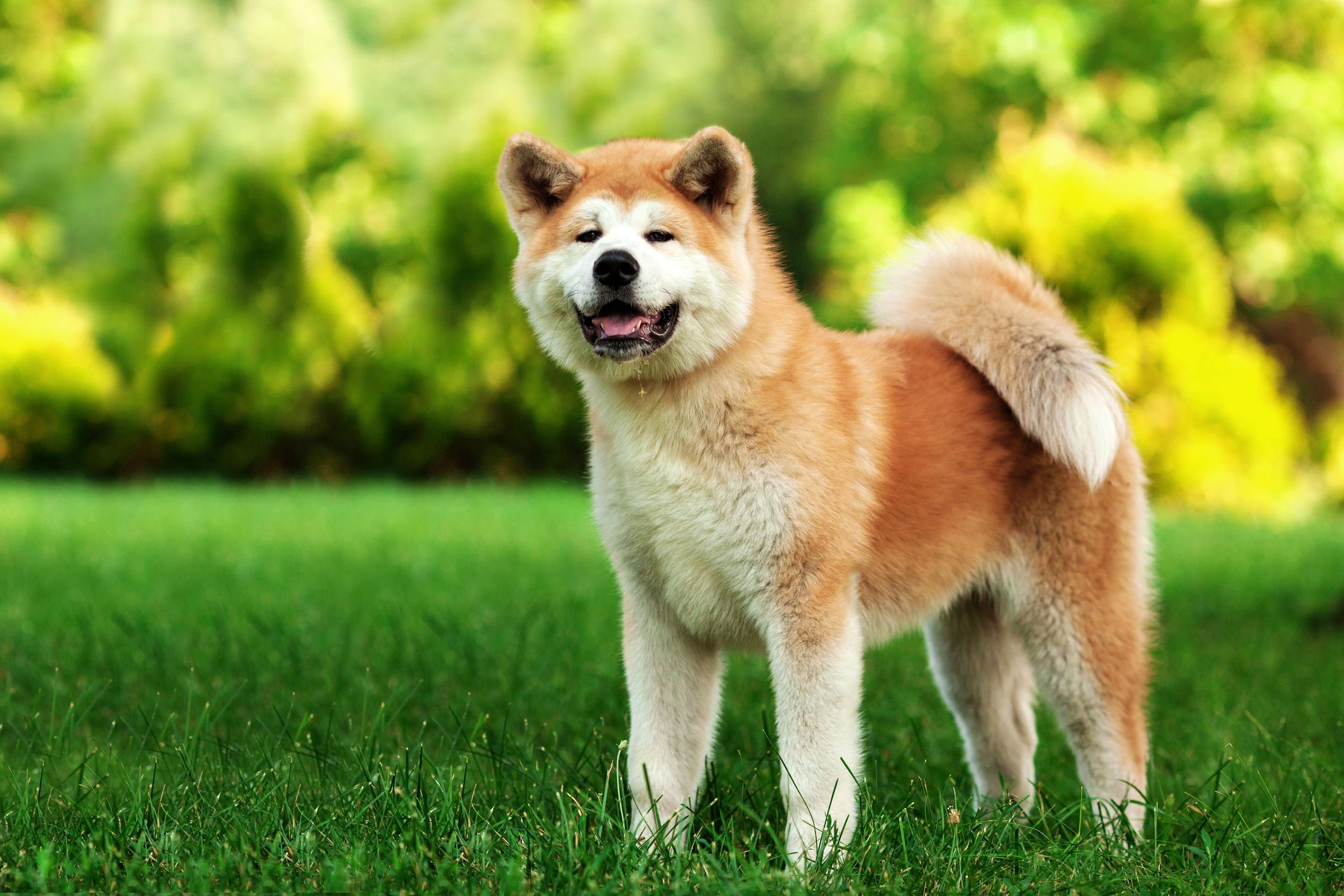
The Akita Inu, or simply Akita, is a typical Japanese dog breed. The Akita is an expressive and calm dog with a dignified charm. It has a balanced physique without exaggeration, possessing a rustic, almost wolf-like charisma.
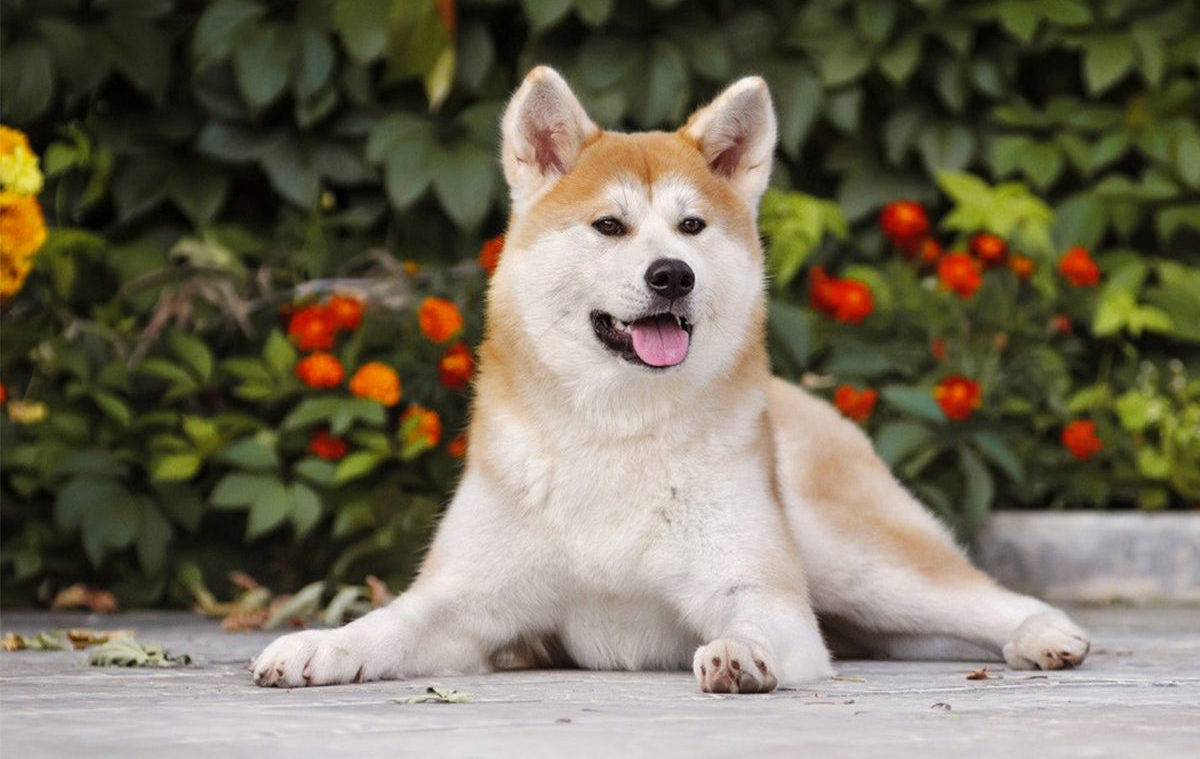
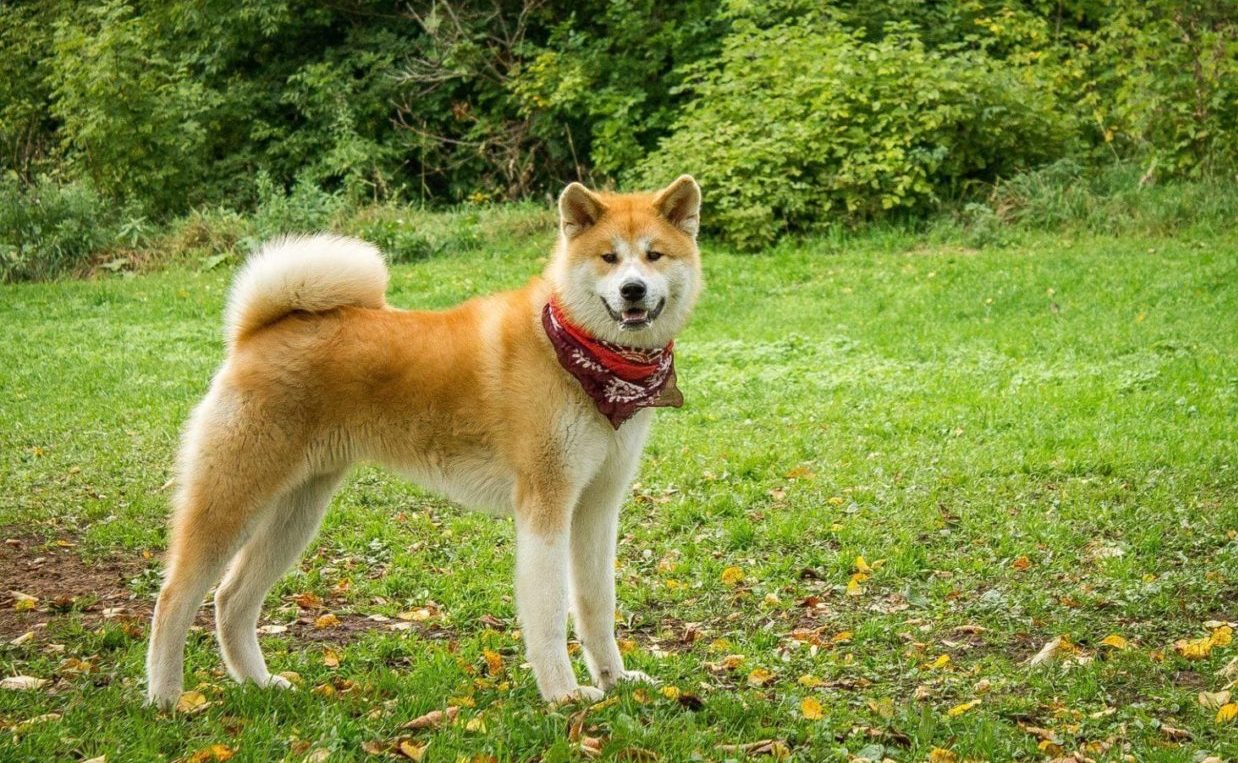
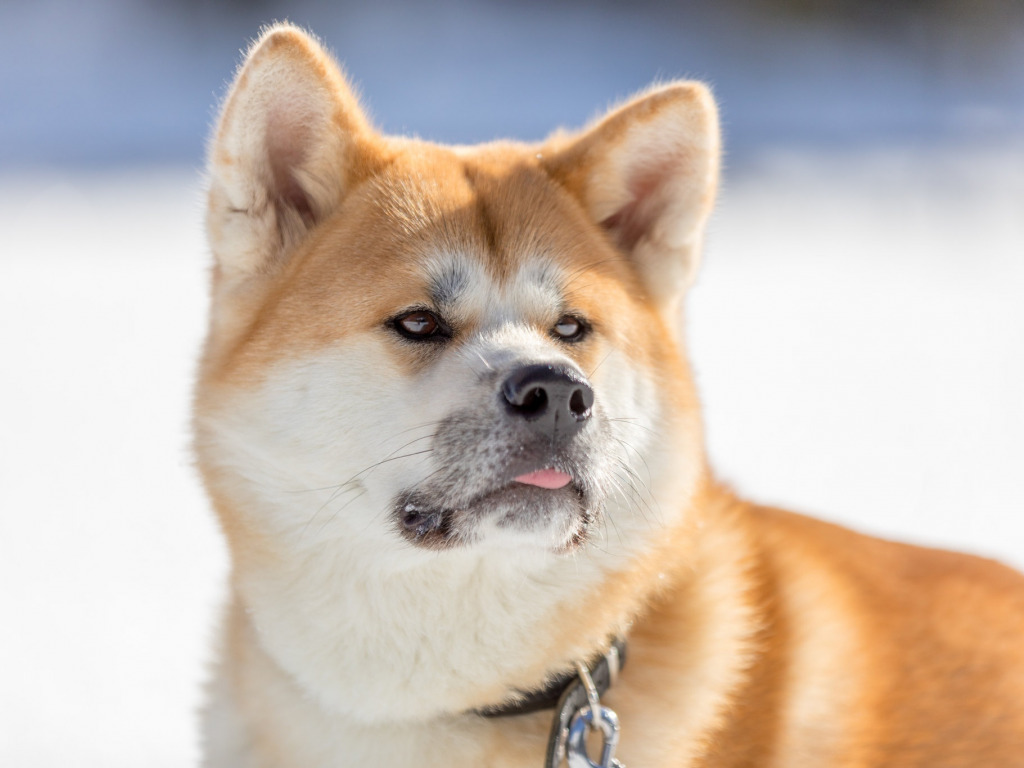
The Akita features a remarkable wide head, erect pointed ears (slightly small compared to the size of the head), and a long curved tail that is either carried over the back or curled to the side. They have a large head with a broad nose, pointed ears, and deeply set brown eyes – their thick double coat shines and requires regular grooming.
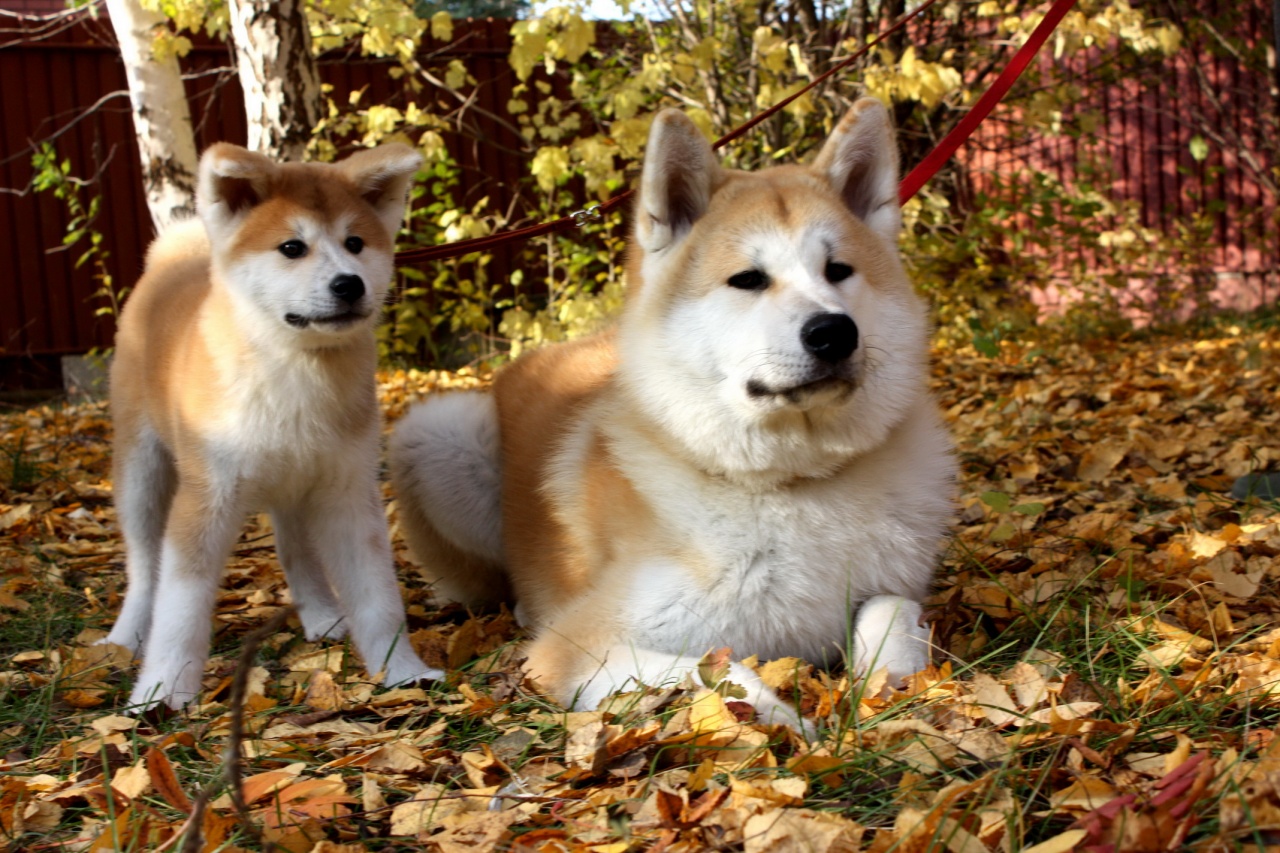
Its head is particularly striking and unique, especially compared to its Japanese relatives. The Akita has a snowy white mask on its face with bright dark eyes that seem to be always focused on something. The ears, always attentively perked forward, stand out remarkably. Overall, the dog seems to have a playful smile. Its fur is thick, almost plush, making it seem inviting for hugs. Despite this, it has a sturdy build that demands respect from a distance. Typically, it carries a curled tail over its back. The outer coat is harsh and straight, while the undercoat is soft and dense. The common coat colors are reddish-brown or sesame, with dark brindle and white also permitted by breed standards. Except for the white color, all others must include elements of “urachiro.” This term refers to lighter hairs on the sides of the muzzle and cheeks, on the lower jaw, neck, chest, body, tail, and the inner sides of the limbs.
An Akita can reach a height of 58 to 70 cm and weigh between 28 to 40 kg. Akitas from reputable breeders often live 12 years or more with good physical conditioning. The Akita is large, powerful, and noble.
Their appearance is well balanced, featuring a full, curled tail proportional to their large head. They have small triangular eyes and a confident, sturdy posture. They do not shy away from challenges and are not easily frightened. A large, well-balanced, solidly built dog of the spitz type.


Отличительные черты

Голова

Морда

Уши

Глаза

Зубы

Корпус

Конечности

Хвост

Шерсть

Окрас
Character
The Akita is an independent, very self-confident dog. It does not subordinate itself. It is indifferent to strangers but is at least friendly. It develops a strong bond with its caregiver. It belongs to the “lone dog” type, as described by Nobel Prize winner Konrad Lorenz. Your owner must first earn their recognition. Once this is established, the intelligent dog becomes an extremely loyal, cooperative, and polite partner. It is thoughtful and remains calm even in troubling situations. It exudes tranquility and majesty, while at the same time embodying a wild spirit. The old hunting dog still lives within many Akitas, and you can also find many traits of original dogs in them.
Legends exist about the loyalty of these dogs. The most famous representative of the Akita breed is Hachiko. After the workday, Hachiko would go to Shibuya Station in Tokyo to greet its owner-a music professor. Even after its owner passed away, Hachiko continued to come to the station every day, waiting for the chance to reunite. Even nine years after the death of its beloved owner, Hachiko waited until its last day. A bronze statue was erected in his honor in 1934 on the west side of the station. In 2009, an additional monument was established with the film “Hachi: A Dog’s Tale.”
The Akita is a loving and devoted family member who enjoys being the only dog. They are best suited for families with older children. However, they should not be left alone with toddlers, as the dog might unintentionally harm the child. In relation to its family, the Akita likes to develop a strong protective instinct, which must never be left unchecked. The owner must be the leader and is the only one who should determine what, when, and how to “protect.” Akitas are good guard dogs that prefer to attack once.
The Akita is a strong-willed breed that has a suspicious nature towards strangers but is devoted to its family. They are loving and playful with their family.
The Akita has the potential for aggression towards other dogs outside its family, particularly due to its dominant nature. They are especially prone to same-sex aggression.
They require positive socialization as well as persistent and firm training. If poorly managed or mistreated, they can become aggressive.Vigilant and agile, they have thick, triangular ears that stand erect and tilt forward. Their dark eyes are set in a way that gives them a characteristic appearance. They have a bold coat of bright color with clear markings and a tightly curled tail.Noble and composed with a masculine character-these are the defining traits of the dog’s temperament.
Cheerful disposition
The Akita has a unique jaw structure - it's a dog that always seems to be smiling. This has greatly influenced the breed's popularity worldwide.Care and Maintenance
Caring for them will only take you a few minutes each week. Weekly brushing with a rubber glove or a short-bristled natural bristle brush is recommended. A flea comb with fine teeth helps remove loose or dead hair. Their undercoat may shed in small clumps.
Their fur is dirt- and water-repellent, making maintenance easy. They shed their undercoat twice a year, with most of the thick undercoat coming out, especially after winter. Frequent brushing is essential during the shedding season, where Akitas lose some hair. This process takes about 2-4 weeks. Nail care should also be attended to.
Regular grooming will help keep shedding under control. With regular brushing, they do not need to bathe more than once every month or two.
Akitas have a thick double coat that sheds two or three times a year, meaning they completely shed their old fur and grow a new, healthy coat.
This is usually quite noticeable in spring and autumn, so during these times, you might want to increase their grooming frequency. Weekly brushing helps reduce the amount of hair in your home and keeps their plush fur healthy.
Akitas generally have very little odor, and their coat is much easier to care for than that of other dogs. They shed minimally, and if they do, their hair is easily removed from clothing, furniture, or vehicles. However, it is best to transport them in a sufficiently spacious crate.Ears are an important area to check during grooming, so if you notice a smell or see wax, clean the inner ear with a cotton swab using a cleanser recommended by your veterinarian.Your thorough weekly inspection will help you identify potential health issues at an early stage.Akitas require a balanced and varied diet. Like most dogs, they enjoy meaty beef bones and fresh meat. Commercial dog food can also be used as a daily meal. Akitas thrive on a well-balanced dry or wet dog food diet. They should be fed twice a day, which can be split into two portions. While Akita puppies are developing, you may feed them small portions 3-4 times a day. Fresh, clean water should be available throughout the day.
In the service of the emperor
Akita Inu reached a high status in the service of the emperor and became personal attendants of the rulers due to their exceptional skills. They were treated with special respect, always expressing their thoughts with silence and calmness.Training and Education
Keeping an Akita is not a problem for knowledgeable owners. However, you must understand the pet’s character well, raise it, and guide it consistently. Akitas require a significant degree of individual space. They are both confident and strong. Not everyone appreciates Akitas. They show little interest in other dogs, and if they do, it’s often with the intention of dominating them, especially among males. The hunting instinct remains strong in most Akitas. This will make walking stressful if not properly trained. Even well-behaved individuals may need to be kept on a leash, depending on the dog’s individual traits.
Akitas have no special requirements but are suitable for almost all types of activities you can do with a dog. They are very intelligent, willful, and proud. Although they are smart and loyal, their independence and willingness to act on their own can sometimes create challenges. They respond best to polite commands and positive training approaches that rely on motivation. So, make training enjoyable for both of you!
Akitas are large dogs that require a lot of activity. They need up to two hours of exercise, which can be spent running or walking. They love to play in a spacious, safe yard, where there is enough activity to engage their minds.
Akitas have a natural attraction to water, and many love to swim from time to time.
Training an Akita requires a keen understanding of dogs and, above all, respect for its personality. Akitas are strong-willed and will not act as subservient pets waiting for their owner’s commands. You must guide them with a light hand. Clear boundaries must be established and strictly adhered to. You cannot force them; you must convince them. Rigidity or stubborn repetition of commands can have the opposite effect: the Akita may become aloof and follow its own will. Their pronounced independence and natural self-confidence require great patience and experience in dog training. Therefore, Akitas are not suitable for beginners. Elite breeds at Zoonyka are your perfect choice for getting a pet.
Akitas are observant and intelligent and already understand what you want from them. They are happy to comply, as long as both the dog and owner are on the same page. You must not only accept but fully appreciate the Akita’s strong-willed nature in order to be happy with them. Once such harmonious relationships are established and leadership is addressed, an Akita can become a wonderful, unique, and always interesting addition to your life, as well as a bridge to nature.
Emotions under control
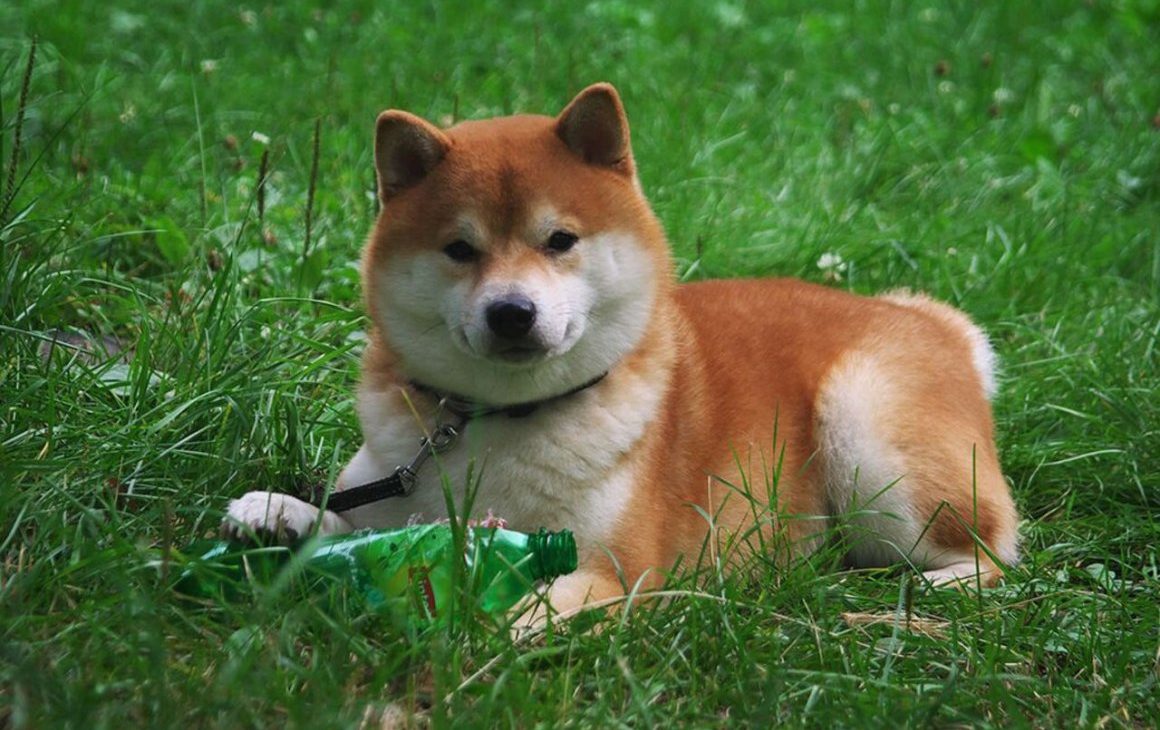
Akita Inu is a breed that conceals its emotions and feelings from its owners. These dogs are excellent at managing their emotions, not displaying open affection or hostility.
How to Choose a Puppy
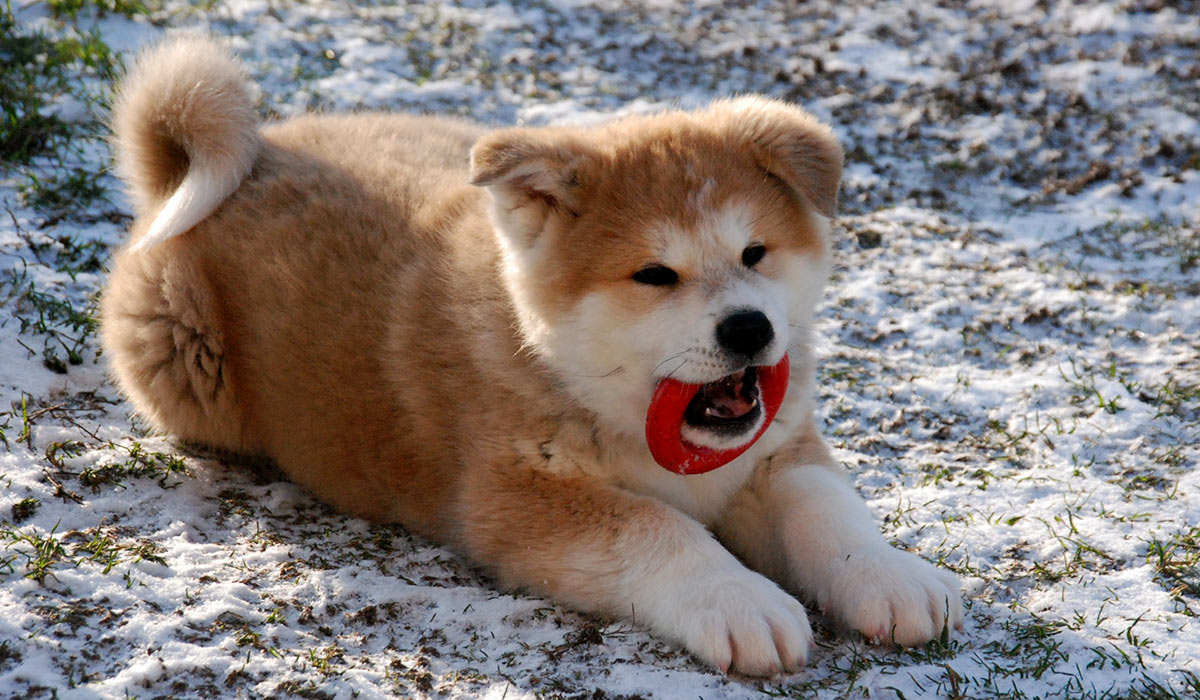
Buying an Akita should be well thought out. You need to carefully assess whether this unique dog aligns with your own vision of life. If you are looking for your puppy, you should reach out to a local breeder from one of the three breed clubs associated with the VDH. There are many verified breeders listed on dog portals. There are a large number of puppies from questionable sources online. For the sake of animal welfare, it is advisable to avoid these, even if the prices initially seem tempting. In the end, the “savings” will cost you more in veterinary bills. Akita mixes are quite rare. Find your puppy through certified sources on Zooinfo.
The Akita is a distinctive, quirky, and proud breed that no dog lover would want to be without.
Health and Illnesses
Regular visits to the veterinarian will ensure the health and well-being of your pets. It is recommended to schedule veterinary visits at least twice a year or according to recommendations based on your dog’s condition. During these visits, the veterinarian will conduct a thorough medical examination, including measuring your pet’s temperature and checking their heartbeat. Discuss with your veterinarian any issues that you believe require immediate attention, as this is a key part of preventive care.
The Akita is known to be prone to a number of diseases that should not occur in a reputable breeder’s dogs: sebaceous adenitis (a skin disease), hypothyroidism, hip dysplasia (HD), and congenital vestibular syndrome (a hereditary inner ear disease). The Akita may also be prone to allergies. In older age, there is a certain predisposition to skeletal diseases, such as spondylosis and osteoarthritis.
Other major health concerns include patellar luxation, Legg-CalvГ©-Perthes disease, hip dysplasia, and heart murmurs.
Содержание
-
1. Описание породы
-
2. Внешний вид
- 2.1 Голова
- 2.2 Морда
- 2.3 Уши
- 2.4 Глаза
- 2.5 Зубы
- 2.6 Корпус
- 2.7 Конечности
- 2.8 Хвост
- 2.9 Шерсть
- 2.10 Окрас
-
3. Характер
-
4. Содержание и уход
-
5. Дрессировка и обучение
-
6. Как выбрать котенка
-
7. Здоровье и болезни






Comments
Only registered users can leave reviews.
Enter