
Turkish Van




Breed Description
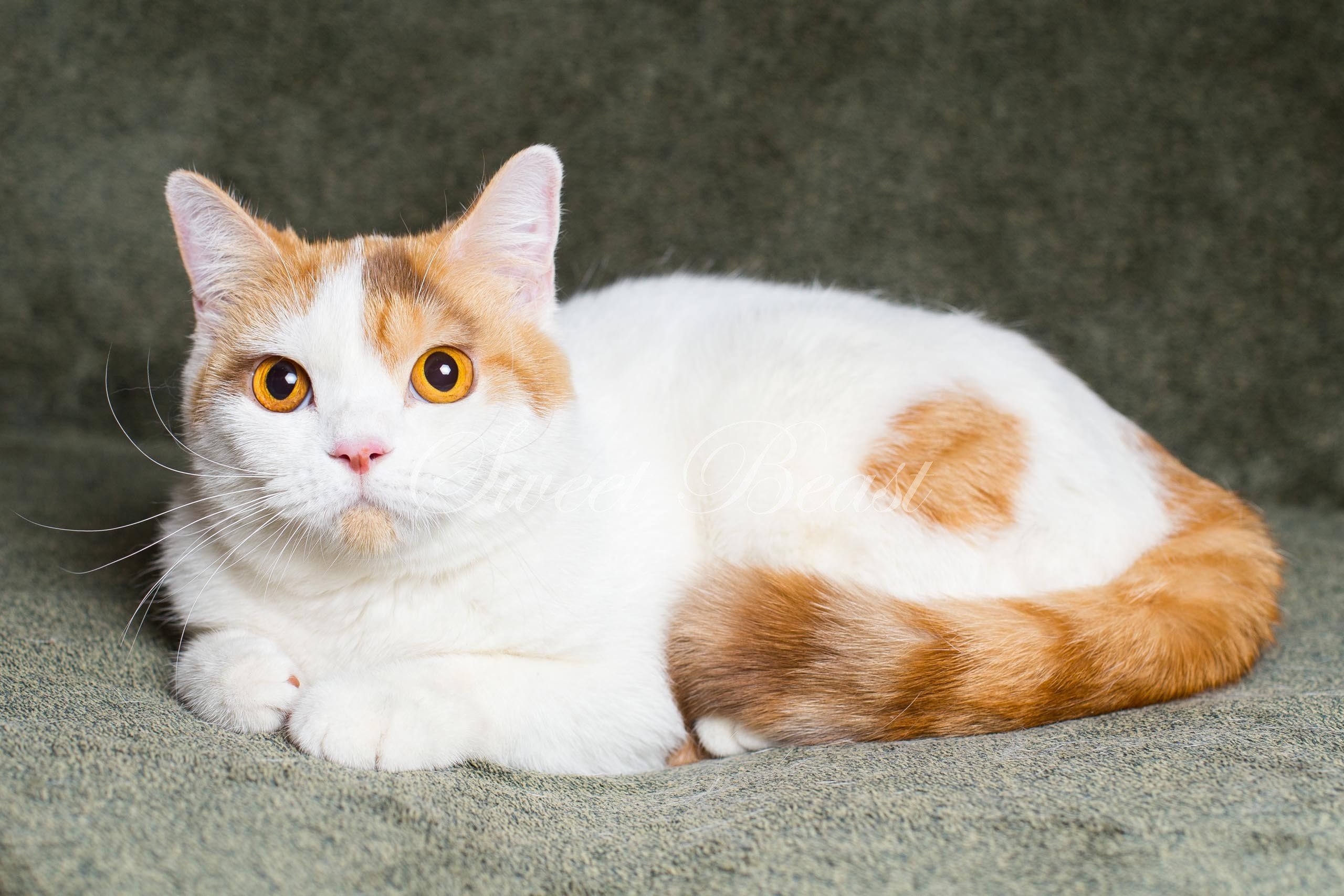
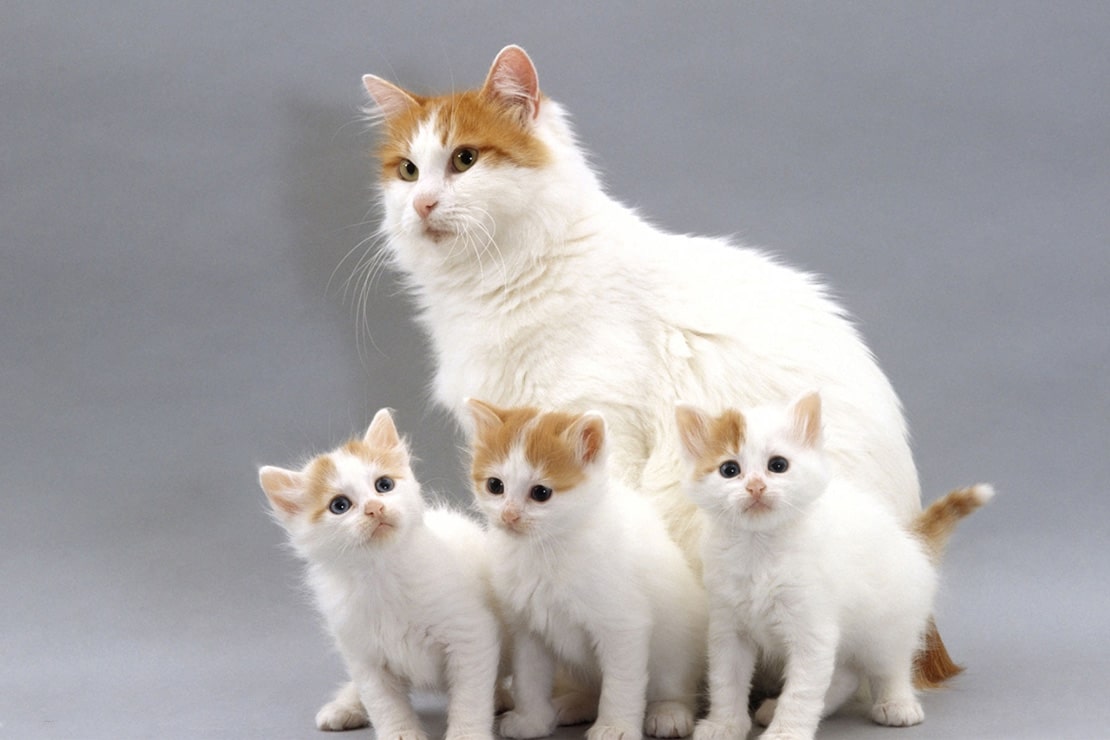
The Turkish Van is an ancient cat breed whose origins trace back to the Lake Van region in eastern Turkey. The history of this breed spans thousands of years, and for a long time, Van cats remained unknown outside Turkey. These cats were recognized for their swimming ability and fish-hunting skills-traits that developed in their natural habitat around bodies of water. Turkish Vans first appeared in Europe in the mid-20th century when British breeders visiting Turkey noticed the unusual white cats with orange or cream patches on their heads and tails. The Turkish Van was officially recognized in the UK in 1969, and later in other countries. Today, this breed remains rare and in demand, especially among those seeking an active and independent pet. One distinctive feature of Turkish Vans is their love for water. Unlike most cats, Turkish Vans are not only unafraid of water but also enjoy swimming. In nature, they hunted fish in Lake Van, which made them excellent swimmers. This natural instinct for water has been preserved in modern representatives of the breed. Turkish Vans are also known for their energetic and playful nature. These c
Appearance
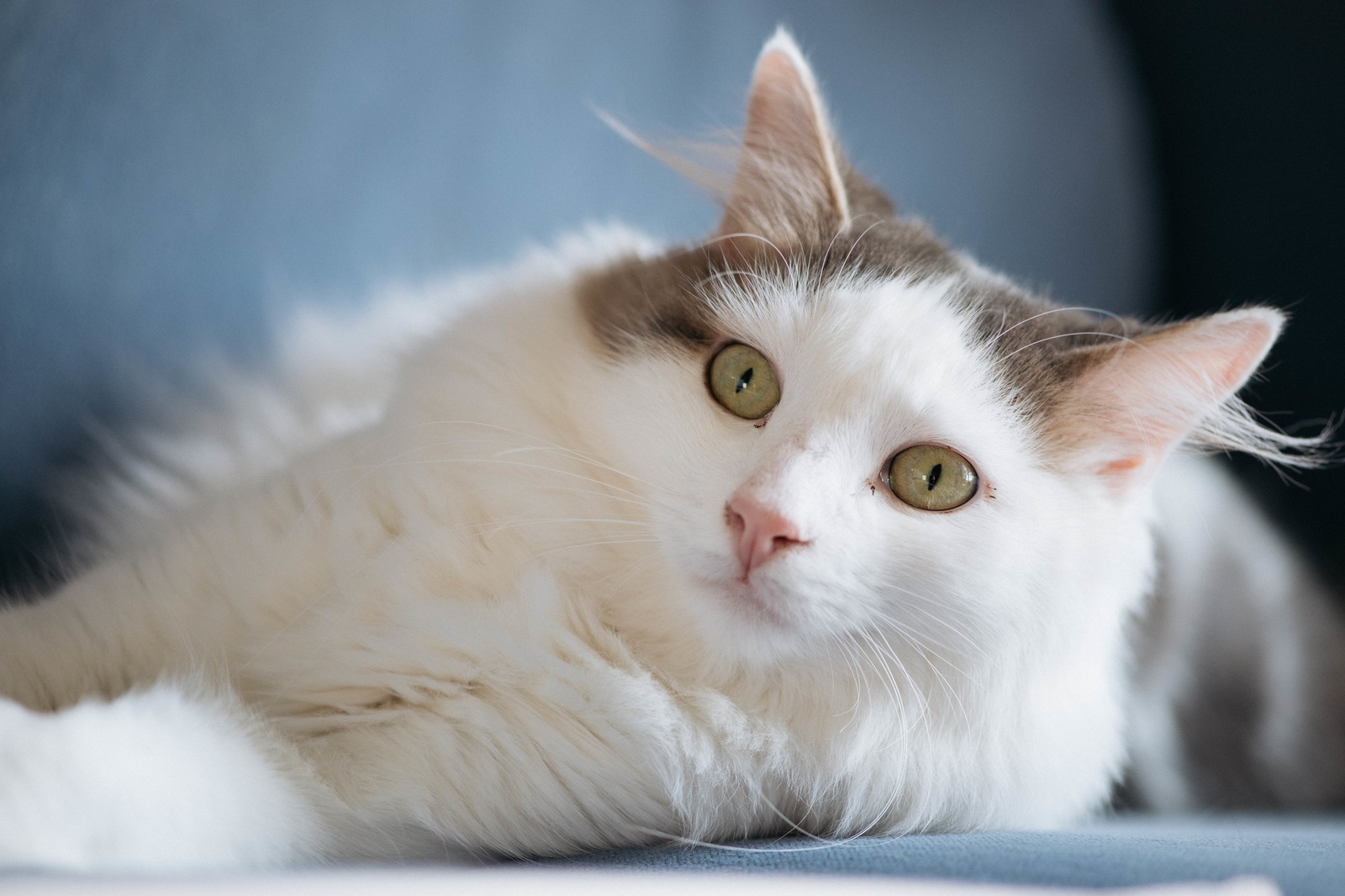
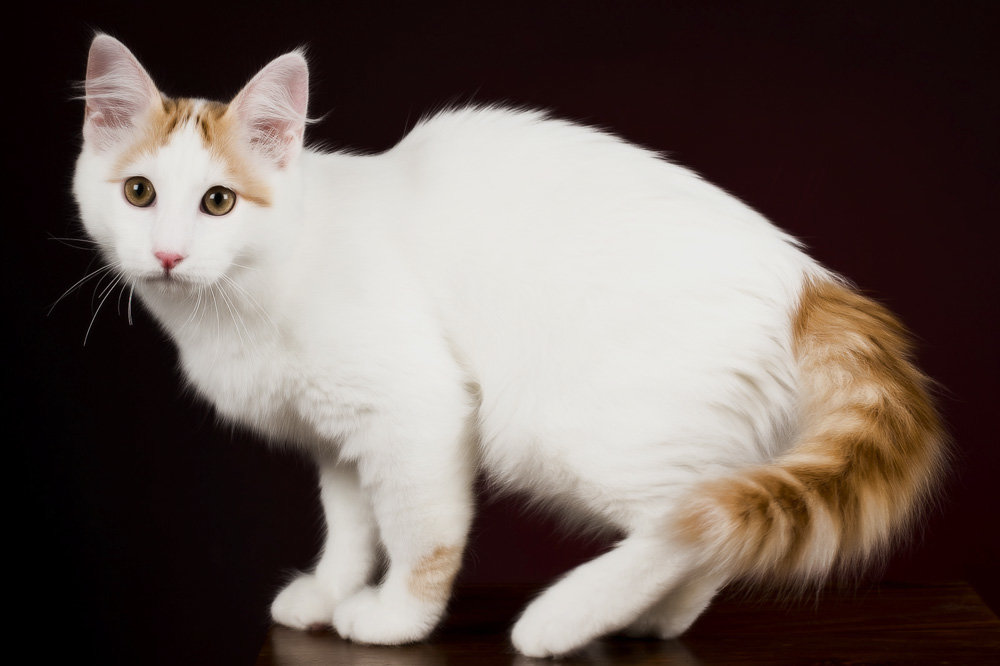
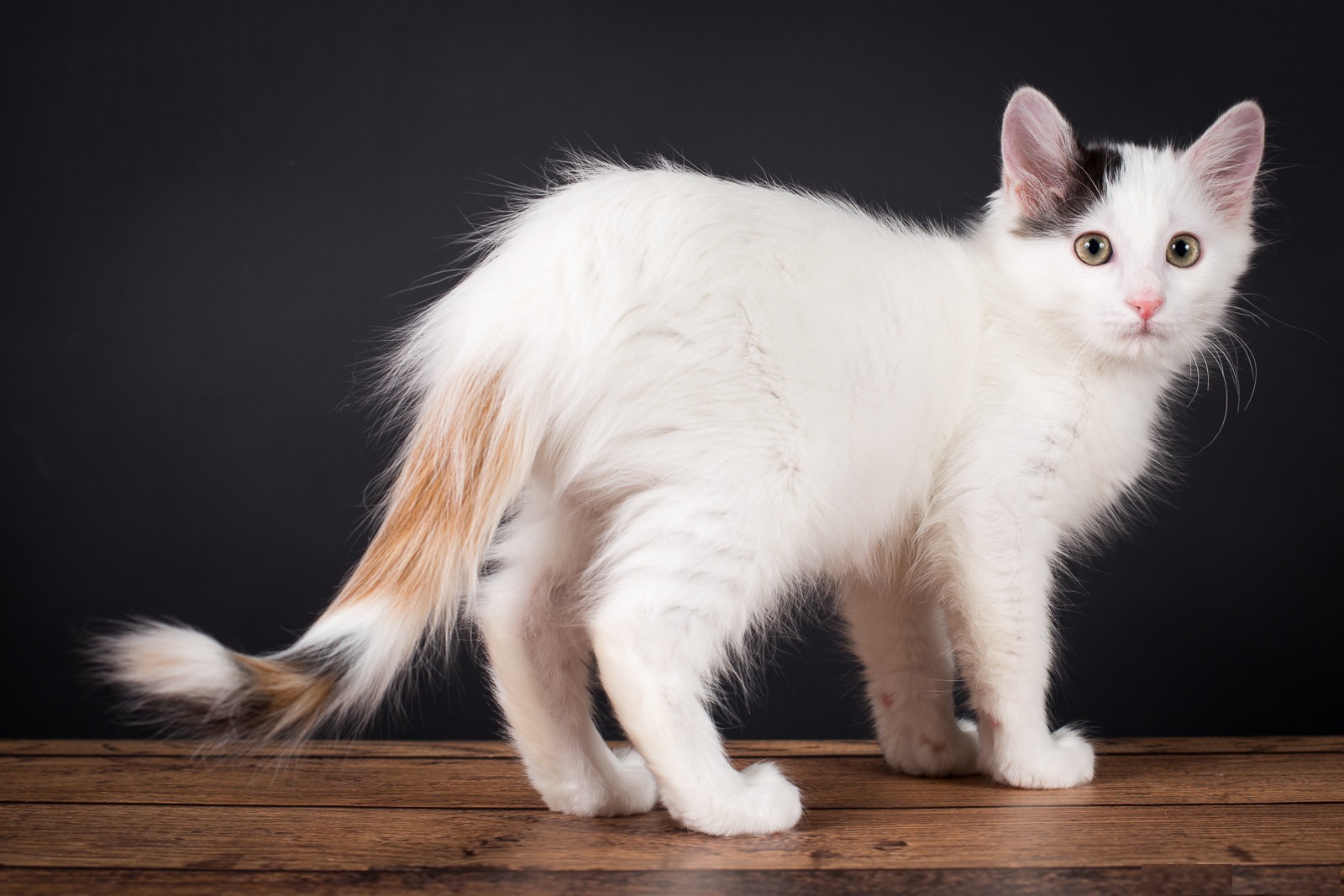
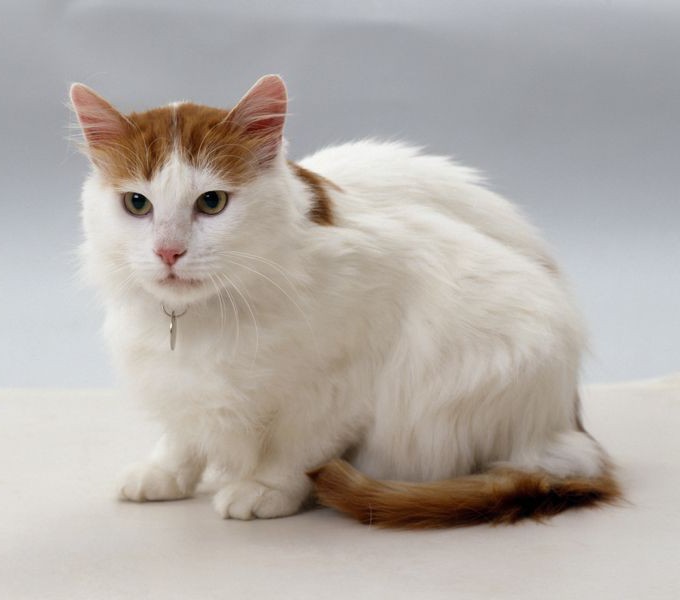
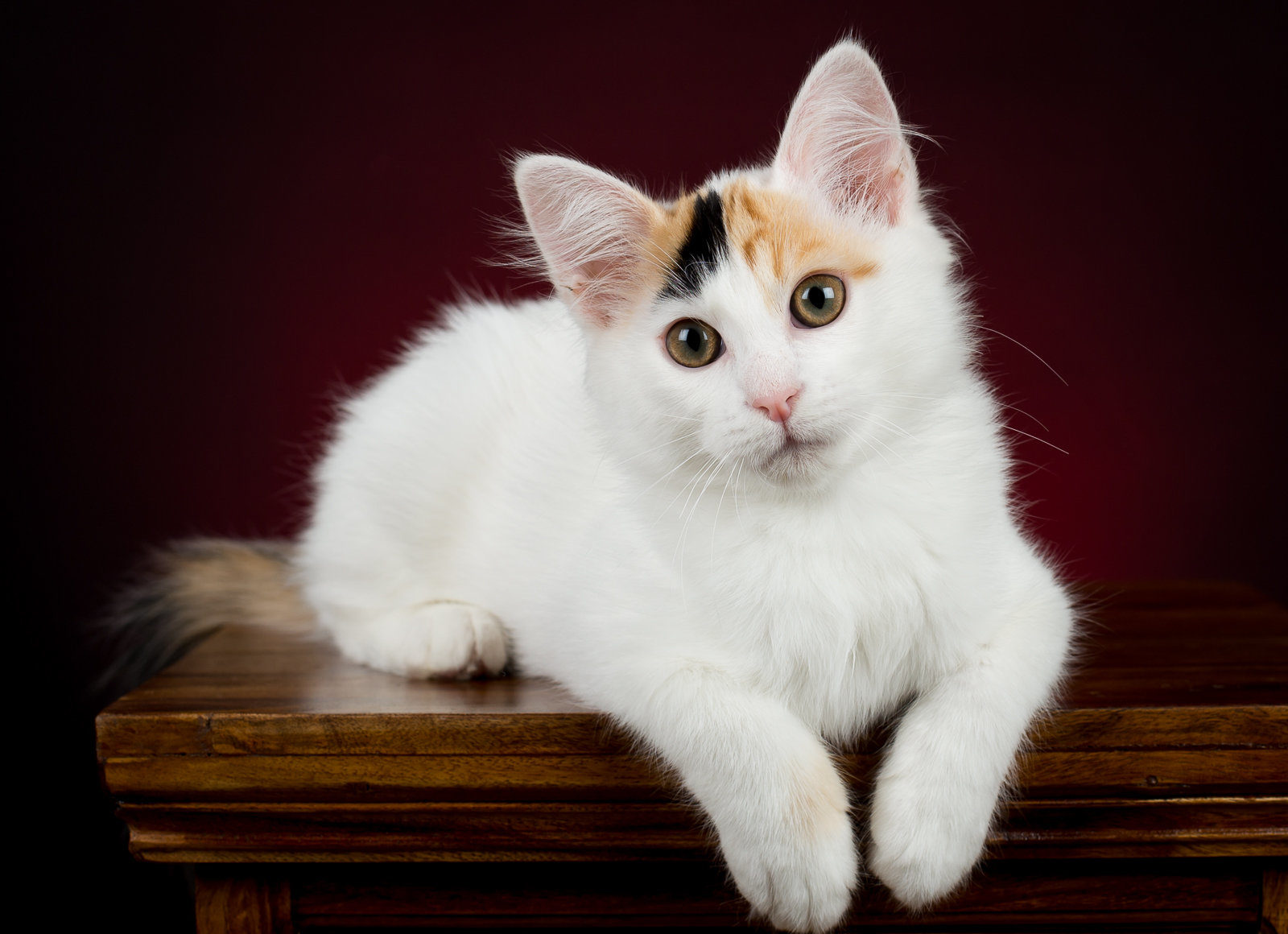
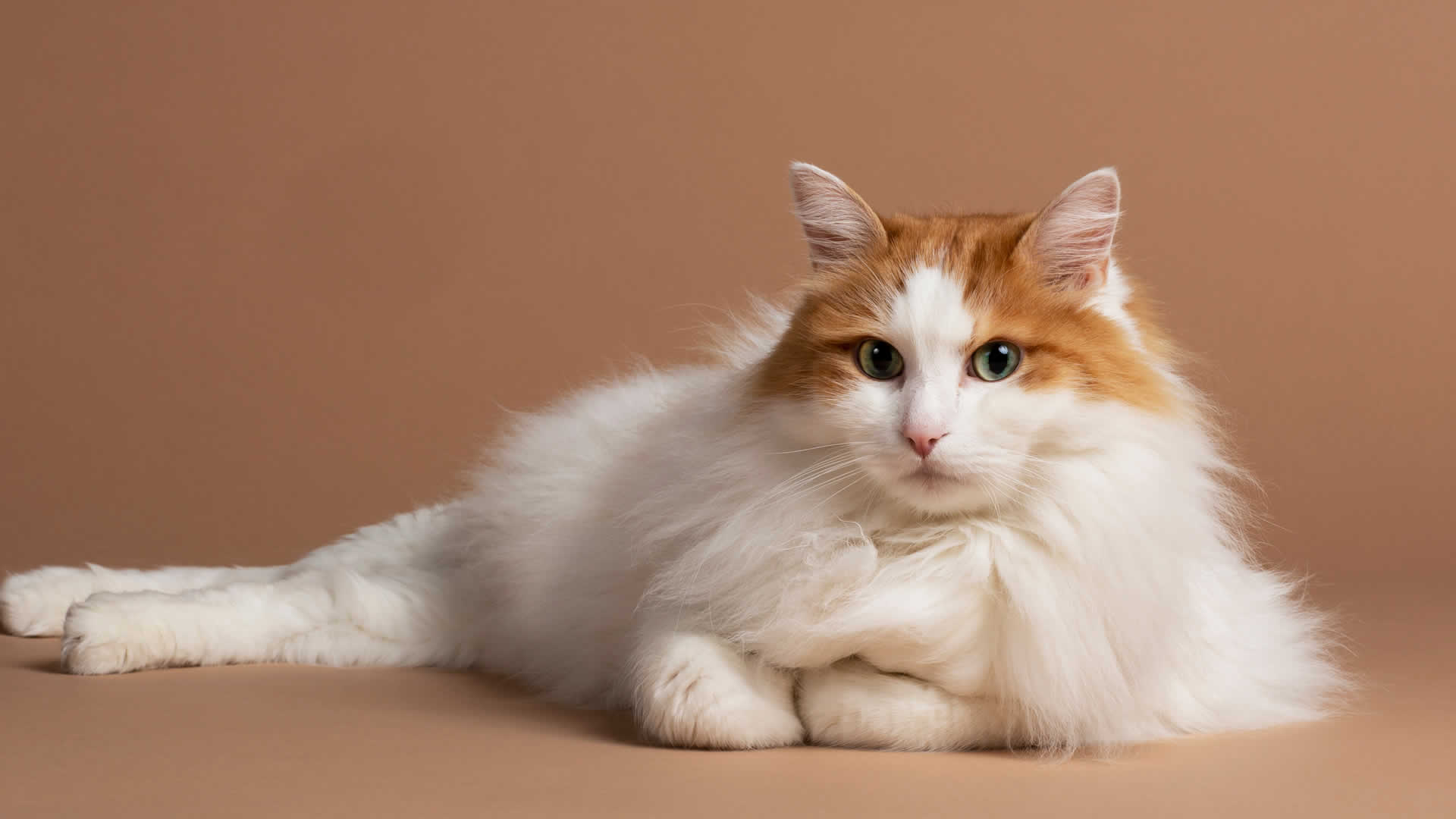
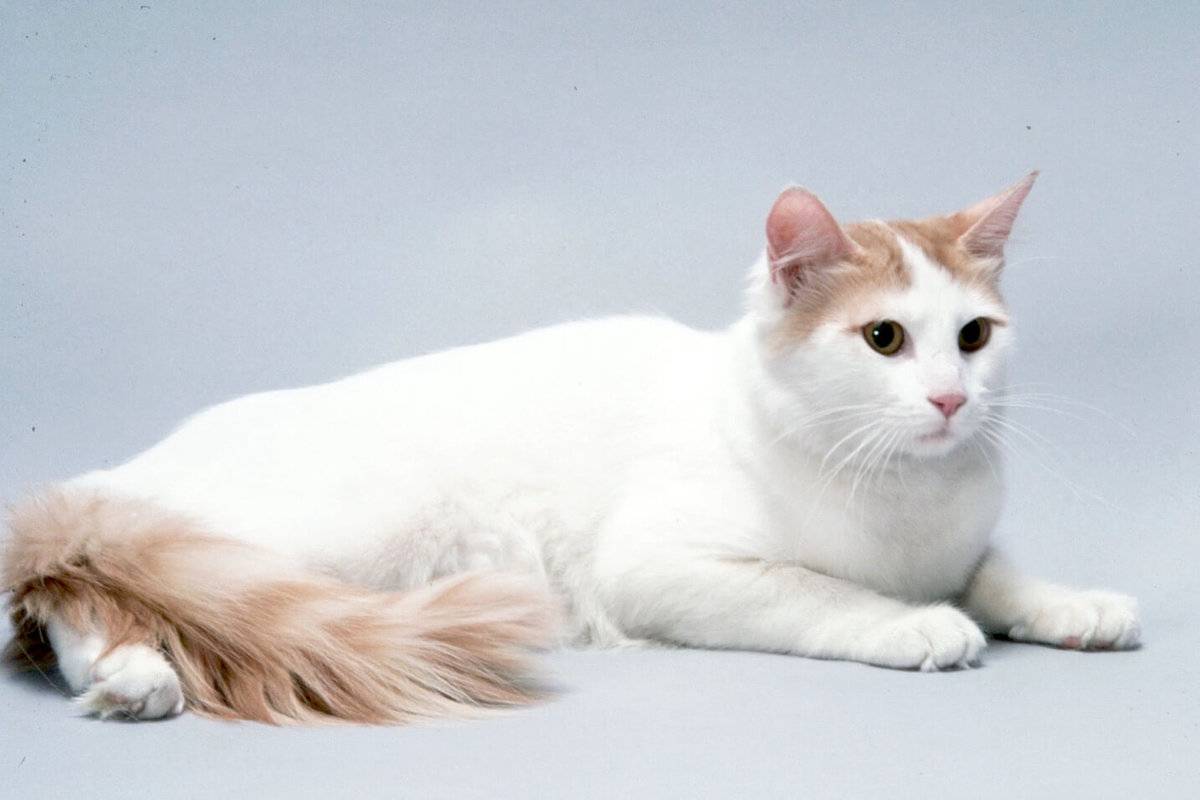
The Turkish Van is a medium to large cat with a muscular build that highlights its endurance and activity. These cats appear large due to their dense fur and strong body structure. They have expressive eyes, graceful body lines, and a fluffy tail, giving them an elegant yet wild appearance.
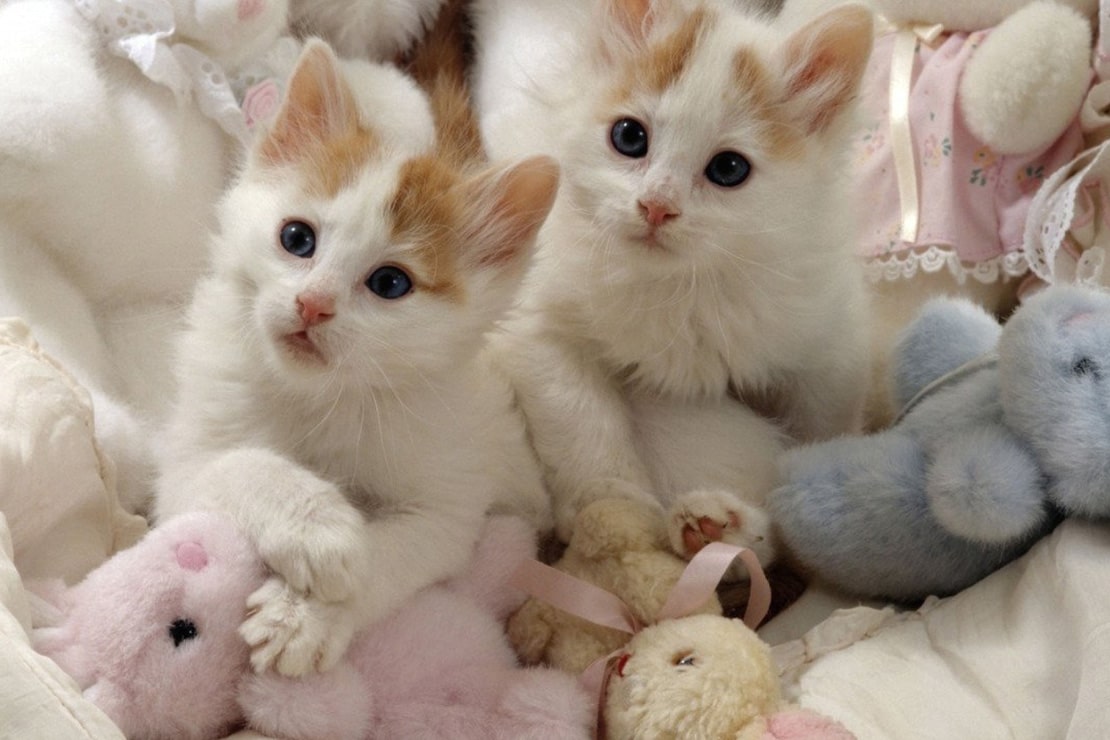
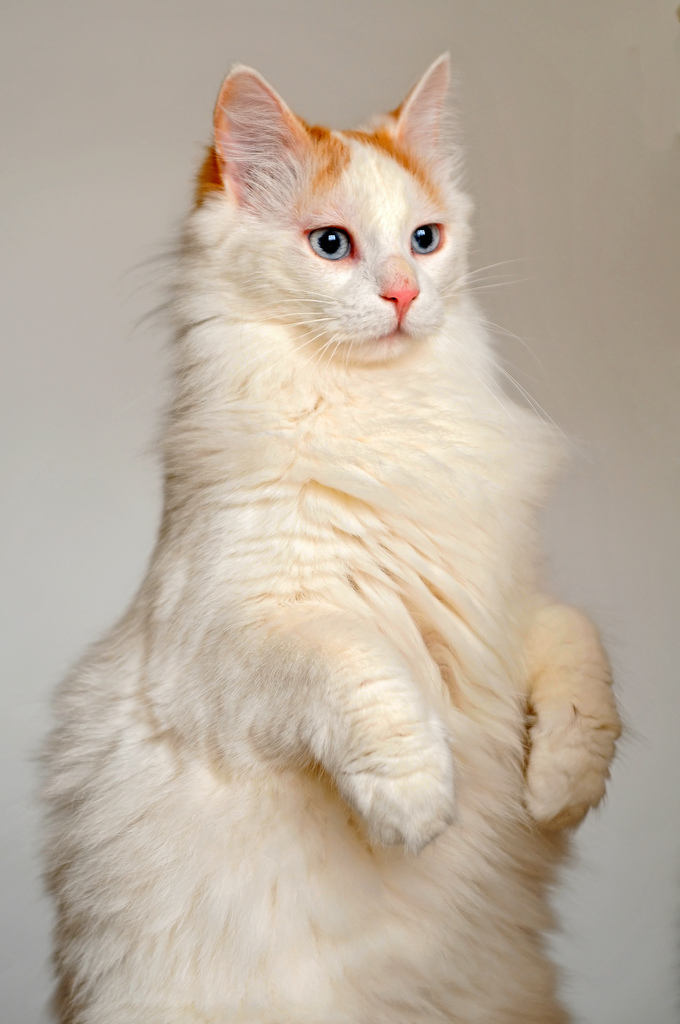
Turkish Vans have a unique coloration known as “Van.” This consists of a white body with distinctive colored patches on the head and tail. This combination gives the breed a recognizable appearance, making it even more appealing to cat lovers.


Отличительные черты

Голова

Морда

Уши

Глаза

Зубы

Корпус

Конечности

Хвост

Шерсть

Окрас
Character
The character of the Turkish Van is a blend of independence and affection, making this breed one of the most interesting among cats. These cats love to be active and require plenty of space for play and movement. The Turkish Van is the perfect choice for those looking for a cat with a vibrant personality and playful temperament.
One of the unique traits of Turkish Vans is their love of water. Many owners notice that their pets adore playing with water or even swimming, which is quite unusual for other cat breeds. This instinct for water is inherited from ancestors that lived near Lake Van and hunted fish.
Turkish Vans are known for their high energy and curiosity. They are exploratory cats that are always on the lookout for new places to explore and check out everything around them. Unlike many other breeds, Turkish Vans are not afraid of heights and enjoy climbing onto cabinets, shelves, and other elevated spots from where they can observe what’s happening in the house.
Despite their independence, Turkish Vans form strong bonds with their owners and enjoy spending time with family. They adapt easily to children and other pets, showing friendliness and tolerance. These cats often follow their owners around the house like dogs and can even display jealousy if someone else captures their owner’s attention.
It’s important to note that Turkish Vans are not overly demanding in terms of attention, but they are always happy to engage in play or brief interactions. They won’t interrupt you if you are busy, but they will be ready for fun as soon as you are available.
"The floating cat" is the queen of the water bodies.
The Turkish Van is one of the few cat breeds that loves to swim! This is a unique trait, as most cats are known for their fear of water. Vans will happily jump into a bathtub or pool, and they also enjoy playing with running water, whether it's from a tap or a fountain. This instinct traces back to their history: the ancestors of these cats lived near Lake Van in Turkey and often hunted for fish, which developed their fondness for the water.Care and Maintenance
The Turkish Van is a cat with a unique temperament and appearance that requires special care and attention to details that may differ from other breeds. Their active nature, love of water, and thick, water-resistant coat demand an individual approach in their care and maintenance.
Coat Care: Water-Resistant Magic
The coat of the Turkish Van is one of its most interesting features. It has unique water-resistant properties, which not only help the cat feel comfortable in water but also make maintenance easier. The semi-long coat requires regular brushing to maintain its softness and shine. It’s essential to brush the cat at least once a week, and during shedding periods, 2-3 times a week. Use special brushes for long hair to prevent tangles and remove dead hair.
However, despite the Turkish Van’s love for water, regular baths are not necessary. You can bathe your pet as needed, about once a month or less. The key is to use gentle cat shampoos to avoid drying out the skin and coat.
Play and Activity: Energy That Needs Outlets
The Turkish Van is a cat that is always on the move. These cats are extremely active and require constant physical activity. Regular toys may not satisfy their need for activity, so interactive toys, mazes, and puzzles are excellent solutions. The Turkish Van loves to explore new spaces, jump on heights, and hunt moving objects, so provide them with space for active play. Cat trees, shelves, and tunnels will be great additions to your home to satisfy your pet’s natural instincts.Interestingly, many Turkish Vans enjoy playing with water. Offer your pet a water bowl or a small basin so they can play and feel comfortable in this element. They will happily catch floating toys in the water or just “splash,” which keeps them entertained and active.Dietary Needs: Energy Requires FuelThe Turkish Van is an active cat with a fast metabolism, so proper nutrition plays a key role in maintaining its energy and health. It is important to choose premium cat food high in protein, as protein is the main building block for muscles and an energy source for Turkish Vans. This breed is recommended a diet rich in meat and fish, as these foods support their hunting instincts and provid
The cat that comes when called.
Despite stereotypes about cat independence, the Turkish Van is the feline equivalent of a dog. These cats often choose one favorite owner and literally follow them everywhere. Turkish Vans are known for their loyalty and can come when called, like dogs. They love interacting with people, and some owners even claim they can teach their Van the command "fetch."Training and Education
The Turkish Van is not just an active cat, but also a very intelligent breed that learns easily. Unlike many cats that may ignore commands and rules, Turkish Vans are interested in interacting with humans and often demonstrate their learning abilities. It’s important to approach training wisely, using the cat’s natural instincts and curiosity.
Learning through Play: Hunting as a Method
The Turkish Van is a natural hunter, so training through play that utilizes hunting instincts will be most effective. These cats enjoy chasing and “catching” moving objects, so you can train them to play with a ball or interactive toys that stimulate their activity. For instance, you can teach your cat to fetch toys by rewarding it for bringing the toy back to you.
During training, it’s important to use positive reinforcement. Turkish Vans respond well to praise, affection, and treats. When the cat successfully follows a command, always reward it to help it associate task completion with positive feelings and rewards.
Teaching Basic Commands: Patience and Persistence
Turkish Vans can quickly master basic commands like “come,” “sit,” or “stay” if you use gentle and consistent training methods. Since this breed loves to follow their owner and be involved in activities, you can train the cat to respond to vocal commands. Start with simple tasks and gradually increase complexity, remembering to provide rewards.Be patient, as Turkish Vans can sometimes show independence. Short training sessions of 5-10 minutes several times a day will help keep the cat engaged and prevent it from becoming overwhelmed.Water Play as a Training ElementConsidering the Turkish Van’s love for water, you can utilize this for variety in training. For instance, you might suggest a “hunt” for floating toys in a bowl of water or even teach it to play in the water by catching items with its paws. This will not only enhance its skills but also keep the cat active and engaged.Developing Intelligence: Interactive Toys and PuzzlesTurkish Vans are smart and perceptive cats, so interactive toys and puzzles are excellent tools for their training. Use toys with treats inside that need to be opened or solved to keep the cat’s interest and stimulate its thinki
National pride of Turkey
Please provide the text you would like me to translate.How to Choose a Kitten
Choosing a Turkish Van kitten is a responsible decision that requires careful consideration. These cats are rare, and it can be challenging to find a healthy and well-bred kitten. It’s important to know what to look for to choose a kitten that will not only be a wonderful companion but also a healthy pet.
Checking the Breeder’s Reputation: Quality and Care
The first step in choosing a kitten is finding a reliable breeder. The Turkish Van is a rare breed, so acquiring a kitten from an unknown breeder can be risky. A good breeder should provide all necessary documents, including a veterinary passport with vaccination records, a pedigree, and health information about the parents. Don’t hesitate to ask questions about how the kittens are socialized and cared for, as well as what measures are in place to prevent genetic diseases.
A trustworthy breeder should also allow you to visit their facility and see the conditions in which the kittens are raised. Look for cleanliness in the environment, as well as the activity and behavior of the adult cats.
Choosing an Active and Curious Kitten
The Turkish Van is a high-energy cat, so it’s important to select a kitten that shows activity and interest in its surroundings. A healthy kitten should be playful, curious, and friendly. It should not hide or avoid people, as this could indicate inadequate socialization or health problems.Observe the kitten’s behavior. It should respond easily to new stimuli, play with toys, and show interest in unfamiliar people. Activity and confidence are key characteristics of the Turkish Van that should be noticeable from an early age.Inspecting the Kitten’s Appearance and HealthWhen selecting a kitten, it’s important to pay attention to its appearance. The coat should be clean, free of tangles or bald spots. The eyes should be clear, without discharge or redness, and the ears should be clean, with no unpleasant odor. Pay attention to the kitten’s weight: it should not be too thin or, conversely, excessively overweight.The kitten should be active and mobile, moving easily without showing signs of lethargy or pain. Observe how it interacts with other kittens or adult cats, as this can help assess its level of socialization and temperament.The Kitten’s Age and Its
Health and Illnesses
Turkish Vans are strong and resilient cats, but like all purebred animals, they can face certain health issues. Proper care and regular veterinary check-ups will help maintain your pet’s health at a high level.
Predisposition to Diseases
Overall, Turkish Vans are considered a relatively healthy breed, but they may be prone to the following problems:
Deafness. Some Turkish Vans, especially those with blue eyes, may suffer from congenital deafness. This is linked to a genetic mutation that is also responsible for their white fur and blue eyes.
Heart diseases. Like many large cat breeds, Turkish Vans may be predisposed to hypertrophic cardiomyopathy- a condition where the heart muscles thicken. Regular check-ups with the vet can help identify the problem early on.
Disease PreventionAn important part of caring for a Turkish Van is adhering to a vaccination schedule and regular visits to the veterinarian for preventive check-ups. It is also essential to monitor your pet’s dental health, ears, and eyes to avoid infections and inflammations.Regular parasite treatment, such as for fleas and worms, is also crucial for maintaining your cat’s health. Treat your pet according to the veterinarian’s recommendations.Active Lifestyle and Proper NutritionTurkish Vans are active cats that require plenty of exercise. Ensure that your pet gets enough physical activity through play and exploration. This will help prevent obesity, which can lead to various health problems.Proper nutrition also plays a key role in maintaining the health of a Turkish Van. Include high-quality foods in your cat’s diet that are rich in proteins, vitamins, and minerals to support their high energy levels.- the best site for pets where you can buy or sell a kitten.
Содержание
-
1. Описание породы
-
2. Внешний вид
- 2.1 Голова
- 2.2 Морда
- 2.3 Уши
- 2.4 Глаза
- 2.5 Зубы
- 2.6 Корпус
- 2.7 Конечности
- 2.8 Хвост
- 2.9 Шерсть
- 2.10 Окрас
-
3. Характер
-
4. Содержание и уход
-
5. Дрессировка и обучение
-
6. Как выбрать котенка
-
7. Здоровье и болезни






Comments
Only registered users can leave reviews.
Enter