
Turkish Angora




Breed Description
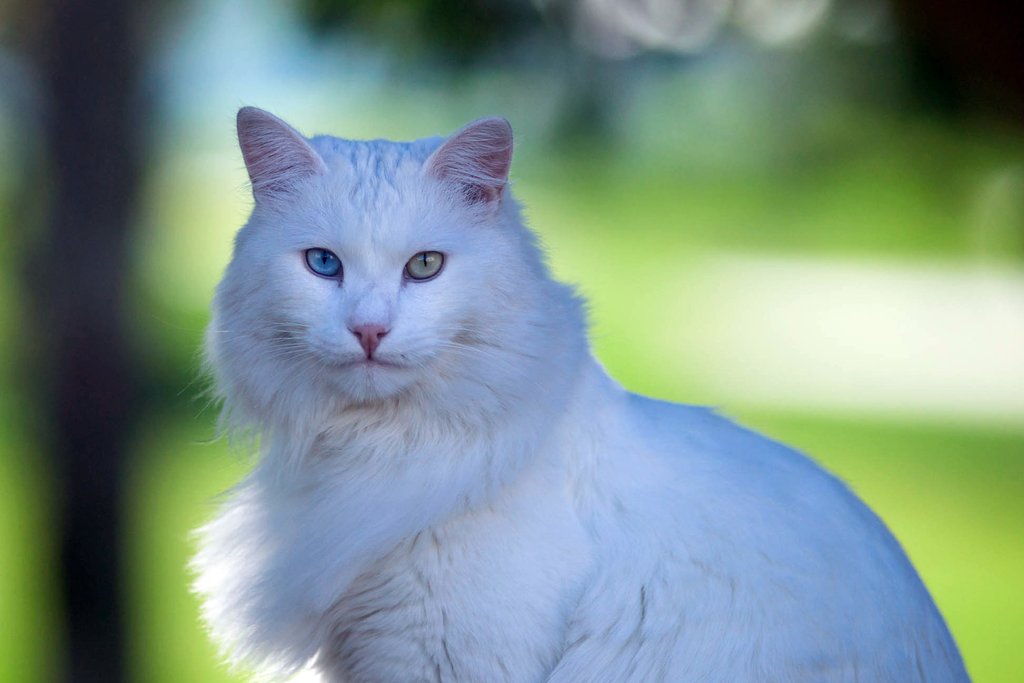
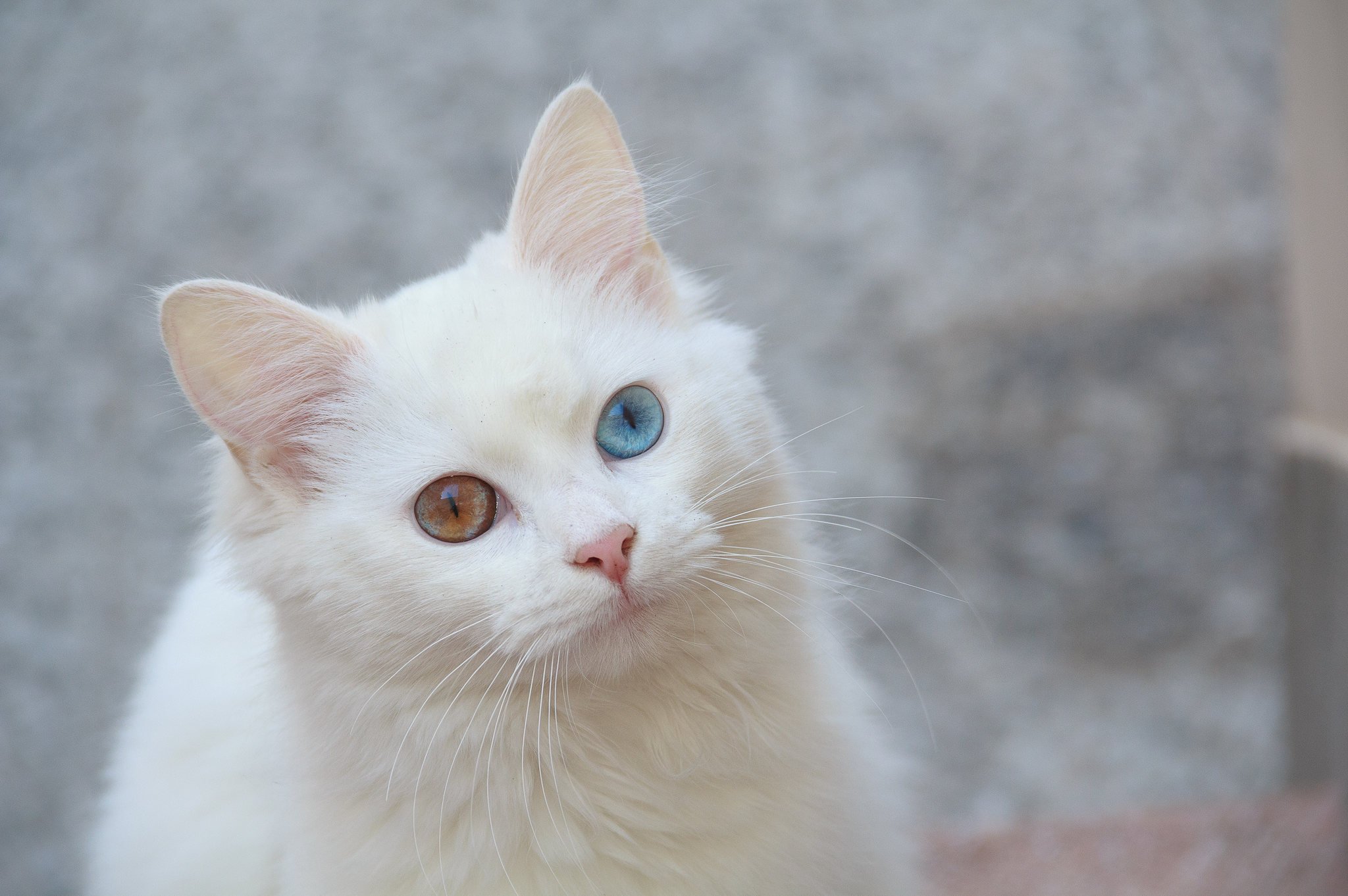
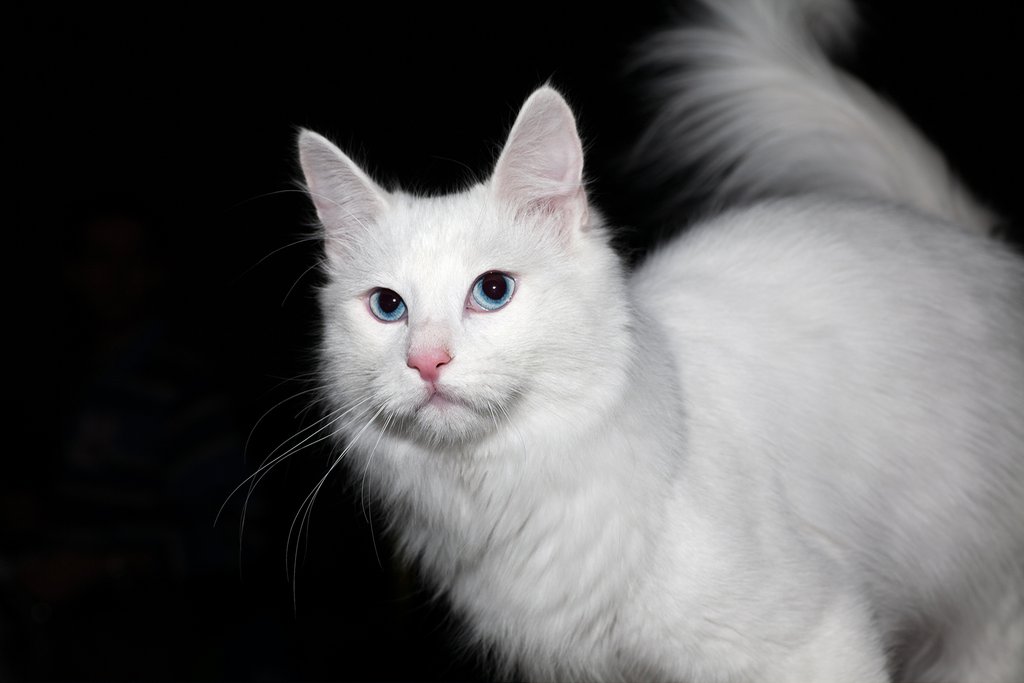
The Turkish Angora is one of the oldest cat breeds, originating from Turkey as indicated by its name. Its name comes from the old name of the city Ankara, which was known as Angora in ancient times. These cats have been well-known in the Middle East for centuries and are considered a national treasure of Turkey. They first gained recognition in Europe in the 17th century when travelers brought exotic animals as gifts for royal courts.
The Turkish Angora was a symbol of sophistication and grace and was long regarded as a breed exclusively for royalty. However, by the mid-20th century, the breed was on the verge of extinction. The situation changed when Turkey began a conservation program, and today, the Turkish Angora has regained popularity worldwide.
The Turkish Angora is a cat with unique silky fur that does not require the extensive grooming found in many long-haired breeds. Not only is this breed visually appealing, but it is also highly intelligent and actively engages with its owner, showcasing its abilities in play and training.
These cats are particularly valued for their activity, intelligence, and curiosity. Unlike many other breeds, Turkish Angoras possess a nearly “dog-like” loyalty and attachment to their owners, making them excellent companions for families or individuals.
Appearance
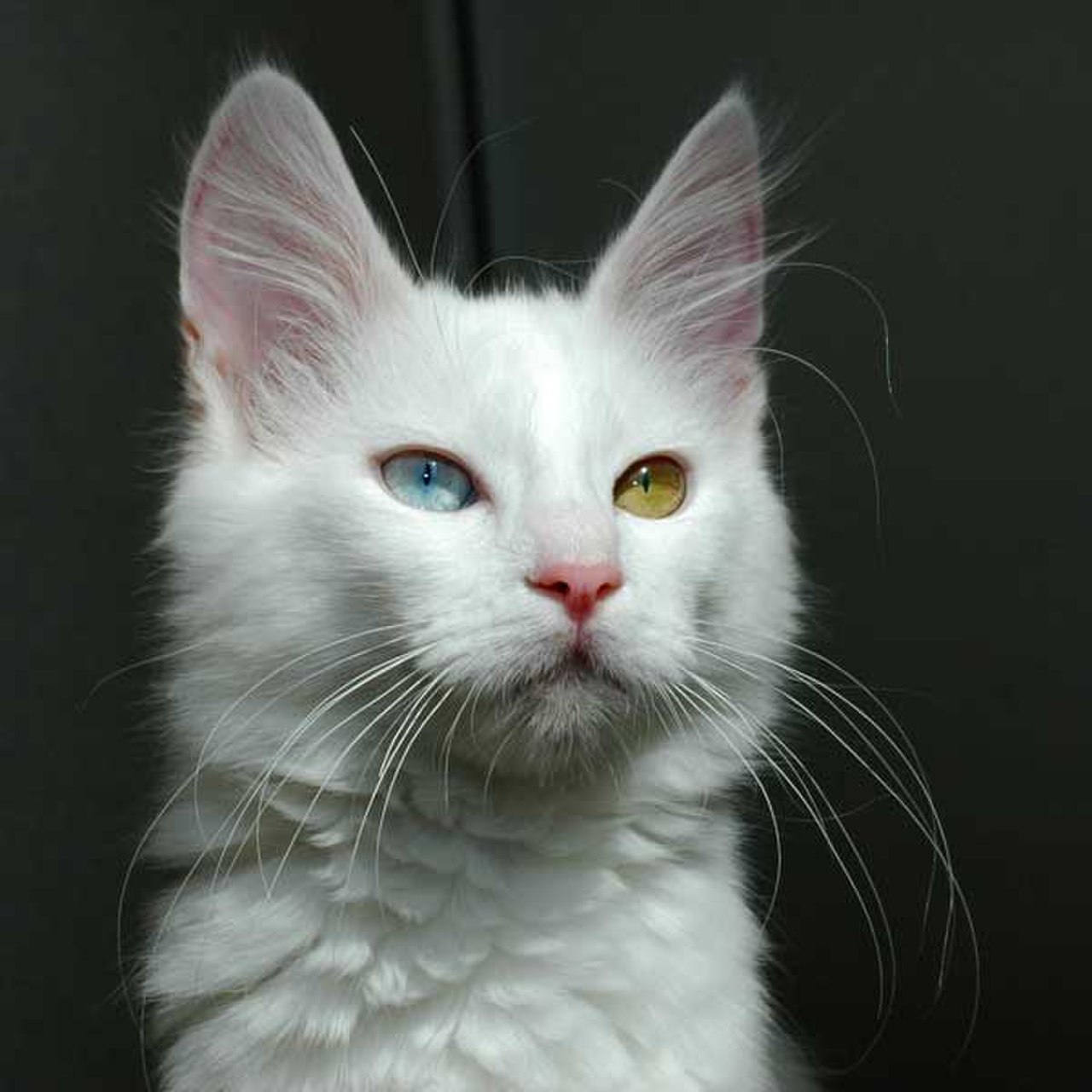
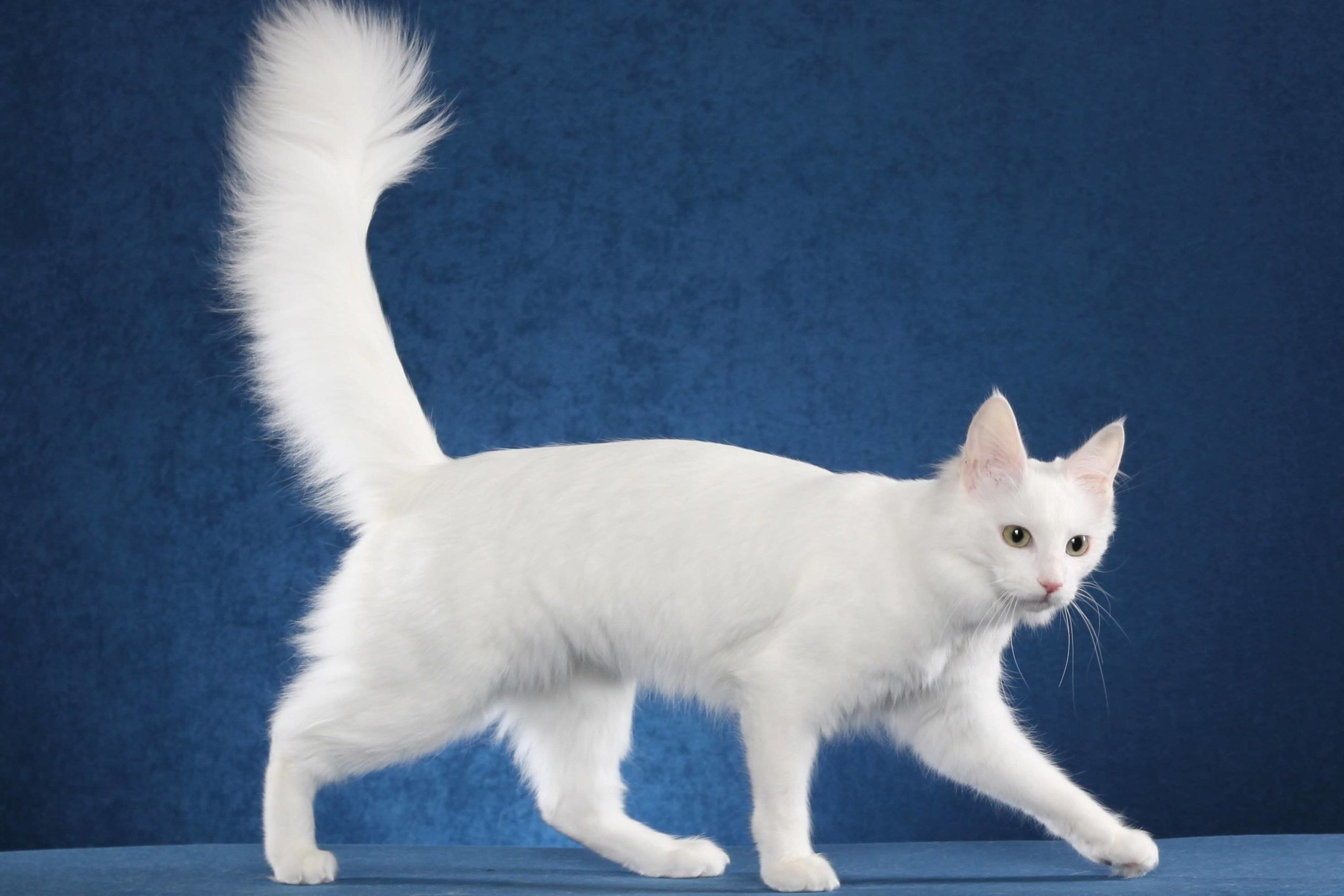
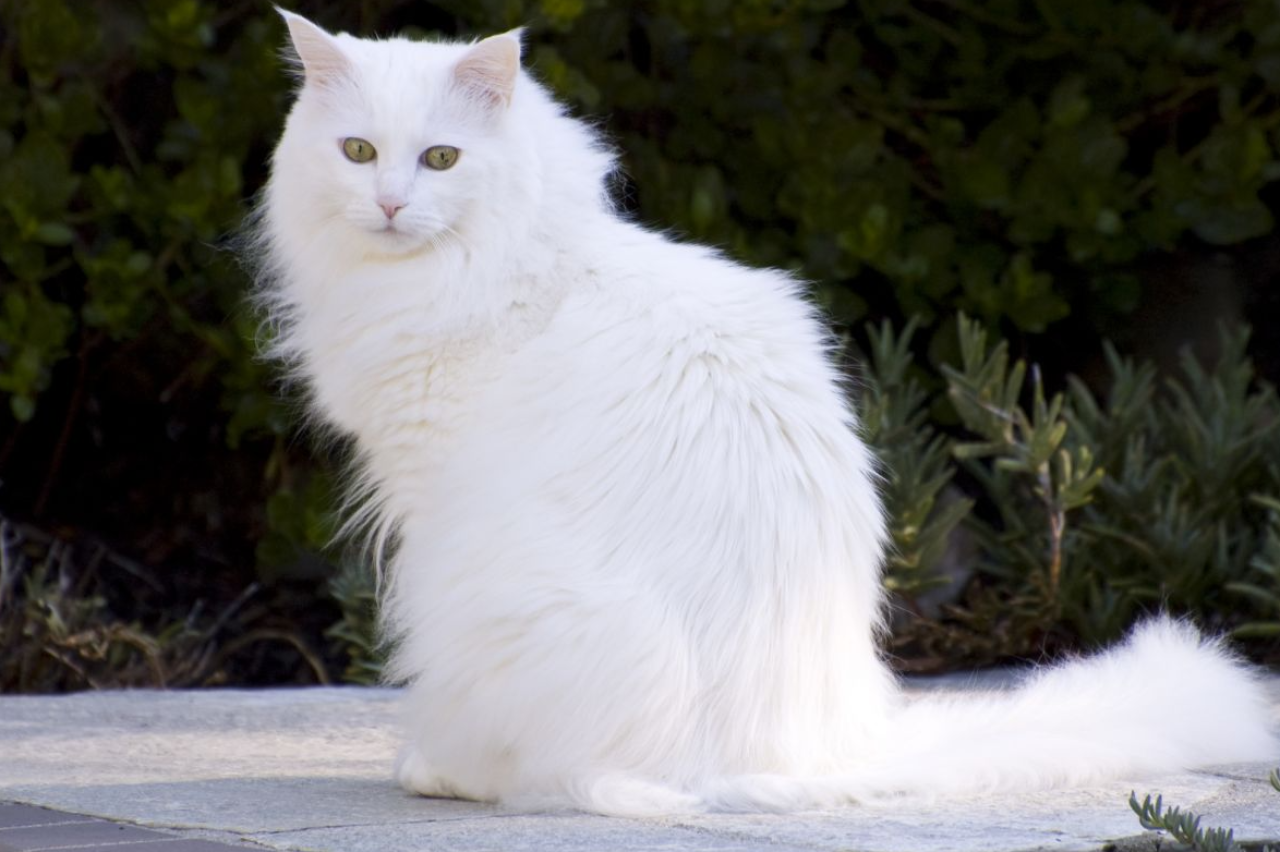
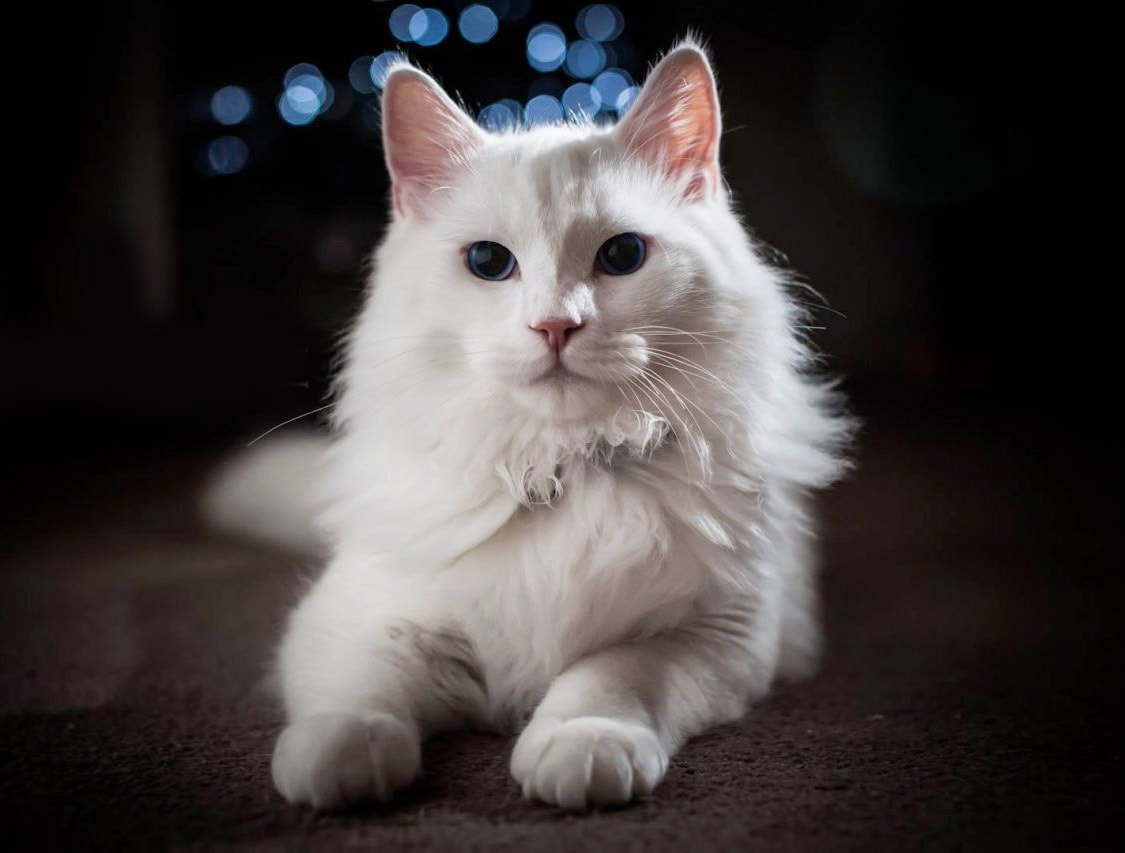
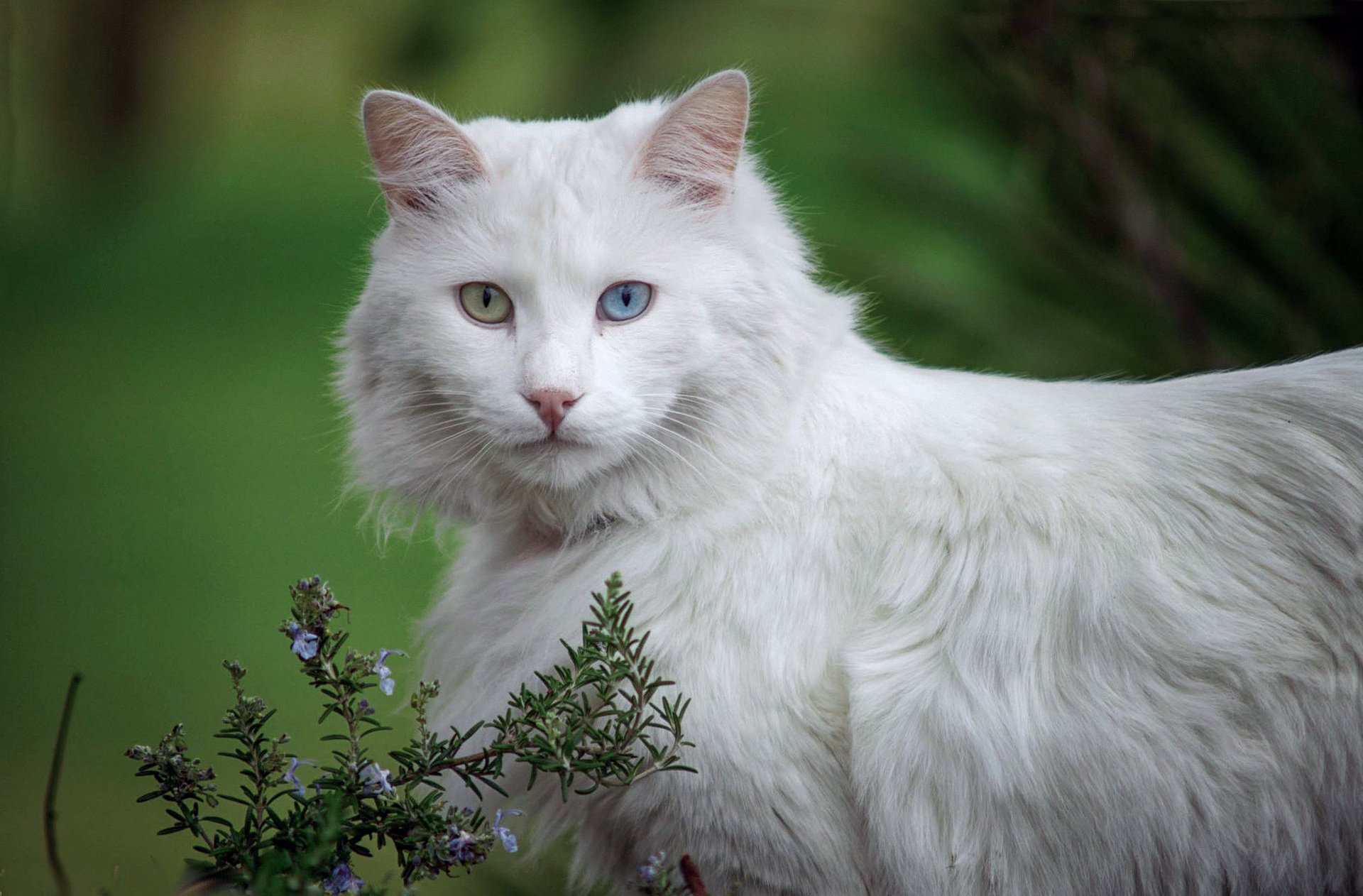
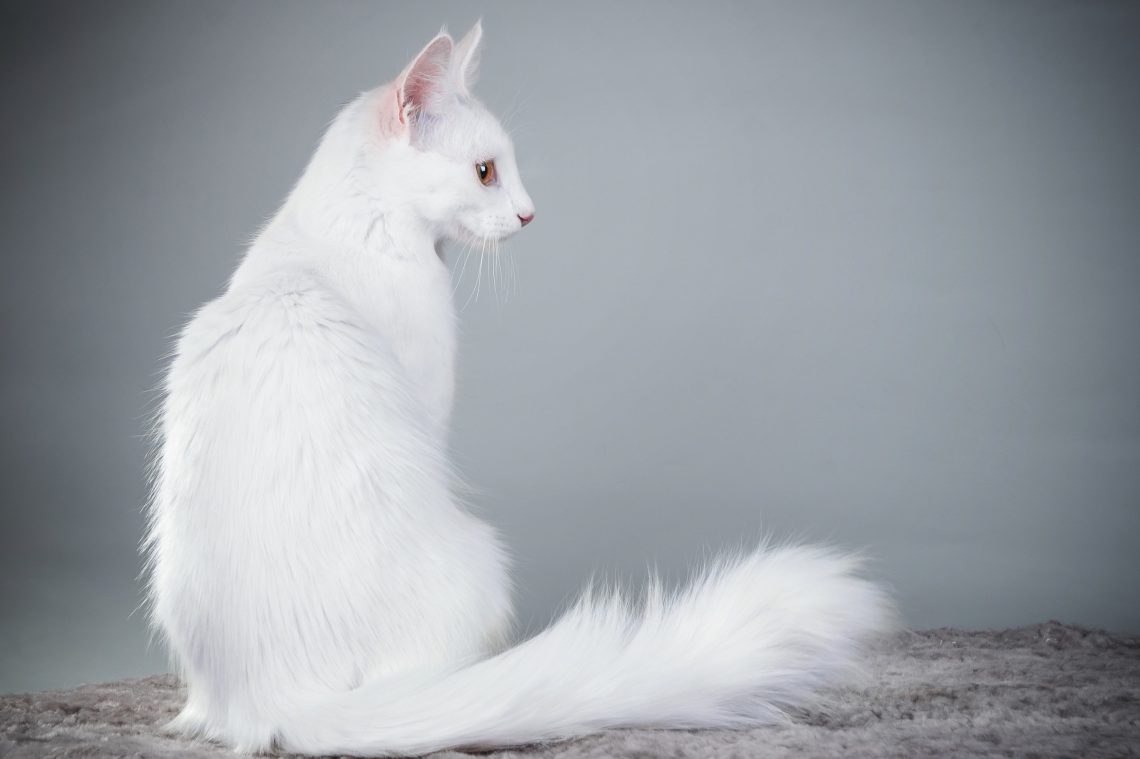
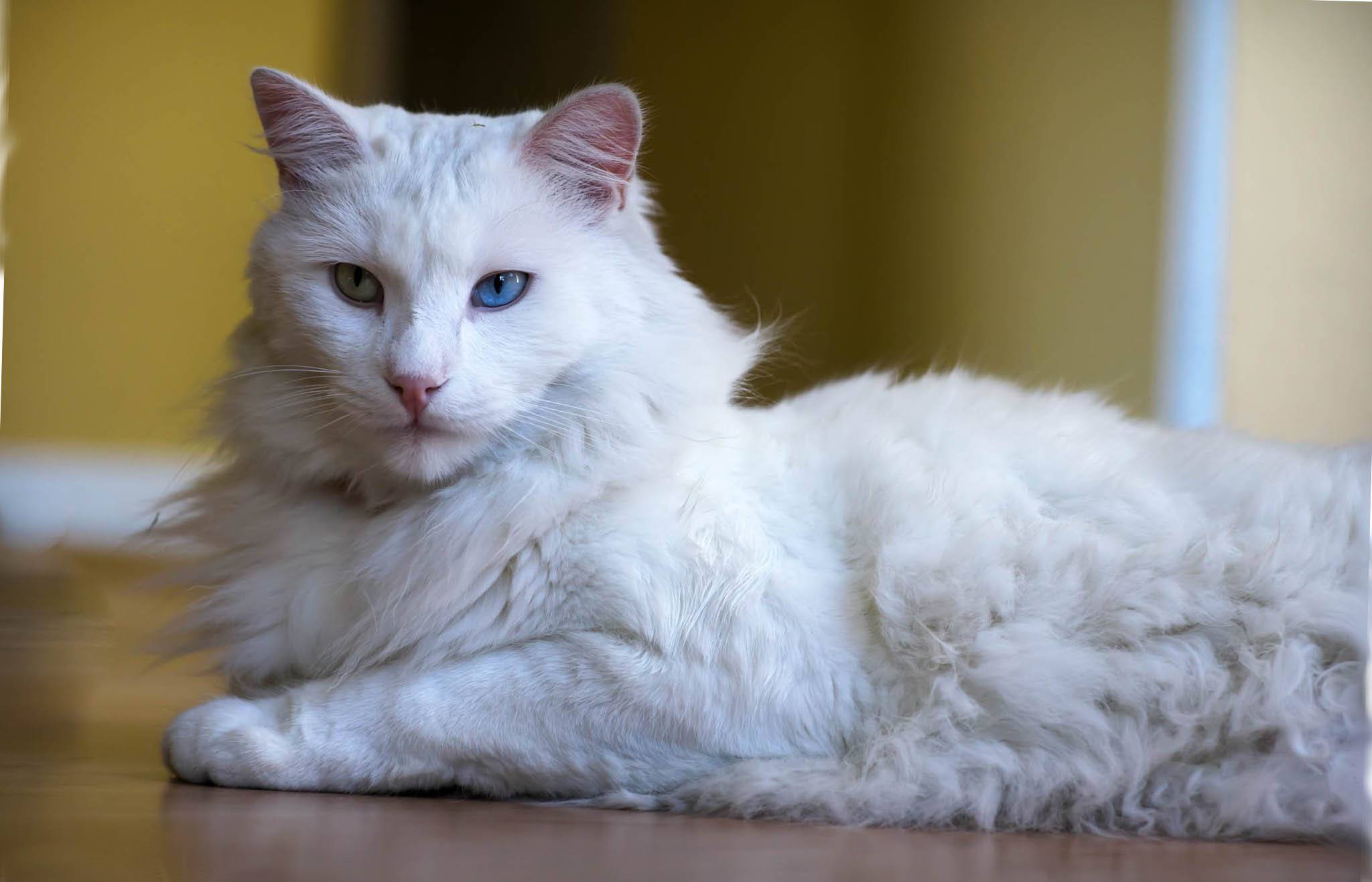
The Turkish Angora is an elegant cat with a refined and slender figure. Despite its outward fragility, these cats have a strong and sturdy build that helps them remain active and playful. The graceful lines of their body, long legs, and tail give the breed a distinctive look. Their silky fur, which never matts, is one of its most appealing features.


Отличительные черты

Голова

Морда

Уши

Глаза

Зубы

Корпус

Конечности

Хвост

Шерсть

Окрас
Character
The Turkish Angora is a cat with a remarkable character, combining grace, playfulness, and high intelligence. Unlike many other breeds, Angoras exhibit incredible loyalty and a strong desire for interaction with people. These cats actively engage with their owners and often become true companions in everyday life.
Intelligence and Curiosity
One of the main traits of the Turkish Angora is its high intelligence. These cats love solving problems and eagerly participate in games that stimulate their mental activity. Turkish Angoras quickly learn commands, figure out how to open doors or cabinets, and can solve puzzles with toys. Owners often note that their pets can adapt to various situations and easily learn new things.
Attachment to Humans
Turkish Angoras become very attached to their owners and often choose one person in the family to form a particularly close bond with. They follow their owner around the house, may sit on their lap while they work or watch TV, and even participate in daily tasks. Angoras enjoy being the center of attention and often remind you of their presence if they feel ignored.
These cats are not afraid to express their emotions-they purr, nuzzle, and sometimes even “talk,” making soft sounds to attract their owner’s attention. However, they are not overly demanding and will peacefully leave you alone if they see you are busy.Playfulness and ActivityThe Turkish Angora is a truly energetic cat. Even adult individuals retain their playfulness, staying active into old age. These cats adore games with balls, feathers, laser pointers, and any other toys that can be “caught.” They can play for hours if they find something interesting and are always ready for new games.Turkish Angoras love heights. They enjoy climbing on cabinets, shelves, or windowsills to observe the world from above. It’s important to provide opportunities for this by setting up special shelves for the cat or purchasing a play structure.Independence and FreedomDespite their attachment to their owner, Turkish Angoras remain independent cats. They value their personal space and do not demand constant attention. These cats can entertain themselves if needed but will always be happy to return to play and interaction when you are free again.Turkish Angoras quickly
Питомники
Выбор питомника по городу, породе и отзывам
"The cat of sultans and queens"
The Turkish Angora was a favorite not only of Turkish sultans but also of European monarchs. During the Ottoman Empire, these cats were given as luxurious gifts to foreign rulers. Angora cats were considered so valuable that they could not be exported from the country without the sultan's permission. In Europe, they were adored by royal family members, where they became symbols of sophistication and luxury.Care and Maintenance
The Turkish Angora is a breed renowned for its grace and refined beauty, but that’s not its only trait. These cats are active, intelligent, and require specific attention to their care. Despite having long hair, the Turkish Angora doesn’t need complicated grooming compared to other long-haired breeds. However, there are several aspects of care and maintenance to consider to keep your cat healthy and happy.
Fur – Luxurious yet Easy to Care For
The soft and silky fur of the Turkish Angora is its defining feature, and many owners will be pleasantly surprised by how easy it is to maintain. Unlike other long-haired cats, Angoras lack a dense undercoat, making them less prone to matting. Brushing your cat 1-2 times a week is usually sufficient, especially during shedding periods when hair may be lost more readily. Use a soft brush to avoid damaging the skin and to maintain the natural shine of the fur.
During shedding, it’s better to use a de-shedding tool to remove dead hair. Thanks to the texture of their fur, Turkish Angoras hardly leave traces on furniture and clothing, making them an excellent choice for those who don’t want to spend a lot of time cleaning.
Bathing – Only if Necessary
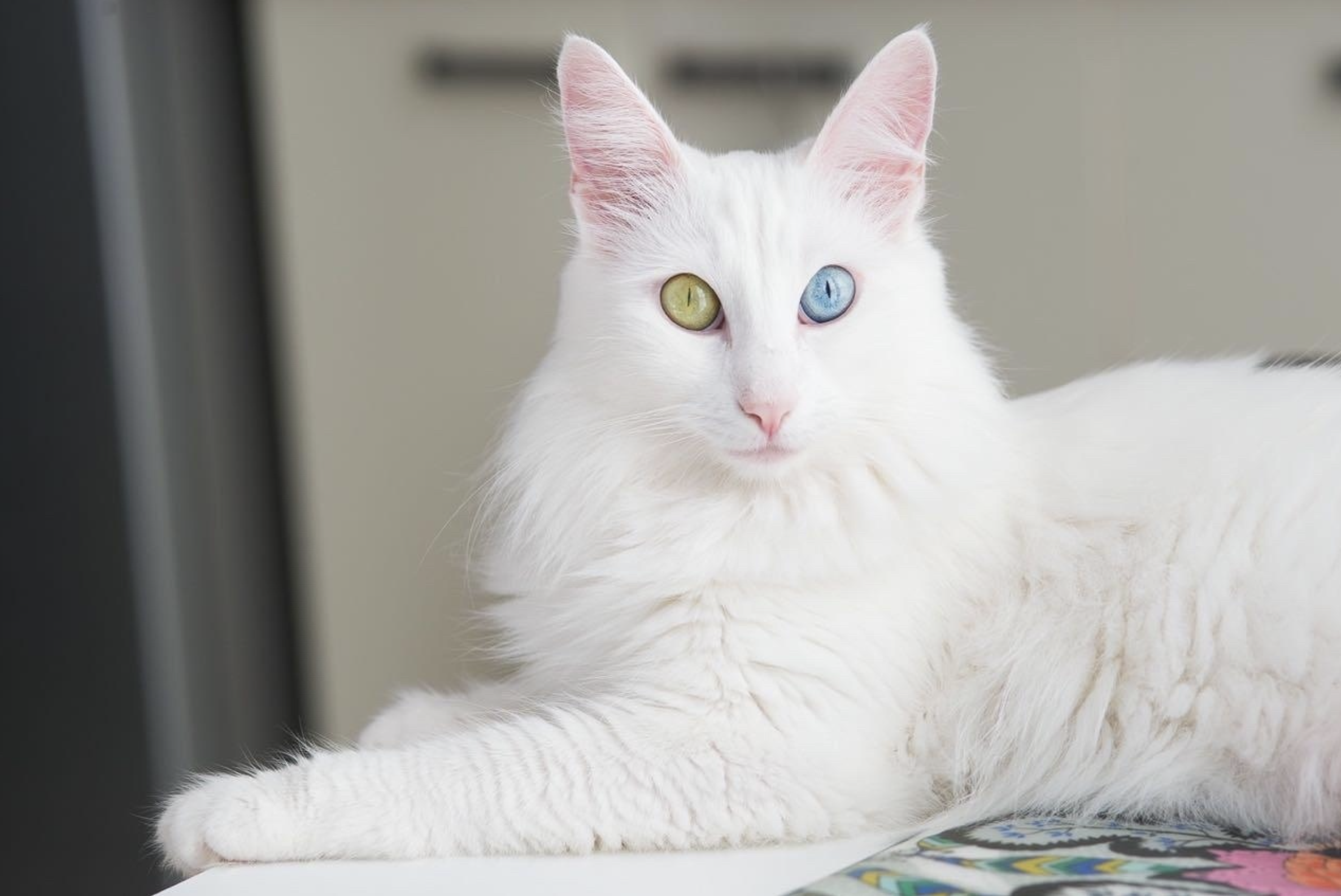
Bathing a Turkish Angora isn’t often required, as their fur stays clean on its own. However, if your cat gets dirty or if you’re preparing for a show, you can gently wash her with a mild cat shampoo. It’s important to use products without harsh chemicals to avoid drying out the fur. Usually, bathing every 2-3 months or as needed is sufficient.Ear and Eye HygieneTurkish Angoras, especially the white ones, can be prone to eye discharge. This is particularly true for cats with heterochromia. Regularly wiping the eyes with a cotton pad moistened with a special eye care solution will help prevent inflammation and dirt accumulation.Ears also require attention. Due to their activity, Turkish Angoras can gather dust and dirt in their ears, so regular checking and cleaning will help prevent possible issues. Use special ear cleaning lotions available at veterinary pharmacies.Activity – The Key to HealthTurkish Angoras are cats with boundless energy. They need regular physical exercise to maintain their shape and stay active. Provide your cat with access to various toys, scratching posts, and play structures. Cats of this breed love heights, so t
A cat rescued from the brink of extinction.
By the mid-20th century, the Turkish Angora was almost extinct. The breed was on the brink of disappearance when other popular long-haired cats, such as Persians, captured the attention of breeders. However, a government program was initiated in Turkey to preserve the breed. Representatives of this ancient breed were gathered in a special kennel in Ankara, and thanks to these efforts, the Turkish Angora was saved and continued to exist.Training and Education
Turkish Angora is one of the few cat breeds that are not only easy to train but also enjoy the learning process. These cats possess high intelligence, curiosity, and excellent memory, making them ideal candidates for learning commands and tricks.
Learning Through Play: How to Harness Intelligence
Turkish Angoras love interactive games, and training is best initiated through play. Their natural agility and desire for active engagement help them easily master tasks that require physical activity. Start with simple games that engage the cat’s hunting instincts-such as playing with a ball, feather, or laser pointer. When the cat begins to “catch” the object, reward her with treats or affection. This will lay the foundation for teaching more complex commands.
Mastering Tricks: From Simple to Complex
Turkish Angoras can easily learn basic commands like “fetch,” “come,” or even “sit.” These cats are incredibly observant and quickly memorize their owner’s actions, allowing them to imitate behavior and perform simple tasks. The key is to remain patient and gradually increase the complexity of commands. Interactive toys and treat puzzles are excellent tools for mental training. You can encourage the cat to figure out how to retrieve a treat from a toy, making it both an enjoyable activity and a way to develop intellectual skills.
Positive Reinforcement – The Key to SuccessTurkish Angoras respond exceptionally well to positive reinforcement. Treats, praise, and affection will motivate the cat to follow commands. Never use harsh methods or yelling, as this will only alienate the cat and create fear or distrust. Conduct short training sessions of 5-10 minutes several times a day. This will help the cat avoid fatigue and maintain interest in learning. You can gradually increase the duration of training sessions if your pet shows consistent interest.Playing with Water: Features of the AngoraThe Turkish Angora is not only beautiful but also one of the few cats that are not afraid of water. Use this to diversify games and training. You can encourage the cat to play with water, for example, by catching drops under a faucet or chasing toys in a shallow bowl of water. Some Angora cats enjoy getting into the bath, opening up new opportunities for play and learning.
A cat with "talking" eyes
Please provide the text you'd like me to translate.How to Choose a Kitten
Buying a Turkish Angora kitten is a responsible step that requires careful preparation. These cats are rare, and it is important to choose a healthy and properly raised kitten that will not only be a beautiful pet but also a full-fledged member of your family.
Breeder Reputation: An Important Selection Criterion
The first step is to find a reputable and responsible breeder. Turkish Angoras are a rare and expensive breed, so it’s essential to ensure that the breeder adheres to all breeding standards, does not compromise on the health of the kittens, and provides all necessary documentation. A good breeder will provide a complete set of documents: pedigree, veterinary passport with vaccinations, and genetic disease test results.
It is important not to rush and to ask the breeder all your questions. Inquire about the health of the kitten’s parents, the living conditions, and the socialization process. Pay attention if the breeder refuses to answer questions or cannot provide documents – this may be a red flag.
Kitten Age and Socialization
The ideal age to bring a Turkish Angora kitten to a new home is 12-16 weeks. By this time, the kitten will be sufficiently socialized, litter-trained, and accustomed to a scratching post, and will have received all necessary vaccinations. Avoid taking the kitten too early, as early separation from the mother can adversely affect its health and behavior.A well-socialized kitten will be active, curious, and sociable. It should show interest in its surroundings, not be afraid of people, and easily interact with others. Observe how the kitten plays with other kittens and interacts with the breeder – this will help assess its character and level of socialization.Inspection of the Kitten’s Appearance and HealthWhen choosing a Turkish Angora kitten, pay attention to its appearance. The coat should be clean, soft, and shiny, with no bald patches or mats. The eyes should be clear and clean, without discharge or redness, and the ears should be clean, showing no signs of dirt or inflammation. The kitten should be active and lively, without signs of lethargy or apathy.Also, observe how the kitten moves. It should run, jump, and play confidently, without signs of di
Health and Diseases
Turkish Angora is generally a strong and healthy breed, but there are several health concerns to be aware of. Like all purebred cats, Turkish Angoras may be prone to certain illnesses, but proper care and regular veterinary visits can help minimize risks.
Deafness in White Cats
White Turkish Angoras with blue eyes may be predisposed to congenital deafness. This genetic trait is often seen in white cats. If you choose a white kitten, be sure to check its hearing. Many deaf cats can adapt well to life, but owners should consider this characteristic in their care and training.
Hypertrophic Cardiomyopathy (HCM)
Like many purebred cats, Turkish Angoras can develop hypertrophic cardiomyopathy-a condition where the heart muscles thicken, potentially leading to heart failure. Regular veterinary check-ups and echocardiograms can help detect the problem early and initiate treatment.
Weight Maintenance and Proper NutritionTurkish Angoras are active, but like any cat, they can gain excess weight if they do not get enough physical activity or if their diet is unbalanced. Avoid overfeeding and ensure that the cat receives quality nutrition with adequate protein and vitamins.Regular Veterinary Check-UpsRegular veterinary check-ups are essential for a long and healthy life for Turkish Angoras. It is important to follow a vaccination schedule and engage in parasite prevention. Annual visits to the vet will help identify any issues at early stages and ensure timely treatment.- The best website about animals where you can buy or sell a kitten.
Содержание
-
1. Описание породы
-
2. Внешний вид
- 2.1 Голова
- 2.2 Морда
- 2.3 Уши
- 2.4 Глаза
- 2.5 Зубы
- 2.6 Корпус
- 2.7 Конечности
- 2.8 Хвост
- 2.9 Шерсть
- 2.10 Окрас
-
3. Характер
-
4. Содержание и уход
-
5. Дрессировка и обучение
-
6. Как выбрать котенка
-
7. Здоровье и болезни






Comments
Only registered users can leave reviews.
Enter