
Toyger





Breed Description
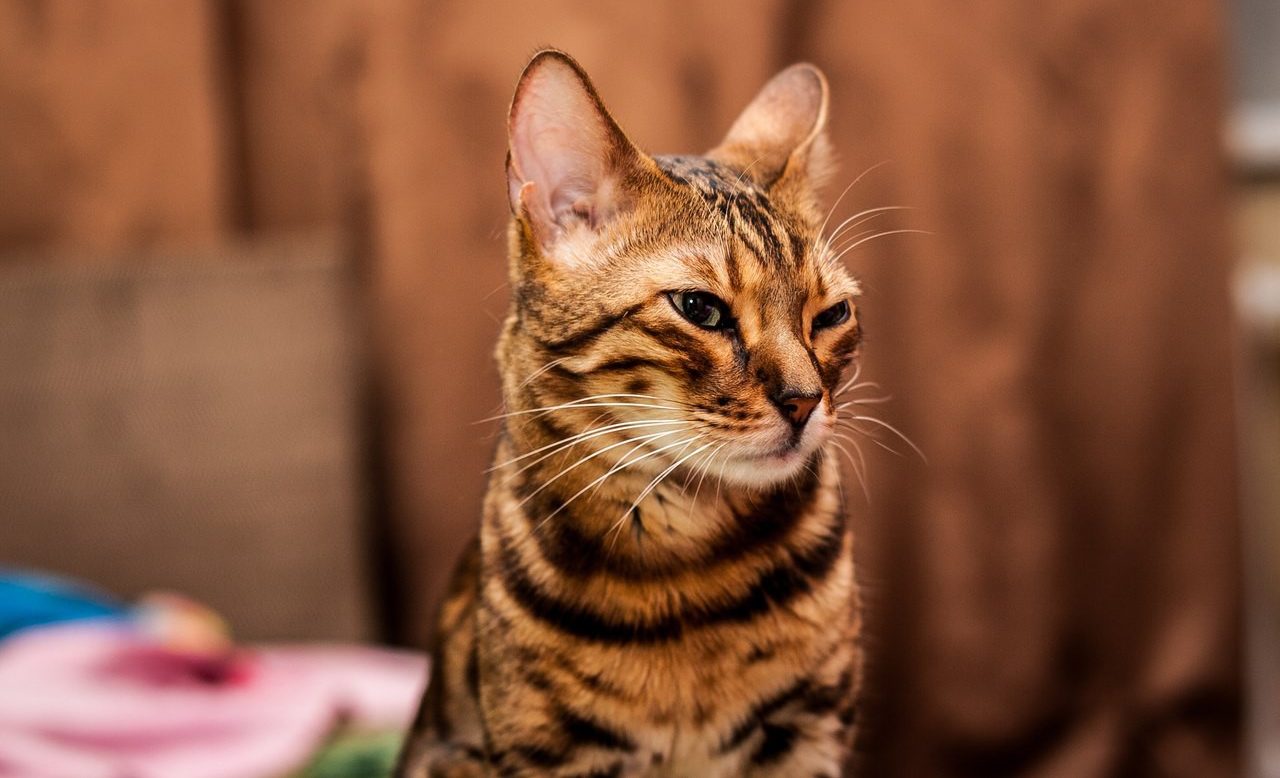
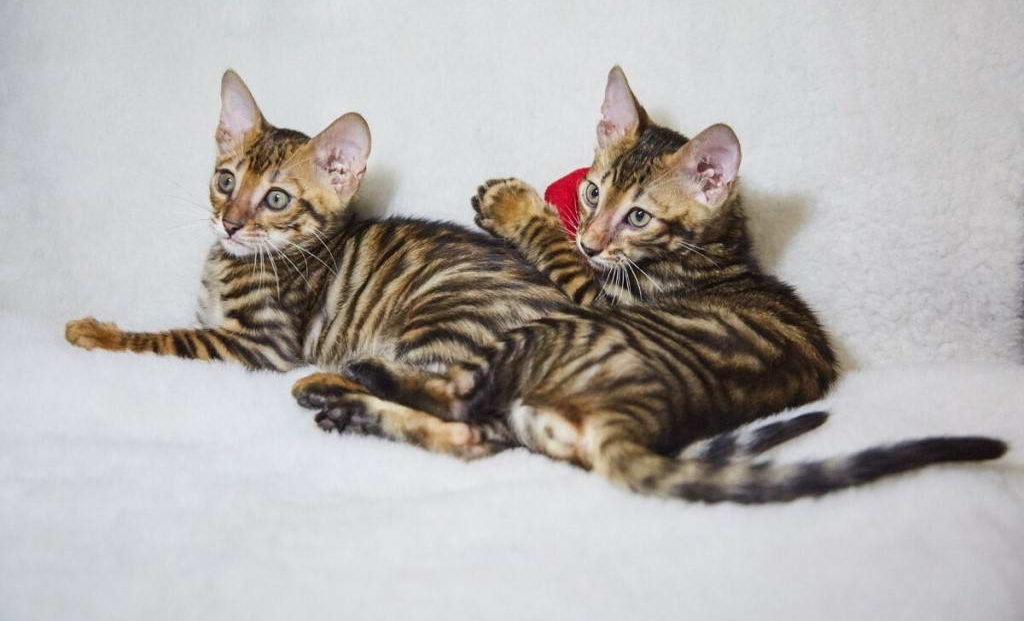
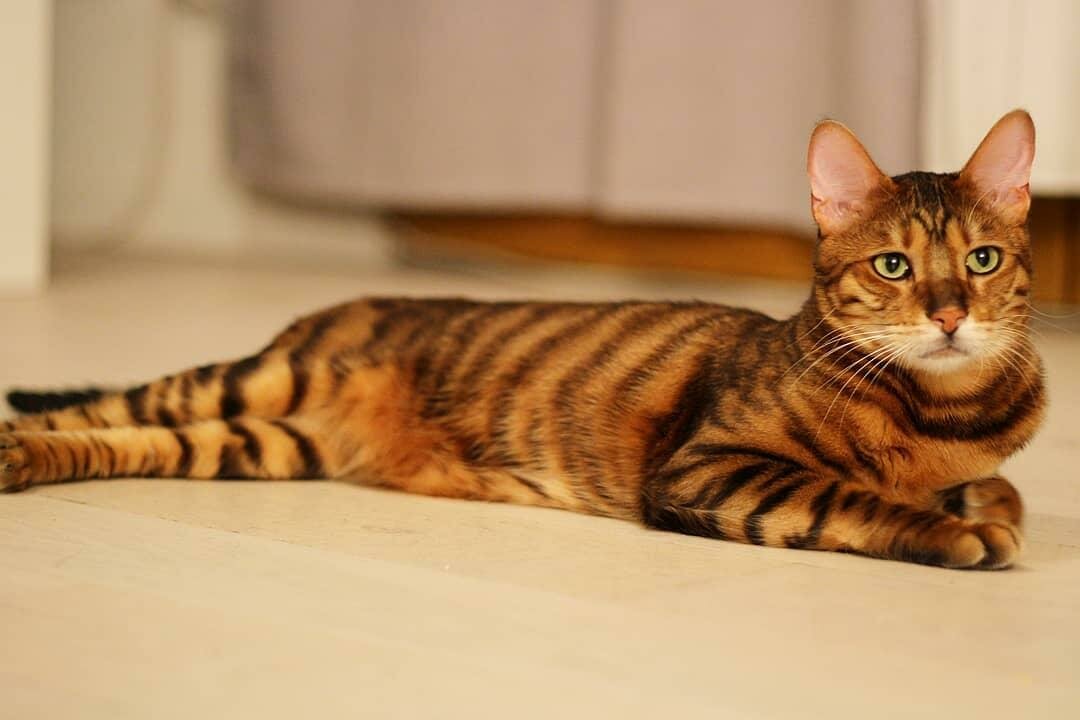
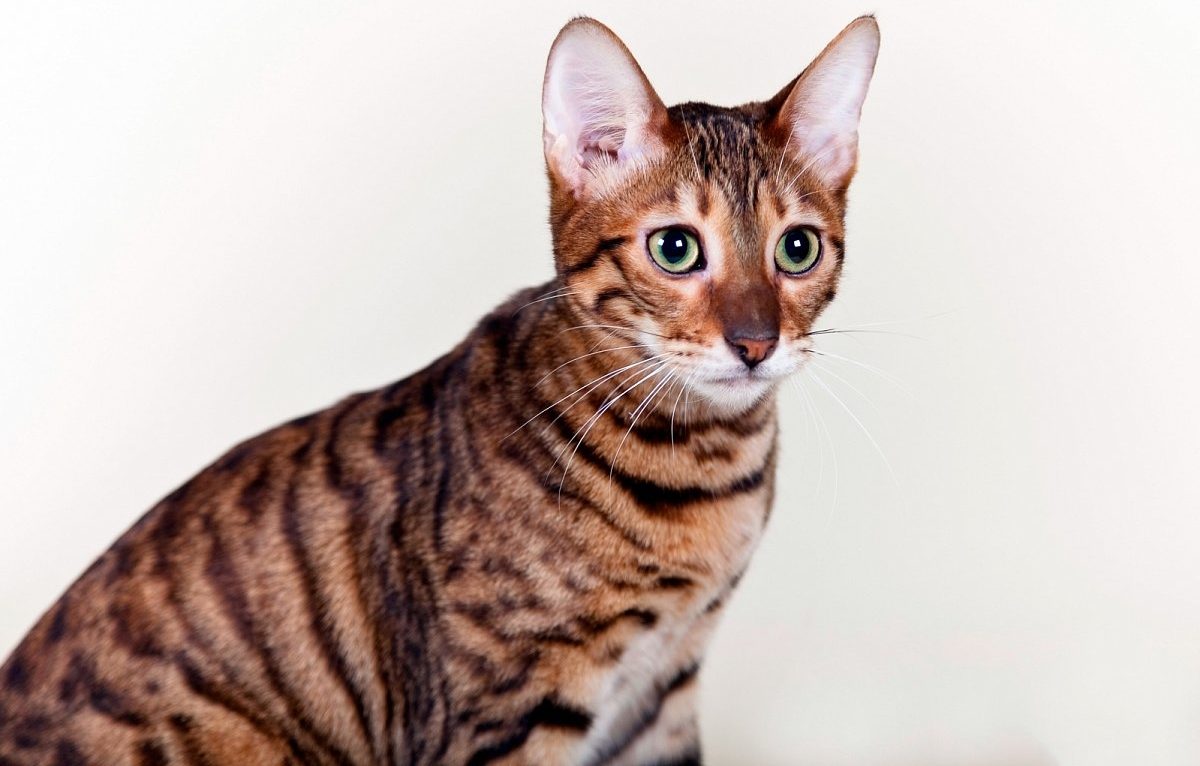
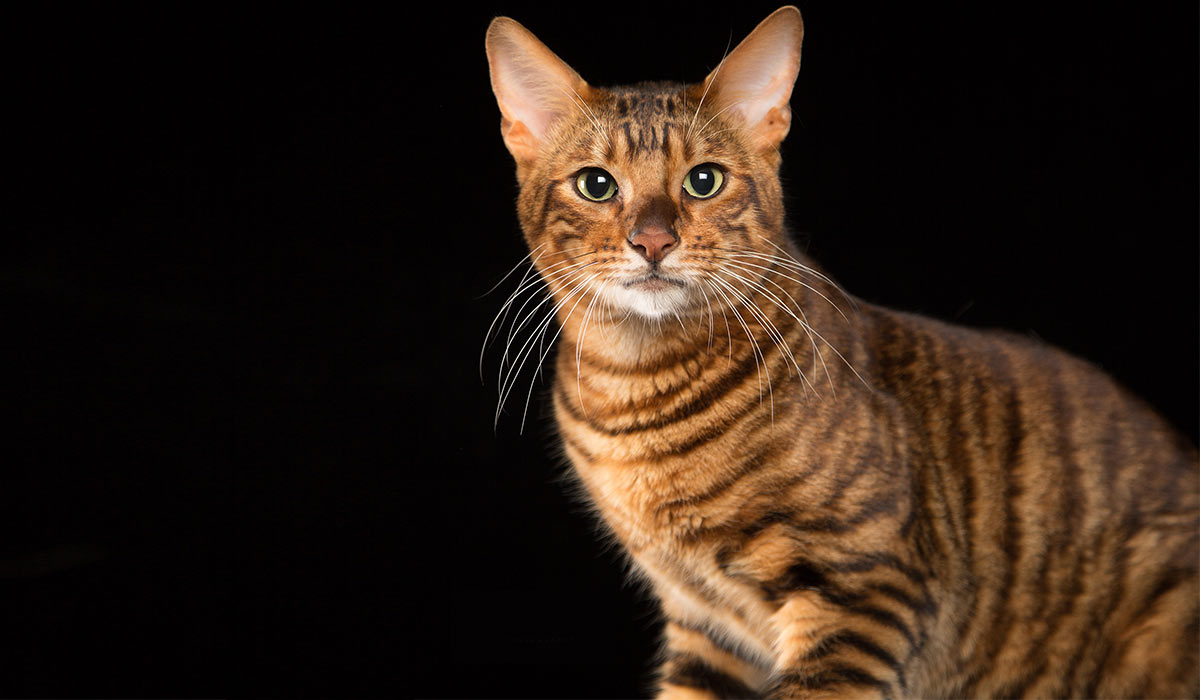
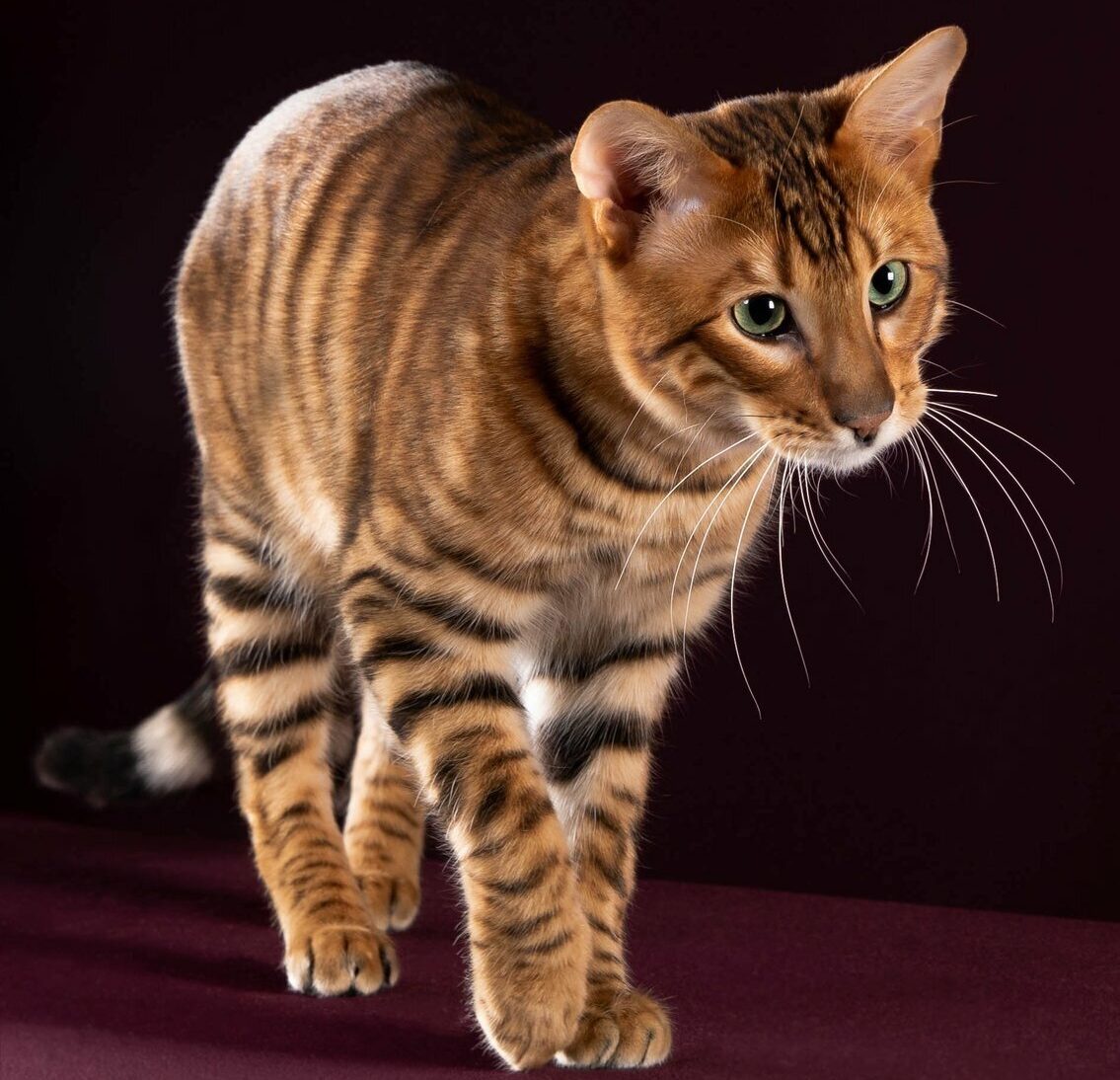
The Toyger is a young, elegant, and mysterious breed of cat. Its name is a “play on words,” combining “Toy” and “Tiger.” This is no coincidence, as its origin dates back to the 1980s, when Jean Mill began her research with the goal of creating a cat that resembled a tiger. Her task was to stabilize the pronounced traits typical of a wild tiger while retaining the charming features of a domestic pet. Officially recognized by the IFCA in 2007, Toygers quickly gained popularity among cat lovers worldwide. Adult Toygers have a moderately large build, with an average weight ranging from 3 to 7 kg. They possess elegant musculature and agility, making them ideal for home life. Their fur is soft to the touch and has a beautiful sheen. A distinguishing feature is the light vertical stripes on a light background, complemented by a unique marble pattern. Typically, their eyes are bright and expressive, with colors varying from green to orange. The lifespan of a Toyger ranges from 12 to 16 years, but with proper care and nutrition, they can live even longer. Like any other cat, they require regular veterinary check-ups and a balanced diet to remain healthy and act
Appearance
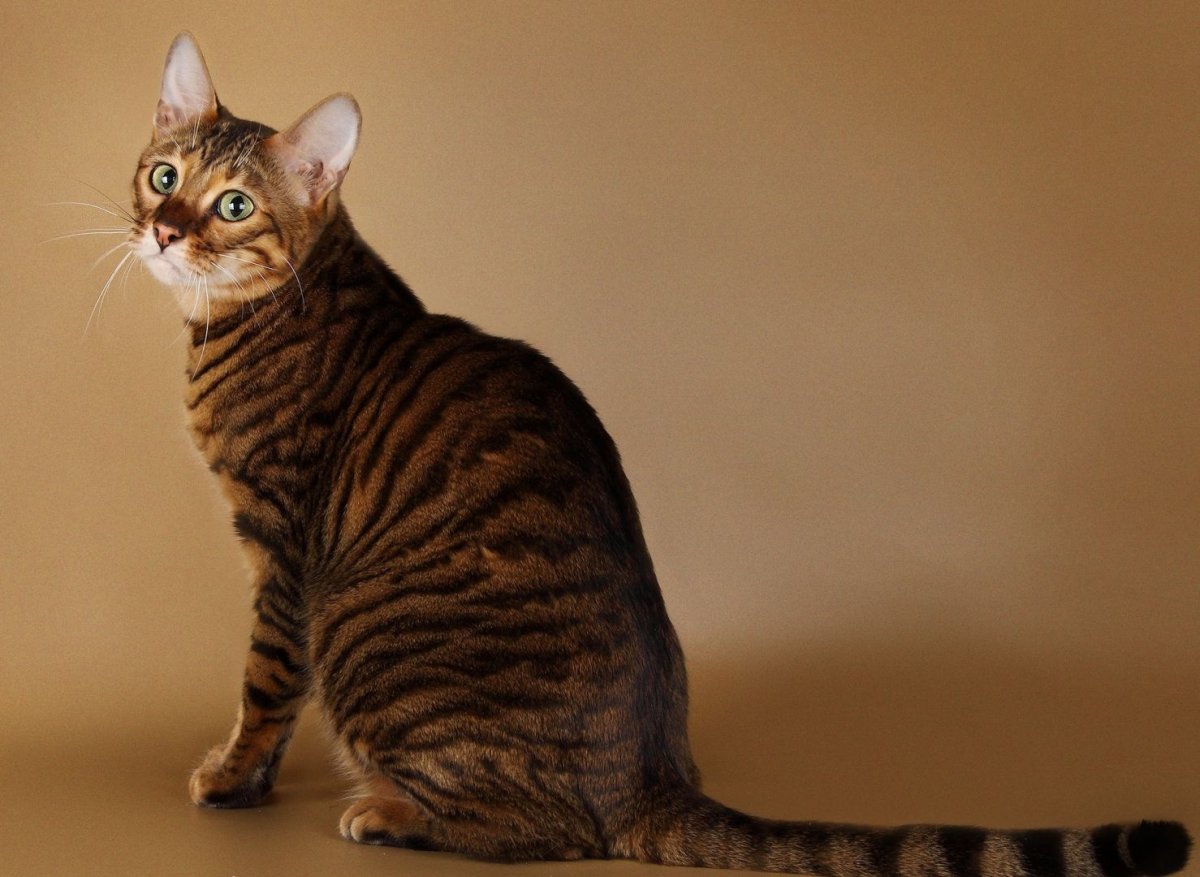
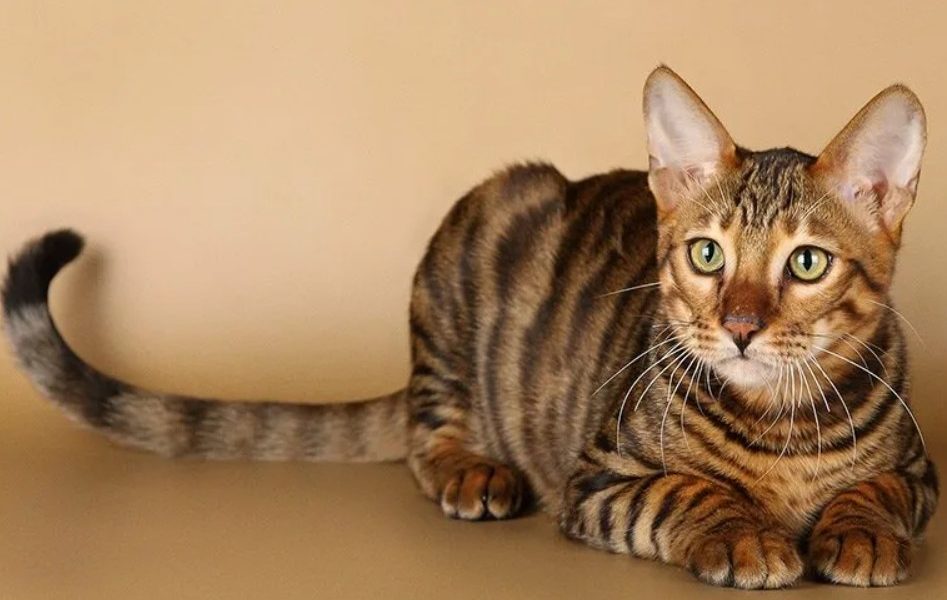
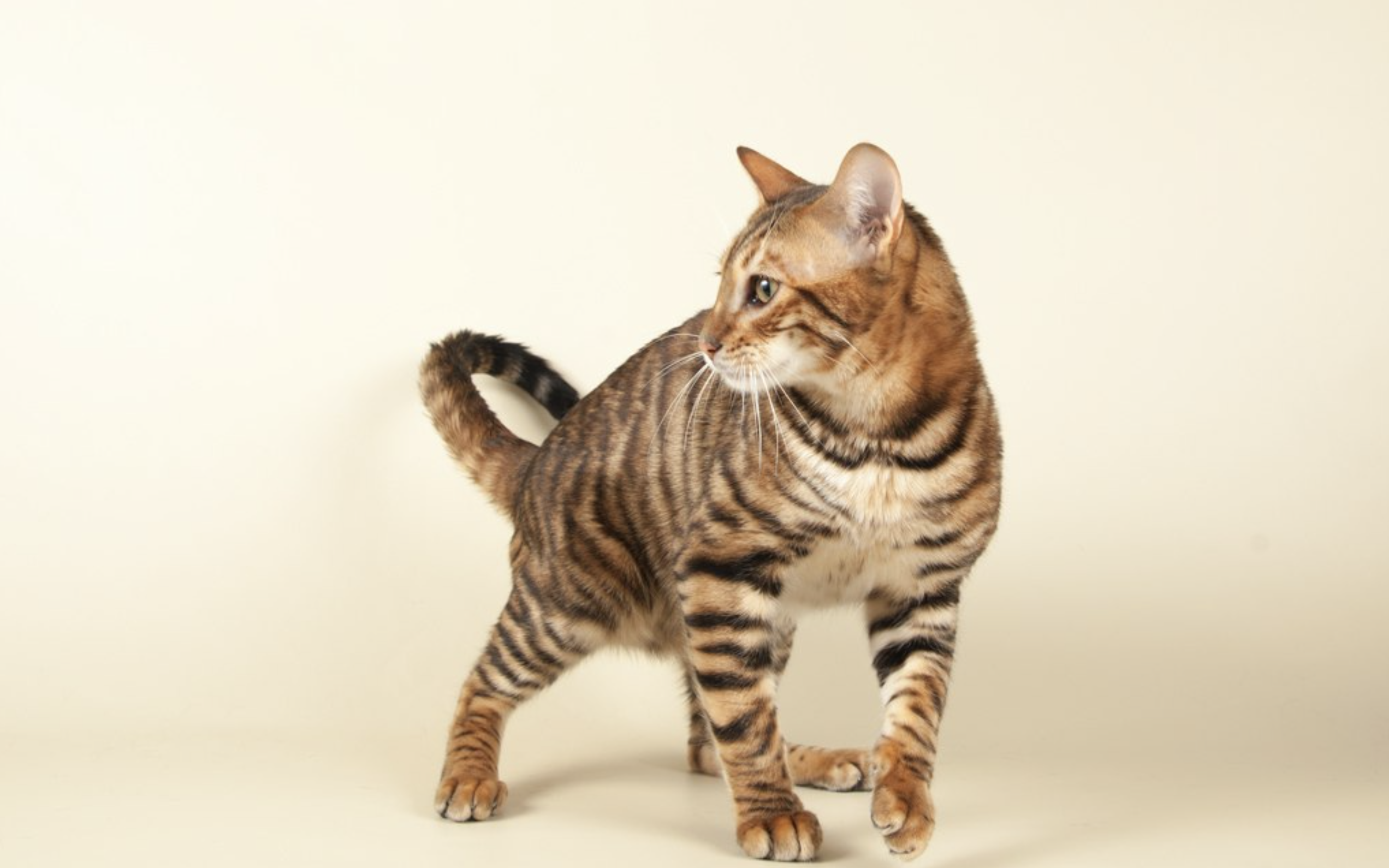
The appearance of a toyger is defined by its stripes, similar to those of a wild tiger. It’s important to note that these stripes should be clear and even, without any blurring or spots.
An interesting fact: when assessing toygers at exhibitions, special attention is paid to the quality and clarity of their stripes. In the breed, the highest ratings are given to individuals with a regular and symmetrical arrangement of stripes that extend across the entire body. The optimal width of the stripes should be moderate, highlighting the elegance and style of the toyger.
The breed is still evolving today. Breeders invest significant effort every year in selecting individuals for future breeding to achieve the desired results. The main focus is on shaping the ears into more rounded contours and reducing the size of the eyes. Additionally, work is being done to lighten the fur color on the belly and enhance the brightness of the orange stripes. Currently, there is a monitoring system in place to track the “purity of breeding” of toygers worldwide, ensuring the breed’s integrity and adherence to established standards. Ongoing selective breeding allows for the identification and preservation of certain traits that embellish toygers and make them unique.
These breeders’ efforts are an integral part of the toyger’s development. Thanks to careful selections and quality control, toygers continue to evolve and capture the hearts of cat lovers around the world.


Отличительные черты

Голова

Морда

Уши

Глаза

Зубы

Корпус

Конечности

Хвост

Шерсть

Окрас
Character
The Toyger is a breed of cat characterized not only by its beautiful appearance but also by its unique and distinctive personality. Thanks to years of experience in breeding this breed, feline experts have identified several traits and qualities that make the Toyger a truly unique pet.
One of the main characteristics of the Toyger’s personality is its playfulness. These cats have a vast amount of energy and love active play. Therefore, those who enjoy sitting in front of the television or working in a calm home environment should consider this trait before choosing a kitten from a cattery. Toygers excel in training and playtime, which helps them maintain their physical fitness and delight their owners with active games.
At the same time, “domestic tigers” are also distinguished by their remarkable calmness and steadiness. They rarely show aggression or nervousness, making them wonderful companions for families. Toygers quickly adapt to new environments and enjoy interacting with people, handling the pressures that small children in the family may bring. This patience has made them one of the most popular cat breeds in many countries.
The most notable aspect of their character is their attachment to their owner. These cats create very strong emotional bonds with their humans. Toygers show special attention and care to the people they spend time with. They are extremely affectionate towards their owners and always strive to be close to them. When they see that one of their owners needs support, the striped kitties become more loving and sensitive than usual. For those looking for not just a pet but a loyal friend, this characteristic can be a decisive factor in choosing a companion.
Toygers also display good relationships with other pets, especially if given the opportunity to gradually meet and get accustomed to one another. Proper socialization and the introduction of new animals to the family should be done gradually and in a controlled manner. Toygers are generally peace-loving and do not display aggressive behavior towards other cats or dogs. They can establish harmonious relationships, particularly if their need for territoriality and occasional independence is considered. Unfortunately, rodents, aquarium fish, or feathered residents of the home automatically become objects of their hunting instincts. At Zoonika, you can find the best catteries in Russia where you can get more information on this topic.
In conclusion, it is worth noting that the character of the Toyger is a synthesis of wonderful qualities that make this breed truly special and unique. Playfulness, calmness, attachment to owners, and good relationships with other pets-these traits of the Toyger make it an ideal choice for a family or an individual seeking a loyal and devoted friend for life.
Питомники
Выбор питомника по городу, породе и отзывам

Improvement of the breed
The breed continues to evolve even today. Breeders meticulously select mating partners for tigers to ensure that the offspring have more rounded ears, smaller eyes, and lighter fur on their bellies. Additionally, maximizing the brightness of the orange stripes is no less important of a goal.Care and Maintenance
To ensure these elegant and energetic cats lead a full and happy life, it’s essential to pay proper attention to their care and health. Let’s explore the specifics of keeping a Bengal tiger both in an urban apartment and a country house, while also providing basic recommendations for their diet and care as a “house tiger.” It’s important to note that if you choose a kitten from a cattery, the breeder can provide individualized advice on this matter.
Keeping a Bengal tiger in a city apartment can be complicated by the presence of neighbors, outside noise, and limited space. However, Bengal tigers can thrive in urban settings as long as they have enough room to move. To create comfort and stimulation, you can set up climbing levels, play structures, and toys. It’s also necessary to provide a resting area for quiet sleep, as Bengal tigers value their personal space and may experience stress due to a lack of privacy. Cat houses, beds, or comfortable cushions are ideal for creating a place of rest and comfort for your striped hunter.
Living in the countryside also comes with certain risks, as Bengals have the chance to enjoy freedom and closeness to nature. They can run around large spaces, climb trees, and express their hunting instincts. Rural life also provides opportunities for active play and exploration of the environment. Owners must ensure the Bengal’s safety in the yard to prevent them from escaping. If you purchase a kitten from a reputable cattery, it may already be microchipped. If not, it’s advisable to use a collar with a GPS tracker to monitor your feline friend’s whereabouts while they enjoy the outdoors.
An important aspect of a Bengal’s health is proper nutrition. High-quality commercial dry food or holistic diets that contain all necessary nutrients are preferred. Super-premium dry foods and holistic options provide comprehensive nutrition, including all essential vitamins and minerals to maintain their health and activity. They also take into account the individual needs of the animals. For instance, there are formulas for neutered or spayed cats, older cats, and those with digestive issues. However, it’s worth noting that a natural diet consisting of fresh and high-quality products can also be suitable for Bengals. In this case, it’s best to consult a veterinarian and follow recommendations for creating a balanced menu.
Grooming is relatively simple and involves regular brushing to remove excess fur, which helps keep it in good condition and reduces the risk of hairballs. Additionally, it’s a good idea to regularly check and trim their claws and inspect their ears for dirt and infections.
Daily cleaning of the eye corners with a soft damp cloth or special cat eye care products helps prevent the buildup of discharge and the development of infections. It is also recommended to maintain a schedule for veterinary visits to monitor eye health and prevent potential issues.Whether your Bengal tiger resides in a city apartment or a country home, ensure they have a healthy and calm environment and dedicate ample time to play with your striped companion.
Pure breed
Currently, breeding toygers with cats of other breeds is prohibited, and this is closely monitored by feline experts in different countries.Training and Education
Training and raising a Toyger are important aspects of ensuring its good behavior and well-being. There is a notion that cats cannot be trained; however, there are several recommendations and examples of exercises that are particularly suited for training and educating your “house tiger”:
Basics of Behavior and Commands:
– Use only positive reinforcement: reward the cat with a small treat or praise every time it correctly follows a command. Pay attention to timing: reward the cat immediately after it performs the command so it better understands what prompted the praise or reward-this creates a connection between following the command and the positive experience.
– Start with simple commands such as “sit” and “place.” This will help establish a foundation for further training and education. Once the basic commands are mastered, you can introduce new, more complex tasks that engage the Toyger’s attention and thinking.
Socialization and Stimulation:
– The best time for training is during play: the “toy tiger” has a pronounced playful nature, so use toys that allow it to chase and catch, fulfilling its hunting instincts.- Provide a variety of stimulation: give your kitten access to different toys and objects to play with, so it can engage in interesting and diverse activities.Proper Attitude and Patience:- Training takes time and patience. Be consistent in your demands and expectations, but remember that each cat learns at its own pace; there is no fixed schedule.- Avoid punishment: physical or verbal punishment will inevitably harm the cat’s relationship and trust. Focus on praise and positive reinforcement for behaviors you want to see.Examples of Exercises and Games:”Sit”: Hold a treat over its head and command it to “Sit!” Reward it when it sits for the treat.Interactive Games: Use string or wand toys to dangle them in front of the Toyger and allow it to catch them.It is important to remember that each Toyger is unique, so tailor the training to your kitten’s individual needs and abilities. Communication and strengthening the bond with it are key components of effective training.
Toy tiger
Please provide the text you would like me to translate.How to Choose a Kitten
If you are interested in acquiring a pet like a Toyger, we recommend reaching out to registered breeders or clubs that specialize in this breed. Besides being a very beautiful cat, it is also among the most expensive in the world, so responding to advertisements for kitten sales is not advisable. At Zoonika, you will find the best selection of catteries in Russia where you can fulfill your dream. Here are some basic recommendations from a feline specialist to help you:
Firstly, choose a breeder with a good reputation and positive reviews from previous clients. Pay attention to their experience in breeding and the level of care for their cats. Trust only those who genuinely care about them and where the kittens will end up after purchase;
When visiting a cattery, assess the conditions in which the cats are kept. They should be clean, free from cat odors, and well-maintained. The cats should appear healthy, active, and socialized;
Don’t hesitate to ask the cattery owner as many questions as possible about the breed, their breeding practices, the nuances of care, and the health of the kittens. Be sure to request documentation about vaccinations, parasite treatments, and genetic tests;
Don’t forget to obtain all necessary documents, such as the sales contract, veterinary passport, pedigree, and vaccination certificates. Also, make sure that the kitten will be sold with restrictions and will be sterilized if you do not plan to breed;
After acquiring a Toyger kitten, promptly schedule a visit to the veterinarian for a complete examination and consultation. They will help confirm the pet’s health and provide care and vaccination recommendations;Ensure that the breeder is concerned about the socialization of the kittens by providing them with opportunities to interact with people and other animals;If you have any doubts, it’s better to postpone the transaction and analyze everything again, as buying a kitten from a cattery is a serious step that requires great responsibility for many years after the purchase.
Health and Diseases
Toygers are generally healthy cat breeds with good immune systems. However, like other cats, they can be susceptible to certain ailments.
For example, amyloidosis is a very rare disease associated with the accumulation of amyloid protein in various organs. It can lead to functional impairments in those organs. Symptoms include weight loss, increased thirst, and gastrointestinal issues.
Hypertrophic cardiomyopathy (HCM) is a heart disease where the heart walls thicken, reducing its function. Symptoms include difficulty breathing, fatigue, and coughing.
Glaucoma is related to increased intraocular pressure and damage to the optic nerve, often resulting in complete vision loss.
Polycystic kidney disease is a genetic issue where cysts form in the kidneys, potentially leading to impaired function over time. Early signs include increased thirst, frequent urination, and kidney problems.
Toygers may be prone to certain autoimmune diseases: systemic lupus erythematosus or antiphospholipid syndrome. These are characterized by an abnormal immune response to the body’s own tissues.
Содержание
-
1. Описание породы
-
2. Внешний вид
- 2.1 Голова
- 2.2 Морда
- 2.3 Уши
- 2.4 Глаза
- 2.5 Зубы
- 2.6 Корпус
- 2.7 Конечности
- 2.8 Хвост
- 2.9 Шерсть
- 2.10 Окрас
-
3. Характер
-
4. Содержание и уход
-
5. Дрессировка и обучение
-
6. Как выбрать котенка
-
7. Здоровье и болезни






Comments
Only registered users can leave reviews.
Enter