
Tonkinese cat





Breed Description
The Tonkinese cat is the result of crossing Siamese and Burmese breeds. The first mentions of cats with a similar appearance date back to ancient Thailand (formerly Siam), where they were known as “copper cats.” However, the modern history of the breed began in the mid-20th century. The breed was officially registered in the 1960s in Canada when breeders started experimenting with combining the genetics of Siamese and Burmese cats to produce cats with unique coloring and gentle temperaments.
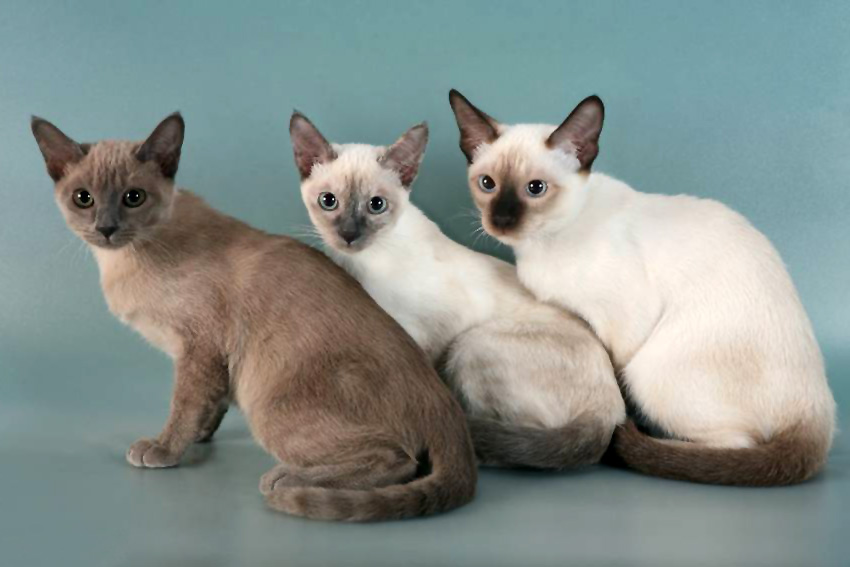
The main goal of the breeders was to create a breed with striking eyes and a uniquely colored coat that incorporates traits from both parent breeds. The first Tonkinese cats were distinguished by a specific coloration that was a blend between the Siamese “points” and solid Burmese colors, which became a hallmark of the breed. Today, Tonkinese cats are recognized by international feline associations, such as CFA (Cat Fanciers’ Association) and TICA (The International Cat Association).
Appearance
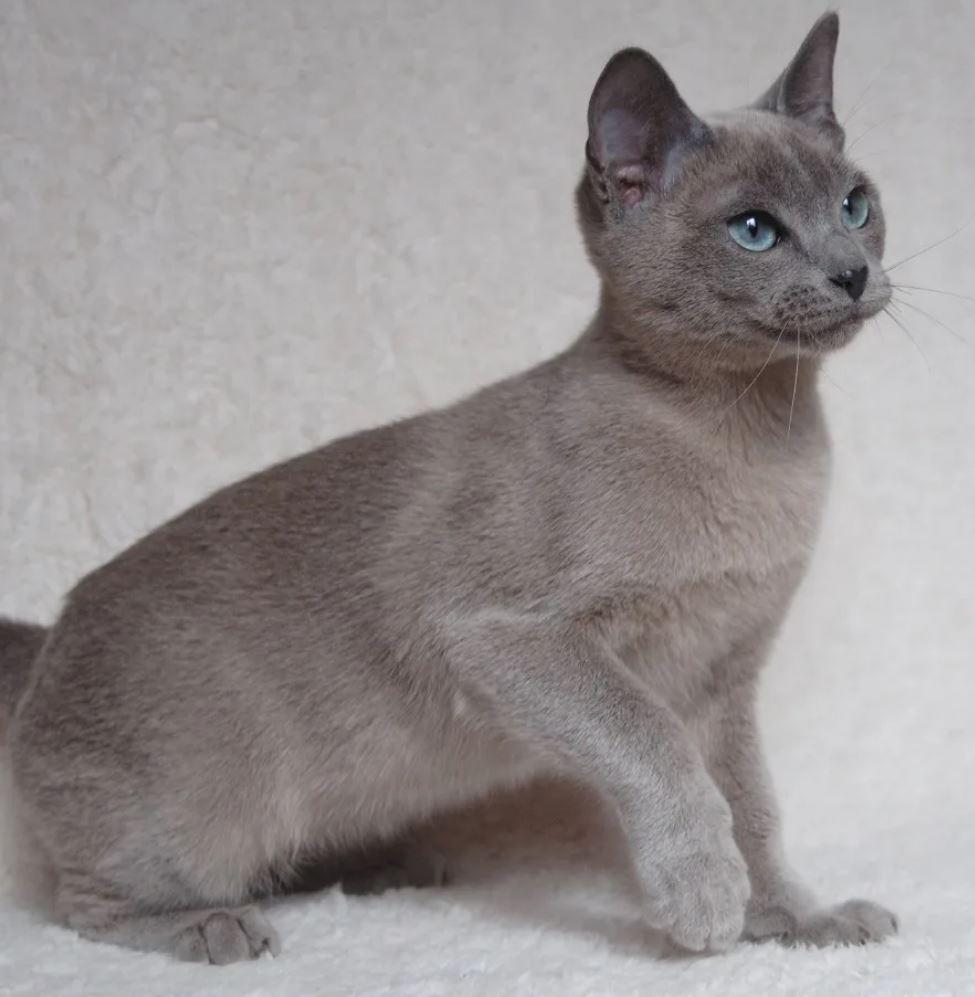
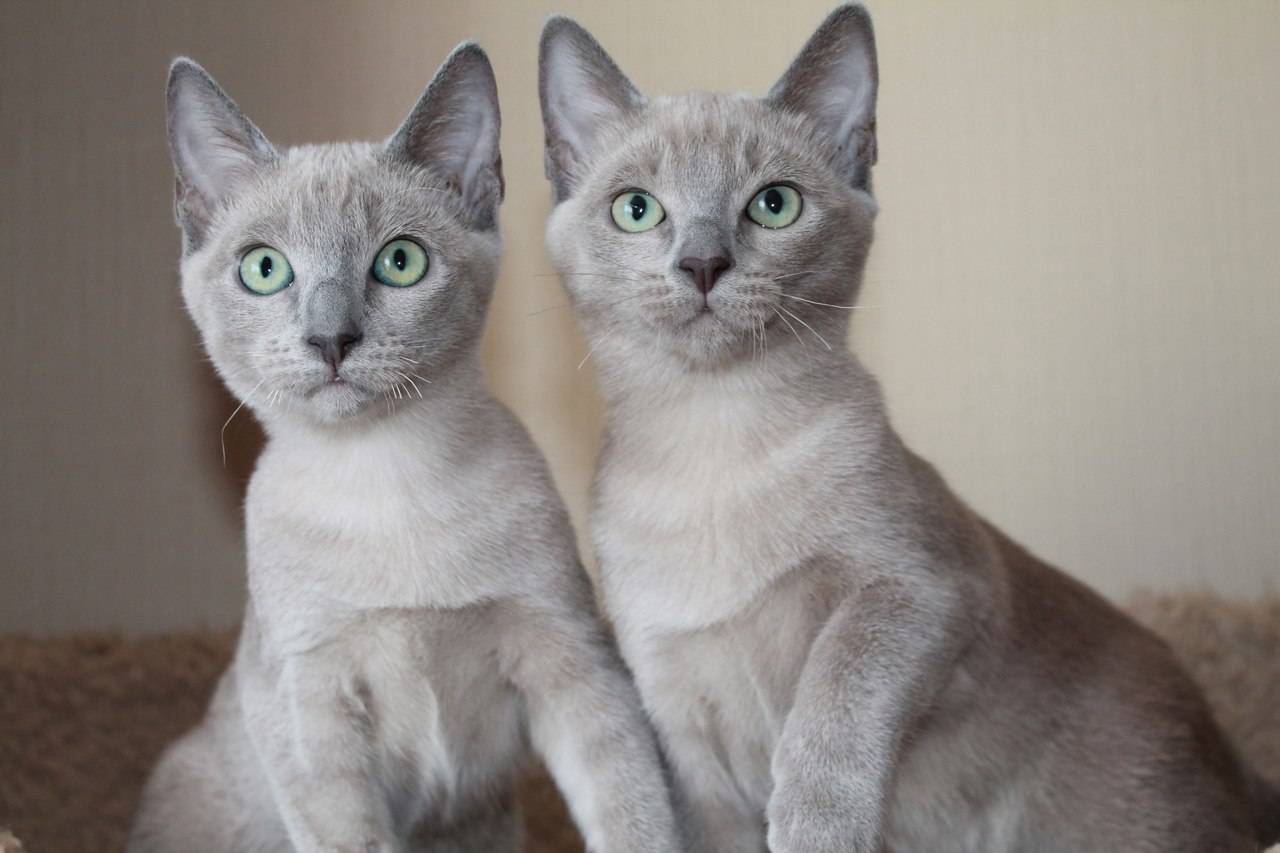
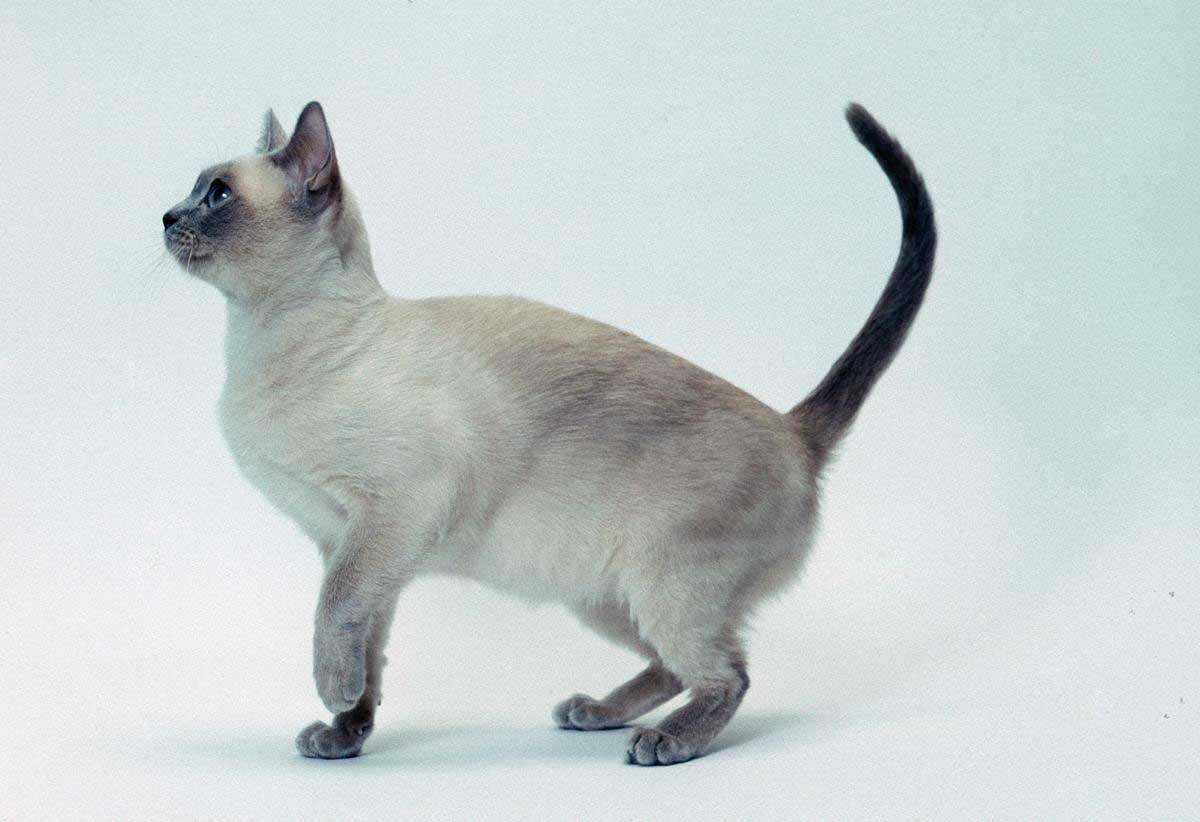
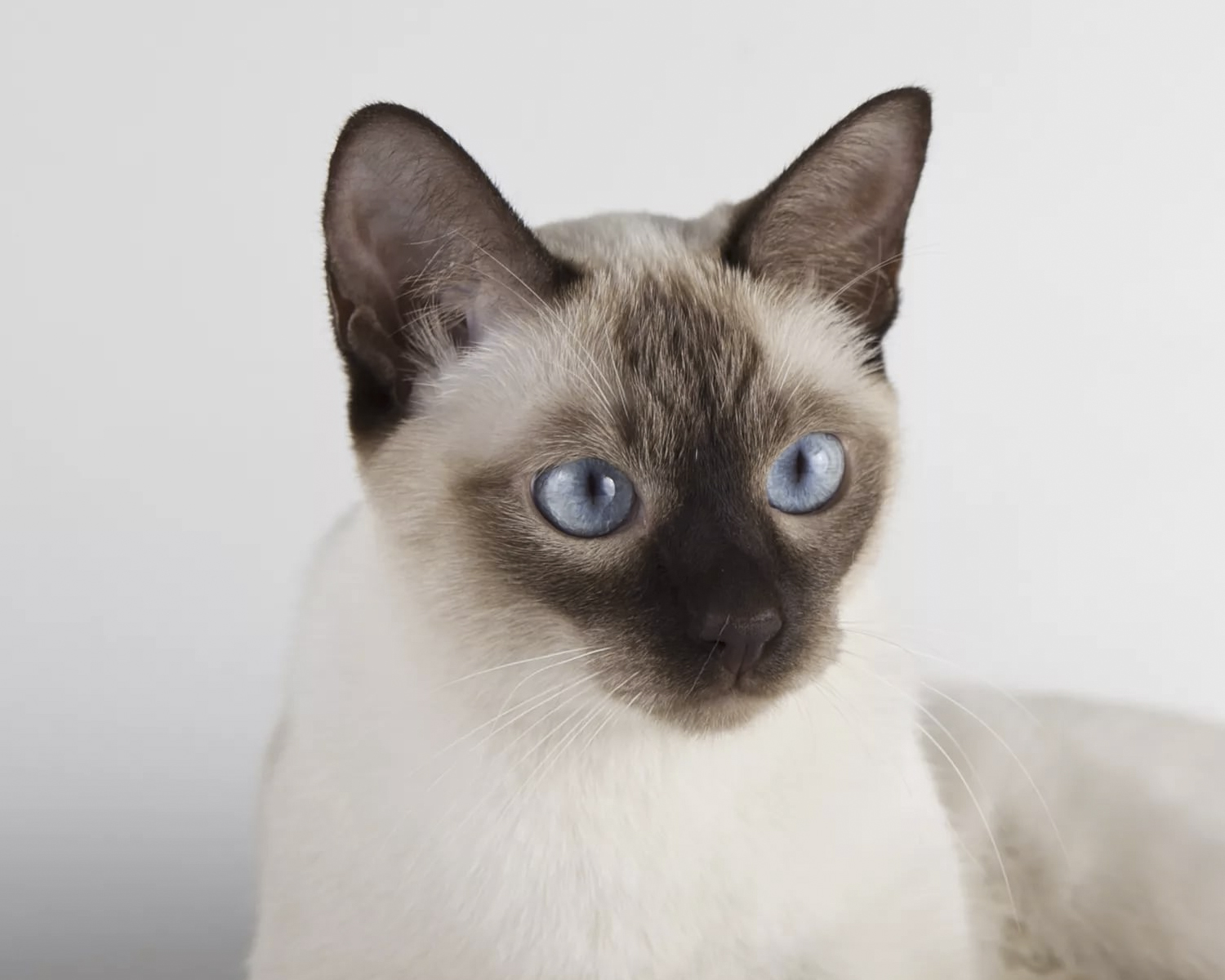
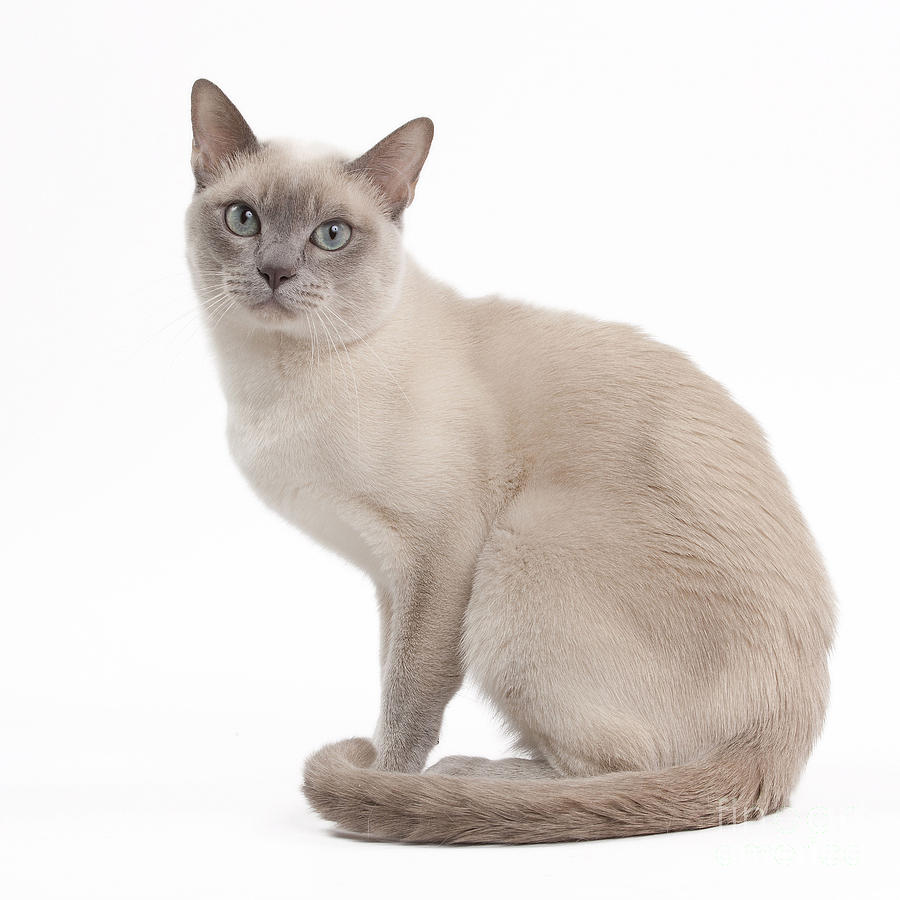
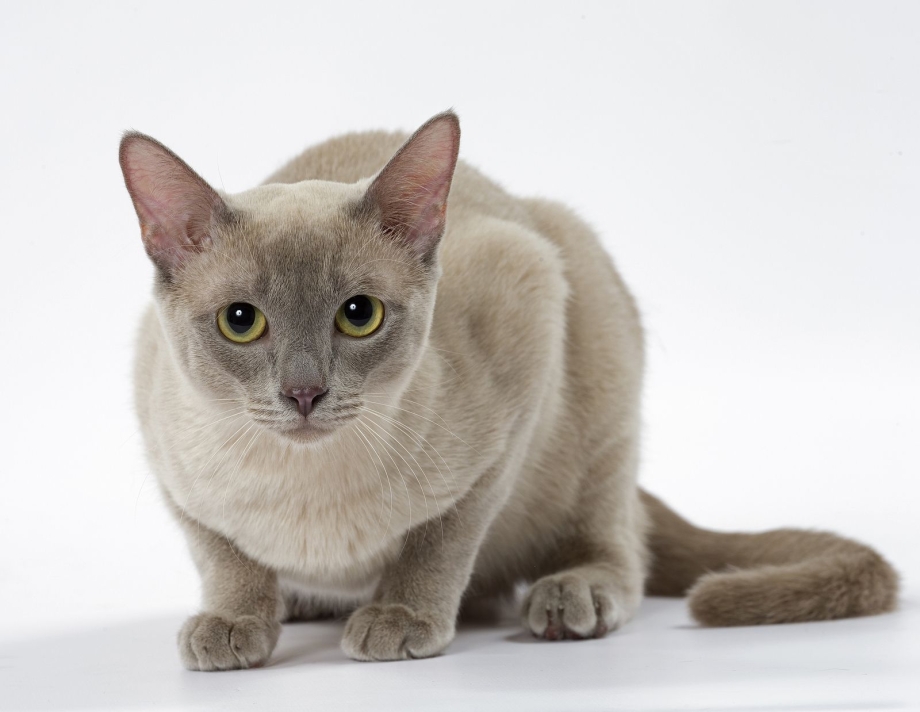
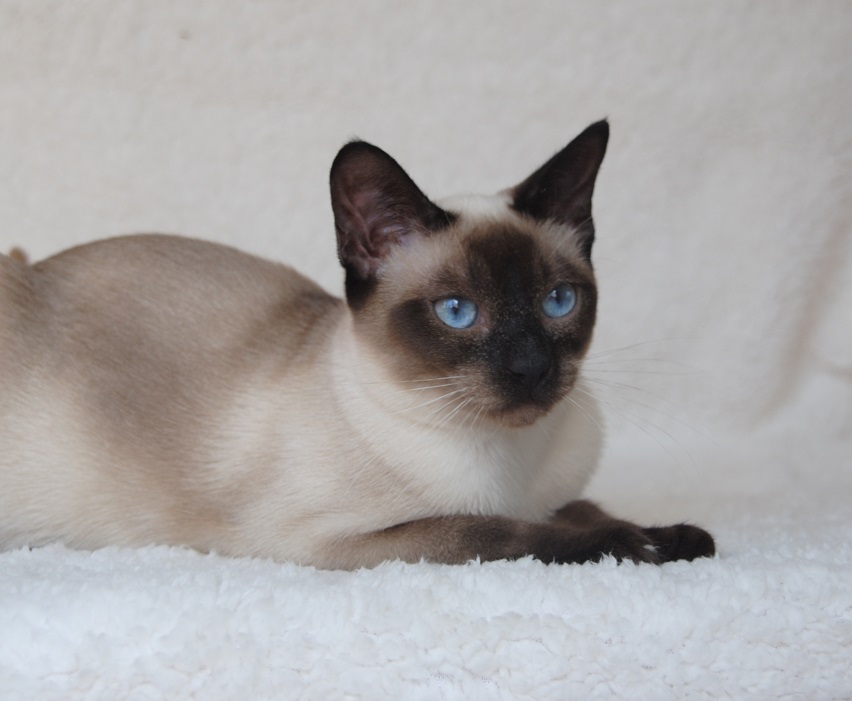
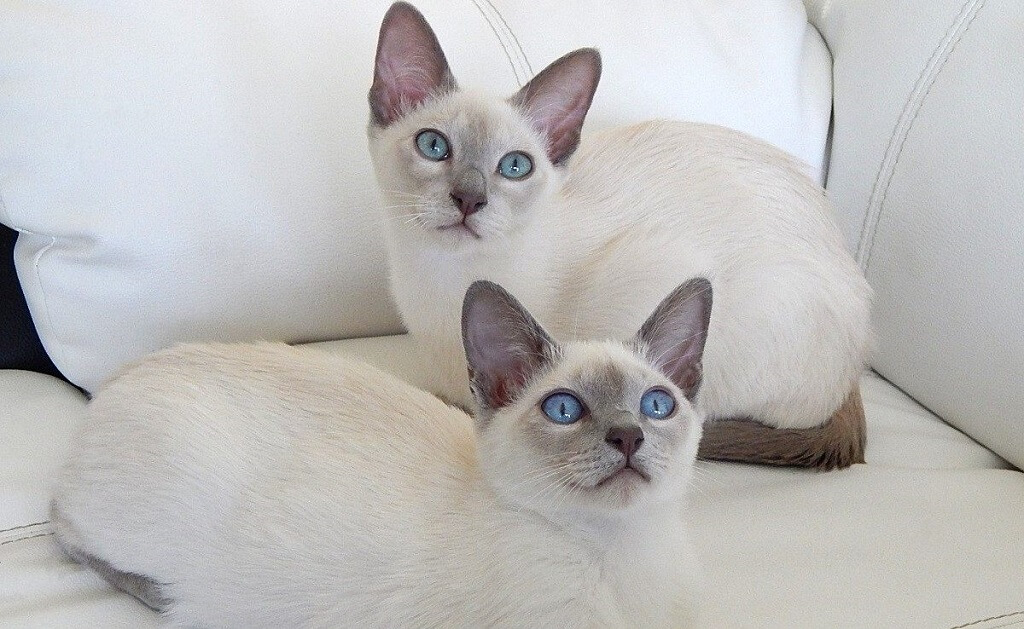
The Tonkinese cat has an elegant and graceful appearance, combined with a sturdy build. These medium-sized cats have a muscular yet refined body. Their look is defined by smooth lines, making them very attractive. The eyes of the Tonkinese cat are the true “highlight” of the breed: they have an expressive almond shape and a vibrant color that ranges from aquamarine to bluish-green.


Отличительные черты

Голова

Морда

Уши

Глаза

Зубы

Корпус

Конечности

Хвост

Шерсть

Окрас
Character
The Tonkinese cat is the ideal companion, combining friendliness, playfulness, and intelligence. These cats have a very sociable nature and love being the center of attention. Tonkinese cats are well-suited for families with children and other pets, as they are patient and friendly. They are one of the few breeds that not only get along easily with other cats but also manage to communicate well with dogs.
Tonkinese cats are known for their intelligence and cleverness. They quickly learn new tricks and can easily remember commands. These cats adore playing and often take the initiative to find ways to entertain themselves. However, they also enjoy socializing and happily spend time with their owners, sitting on laps or following them around the house.
The playful nature of the Tonkinese cat remains throughout its life, and even in old age, they stay active and energetic. If you are looking for a cat that will be not just a pet but a true friend who actively participates in your life, the Tonkinese cat is an excellent choice.
Cats of this breed love to “talk” to their owners, using melodic and soft sounds, and often seek attention if they feel ignored. A Tonkinese cat won’t stay in one place if something is happening in the house-they will definitely get involved in all activities. Find the perfect kitten through trusted sources.
"Chameleon cat"
The Tonkinese cat can change the color of its fur depending on the surrounding temperature: in cold, its coat becomes darker.Care and Maintenance
The care of Tonkinese cats does not require complex upkeep, but there are several aspects to consider in order to maintain the health and activity of this breed.
Coat Care: Minimal Effort – Maximum Results
The coat of the Tonkinese cat is short and lies close to the body, making it easy to care for. Regular brushing with a soft brush once a week is sufficient to remove dead hair and maintain coat shine. During shedding periods, which typically occur in spring and fall, you can increase brushing to 2-3 times a week.
These cats do not require frequent bathing, as their coat remains clean and shiny. It is recommended to bathe a Tonkinese cat no more than once every 2-3 months, using gentle cat shampoos.
Nutrition: Maintaining an Active Lifestyle
The Tonkinese cat is an active breed, so it is important to provide a balanced diet that supports high energy levels. The diet should include foods high in protein and fats to maintain muscle mass and activity. Avoid foods with a lot of carbohydrates and grains, as they can lead to obesity.It is recommended to feed a Tonkinese cat two to three times a day to maintain its energy levels throughout the day. Access to fresh water is also important, especially if the cat is on dry food.Play and Physical ActivityTonkinese cats love to play, so it’s essential to provide them with a variety of toys, interactive devices, and play structures. Play helps maintain physical fitness and satisfies the cat’s hunting instincts. These cats enjoy jumping and climbing, so scratching posts and cat trees will be excellent additions to their lifestyle.A Tonkinese cat will happily play with balls, feathers, and even learn simple tricks if you make the playtime engaging.Care for Teeth, Ears, and ClawsTonkinese cats are prone to dental plaque, so it is important to regularly brush their teeth with a special cat toothpaste. Regular check-ups with the vet will also help maintain dental health
Unique "aquamarine" eye color
The eyes of Tonkinese cats often have a unique hue known as aquamarine, which is a mix of blue and green.Training and Education
The Tonkinese cat is one of those breeds that loves to learn and interact with people. Thanks to their high intelligence and curiosity, these cats are easily trained, especially when the learning process is accompanied by play and rewards.
Training through Positive Reinforcement
The Tonkinese cat quickly masters new skills when you use positive reinforcement such as praise, treats, or favorite toys. Start with simple commands like “come here” or “sit,” gradually increasing the difficulty of the tasks. Tonkinese cats love attention and will willingly perform commands to earn your praise.
Games for Mental and Physical Development
Interactive games and puzzles, such as toys with treats inside, help develop your cat’s mental abilities. These cats enjoy solving challenges, so offer them toys that require mental engagement. Ball games or laser pointers are also great ways to train agility and coordination.
Social Learning: Aiding AdaptationThe Tonkinese cat is a social animal that easily adapts to new environments and enjoys company. To maintain their interest in learning, incorporate elements of socialization, such as playing with other pets or guests, to help the cat learn to interact in different situations.
Social "dog" among cats
Please provide the text you would like me to translate.How to Choose a Kitten
When selecting a Tonkinese kitten, it’s important to pay attention to several key aspects to ensure you get a healthy and well-socialized pet.
Breeder Reputation: The Main Criterion
The first thing to consider is selecting a reputable and experienced breeder. A reliable breeder should provide all necessary documents, including pedigree and a veterinary passport with vaccination records. The breeder should also offer information about the health of the kitten’s parents and the conditions in which they were raised.
Kitten Inspection: Appearance and Behavior
A healthy Tonkinese kitten should be active, curious, and sociable. The coat should be clean, smooth, and shiny; the eyes should be clear and free of discharge; and the ears should be clean and odorless. Observe how the kitten interacts with other animals and people to assess its level of socialization.
Age for Moving to a New HomeThe ideal age for a Tonkinese kitten to move to a new home is between 12 to 16 weeks. At this age, the kitten is already well-socialized and ready to adapt to a new environment. It’s best not to take the kitten home earlier, as this can negatively affect its behavior and health.Health CheckEnsure that the kitten has undergone all necessary health checks and vaccinations. A healthy kitten should be active and playful, showing no signs of lethargy or apathy. With a pedigree, find the best pet at Zoonika.
Health and Illnesses
The Tonkinese cat is a breed with robust health, but like all breeds, it may have its specific issues.
Gingivitis and Dental Diseases
Tonkinese cats can be prone to dental diseases such as gingivitis. Regular tooth brushing and preventive check-ups with a veterinarian can help avoid problems.
Respiratory System Diseases
Like other breeds, Tonkinese cats may experience respiratory illnesses, especially during the cold season. It’s important to maintain proper living conditions and avoid hypothermia.
Supporting Physical ActivityTonkinese cats are prone to obesity when lacking in activity, so it is important to maintain a high level of physical exercise through play and training.- the best site about animals where you can buy or sell a kitten.
Содержание
-
1. Описание породы
-
2. Внешний вид
- 2.1 Голова
- 2.2 Морда
- 2.3 Уши
- 2.4 Глаза
- 2.5 Зубы
- 2.6 Корпус
- 2.7 Конечности
- 2.8 Хвост
- 2.9 Шерсть
- 2.10 Окрас
-
3. Характер
-
4. Содержание и уход
-
5. Дрессировка и обучение
-
6. Как выбрать котенка
-
7. Здоровье и болезни






Comments
Only registered users can leave reviews.
Enter