
Thai cat
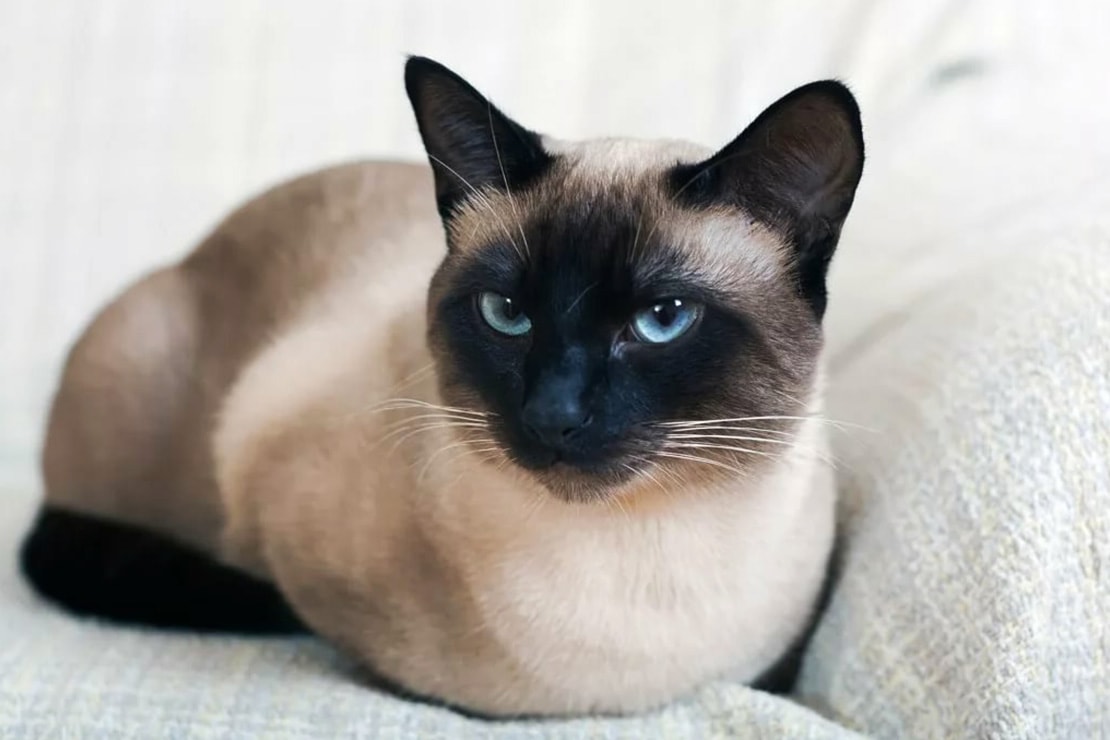
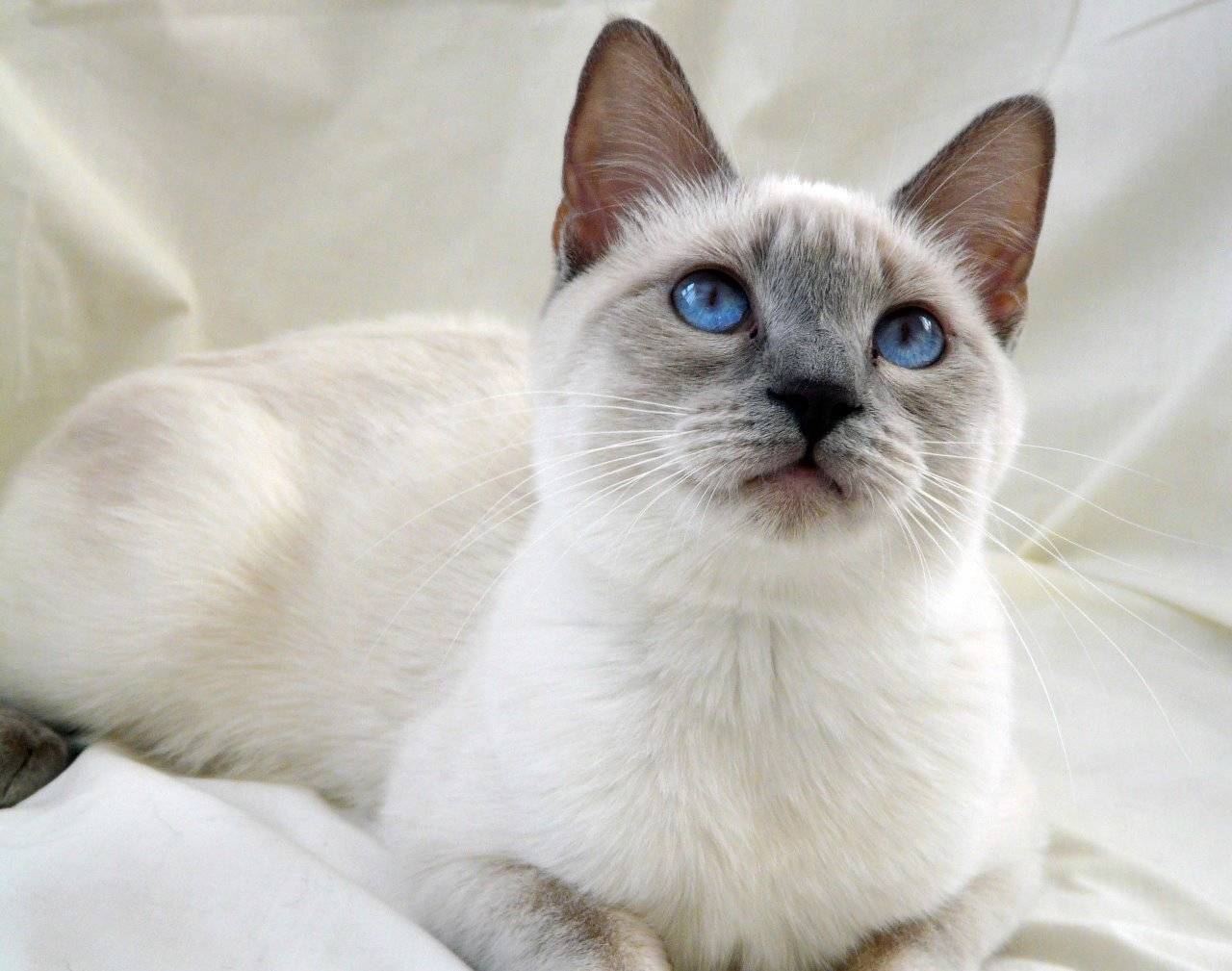
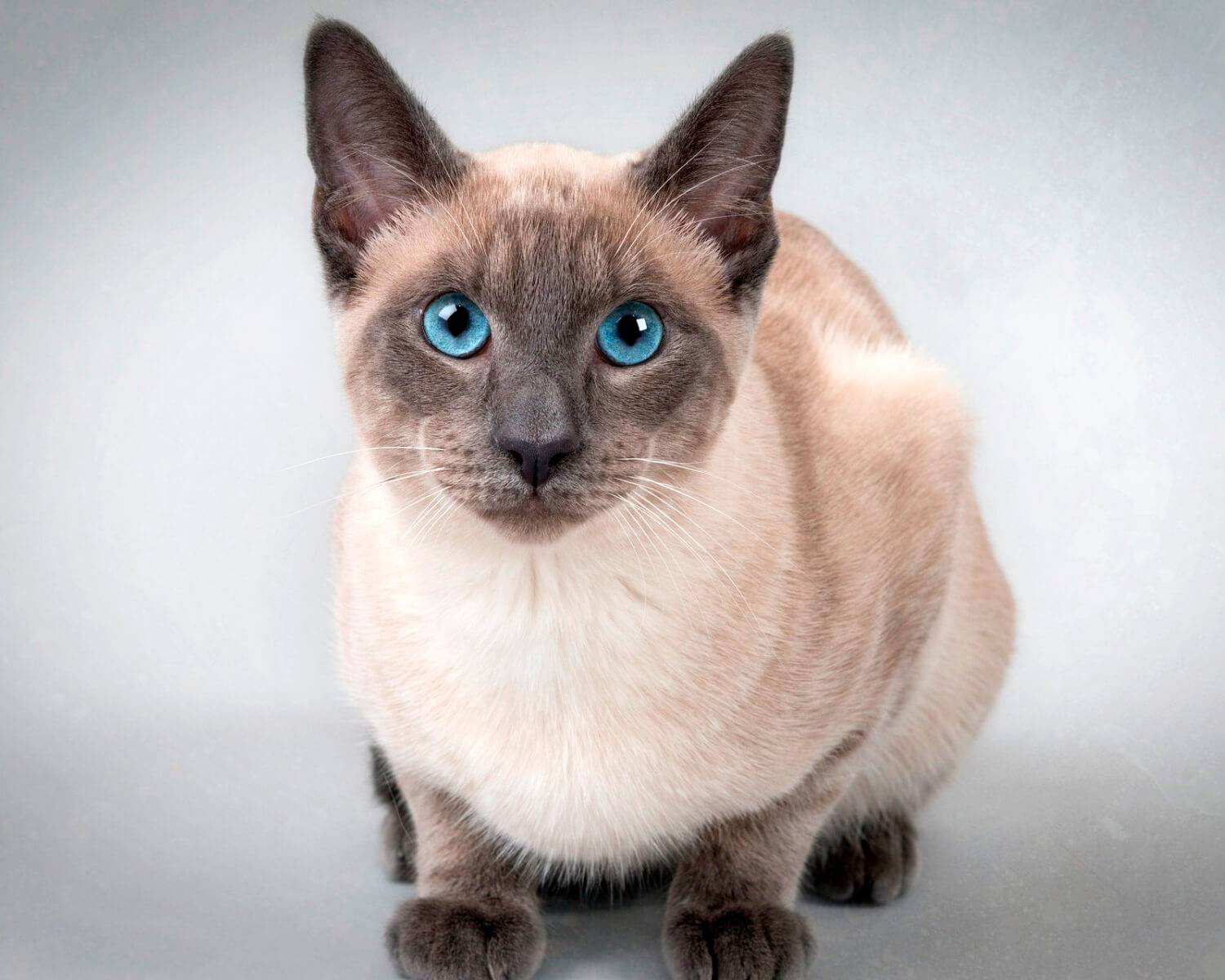
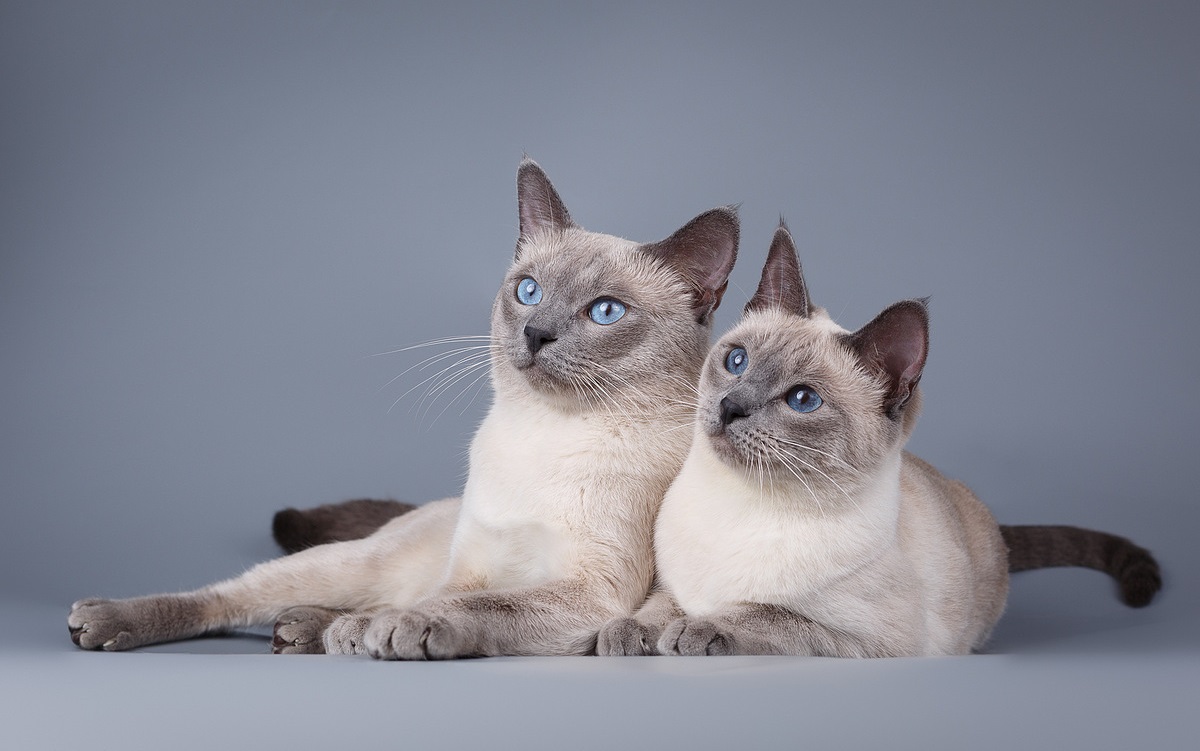
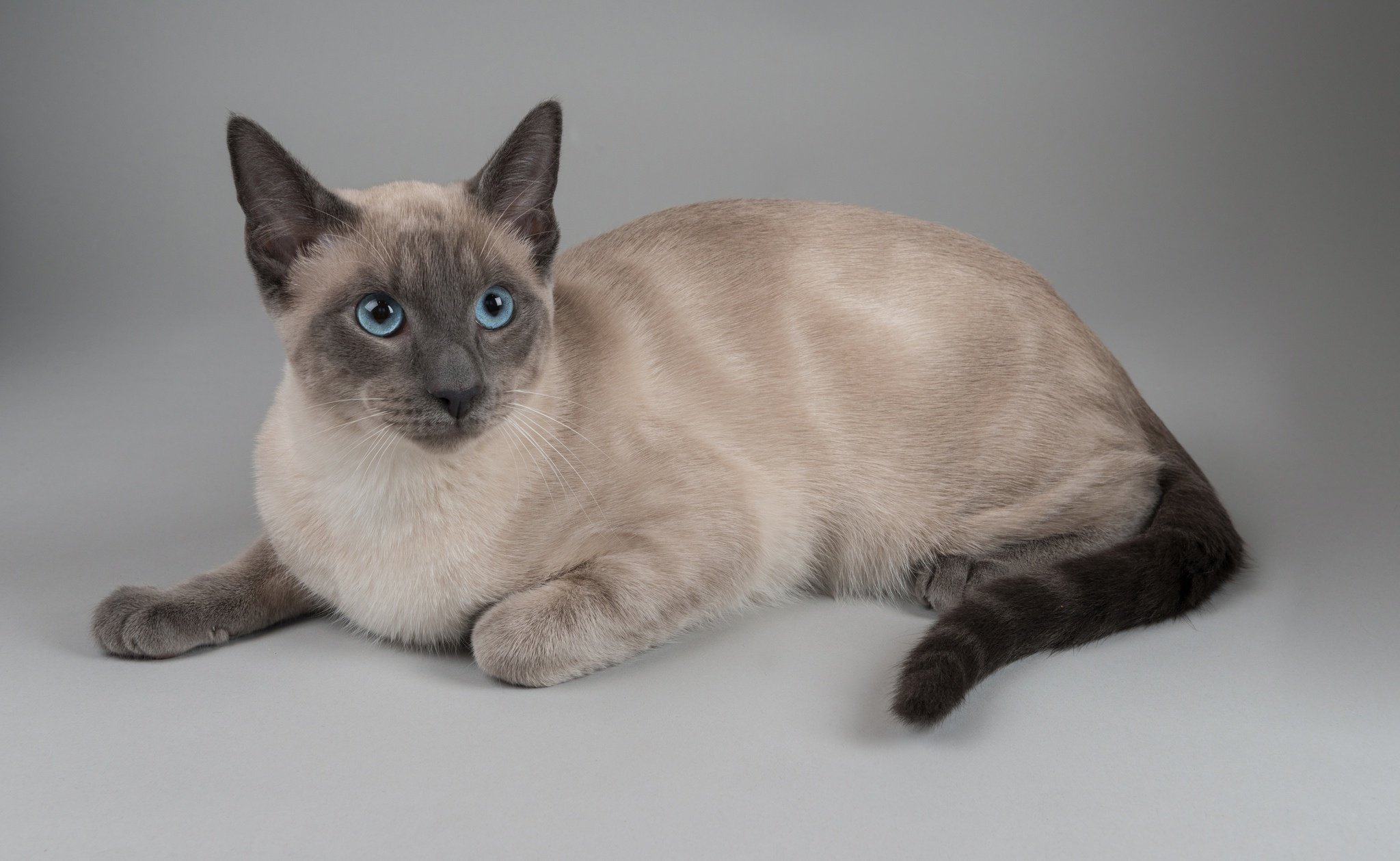





Breed Description
The Thai cat is one of the oldest breeds, with roots tracing back to ancient Thailand (formerly Siam). In Siam, these cats were revered as sacred animals and considered symbols of luck and prosperity. They were often found at the royal court and lived in temples, accompanying high-ranking officials. It was believed that Thai cats brought happiness to their owners and protected them from evil spirits. Thai cats were brought to Europe in the late 19th century and quickly became popular due to their unusual appearance and blue eyes. However, as breeding continued in Europe and North America, differences began to emerge between the “traditional” and “modern” versions of the Siamese cat. Modern Siamese cats became slimmer and more elongated, with long legs and an elongated face, while traditional ones retained their distinctive rounded forms and soft features. To preserve the original type of these cats, a separate breed standard was established, named the “Thai cat.” The Thai cat still resembles the original Siamese cats that were revered in Thailand hundreds of years ago. Today, it is recognized by international associations and enjoys popularity among c
Appearance
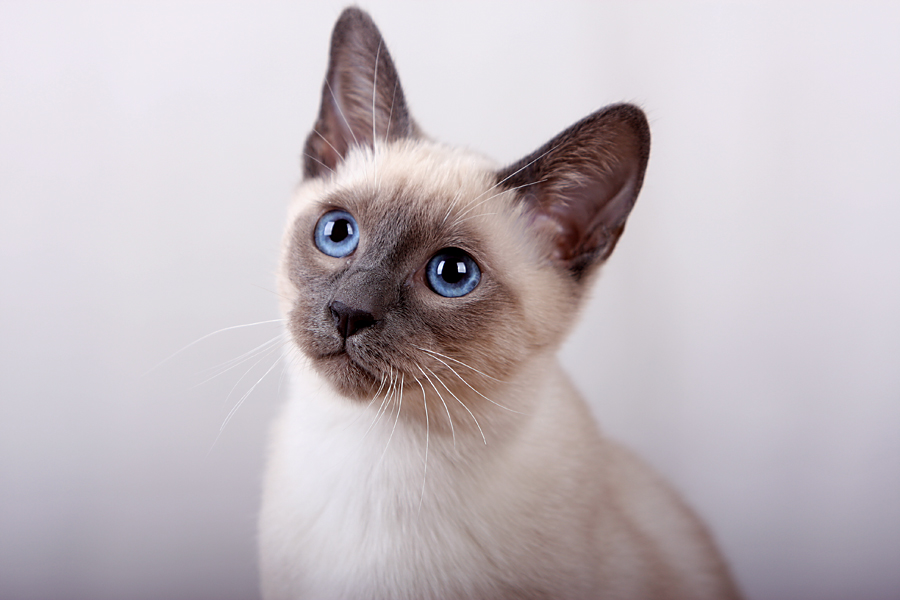
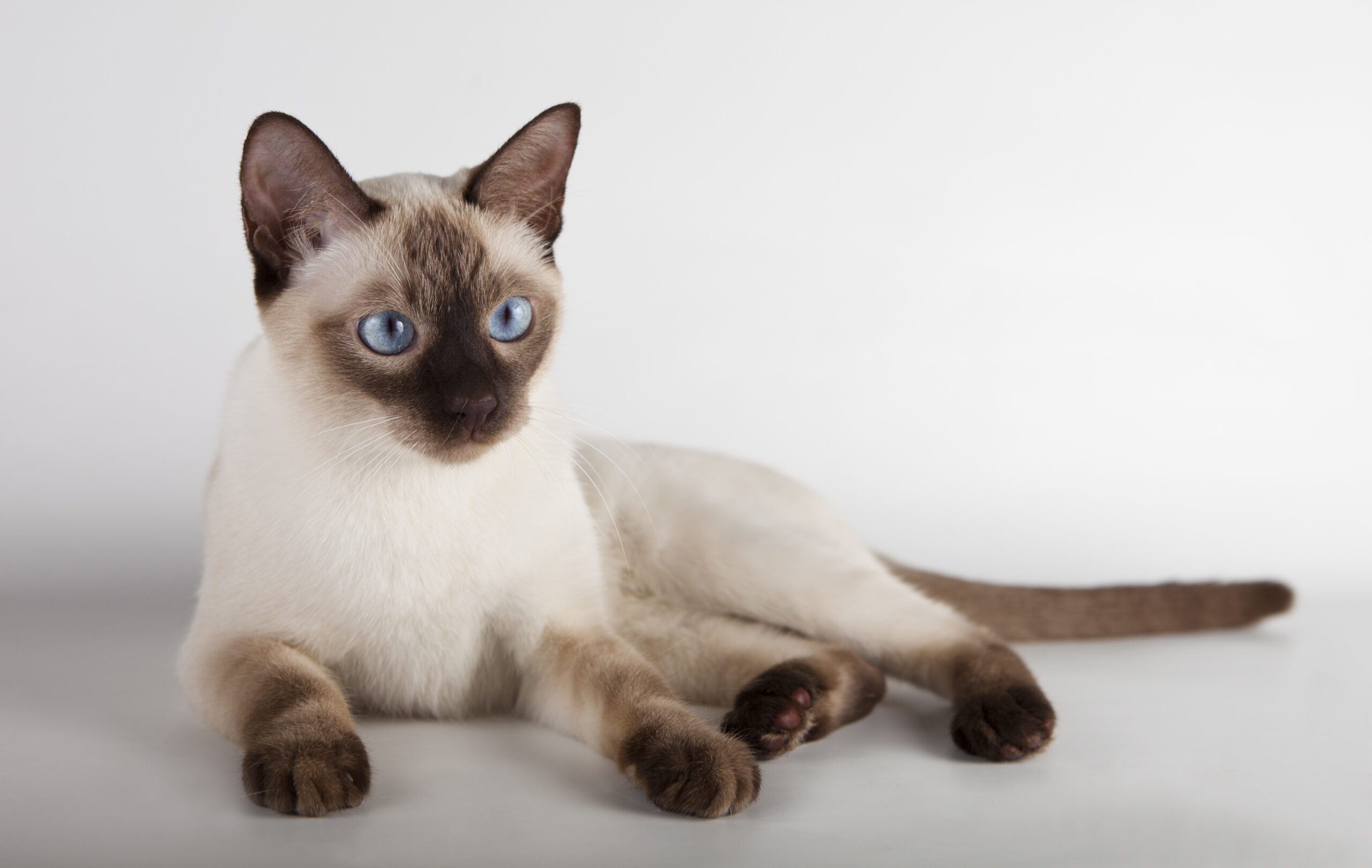
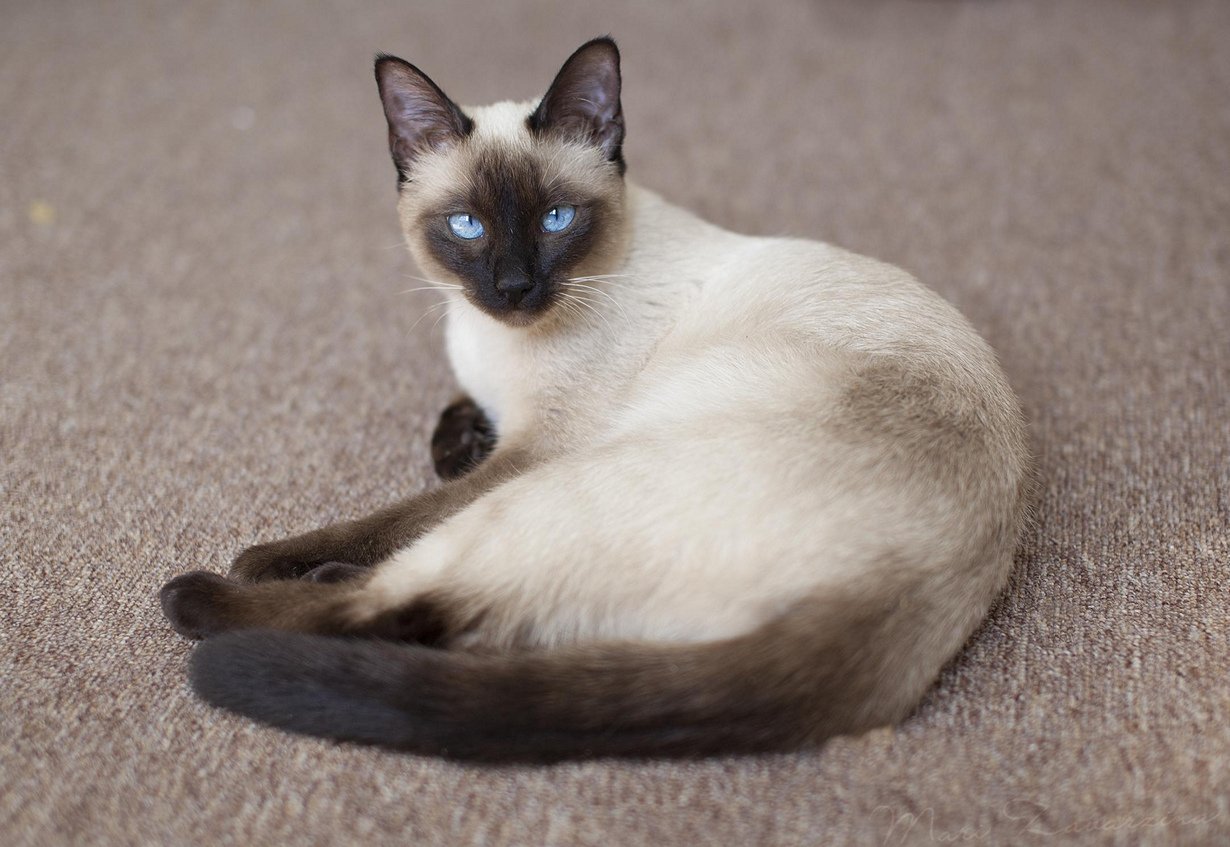
The Thai cat is characterized by a strong and compact build with smooth lines and rounded shapes. Its appearance conveys harmony and grace, combined with strength and endurance. This is a medium-sized cat with well-developed muscles and an athletic body, maintaining its agility and grace throughout its life.


Отличительные черты

Голова

Морда

Уши

Глаза

Зубы

Корпус

Конечности

Хвост

Шерсть

Окрас
Character
The Thai cat is an active and playful pet that loves human interaction. These cats have a lively and energetic personality, enjoy exploring their surroundings, and like to involve themselves in their owners’ activities. Thai cats are very attached to their owners and often follow them around the house like dogs. They are very sociable and do not like being left alone.
The Thai cat easily adapts to various living conditions, whether it’s an apartment or a private house. They get along well with children and other pets, showing tolerance and friendliness. This makes them the ideal pet for a family looking for an active, affectionate, and curious cat.
Thai cats love to play and always find something to occupy themselves with. They quickly learn new tricks and enjoy playing with balls, feathers, and laser pointers. These cats like to interact with people and often “talk” to their owners using melodic and expressive sounds. However, despite their activity, they also enjoy spending time on their owner’s lap, basking in affection and companionship.
Питомники
Выбор питомника по городу, породе и отзывам
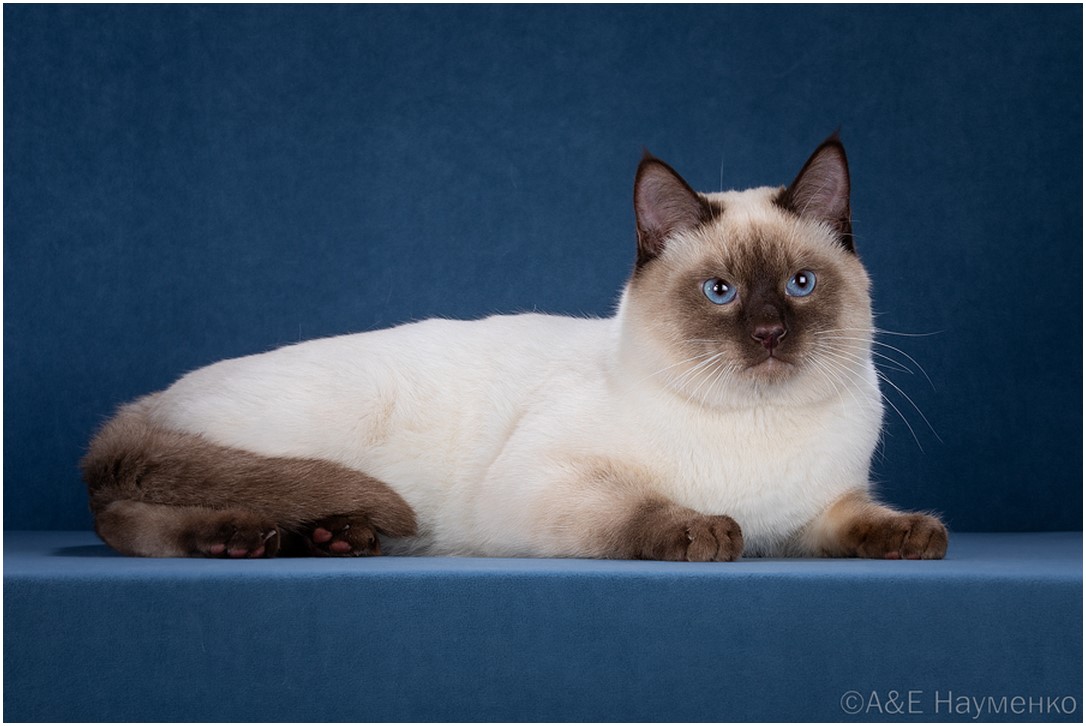

Thai cat that made it into the Guinness World Records.
A Thai cat named Scooter from Texas, USA, entered the Guinness World Records as the oldest living cat in the world. In 2016, he turned 30 years old! Scooter remained active and cheerful despite his advanced age, which confirms the good health and longevity of Thai cats with proper care. His owners noted that Scooter retained the playfulness typical of this breed even in his old age.Care and Maintenance
Taking care of a Thai cat doesn’t require much effort, but following some guidelines can help maintain your pet’s health and activity. Find a healthy kitten through trusted sources.
Coat Care: Minimal Effort
The Thai cat’s coat is smooth and short, so it doesn’t require complicated maintenance. Brushing your cat once a week is enough to remove dead hair and keep the coat shiny. During the shedding period, which occurs in spring and fall, you can increase brushing frequency to twice a week.
Play and Activity: Stimulate Mind and Body
Thai cats are active and curious animals that need regular play and physical activity. Provide your cat with a variety of toys, scratching posts, and cat trees to keep her in shape and satisfy her natural instincts. Interactive toys and puzzles can help stimulate your cat’s mental activity.
Nutrition: Maintaining Health and ActivityThai cats love to eat, so it’s important to monitor their diet to prevent obesity. The diet should be balanced and contain all necessary nutrients. It’s recommended to feed the cat two to three times a day with small portions and avoid overfeeding.Care for Teeth, Ears, and ClawsRegular dental care can help prevent plaque problems. It’s also advisable to regularly check the ears and clean them of dirt as needed. Claws should be trimmed every 2-3 weeks.
Thai cats are champions in breeding.
Thai cats have repeatedly won at international cat shows, such as the World Cat Show and CFA World Championship Show. These cats have earned titles for their expressive eyes, striking point color, and harmonious physique. At major exhibitions, the breed often attracts attention due to its exotic appearance and vibrant personality.Training and Education
Thai cats are one of the most trainable breeds due to their high intelligence and curiosity. These cats quickly master new tricks and commands, especially when the learning process is presented in a playful manner.
Positive Reinforcement – The Path to Success
Thai cats respond exceptionally well to praise and treats. Use positive reinforcement to encourage desired behaviors. Start with simple commands like “sit” or “come,” gradually increasing the complexity of the tasks.
Mind Training Games
Thai cats love solving puzzles, so provide them with puzzles or interactive toys with treats. This will help develop their mental abilities and keep them from getting bored.
Socialization and AdaptationThai cats enjoy companionship, so help them adjust to new environments and people. Arrange regular play sessions with other pets or family members to develop their interaction skills.
The Thai cat is a star of cinema and television.
Please provide the text you would like me to translate.How to Choose a Kitten
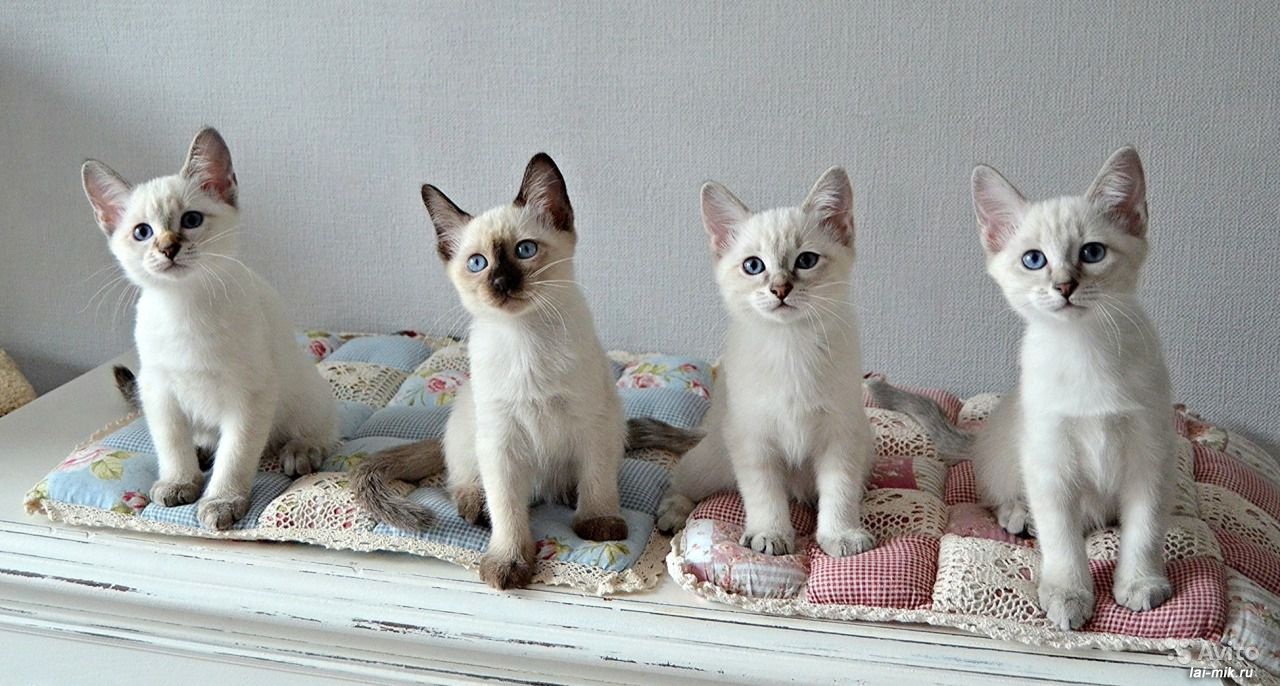
Choosing a Thai cat kitten is a responsible step that requires careful consideration, as it will become a new member of your family for many years. To ensure the kitten grows up healthy and well-adjusted, it is important to consider several key aspects when making your choice. The Thai cat is a breed with specific features that should be taken into account when purchasing.
Choosing a Breeder: A Guarantee of Quality and Health
The first step is to find a reputable and responsible breeder. The Thai cat is a quite popular breed, so it’s crucial to ensure that the breeder is engaged in quality and knowledgeable breeding. The breeder’s reputation is key to the health of your future pet, so pay close attention to your choice.
Check reviews and recommendations. Talk to other cat owners who have already purchased kittens from this breeder or visit specialized forums. A breeder with a good reputation will provide complete information about the kitten’s lineage, its living conditions, and the health of the parents.
Ensure documentation is provided. A reliable breeder will offer a veterinary passport with vaccination records, the kitten’s pedigree, and documents confirming participation in exhibitions or other achievements of the parents. This not only confirms the purity of the breed but also helps avoid genetic diseases.
Living Conditions: An Important Factor for HealthWhen visiting the cattery, pay attention to the conditions in which the kittens and their parents are kept. Cleanliness, availability of fresh water and balanced food, and a sufficient number of toys and scratching posts indicate that the breeder cares for their animals.Evaluate the kittens’ behavior. Kittens should be active, curious, and sociable. If the kittens are hiding, showing aggression, or are overly lethargic, this could indicate health issues or a lack of socialization.Examine the adult cats. The kitten’s parents should be well-groomed and healthy, with clean fur and clear eyes. Their behavior should also be friendly and active, indicating good socialization and proper care.Determining the Kitten’s Personality: Choose the Right CompanionThai cats have lively and sociable personalities, but each kitten may have its own characteristics. When selecting a kitten, consider its temperament and activity level to find a pet that best fits your lifestyle.Looking for an active and playful companion? Choose a kitten that shows initiative, actively explores its surroundings, and plays with other k
Health and Illnesses
The Thai cat is a breed with good health and a strong immune system, but like all purebred cats, it has certain predispositions to various diseases. Proper care, regular veterinary check-ups, and timely vaccinations will help maintain the pet’s health at a high level. Below are the main issues that Thai cat owners may face, along with recommendations for their prevention.
Genetic Diseases: What to Pay Attention To
Thai cats have a long breeding history, which can lead to some hereditary conditions. However, many of these can be detected early through regular veterinary check-ups.
Progressive Retinal Atrophy (PRA) is a disease that can develop in Thai cats, leading to gradual vision deterioration, and in severe cases, blindness. The disease usually manifests in adulthood. It is recommended to conduct regular ophthalmological check-ups to detect the problem early.
Amyotrophy is a genetic condition that affects muscle function. It typically manifests at a young age, so it is important to monitor changes in the kitten’s mobility.
Dental and Gum IssuesLike many other breeds, Thai cats can be prone to dental and gum diseases, such as gingivitis or stomatitis. Dental problems can lead to pain, loss of appetite, and a decline in the overall condition of the cat.Regular tooth brushing and the use of special oral care products can help prevent tartar buildup and gum inflammation.Annual veterinary check-ups will allow for timely detection and resolution of dental issues.Cardiovascular DiseasesSome Thai cats may develop Hypertrophic Cardiomyopathy (HCM), a disease characterized by thickening of the heart walls. This can lead to heart failure and other complications.Regular echocardiograms will help detect problems early. If you notice that your cat has become less active, tires quickly, or breathes frequently, it is essential to consult a veterinarian immediately.Respiratory System DiseasesThai cats are sometimes susceptible to upper respiratory tract diseases, especially if they are kept in unfavorable conditions with dust or strong odors.Timely vaccinations and regular ventilation of the space can help reduce the risk of infections.Avoid drafts and keep the cat away from
Содержание
-
1. Описание породы
-
2. Внешний вид
- 2.1 Голова
- 2.2 Морда
- 2.3 Уши
- 2.4 Глаза
- 2.5 Зубы
- 2.6 Корпус
- 2.7 Конечности
- 2.8 Хвост
- 2.9 Шерсть
- 2.10 Окрас
-
3. Характер
-
4. Содержание и уход
-
5. Дрессировка и обучение
-
6. Как выбрать котенка
-
7. Здоровье и болезни






Comments
Only registered users can leave reviews.
Enter