
Somali cat





Breed Description
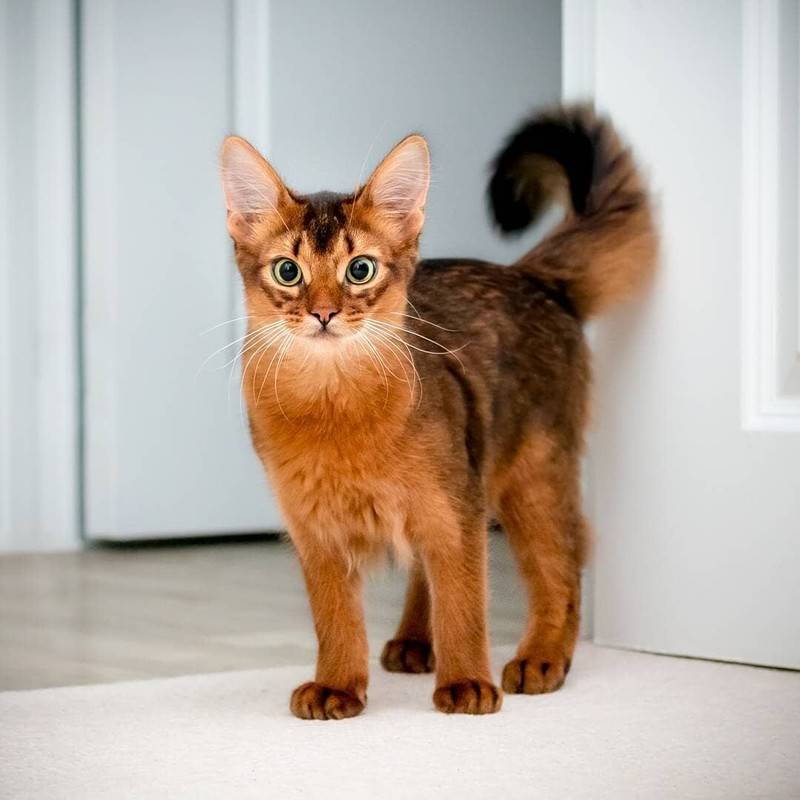
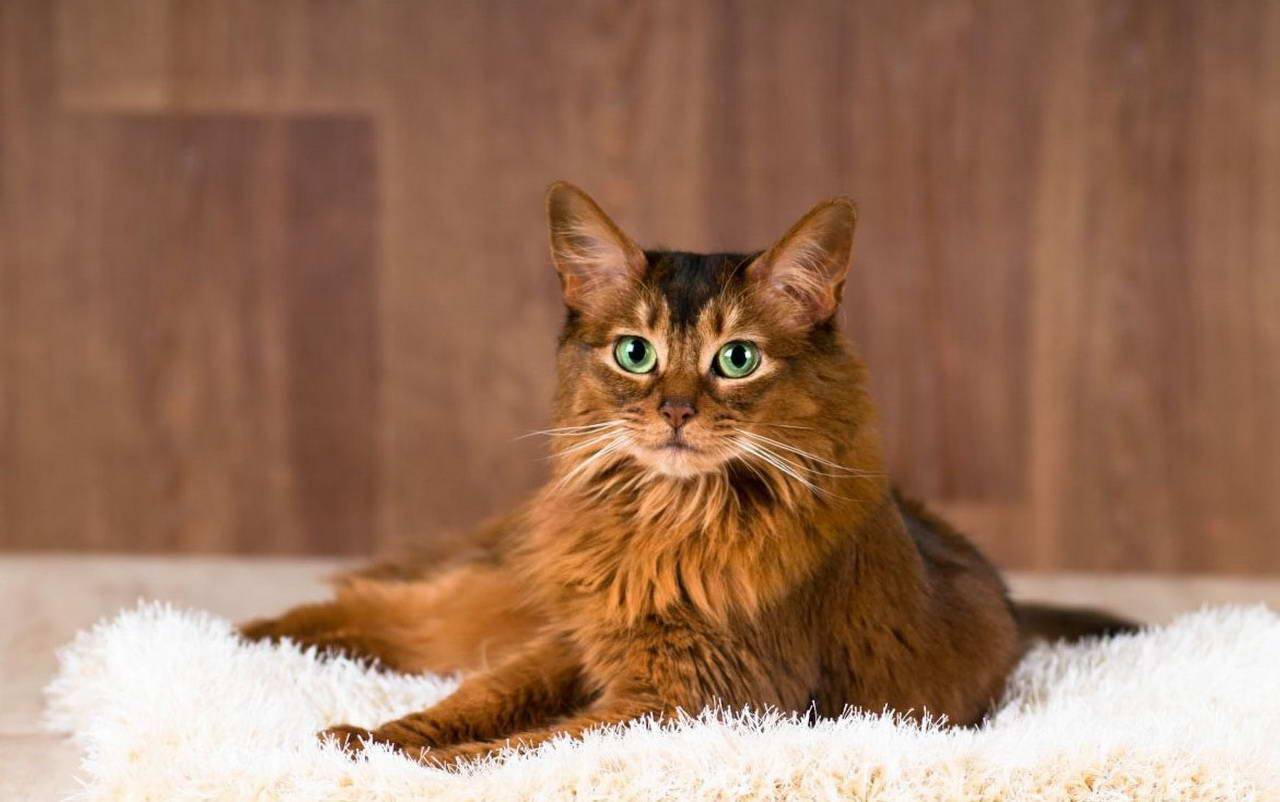
The Somali cat is a graceful and elegant breed that captures attention with its unique appearance, combining features of a wild cat and a domestic pet. It is a semi-longhaired variety of the Abyssinian cat, making it both exotic and easily recognizable.
The history of the breed dates back to the mid-20th century. It is believed that the Somali cat originated by chance when Abyssinian cats began to produce kittens with longer fur. These kittens were considered a deviation from the breed standard and were not used for further breeding. However, some breeders became interested in longhaired Abyssinians and started intentionally breeding such cats to establish their unique genotype.
The first official mention of the Somali cat occurred in the 1960s when Canadian breeder Mary Meehan, noticing the unusual longhaired Abyssinian kittens, decided to promote the breed. She suggested naming the cats “Somalis” in honor of Somalia, a neighboring country of Abyssinia (modern-day Ethiopia), to emphasize their origin and connection to the Abyssinian breed.
Breeders from the U.S. and Canada quickly embraced the idea, and the breed began to gain popularity rapidly. In 1979, the Somali cat was officially recognized by the Cat Fanciers’ Association (CFA), and in the following years, it was recognized by other leading feline organizations, such as TICA and FIFe. Today, the Somali cat is known worldwide and is popular due to its exotic appearance and friendly nature.
Currently, the breed is widely distributed across various countries, and breeders continue to improve standards, paying attention not only to external traits but also to the health of the animals. The Somali cat is not just a pet, but an active companion that requires attention and interaction, making it an excellent choice for families and active individuals.
Appearance
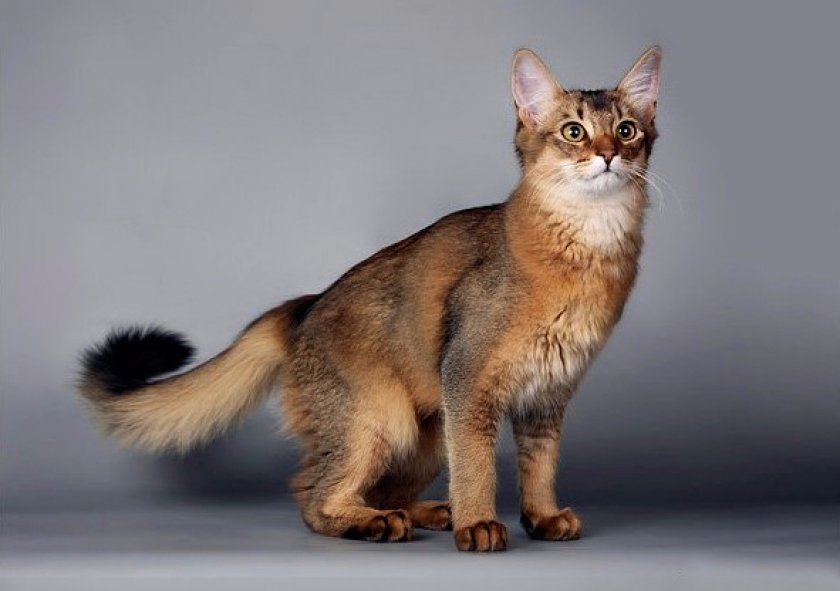
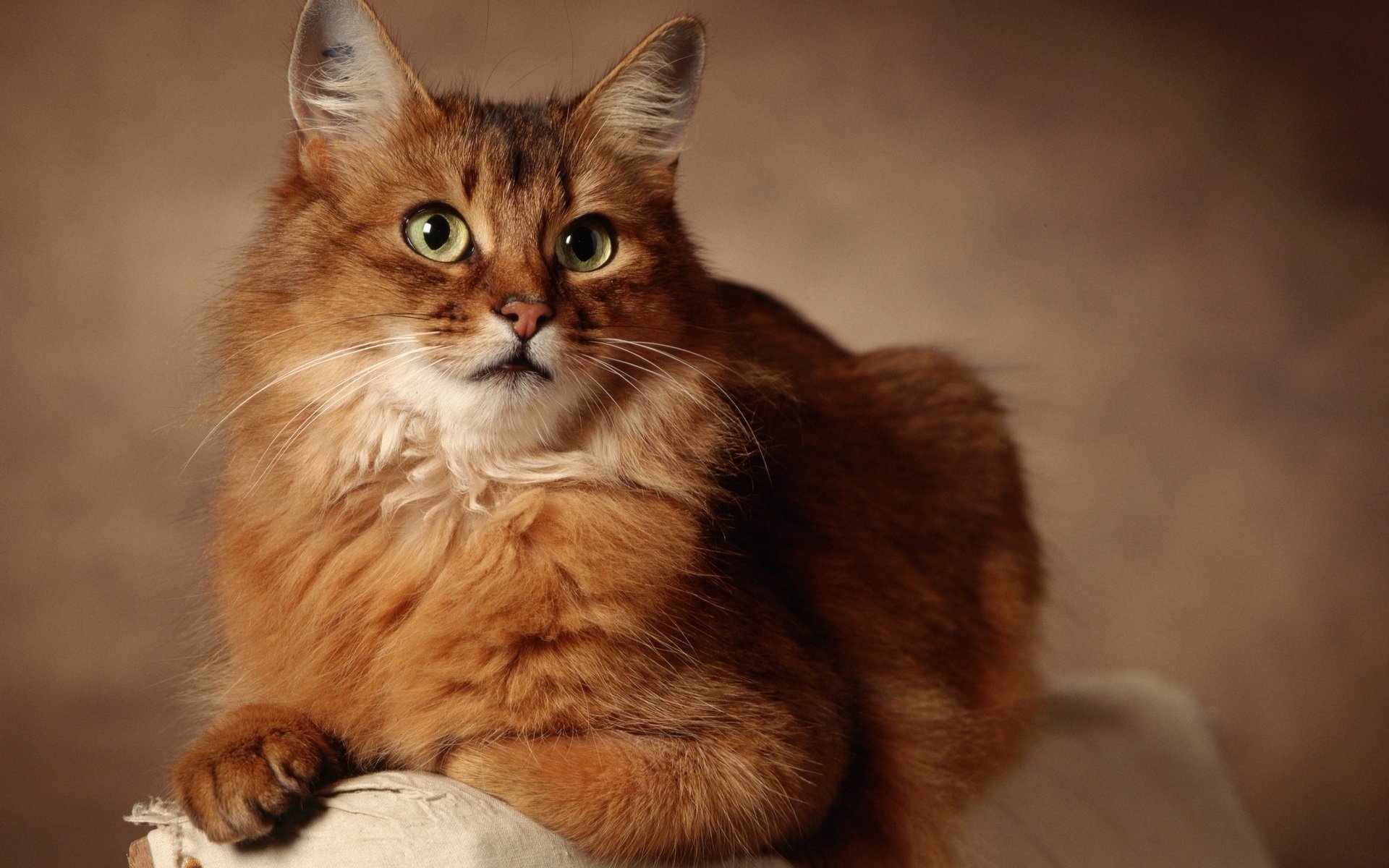
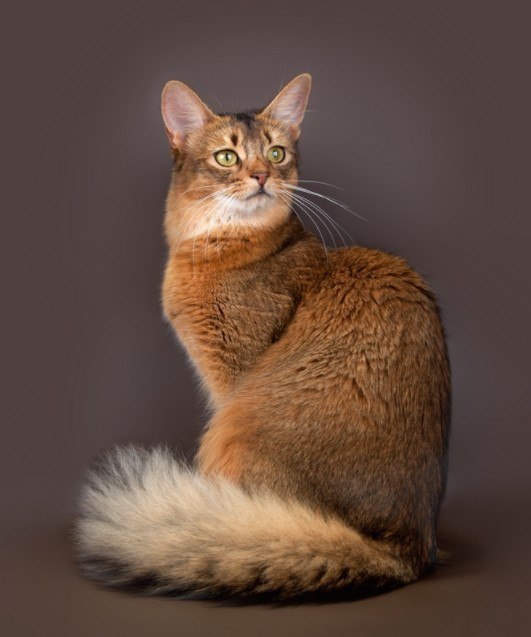
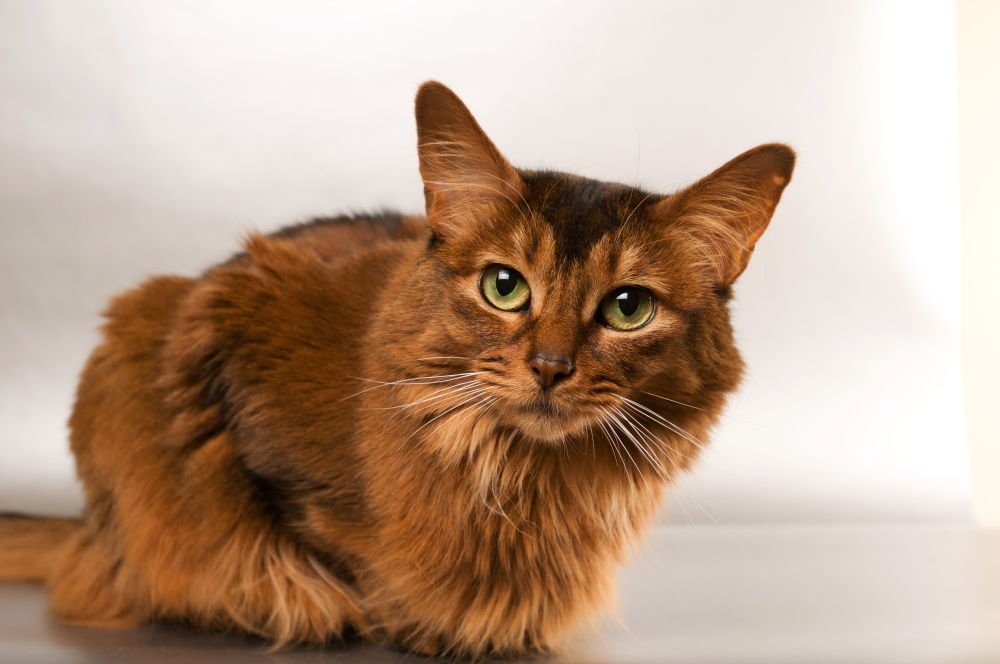
The Somali cat is a medium-sized cat with a harmonious build, elegant lines, and an expressive appearance. Its long, semi-long hair, reminiscent of silk, attracts attention with its density and softness. Visually, the Somali cat combines traits of a wild cat and a domestic pet, creating an image of an animal that is both graceful and wild.
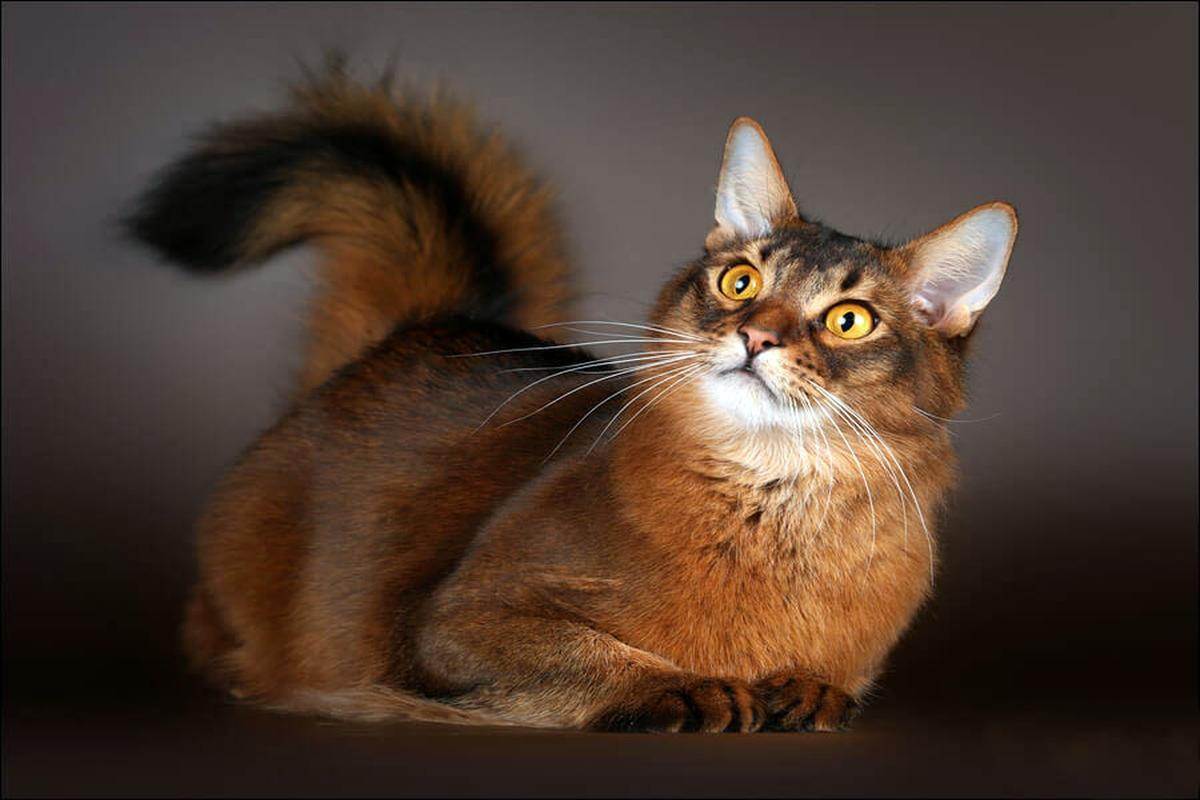
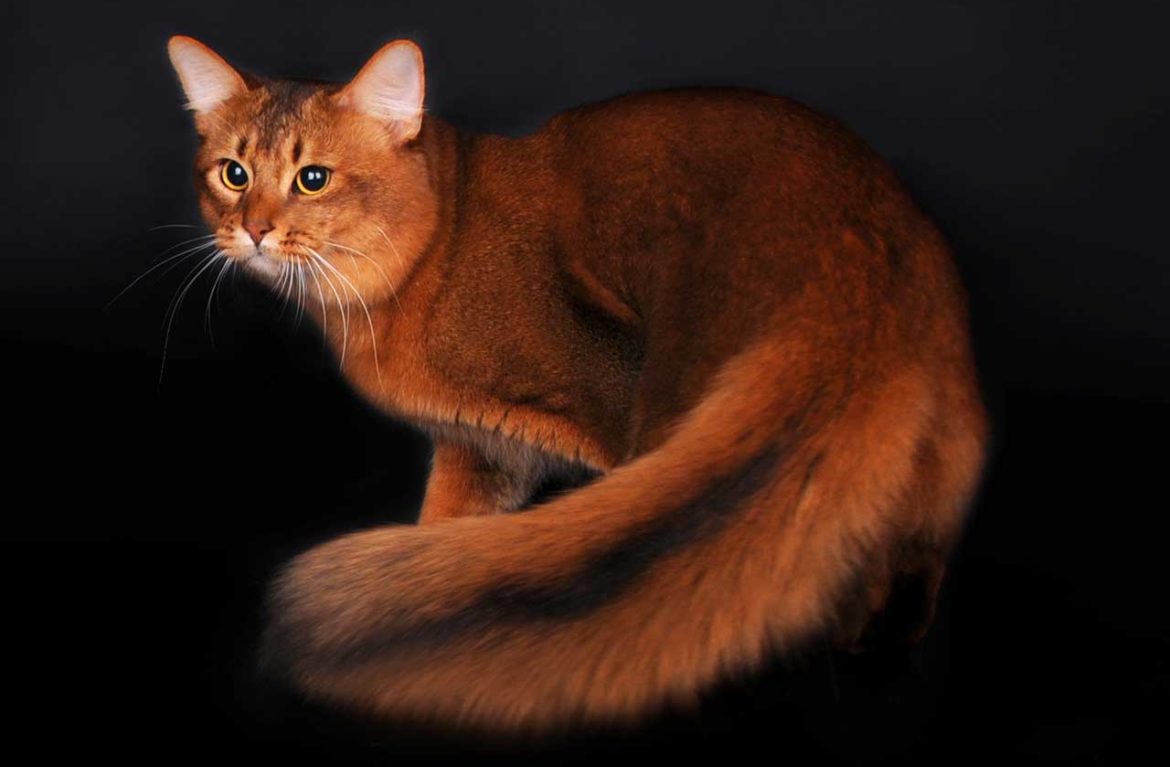
The coat of the Somali cat is characterized by what is known as “ticking” – a unique pattern in which each hair is colored in multiple shades. This gives the coat a shimmering effect, creating the impression that the cat is covered with a delicate pattern. The distinctive “feline” tail and the thick “mane” around the neck make the Somali cat particularly recognizable and appealing.
The overall appearance of the Somali cat can be described as elegant and flexible, with light and smooth movements. Its body is proportional and well-structured, and its musculature is developed in such a way that the cat appears slim and athletic. This makes it active and capable of high jumps, which is especially important for play and an active lifestyle.
The Somali cat boasts an unusual combination of a wild look and a domestic character, making it unique among other breeds. The cat’s eyes are almond-shaped, large, and expressive, surrounded by a dark outline that adds depth and expressiveness to its gaze. Its ears are large, widely placed, and slightly tilted forward, giving the animal a vigilant and curious appearance.
These features make the Somali cat popular among cat breed enthusiasts, and its well-groomed coat and harmonious proportions give it the appearance of a refined pet, making it perfect for participation in shows and home photo sessions.


Отличительные черты

Голова

Морда

Уши

Глаза

Зубы

Корпус

Конечности

Хвост

Шерсть

Окрас
Character
The Somali cat is distinguished by its lively, energetic, and playful personality. It is one of the most active and curious breeds, so if you decide to bring a Somali cat into your home, be prepared for it to become a full-fledged participant in all household activities. They are often compared to “eternal kittens” due to their love for play, high jumps, and endless exploration of their surroundings.
These cats are incredibly intelligent and possess a developed intellect. They can quickly learn various tricks, commands, and even use interactive toys. A Somali cat is always looking for ways to entertain itself, and it requires both physical activity and mental stimulation to stay fit and happy.
Sociability and communicativeness are another prominent characteristic of the Somali cat. They easily find common ground with both people and other animals, including dogs. Somali cats tend to bond closely with their owners and often express their love through interaction and affection. They may follow their owner around, participate in household tasks, and even greet them at the door upon their return home.
Despite their sociability, Somali cats maintain a degree of independence. They enjoy affection but are not overly clingy and can spend time alone if they have interesting toys or engaging activities. They rarely exhibit aggression and are always ready for play or gentle interaction.
It is important to note that the Somali cat possesses a unique combination of activity and calmness. They can actively play and run around the house, but then they will happily settle on their owner’s lap and purr. These cats are well-suited for families with children and other pets, as they are patient and easily adapt to different environments.
The playfulness and curiosity of Somalis make them resemble little explorers. They love to discover new areas in the house and may attempt to climb high shelves or cabinets. If you provide a Somali cat with access to safe spaces for exploration, it will be grateful and become an even happier pet. Only reputable breeders offer healthy kittens with a complete set of documents.
Питомники
Выбор питомника по городу, породе и отзывам
Record for high jumping among cats
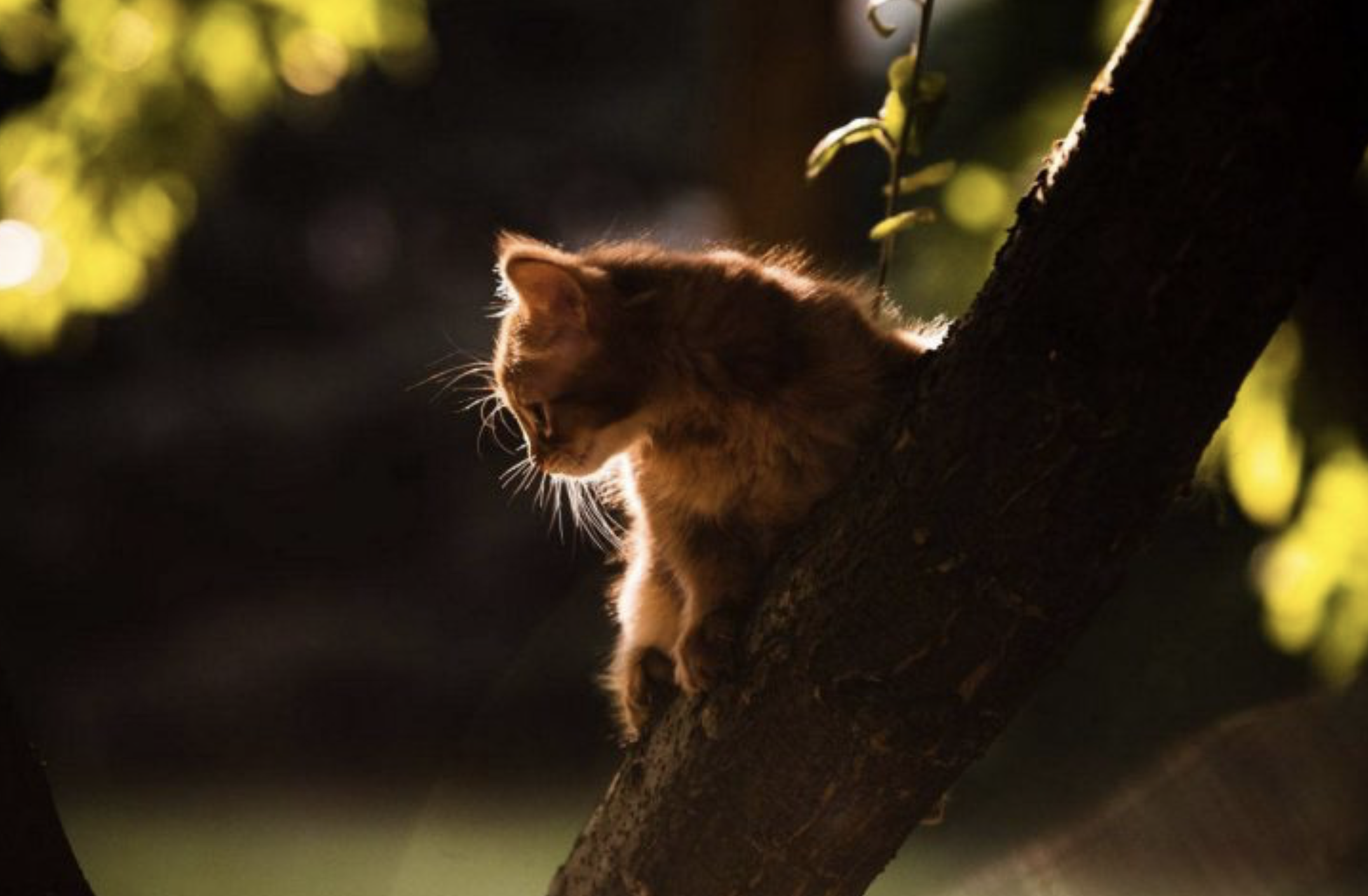
Somali cats are known for their energy and love of jumping. One representative of the breed set a record for high jumping at a cat competition, clearing a barrier of 2 meters. This ability to jump high is attributed to their strong hind legs and excellent coordination, making them natural acrobats.Care and Maintenance
Taking care of a Somali cat requires attention and careful nurturing to ensure its comfort and health. Although these cats have semi-long fur that needs regular grooming, it is not as demanding as that of some long-haired breeds. Here are a few important aspects to consider when caring for a Somali cat.
Coat Care
The fur of a Somali cat has a soft texture with a dense undercoat, so it needs to be brushed at least once a week. During shedding, which occurs twice a year, grooming should be more intensive-brushing should be done 2-3 times a week to remove loose fur and prevent matting. Special metal combs with wide teeth and soft brushes are suitable for this.
Ear and Dental Hygiene
Somali cats have large ears that need to be periodically checked and cleaned of debris. You can use special hygiene wipes or ear cleaning solutions for this. Be vigilant for any redness or unpleasant odors, as these may indicate an infection.
The teeth of a Somali cat also require care. Regular brushing with specially designed brushes and toothpaste for cats will help prevent tartar buildup and other dental issues. Start getting your pet used to teeth cleaning from an early age to minimize stress during the process.Nail TrimmingA Somali cat leads an active lifestyle, which helps it naturally wear down its nails. However, nails should be trimmed every two to three weeks to avoid ingrowth and injuries. Make sure to provide a scratching post so the cat can sharpen its claws and satisfy its natural instincts.NutritionThe diet of a Somali cat should be balanced and include all necessary vitamins and minerals. The cat needs food high in protein, as it is active and requires a lot of energy. A mixed diet that includes dry and wet food, along with natural products, will help maintain its health and activity.Avoid feeding a Somali cat foods that are high in carbohydrates, as these can lead to obesity. Ensure that the diet contains all essential micronutrients, such as taurine, which is vital for heart and eye health.Toys and ActivitySomali cats need active play and regular physical exercise. A variety of
Record for lifespan
Somali cats typically live for 12 to 16 years, but there are cases where individuals of this breed have reached ages over 20. One of the longest-living Somali cats was a cat named Lulu, who lived for 22 years and 3 months. This achievement has become a true rarity for the breed and an example of good care and genetics.Training and Education
The Somali cat is distinguished by its high intelligence and natural curiosity, making it ideal for training. This breed eagerly learns new tricks and commands if the training process is interesting and accompanied by positive reinforcement. Due to its active nature, the Somali cat requires mental and physical stimulation, so training can be an excellent way to channel its energy constructively.
Features of Somali Cat Training
The Somali cat is not just a pet; it’s a true “hunter at heart.” In the training process, it’s important to use its natural instincts, such as the tendency to chase and catch prey. Start with simple commands like “sit,” “lie down,” or “come.” Use treats as rewards so the cat associates following commands with receiving a reward. Positive reinforcement is key to successful training of the Somali cat.
This breed excels at learning tricks that involve active movements. For example, you can teach the cat to jump through hoops, navigate obstacles, or fetch small objects. When training, it’s important to consider the Somali cat’s tendency toward independence: sessions should be short, no longer than 10-15 minutes, or the cat may lose interest.
Games that Stimulate Intelligence
Interactive toys and puzzles are perfect for the Somali cat. Toys that involve retrieving food or solving logical tasks will help develop the pet’s mental capabilities and keep it active. Somali cats often show cleverness and can open doors, turn on lights, or even find hidden toys by scent.Learning Commands and Tricks”Fetch”: Although this is not a typical command for cats, the Somali breed can easily learn to bring a toy back to its owner. Start by throwing a small ball or toy and calling the cat to come back with the item. Gradually reward the pet with a treat for returning with the toy.Walking on a Leash: Many Somali cats enjoy outdoor walks. First, get the cat accustomed to the harness by wearing it for a few minutes at home. Gradually increase the wearing time and transition to outdoor walks, choosing quiet and safe places. The Somali cat quickly adapts to the harness and leash, as it is attracted to new smells and sounds.Jumping Tricks: Given the Somali cat’s love for jumping, you can teach it to leap over obstacles. Start with low barriers and gradually increase their height, rewarding the cat for successful attempts.Mistakes in TrainingIt’
The most titled Somali cat.
Please provide the text you'd like me to translate.How to Choose a Kitten
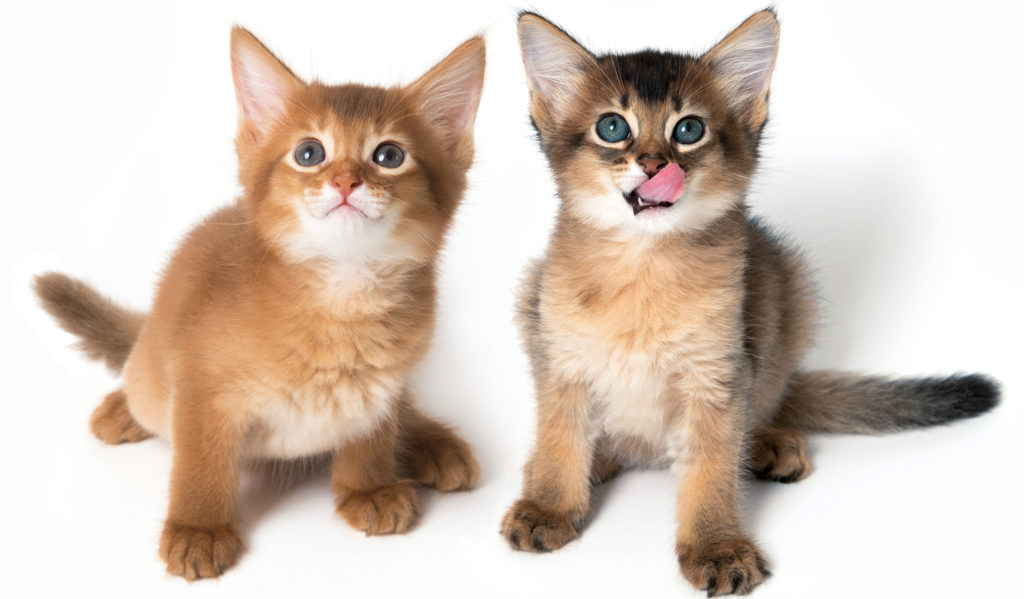
Choosing a Somali kitten is an important step that requires careful consideration. To ensure the pet is healthy and possesses the breed’s characteristic traits, several important factors need to be taken into account.
Assessing Health Condition
When selecting a kitten, pay attention to its appearance and behavior. The kitten should be active, playful, and show interest in its surroundings. Its eyes should be clear, without signs of inflammation or tearing. The ears should be clean, without discharge or unpleasant odors. Check the coat-it should be soft and silky, without mats.
Make sure the kitten shows no signs of illness: coughing, wheezing, or diarrhea. Visit the breeder and check the living conditions to ensure that the kitten has been raised in a clean and well-maintained environment.
Establishing Lineage
The Somali cat is a breed that requires careful attention to lineage. Ask the breeder if the kitten’s parents have documents confirming their pedigree. A good breeder will provide all information about the vaccinations given to the kitten and the health history of its ancestors.It is recommended to choose a kitten that is at least 12 weeks old. By this time, it should be adequately socialized, litter-trained, and able to eat solid food.Kitten’s CharacterEvery kitten is unique, and there may be differences in temperament among Somalis. When choosing a pet, consider its personality: more active kittens are suitable for families with children, while calm and affectionate ones can be great companions for the elderly or singles. Spend some time with the kittens to assess their reactions to people and interactions with other animals.Physical Traits of the BreedEnsure that the chosen kitten meets the breed standards: it should have large almond-shaped eyes, big ears, and a bushy “fox-like” tail. Pay special attention to the coat color: each hair should be ticked, which is a characteristic feature of the Somali breed.
Health and Diseases
Siamese cats generally have good health; however, like any breed, they may be prone to hereditary diseases. Proper care and regular veterinary visits can help minimize risks and maintain the pet’s health at a high level.
Hereditary Diseases
Some Siamese cats may experience genetically related health issues. One such condition is progressive retinal atrophy (PRA), which leads to gradual vision loss. Regular eye examinations by a vet can help detect the problem at early stages.
Another common disease is pyruvate kinase deficiency, which causes anemia. This genetic issue can be diagnosed with a special test. When choosing a kitten, it is advisable to check the parents for this condition.
Dental and Gum Diseases
Siamese cats are prone to tartar buildup and gum inflammation, so regular teeth cleaning and veterinary check-ups are necessary to prevent dental problems. Using special toys and foods that help clean the teeth can also be beneficial.Ear and Eye CareDue to their large ears, Siamese cats are prone to dirt and wax buildup in the ear canals. Regular ear cleaning can help avoid inflammation and infections. Eyes should also be checked and wiped periodically to prevent irritation and infectious diseases.Vaccination and Preventive MeasuresRegular vaccination against major feline infections is essential for maintaining the health of Siamese cats. It is also important to carry out deworming and treatment for parasites, such as fleas and ticks, especially if the cat goes outdoors.Maintaining Physical ActivitySiamese cats are very active, and a lack of movement can lead to weight and joint issues. Regular play and the availability of climbing equipment can help keep the pet fit and avoid obesity.These recommendations will help owners care for the health of their Siamese cat, minimize the risk of diseases, and ensure a long and happy life for their pet.- the best w
Содержание
-
1. Описание породы
-
2. Внешний вид
- 2.1 Голова
- 2.2 Морда
- 2.3 Уши
- 2.4 Глаза
- 2.5 Зубы
- 2.6 Корпус
- 2.7 Конечности
- 2.8 Хвост
- 2.9 Шерсть
- 2.10 Окрас
-
3. Характер
-
4. Содержание и уход
-
5. Дрессировка и обучение
-
6. Как выбрать котенка
-
7. Здоровье и болезни






Comments
Only registered users can leave reviews.
Enter