
Singapore cat





Description
The Singapore cat, also known as the “Kuching of Singapore,” originates from the streets of the eponymous Asian city. In the 1970s, American breeders Tommy and Hal Meadow, who lived in Singapore, noticed small street cats with a unique “sepia” coat. They were impressed by their exotic appearance and miniature size, deciding to bring a few individuals to the USA to begin establishing the breed. The breed’s history started with a few street cats that were bred and carefully selected to preserve their unique features. In 1981, the first Singapore cats were showcased at exhibitions in the USA, attracting the attention of cat enthusiasts and feline experts. In 1987, the breed was officially recognized by the International Cat Association (TICA), and later gained recognition from other feline organizations such as CFA and FIFe. However, the breed’s history has sparked some controversy and doubt regarding its origins. In the 1990s, hypotheses emerged suggesting that the first Singapore cats might have American roots, with their “return” to Singapore being part of a marketing strategy. Despite this, the breed has attained the status of a national treasure of
Appearance
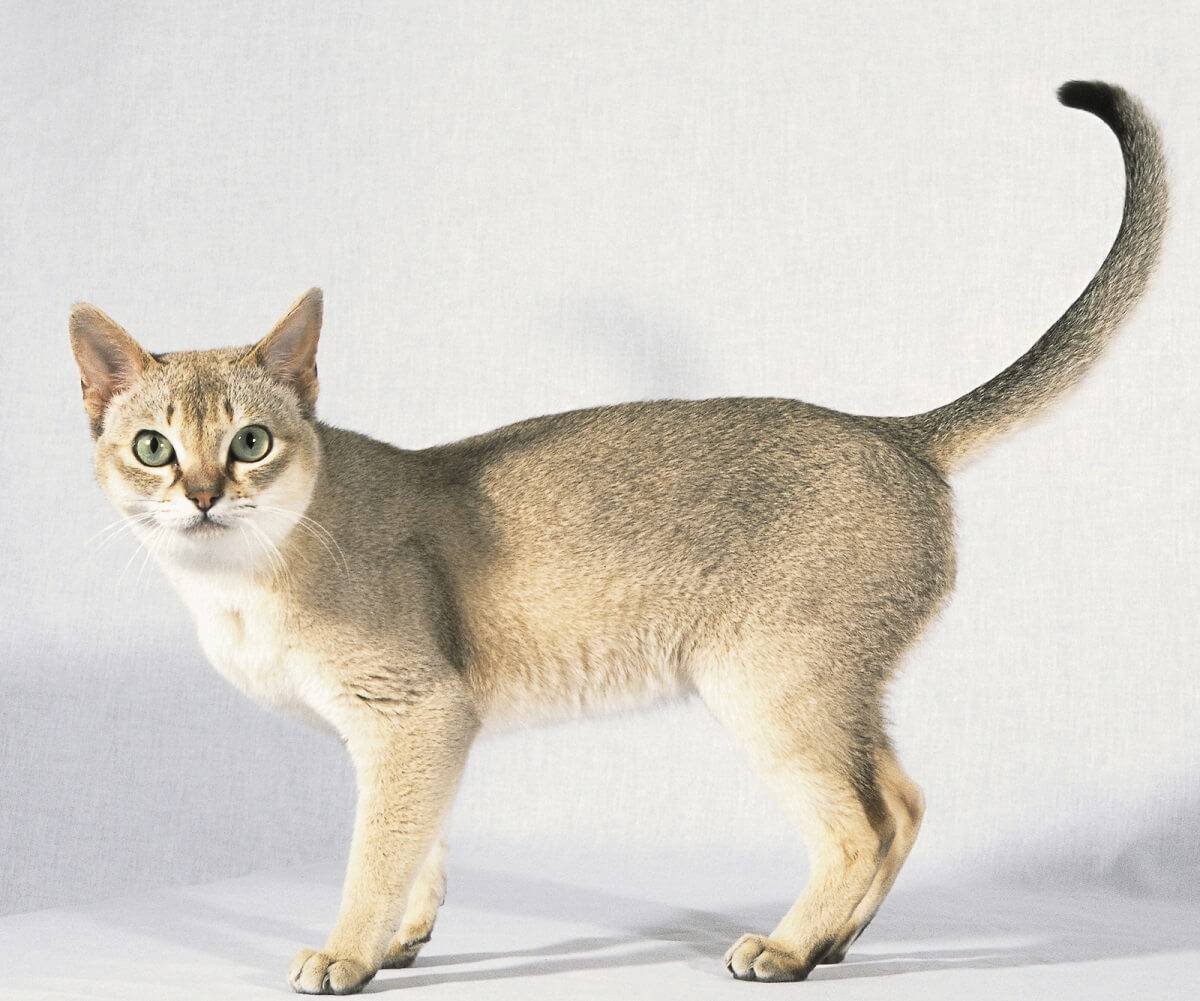
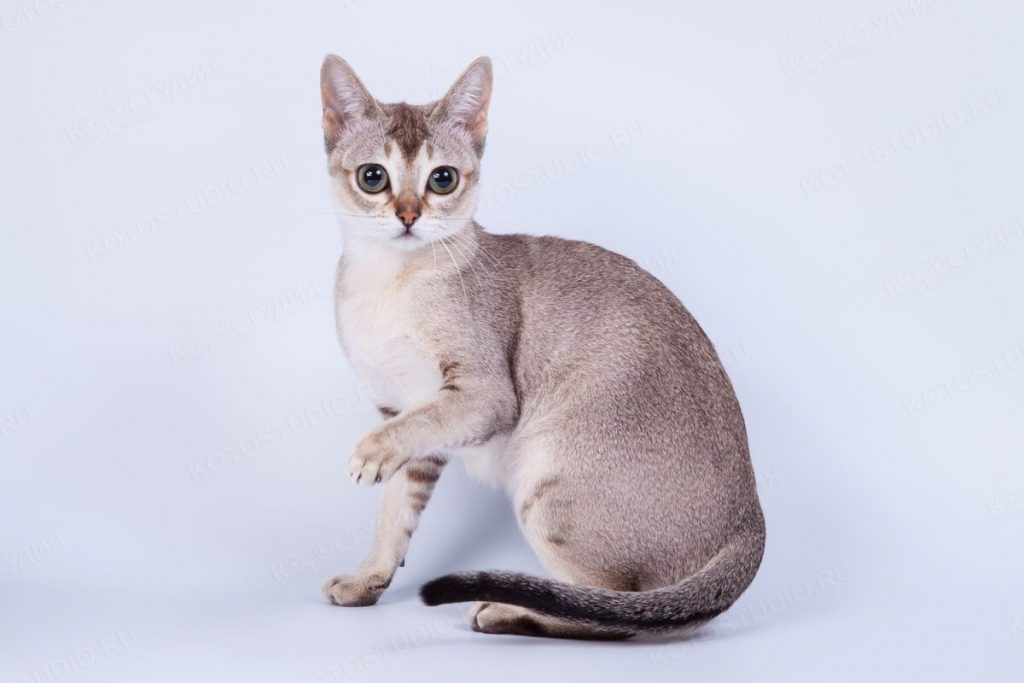
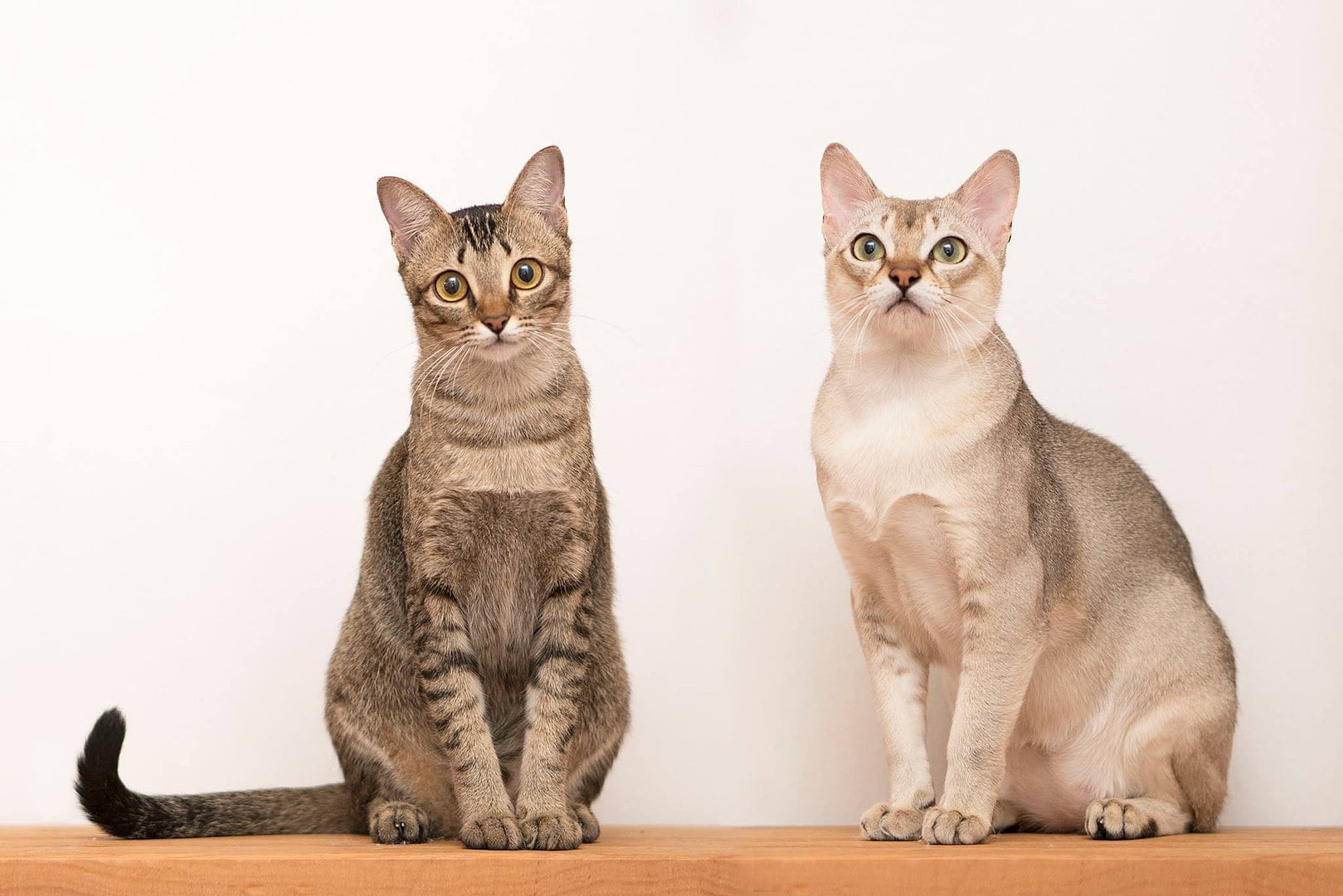
The Singaporean cat is a breed that immediately captures attention with its miniature size, elegant lines, and expressive features. Its appearance resembles that of a small but graceful creature, combining sophistication with athleticism. It is indeed the smallest breed of domestic cats in the world, typically weighing no more than 2-3 kilograms in adulthood. Despite its modest size, the Singaporean cat appears strong and muscular, allowing it to be very active and agile.
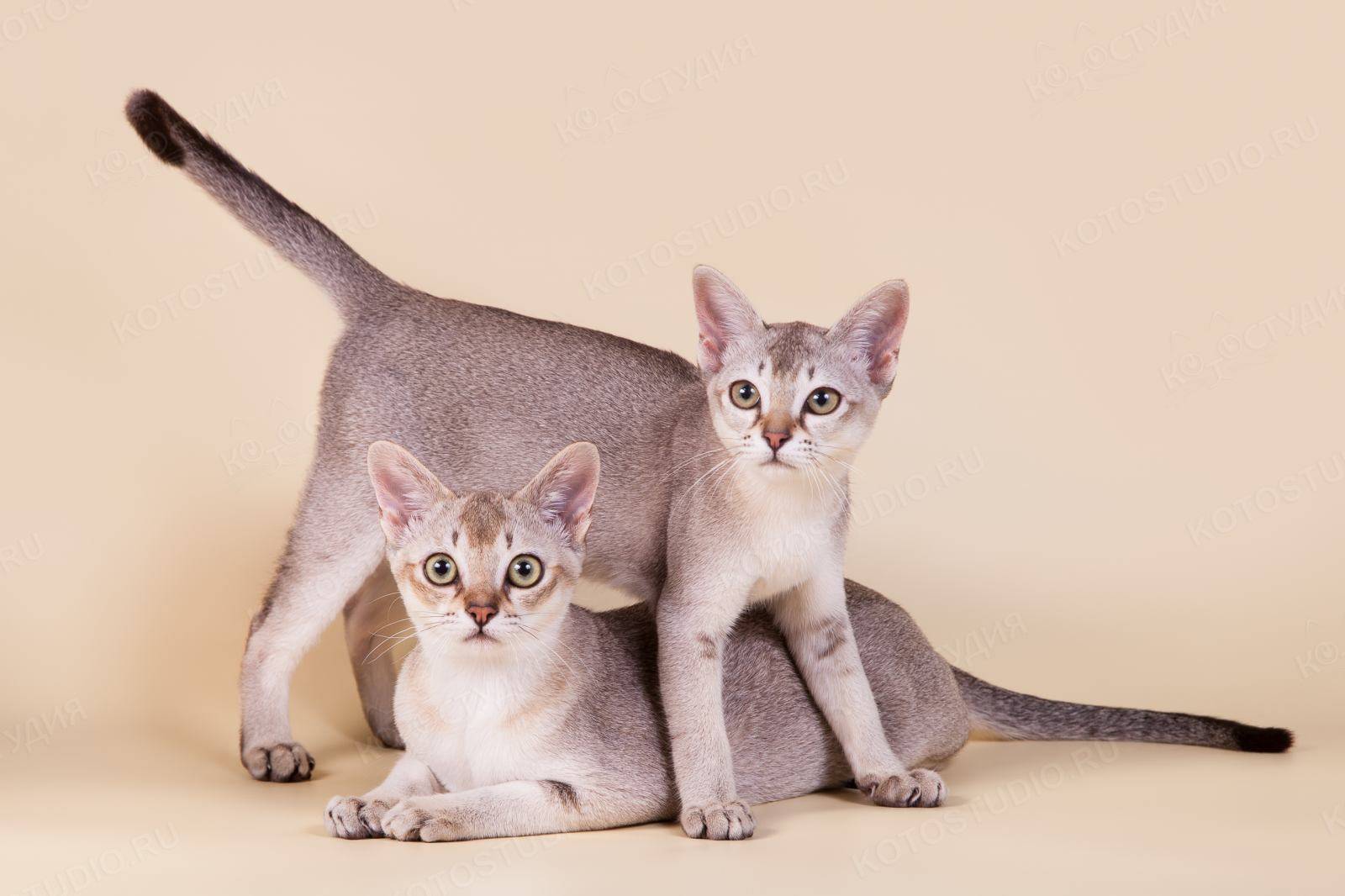
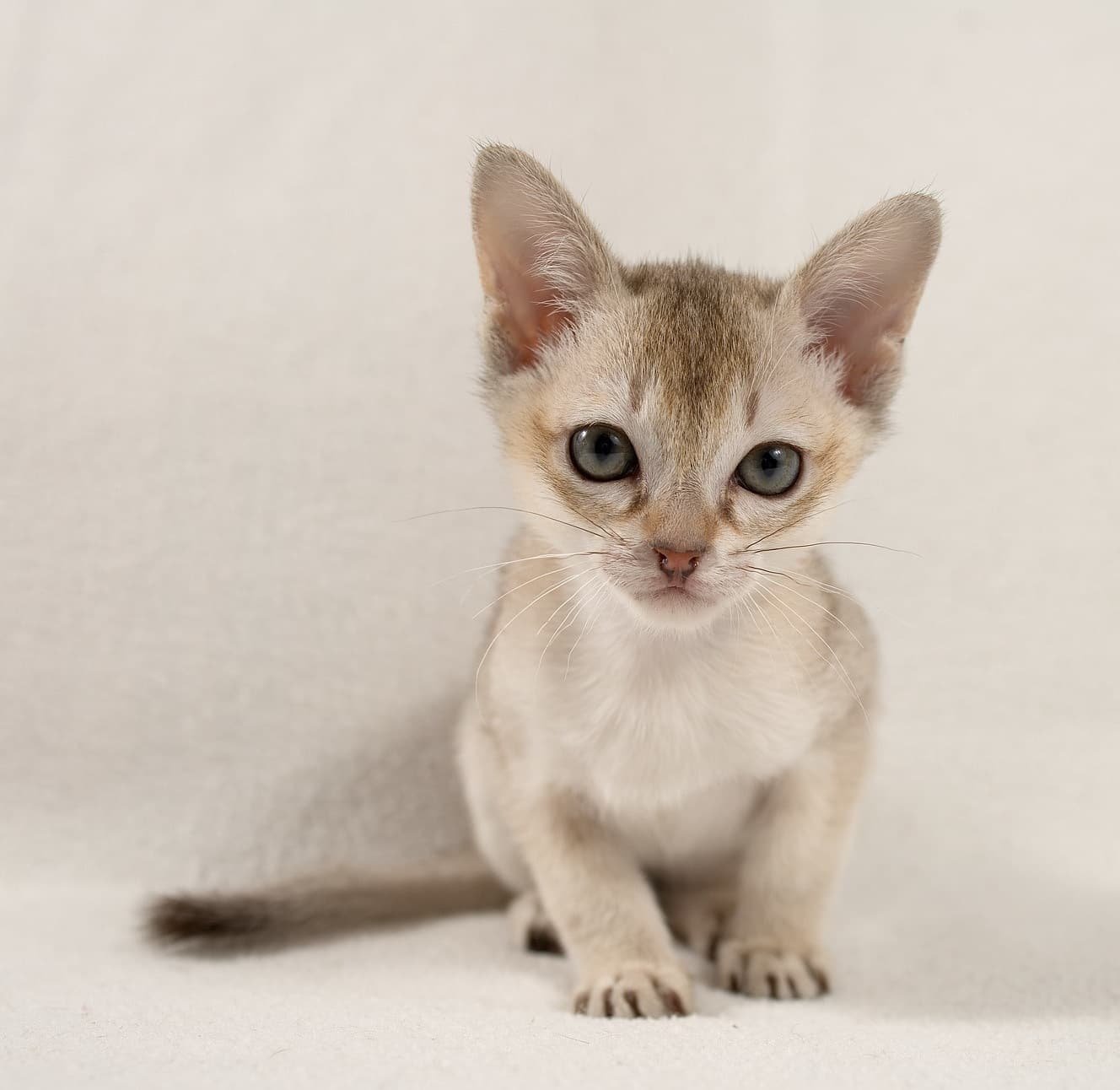
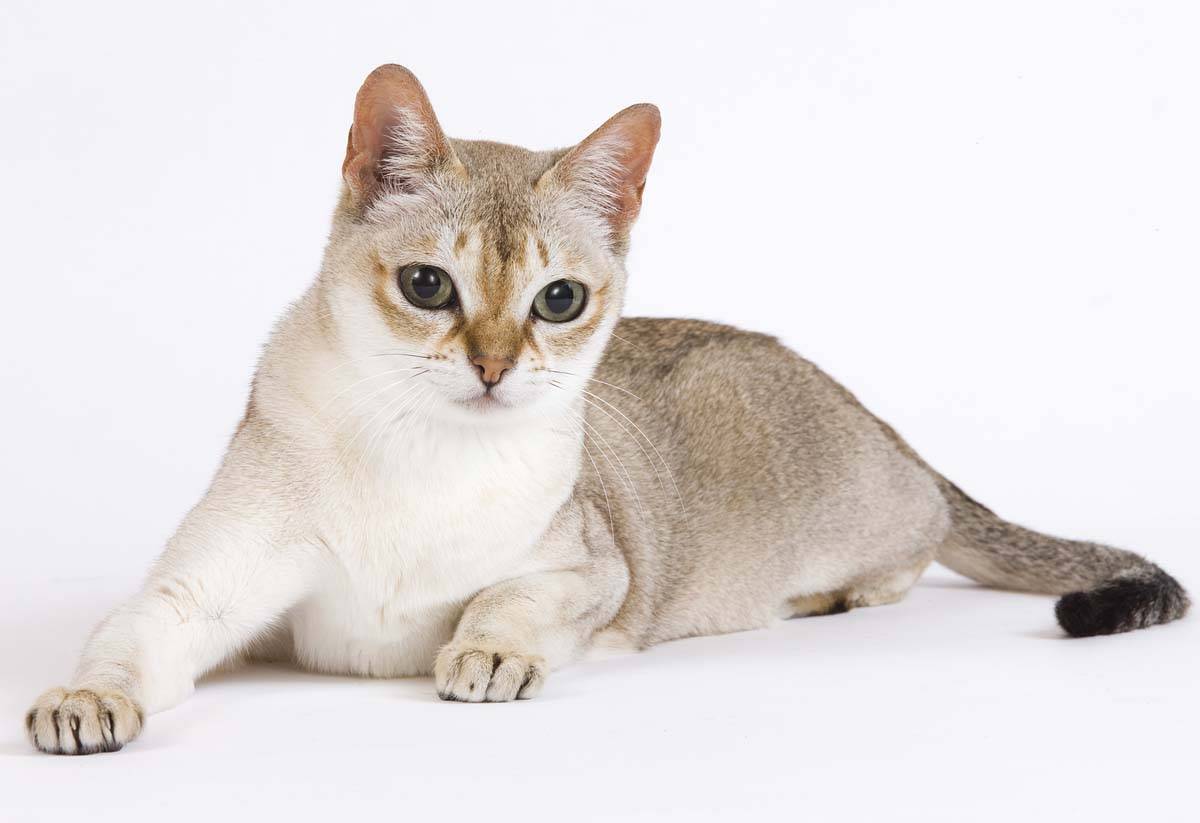
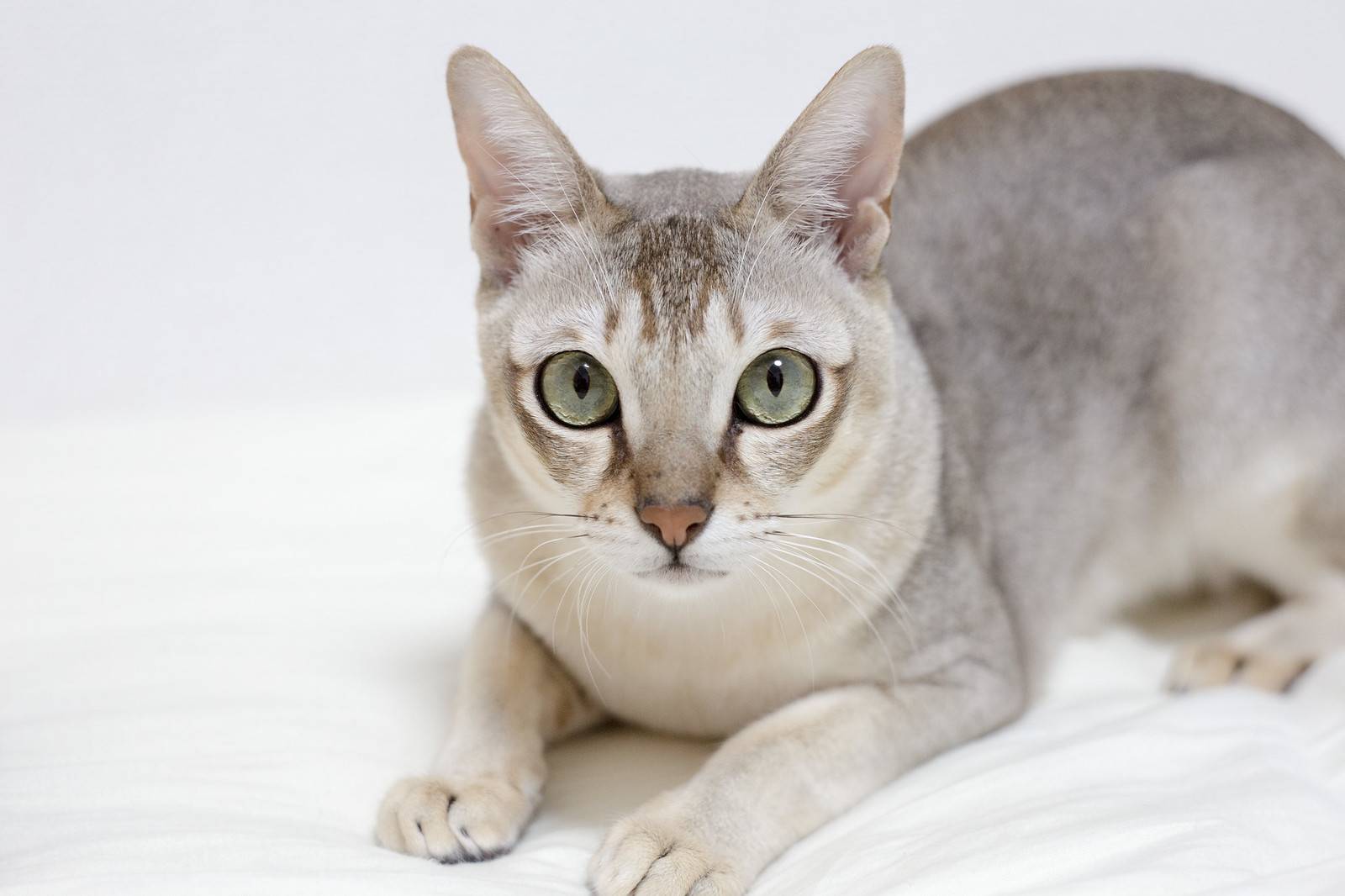
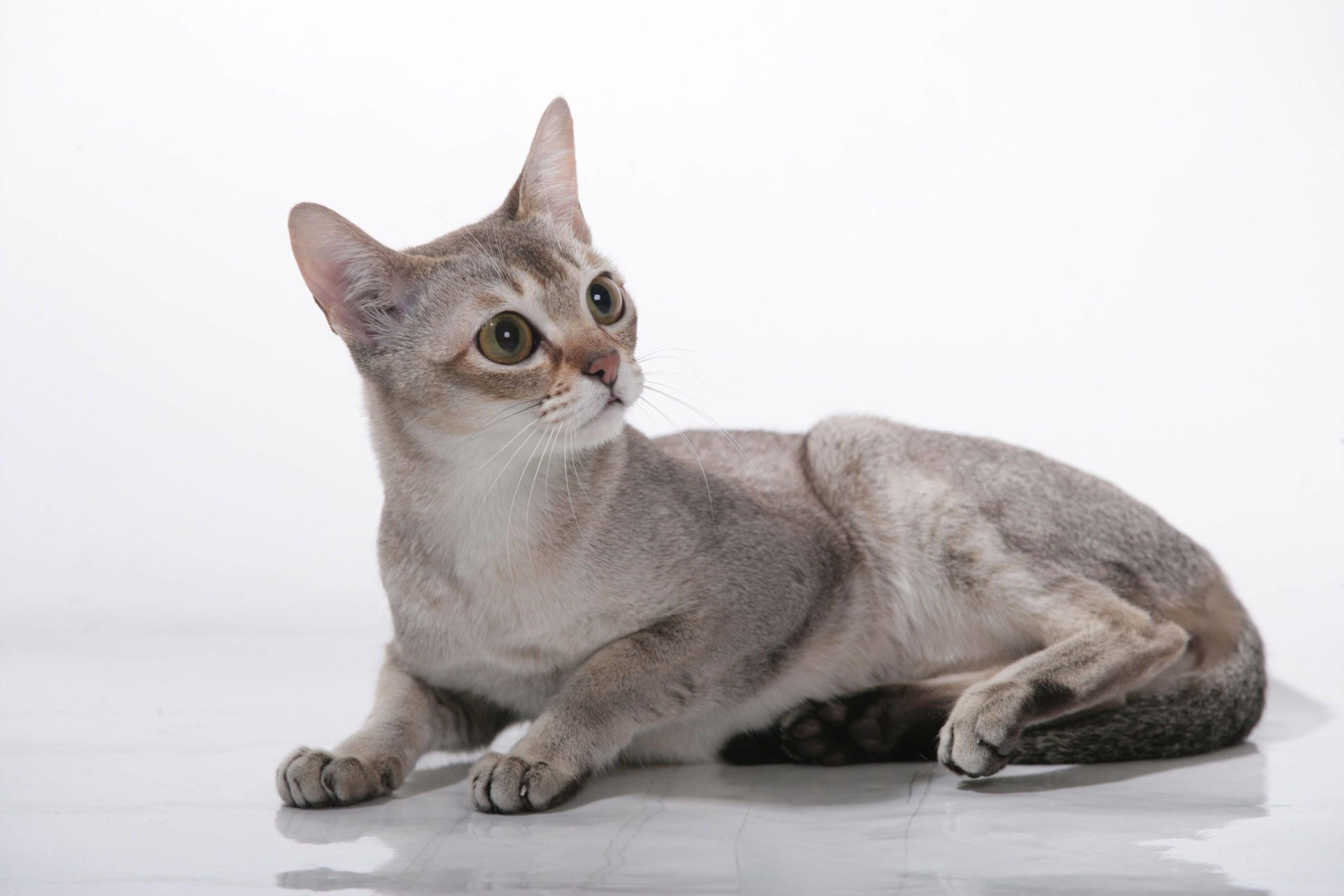
Key breed features include large, widely spaced eyes that take up almost a third of the face, big ears that give a watchful expression, and soft, silky fur that lies close to the body. The Singaporean cat lacks a dense undercoat, so its fur does not look fluffy but remains shiny and smooth. The coloration, known as “sepia agouti,” is characterized by a light background with dark stripes at the tips of the hairs, creating a unique “ticking” effect-its fur seems to gently shimmer in the light.
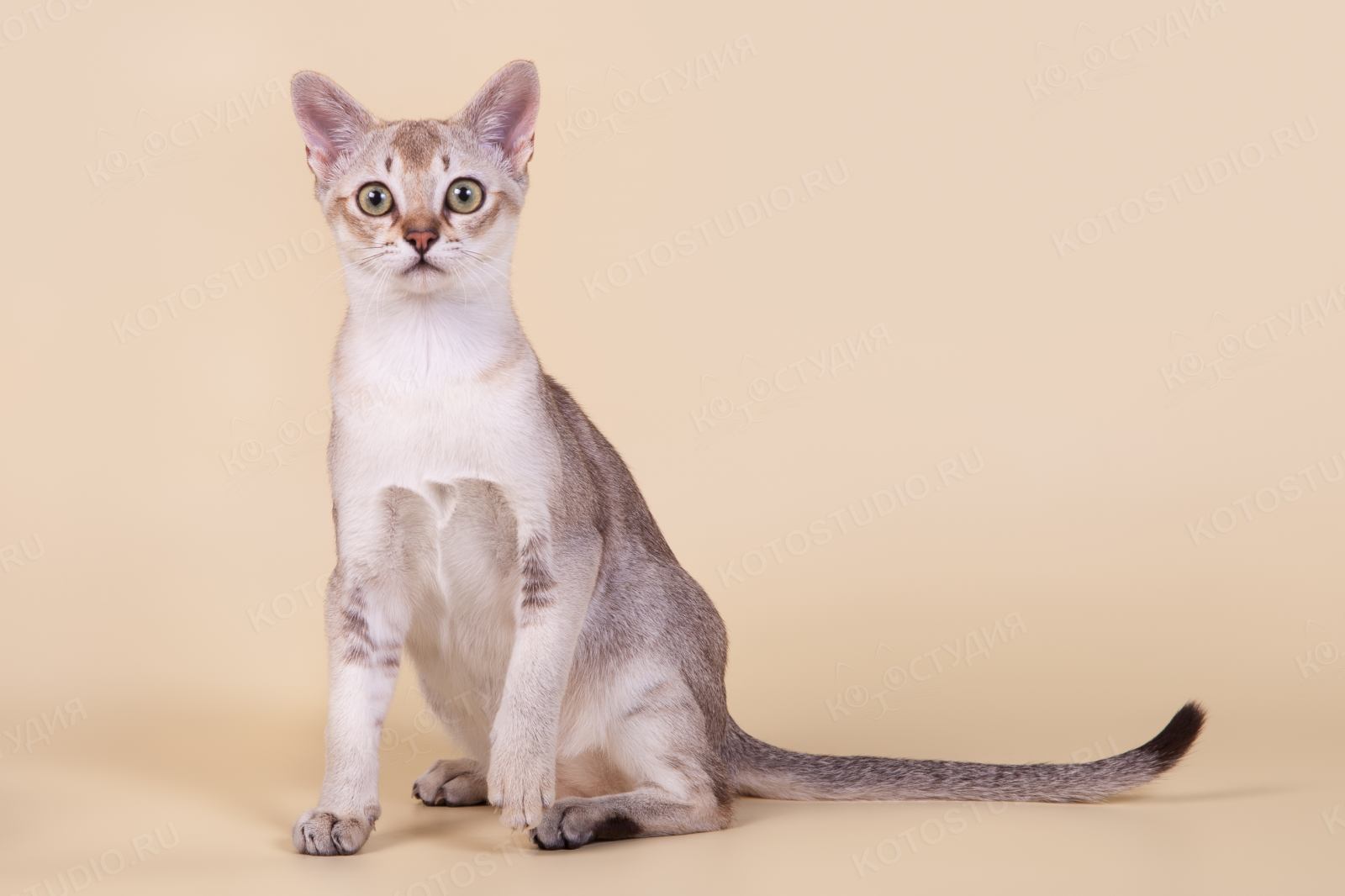
The Singaporean cat gives the impression of a very graceful and slightly exotic creature thanks to its long limbs, slender body, and a long tail that tapers at the end. Its movements are light and fluid, resembling a dance, which enhances this cat’s elegance. The body proportions are balanced: the head is small yet harmoniously complements the long neck and delicate paws. The appearance of the Singaporean cat reflects its active and playful character-it looks like it’s ready to spring into action to chase a toy or climb to the highest point in the house.
Moreover, special emphasis is placed on its expressive eyes-they are indeed huge compared to the overall body proportions. These eyes not only highlight the cat’s charm but also create an impression of a wise and curious gaze. The wide-open, bright eyes of the Singaporean cat always seem a bit surprised, adding a particular allure to its image.
The color and texture of the fur make the Singaporean cat even more special. The fur is very fine and short, lying tightly against the body, giving the cat a neat appearance. Its soft sheen in sunlight creates a sense of being well-groomed, even if the cat hasn’t undergone special grooming procedures. The “sepia agouti” coloration is unique to this breed and varies from light cream to beige, with dark markings forming characteristic stripes on the face, legs, and tail.
The Singaporean cat embodies elegance and compactness; its miniature size does not hinder its agility and speed. Every movement of this cat underscores its natural grace and energy, while its appearance reflects an active and playful temperament.


Отличительные черты

Голова

Морда

Уши

Глаза

Зубы

Корпус

Конечности

Хвост

Шерсть

Окрас
Character
The Singapore cat is the perfect example of a blend of an active personality and affection. It is both curious and gentle, making it an ideal pet for families with children and for individuals seeking a loyal companion. Cats of this breed are very attached to their owners and strive to stay close, whether it’s on their lap or simply in the same room.
These cats love to play, especially games that involve elements of hunting, such as chasing a toy mouse or jumping for a laser. They remain active even in adulthood, maintaining their liveliness and interest in the surrounding world. Singapore cats adore interacting with humans and often follow their owners closely, showing interest in any household activities.
A cat of this breed may be a little cautious with unfamiliar people but quickly warms up and adapts if it senses kindness and care. It easily adjusts to new environments, but requires attention and play for its psychological and physical well-being. Zoostore offers them with documentation from the best breeders.
The smallest breed of cats in the world.
The Singapore cat is officially recognized as the smallest breed of domestic cats. An adult cat typically weighs no more than 2-3 kg, which makes it resemble a full-grown teenage cat.Care and Maintenance
The Singapore cat is an active and curious breed that, despite its miniature size, requires careful attention and care. Its maintenance is not particularly complicated, but it is important to consider the breed’s characteristics to ensure comfortable living conditions for your pet. Key aspects of caring for a Singapore cat include regular hygiene maintenance, providing an active environment, and proper nutrition.
Coat Care
The coat of a Singapore cat is short and fine, so its care doesn’t require much effort. It is sufficient to brush the cat weekly with a soft brush to remove dead hairs and maintain the coat’s natural shine. Unlike long-haired breeds, the Singapore cat is not prone to matting, and its coat does not need frequent bathing. Bathing should only be done when necessary, for example, if the cat becomes very dirty. Use shampoos specifically designed for cats to avoid skin irritation.
Eye and Ear Care
Singapore cats have large eyes that can gather a small amount of discharge, especially in the morning. It is important to regularly check the eyes and clean them with a cotton pad moistened with a special eye care solution. Also, pay attention to the cleanliness of the ears: check for wax and dirt. If the ears are dirty, gently wipe them with a cotton swab moistened with cat ear cleaning solution.
Nail TrimmingThe active lifestyle of a Singapore cat helps it naturally wear down its claws, but it is still recommended to trim the claws every two to three weeks to prevent excessive growth and ingrown nails. Start acclimating the cat to nail trimming from a young age to reduce stress during the procedure.Teeth and Oral CareLike all pets, Singapore cats need regular tooth cleaning to prevent tartar buildup and gum disease. Special toothpaste and brushes for cats can be used for this purpose. Regularly check the condition of the teeth to identify potential issues in a timely manner.Creating an Active SpaceThis breed has a high level of activity, so it needs sufficient space for play and exploration. Arrange your home so that the cat can climb, jump, and run around. Provide play structures, scratching posts, and tunnels. Singapore cats love heights, so equip “cat shelves” or ladders for your pet to climb.Proper NutritionThe diet of a Singapore cat should be balanced and rich in protein. Given its small size, monitor portion sizes to prevent weight gain. Choose premium cat food that contains all the necessary vitamins and minerals. A combination diet that inc
Status of Singapore's national treasure (1990)
In 1990, the government of Singapore officially recognized the breed as a national treasure to highlight its uniqueness and importance to the country.Training and Education
The Singapore cat is an intelligent and perceptive breed that is easy to train. These cats enjoy interacting with people and readily participate in various games and training sessions. Training can be a great way to strengthen the bond with your pet and develop its mental abilities.
Teaching Basic Commands
Start training with simple commands such as “come,” “sit,” and “lie down.” Use positive reinforcement in the form of treats and praise. Singapore cats quickly grasp commands, especially if the training is accompanied by play. Avoid long training sessions; it’s better to break them into short 5-10 minute intervals.
Games for Intellectual Development
Singapore cats love mental challenges and puzzles. Interactive toys, puzzles, and toys that involve finding food will help develop your cat’s mental skills. They also enjoy chase and catch games, such as running after a laser pointer or a toy mouse.
Leash WalksIf you want to add variety to your Singapore cat’s life, you can train it to walk on a leash. This breed can be a great companion for outdoor walks. Start by acclimating the cat to a harness inside the house, then gradually move to outdoor walks in quiet and safe areas.Teaching TricksThese cats can perform various tricks, such as fetching a toy, jumping through a hoop, or even giving a paw. Teaching tricks not only entertains the cat but also enhances its mental abilities. Begin with simple tasks and gradually increase the difficulty using treats for motivation.
The unexpected influence of a street cat named Chico.
Please provide the text you'd like to have translated.How to Choose a Kitten
Choosing a Singapore cat kitten is an important step that requires careful consideration. By following a few simple recommendations, you can select a healthy and lively pet. With a pedigree – find the best pet at Zoosika.
Health Check
Check the condition of the kitten’s eyes, ears, and nose. The eyes should be clean and bright, without redness or discharge. The ears should be clean, without visible dirt or odor. The kitten’s nose should be moist but not overly wet. Pay attention to the fur: it should be smooth, shiny, and free of bald patches. Check the belly for any bloating – this could indicate digestive issues.
Documents and Pedigree
Purchase a kitten only from reputable breeders who can provide documentation confirming the animal’s pedigree. This helps avoid genetic diseases to which some individuals may be predisposed. Ensure the kitten has been vaccinated and dewormed.
Behavior and CharacterObserve the kitten: it should be active and curious about the surrounding world. Singapore kittens are typically friendly and inquisitive. Avoid overly fearful or aggressive individuals, as this may indicate issues with socialization or health.AgeIt is best to adopt a kitten at around 12 weeks of age, when it has already gone through basic socialization stages, is litter trained, and is ready to move to a new home.
Health and Diseases
Singapore cats are known for good health and longevity; however, like any breed, they may be predisposed to certain illnesses.
Gingivitis and Tartar
Due to their small jaw size, Singapore cats sometimes experience dental and gum issues. Regular tooth brushing and preventive veterinary check-ups can help avoid such problems.
Viral Infections
The Singapore cat, like other breeds, is susceptible to viral infections. Regular vaccinations and timely deworming will help protect the cat from these issues.
Maintaining Physical ActivityThe Singapore cat is active, and a lack of physical exercise can lead to obesity. Keep your pet’s lifestyle active with games and interactive toys.- the best website about animals where you can buy or sell a kitten.
Содержание
-
1. Описание породы
-
2. Внешний вид
- 2.1 Голова
- 2.2 Морда
- 2.3 Уши
- 2.4 Глаза
- 2.5 Зубы
- 2.6 Корпус
- 2.7 Конечности
- 2.8 Хвост
- 2.9 Шерсть
- 2.10 Окрас
-
3. Характер
-
4. Содержание и уход
-
5. Дрессировка и обучение
-
6. Как выбрать котенка
-
7. Здоровье и болезни


Комментарии
Отзывы могут оставлять только зарегистрированные пользователи
Войти