
Siberian cat





Breed Description
The rich history of Siberian cats is filled with numerous mysteries and legends. According to one, their ancestors are Norwegian Forest Cats, which are also credited with the “parentage” of Maine Coons. They were brought to Russia in the 16th century and gave rise to the fluffy “Siberians.” Another version suggests that the breed originated from cats belonging to merchants from Bukhara. It’s quite possible that both versions have some truth to them, as these hypotheses do not contain any fantastical assumptions. However, there is a theory that among the ancestors of this pride, there are also Pallas’s cats-carnivorous mammals that belong to the cat family. Whether this is the case or not is something we cannot claim.
The further spread of these cats across Russia was quite vigorous. Strong and agile, Siberian cats endured the cold winters and protected homes and granaries from invasions of mice and rats. They were also captured on the canvases of famous painters. Yet, even such popularity did not grant these fuzzy beauties recognition as an independent breed until the late 20th century, when Russian feline enthusiasts began to focus on the selective breeding and improvement of Siberian cats in the 1980s.
Interestingly, until that time, nearly all large cat breeds that had any color other than white were referred to as Siberian. They were specifically selected to establish the size of the new (or rather, old) breed. Of course, such specimens were seldom seen in megacities, and they were brought to Moscow and Leningrad from all over the USSR, particularly from the Far East and Siberia.
The labor-intensive breeding process was complicated by the desire to enhance the quality of the fur. In 1991, a standard was finally registered with the World Cat Federation.
A few years later, Siberian cats gained recognition in other organizations, which marked the beginning of their conquest of Europe.
Today, the “Russian Maine Coon” is known in almost every corner of the Earth. It is known that there was a proposal among specialists to initially name the breed not “Siberian cat,” but “Moscow cat.” However, this option did not take hold.Fluffy cats with a stern look are among the most popular cats in Russia. Advertisements for Siberian kittens for sale are common, but it is still better to choose a reputable cattery. The price for a fluffy beauty can reach up to 80,000 rubles for a show-class kitten.
Appearance
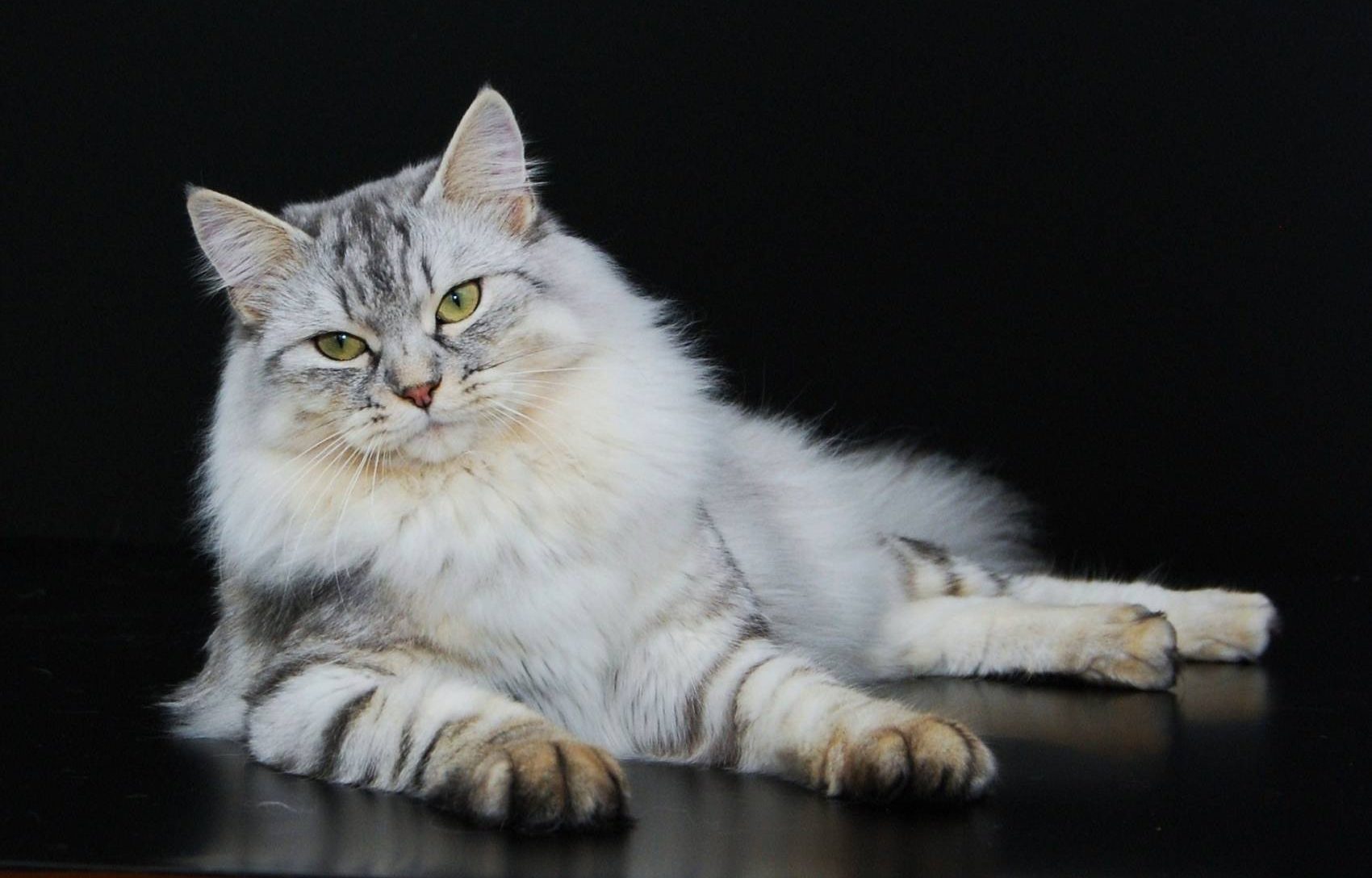
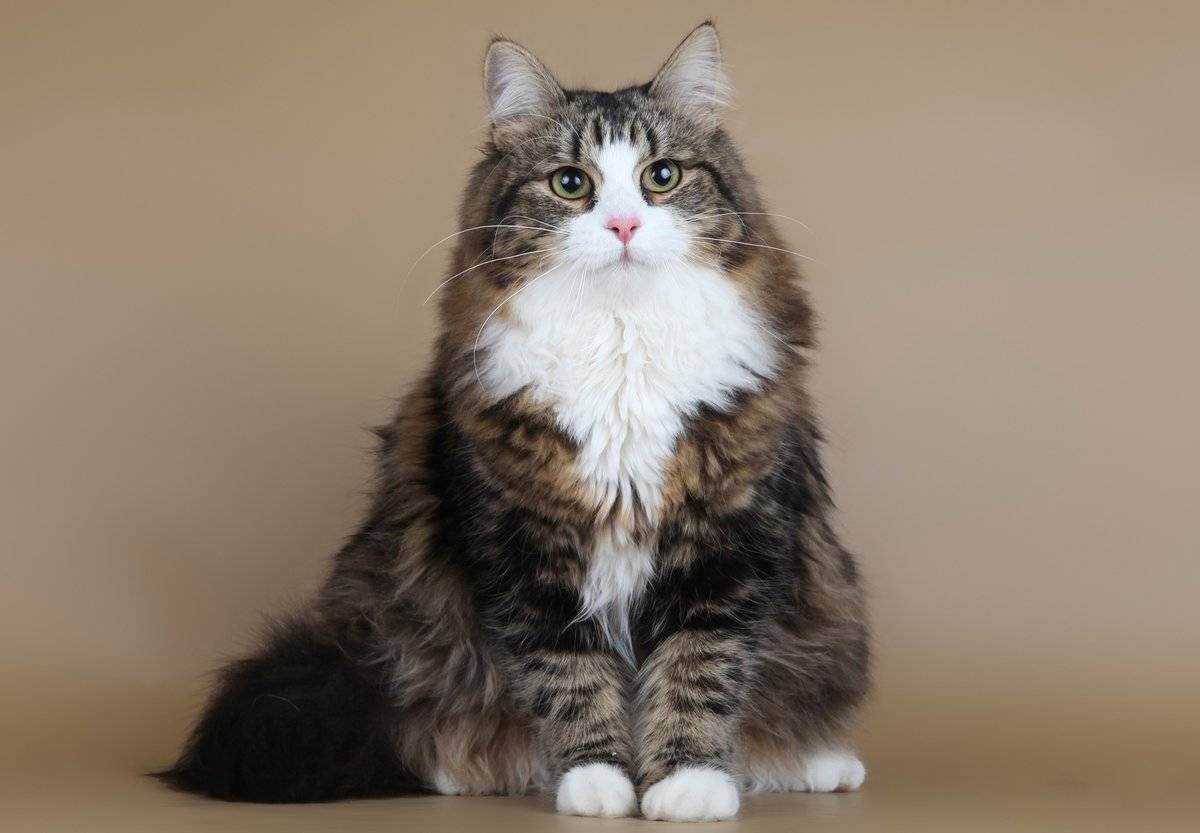
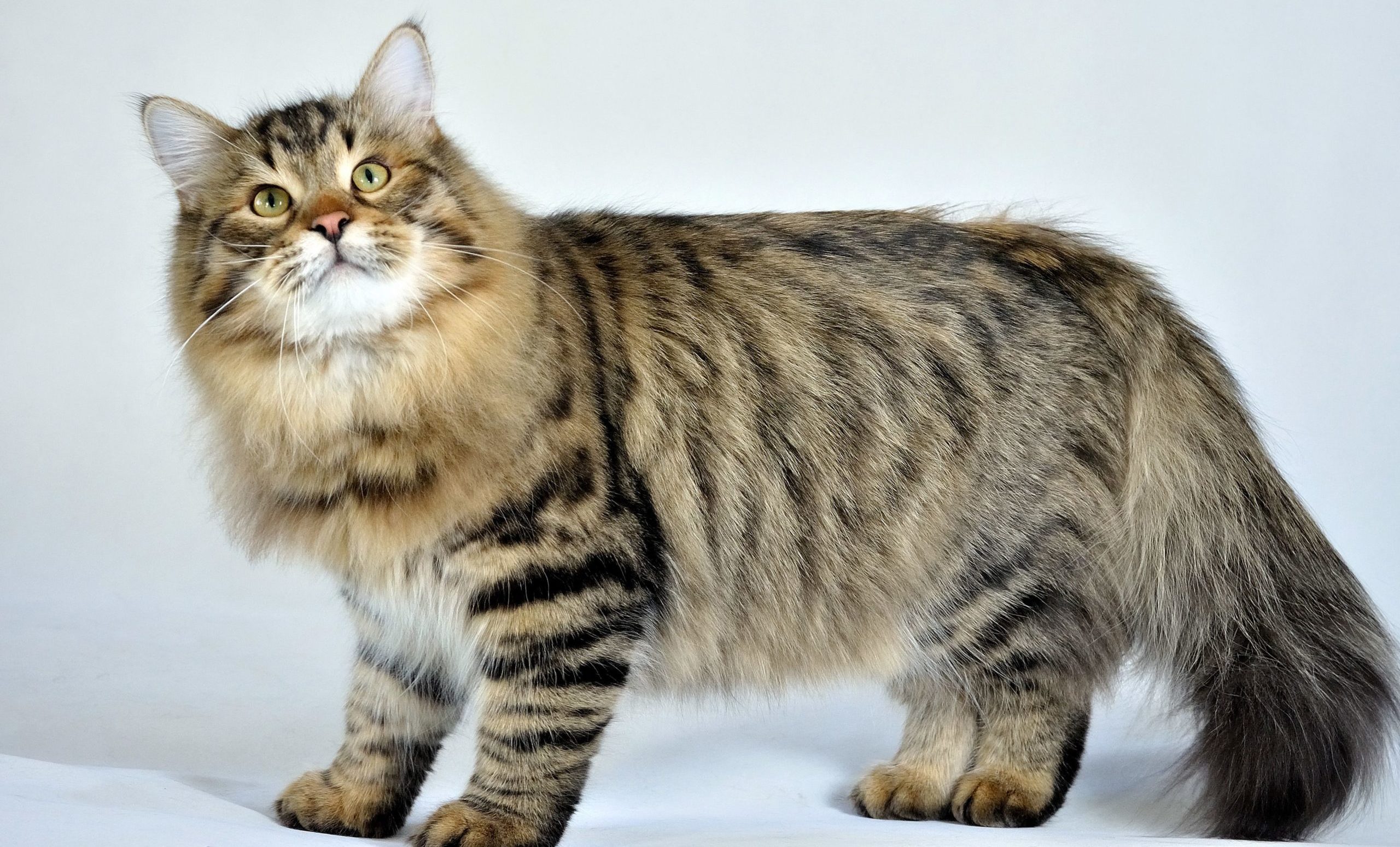
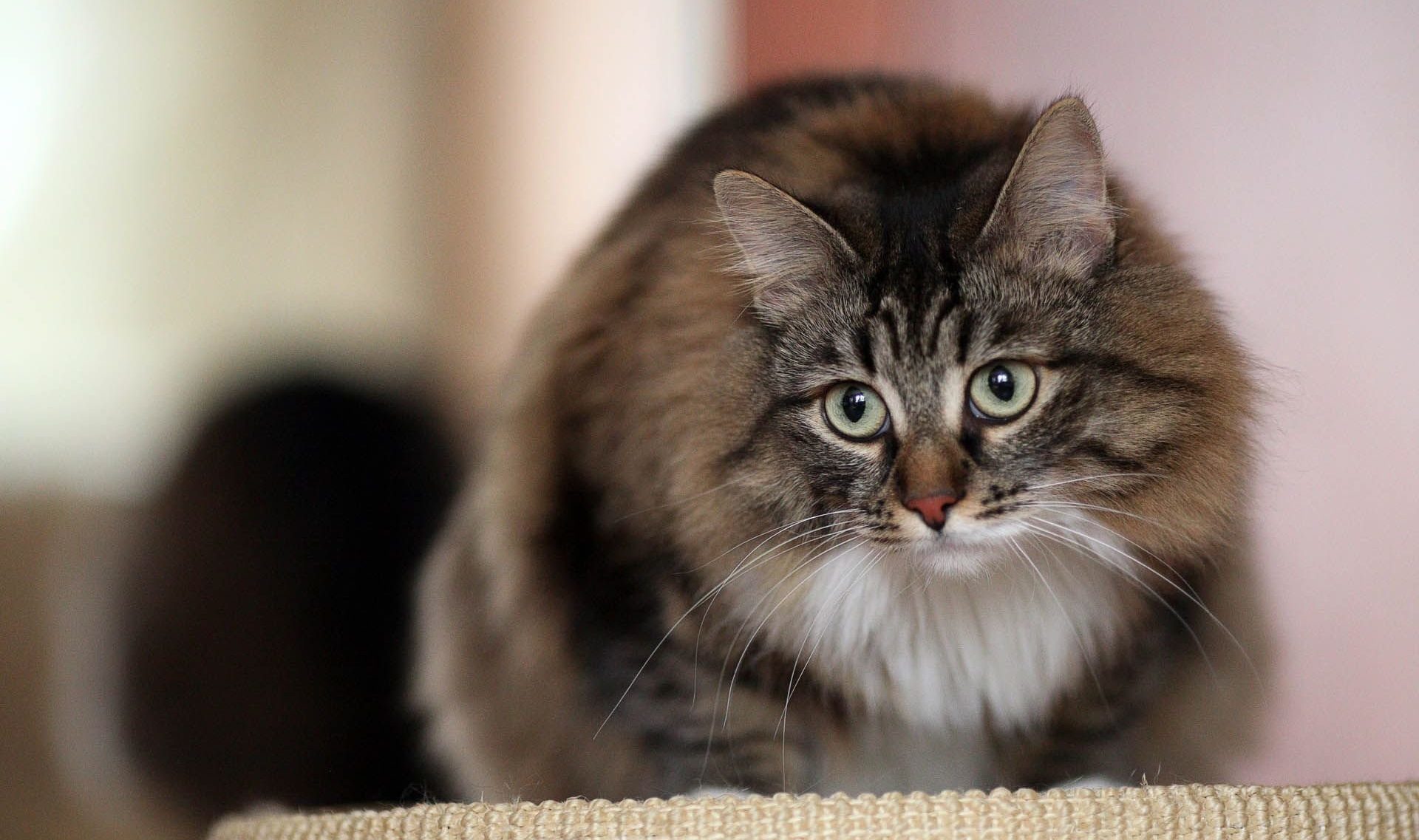
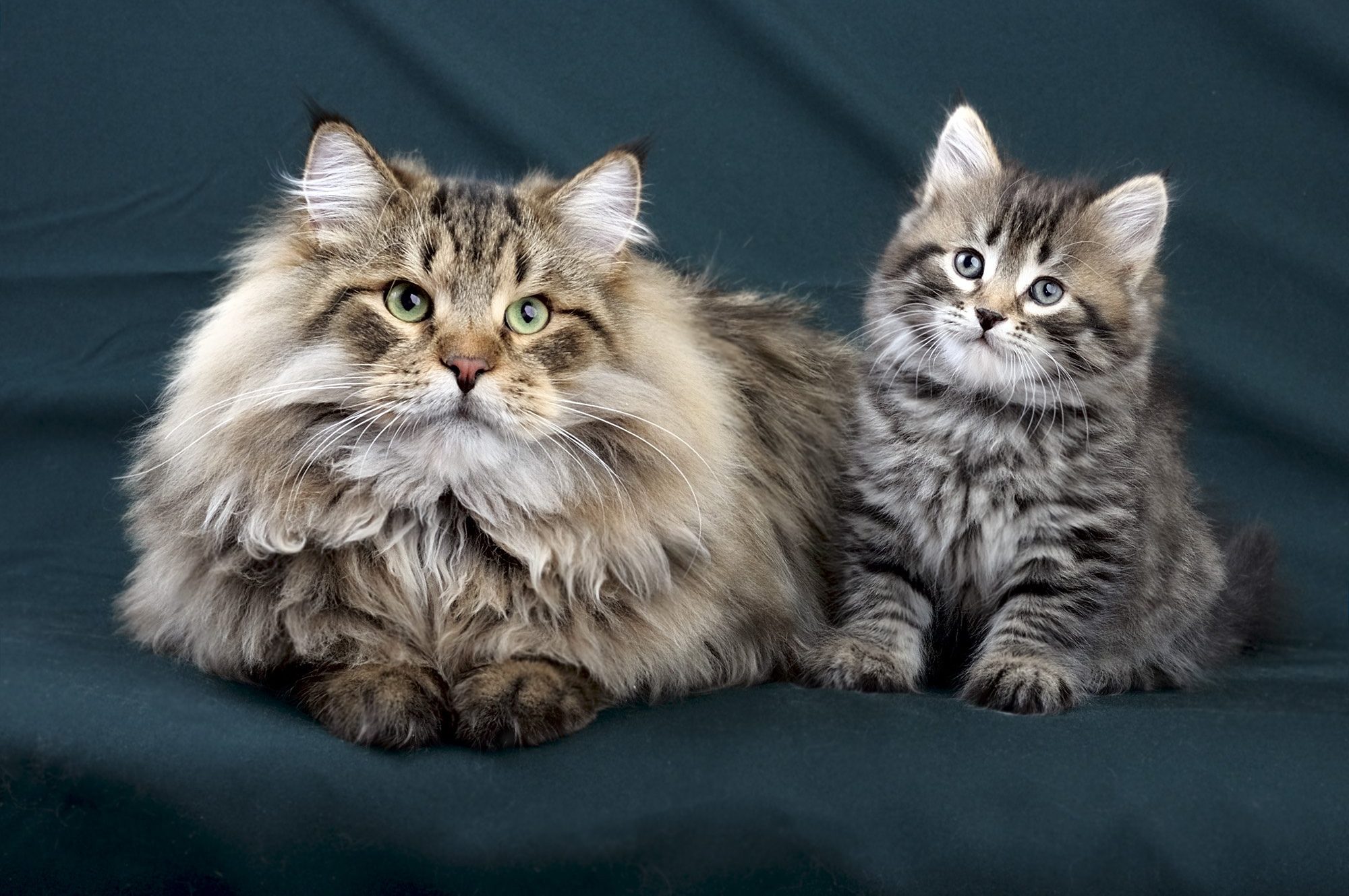
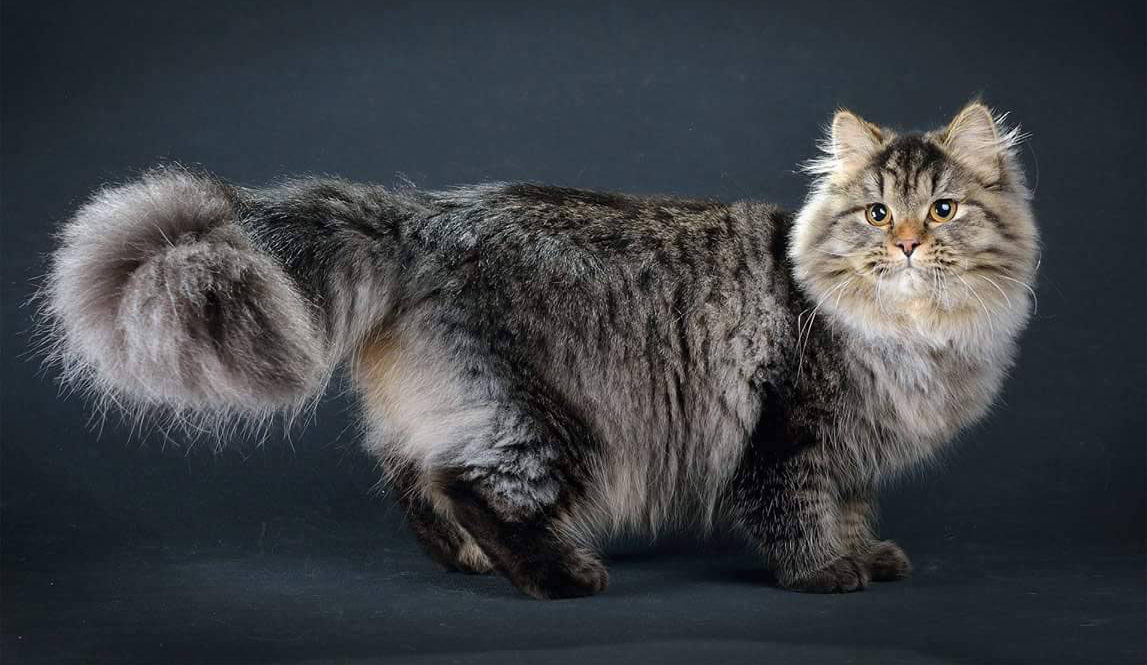
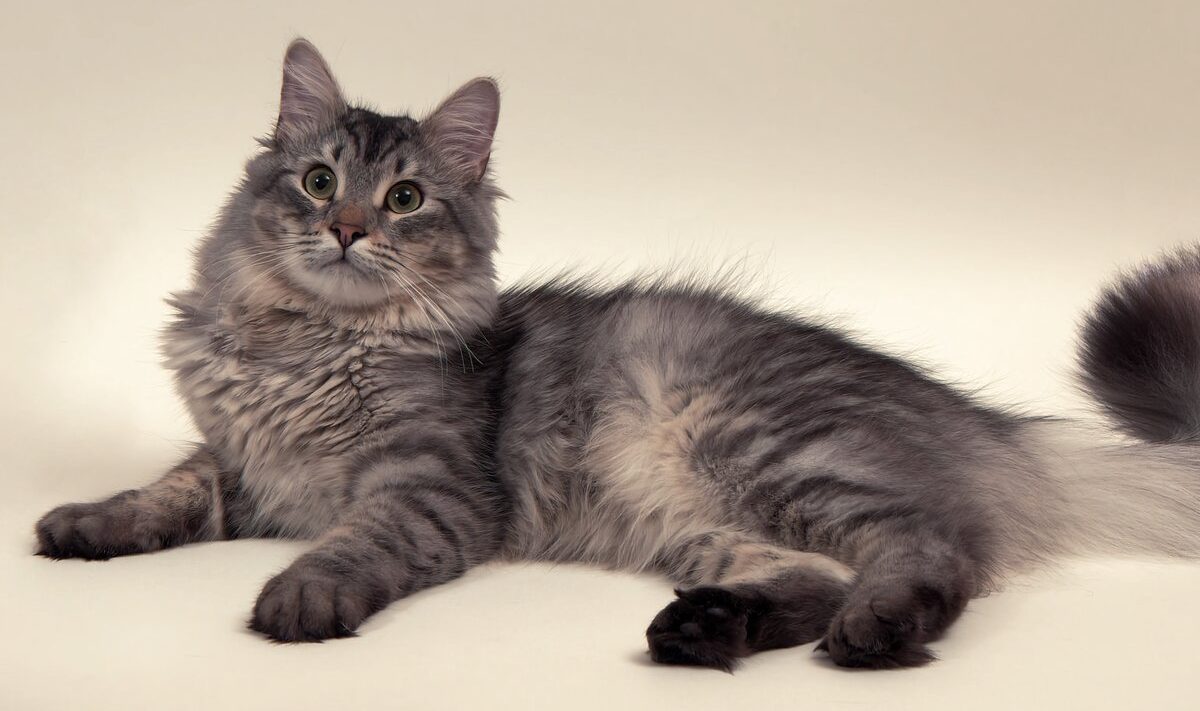
The large size of Siberian cats is considered one of the key features of the breed. Their sturdy build, covered in medium-length fur, a long fluffy tail, and a sort of ruff made of thick fur complete the picture. Unlike dainty female cats, Siberian males can weigh up to 12 kg and stand 38 cm tall at the shoulder. Meanwhile, the “Siberians” with their charming faces are slightly lighter: the maximum weight reaches 7 kg, and their height at the shoulder is up to 30 cm. When measured from the tip of the nose to the end of the tail, their length exceeds 100 cm.
It’s worth noting that our beauties take a considerable amount of time to reach these dimensions. Their growth and final skeletal formation only concludes by the age of 5. Additionally, their lifespan sometimes exceeds the 20-year mark.
At Zoonika, you will find the best selection of breeders in Russia where you can buy a Siberian cat. The rich palette of coat colors, low maintenance needs, natural agility, endurance, and independence have made these animals very popular among cat enthusiasts in many countries.
No photograph can convey the impressions that a Siberian cat brings when you are near it. Its special gaze seems to transport you to the magical worlds of the Russian north.


Отличительные черты

Голова

Морда

Уши

Глаза

Зубы

Корпус

Конечности

Хвост

Шерсть

Окрас
Character
When a Siberian cat enters your home, your attitude towards it should be based on respect. It’s impossible to view it as anything other than a family member. It will take a full five years for it to mature and transform from a curious kitten into an adult, wise, almost fairy-tale cat. But until that happens, you must be prepared for its playfulness, jumping onto shelves, and other mischievous antics. At the same time, it will enjoy sitting on your lap in the evenings to watch a series or the news together.
Quite clever, the Siberian kitten will show ingenuity as it adapts to new routines at home. For instance, it will quickly understand the purpose of the litter box. And when hungry, it won’t demand to have its bowl filled at the crack of dawn.
If you decide to choose a kitten from a breeder, be ready for it to beckon you to play, showing its joyful mood in every way. After playing, it will curl up in a ball to gather strength for new adventures. Cat forums often feature stories where owners describe funny moments from their pets’ lives and post pictures of Siberians during sleep or play.
As they grow up, “Russian Maine Coons” become calmer and more thoughtful. Without being too intrusive, they remain devoted pets. It has been noted that families with such a cat tend to have a more peaceful and measured life. And if disputes arise among family members, they tend to resolve much more quickly, as it has long been known that cats possess a special energy-in this case, Siberian.
The Siberian cat develops a special relationship with children. Initially, it’s a partnership, as both enjoy playing. But as they age, the desire for warm cuddles transitions to a cooler phase. This should be taken into account if the children are still young or were born after the cat arrived. There’s no need to worry about their safety, as the cat will likely prefer solitude and is unlikely to harm the child.
Warm relationships may develop with dogs and other cats. The Siberian cat is even ready to befriend a parrot. However, we cannot say that this is a pattern. The same cannot be said for hamsters, rats, or guinea pigs, as interactions with them are usually brief. The same fate may befall residents of an aquarium if that “communication” isn’t monitored.A curious fact: as a sign of special affection, a Siberian cat may bring you a trophy from its outing in the form of a caught bird or mouse.As for interactions with guests and unfamiliar people coming into the home, it’s fairly simple. The cat will watch them closely, choosing to keep its distance. A strong desire to get acquainted with the fluffy kitty could lead to a display of its sharp claws. But the Siberian itself won’t initiate an attack.Most often, outside, it becomes a terror to local stray cats, never backing down if it needs to assert that it is the leader, not anyone else. Fights frequently occur in the spring.Older Siberian cats do not become lazy. They tend to avoid unnecessary fuss, but when needed, they can easily outpace the young ones.
Питомники
Выбор питомника по городу, породе и отзывам
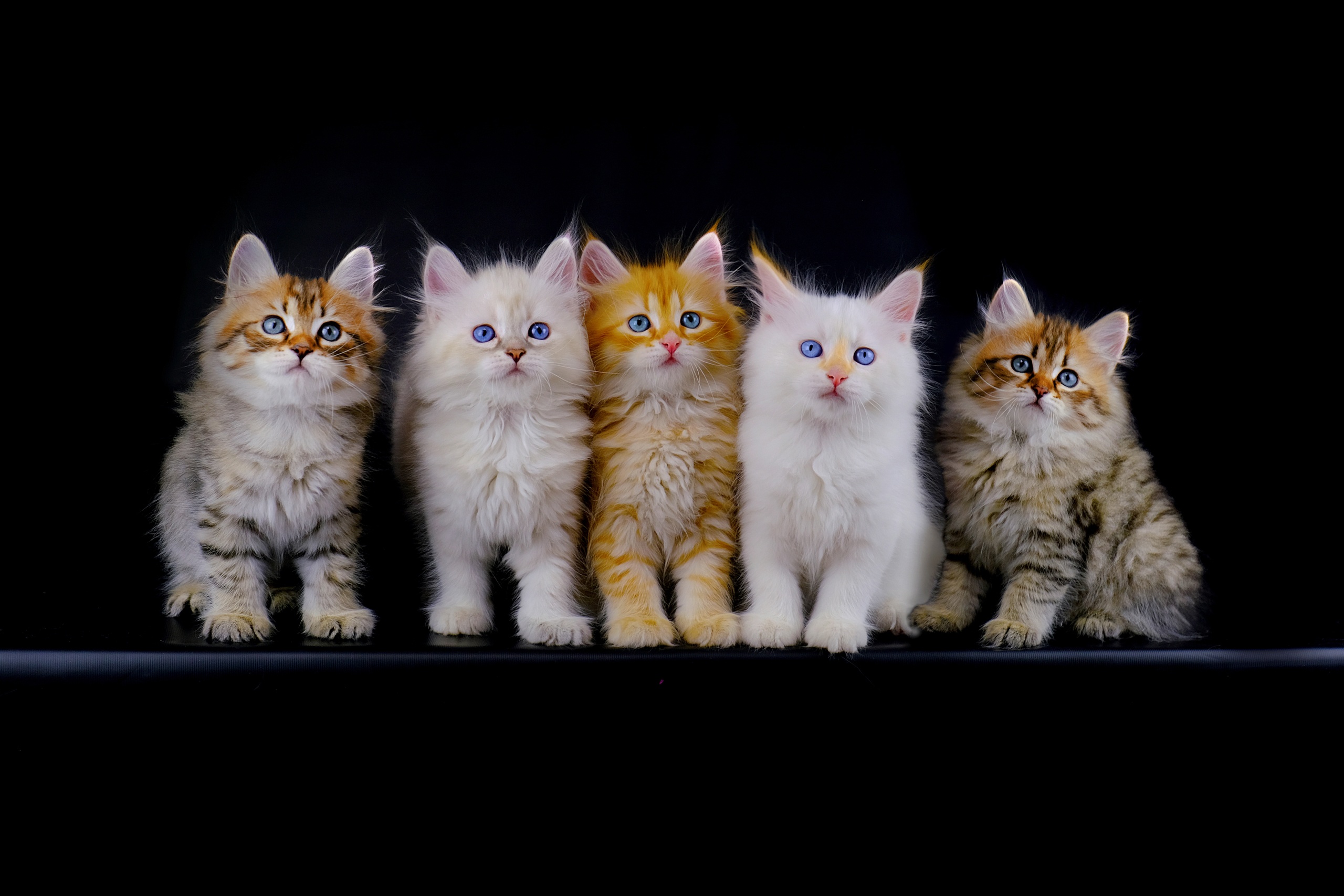
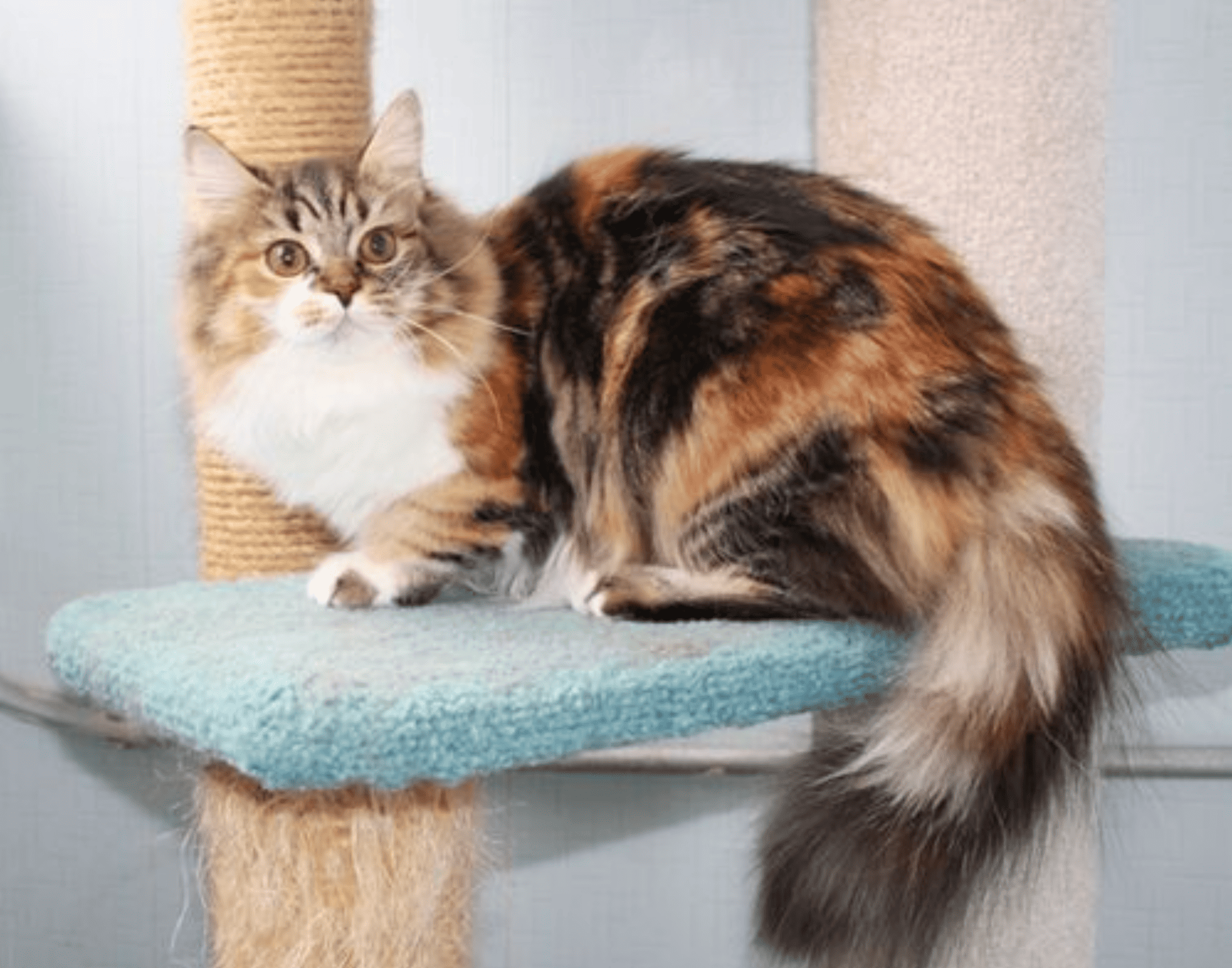
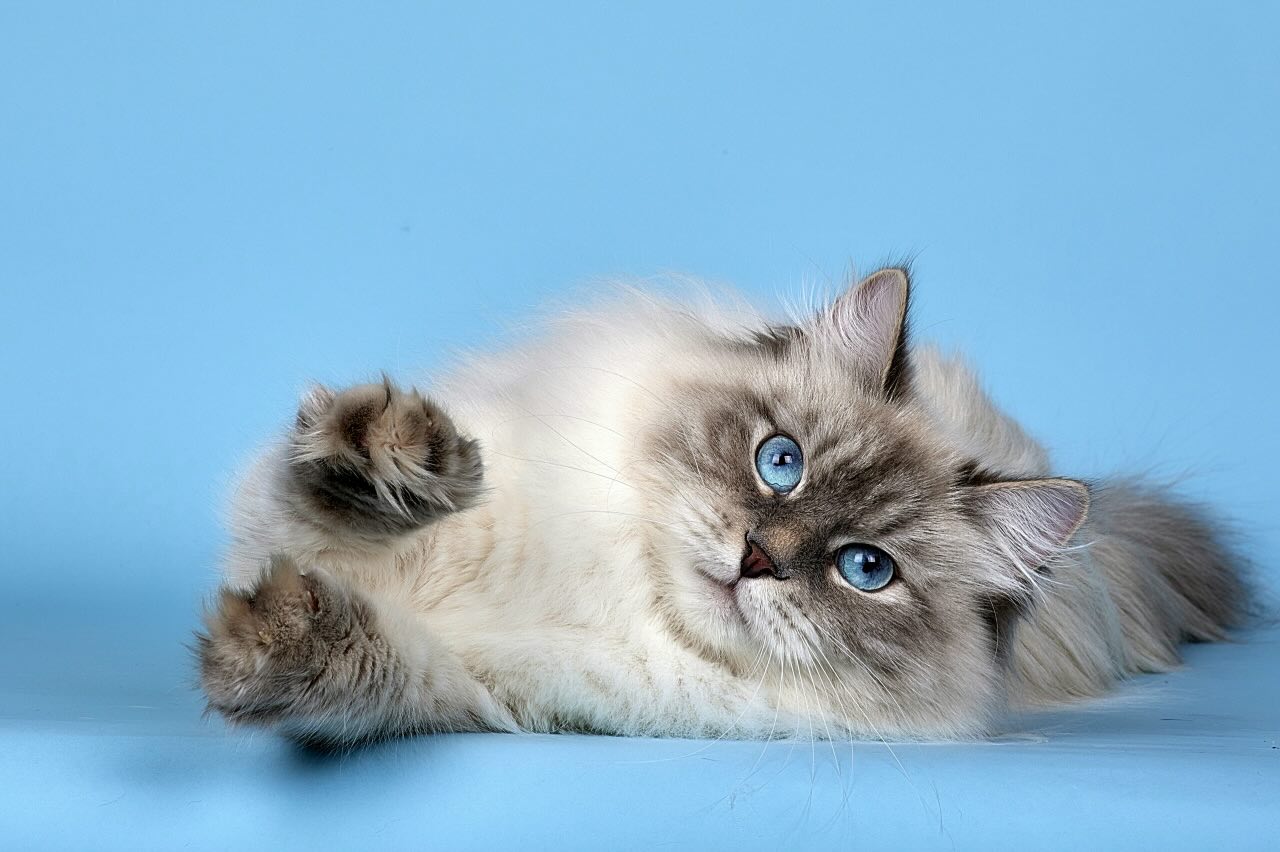
The main criteria of Siberians.
Cats of different breeds from various regions of Russia were selected based on characteristics: large, fluffy, of any color except white.Care and Maintenance
The Siberian cat feels perfectly at home in a private house. However, it won’t feel uncomfortable in the city, especially if it has the option to go outside.
Naturally clean, it quickly learns the norms of behavior from the first days in a new home. The first concern is the litter box. A properly chosen litter box and good filler without strong odors will help avoid any issues in this regard. When returning from a walk, they often come to the bathroom on their own, waiting for their owner to wash their paws after a leisurely outing. After this procedure, the paws are wiped with a towel, despite the cat’s eagerness to escape to its cozy spot in the house. Frequent baths are unnecessary, but it is essential to wash away significant dirt. The fur of Siberian cats is so lovely that there’s no need for special cat suits; they won’t freeze even in severe cold.
A reasonable question arises: how difficult is it to care for the fur of a Siberian cat? The answer might be surprising. The structure of their fur is such that matting is rare in this breed. Despite shedding twice a year, they should be brushed at least once a week. For this, the owner needs to buy a slicker brush and a fine-toothed comb. The undercoat is often used to knit therapeutic belts or baby socks. There’s no need to worry about allergies, as it has been noted that Siberian cat fur is hypoallergenic. By the way, during the active shedding period, they should be groomed more often (ideally daily); otherwise, hair on furniture may become an issue.
Even the fact that their claws wear down during walks won’t spare them from this dreaded procedure. No special skill is required; you can manage it yourself, but it’s best to start at an early age. Nail clippers are much more effective than files, but you should never trim more than a third of the nail.
However, some owners still prefer to take their fluffy companions to pet salons, where professionals will provide all the grooming services. This saves furniture from scratches. A scratching post addresses the issue only partially, but its presence is still justified.
Returning to walks, for the safety of the pet, a special cat collar with a geo-tracker is often used. With a smartphone app, you can track the animal’s location online. How often are these cats taken out? If you live in the countryside, you can let them out daily (or nightly). But in the city, the risk of getting hit by a car is quite high, so walks are better done with a fluffy friend. A leash and harness are very reasonable.A great appetite is another virtue of the Russian Siberian cat. Recently, breeders and veterinarians have increasingly recommended dry food. Its undeniable advantage over natural food is that manufacturers have already included the necessary vitamins according to the cat’s age, weight, and other individual characteristics. Additionally, the dry kibble helps remove tartar during chewing.Always monitor the condition of their ears, especially in cats that frequently go outside. For instance, if caught in the rain, water can enter the ear, causing inflammation. If the cat tries to scratch inside its ear and shakes its head as if something is bothering it, it’s better not to waste time and visit a veterinary clinic. Ear cleaning is done w
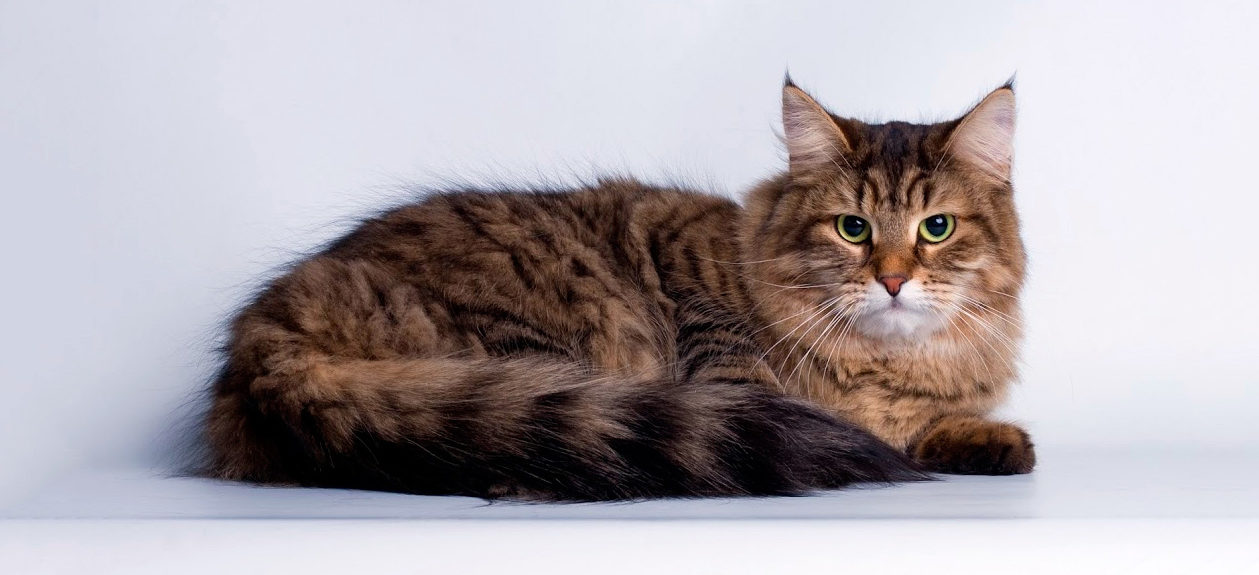
No noise.
Siberians love silence and prefer to communicate only with grown-up children who won't tug on the tail or squeeze the animal too hard.Training and Education
Very intelligent Siberian cats can quickly learn the basic rules of behavior at home. Of course, if the owner does not demonstrate persistence and consistency, their pet might become an ill-mannered creature.
From the first days in the new home, the kitten is taught to respond to its name. It’s addressed only affectionately and rewarded every time it responds correctly to its nickname. The cat litter box is another important, if not the most critical, aspect of care. Usually, kittens come to the family already accustomed to using a litter box. However, whenever the little one shows signs of anxiety or seems to be searching for something by “digging” at the floor, it should be placed in the litter box. It will soon understand that this is the designated spot.
Nails should be trimmed, but it’s essential to teach your cat to use a scratching post. Typically, it is placed near the areas where the mischievous one scratches the furniture. And the owner should “help” the cat every time it uses the device correctly.
Maintaining a feeding schedule will prevent your furry predator from snatching leftover food off the table. Unfortunately, this behavior is not uncommon among Siberian hunters. However, it’s important to note that it’s better to fill the food bowl in the evening rather than in the morning; otherwise, a hungry pet may show signs of restlessness a bit earlier than usual, disturbing your sleep.
Until about 3 to 5 years old, your cat is psychologically in its kitten stage. This should not be forgotten and can be utilized to your advantage. For instance, during playtime, you can teach it to bring its favorite toy. Gradually, it will understand that to play with its owner, it should place the toy at their feet. Many owners of Siberians note dog-like traits in their pets’ behavior. This characteristic makes outdoor walks easier when the cat is harnessed and leashed. Starting with short walks, you can gradually increase the duration and distance. Thus, it’s quite feasible to take a Siberian cat on trips or picnics without the fear of it running away.
However, specialists say that cat training is challenging. An owner can only use specific tendencies in their character to achieve certain goals.
Hunting instincts
Please provide the text you'd like me to translate.How to Choose a Kitten
Typically, a reputable breeder provides the following documents with the animal: a veterinary passport, which includes vaccination and deworming dates; a pedigree certificate confirming the animal’s lineage; and a sales agreement. Sometimes, you may receive a small supply of recommended food or cat litter as a gift. However, if the seller is practically “giving away” the kitten, it might indicate that something is wrong with the cat. To be cautious, genetic disease test results, mentioned in the “Health and Diseases” section, can be helpful.
Nowadays, it’s quite possible to buy a kitten from a cattery with delivery to another city. You shouldn’t worry about its safety during the “journey.” However, payment details should be agreed upon in advance. To ensure the kitten’s appearance is as expected, you can request photos and videos that show the conditions in which the animals were kept.
The optimal age for purchase is between 3 to 3.5 months. By this age, the kitten will be sufficiently developed and will experience less stress when separating from its parents and siblings. Additionally, it will already be litter-trained, so you won’t have to start from scratch.
Furthermore, by this age, its appearance will be developed enough to evaluate its overall look. The kitten should be well-nourished but not overweight, its fur will be slightly softer than that of adult cats, and the kitten itself should be active and curious.
Health and Diseases
Siberian cats possess truly robust health, allowing them to reach the age of 20. Regular vaccinations and adherence to veterinarians’ recommendations significantly aid in achieving this. Owners can help their pets by routinely screening for common diseases such as chlamydiosis, feline leukemia, mycoplasmosis, and infectious feline peritonitis. Such screenings should be conducted at least twice a year.
At the same time, it’s important to consider that there are certain genetic disorders to which Siberian cats are prone, including cardiomyopathy and polycystic kidney disease. Unfortunately, these heart issues are hereditary and are not treatable.
Some intestinal blockage issues can be resolved with a special gel that helps clear out any ingested fur.
Periodontitis most commonly occurs in animals that frequently go outdoors and incorporate caught mice, rats, or birds into their diet. Owners of such cats need to be more vigilant about monitoring their pets’ dental health.
Excess weight is more commonly seen in neutered males that are fed regular cat food. For this reason, it is better for the owner to buy specialized food for neutered or spayed cats.
Содержание
-
1. Описание породы
-
2. Внешний вид
- 2.1 Голова
- 2.2 Морда
- 2.3 Уши
- 2.4 Глаза
- 2.5 Зубы
- 2.6 Корпус
- 2.7 Конечности
- 2.8 Хвост
- 2.9 Шерсть
- 2.10 Окрас
-
3. Характер
-
4. Содержание и уход
-
5. Дрессировка и обучение
-
6. Как выбрать котенка
-
7. Здоровье и болезни






Comments
Only registered users can leave reviews.
Enter