
Scottish Fold cat




Breed Description
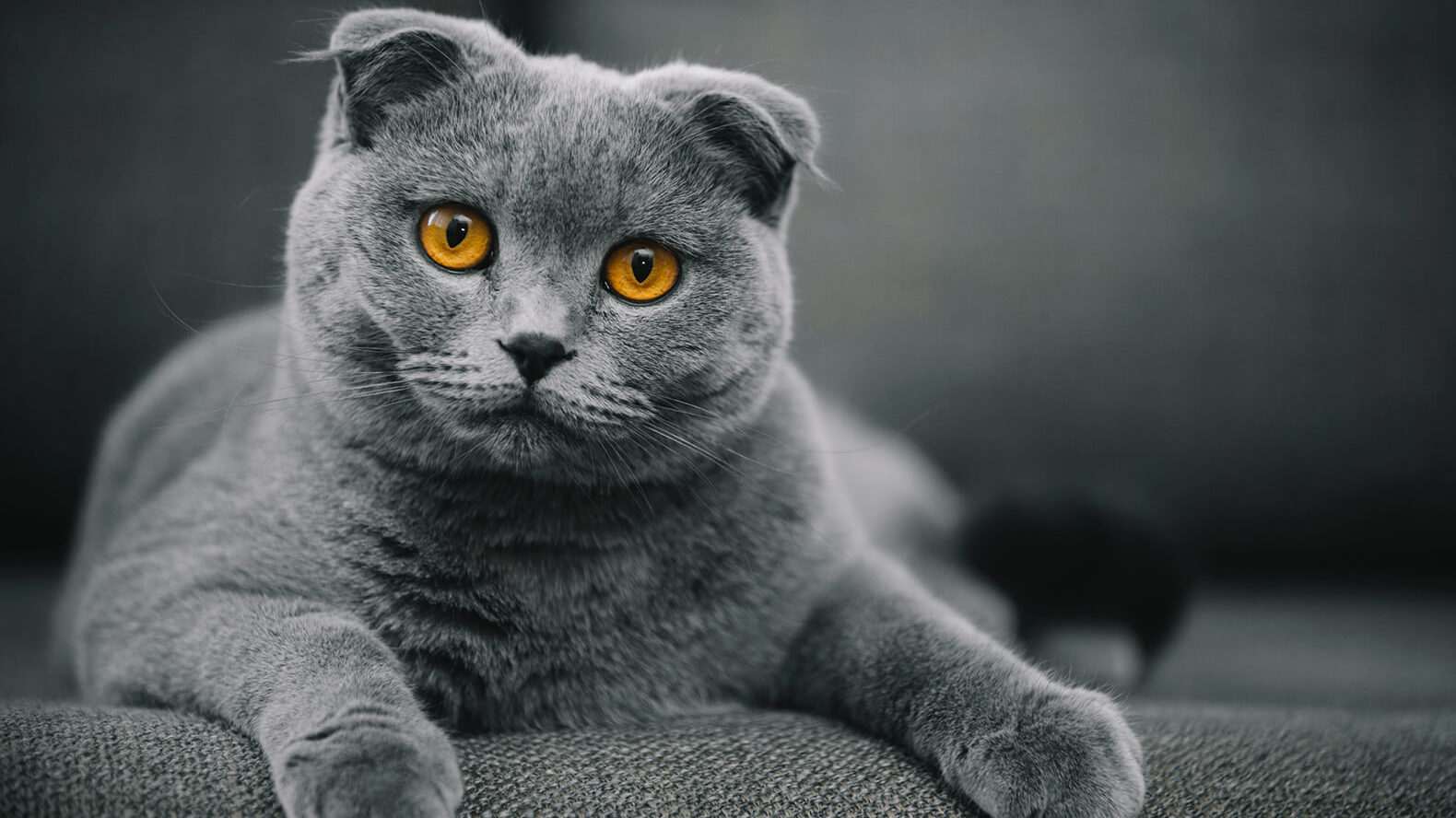
Recently, feline experts in Europe introduced an unusual cat with unique ears to the world. While some specialists claim that similar animals existed in China long before this, no one is rushing to assert or prove this theory.
So, this creation was presented in the mid-20th century. In 1961, the first Scottish Fold was greeted with applause. Its parentage is unknown; the mother was local, but the father’s identity remains a mystery. Over time, among the offspring, unusual kittens with floppy ears regularly appeared. This continued until the British Shorthair cat came into the picture. As a result of their union, the first cats with folded ears were born. A neighboring farmer consulted geneticists and began breeding the breed. His name was William Ross. The barn cat mother, named Susie (though various sources suggest different names), tragically lost her life under a car.
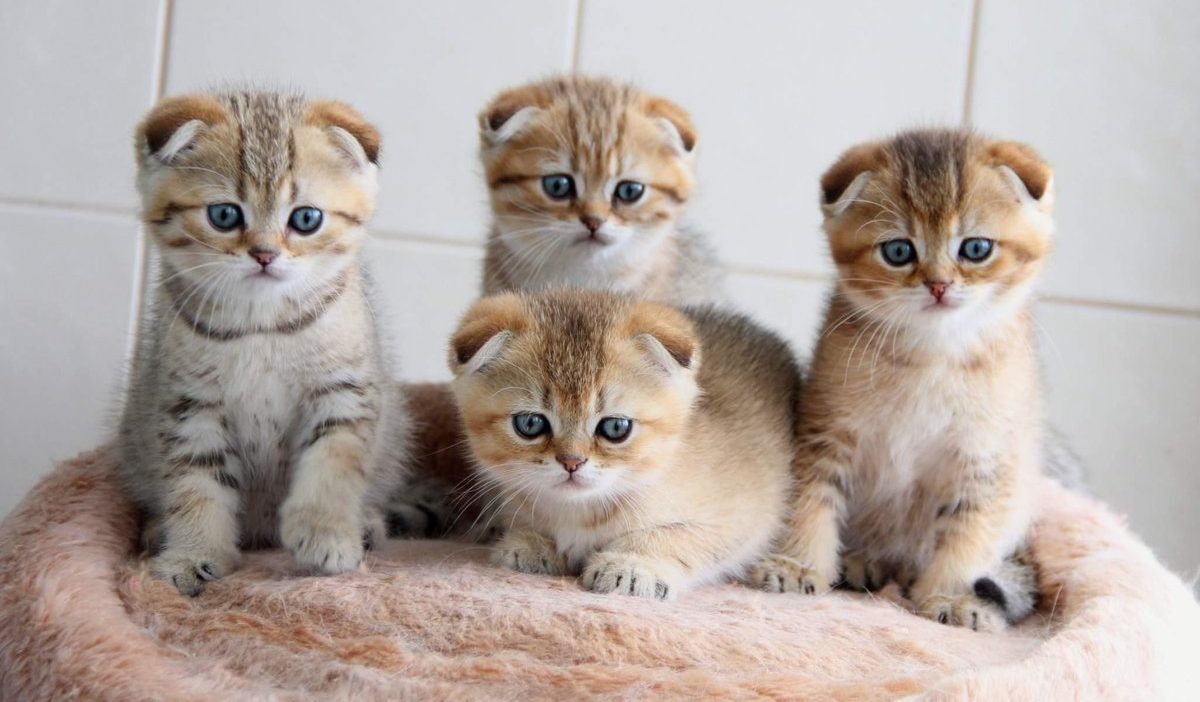
Scientists later determined that the unusual ear shape is a genetic mutation. It turned out that Scottish Folds are born with straight ears, and the characteristic fold develops around the 21st day after birth. The ear fold originates from the upper part, influenced by a partial autosomal dominant gene, significantly affecting the formation of cartilage and the skeleton as a whole. Scottish Folds with two copies of this gene often suffer from poor health, skeletal issues, and are prone to conditions like osteochondrodysplasia, causing arthritis in very young kittens. They are not bred for obvious reasons.
Heterozygous animals (with only one copy of the gene) tend to have better health than homozygous ones. Although the tendency toward arthritis remains, it is usually diagnosed at a much older age.
Due to these characteristics, feline experts debate the ethics of breeding the breed, as there is still no consensus on whether the animals suffer from pain. Typically, crossing cats with floppy ears with those that have straight ears is practiced. This ensures that the offspring inherit only one mutated gene and protects them from disability.
There is a recommendation suggesting that it is better not to mix Scottish Folds (heterozygous) with Scottish Folds that have straight ears but to instead use the British Shorthair breed. This is because Scottish Folds often have straight ears but are carriers of the infamous gene without its overt expression.A significant number of veterinarians openly oppose breeding Scottish Folds. Although the Governing Council of the Cat Fancy (GCCF) in the UK registered the breed, the registration was revoked in 1971. However, the USA and some other countries continue to work on improving its characteristics. Today, Scottish Fold cats are recognized by the American Cat Fanciers Association (ACFA), the Cat Fanciers Association (CFA), and the International Cat Association (TICA). Despite all the restrictions, the breed remains very popular, including in Russia, valued mainly for their affectionate nature, unusual appearance, and loyalty. Prices range from 5,000 to 90,000 rubles and more for show-class kittens.
Appearance
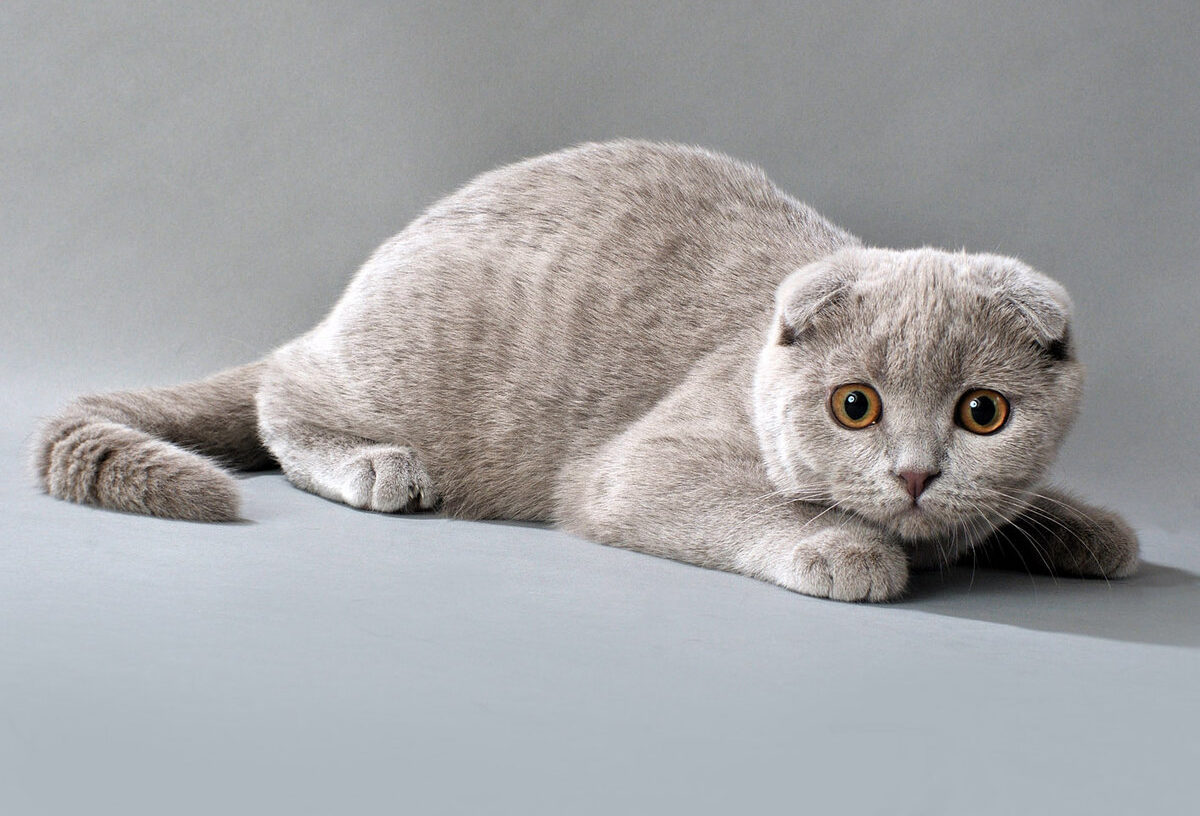
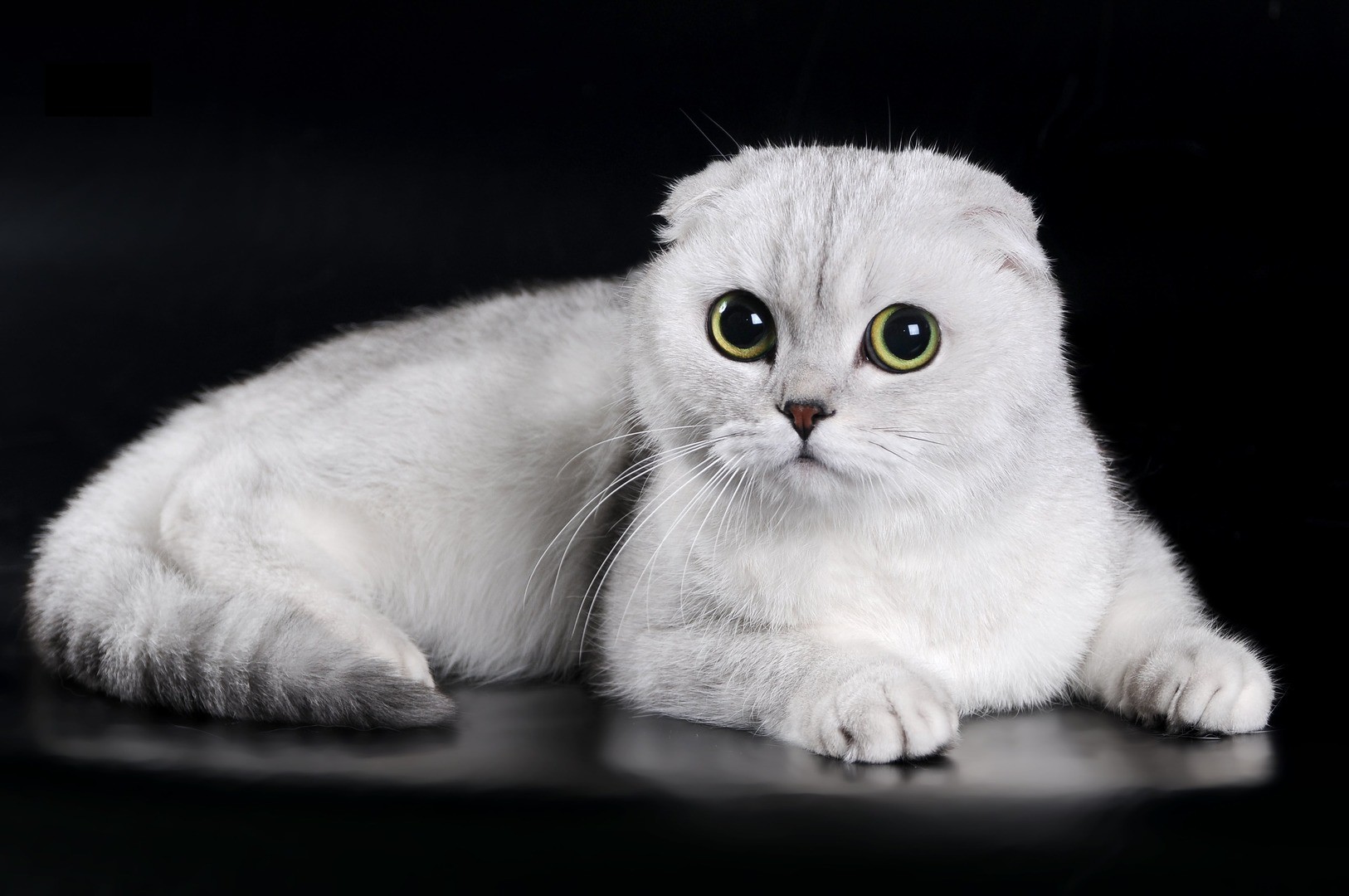
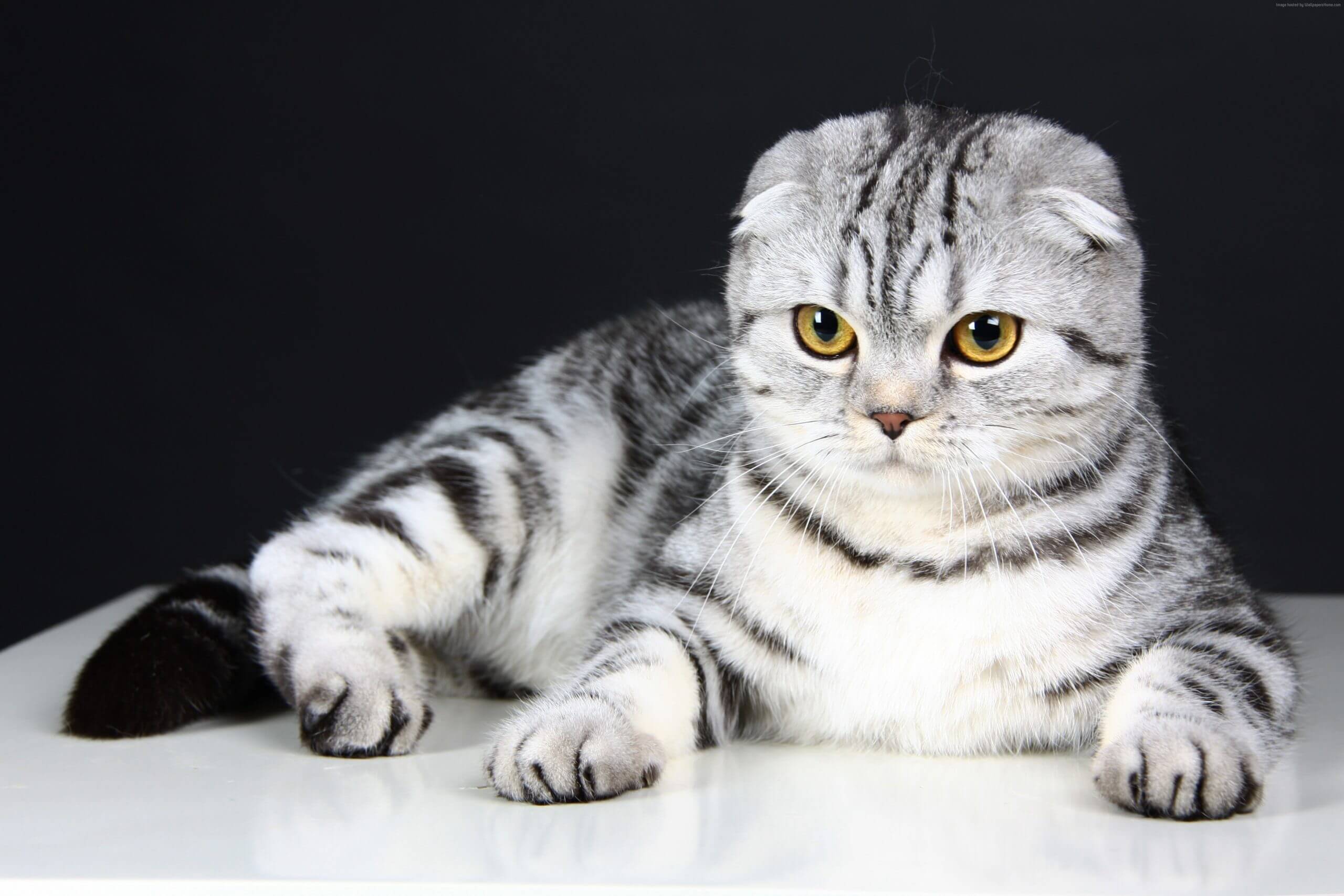
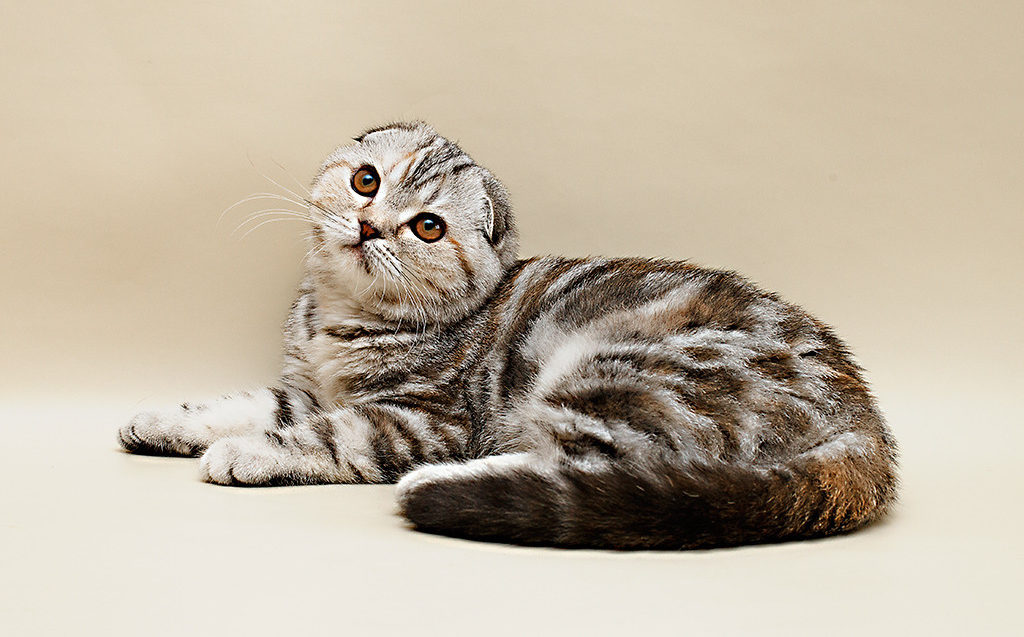
Smooth silhouette outlines, medium size, distinctive ear shape, and a habit of taking on the appearance of a groundhog while relaxing its spine are characteristic features of the Scottish Fold’s exterior. In addition to the ears, their dense fur draws special attention. Despite some genetic disorders, the average lifespan of these lop-eared Scots is approximately 12 to 15 years.
A healthy adult cat weighs between 4 to 6 kilograms. When measuring from the tip of the nose to the end of the tail, the total length can reach up to 1 meter. Notably, sexual dimorphism is quite pronounced: males are significantly larger than females. Such size and weight make the animal suitable for travel. Although the breed is not considered hypoallergenic, it is recommended for families with children.
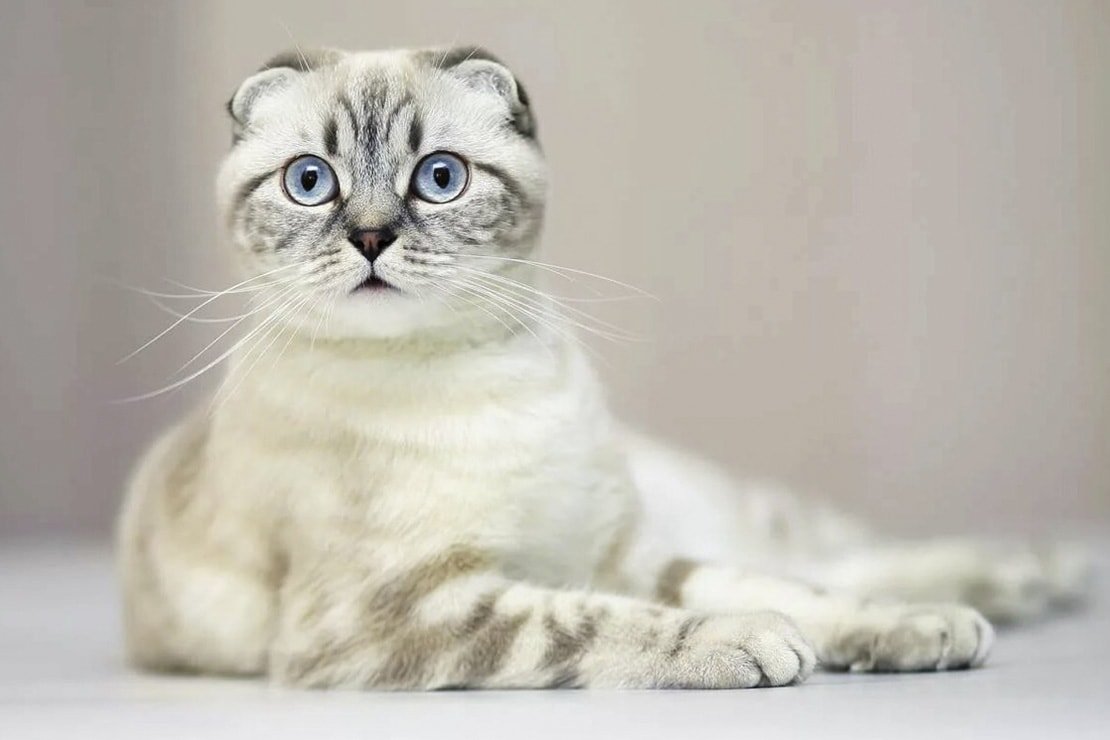
The resemblance to an owl is given not only by the forward-curving ears but also by the large, round, deep-set eyes. Overall, the animal appears much more powerful than it actually is due to the characteristics of its fur. Genetics play a significant role, so one can encounter cats with both more robust physiques and slender representatives of the breed.
Generally, overweight is not a concern for Scottish Folds, but if the animal has been sterilized, it should eat special food for sterilized cats; otherwise, weight gain is inevitable.


Отличительные черты

Голова

Морда

Уши

Глаза

Зубы

Корпус

Конечности

Хвост

Шерсть

Окрас
Character
Since ancient times, cats have been by humans’ sides. Unlike dogs, they have helped in the fight against rodents and sometimes took on the burden of dealing with parasites (like fleas and ticks). Along with all their qualities, their character is notably different from the loyalty seen in dogs.
Independence is one of the most evident traits in these meowing companions. Scottish Folds are no exception. They quickly adapt to the routine of a new home but do not handle changes very well. This is particularly noticeable when furniture is rearranged. A cat accustomed to a certain layout tends to become noticeably anxious for a time, which is evident from its twitching tail and search for a familiar hiding place.
Scottish Fold cats become quite attached to their owners. Although kittens adapt to changes more easily, they too experience stress.
Every individual has their own character. Certain traits may dominate, which we will now explore.
Aggressiveness is not characteristic of the overwhelming majority of the breed. However, let’s be honest, there are some spiteful, vengeful cats. The good news is that such animals are extremely rare, so there’s no need to worry about this. Mostly, Folds are very sweet, gentle, and even refined.
Curiosity is a special gift that our beauties possess in abundance. Some sluggishness, sometimes even laziness, suggests they may be spoiled.Different sources describe varying interactions between Scottish Folds and dogs. Some cite clear animosity, but many cases exist where both live together under one roof, especially if the cat was there first. Co-habitation with rodents and birds should also be considered on an individual basis. However, it is often the case that the predator will dominate its neighbor.The cleanliness of our pets is beyond question. Even the slightest dirt will prevent them from engaging in other activities until it’s cleaned up. It’s noted that if they can’t clean their fur, they become irritable.Scottish Fold cats are mostly calm. They can and do enjoy playing but prefer to sit on their person’s lap. They love being petted and spoken to in a soothing voice, seemingly understanding human speech.Another trait is that they only absorb information that can benefit them, while other information may go unnoticed. This aspect is important to consider when raising and training a kitten.
Питомники
Выбор питомника по городу, породе и отзывам

Luck show city
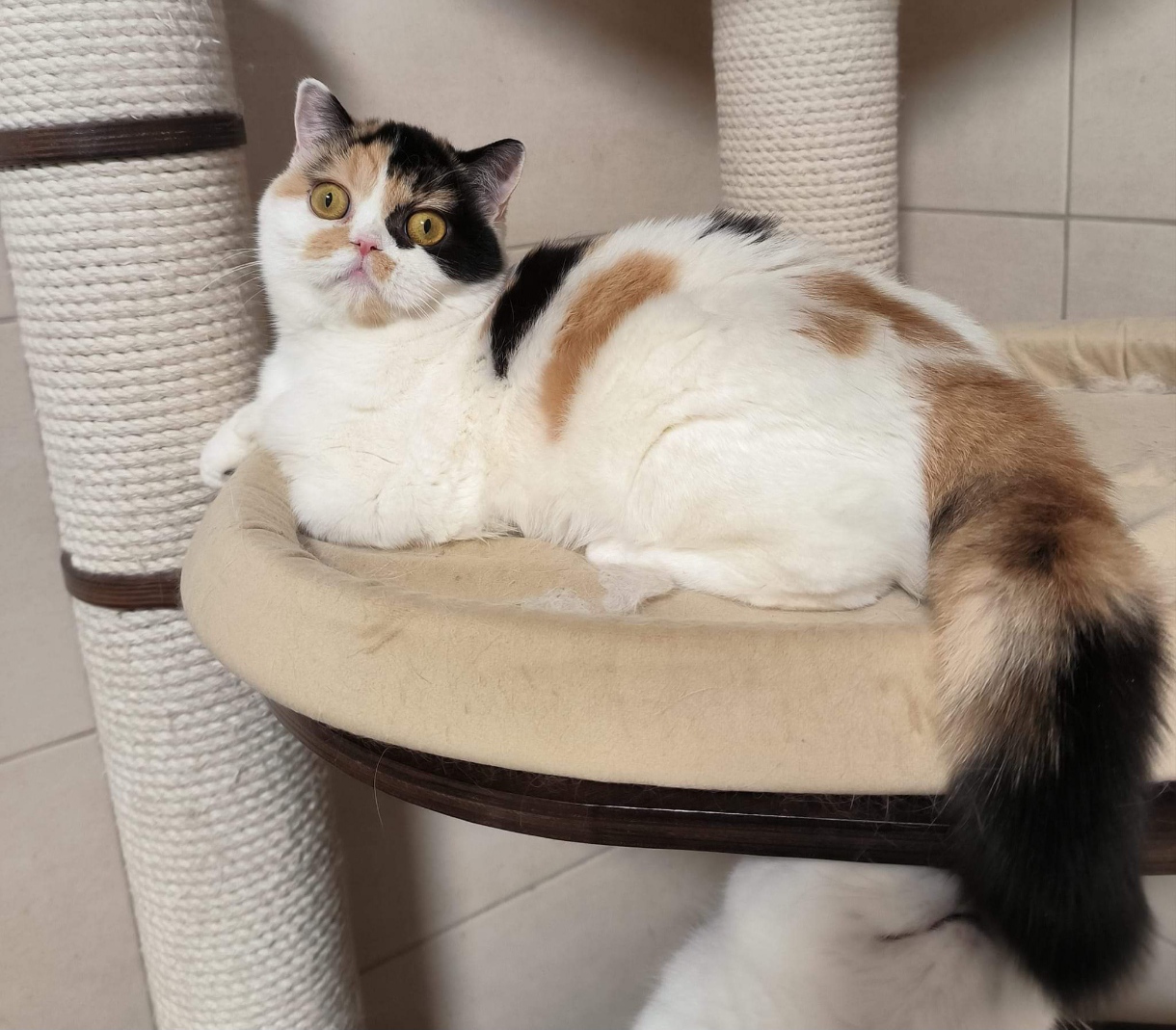
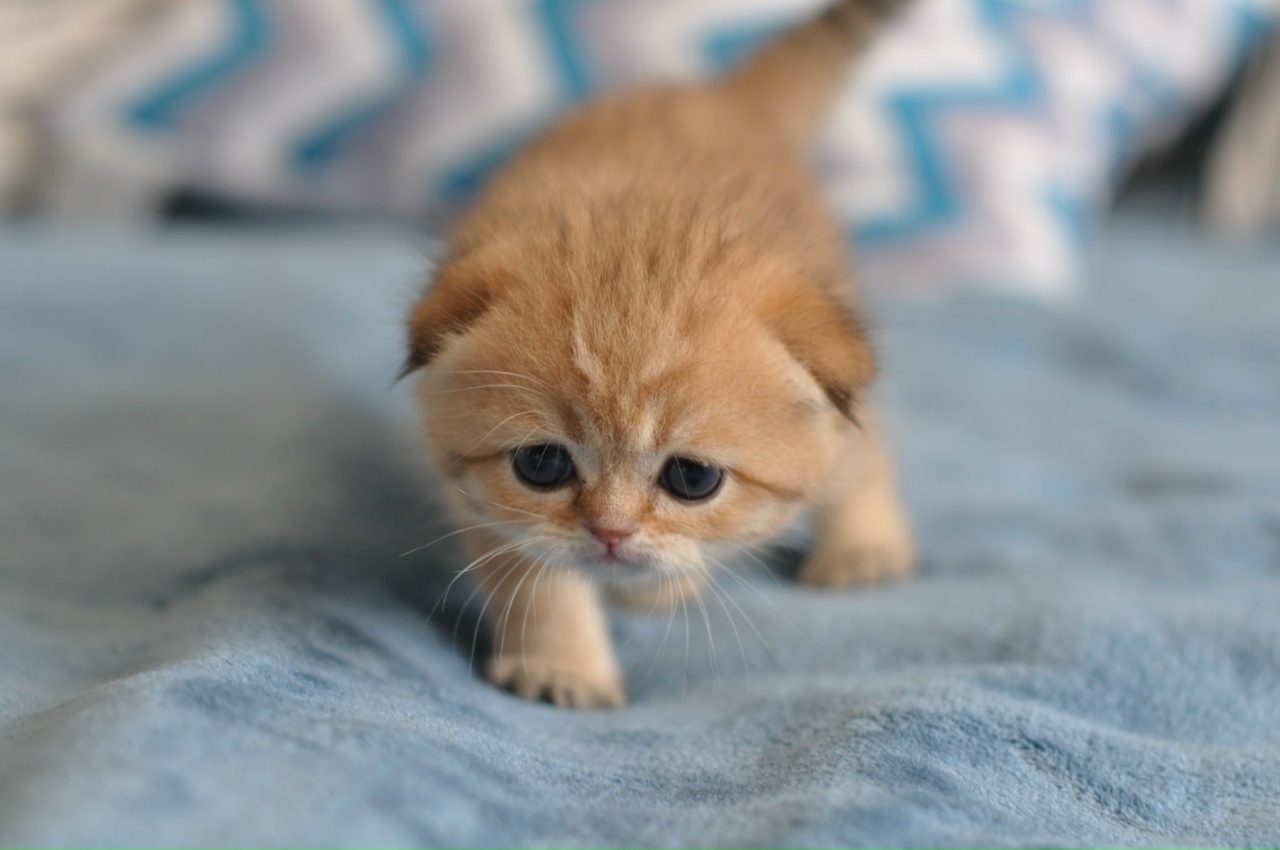
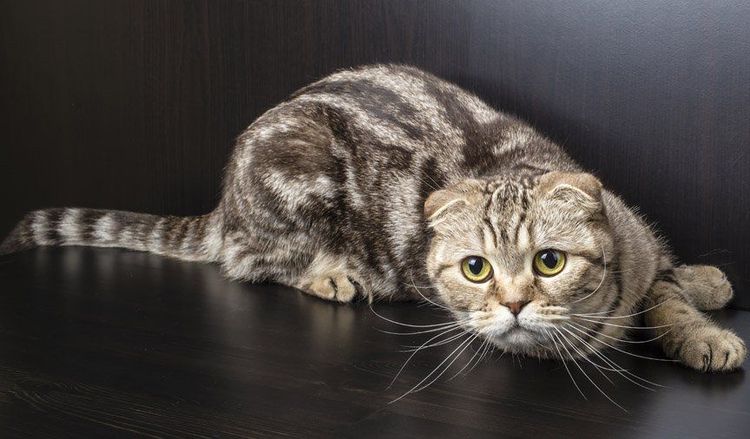
Droopy ears
Bat ears are a spontaneous genetic mutation. The issue lies in a weak point-the cartilage of the ear. The cartilage is so delicate and soft that it can't support its own weight and bends.Care and Maintenance
It’s important to note that keeping a cat in an urban apartment is not as simple as it seems at first glance. Moreover, a kitten requires much more attention than an adult animal. It is more delicate and noticeably responds more strongly to any changes in its environment. Therefore, before acquiring a Scottish Fold, one needs to prepare well and buy accessories for the cat in advance. These will simplify care and make life easier for your home mouse catcher.
Overall, caring for a Scottish Fold cat is not much different from the care guidelines for other breeds. However, there are several specific features worth mentioning:
Vaccinations: when purchasing, the breeder will inform you about which vaccinations have already been done and which haven’t. Timely vaccination helps to avoid or minimize the consequences of serious illnesses. A veterinarian at the clinic where your cat will be observed can advise you on the vaccination schedule.
Vaccinations should be done even if you do not plan to participate in shows or breeding.
The breed is so distinctive and popular that many owners walk their Scottish Folds like dogs. For this, a special harness for cats is needed. If the animal stays at home constantly, its instincts gradually diminish. Folded-ear cats can become so “humanized” that they may even sit in a chair like a person. It is better not to resort to letting them roam alone, as stray animals might cause harm or the cat could simply be stolen. Microchipping can facilitate recovery in such cases, but the nerves spent cannot be restored.
It should be noted that each owner makes the final decision about walking their cat individually, based on their furry friend’s tendencies. Some cats (and this is the majority) are perfectly content with walks on the balcony if safety is ensured and do not have a strong desire to stroll under the enthusiastic exclamations of passersby. If the balcony is not glazed, ventilation should be conducted regularly.When a cat lives in a private house, it is freer in its movements. Typically, such animals have a tougher character and are quite ready to defend themselves in street fights over territory. Do not neglect treatment against ticks and fleas. You can use a special spray or drops applied to the withers, so the cat cannot lick them off. If it is not microchipped, it is advisable to put a collar with a tag containing the owner’s contact information around its neck. Today, you can buy a collar with a GPS tracker and monitor your “Scot” through a special app on your smartphone.Hygiene is a necessary part of keeping a cat. A dirty animal suffers from infectious diseases more often than a well-groomed cat, especially those that frequently go outdoors. In
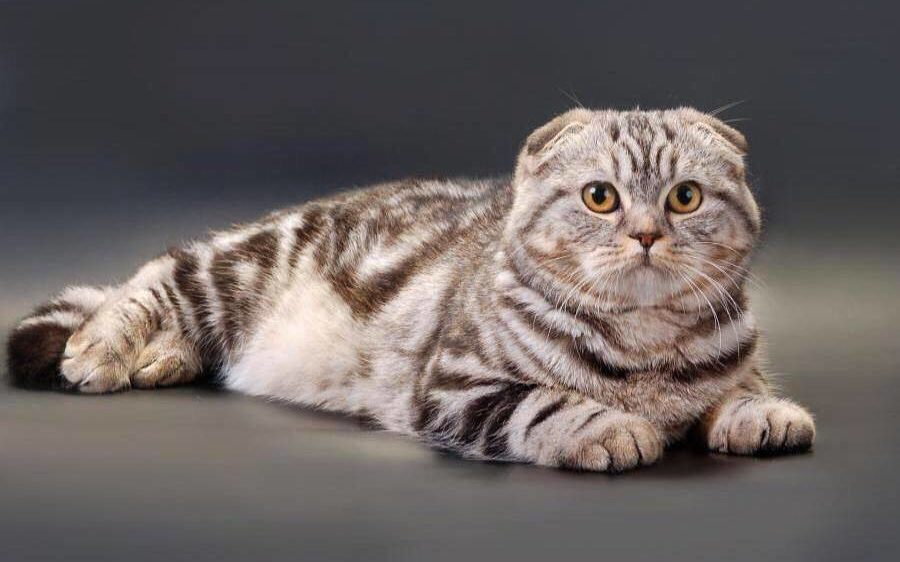
Warrior of Scotland
In their homeland, Scottish Folds are regarded as true knights. One of the Scottish clans features a battle cat on its coat of arms.Training and Education
It cannot be claimed that the feline family is not trainable. When you get a Scottish Fold kitten, you’ll realize that it’s possible to train absolutely everyone, starting with the owners of the cat. The breed’s ability to follow commands is developed at an average level. However, this is not due to intellectual capacities, but rather the character of the floppy-eared pets. They will not do anything without personal gain, which needs to be taken into account.
The first steps involve getting accustomed to the name and house rules: the litter box, designated spot, scratching post, and punctuality.
The name is learned more quickly when repeated often in a calling tone. For instance, before feeding or playing, when you are petting the kitten. After about 3 to 4 weeks, the little one will remember its nickname and start reacting correctly to it.
At the same time, you can instill forbidden commands. Commands like “no” or “bad” should be spoken firmly but not harshly when the cat breaks rules. In conjunction with this, gently guide it away from wrongdoing. Under no circumstances should you shout or hit. It’s quite easy to traumatize a defenseless creature, and restoring its psyche is nearly impossible.
In cases where Scottish Folds see a real benefit from the requested actions, they are much more eager to comply. This could be a favorite treat or toy of the cat.
Another aspect: pay attention to your fluffy cat’s habits. For example, if you notice it frequently carries its favorite toy in its mouth, you can use this to teach it to fetch a ball or even slippers, starting with its toy and then introducing the desired items, rewarding it each time it brings them back. During this, say the command “bring,” while gently encouraging the arriving pet.Remember that praise always helps to reinforce the training material, motivating not just the fluffy cat but also you. The breed tends to take vertical positions, relieving its spine. This is suitable for practicing the “stand” command, which could become one of the pet’s favorites. Games of tag and hide-and-seek can be enjoyed by the whole family, involving the children. It will be fun for everyone.Keep in mind that any command should be said firmly and insistently, but not roughly. Don’t train for more than 15 minutes a day and avoid starting sessions after meals or before bedtime. The best time for training is before meals, in calm weather, and when the cat is rested.A curious fact: in the circus of the famous Yuri Kuklachev, you can see several Scottish Fold cats
Buddha's pose
Sure, please provide the text you would like me to translate.How to Choose a Kitten
Unfortunately, it must be acknowledged that a significant number of animals are abandoned on the streets by careless owners or surrendered to shelters. Therefore, if having a pedigree is not essential for you, you can certainly take a cat home. Of course, no one can guarantee a healthy psyche or the absence of diseases in this case.
If you have decided to buy a purebred Scottish Fold kitten, first thoroughly educate yourself, choose several reputable breeders, or visit an exhibition where Scottish Folds will be presented. There’s no need to rush into such an important purchase.
A wise step would be to personally visit the place where Scottish Folds are bred. Make sure to inquire about the organization they belong to. If the breeders are professionally engaged in breeding work, ask whether they have completed felinology courses.
If you decide to buy at an exhibition, request a recommendation from an expert who can highlight its merits, point out exterior flaws, and confirm its class. Meeting the kitten’s parents is a very important part of the purchase. The final development of primary characteristics occurs in adulthood, and any flaws in the parents may be passed on to their offspring. Temperament is also part of the inheritance – this should not be forgotten.
When purchasing from a breeder at their private cattery, inspect not only the kittens but also the overall environment. Assess the living conditions and inquire about what the breeding cats are fed. If the food is cheap, and there are signs of contamination or unkempt cages, consider switching to another cattery to avoid unpleasant consequences.
With your purchased Scottish Fold, you should receive a registration card containing the names and pedigrees of your kitten’s parents, the expert’s evaluation, and the contact details of the cattery or club where the breeder is registered. Ensure that these documents have the necessary seals.If you decide to engage in breeding, it’s best to check all documentation thoroughly before finalizing the deal. The purchase agreement should detail the terms of the transaction. It should also outline the responsibilities of the parties and the possibility of returning the “goods” if hidden defects, which cannot be identified during the transaction, are discovered. This will serve as your insurance against an unscrupulous breeder. At the same time, this agreement will protect the seller.Don’t forget to register with a cat lovers’ club within two weeks of your purchase. For your peace of mind, you may want to get insurance for your kitten, which can help reduce veterinary treatment costs if your pet gets sick.
Health and Diseases
The main concern for Scottish Folds is a genetic skeletal disease known as osteochondrodysplasia. This condition has a significant negative impact on the formation and development of an animal’s bones and cartilage. Key signs of the illness include a rigid tail, noticeably stiff joints in the kitten’s legs, and any difficulty in movement of the paws or legs. Generally, this indicates the presence of the disease. Even diligent care may not prevent the condition from worsening over time.
Despite the prevalence of osteochondrodysplasia, the life expectancy of Scottish Fold cats is not significantly different from that of healthy animals, although their lives are filled with discomfort and limitations.
Other diseases to which the breed is prone are:
– Polycystic kidney disease, which is inherited. Cysts containing fluid develop in the kidneys, which can ultimately lead to complete organ failure. The cause is unknown and is most often diagnosed during an ultrasound.
– Cardiomyopathy, a condition in which the heart muscles gradually weaken, potentially leading to death.
It is important to understand that a predisposition to health problems does not mean they will necessarily occur. Timely deworming, adherence to vaccination schedules, and regular check-ups at a reputable veterinary clinic can make your pet’s life more comfortable.
Содержание
-
1. Описание породы
-
2. Внешний вид
- 2.1 Голова
- 2.2 Морда
- 2.3 Уши
- 2.4 Глаза
- 2.5 Зубы
- 2.6 Корпус
- 2.7 Конечности
- 2.8 Хвост
- 2.9 Шерсть
- 2.10 Окрас
-
3. Характер
-
4. Содержание и уход
-
5. Дрессировка и обучение
-
6. Как выбрать котенка
-
7. Здоровье и болезни






Comments
Only registered users can leave reviews.
Enter