
Peterbald





Breed Description of the Peterbald
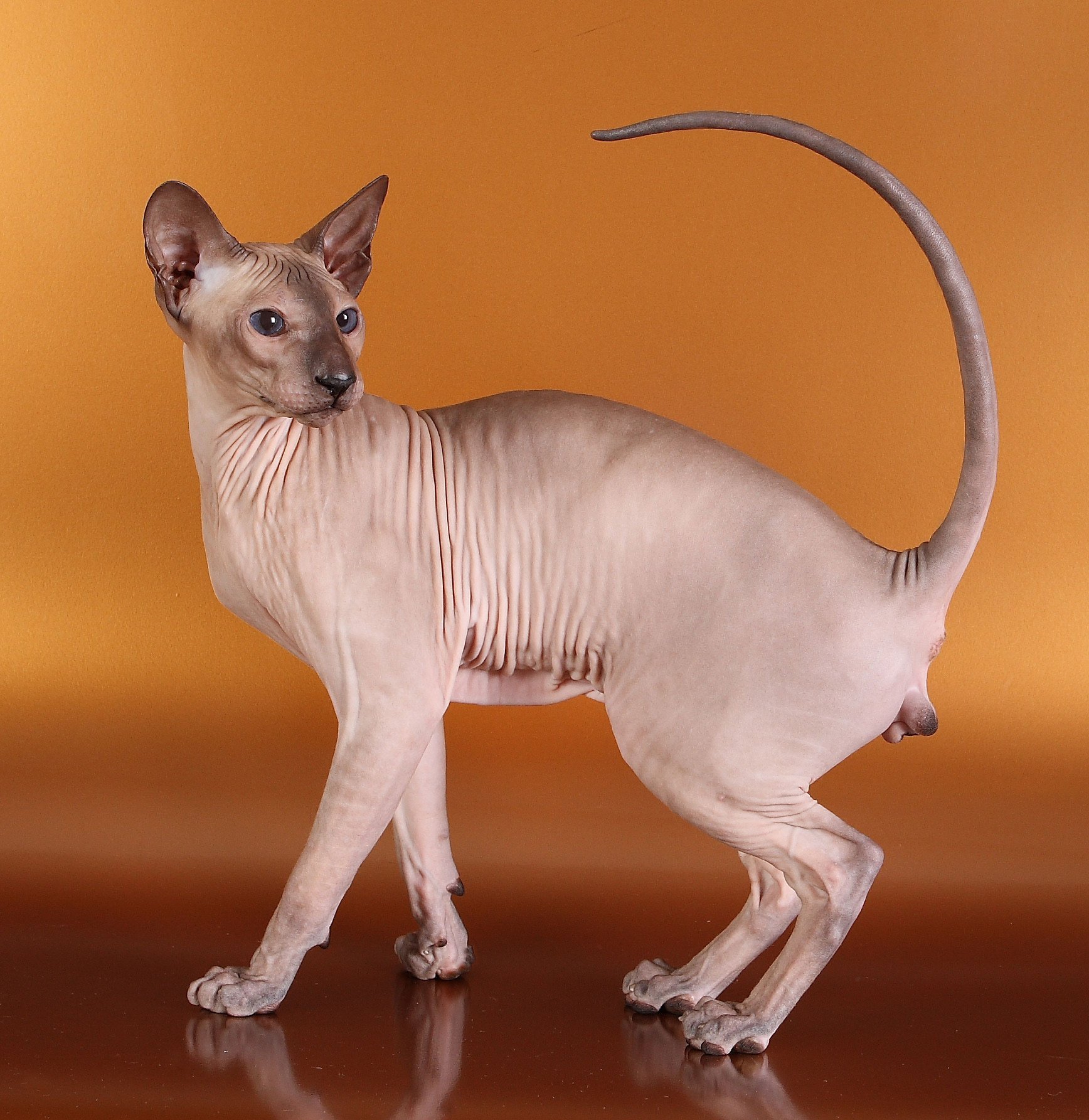
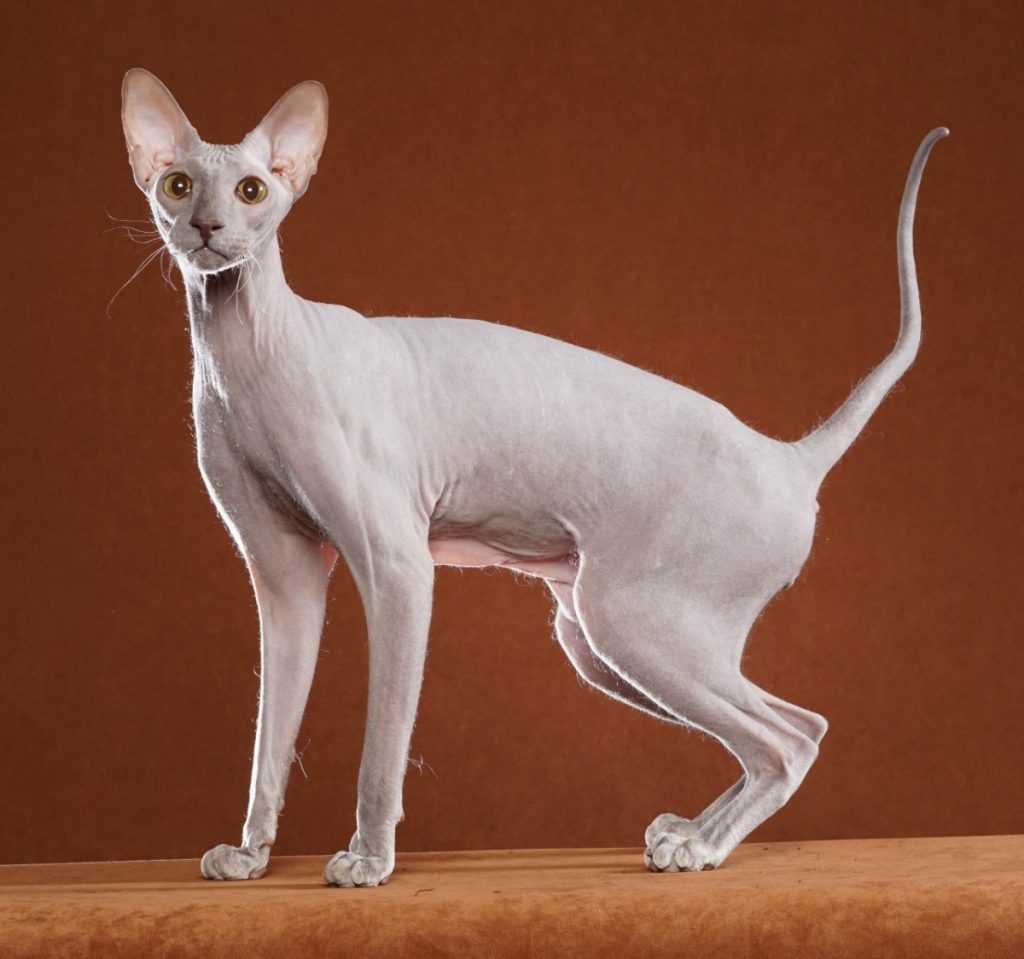
The Peterbald is an elegant and refined breed of cat, known for its exotic appearance and unique features. These cats attract attention with their hairless skin and graceful build, making them popular among fans of unusual breeds. The breed was developed in Russia in the 1990s and has since gained recognition not only in Russia but worldwide. Peterbalds are intelligent, curious, and affectionate cats that make excellent companions for those willing to care for their special needs.
The Peterbald is a relatively young cat breed that emerged in Russia in the mid-1990s. It was created by crossing the Don Sphynx with an Oriental cat to produce a hairless cat with an elegant physique and elongated features. The first representatives of the breed appeared in 1994 in St. Petersburg, thanks to breeder Olga Mironova. She crossed an Oriental cat with a Don Sphynx, resulting in the first litter of kittens, one of which was named Afanogen Myth. This cat is considered the founder of the Peterbald breed.
Soon, the breed received recognition from the International Cat Association (TICA) and the World Cat Federation (WCF). Today, the Peterbald continues to develop, remaining one of the most exotic and popular hairless cat breeds. Peterbalds can be completely hairless or have minimal fur. There are four main types of coat: completely bald, flock (fine fuzz), velvet (denser texture), and brush (stiff hairs). Regardless of the coat type, all Peterbalds require special care to maintain skin health and avoid potential issues.
Appearance of the Peterbald
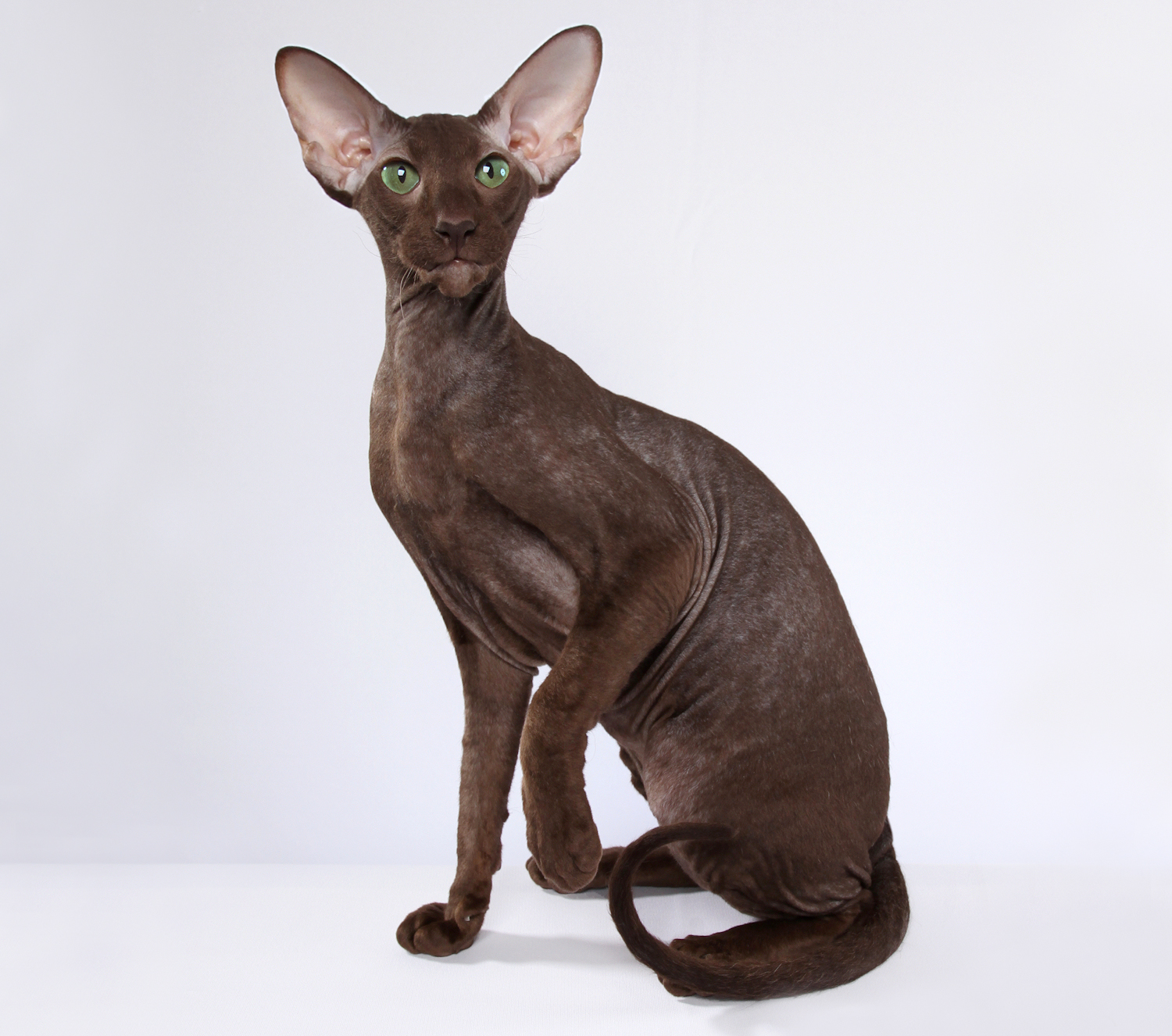
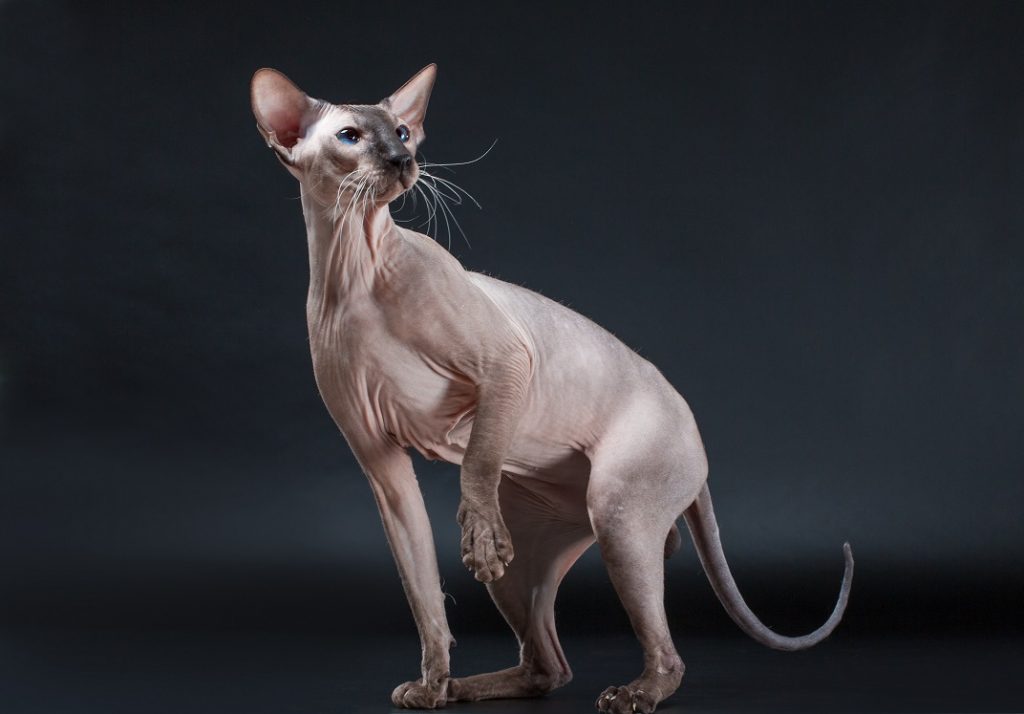
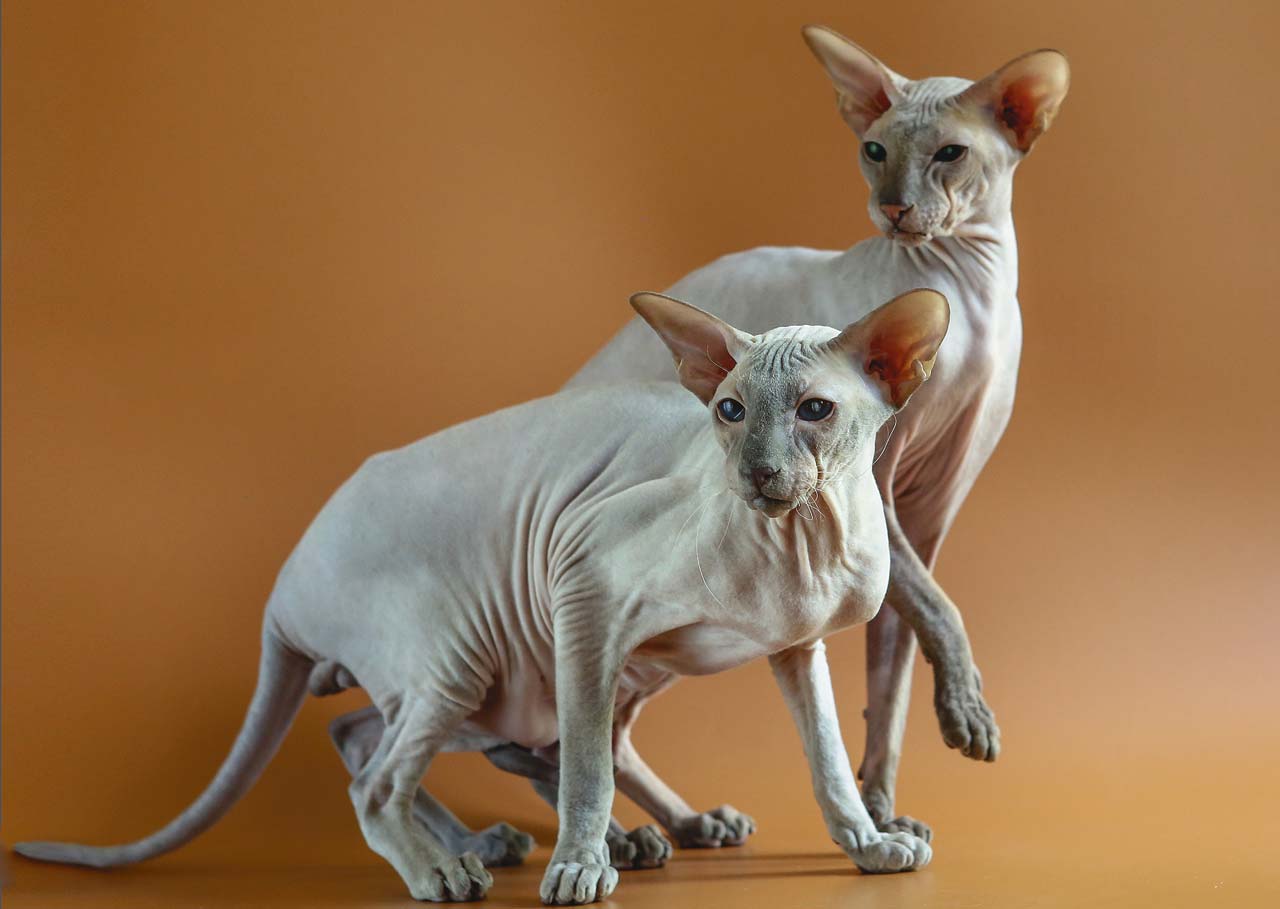
The Peterbald is a cat breed that stands out for its refined and elegant appearance. These cats are characterized by their unusual physique, long limbs, expressive ears, and exotic features, giving them a sophisticated and almost “alien” look. Peterbalds are perfect for those seeking a pet with a unique appearance and unparalleled charm.
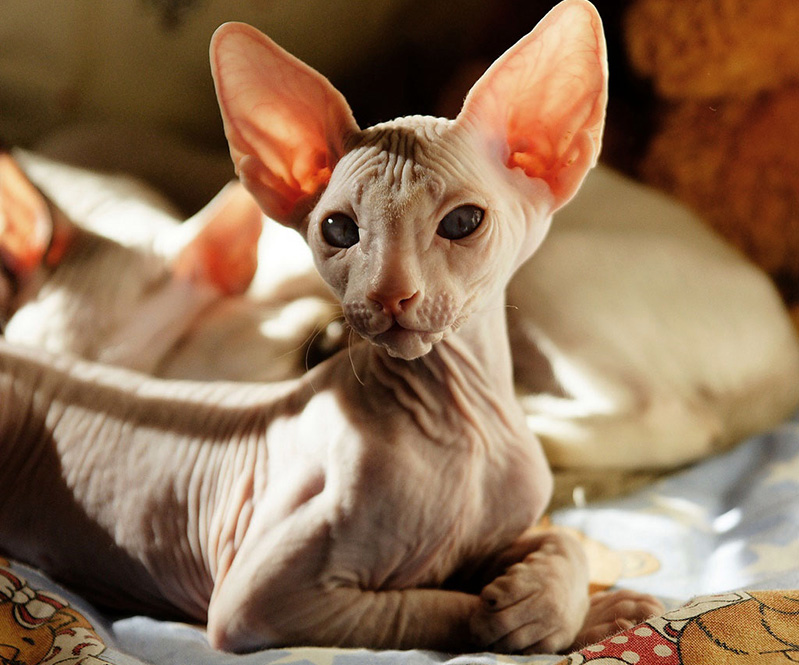
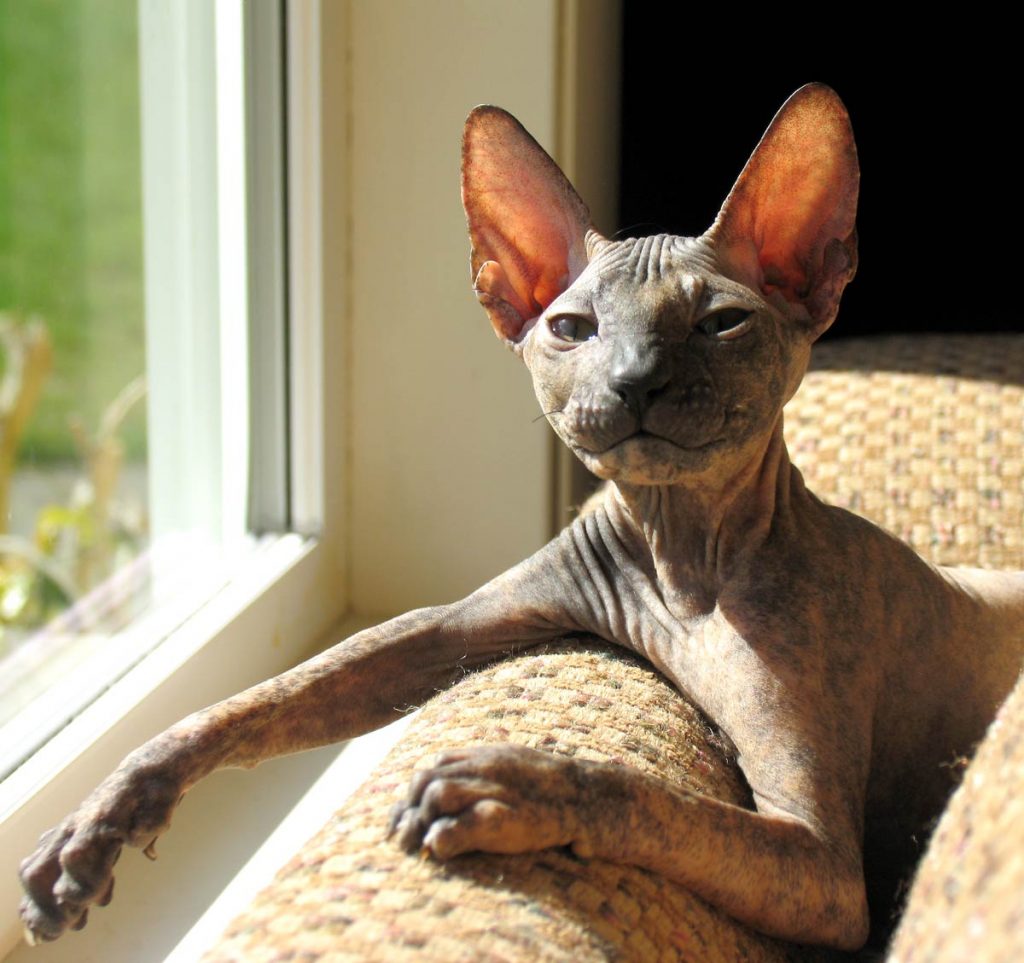
The main feature of the Peterbald is its skin. Depending on their coat type, Peterbalds can be completely hairless or have minimal hair coverage. There are four main coat types: completely hairless, flock (short and fine down), velour (a slightly denser texture), and brush (stiff hairs with possible skin patches). Each coat type has its own characteristics, and the choice depends on the future owner’s preferences. Hairless Peterbalds and those with flock generally require more careful skin care, as their skin is vulnerable to environmental factors, while cats with brush have some hairs that provide skin protection.
The Peterbald’s physique is slender and elongated, yet the cat remains muscular and flexible. The body is long, graceful, and mobile, creating a sense of elegance and lightness. Despite their slimness, Peterbalds have good muscle development and strong limbs that allow them to jump and climb actively. An adult Peterbald typically weighs between 2.5 to 5 kilograms, with males being slightly larger than females.
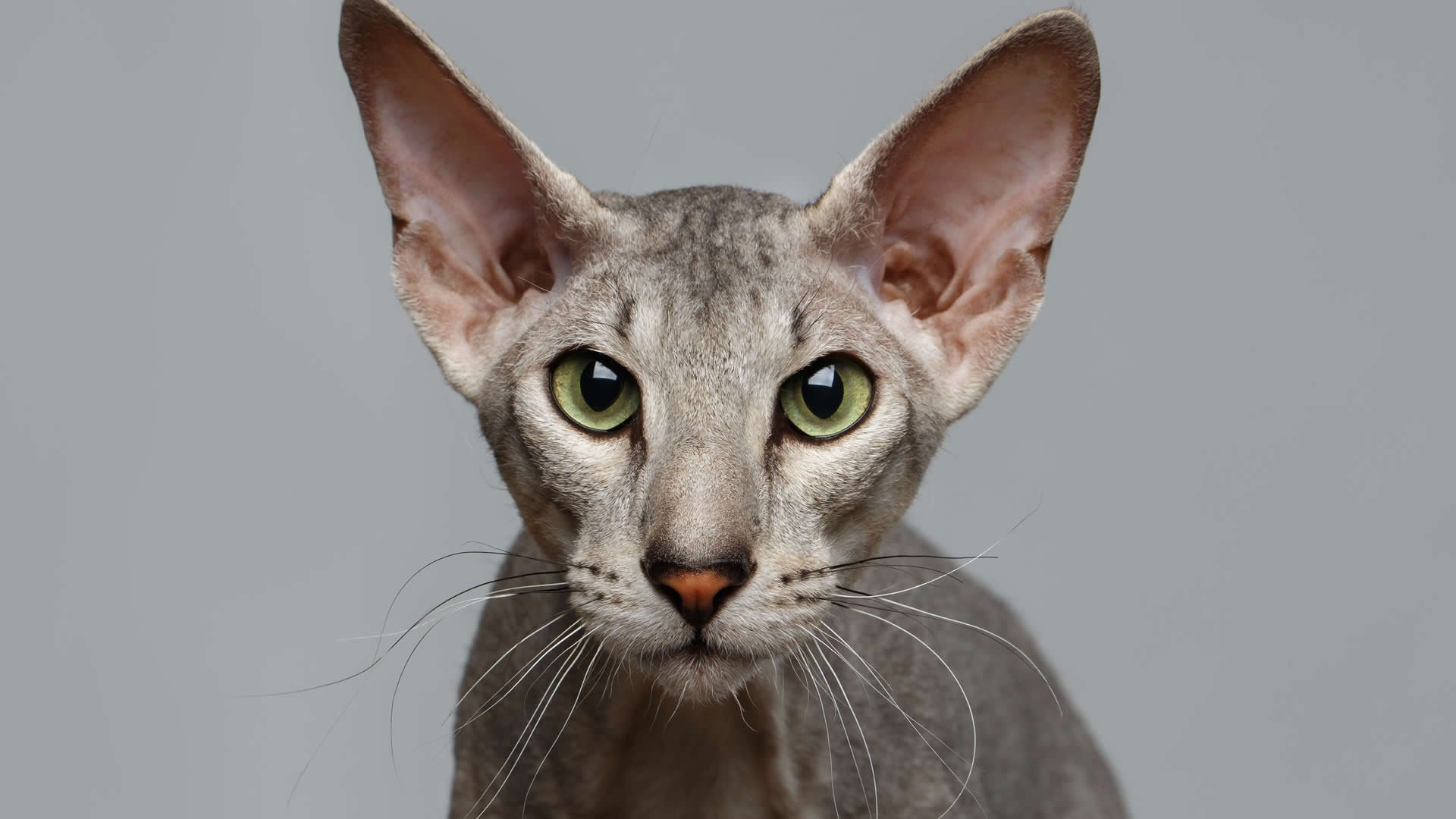
The head of the Peterbald is triangular, emphasizing its exotic look. The lines of the head are smooth, tapering to the muzzle, and the broad forehead and pronounced cheekbones give the cat a special charm. The muzzle is elongated, with prominent whisker pads that enhance the expressiveness of the face. The Peterbald has a long and straight nose that harmoniously integrates into the overall proportions of the head, adding refinement.
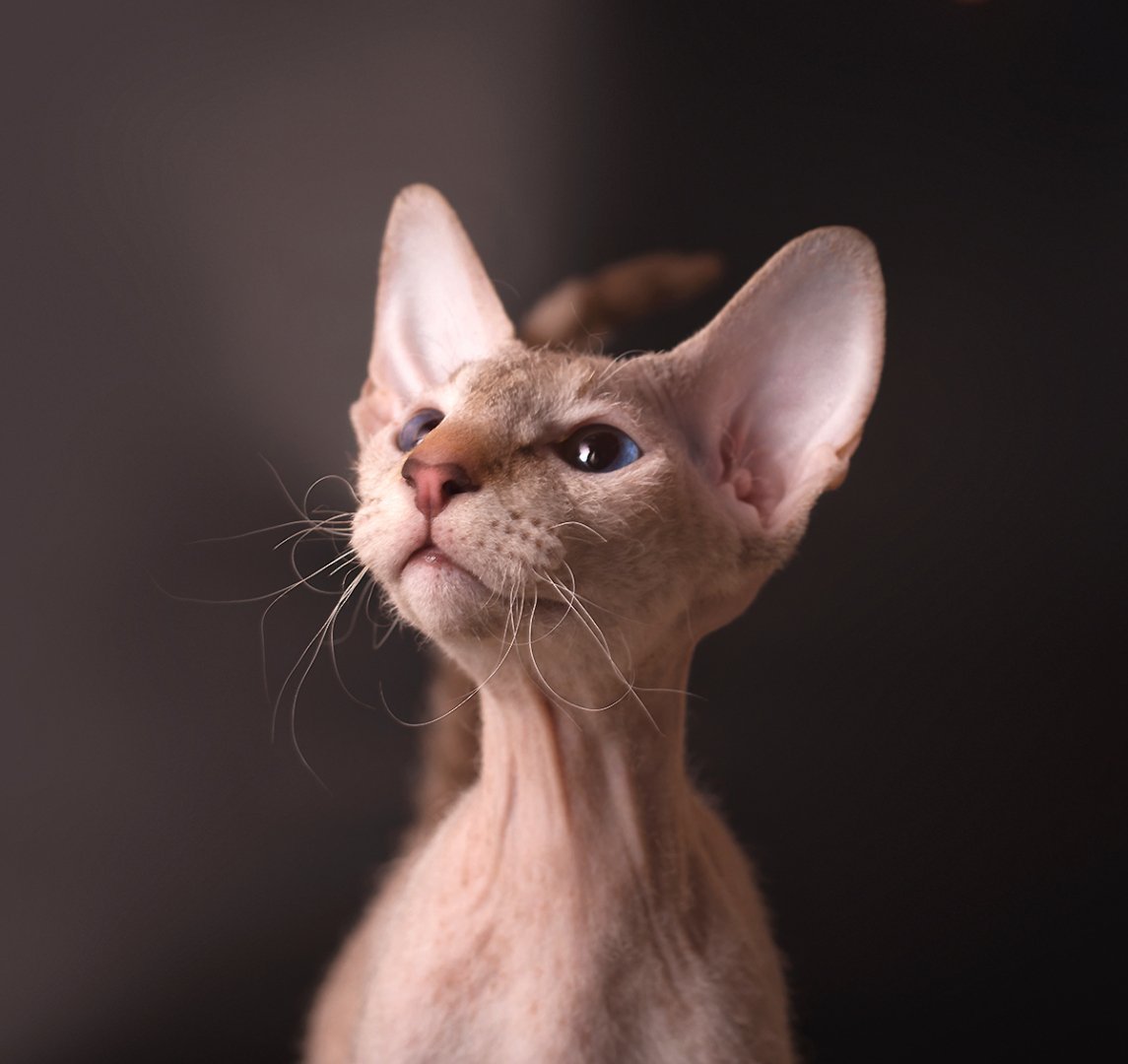
One of the most noticeable features of the Peterbald is its ears-large, wide at the base, and pointed at the tips. They are set high on the head, giving an impression of alertness and attentiveness. These ears make the cat look like an exotic creature and add to its uniqueness. The Peterbald’s ears not only serve as a part of its appearance but are also one of the factors that give it a distinctive “Oriental” look, setting it apart from other breeds.
The eyes of the Peterbald are medium-sized, almond-shaped, and slightly slanted. This gives the cat a somewhat mysterious and attentive expression. Eye colors can vary from green to blue and amber. Regardless of their color, the eyes remain bright and expressive, giving the cat a special charisma. Peterbalds often use their penetrating gaze to express emotions, making their communication with their owner deeper and more fulfilling.The skin of the Peterbald feels soft and warm. Fully hairless individuals may have slightly sticky skin due to secretion from sebaceous glands, requiring regular care and bathing to maintain cleanliness. Peterbalds with flock or velour require fewer baths but also need skin care to keep it healthy. The skin color of the Peterbald can vary from light to dark and often matches the primary color seen in coated cats. For example, a Peterbald with a gray skin tone would correspond to a blue coat if it had fur.The limbs of the Peterbald are long and thin, with well-developed muscles. The paws are oval with elongated toes, giving them an elegant appearance. Thanks to their long legs and flexibility, Peterbalds can easily climb and jump lo


Отличительные черты

Голова

Морда

Уши

Глаза

Зубы

Корпус

Конечности

Хвост

Шерсть

Окрас
Character of the Peterbald
The Peterbald is a breed that captures attention not only with its exotic appearance but also with its unique character. These cats are known for their loyalty, intelligence, and curiosity. The character of a Peterbald can be described as a blend of Eastern refinement and social engagement, making it a wonderful companion for families and individuals seeking a loving and sociable pet.
Friendliness and Attachment to People
Peterbalds are very social cats that bond closely with their owners and require constant attention and interaction. They prefer to spend time near their owners and often follow them around the house. These cats love being the center of attention and are not prone to isolation. If you work from home, a Peterbald will be right by your side, involved in your activities, and reminding you of its presence with soft purring or gentle paw taps.
This breed is marked by a “dog-like” loyalty and enjoys spending time in their owner’s lap or even sitting on their shoulders like a parrot. Peterbalds appreciate petting, being held, or getting wrapped in a blanket. They are eager to interact and maintain physical closeness, making them ideal for those who value affectionate and tactile pets. When their owner is absent, Peterbalds can experience separation anxiety, so it is important to provide companionship if you are often away from home.
Playfulness and Activity
Peterbalds are active and energetic cats that retain their playful character throughout their lives. These cats love to play, climb, and run, so for their well-being, it’s essential to provide plenty of toys, interactive activities, and climbing spaces. Play complexes, scratching posts, and tunnels will help a Peterbald expend its energy and avoid boredom. They enjoy active games like catching toys on a string, racing after balls, or “hunting” a laser pointer.Despite their elegance, Peterbalds remain excellent hunters, and their instincts show in everyday life. They may be intently watching birds outside the window or attempting to catch an insect that has flown into the room. This makes them fascinating companions who will always find ways to entertain themselves.Intelligence and TrainabilityPeterbalds possess high intelligence, making them easy to train. They quickly learn to use a litter box and a scratching post, understand commands, and can memorize various tricks. Their curiosity allows them to adapt easily to new environments and quickly grasp behavioral rules. Training with positive reinforcement, such as treats and praise, yields good results.T
Питомники
Выбор питомника по городу, породе и отзывам
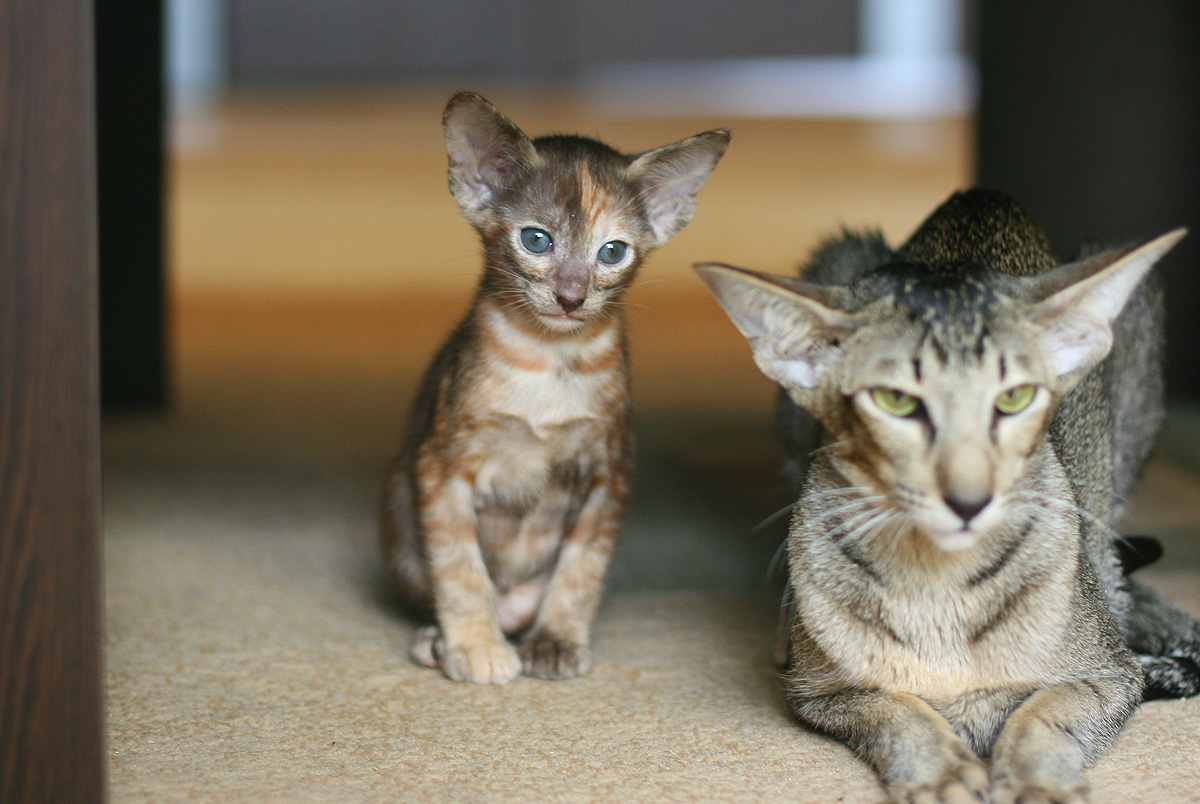
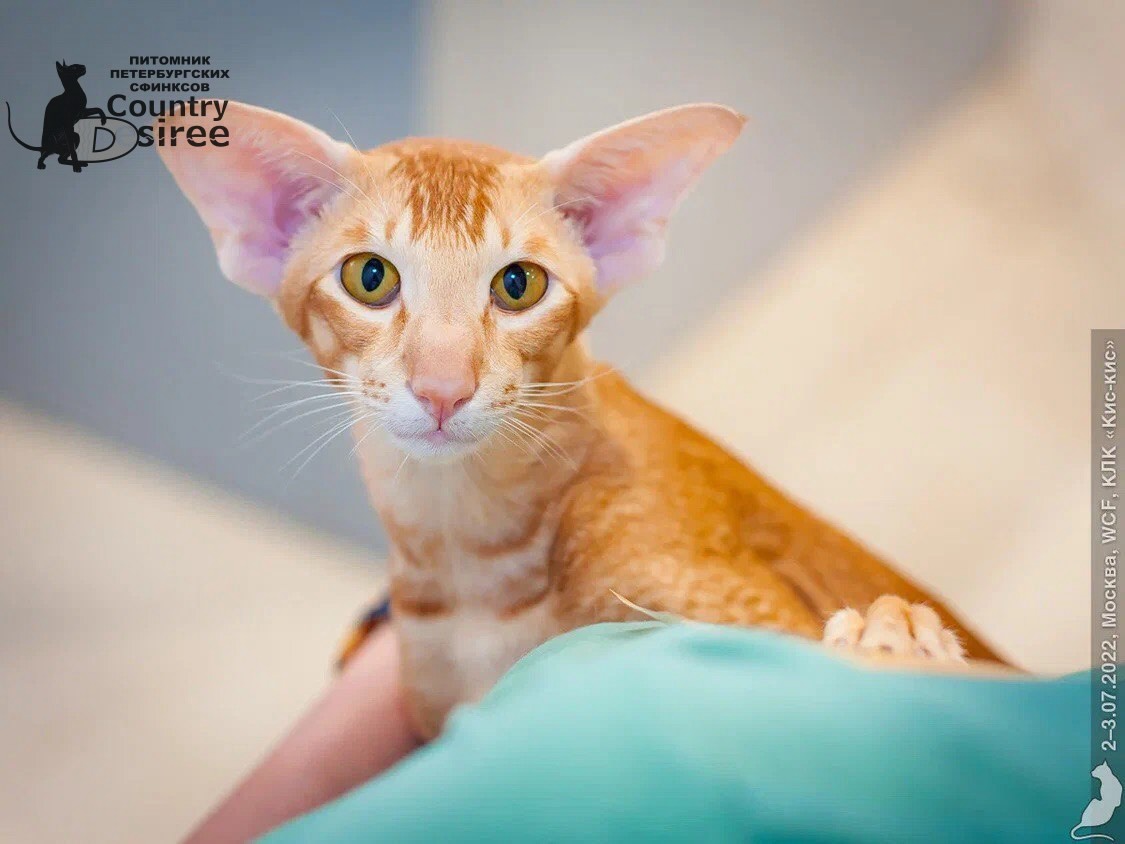
Peterbald with a rare "brushed" coat type.
The Peterbald named Scarlett became the first registered representative of the breed with a unique "brush" coat type, where the fur was stiffer and denser than that of most other Peterbalds. This coat type made her particularly popular among breed enthusiasts, as it combined elements of hairlessness and a special textured fur, giving the cat an extraordinary appearance.Care and Maintenance of the Peterbald
The Peterbald is a breed that requires special attention and care due to its unique characteristics. The breed’s main needs are connected to the lack of or minimal amount of fur, which makes them more vulnerable to environmental influences. Therefore, care for a Peterbald includes skin care, nutrition, hygiene maintenance, and creating comfortable living conditions.
1. Skin Care
One of the main features of the Peterbald is its lack of fur or minimal fur presence, which necessitates a special approach to skin care. These cats’ skin is more prone to dirt, as the sebaceous glands are active, but there is no fur to absorb the secretions. Therefore, regular skin care is essential for maintaining its health.
Regular Baths: It is recommended to bathe a Peterbald at least once every two weeks to remove excess sebum and prevent dirt buildup. Use a gentle shampoo specifically designed for hairless cats to avoid drying out the skin and causing irritation.
Wiping the Skin with Wet Wipes: In between baths, you can wipe the skin with hypoallergenic wet wipes to remove excess oil and keep the skin clean.
Protection from Sunburn and Cold: The skin of a Peterbald is vulnerable to sun exposure and low temperatures. In summer, try to avoid prolonged sun exposure, and ensure a warm resting place in winter. You can use special pet sunscreens or clothing for cats to protect the skin from damage.2. Hygiene of Ears, Teeth, and EyesPeterbalds are prone to wax buildup in their ears and the formation of dental plaque, so care for these body parts requires special attention.Ear Cleaning: Regularly check the ears and clean them of wax using cotton swabs and a special ear cleaning lotion. Do this at least once a week to prevent ear infections.Dental Care: Peterbalds need regular teeth cleaning to avoid plaque and tartar buildup. Use special cat toothpaste and a toothbrush to introduce your cat to oral hygiene from an early age. As an additional measure, you can use special treats that help clean teeth.Eye Hygiene: Keep an eye on the cleanliness of the eyes, especially in cats with lighter skin, where discharge may be visible. Wipe the eyes with a damp cotton pad soaked in clean water or a special eye lotion.3. Maintaining a Healthy DietPeterbalds, like all active breeds, r
Petersburg in the service of art
A cat named Roxana became part of an art project at one of the art museums in Saint Petersburg. Due to her exotic appearance and grace, Roxana was chosen as a model for a series of paintings and sculptures. The artists noted that her expressive features and body flexibility made her perfect for conveying various emotions and moods in art.Training and Education of the Peterbald
The Peterbald is a breed possessing high intelligence and curiosity, making it an excellent candidate for training and education. These cats learn quickly, adapt easily to new conditions, and enjoy interacting with their owners. Peterbalds can master both basic commands and more complex tricks, thanks to their naturally active nature and desire for engagement.
Features of Training a Peterbald
The Peterbald is characterized by high intelligence and energy, so the training must be engaging and fun. The main principles of training a Peterbald include using positive reinforcement, patience, and flexibility.
Positive Reinforcement. Peterbalds respond best to rewards in the form of treats, praise, and affection. Use these methods to reinforce proper behavior and maintain motivation for learning. Avoid punishment and harsh methods, as they are ineffective and can lead to a negative response from the cat.
Short and Regular Training Sessions. Given the high energy levels and activity of the Peterbald, training sessions should be short (5-10 minutes) but regular. Repeat training several times a day to keep the cat’s interest.
Playful Approach. Peterbalds enjoy playing, so incorporating play elements into the training process will make it more enjoyable and productive. Toys and active activities can be used to teach new commands.What Commands and Tricks Can Be Taught to a Peterbald?Due to their high intelligence, Peterbalds can learn various commands and tricks if the training is conducted correctly and in a suitable manner. Here are some commands and tricks that can be taught to a Peterbald:”Sit” and “Lie Down.” These basic commands help teach a Peterbald to control its behavior. Use a treat to attract the cat’s attention and slowly raise it up to make the cat sit, or lower it down to have the cat lie down. Reward your pet every time it correctly follows the command.”Come Here.” The “come here” command is useful for calling the cat at specific moments. Say the Peterbald’s name when you want it to come, and offer a treat. Gradually increase the distance to help the cat get used to responding to the command from different parts of the house.”Give a Paw.” Peterbalds can master this trick, although it requires some time. Bring your hand close to the cat’s paw and gently
Peterbold is a master of yoga.
Please provide the text you would like me to translate.How to Choose a Peterbald Kitten
Choosing a Peterbald kitten is an important step that requires careful consideration. Peterbalds are an unusual breed with distinctive features such as hairlessness or minimal fur, large ears, and expressive eyes. To select a healthy and suitable kitten for you, several key factors related to this breed’s characteristics must be taken into account. It is also essential to pay attention to the breeder, the kitten’s health, and its behavior.
1. Finding a Responsible Breeder
The first step in choosing a kitten is to find a responsible and experienced breeder. Since Peterbalds are a rare breed, it’s crucial to ensure that the breeder follows breeding standards and cares for the health of their animals.
Documents and Certificates. The breeder should provide a pedigree, documentation for the kitten, and a veterinary passport with records of vaccinations and deworming. Be sure to find out if the parents are tested for genetic disorders to ensure there are no hereditary issues.
Study Reviews. Look for reviews about the breeder and the cattery. This will help you learn about the breeder’s reputation and the conditions in which the kittens are kept.
2. Inspecting the Conditions in Which Kittens are KeptVisit the cattery or the breeder’s home to ensure that the kittens are kept in appropriate conditions. This is essential for the proper development and socialization of the kitten.Cleanliness and Comfort. Ensure that the place where the kittens are kept is clean, well-lit, and cozy. Kittens should have access to fresh water, quality food, and places to play.Socialization of Kittens. Peterbalds are social and friendly cats, so it’s important that the kittens grow up in the company of people and other animals. This will help them better adapt to a new home.3. Assessing the Age of the KittenThe optimal age for a Peterbald to move to a new home is between 12 to 16 weeks. By this age, the kitten is adequately socialized, has received necessary vaccinations, and is ready for independent life away from its mother.Under 12 Weeks. Kittens younger than 12 weeks may struggle to adapt and may not be ready for independent living.16 Weeks and Older. Kittens of this age often have established habits, which can make the adaptation process in a new home easier.4. Assessing the Kitten’s HealthBefore purchasing
Health and Diseases of the Peterbald
The Peterbald is a relatively healthy breed; however, like all cats, it has its own unique traits and predispositions to certain diseases. Given that Peterbalds can be completely hairless or have a thin coat, their health highly depends on proper skin care and overall physical condition. It is important to consider the breed’s predispositions and take timely preventive measures to avoid disease development.
1. Skin Care and Skin Problems
Since Peterbalds often lack fur or have a very thin coat, their skin is more vulnerable to environmental influences. This means special attention must be given to skin care to prevent skin diseases.
Excessive Sebum Production. Without fur, sebum does not absorb, which can lead to skin contamination and even inflammation. Regular baths using a gentle shampoo designed for hairless cats can help control secretions and maintain cleanliness.
Skin Dryness and Irritation. It is crucial to choose the right skincare products, as frequent use of harsh shampoos can lead to dryness. After bathing, moisturizing lotions for pets can be applied to maintain skin elasticity.
Sunburns and Thermal Damage. Peterbald skin is susceptible to sunburn, especially if the cat spends a lot of time outdoors. During hot weather, try to avoid prolonged sun exposure and use sunscreen designed for animals. In winter, prevent hypothermia and provide a warm sleeping place for the cat.2. Allergies and Sensitivity to External IrritantsPeterbalds may be prone to allergic reactions, both to food and to external irritants such as dust, pollen, or chemicals.Food Allergies. It is essential to select an appropriate diet to avoid allergic reactions. Symptoms of food allergies include itching, skin redness, vomiting, or digestive disorders. If symptoms appear, it is advisable to conduct an examination and choose a hypoallergenic diet.Contact Allergies. Peterbalds may be sensitive to certain chemicals in household cleaners or detergents. Try to use hypoallergenic cleaning products that do not cause irritation to the cat.3. Dental and Oral ProblemsPeterbalds are susceptible to dental and gum issues, just like many other breeds. Due to their often pronounced dental arch and strong bite, this can lead to plaque accumulation and the development of gin
Содержание
-
1. Описание породы
-
2. Внешний вид
- 2.1 Голова
- 2.2 Морда
- 2.3 Уши
- 2.4 Глаза
- 2.5 Зубы
- 2.6 Корпус
- 2.7 Конечности
- 2.8 Хвост
- 2.9 Шерсть
- 2.10 Окрас
-
3. Характер
-
4. Содержание и уход
-
5. Дрессировка и обучение
-
6. Как выбрать котенка
-
7. Здоровье и болезни






Comments
Only registered users can leave reviews.
Enter