
Persian cat
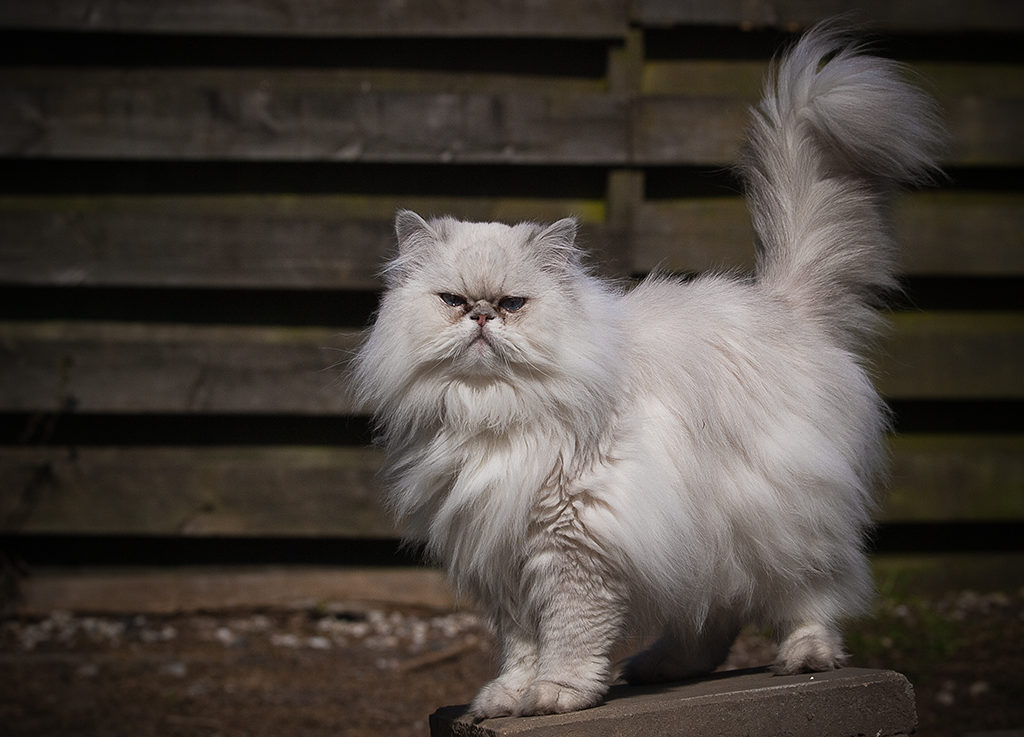
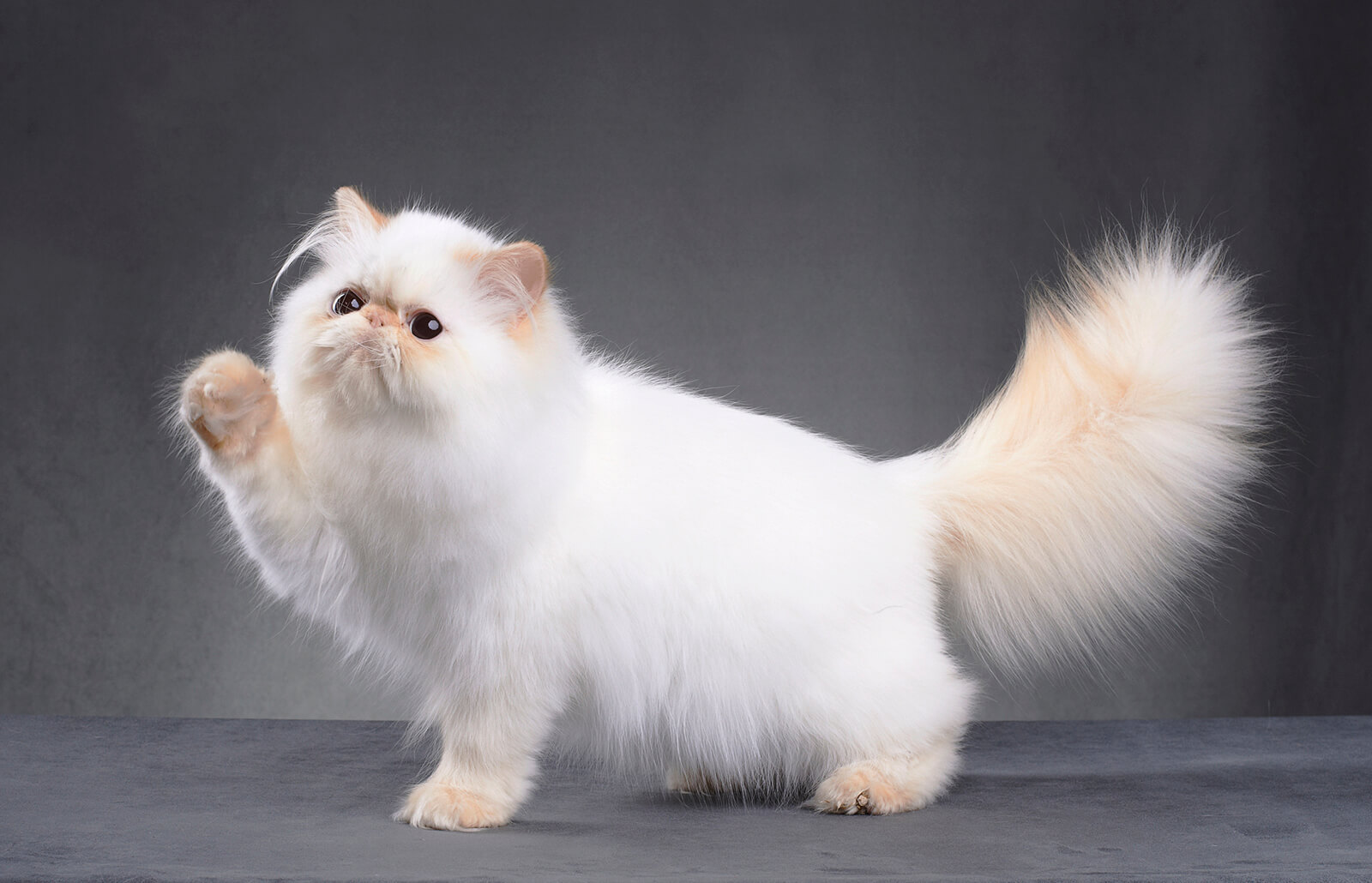
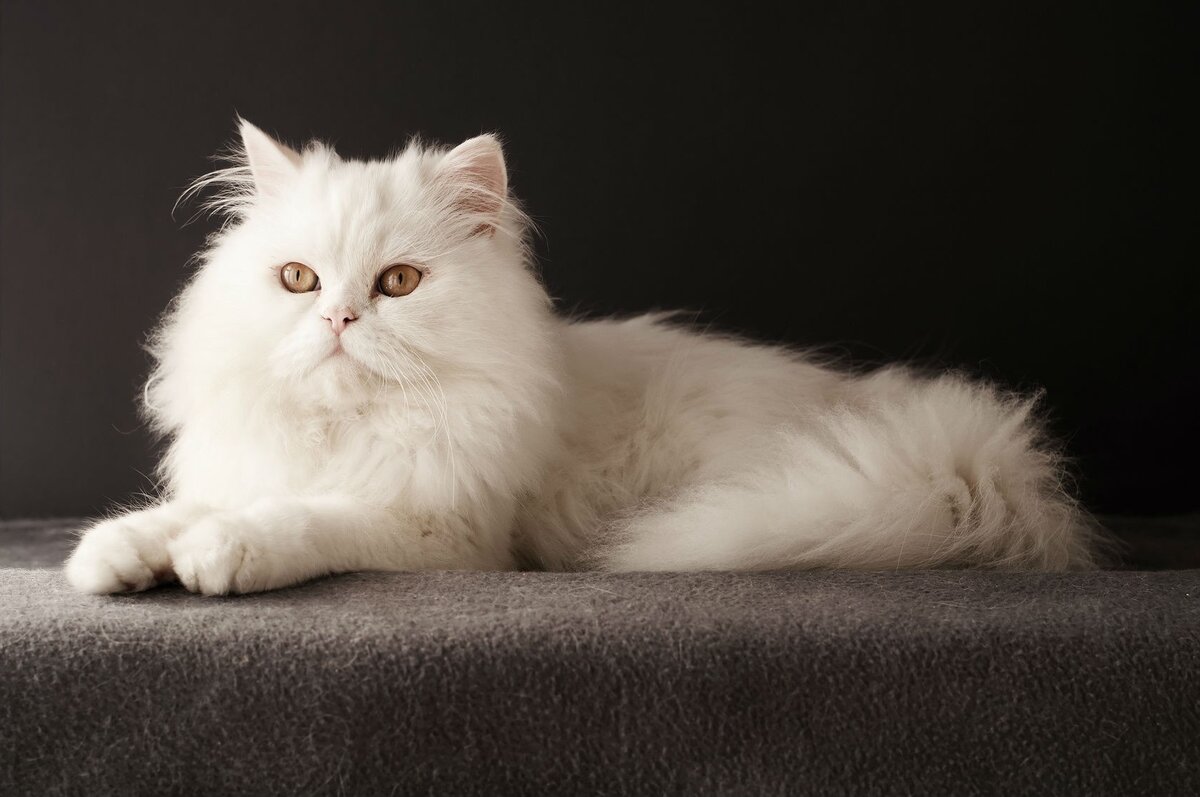






Breed Description
The mysterious origin of the long-haired, beautiful cat is linked to a magical ritual performed by an Iranian magician, who created it from the flash of several stars and its tail from pipe smoke. It’s a truly lovely legend, but it bears no relation to the actual origins of the breed. Let’s try to figure this out.
Persia-what it used to be called-gifted Europe with long-haired beauties around the 16th century. A merchant exported a pair of Persian cats to Italy at that time. Almost simultaneously, a few cats from Angora-what Ankara in Turkey was called back then-made their way to France. England, which currently supports the breed, referred to these fluffy cats as “French.” Since there were several long-haired breeds in the East at that time, we cannot definitively say that it was the Persian cat in question. So where do long-haired cats originate in such hot climates? Some advocate the theory that they came from Siberia, while others argue that a mutation led to the development of such fur. Another group of feline experts believes that Persians arose from Asian manuls, citing some similarities in their appearances. Nevertheless, the homeland of Persian cats is considered to be Iran, Afghanistan, and Turkey. England is deemed the second home of this breed because, in the 19th century, the residents of Foggy Albion took to breeding the breed purposefully. It was at that time that the “Turkish version” with somewhat less long fur was separated from the “Persi
In the United States and other New World countries, since the 1880s, the term “Persian cat” has been used regardless of color, with only categories of coloring being highlighted.
In the modern world, around 150 varieties of “Persians” have found admirers in different corners of the world. Choosing a kitten from a cattery is not at all difficult. Moreover, representatives of the classical type differ slightly from the modern type, having a narrower face and a limited range of colors. The standards of the breed vary in different countries. American breeders strive to “shorten” the body, make the head even rounder, and accentuate the stop. Thus, the American version emerged, with a stop like that of Pekingese, recognized as the most extreme type of Persian cat. Despite serious health issues, American feline experts continue to work in this direction. And although the English oppose this, European catteries note a high demand for such kittens.
Moreover, thanks to the efforts of American feline experts, the Persian cat became the ancestor of the exotic shorthair cat, which has much shorter and softer fur.

Appearance
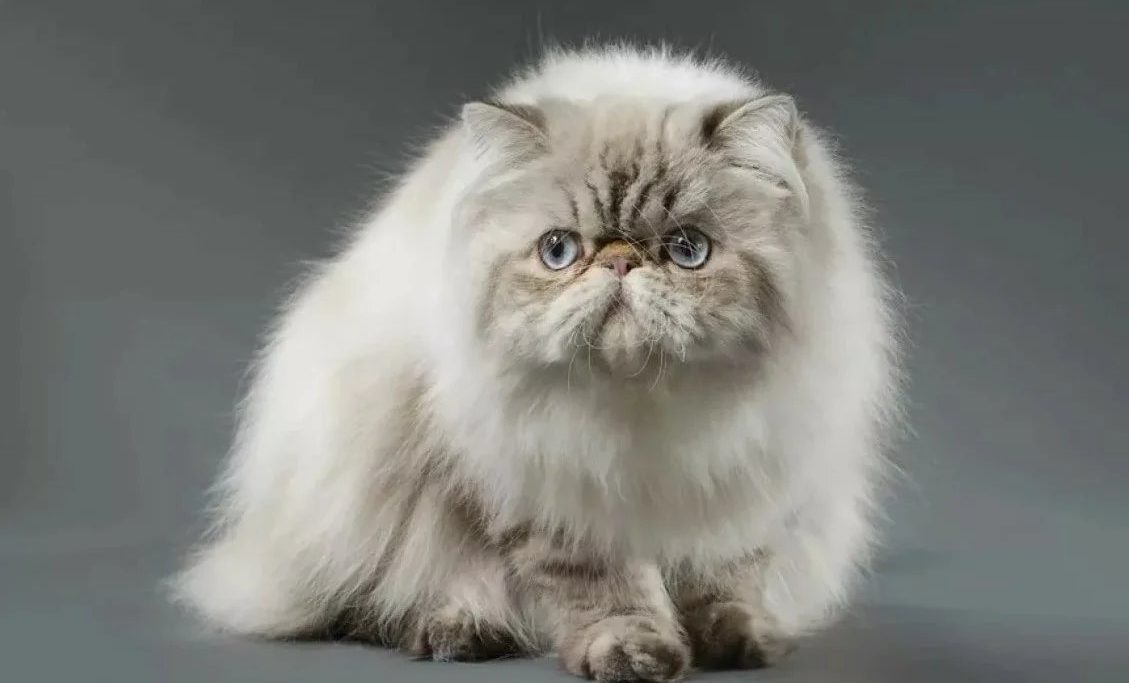
At the very beginning, it is important to note that the Persian breed is recognized by any feline association in the world. However, the standards do have both similarities and differences. Even the owners of these beautiful creatures categorize their pets into three types: outdated, modern, and extreme. The “outdated” Persians clearly lag behind the modern and, even more so, the extreme varieties. Just recently, classic Persians, with noticeably longer noses that are not as sharply turned up, prevailed in Russia. However, the “baby-face” features of the modern and extreme lines have largely displaced the “classic” type. At Zoonika, you can find the best selection of catteries in Russia where you can choose a purebred Persian kitten. Although healthier, classic Persians are almost no longer part of breeding, anyone can still buy such a kitten from a cattery.
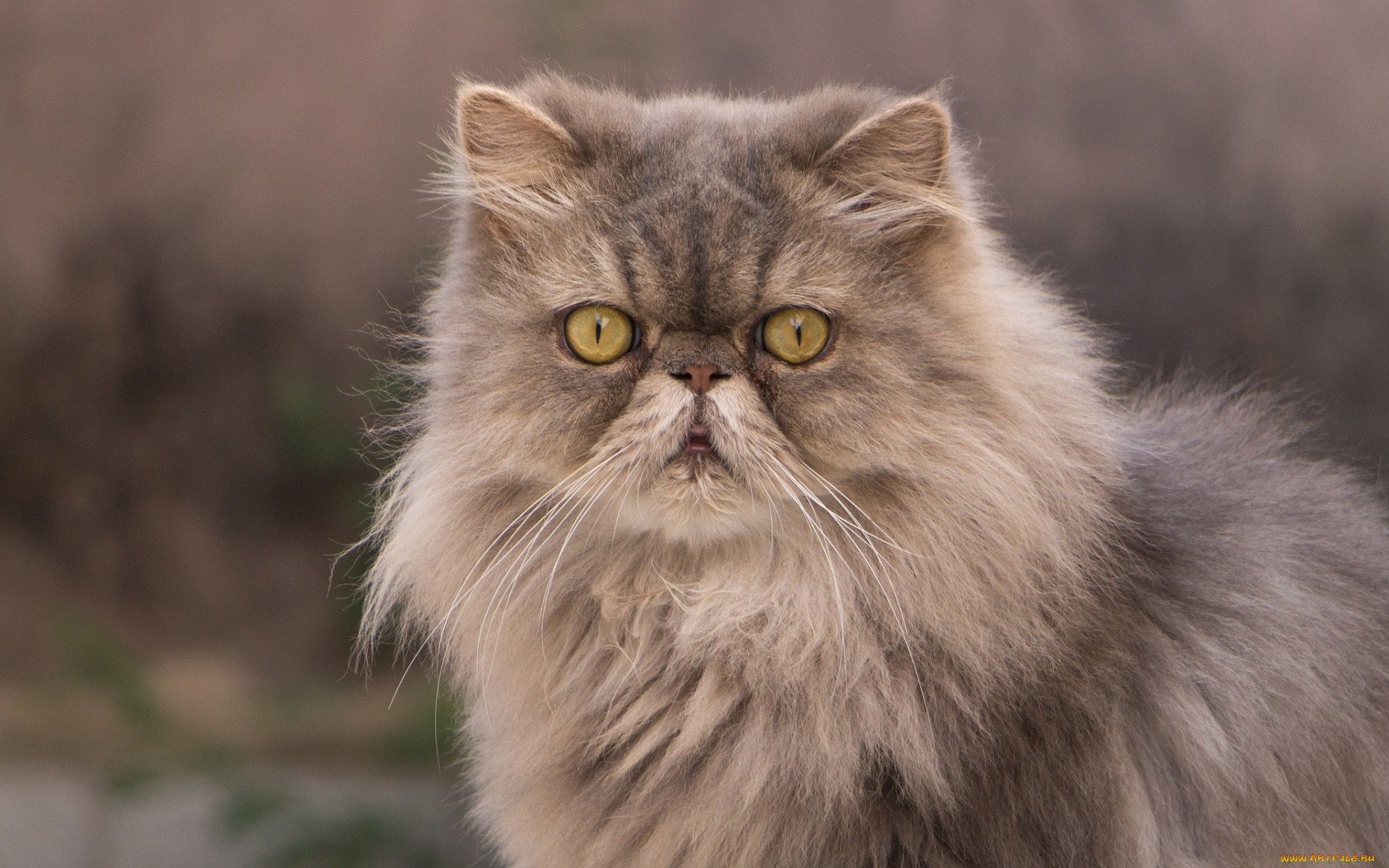
Representatives of the modern type are characterized by a shortened nose, a more turned-up nose tip, and less robust health.
“Extremes” are often referred to as American Persians, which have the most distinctive facial features.
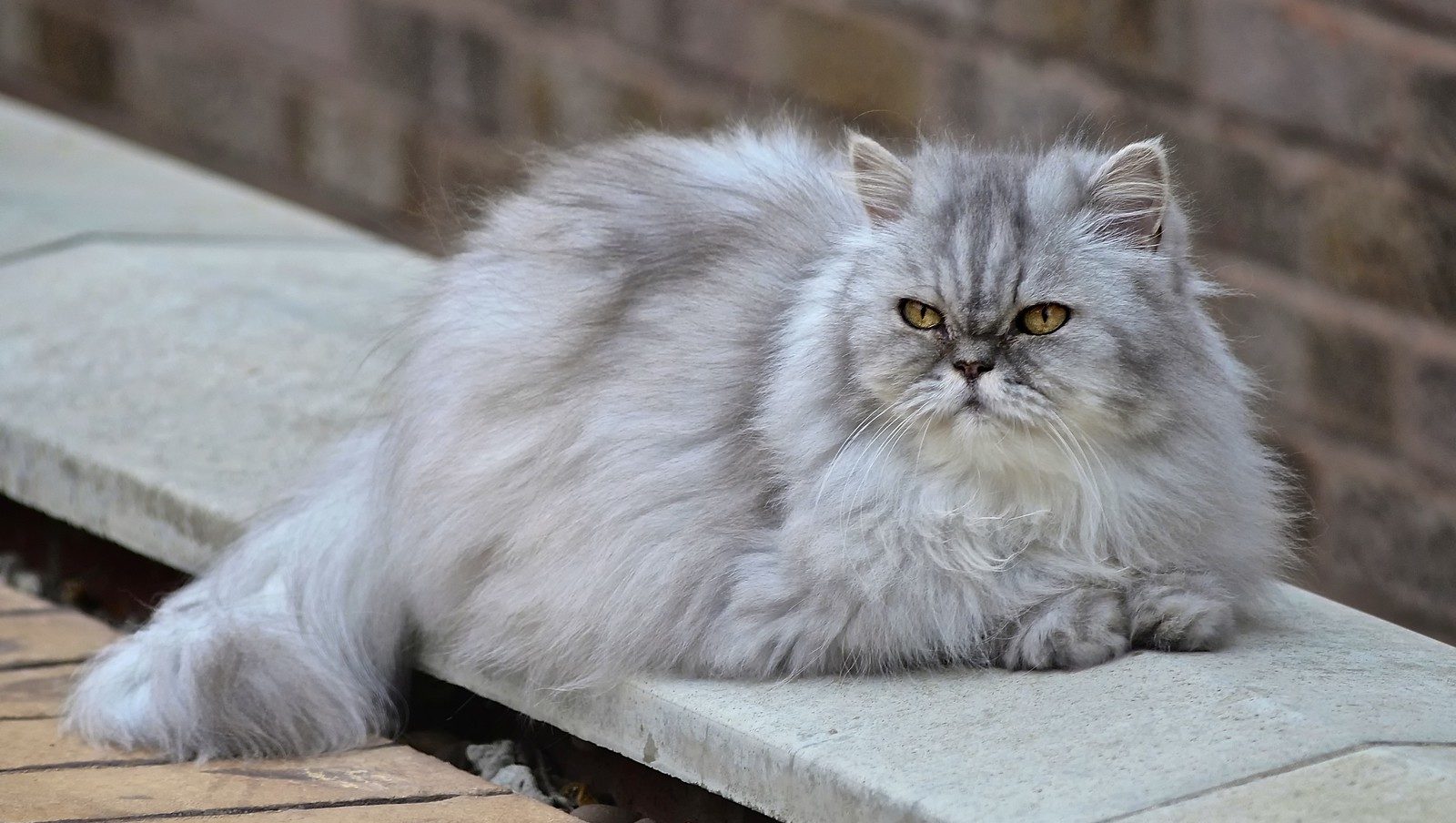
Otherwise, they resemble doll toys, with thick and very long fur. Their weight can reach up to 7 kg, and their average lifespan is from 12 to 16 years or more. The price of a Persian kitten can reach 50,000 to 60,000 rubles, depending on its pedigree and class. Sometimes, breeders list show-class kittens for sale with the note “price negotiable.”


Отличительные черты

Голова

Морда

Уши

Глаза

Зубы

Корпус

Конечности

Хвост

Шерсть

Окрас
Character
The appearance of Persians clearly indicates their calm temperament. These friendly creatures are not suited for hunting or excitement. Completely balanced and slightly sluggish, Persian cats seem to be born for relaxation. They are an entirely domestic breed that feels very uncomfortable outdoors. Their strong attachment to their family makes it difficult for them to be alone for long periods. While some owners point out the vengefulness of these fluffy beings, this is not true. Even if an owner inadvertently offends a “Persian,” there will be no retaliation or lingering resentment.
Fully aware of their magnificence, they do not demand attention with loud meows. Sitting nearby and gazing intently at their owner, they convey their silent desires. Surprisingly, this “hypnosis” works: whether by choice or not, they manage to capture attention, and soon their whims are almost effortlessly fulfilled.
Persian cats have a special fondness for chairs; they absolutely love to lie on them, often forgetting about their own bed. Thus, the question “where has our cat gone?” will never arise. It should be noted that they won’t simply sit in your lap. For some unknown reason, if you place a cat on your knees, it is likely to leave. However, once they select a favorite among family members, they may choose to settle down on their lap of their own accord.
Though they have almost lost their hunting instinct and philosophically watch birds outside, they still enjoy playtime, especially when they are young and not too lazy yet. They prefer games that don’t require a lot of running, such as “fishing” with a mouse or a feather on a string. These toys are best purchased before you decide to get a kitten from a cattery.
Unlike other cats, Persians are not eager to go outside. For elderly people, they make the perfect companions, ready to spend entire days indoors watching movies. Yes, it’s not a joke. They pay close attention to what’s happening on screen, as if they understand the meaning of it all.
Watching falling leaves in autumn or birds perched on the windowsill, a “Persian” won’t make any attempts to “introduce themselves.” They are perfectly content being a spectator. However, if you live in a high-rise building, be sure to keep the windows tightly shut. They will have no issues with dogs; on the contrary, the fluffy gentle giant might take on a mentoring role with a puppy or become a warm companion for an older dog.However, they may be wary of strangers. Therefore, don’t be surprised if the beloved pet appears somewhat aloof when guests arrive. But once they get accustomed to them, understanding that there is no danger, a Persian will surely come over to introduce themselves and show off their beauty. Yes, these cats know their worth and make full use of their charm.
Питомники
Выбор питомника по городу, породе и отзывам
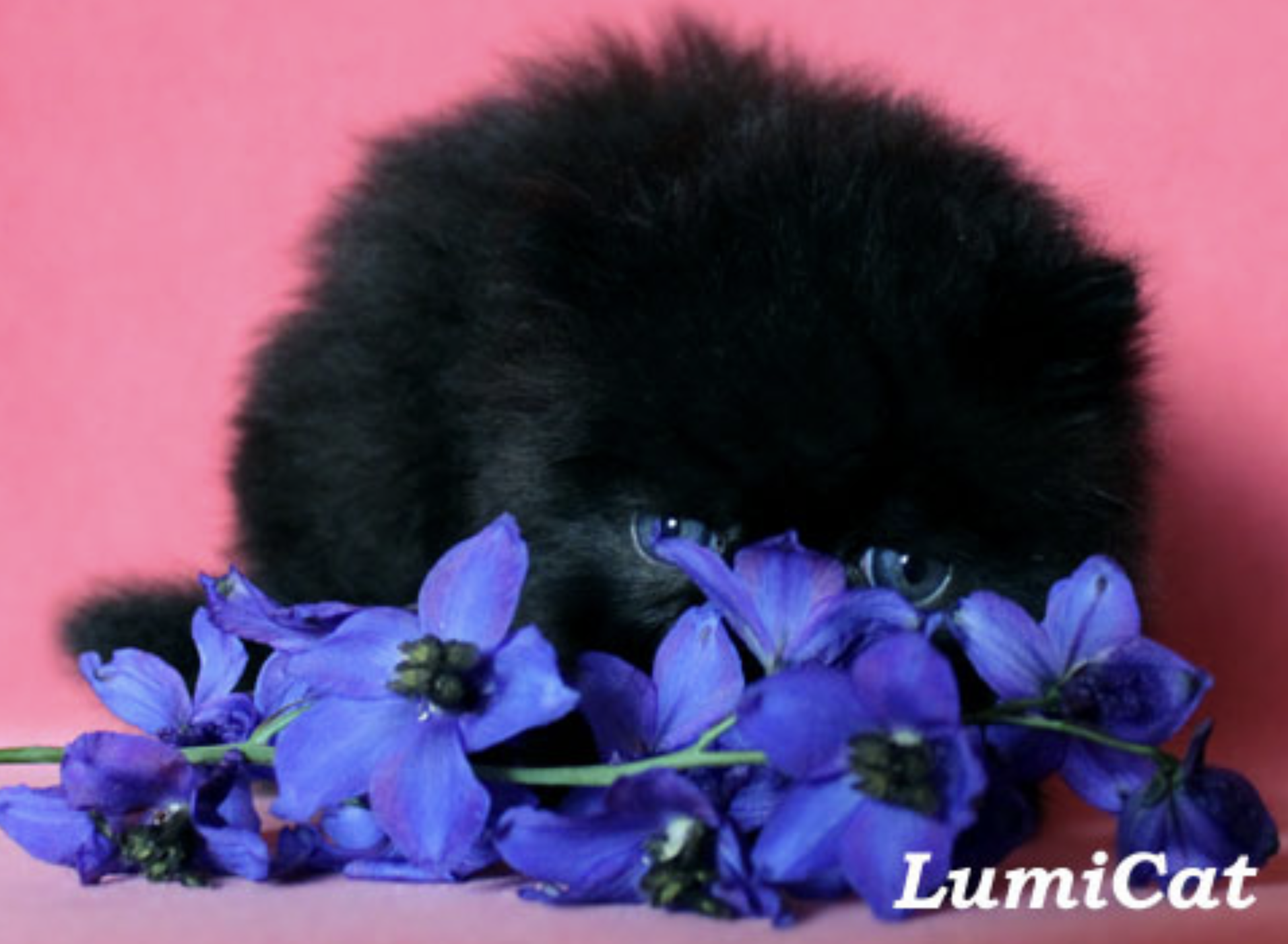
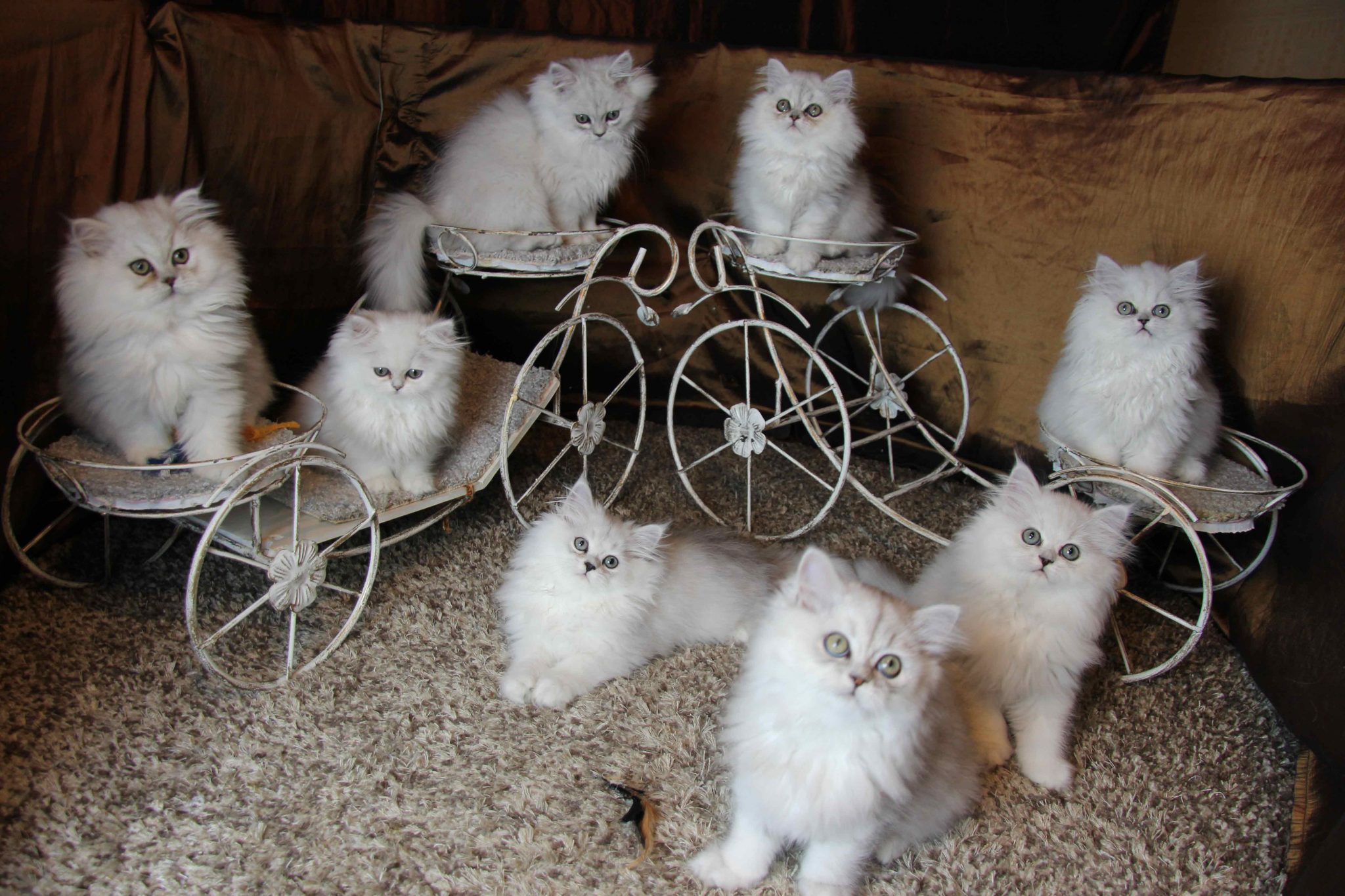
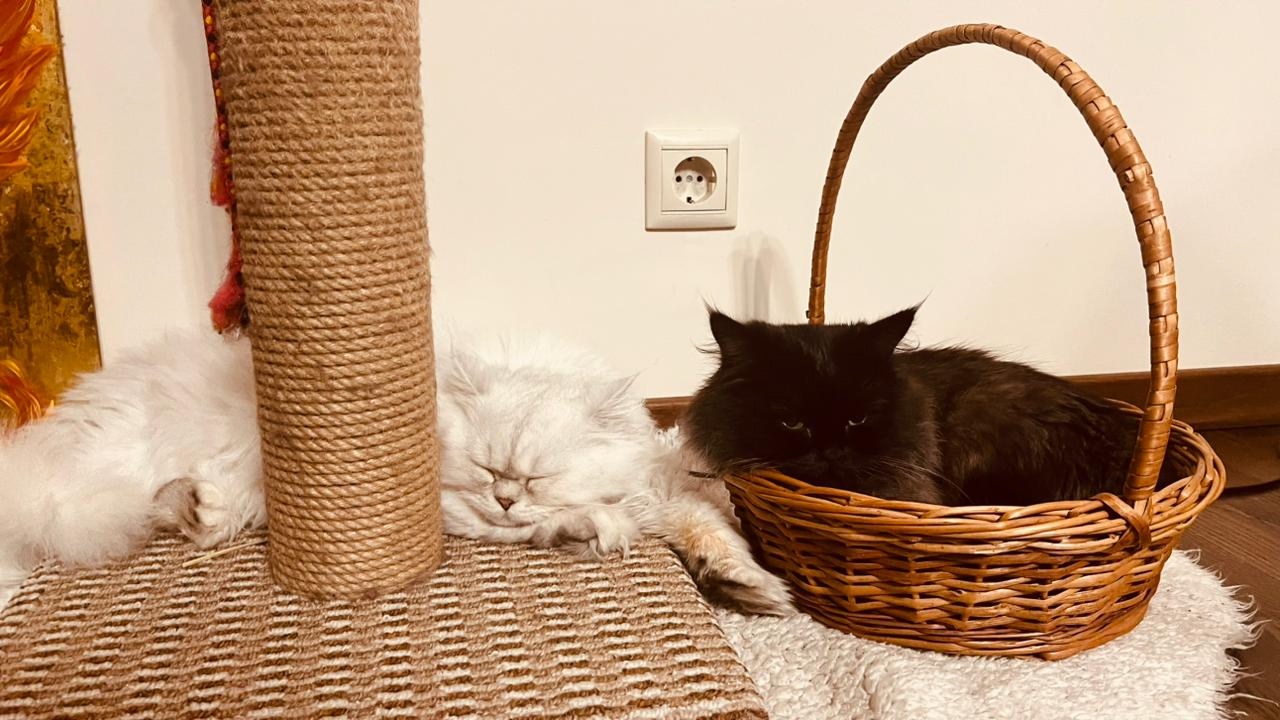
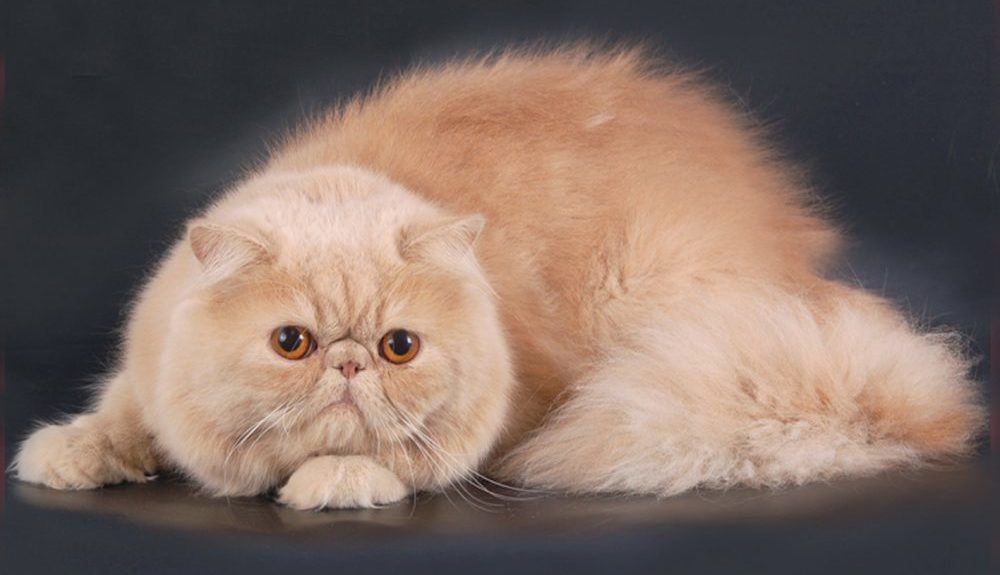
A diverse palette of colors.
Persian cats stand out for the diversity of their coat colors. The colors can range from black and white to lilac and blue.Care and Maintenance
Taking care of a true aristocrat of the cat kingdom can be quite expensive for its owners. A significant portion of the expenses goes towards veterinary clinic services, super-premium or holistic cat food, as well as grooming salon or private groomer services. It can be confidently stated that “persians” belong to cat breeds that need humans the most and are not suited for a free life.
They can be kept in a small city apartment or in a private house in the countryside. There are no issues with this, as these fluffy layabouts are quite undemanding in this regard. For them, the key factor is the close bond with their owner rather than the size of the space. There’s no need to worry that your pet will run away by using an open window or door. They understand very well that they have something to lose and will not leave their owner’s home.
One should only worry about conflicts with other animals under the same roof if one of them reacts aggressively to the persian. The persian itself will display no negativity, even towards parrots or pet rats.
Before choosing a kitten from a cattery, family members are better off taking allergy tests for cat fur and investing in a more powerful vacuum cleaner. In any case, avoiding persian cat hair is impossible – it will be everywhere, even with meticulous care. This problem can be significantly alleviated by grooming salons for cats, where professional groomers will perform all the necessary care for your pet’s coat. However, this will become another cost in its upkeep.
To ensure comfortable living conditions for your pet, it is recommended to buy the following accessories: a carrier, bowls for food and water, a scratching post, nail clippers, brushes and combs for fur, cat shampoo, cotton pads for cleaning ears, a bed or cat house, a suitable litter box, and toys.
Remember that, like all brachycephalic breeds, persians have a hard time coping with heat and experience even more serious breathing problems during this time. To avoid this, it’s essential to monitor the temperature in the room where the animal is located. It’s best to position their bed away from the air conditioner to reduce the risk of catching a cold. If the pet is not participating in exhibitions, it is shaved for summer – this eases its well-being, but may not be great for the coat’s condition.During travels, especially flights, it is not advisable to place the “persian” in the animal compartment. The stress from being separated from the owner can cause choking spells, putting the pet at risk. The size of the fluffy traveler allows for taking them into the cabin, as long as you choose a carrier that meets the airline’s requirements.Most often, “lazy cats” choose their own resting place in the house. By observing their preferences, you can try placing a sleeping bed or even a house nearby (if space allows). It’s quite likely that your idea will appeal to the cat, and it will prefer to rest there. Just don’t pull them out if they don’t come out at your call
The ideal breed
Persians are perfect in every way. They have a wonderful, gentle nature, are friendly with children, and affectionate with their family members.Training and Education
Any cat needs upbringing, but not every cat can be trained. To be more precise, no cat can be trained in the traditional sense. You can only encourage it to perform certain actions based on its instincts and habits. For this, the owner should spend as much time as possible with their pet, playing and talking to it while constantly observing and noting its preferences.
Persians, in general, are very intelligent cats; they can quickly understand what things are off-limits and should not be done. They are willing to follow established household rules if certain conditions are met.
A calm home environment from the very first days of a kitten’s stay in a new place helps maintain a healthy nervous system.
The owner should become a protector and substitute parent for the pet.
You shouldn’t force a kitten to perform any action immediately unless it’s about breaking a rule or a threat to its life.
No violence against the animal.From the very first weeks, the little “peach” should learn the prohibitive commands “No!”, “Stop!”, “Bad!” – these should be spoken firmly every time the fluffy creature violates the established rules. They are often replaced with a loud clap.Encourage the Persian every time it does something correctly. It seeks support, believe me, and it serves as additional motivation. A gentle tone can easily replace a treat.Typically, choosing a kitten from a nursery does not guarantee perfect behavior. One should be prepared for this and show patience each time it displays some defiant behavior. You can be clever and distract it from misbehavior by shifting its attention to a favorite toy.Additionally, it’s recommended never to try playing with a Persian using your hand. The hand should only be for petting and offering rewards. Special toys for cats are created for playtime.
Actors
Please provide the text you would like me to translate.How to Choose a Kitten
Despite the fact that advertisements for Persian kittens are quite common, it is essential to start your search at a reputable kennel or from breeders with a good reputation. There’s no need to rush into buying such a beautiful cat based solely on photos. A beautiful picture is just an image, and you might end up with a mixed-breed that has numerous hereditary health issues. It’s better to spend a little more time selecting a kitten from a kennel.
Purebred Persians are not given away for free or accompanied by a bunch of various gifts. Instead, a reputable breeder will ask you to sign a sales contract and provide a full set of accompanying documentation: a veterinary passport, a certificate, and a pedigree. They are often sold already microchipped or with a kennel stamp.
The “purchase” age should be over 8-10 weeks, and the fluffy ball must have clean eyes, ears, and shiny, well-groomed fur. The breeder usually provides detailed information about the conditions for keeping and caring for the little “Persian.” Special attention should be paid to the kitten’s behavior, which should not be overly aggressive or timid, but rather active.
Show-class kittens are acquired after 3.5 months, as key characteristics that meet the breed standard most often appear during this time.
Health and Diseases
Preventive measures such as a proper diet, adherence to vaccination schedules, and deworming strengthen the immune system of “persians.” However, the structure of the nasopharynx leads to breathing difficulties, causing the cats to snore while sleeping.
These bodily features should certainly be accompanied by a number of hereditary diseases to which the breed is prone.
Retinal atrophy, leading to complete blindness, is a progressive hereditary disease that affects vision at varying rates in each individual. Both male and female cats are susceptible to it. Treatment is only symptomatic.
Polycystic kidney disease occurs when cysts filled with fluid form in the kidneys. It is diagnosed between the ages of 3 and 10 years. Only supportive therapy is available.
Cardiomyopathy is a condition where the heart muscles weaken and the walls of the heart chambers thicken. As a result, their volume decreases, and the animal may die from heart failure.
Cystitis can also arise from hypothermia or infections of the urinary system.Urolithiasis can be detected at any age and presents as blood in the urine.In some cases, liver issues can arise, particularly in neutered animals.
Содержание
-
1. Описание породы
-
2. Внешний вид
- 2.1 Голова
- 2.2 Морда
- 2.3 Уши
- 2.4 Глаза
- 2.5 Зубы
- 2.6 Корпус
- 2.7 Конечности
- 2.8 Хвост
- 2.9 Шерсть
- 2.10 Окрас
-
3. Характер
-
4. Содержание и уход
-
5. Дрессировка и обучение
-
6. Как выбрать котенка
-
7. Здоровье и болезни






Comments
Only registered users can leave reviews.
Enter