
Nibelung




Description of the Nibelung Breed
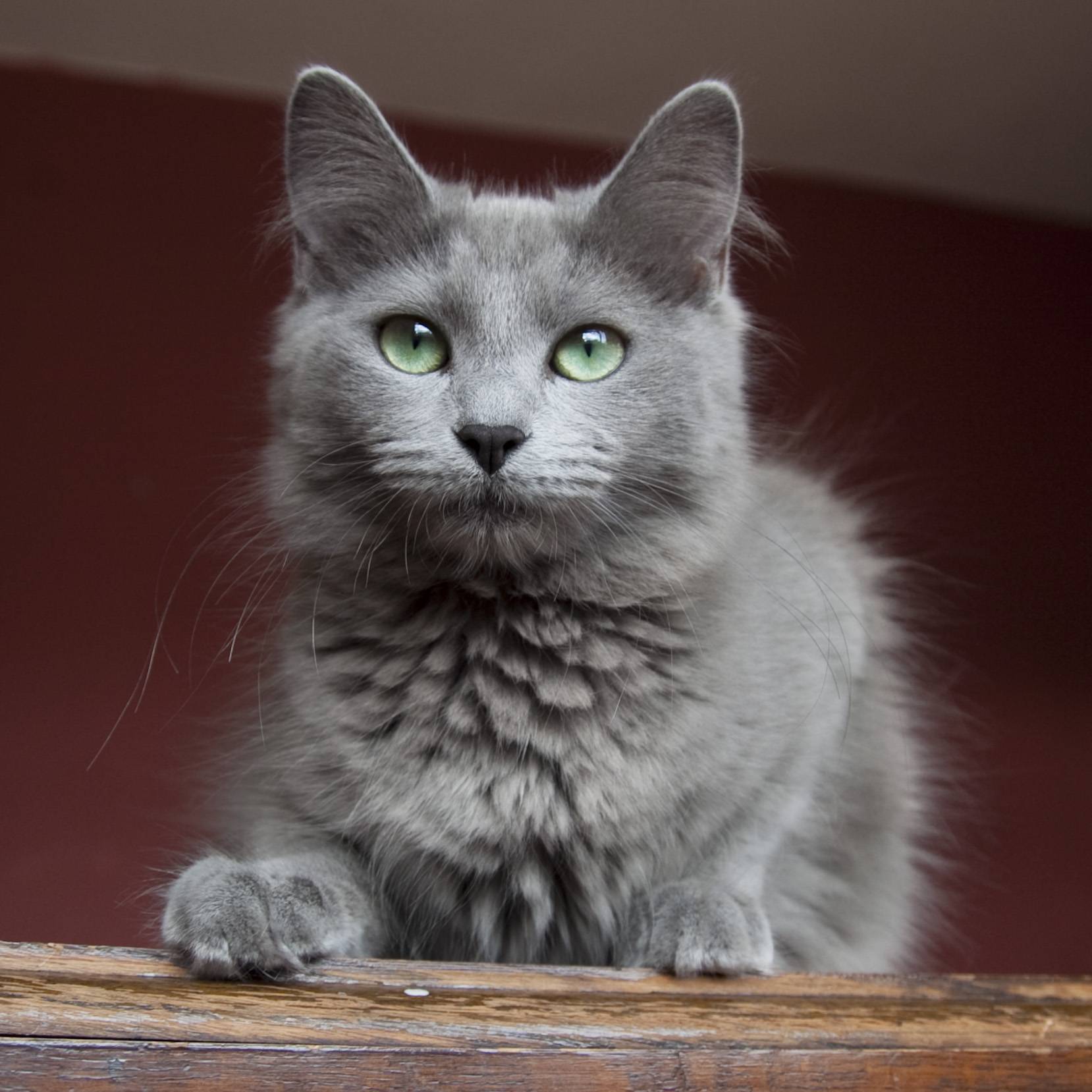
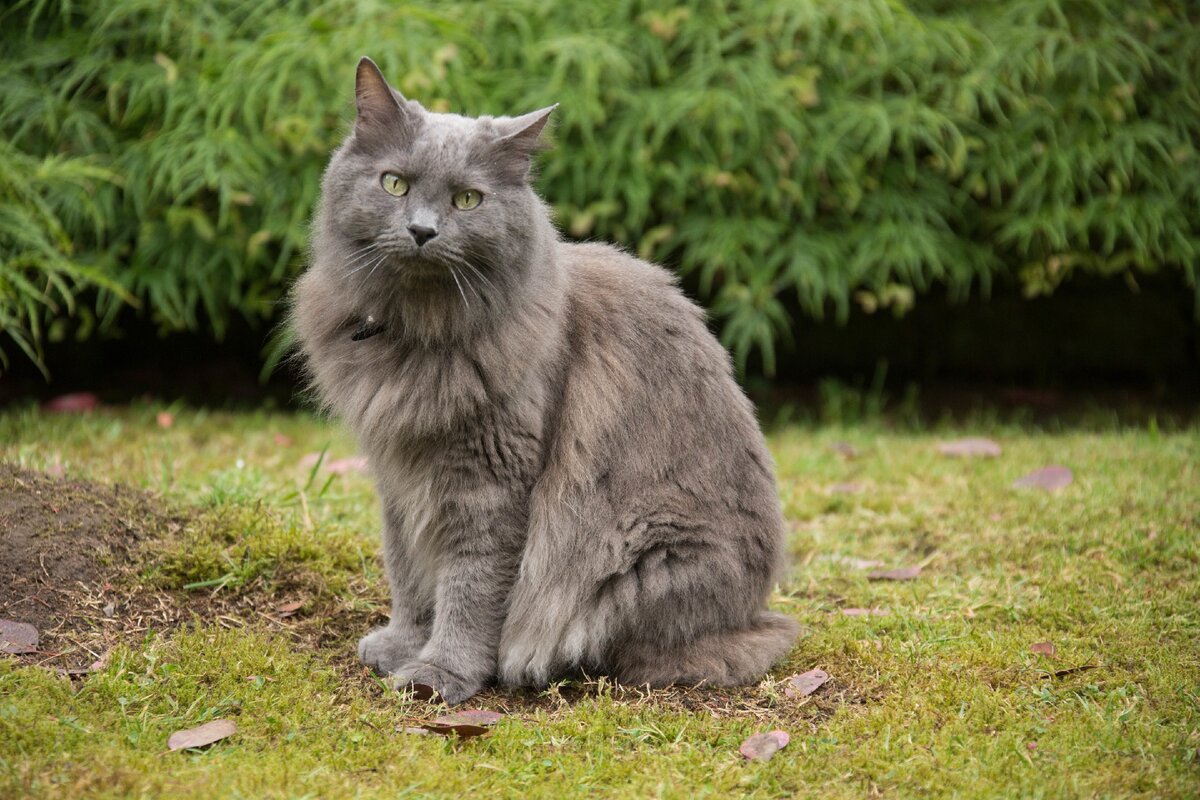
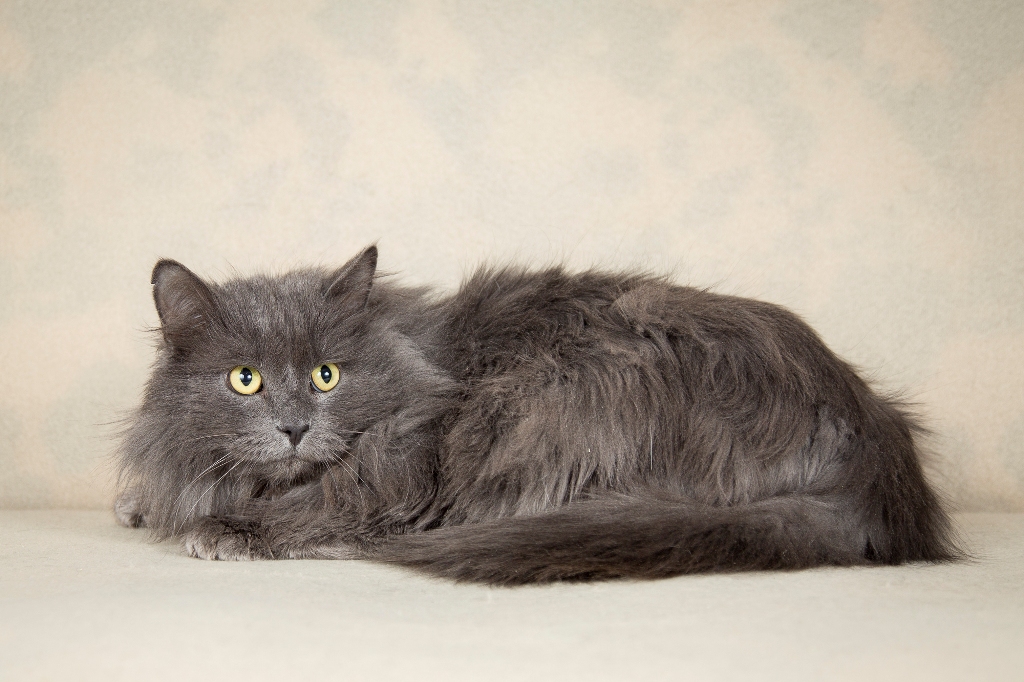
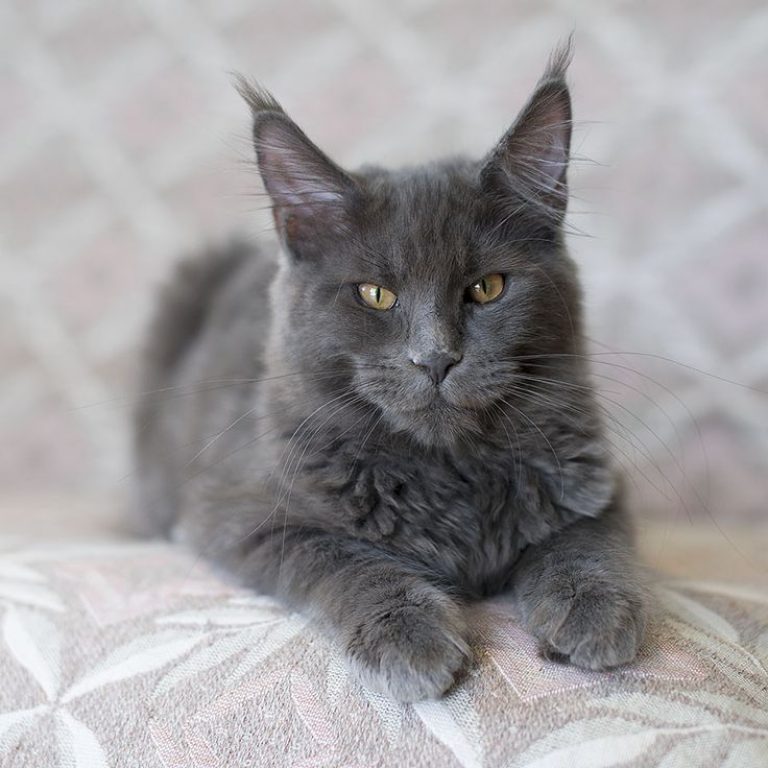
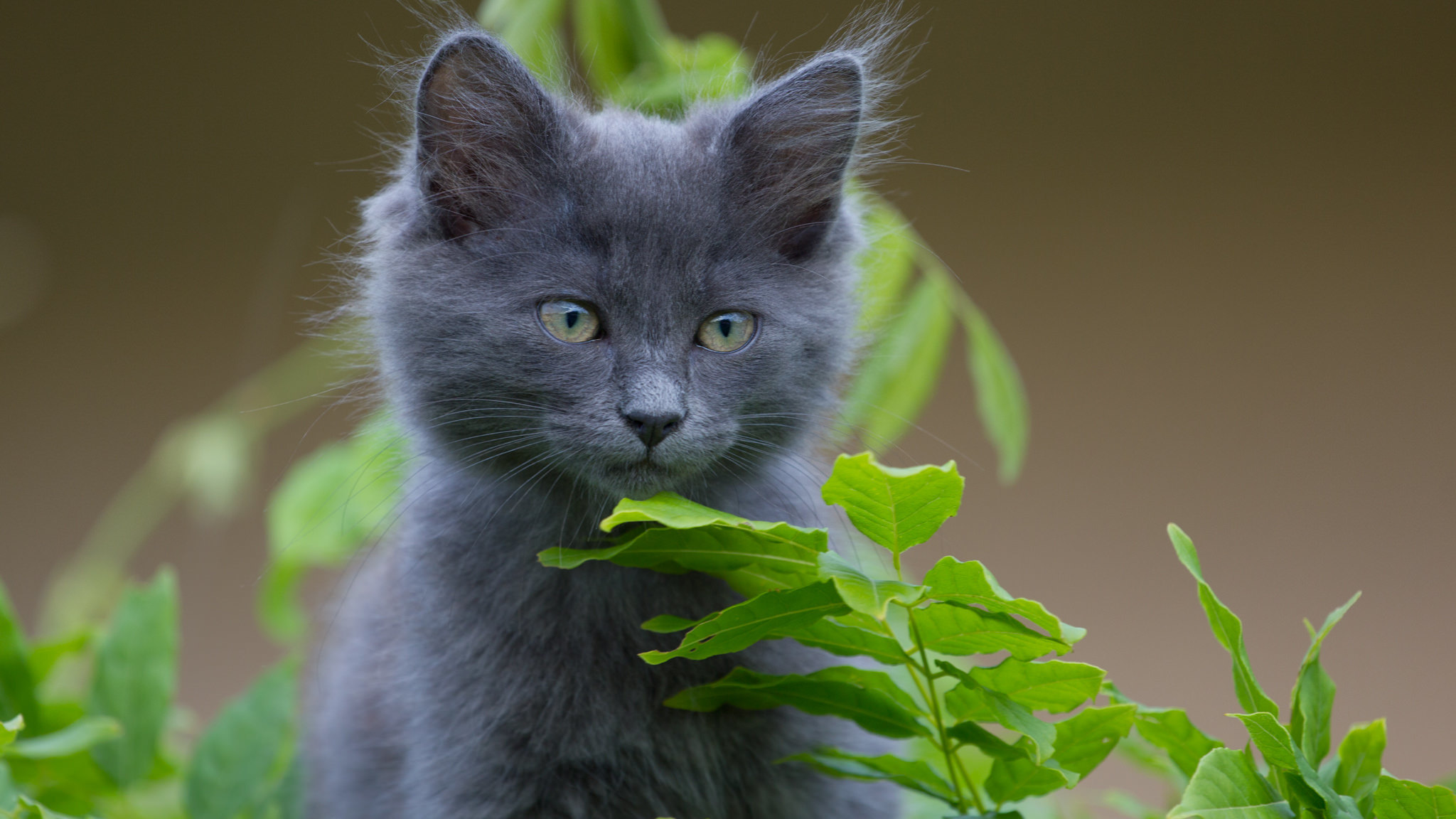
The Nibelung is an elegant breed of cat known for its beautiful long silvery-blue fur and calm, friendly demeanor. These cats are close relatives of the Russian Blue breed but have longer and denser coats, giving them a distinct refinement and uniqueness. Nibelungs often attract attention with their mystery and exquisite appearance, making them ideal companions for cat lovers who appreciate beauty and tranquility. The breed is named after the German epic “Nibelungenlied,” symbolizing the mystery and allure of these cats. The breed’s history began in the United States in the 1980s when a breeder named Cora Cobb noticed that her Russian Blues were producing kittens with long fur. As a result of breeding these kittens, a new breed was developed, which was later recognized as the Nibelung. While the breed is not as common as its relatives, the Russian Blues, Nibelungs have gained popularity among enthusiasts of rare and exotic cats. Their unique appearance, combining long silvery-blue fur and expressive green eyes, makes them recognizable at shows and among breeders.
The Appearance of the Nebelung
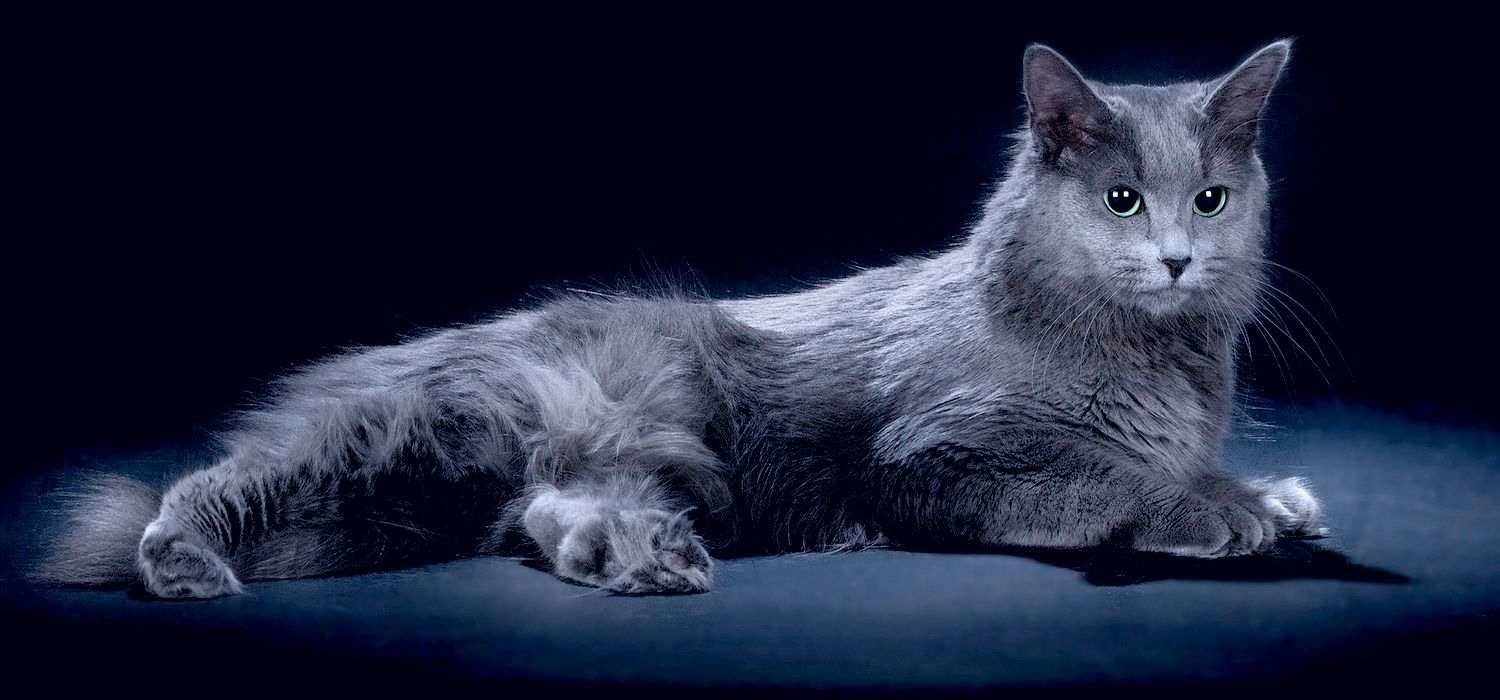
The Nebelung is a breed that rightfully stands out as one of the most elegant and refined among cats. Its unique appearance features sophisticated body lines, expressive facial features, and luxurious silvery-blue fur that gives the cat a special charm. This effect is created by a dense undercoat and the unique structure of the guard hairs, making the Nebelung’s coat resemble silk. The shimmering silvery-blue fur creates an impression of mystery and intrigue, which is why the breed is sometimes referred to as the “cat ghost.”
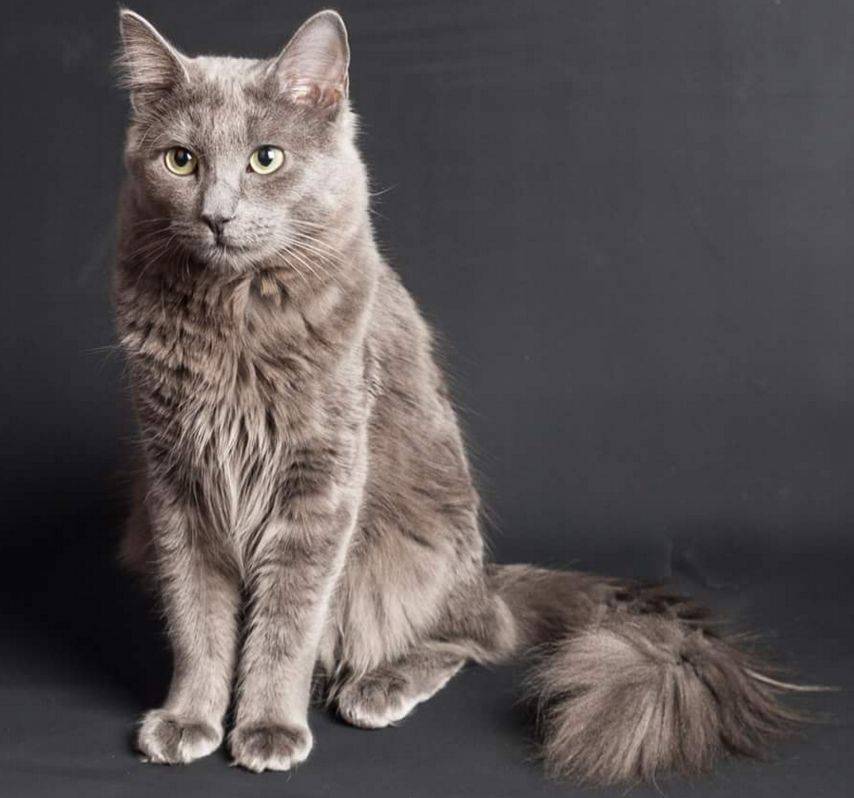
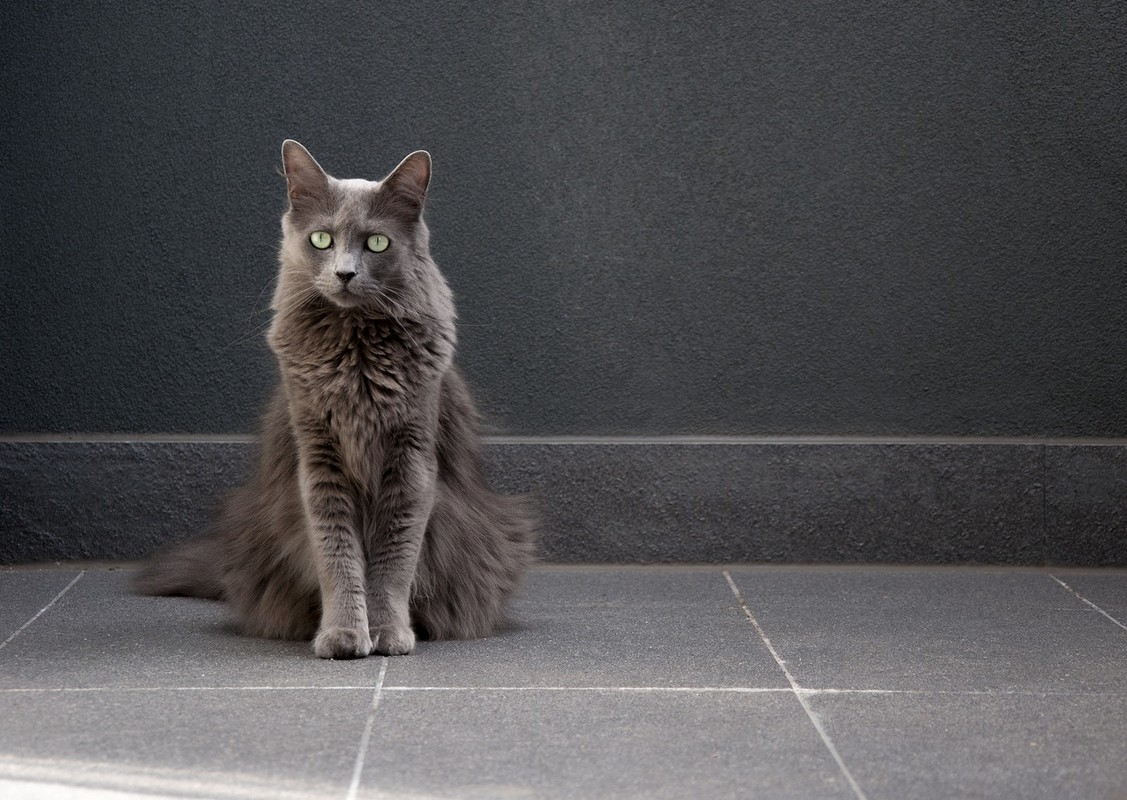
Nebelungs are medium-sized cats with a harmonious build and refined grace. Their bodies are slim yet muscular, highlighting their strength and agility. Thanks to their light movements and elegant posture, Nebelungs appear genuinely “airy,” and their motions resemble a dance. They possess good body proportions, making them balanced and expressive. Their long limbs and slender bodies contribute to an overall impression of grace and elegance, emphasized by their long tails and almond-shaped eyes.
One of the key features of the Nebelung’s appearance is its coat. This breed has semi-long fur with a distinctive structure: it is dense, soft, and has a thick undercoat with evenly distributed hairs across the body. The undercoat plays a crucial role in creating the characteristic “silver” effect – light reflects off each hair, making the Nebelung’s coat shiny and shimmering. The fur lies closely to the body, creating a “covering” effect that accentuates the elegant contours of the body. It is important to note that proper grooming is essential for a Nebelung, as the fur can become tangled without regular brushing.
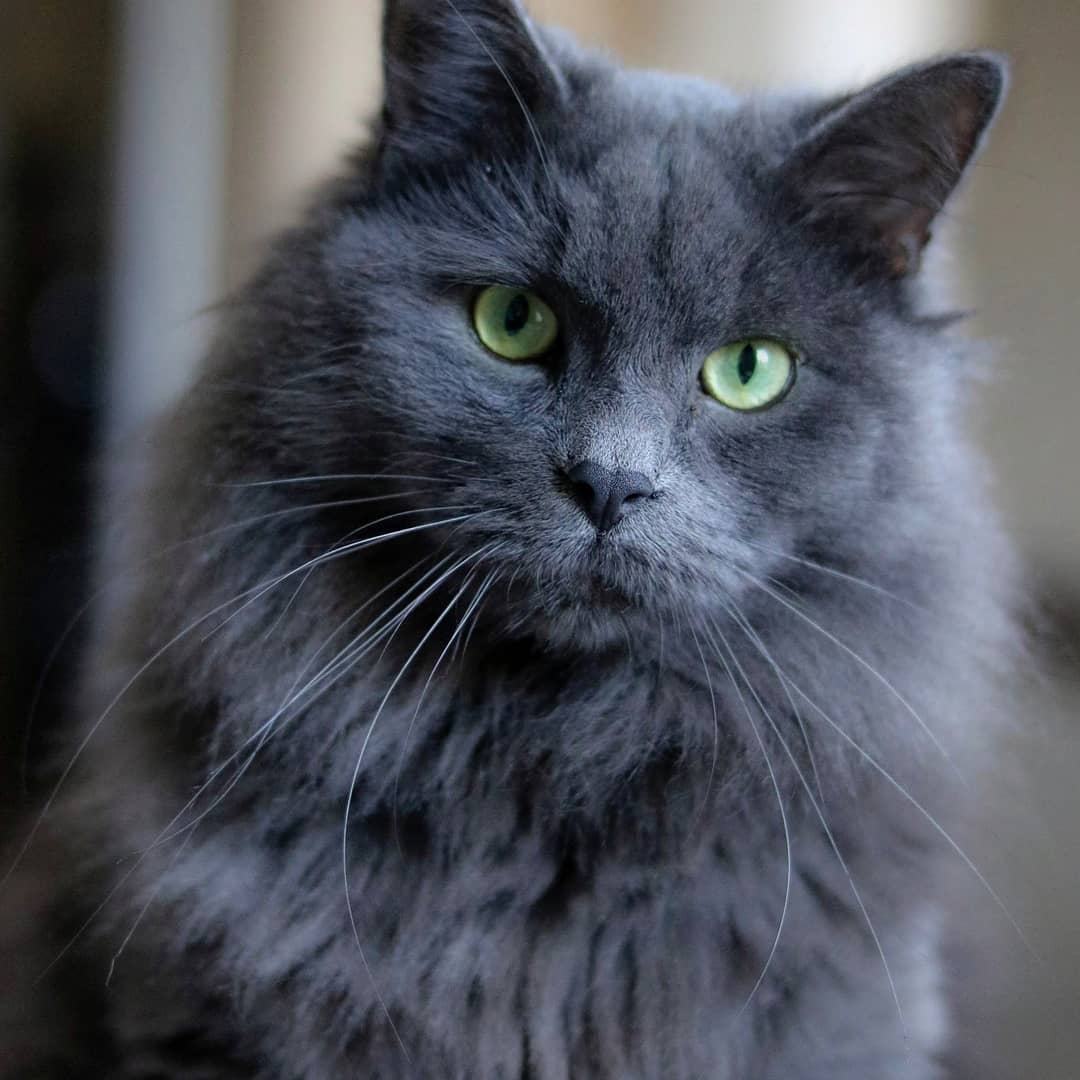
The Nebelung has a wedge-shaped head that harmonizes with its body proportions. The eyes of these cats are one of their most expressive features: large, almond-shaped, and bright green, they give the cat a deep gaze and an air of mystery. The eyes often appear almost “glowing” against the dark fur, creating a hypnotic effect. The gaze of a Nebelung can change depending on the lighting and mood, adding to its enigmatic charm.
The ears of the Nebelung are another characteristic trait that enhances its graceful appearance. They are relatively large, rounded at the tips, set high, and slightly tilted forward. This gives the cat a keen and alert expression, underlining its natural curiosity. The tips of the ears may have small tufts, adding a “wild” appearance and highlighting its exotic nature.
The limbs of the Nebelung are long and slender, enabling the cat to move smoothly and confidently. The paws are oval-shaped and fairly compact, which helps it maintain balance and navigate any surface. The Nebelung is capable of jumping high and running swiftly, thanks to its physical endurance and sturdy build.The tail of the Nebelung is another important detail of its appearance. It is long and covered with dense fur, resembling a fluffy broom. The tail gradually tapers to a point, adding grace to the overall silhouette. While moving, the cat may slightly raise its tail, giving it an even more refined and elegant look.The coat color of the Nebelung is its “calling card.” The deep silvery-blue shade not only attracts attention but also creates an impression of luxury. This color is uniformly distributed across the body, and each hair has a special texture that enhances the effect of the “shimmering coat.” The coloration in Nebelungs is solid, without spots or markings, emphasizing the breed’s purity. The light-colored tips of the hairs create a “frosted” effect, making the fur appear slightly sparkling in the light.


Отличительные черты

Голова

Морда

Уши

Глаза

Зубы

Корпус

Конечности

Хвост

Шерсть

Окрас
Character of the Nibelung
The Nibelung is a cat with a unique and multifaceted personality, perfectly combining traits of tenderness, devotion, and independence. Owners of Nibelungs often note that these cats possess a gentle yet confident disposition, making them ideal companions for those who value tranquility and harmony. The personality of the Nibelung combines balance and playfulness, allowing it to easily adapt to any environment and become a true friend and family member.
Affection and Attachment to Owners
Nibelungs are known for their attachment to their owners and love spending time close to them. These cats may follow their owners around the house, accompanying them from room to room, missing no opportunity for interaction. They are not intrusive and do not demand constant attention like some other breeds. The Nibelung knows how to find a balance between wanting to be near and respecting their owner’s personal space. When a Nibelung wants to show affection, it may gently jump onto your lap, purr, and lovingly rub against your hands. Find the perfect kitten through trusted sources.
These cats are very sensitive and can sense a person’s mood. They may comfort you in difficult times by quietly purring and curling up next to you, or on the contrary, they might support a playful mood with their activity and mischief. Nibelungs form strong attachments to their owners and often express their love through soft purring or gentle paw touches. However, excessive clinginess is not typical of them, making them an excellent choice for those who value independence in their relationships with pets.
Independence and Self-Sufficiency
Despite their attachment to their owner, Nibelungs have an independent character and can comfortably spend time alone. These are not cats that will constantly demand attention or seek to be held. They value their personal space and can find activities to occupy themselves while their owner is busy. This trait is particularly valuable for those who work outside the home and cannot dedicate much time to their cat during the day.A Nibelung can independently play with toys, explore the house, or watch what’s happening outside the window. These cats love heights and often climb on cupboards or shelves to observe the world from above. In this way, Nibelungs maintain their natural instincts and satisfy their need for exploration.Calmness and BalanceThe character of the Nibelung can be described as calm and balanced. These cats rarely exhibit aggression or nervousness, making them perfect companions for families with children. Nibelungs can maintain their composure in various situations, do not panic at loud noises, and are not skittish. This quality helps them easily adapt to new surroundings and cope well with moving or changing homes.
Nibelung, who has mastered 10 commands.
A cat named Nala amazed her owners by learning more than 10 commands, such as "sit," "come here," "give paw," and even "fetch the toy." The training was conducted in a playful manner using positive reinforcement, and Nala demonstrated high intelligence and a capacity for learning. She participated in a talent show for cats and won first place for her skills.Care and Maintenance of the Nebelung
The Nebelung is a breed that requires a special approach to care and maintenance to highlight its natural beauty and maintain health. These cats are characterized by their long silver-blue fur, elegant physique, and calm temperament, which imposes certain responsibilities on their owners. Caring for a Nebelung involves maintaining fur health, providing a balanced diet, ensuring regular physical exercise, and paying attention to dental and claw conditions. Let’s explore the main aspects of caring for this breed in more detail.
1. Fur Care
One of the main features of the Nebelung is its unique medium-length silver-blue fur, which requires regular grooming. Their fur has a soft and silky texture, with a dense undercoat; therefore, it’s important to pay attention to its condition to ensure it always looks shiny and well-groomed.
Regular brushing. It is recommended to brush the Nebelung 2-3 times a week with a metal comb with long teeth to remove fallen hairs and prevent matting. During the shedding season, which usually occurs in spring and autumn, brushing should be done daily.
Bathing. Nebelungs do not need frequent bathing, as their fur has natural water-repellent properties. Bathing is done as necessary, for example, if the cat gets particularly dirty. Use shampoos formulated for long-haired breeds to avoid disrupting the fur structure.
Preventing matting. To avoid matting, special attention should be paid to brushing areas with thicker fur-behind the ears, on the belly, and in the “pant” area on the back legs.2. Nutrition and Maintaining a Healthy WeightA balanced diet plays a key role in maintaining the health of a Nebelung and affects the condition of its fur, skin, and overall well-being. Nebelungs require a full diet that includes all essential nutrients, vitamins, and minerals.Premium-quality food. It is recommended to choose high-quality food designed for long-haired or sensitive breeds, which help improve fur condition and maintain joint health.Supplements for fur and skin health. Including supplements with omega-3 and omega-6 fatty acids in the diet can help enhance fur shine and strengthen the skin. This is especially important during shedding periods.Caloric control and weight management. Despite their activity, Nebelungs can be prone to weight gain if their diet is unbalanced. Divide the daily food allowance into several meals and monitor the amount of treats to prevent overeating.
Nibelung - the cat-rescuer in the mountains
A cat named Storm once helped his owner in the mountains of Norway when he got stuck on a slope. Storm was trained in search and rescue, and this time he worked to the fullest-he found a way down, returning to his owner and showing the way. Storm's owner claims that without his help, he could have stayed on the slope longer, putting himself at risk.Training and Education of the Nebelung
The Nebelung is an intelligent and perceptive cat breed with an inherent curiosity and a desire to interact with its owner. These cats possess a high level of intelligence and are capable of learning, making them good candidates for training and mastering basic commands. Despite their independence, Nebelungs can be trained easily, especially when the process takes their character traits and preferences into account. This article will explore the characteristics of Nebelung training, suitable teaching methods, and examples of commands that can be learned with your pet.
Features of Nebelung Training
The Nebelung is a breed that combines independence with attachment to its owner, creating unique conditions for training. These cats may be a bit cautious and tend towards independence, so it’s important to consider their natural traits during training. To achieve successful results, patience and attention to the pet’s needs are essential.
Using Positive Reinforcement
The most effective method for training a Nebelung is the use of positive reinforcement. This means rewarding the cat with treats, praise, or a favorite toy for each correctly performed action. Nebelungs respond well to rewards, which helps them learn new commands more quickly.
Short and Frequent Training SessionsGiven the independent nature of the Nebelung, training sessions should be short but frequent. The optimal duration for one session is 5-10 minutes. This helps maintain the cat’s interest and avoids fatigue. It’s better to conduct several short sessions each day than to attempt to achieve results in one long session.Learning Through PlayPlayful training is especially suitable for the Nebelung. These cats enjoy active games, so commands can be integrated into the play process. For example, training for the “fetch” command can be part of a game with a ball, while the “come” command can be used when the cat catches a toy on a string.Commands You Can Teach Nebelungs can master both basic and more complex commands if training is conducted properly. Let’s look at some examples of commands that are suitable for training a Nebelung.The “Come” CommandThis command is useful for maintaining contact with the cat and improving its obedience. To teach a Nebelung the “come” command, start by attracting its attention with a favorite treat or toy. When the cat approaches you, say the command and reward it.
Nibelung with "hypnotic eyes"
Please provide the text you would like me to translate to English.How to Choose a Nebelung Kitten
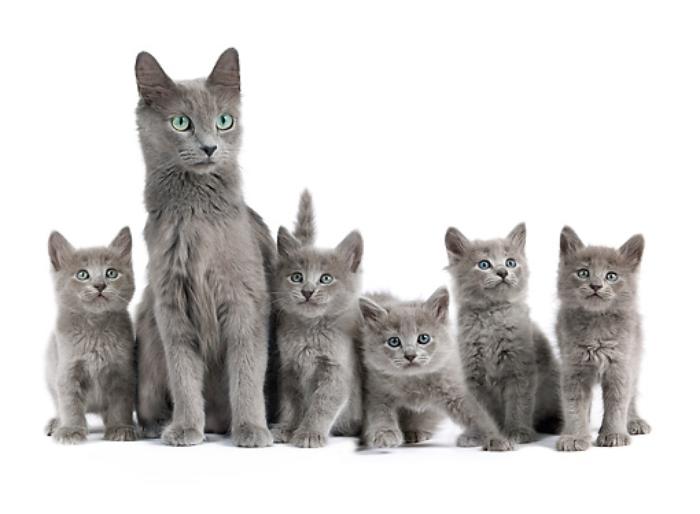
Choosing a Nebelung kitten is a responsible and important process that requires careful consideration. This rare breed is distinguished not only by its beautiful appearance but also by its unique character, so it’s essential to select a kitten that matches your expectations and living conditions. Below are key recommendations to help you choose a healthy and purebred Nebelung suitable for your home.
1. Finding a Responsible Breeder
The first and most important step in choosing a Nebelung kitten is to find a responsible and reputable breeder. As Nebelungs are a rare breed, the number of breeders is limited, and choosing them should be approached with particular diligence. A good breeder cares for the health and socialization of their animals and provides the necessary documentation for the kittens.
Researching Reputation and Reviews: Look for reviews about the breeder and the cattery to ensure they have a good reputation. Speak with other Nebelung owners who have already purchased a kitten from this breeder.
Documentation and Certificates: Check for a pedigree that confirms the breed’s purity. The breeder should also provide a veterinary passport with records of vaccinations and parasite treatments.
Kitten Living Conditions: Ensure that the kittens are kept clean and receive proper nutrition. A good breeder will ensure that the kittens are socialized and accustomed to people.2. Optimal Age for Acquiring a KittenThe optimal age for acquiring a Nebelung kitten is between 12 and 16 weeks. During this period, kittens receive all necessary vaccinations, adapt to independent feeding, and are trained to use a litter box. A kitten that is weaned from its mother too early may have socialization and health issues.Early weaning (before 12 weeks) can lead to stress and adaptation problems. Kittens at this age still need maternal milk and social skills training from their mother and littermates.A kitten older than 16 weeks will likely be better socialized and more prepared for a change in environment. The breeder at this age should be able to tell you about the kitten’s temperament, which will help you choose a pet with the right character.3. Evaluating the Kitten’s HealthWhen choosing a Nebelung kitten, special attention should be paid to its health condition.
Health and Diseases of the Nebelung
The Nebelung is a breed known for its robust health and longevity. Overall, these cats exhibit good physical condition, thanks to their genetics and lineage from the Russian Blue breed. However, even healthy breeds may have certain predispositions to diseases, and it is important to be aware of the main risks and preventive measures. In this section, we will discuss the most common diseases in Nebelungs and recommendations for maintaining their health at a high level.
1. Common Health Issues
Nebelungs generally possess a good immune system and are resistant to most cat-related diseases. However, like all pets, they may encounter some problems, such as infections or parasites.
Infectious diseases. To minimize the risk of infectious diseases (calicivirus, panleukopenia, rhinotracheitis), timely vaccination is crucial, adhering to vaccination schedules. Vaccination is the primary method of protecting cats from infections that can be transmitted from other animals or through the environment.
Parasitic infections. Treatment for external and internal parasites (fleas, ticks, and worms) should also be carried out regularly. Nebelungs that have access to the outdoors or interact with other animals require more frequent treatment.
2. Hereditary and Genetic DiseasesAlthough Nebelungs are considered a relatively healthy breed, they have a small chance of developing some hereditary diseases. This is due to their common ancestry with the Russian Blue, which has certain genetic pathologies.Hypertrophic Cardiomyopathy (HCM). This heart disease involves thickening of the myocardial walls, making normal heart function difficult. While HCM is rarely found in Nebelungs, it can still occur in some cats. Regular veterinary check-ups, including echocardiograms, can help detect the disease at an early stage.Polycystic Kidney Disease. This condition is more common in other breeds but can occasionally be diagnosed in Nebelungs. Polycystic kidney disease is a genetic disorder where cysts form in the kidneys, potentially leading to kidney failure. Ultrasound is used for diagnosis.3. Dental IssuesDental and gum diseases can become a problem for Nebelungs, especially in older age. Since many cats dislike having their teeth brushed, it is important to start this habit at an early age.Gingivitis and periodontitis. Gum inflammation and dental diseases can be triggered by plaque and tartar.
Содержание
-
1. Описание породы
-
2. Внешний вид
- 2.1 Голова
- 2.2 Морда
- 2.3 Уши
- 2.4 Глаза
- 2.5 Зубы
- 2.6 Корпус
- 2.7 Конечности
- 2.8 Хвост
- 2.9 Шерсть
- 2.10 Окрас
-
3. Характер
-
4. Содержание и уход
-
5. Дрессировка и обучение
-
6. Как выбрать котенка
-
7. Здоровье и болезни






Comments
Only registered users can leave reviews.
Enter