
Manx





Breed Description
The Manx cat breed, affectionately referred to as the tailless cat by its admirers, has an intriguing and ancient origin. These unique cats hail from the Isle of Man, situated in the Irish Sea between Great Britain and Ireland. The legends and myths surrounding this breed stretch back through the centuries, making it one of the most enigmatic breeds in the world.
It is believed that Manx cats appeared on the Isle of Man about 300 years ago. According to one legend, their taillessness is explained by a cat arriving late to Noah’s Ark, where its tail got caught in the closing door. Although this is merely a myth, some breeders still hold this belief. However, genetic studies confirm that the taillessness in Manx cats is due to a mutation in the gene responsible for tail development.
In the early 19th century, the tailless cats from the Isle of Man captured the attention of British feline enthusiasts, and the breed began to spread globally. Cat breeding establishments started opening, and the prices of purebred kittens steadily increased. In 1903, the tailless Manx was officially recognized as a breed and began participating in exhibitions. At these events, many attendees sought to purchase a kitten from breeders. Over the following decades, the breed continued to gain immense popularity, particularly in North America, where the first clubs for Manx aficionados were established in the 1920s.
After World War II, the population of Manx cats significantly declined, but by the 1950s and 1960s, they regained popularity among breeders, and the breed gained recognition in international feline organizations such as the CFA (Cat Fanciers’ Association) and TICA (The International Cat Association). Despite this, Manx cats remain relatively rare, yet their distinct feature of nearly complete taillessness combined with a friendly disposition makes them popular among today’s cat lovers.
In Russia, you can find catteries of the Manx breed on our website. You can contact any of them to request a price list with current prices. In Russia, the average cost ranges from 50,000 to 100,000 rubles.
For those who wish to immerse themselves in history and participate in the breed’s development, it is possible to find a cattery on the map and make a remote purchase by selecting a foreign cattery. In this case, the cost will be significantly higher due to logistics and the processing of all necessary documents.
Appearance
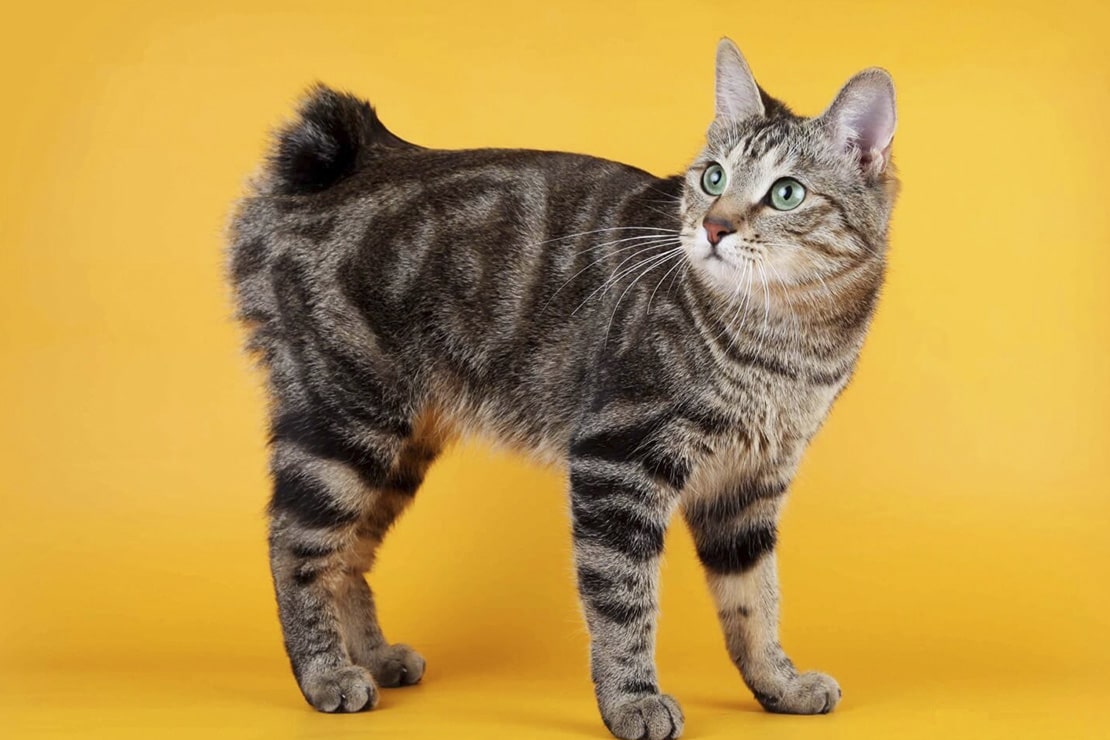
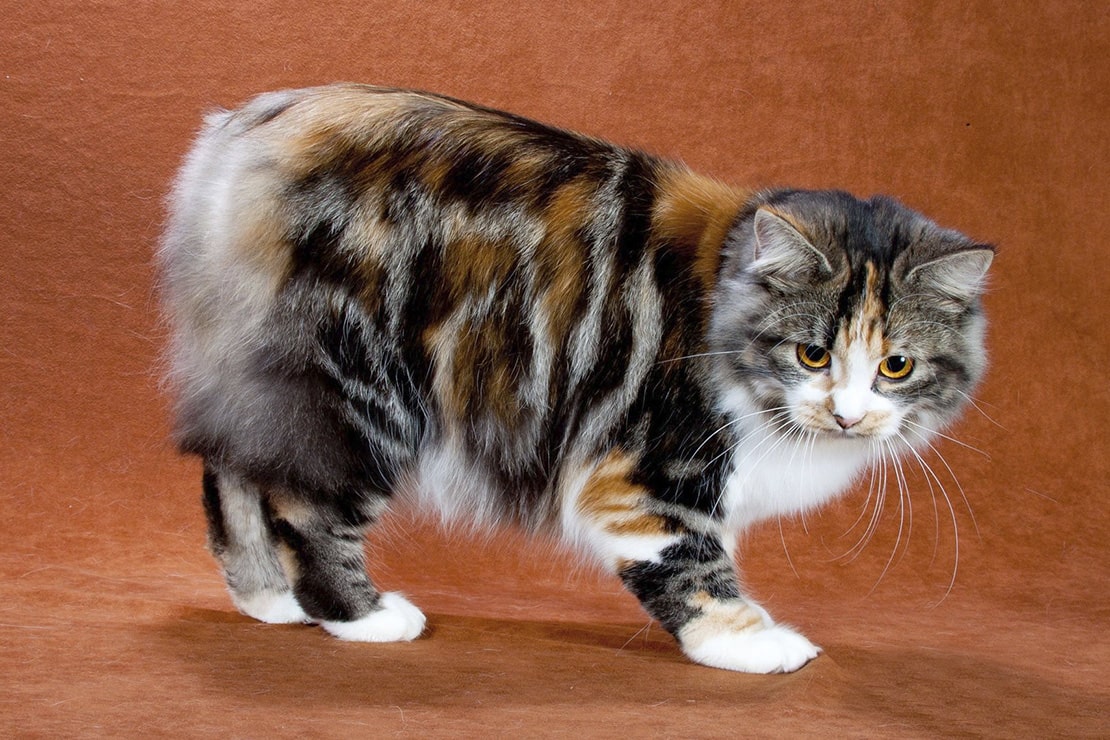
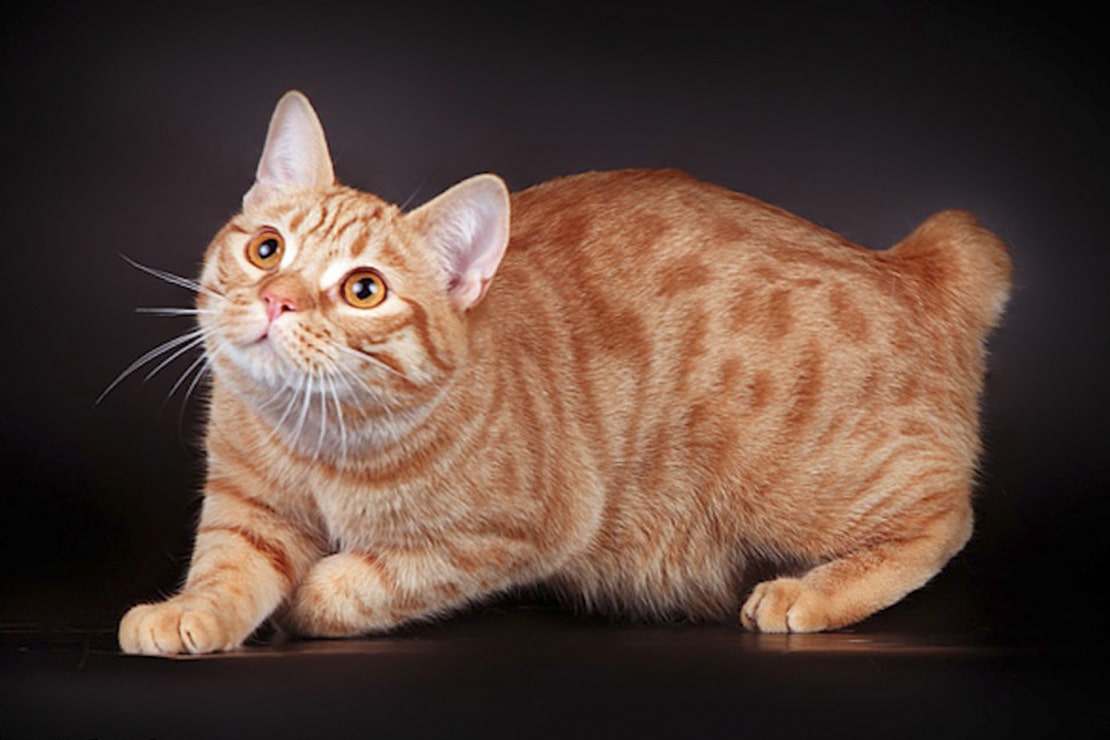
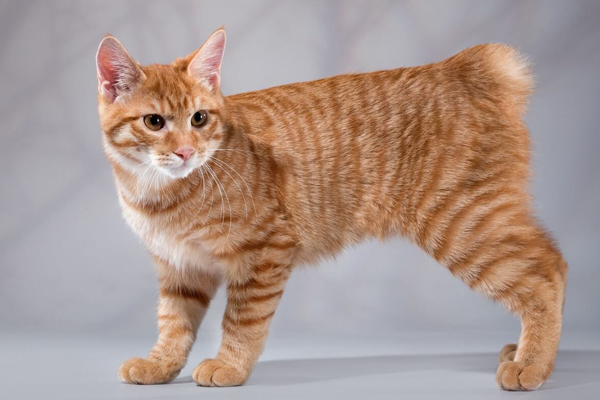
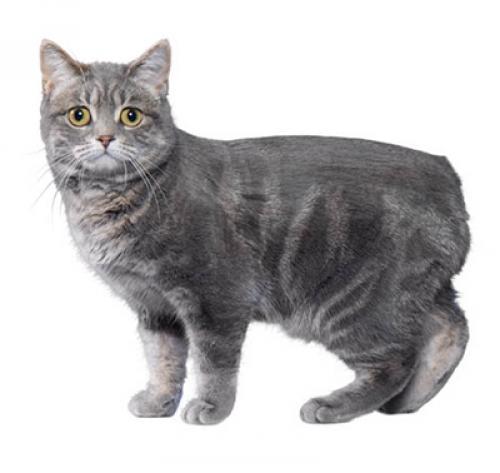
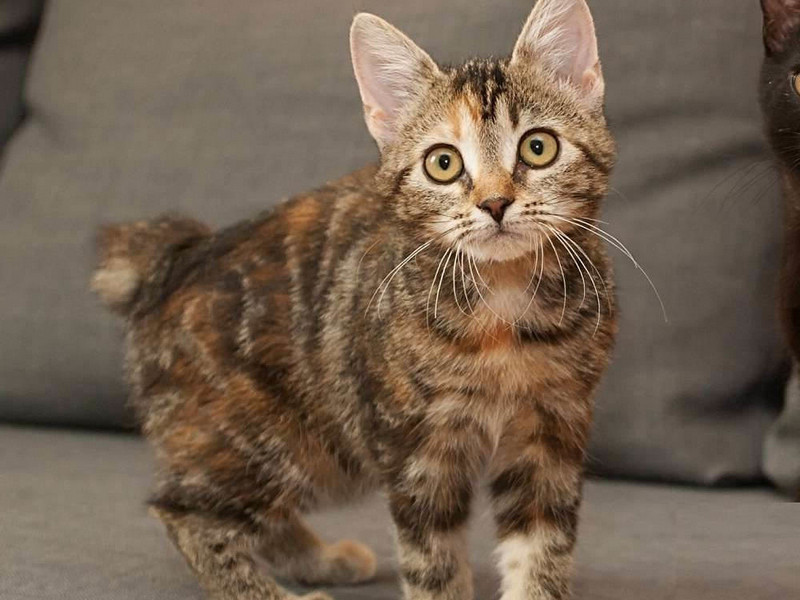
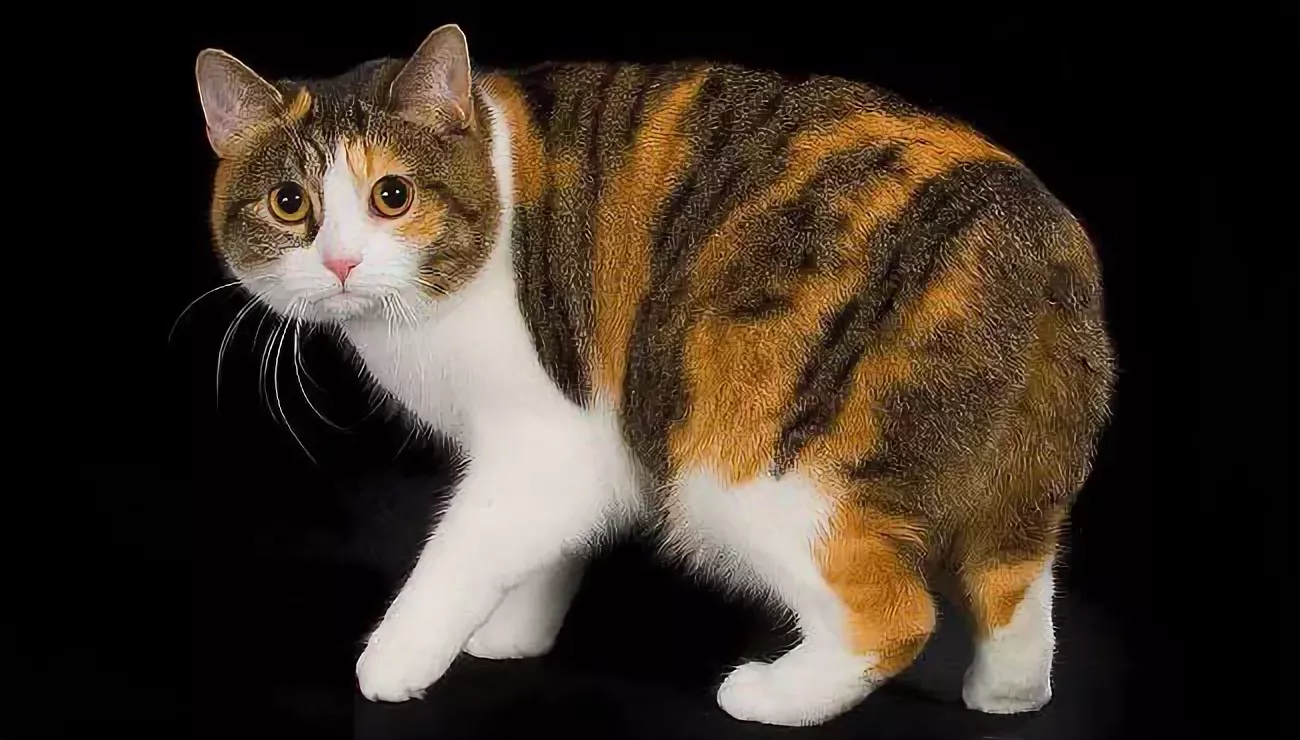
Manx cats never go unnoticed due to their unique appearance, which has a distinctive “touch” that catches the eye immediately. Their main defining feature is the almost complete absence of a tail, something that is rarely found in other mousers besides bobtails. They can be completely tailless (rumpies), have a short tail (rumpraises), or possess a medium-length tail (longies), but a complete absence of a tail is considered standard.
Their bodies are compact and sturdy, with excellent musculature. The rounded outline of their bodies adds an air of mystery to an already unusual exterior. Adults of medium size weigh between 3.5 – 5.5 kg (females) and 4 to 6 kg (the ideal weight for males). Their bodies appear quite solid and robust, giving them a powerful and stable appearance.
Their fur comes in two types: short and long, depending on the breed variety. Short-haired: with very dense, double-coated fur and a soft undercoat, which gives them volume. Long-haired: also known as “kymis,” have longer and silkier fur, requiring more attention from their owners and regular grooming.
The average lifespan of tailless cats is about 13 – 15 years. Based on experience, well-known cat breeders have helped their pets live to be 17 years old.


Отличительные черты

Голова

Морда

Уши

Глаза

Зубы

Корпус

Конечности

Хвост

Шерсть

Окрас
Characteristics
The Manx cat is a breed with unique traits not only in appearance but also in character. Originating from the Isle of Man, this cat combines characteristics that make it an ideal pet for those seeking a devoted yet independent companion.
Manx cats are known for their loyalty to their owners. They form deep attachments to family members and often choose one person in the household to whom they give special attention. They can be referred to as “dog-like cats” for how they follow their owner around the house, preferring to stay close most of the time. This quality makes Manx cats excellent companions for those who value an emotional connection with their pets.
However, despite their affection, Manx cats maintain an independent nature. They can entertain themselves and do not require constant attention, making them suitable for individuals with busy work schedules. Manx cats are characterized by a high degree of intelligence and cleverness. They learn new commands quickly and can master various tricks. Training is not only beneficial for them but also enjoyable, as Manx cats love mental challenges.
The social skills of the Manx cat are remarkable in their diversity. Manx cats easily get acquainted with other pets in the house, which is especially important for owners who already have animals. They are also loyal to children, showing patience and gentleness in their interactions. These cats can become true friends to the little members of the family.
Another important trait of the Manx cat is their calm demeanor. Experienced cat breeders have long noticed that they rarely show aggression and usually prefer to avoid conflict situations. They have a balanced temperament, making them a good choice for families with young children. Manx cats are not prone to nervousness, allowing them to adapt easily to different living conditions.
Despite many positive qualities, Manx cats have a few drawbacks. Firstly, they can be somewhat wary of strangers, which may manifest as avoidance of contact or hiding in safe spots. Secondly, Manx cats can be quite sensitive to changes in their environment, requiring owners to pay special attention to the stability of their living conditions.Thus, the Manx cat is a pet with a rich inner world and many positive character traits, suitable for families with children and other animals. However, its unique personality requires careful handling and understanding from its owners.

Founder or latecomer?
There are several legends about the appearance of Manx cats. One version says that a cat was late for Noah's Ark, leading to its tail getting caught in the door. Another version suggests that this was the first cat to escape from the ship and swim to shore.Care and Maintenance
The Manx cat, unique in appearance and origin, requires special attention in its care and maintenance. Although Manx cats are generally healthy and low-maintenance, there are several aspects that owners should consider to ensure their pets have comfortable living conditions and a long life.
The first aspect of caring for a Manx cat is attention to its coat. They have a dense, water-repellent undercoat that needs regular grooming. Breed breeders emphasize the importance of this procedure during shedding seasons when hair falls out more intensively. Regular grooming helps prevent mats and reduces the risk of ingesting fur, which can cause stomach issues. To keep the coat in good condition, one or two grooming sessions a week are sufficient, but during shedding periods, the frequency can be increased to daily.
Dental care also requires regular attention. Like other breeds, Manx cats can develop dental diseases if oral hygiene is neglected. Brushing with a special cat toothpaste helps prevent tartar buildup and gingivitis. It is recommended to start this procedure when the kitten is young, so it perceives it calmly and without stress. If regular brushing is not feasible, cat breeders in Russia suggest using chew toys or treats that help clean enamel.
Nutrition should be balanced and tailored to the cat’s age and physical activity. Manx cats are prone to weight gain, so it is essential to monitor calorie intake. The best option is to use high-quality commercial food designed to meet all cat needs. The diet should include proteins, fats, carbohydrates, vitamins, and minerals in the correct proportions. It is also important to regulate treats and avoid overfeeding. Overeating can lead to obesity, which negatively impacts the cat’s health, especially considering potential back issues.
Physical activity is an essential part of a Manx cat’s life. These cats are known for their agility and playful nature, so it is important to provide them with a sufficient number of toys and climbing areas. Play complexes, scratching posts, and interactive toys will help meet the Manx’s need for movement and prevent boredom, which can lead to behavioral problems. Regular active play with the owner also strengthens the bond between them.
Manx health requires special attention from owners. Although they are generally a healthy breed, Manx cats are prone to certain diseases related to the structural features of their spine. The most serious of these problems is Manx syndrome, which can manifest as various spinal anomalies and organ function disorders. It is important to visit a veterinarian regularly for preventive examinations and timely detection of any health issues. Vaccination and parasite prevention should also be conducted according to the veterinarian’s recommendations.Keeping a Manx cat at home requires adhering to several rules to ensure its safety. It is essential to provide the cat with access to clean drinking water and a comfortable toilet. The litter box should be clean and placed in a quiet area where the cat can use it peacefully. Manx cats are clean animals and may refuse to use a dirty box. It is also worth remembering that Manx cats love to explore their surroundings, so it is necessary to ensure a safe environment at home, free from small items that the cat might swallow.The negative aspects of keeping Manx cats are primarily related to their tendency to gain weight and potential
Top 13 Most Expensive Cats!
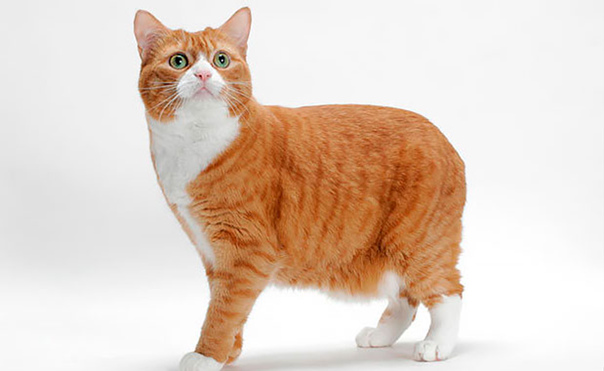
The Manx cat is among the most expensive cat breeds in the world, ranking in the top five.Training and Education
The Manx cat is a breed known for its vibrant personality and high intelligence, making them excellent candidates for training and education. Although cats are generally considered less trainable compared to dogs, Manx cats demonstrate a remarkable ability to learn when approached with patience and an understanding of their breed characteristics.
The first step in training a Manx is to create a conducive learning environment. Manx cats are very attached to their owners, and this emotional bond plays a key role in their training. A cat is more likely to learn when it feels trust and safety. For a successful start to training, it’s important to choose a calm time when the cat is not distracted by external factors. For instance, training can take place after the cat has eaten and rested, when it is in a relaxed state.
One effective method for training Manx cats is positive reinforcement. Cats, like other animals, respond better to training when rewards follow appropriate behavior. Treats, praise, or toys can serve as great incentives for a Manx cat. For example, if you want to teach your cat to come when called, start with a simple exercise: each time she comes to you, give her a piece of her favorite treat and gently praise her. Over time, the cat will begin to associate your call with a pleasant reward and will be more eager to come to you.
Litter box training is one of the first tasks faced by Manx owners. These cats are generally very clean and adapt easily to a litter box. It’s important for the litter box to be placed in a quiet, accessible location and always kept clean. If the cat starts to ignore the litter box, check its condition or location. The cat may dislike the scent of the litter, or it might be in a place where she feels uncomfortable.
Teaching basic commands is also possible for Manx cats. Commands like “sit,” “come,” and “give paw” can be mastered with regular practice and proper motivation. It’s crucial to remember that cats learn more slowly than dogs and require more time to master commands. For example, to teach the command “sit,” you can use a step-by-step approach: hold a treat near the cat’s nose and then slowly lift it up. The cat will instinctively sit to get a better view of the treat. At that moment, say the command “sit” and give the treat.
Manx cats also easily learn to use scratching posts. This is an important aspect of their upbringing, as claws are a natural tool for cats, and they need regular sharpening. To encourage a Manx to use a scratching post, you can use a small amount of catnip to attract the pet’s attention to the new item. Each successful use of the scratching post should be rewarded to reinforce the correct behavior.In conclusion, it’s important to note that the process of training and educating a Manx cat requires patience and consistency. Cats of this breed possess high intelligence and can master numerous commands and tricks if approached with understanding and the use of positive reinforcement methods. Regular training, supported by rewards and praise, will enable your Manx to become not only an intelligent but well-behaved pet that delights you with its behavior and skills.
The prince's beloved cat.
Please provide the text you would like to have translated.How to Choose a Kitten
Choosing a Manx kitten is a responsible decision that requires careful consideration. These unique animals, with their distinctive appearance and special temperament, need the right conditions to become healthy and happy family members. Let’s look at the main steps that will help you make the right choice.
The first and most important step is to choose a reliable place to buy a kitten. If you want to acquire a healthy and purebred animal, it’s best to purchase a kitten from a cattery. Catteries specializing in the Manx breed ensure that the kittens grow up in the right conditions, receiving the necessary care and vaccinations. You can easily find cat catteries on our website, which also features reviews from owners and detailed information about each one. It is recommended to choose catteries with a good reputation that adhere to breeding standards and care for the health of their animals.
The next important aspect is the health of the kitten. When selecting a pet, pay attention to its physical condition: the kitten should be active, playful, and show interest in its surroundings. A healthy Manx cat has clear eyes and ears, a shiny coat without bald spots, and a clean area around the anal region. It’s also important to note the tail area, as Manx cats can have varying degrees of taillessness-from complete absence to a small stub. It is essential to understand that a complete lack of tail may be associated with genetic issues, so it is advisable to consult a veterinarian before purchasing.
Another criterion is the behavior of the kitten. Manx cats are known for their friendliness and attachment to their owners, so when choosing a kitten, pay attention to its character. The kitten should show interest in people, not be afraid of hands, and actively engage in play. If a kitten is too timid or overly aggressive, it may indicate socialization issues or stressful living conditions.
At the cattery, you should be provided with documents confirming the kitten’s lineage. These include information on vaccinations and deworming. Having a pedigree guarantees that your kitten is a purebred representative of the breed. This is especially important if you want to engage in breeding or participate in exhibitions.
Health and Diseases
Not only reputable cat breeders but also many veterinarians note that Manx cats have unique characteristics that can affect their health. It is essential to understand that their specific anatomy, particularly the absence of a tail or the presence of a stub tail, is linked to a genetic mutation that can cause various issues.
The primary risk for these mousers is related to what is known as “Manx syndrome.” This syndrome is characterized by spinal development abnormalities, which can lead to neurological disorders, coordination problems, and even paralysis. Kittens from breeders whose parents do not have this syndrome will be less likely to exhibit its effects. Therefore, it is important to choose a pet from reputable breeders to reduce the likelihood of similar issues.
Another common problem among Manx cats is digestive system disorders. Some individuals of the breed may experience bowel and urinary tract issues. Symptoms can include difficulties in defecation, abdominal pain, or frequent urination. These problems may be related to congenital anomalies and require regular veterinary monitoring.
Equally important is monitoring the weight of Manx cats. These cats are prone to gaining excess weight, which can aggravate health issues, especially if the pet already has musculoskeletal problems. Maintaining a healthy weight through balanced nutrition and activity is key to a long and healthy life.
When choosing a kitten, it is crucial to pay attention to its health and lineage. Cat breeders, whose contact information is readily available online, offer kittens that have undergone all necessary veterinary examinations and vaccinations. This reduces the risk of acquiring a pet with hereditary diseases.
Содержание
-
1. Описание породы
-
2. Внешний вид
- 2.1 Голова
- 2.2 Морда
- 2.3 Уши
- 2.4 Глаза
- 2.5 Зубы
- 2.6 Корпус
- 2.7 Конечности
- 2.8 Хвост
- 2.9 Шерсть
- 2.10 Окрас
-
3. Характер
-
4. Содержание и уход
-
5. Дрессировка и обучение
-
6. Как выбрать котенка
-
7. Здоровье и болезни






Comments
Only registered users can leave reviews.
Enter