
Lambkin




Breed Description
Lambkin is one of the most unusual and rare cat breeds, combining a unique appearance with a gentle nature. This breed emerged in the 1980s in the USA, thanks to breeder Teresa Newman, who aimed to create a cat with short legs like the Munchkin and curly fur characteristic of the Selkirk Rex. Inspired by this idea, she crossed a Munchkin and a Selkirk Rex, resulting in the first representative of the new breed, named Lambkin, which translates to “lamb” in English.
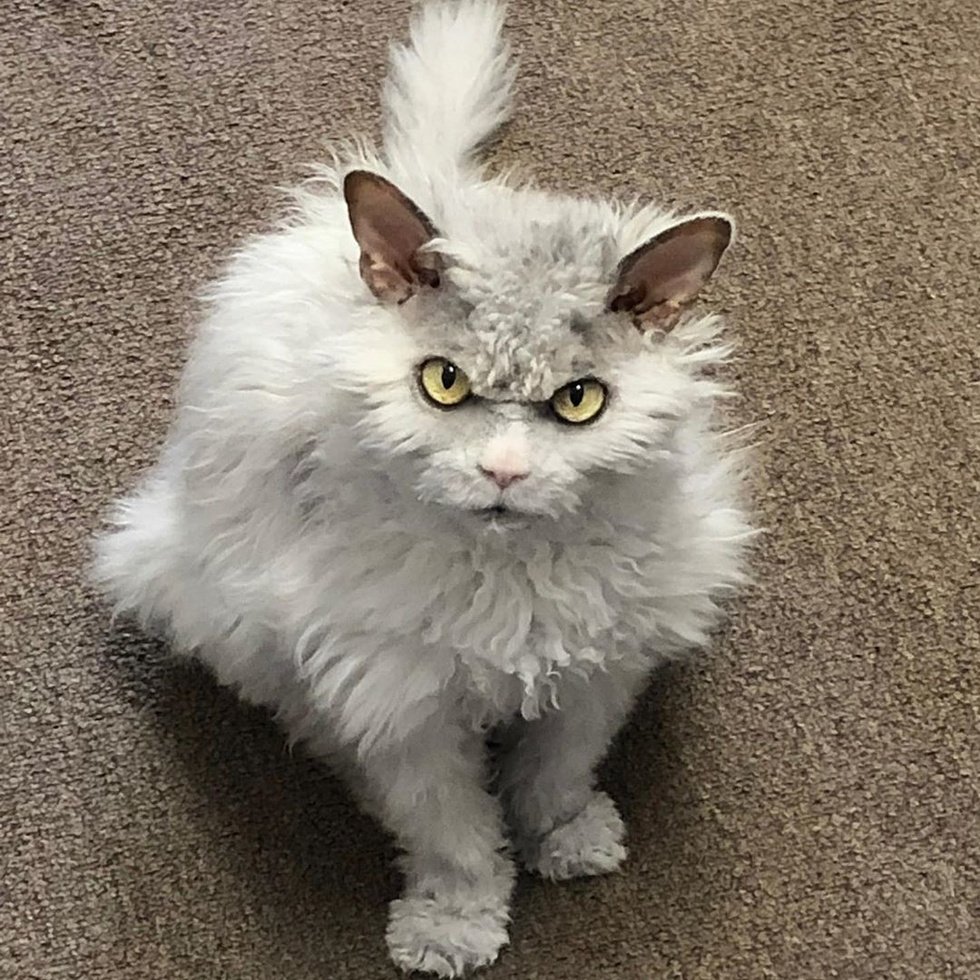
The breed immediately attracted attention with its unusual fur, reminiscent of lamb curls, and short, slightly bent legs, giving the cat a sweet and amusing look. However, besides their appearance, Lambkins have a friendly disposition, making them ideal home companions. Establishing the breed was challenging, as it required maintaining a combination of genes responsible for short legs and curly fur while avoiding genetic issues associated with mutations.
Lambkins are known as “lamb cats” not only for their appearance but also for their soft, compliant nature. Breeders have worked to make them not only beautiful but also healthy. Despite these efforts, the breed remains rare, and the number of its representatives worldwide is extremely limited.
Today, Lambkin is recognized by several international organizations, including The International Cat Association (TICA), though the breed is still classified as experimental by many federations. This means breeders continue to work on its standardization and promotion. Lambkins remain an exclusive choice for those who appreciate rare and unusual breeds that embody originality, softness, and incredible charm.
Appearance
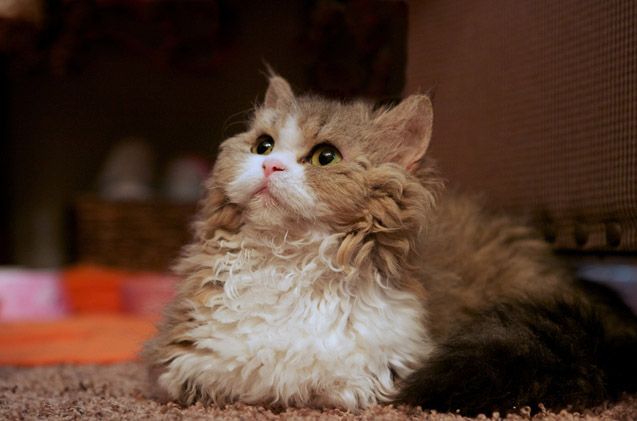
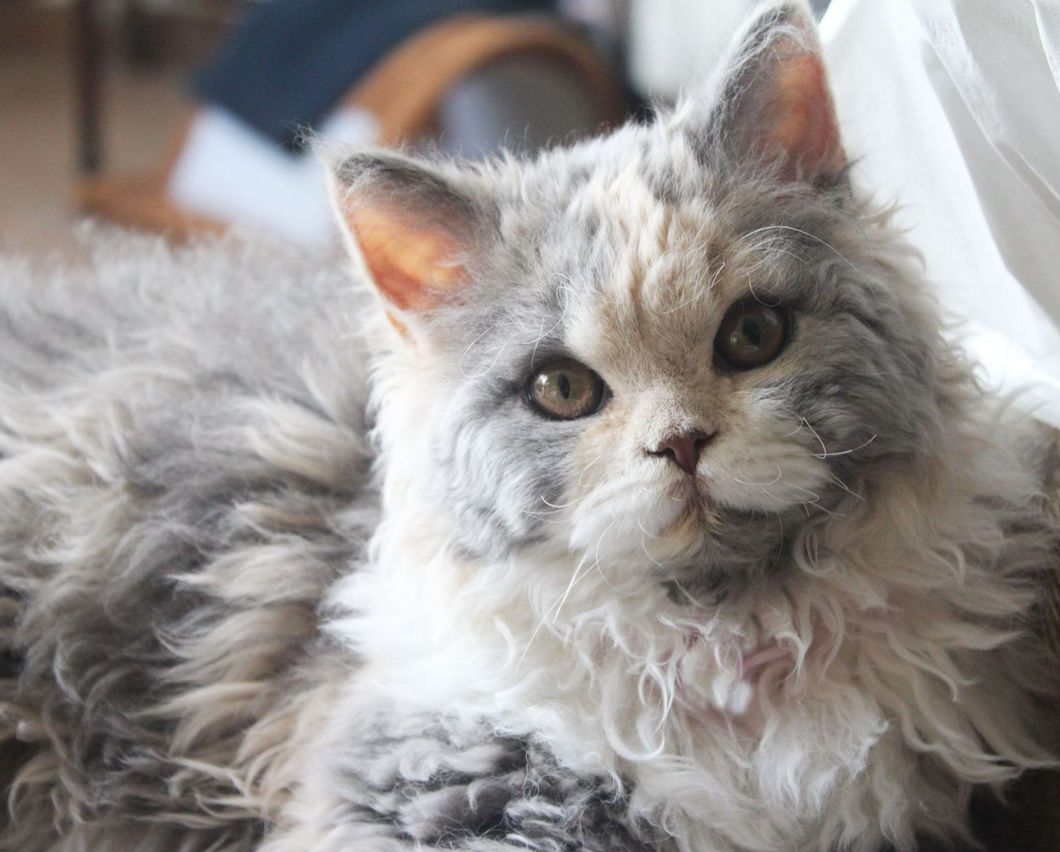
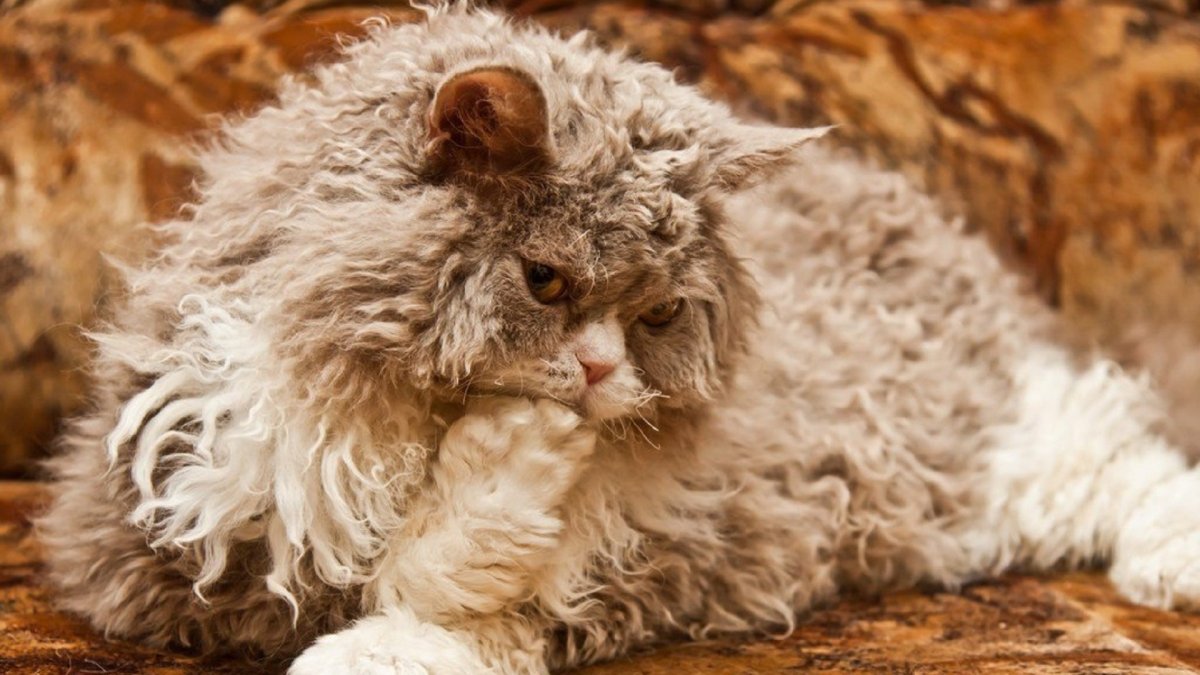
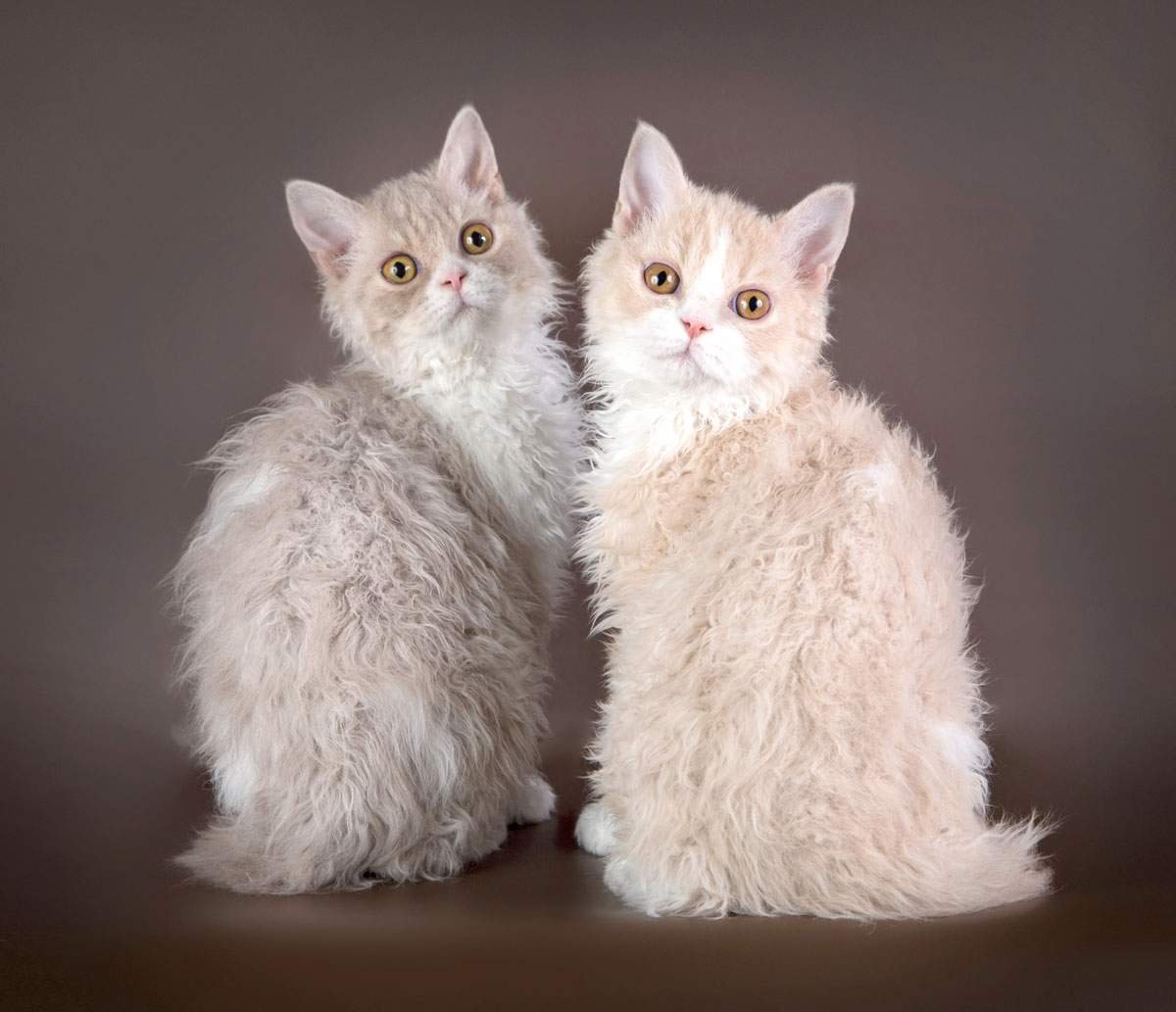
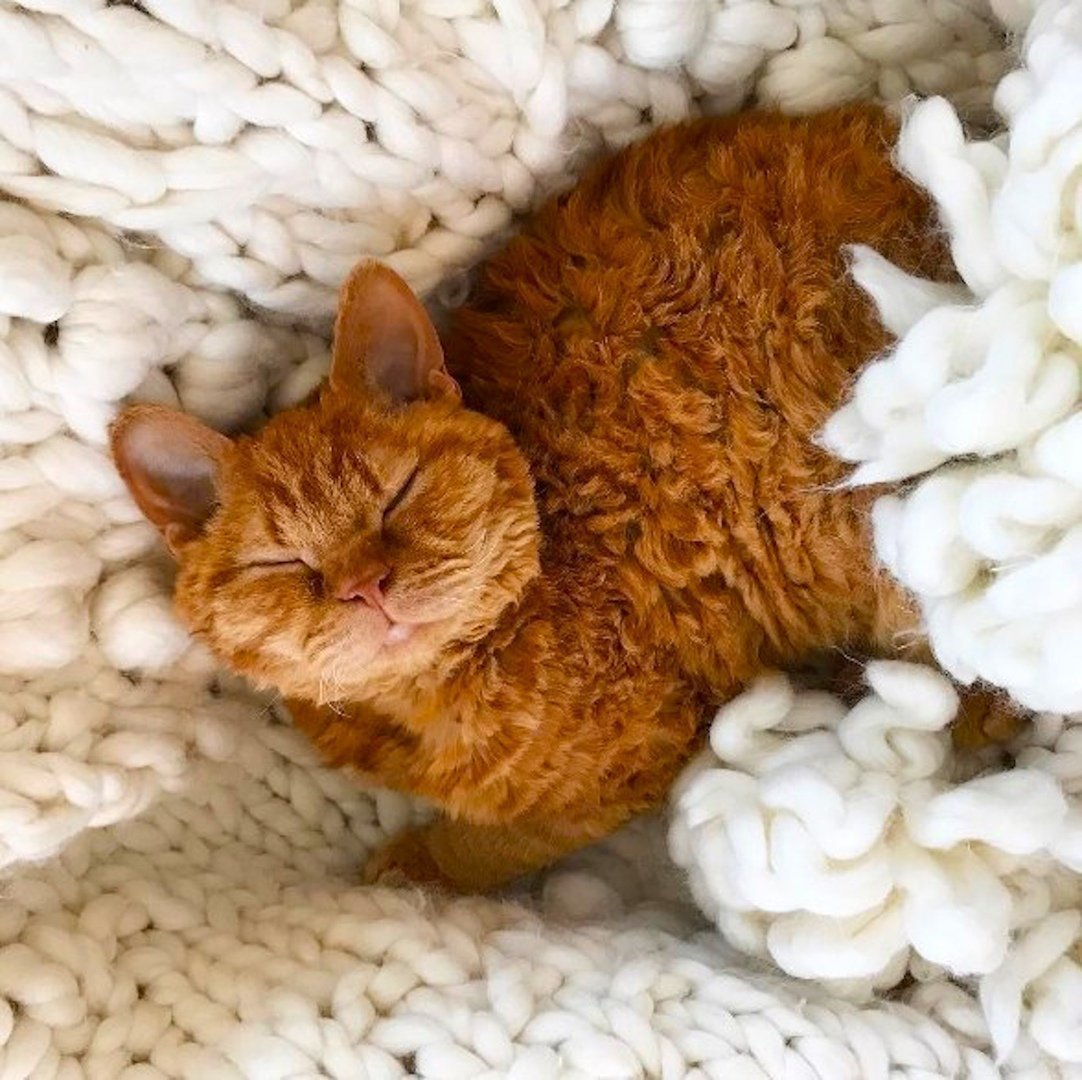
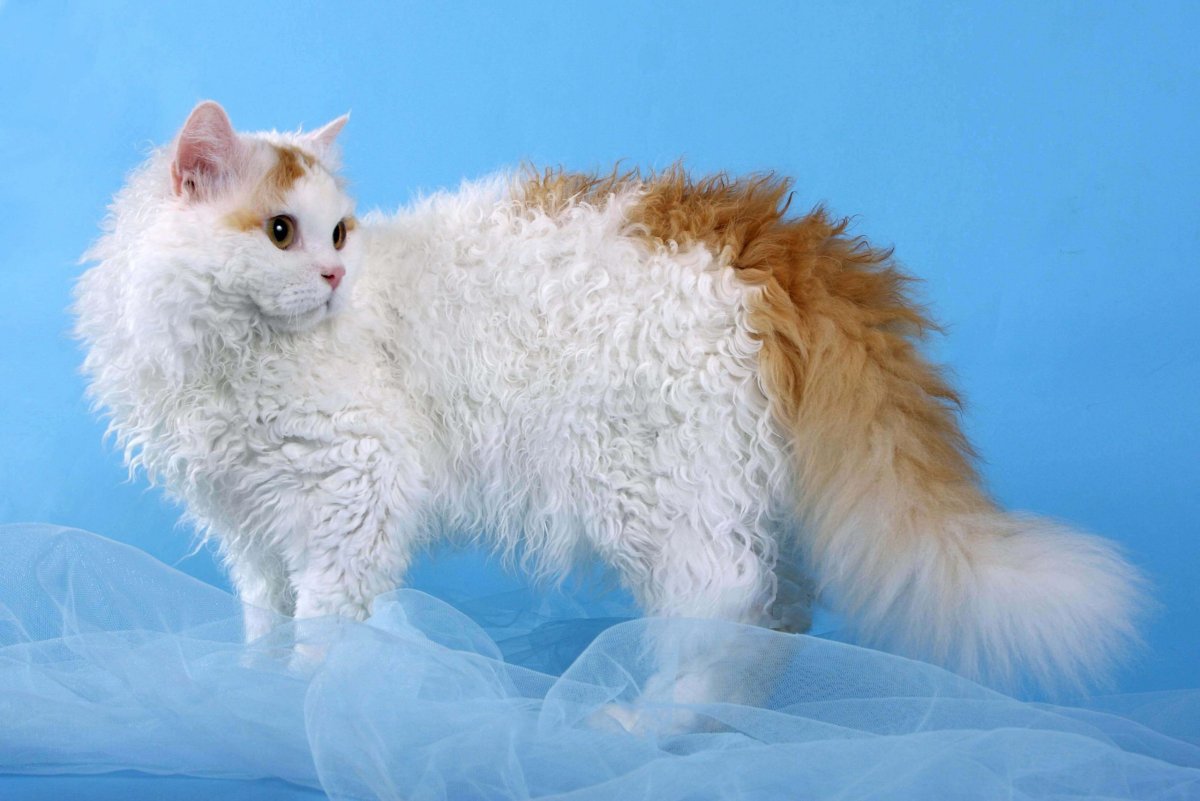
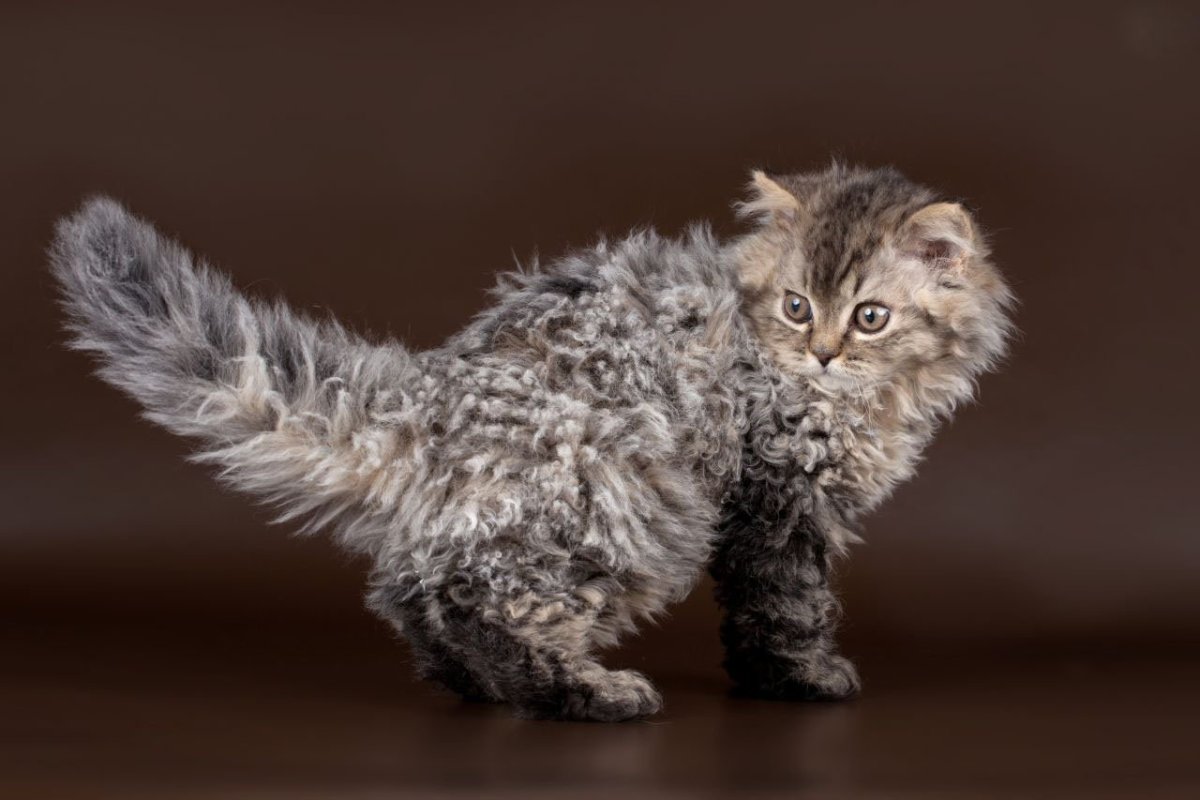
The Lambkin is a miniature and charming cat whose looks evoke associations with a soft toy lamb. Its compact and proportionate body is complemented by short legs, which add a unique touch to its appearance. Its curly, dense coat, which can be of medium or short length, forms soft curls, making its appearance even more unusual and attractive. Large expressive eyes and a round head highlight the friendly and gentle nature of the Lambkin.
The average weight of these cats ranges from 2 to 4 kg, and their height varies depending on body length and limb structure, but they generally remain small, making them suitable for indoor living. The average lifespan of a Lambkin is 12 to 15 years with proper care and health maintenance. Their appearance, combining compactness and elegance, makes the breed a rare gem among domestic cats, captivating those who meet them for the first time.


Отличительные черты

Голова

Морда

Уши

Глаза

Зубы

Корпус

Конечности

Хвост

Шерсть

Окрас
Character
Lambkins are remarkably affectionate and sociable cats that quickly win hearts with their kindness and friendly disposition. These cats are curious and love exploring their surroundings, but they do so with unusual caution and grace. They get along well with people of all ages, including children, and easily connect with other pets, making them ideal companions for families and individuals alike.
Lambkins enjoy being the center of attention and strive to participate in their family’s life. They prefer to be close to their owners, whether it’s enjoying a quiet moment on the couch or engaging in active play. Despite their compact size, Lambkins possess lively minds and quickly learn new tricks, demonstrating cleverness and a desire to please. These cats do not require excessive activity but happily engage in games with balls or laser pointers.
They are patient and gentle, making them suitable for homes with small children. Lambkins adore affection, readily allowing themselves to be petted and held. Their purring often accompanies moments of closeness with their owners, creating an atmosphere of coziness and warmth.
Lambkins are cats that value stability and comfort. They adapt easily to new environments as long as they feel supported by their owners. These cats do not like rough handling or prolonged solitude. If left alone for too long, a Lambkin may feel lonely, so it’s essential to provide them with attention and care. Their habits include regular exploration of the home, a love for soft resting places, and loyalty to their owner, making them not just a pet, but a true friend.
An exclusive rarity for the chosen few.
Lambkins remain one of the rarest breeds in the world. The recognition of the breed is still limited, and kittens can only be found in a few catteries, making them a true gem for connoisseurs of rare cats.Care and Maintenance
Lambkins require special care that considers both their unique fur and body structure. Their curly fur needs to be brushed regularly, 2-3 times a week, to prevent tangles and mats. Use soft brushes or combs to avoid irritating the skin and keep it soft. Bathing should be done as needed, using specialized shampoos for cats with sensitive skin to maintain the health and shine of their fur.
Due to their short legs, Lambkins may have difficulty accessing some areas, so it is important for furniture, beds, and bowls to be placed at a comfortable height for them. Stairs or ramps can help them stay active and satisfy their natural curiosity. Regular playtime with a Lambkin is essential for maintaining their physical fitness and emotional balance, as this breed loves interaction and attention.
Lambkin ears should be checked and cleaned regularly to avoid dirt buildup and potential infections. Teeth cleaning is also an important part of their care, as the breed is prone to dental and gum issues. Use specialized toothpaste and chewing toys to prevent tartar buildup.
Lambkins adore attention and affection. They are happiest when close to their owner, whether during active play or quiet resting. However, they dislike rough handling and overly loud environments. Due to their sensitive nature, it is important to create a comfortable and calm atmosphere for them. Lambkins also struggle with prolonged loneliness, so they need to feel part of the family.
Proper nutrition, considering their activity levels and health characteristics, helps maintain their energy and coat condition. It is important to choose food rich in protein and monitor their weight, as their short legs can suffer from excess strain. Caring for a Lambkin requires attention and love, but their reciprocal affection and loyalty make these efforts fully worthwhile.
"Cat-lamb": a unique wool that amazes.
Lambkin got its name due to its curly wool, reminiscent of a sheep's. This remarkable feature emerged from the genes of the Selkirk Rex, and combined with its short legs, makes the breed truly unique.Training and Education
Lambkin is a smart and sensitive cat that responds well to training when approached with kindness and patience. This breed tends to learn quickly, especially if the training is conducted like a game. Lambkins love attention and are eager to follow simple commands if rewarded with praise or treats. The key to successful training is positive reinforcement, which helps foster trust between the cat and the owner.
These cats are particularly sensitive to vocal tone, making it important to speak to them in a calm and friendly manner. They do not tolerate rudeness or harshness, as this can lead to anxiety or stubbornness. A Lambkin responds best to kind and consistent training, where it is given time to understand and absorb commands.
A Lambkin chooses an owner who shows attention, care, and is willing to spend time with them. These cats form strong bonds with those who demonstrate genuine love and respect for their personal boundaries. They tend to obey individuals who establish rules gently but confidently, creating a comfortable environment.
This breed is ideal for people who are ready to invest time in interaction and care for their pet. Lambkins feel secure in families that treat them with affection and respect. They easily adapt to various family members but always gravitate towards the one who gives them the most attention and care. A Lambkin becomes not just a pet, but a true friend and companion for those willing to reciprocate affection and love. Zoonika gathers certified kittens of elite breeds.
A cat that heals the soul.
Please provide the text you'd like translated to English.How to Choose a Kitten
When selecting a Lumbkin kitten, it’s essential to pay attention to its appearance, health, and behavior to ensure it will be a true representative of the breed. Start by choosing a reliable breeder where breeding standards are observed, and kittens are kept in cleanliness and receive proper care. The breeder should provide detailed information about the parents, living conditions, and the kitten’s health.
A Lumbkin kitten should have the characteristic curly, dense fur resembling curls. Its legs should be short yet sturdy, which is one of the breed’s key features. The eyes should be bright, clear, and expressive, reflecting activity and curiosity. The weight and size of the kitten should correspond to age norms.
Health is one of the most critical aspects. Check the fur for bald patches, the skin for redness or irritation. The ears should be clean, and the breathing should be even. The kitten should be active, lively, and show a healthy interest in the surrounding world. Lethargy or excessive fearfulness can be signs of health issues or insufficient socialization.
The kitten’s behavior is also important. Lumbkins are known for their affectionate and friendly temperament, so the kitten should easily engage, be curious, and playful. It should not exhibit excessive aggression or shy away from people. Observe how it interacts with its littermates: confidence and playfulness are signs of a balanced temperament.
Request documents from the breeder for the kitten. The veterinary passport should include notes on initial vaccinations and parasite treatments. Inquire about test results for hereditary diseases in the parents, as the breed has genetic characteristics.
Pay attention to individuality. Lumbkins are cats that are known for their gentle nature, curiosity, and attachment. Choose a kitten that shows interest in you, engages with you, and demonstrates signs of healthy interaction. This will lay the foundation for harmonious relationships and help raise a well-rounded representative of the breed, who will become your loyal friend. Zoonika offers a convenient website to ensure health and purity of breed.
Health and Diseases
Lambkins, as a breed, are known for their robust health; however, due to their unique physical characteristics, they may be predisposed to a range of genetic and structural health issues. One of the main traits of the lambkin is their short legs, which can lead to spine and joint problems, including lordosis or osteochondrodysplasia. This necessitates careful weight management and avoidance of excessive strain on their legs.
The breed may also experience hereditary conditions specific to munchkins and Selkirk Rexes, such as polycystic kidney disease or hip dysplasia. Choosing a kitten from a reputable breeder, where the parents have undergone genetic testing, significantly reduces the risk of these issues.
Despite the beauty of their coat, lambkins require grooming as their skin may be prone to dryness or dermatitis. Regular grooming and the use of quality shampoos help prevent skin diseases. Their ears also need regular cleaning, as dirt can accumulate in them due to the characteristics of their fur, leading to ear infections.
Dental issues, such as tartar buildup and gum inflammation, are also common in the breed. Regular tooth brushing or the use of specialized chew toys helps maintain oral health.
Lambkins are susceptible to stress, which can affect their overall health. They are sensitive to changes in their environment and the emotional atmosphere at home. Creating a stable and comfortable environment helps minimize these risks.
The average lifespan of a lambkin is 12-15 years, a testament to their resilience. Regular veterinary check-ups, a balanced diet, and attentive care for the breed’s unique characteristics allow lambkins to maintain their health and delight their owners with their affection and cheerfulness. Thinking about it? There’s a huge selection of listings on the map by cities on Zoonika.
Содержание
-
1. Описание породы
-
2. Внешний вид
- 2.1 Голова
- 2.2 Морда
- 2.3 Уши
- 2.4 Глаза
- 2.5 Зубы
- 2.6 Корпус
- 2.7 Конечности
- 2.8 Хвост
- 2.9 Шерсть
- 2.10 Окрас
-
3. Характер
-
4. Содержание и уход
-
5. Дрессировка и обучение
-
6. Как выбрать котенка
-
7. Здоровье и болезни






Comments
Only registered users can leave reviews.
Enter