
Kurilian Bobtail





Breed Description of the Kurilian Bobtail
The Kurilian Bobtail is a cat breed that catches attention with its unusual appearance and lively personality. These cats are known for their short tails, which resemble pom-poms or “fluffy brushes.” They combine friendliness, playfulness, and independence, making them ideal companions for those who lead an active lifestyle. Kurilian Bobtails are true hunters, natural athletes, and wonderful friends capable of bringing joy and excitement to any family.
The Kurilian Bobtail breed has its roots in the Kuril Islands, where these cats appeared naturally without human intervention. The breed developed in the harsh climate and unique nature of the region. They were known to locals as early as the 19th century, when they were actively used for hunting rodents and small game. It is believed that the ancestors of the Kurilian Bobtails lived in Japan, from where they may have been brought to the Kuril Islands. However, the unique island climate and isolation led to the formation of a distinct breed with a characteristic short tail and dense fur resistant to cold weather.
The name “Kurilian Bobtail” refers to the breed’s place of origin and its features. These cats were first discovered on the Kuril Islands, located between Russia and Japan. The word “Kurilian” indicates their geographical origin, while “bobtail” translates from English as “short tail” (“bob” means short, “tail” means tail). Thus, the name “Kurilian Bobtail” literally means “short-tailed cat from the Kuril Islands,” reflecting their unique trait – a short tail that resembles a fluffy brush or pom-pom.
The breed was officially recognized in Russia in the late 20th century when breeders began actively working to preserve and promote it. In 1991, the Kurilian Bobtail gained recognition in international feline organizations such as FIFe and WCF. Today, this breed is known in many countries around the world and is popular for its friendly nature and interesting appearance.
Appearance of the Kurilian Bobtail
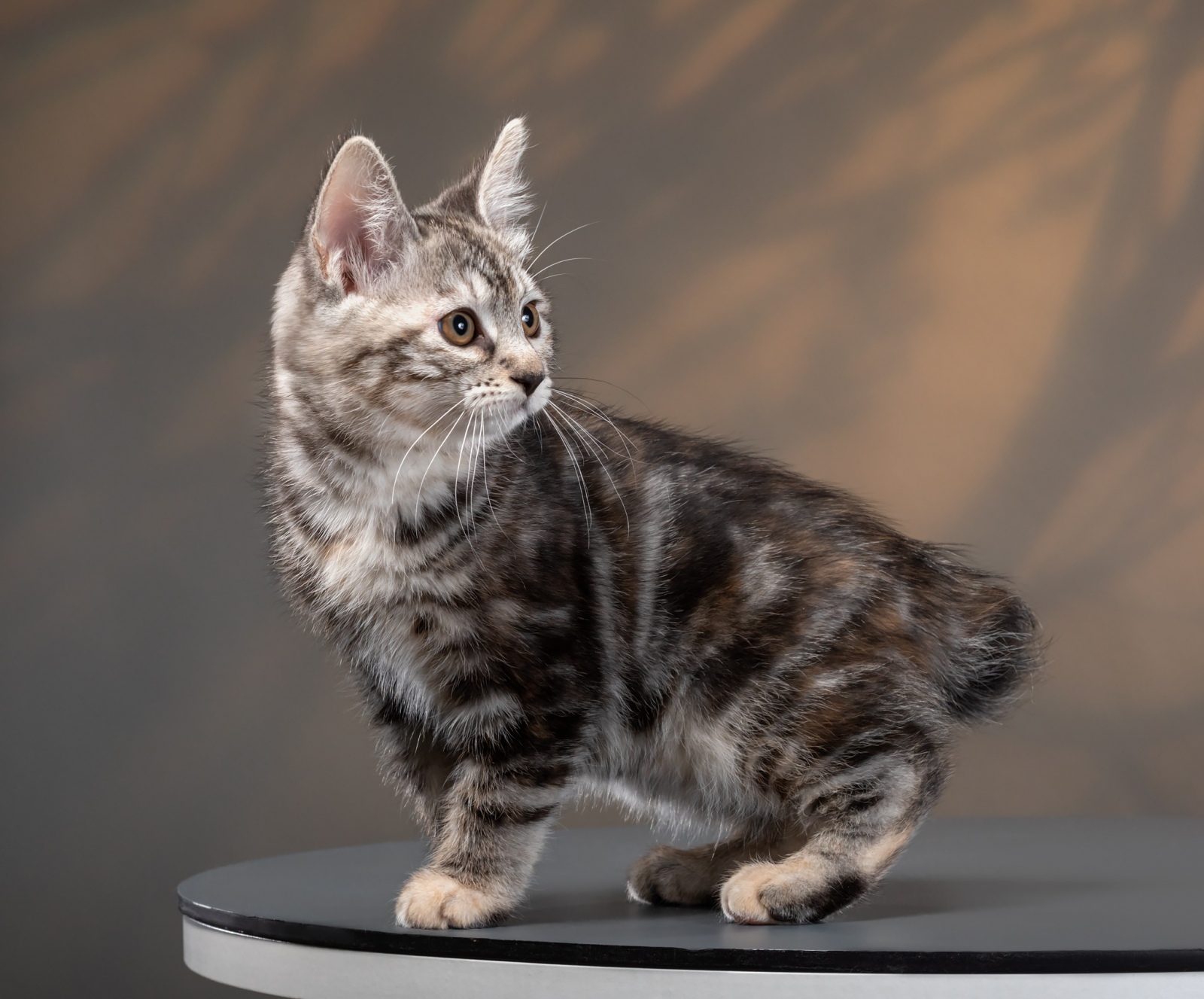
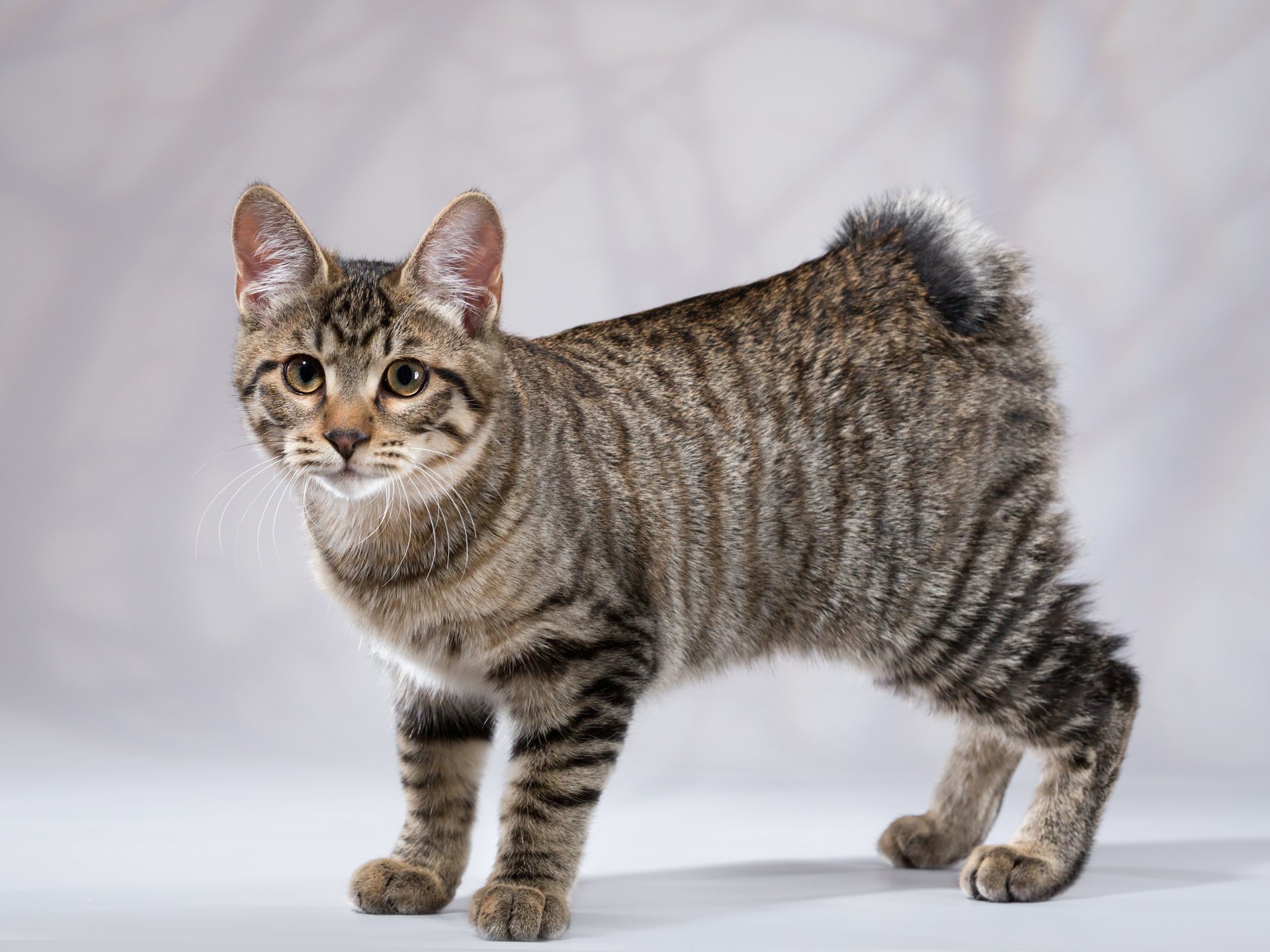
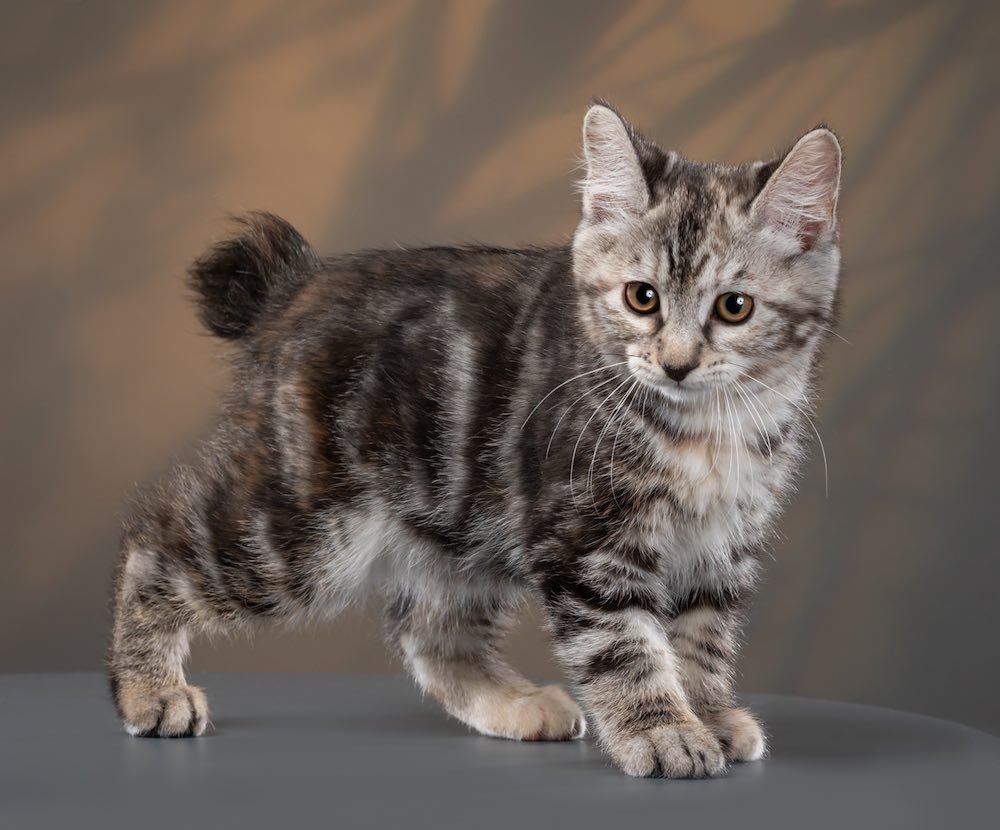
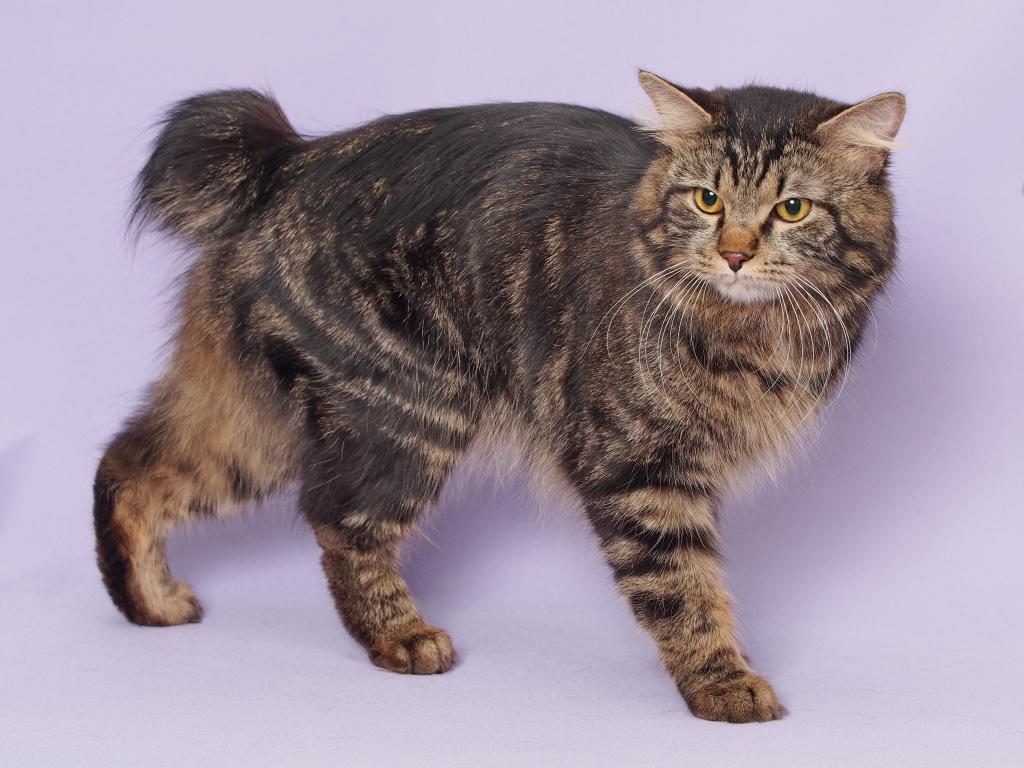
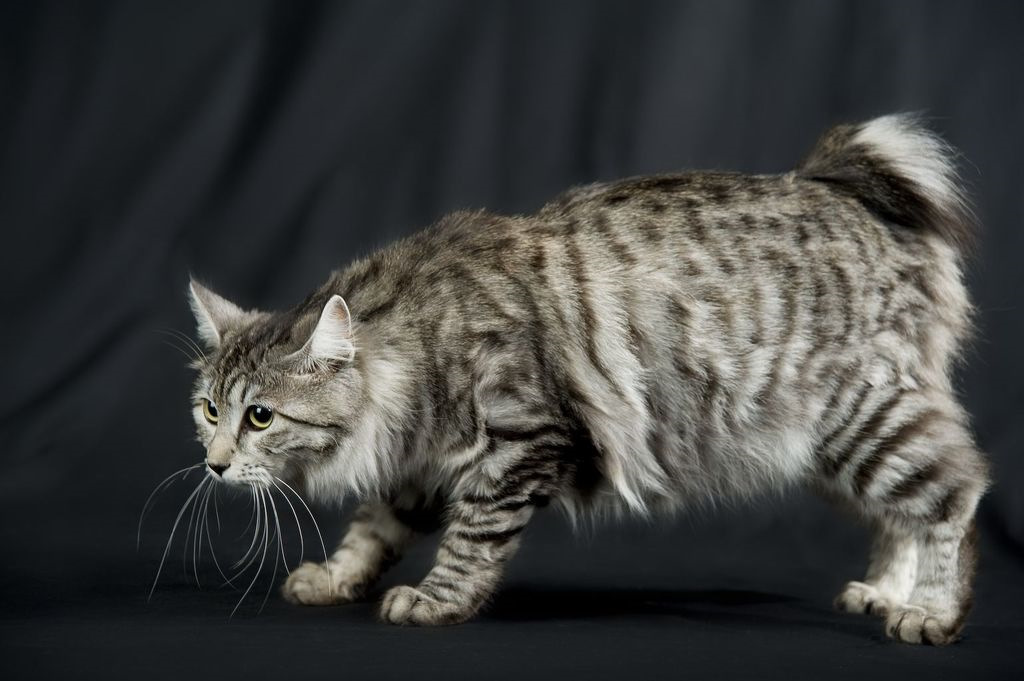
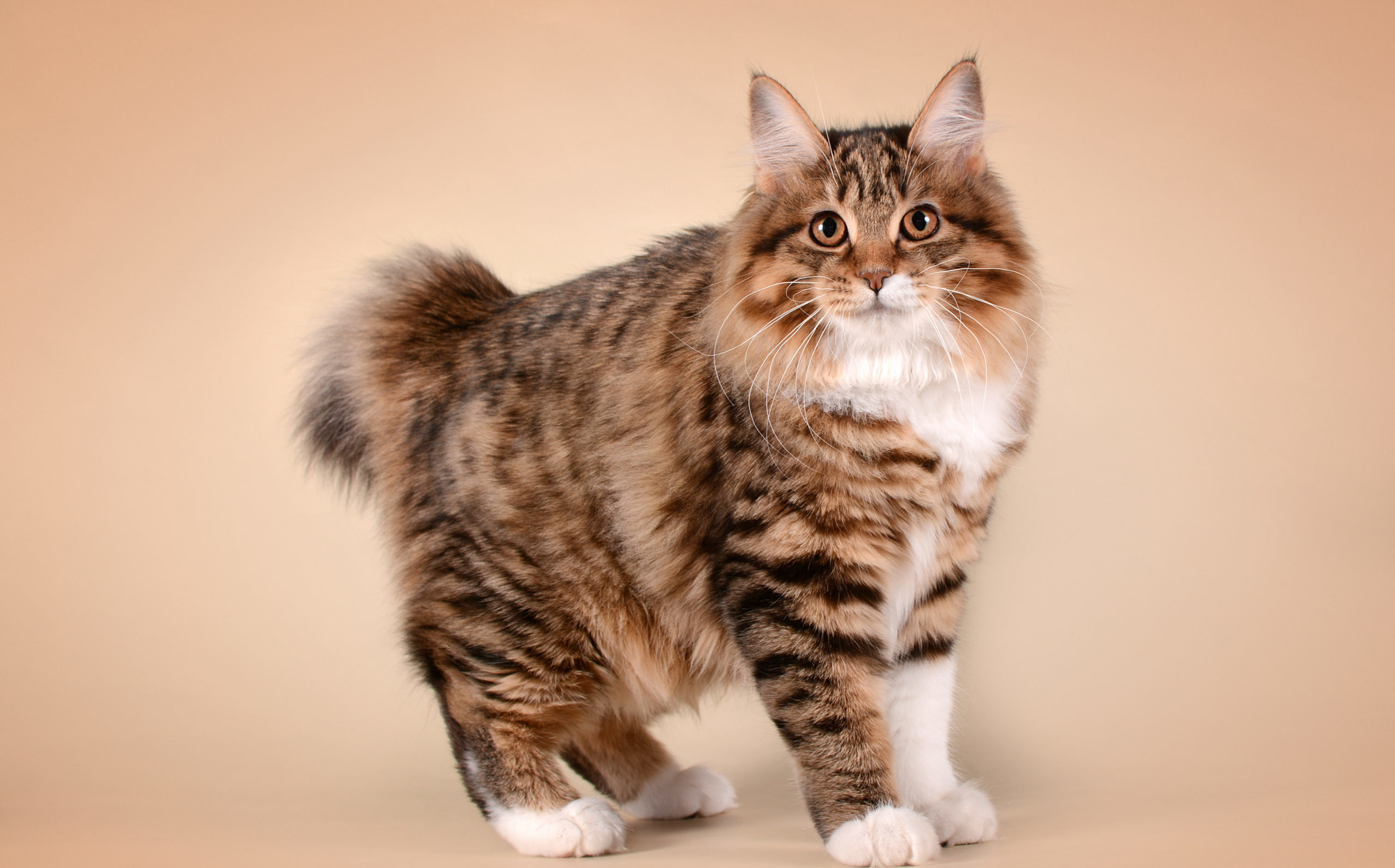
The Kurilian Bobtail is a cat breed that stands out with its unique appearance and immediately attracts attention. These cats are characterized by a powerful build, a short tail resembling a pom-pom or brush, and well-defined muscles. Despite their medium size, they appear strong and resilient, a trait linked to their natural origin and adaptation to the harsh conditions of the Kuril Islands. The Kurilian Bobtail beautifully combines the traits of a wild predator and a domestic pet, which makes it especially appealing to lovers of exotic cats.
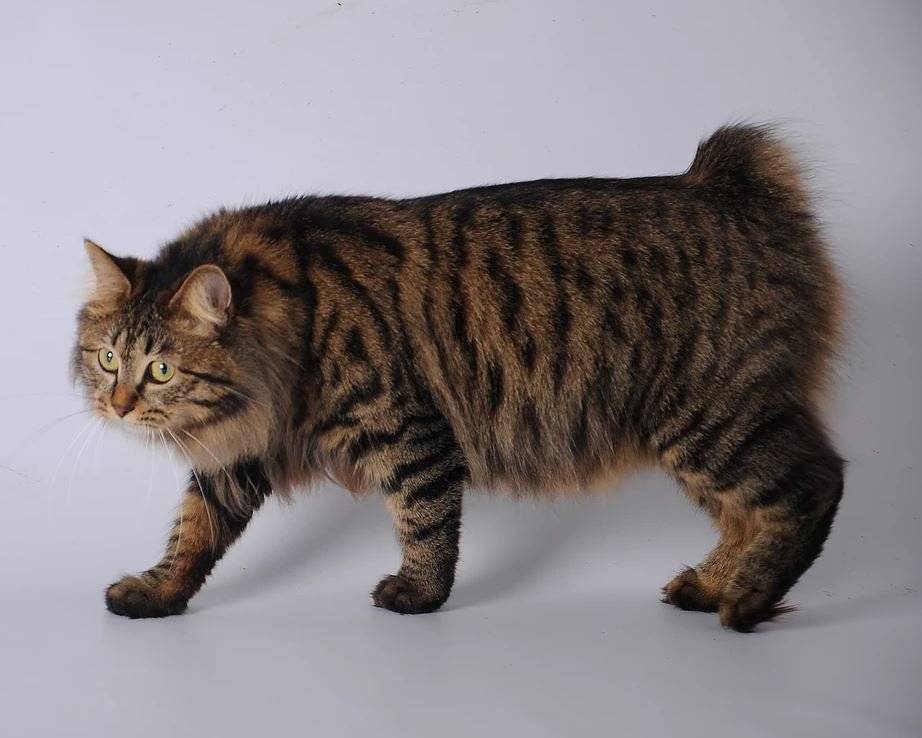
One of the most noticeable features of the Kurilian Bobtail is its short tail. Each representative of the breed has a tail unique in length and shape: some may have it very short, just a few centimeters, while others may have it slightly longer, but it always features characteristic bends or knots. The tail serves as a distinctive signature of the breed, emphasizing its originality. Typically, the tail ranges in length from 3 to 8 cm, with every bend or knot creating an individual “pattern.” Visually, the tail often resembles a fluffy brush or pom-pom, and its unique shape is explained by the genetic traits of the breed.
The Kurilian Bobtail is a medium-sized cat with well-developed muscles and a sturdy build. Its body is stocky and compact, with broad shoulders and a powerful chest, which gives the cat stability and strength. These cats demonstrate excellent athletic qualities, proving themselves to be great jumpers and climbers. Thanks to their strong hind legs, which are slightly longer than the front ones, the Kurilian Bobtail can make high jumps, particularly useful in the wild. Its paws are large and rounded, with thick pads that protect against cold ground and moisture.
The head of the Kurilian Bobtail has a slightly rounded shape, with prominent cheekbones and a medium-length muzzle. The forehead is somewhat rounded, and the ears are medium-sized, widely spaced, and slightly angled forward. Some representatives of the breed may have tufts at the ends of their ears, adding an exotic touch to their appearance. The muzzle of the Kurilian Bobtail appears somewhat broad due to its pronounced chin and whisker pads, which emphasize its rounded shapes.
The eyes of the Kurilian Bobtail are another distinctive feature of the breed. They are large and expressive, usually round or slightly almond-shaped. The eye color can vary depending on the coat color, but typically green, yellow, or amber shades are found. The eyes lend the cat an intelligent and perceptive expression, highlighting its lively character.
The fur of the Kurilian Bobtail comes in two types: short-haired and semi-long-haired. In both cases, the coat is dense, with a thick undercoat, allowing the cat to retain warmth even in harsh conditions. Short-haired representatives have smoother and shinier fur, closely fitting the body, while semi-long-haired ones possess fluffier and softer fur, creating a sense of volume. The fur of the Kurilian Bobtail has water-repellent properties, a natural adaptation for life in a humid island climate.The coat color of the Kurilian Bobtail can be incredibly diverse. There are both solid colors and various tabby patterns, as well as bicolor and even tricolor options. The most common colors include red, gray, black, cream, and their combinations. However, the color of the fur does not affect the quality of the breed, as the primary focus in standards is on body structure and tail shape.The limbs of the Kurilian Bobtail are strong and well-developed, providing the cat with excellent jumping ability and allowing it to easily climb trees or other surfaces. The hind legs are slightly longer than the front ones, which brings additional flexibility and enables the cat to make high


Отличительные черты

Голова

Морда

Уши

Глаза

Зубы

Корпус

Конечности

Хвост

Шерсть

Окрас
Character of the Kurilian Bobtail
The Kurilian Bobtail is a cat with a unique and multifaceted character that combines traits of a wild hunter with those of a devoted domestic pet. This breed is distinguished by its pronounced individuality, high activity level, and attachment to its owners. Kurilian Bobtails are true companions who enjoy being near people while maintaining their independence and sense of dignity. Let’s explore the main traits of these amazing cats to better understand what kind of pets they can be.
1. Attachment and Sociability
Kurilian Bobtails are known for their strong attachment to humans. These cats thrive on interaction and always try to stay close to their owners. Unlike some other breeds, they do not like being alone and may follow their owner throughout the house to stay in the loop. Kurilian Bobtails prefer spending time in the company of people, often “helping” with chores, playing, or simply relaxing nearby when their owner is busy.
These cats adapt well in families with children and get along well with other animals. They show tolerance and friendliness, making them suitable for family living. However, it’s important for children to know how to handle a cat properly, as Kurilian Bobtails can be somewhat independent and do not tolerate excessive pressure.
2. Playfulness and Activity
Kurilian Bobtails are energetic and active cats that remain playful throughout their lives. They love to play, jump, and climb, so they require space for activity. These cats have hunting instincts, linked to their natural behaviors. They enjoy chasing toys, climbing scratching posts, and exploring new objects in the house.To meet their need for movement, owners should provide a variety of toys, interactive games, and play complexes. Kurilian Bobtails love puzzles and treat-dispensing toys that stimulate their mental abilities. These cats also possess remarkable agility and can jump to significant heights, making them true “athletes” among felines.3. Hunting Instincts and Love for NatureThe Kurilian Bobtail is a natural hunter. This trait is connected to their origins and life on the Kuril Islands, where cats had to hunt for food. Their hunting instincts manifest during play and behavior, as Kurilian Bobtails enjoy stalking, sneaking up on, and pouncing, even if the “prey” is just a toy or ball.These cats often exhibit an interest in nature and enjoy spending time outdoors. They can be trained to walk on a leash, which helps satisfy their innate curiosity about the
Питомники
Выбор питомника по городу, породе и отзывам
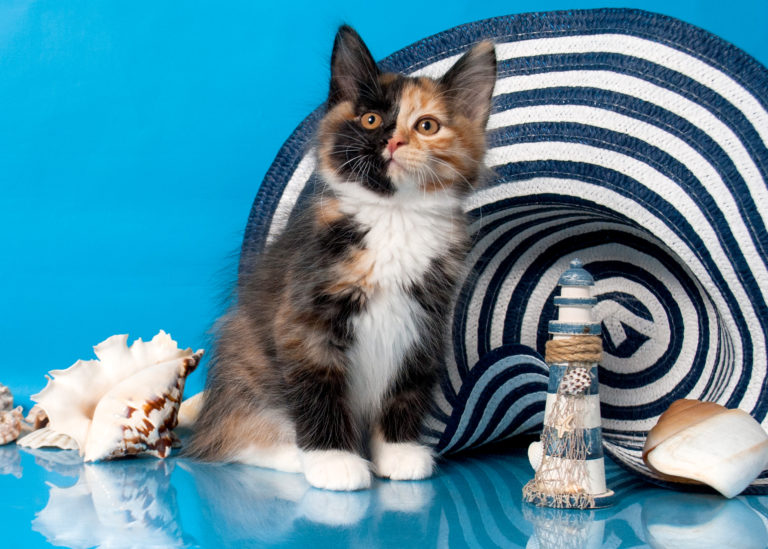
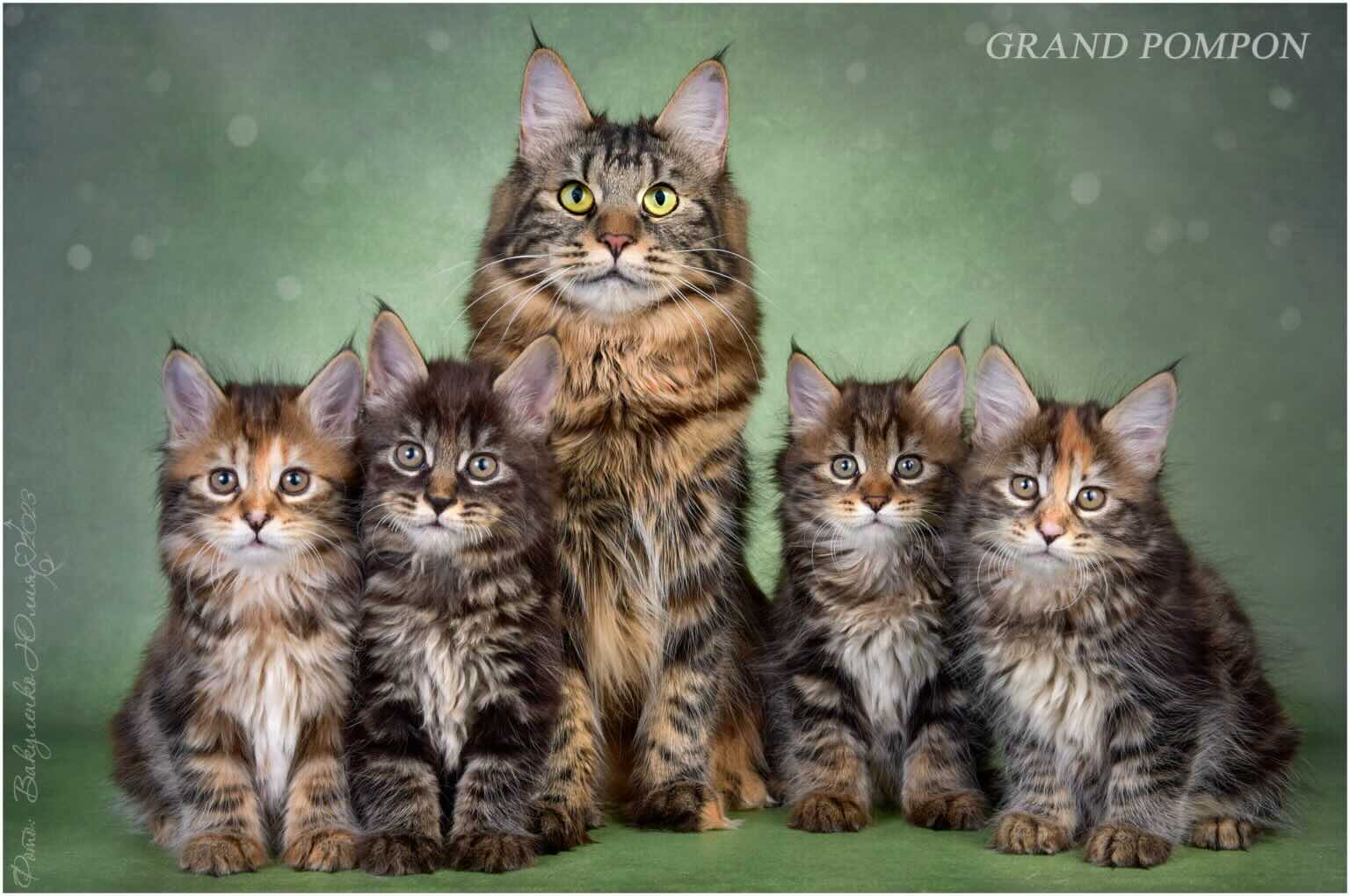
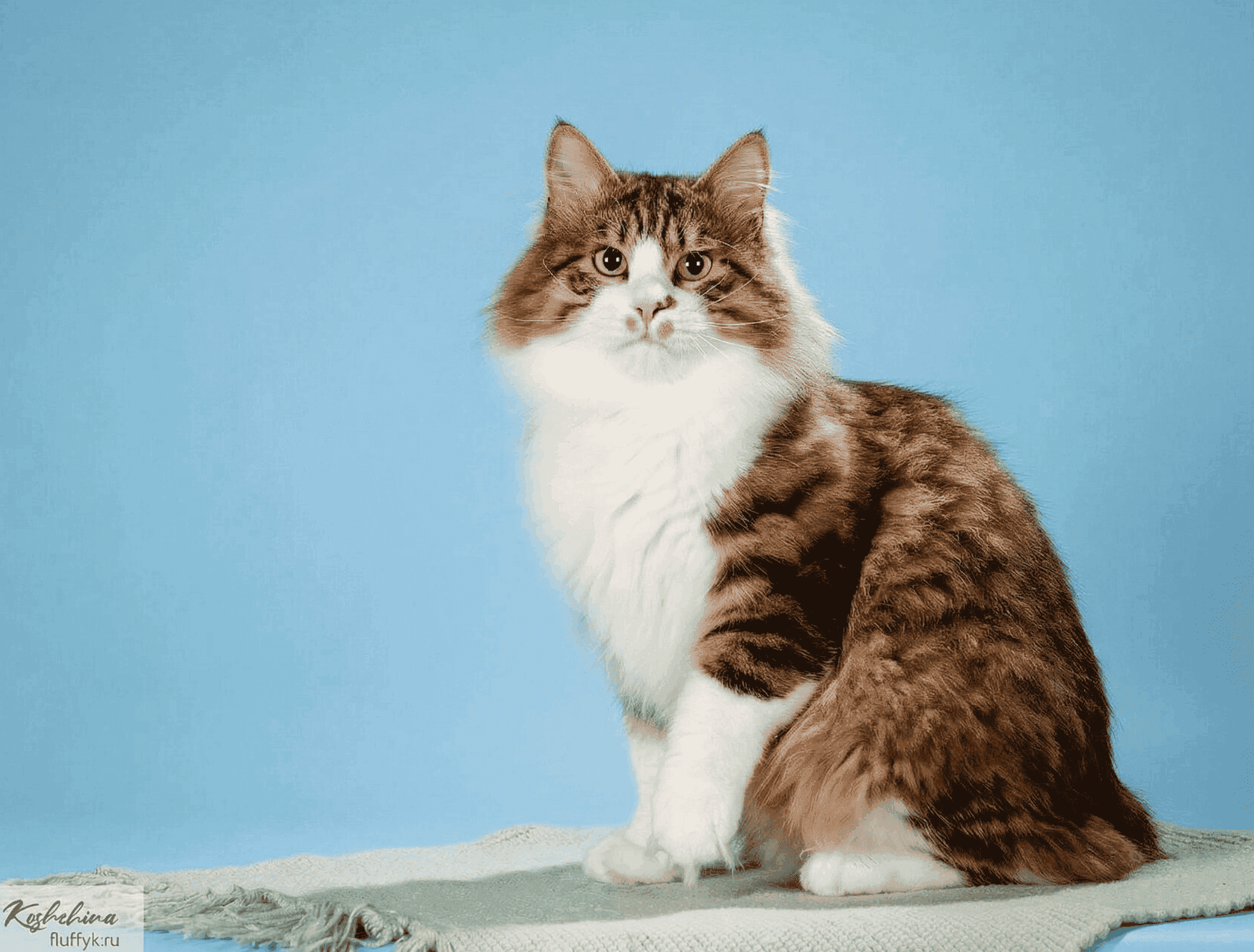
A cat with a "golden tail."
There is a well-known case where a Kurilian Bobtail named Mitsu was sold for a record $20,000 due to his unusual tail. This tail had a unique shape with five elegant curves resembling a spiral and was incredibly fluffy, creating the effect of a "golden pom-pom." Such an uncommon structure attracted the attention of collectors of rare breeds, making Mitsu one of the most expensive cats in the world.Care and Maintenance of the Kurilian Bobtail
The Kurilian Bobtail is a breed that, thanks to its natural characteristics and robust health, does not require overly complicated care. These cats were naturally formed in the harsh climate of the Kuril Islands, making them quite hardy and low-maintenance. However, there are a few aspects to consider to ensure your pet has a comfortable and healthy life. Let’s explore the main points of care and maintenance for the Kurilian Bobtail.
1. Coat Care
The Kurilian Bobtail can have either short or semi-long hair. In both cases, the coat is dense and thick, with water-repellent properties, providing natural protection against adverse weather conditions. Despite this, proper coat care remains an important aspect.
Combing the Coat. Short-haired Kurilian Bobtails require brushing once a week to remove dead hair and prevent matting. Semi-long-haired individuals need more frequent brushing, about two to three times a week, especially during shedding periods (in spring and autumn).
Bathing. The Kurilian Bobtail does not need to be bathed frequently due to the water-repellent properties of its coat. Bathe the cat no more than once every 2-3 months or as needed (for example, if your pet gets particularly dirty). Use only cat-specific shampoos to avoid skin irritation.
Undercoat Care. During shedding periods, it is recommended to use special brushes to remove the undercoat, facilitating the coat change process.2. Care for Claws, Ears, and TeethMaintaining hygiene for claws, ears, and teeth is an essential part of caring for a Kurilian Bobtail, helping to prevent infections and other problems.Claw Trimming. Trim your pet’s claws every two to three weeks using specialized claw clippers. Be careful not to hit the blood vessels located in the claws. This will help avoid pain and bleeding.Providing a Scratching Post. Kurilian Bobtails are active cats that need to sharpen their claws. A scratching post will help keep the claws in good condition and prevent damage to furniture.Ear Cleaning. Check your cat’s ears weekly. They should be clean, with no excess wax or unpleasant odor. If necessary, gently clean the ears with a soft cotton pad and special ear lotion.Tooth Care. To prevent tartar and plaque build-up, it is recommended to brush your pet’s teeth at least once a week using special cat toothpaste. Chewing toys and treats that help clean teeth can also be beneficial.3. Nutrition and Weight ManagementProper nutr
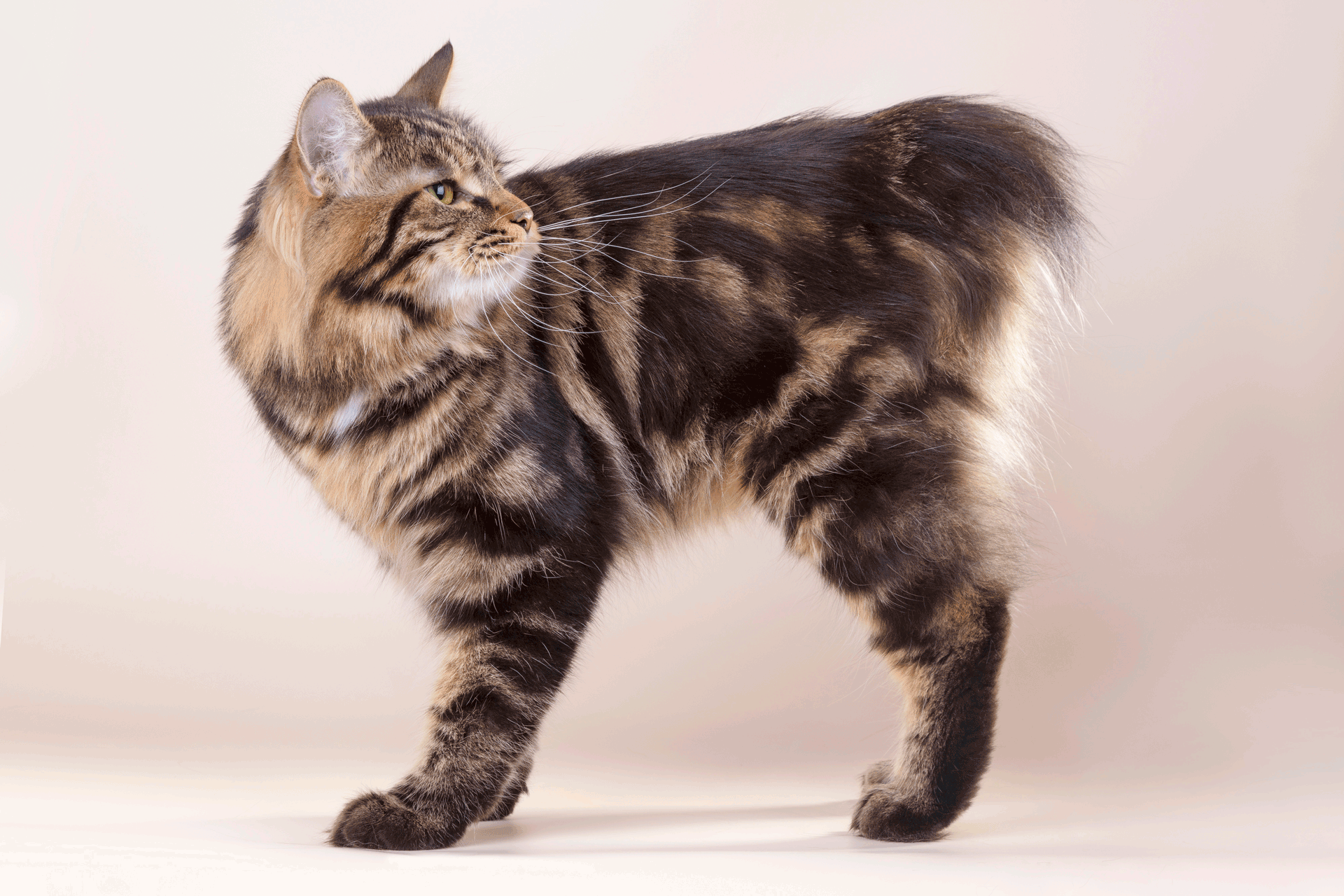
Kurilian Bobtail as a "guardian"
On the Kuril Islands, local fishermen traditionally consider Kuril bobtails to be "guardians" of their catch. It is believed that these cats can scare away rats and other pests from fishing gear and fish stocks. Due to their hunting instincts and ability to catch small rodents, Kuril bobtails have become not only beloved pets but also protectors of the local fishery.Training and Education of Kurilian Bobtail
The Kurilian Bobtail is a breed known for its high intelligence, curiosity, and playfulness, which makes them easy to train. These cats possess strong hunting instincts and an inclination to explore, which can be effectively utilized in training. However, training a Kurilian Bobtail comes with its own unique considerations related to its independent nature and innate instincts. This section will discuss the effective approaches for training and educating this breed to achieve success and strengthen the bond with your pet.
1. Features of Kurilian Bobtail Training
Kurilian Bobtails display natural intelligence and can memorize commands and rules. However, they also have a sense of self-worth and may show some stubbornness if training seems boring or unnecessary. It is important to take these traits into account during training.
Individual Approach. Each cat has its own character traits, so it is crucial to consider the temperament of the specific Kurilian Bobtail. Some cats enjoy following commands for rewards, while others are more oriented towards play and hunting.
Playful Training Format. Since Kurilian Bobtails are active and love to play, it is best to organize training in a playful manner. This will help keep the cat interested in learning and enjoy the process.
Short, Frequent Sessions. Training sessions should not be too long to avoid tiring the pet. The optimal duration for each session is 5-10 minutes. Repeat the sessions several times a day for better retention.2. Teaching Basic CommandsKurilian Bobtails can learn basic commands that will be useful in everyday life and help the owner manage the cat’s behavior.Command “Come”. This command is useful for calling the cat, for example, before feeding or for playtime. Start by calling the cat by name and offering a treat when it approaches. Gradually, the cat will associate the command with positive reinforcement and learn to obey it.Command “Sit”. Yes, cats can be taught the “sit” command. Take a treat, hold it above the cat’s head so it has to sit to watch it. When the cat sits, give it the treat and praise while repeating the command.Command “Give Paw”. Start by gently taking the cat’s paw in your hand while saying “give paw,” then offer the cat a treat. After a few repetitions, the pet will start to offer its paw in anticipation of a treat.3. Socialization and AdaptationSocialization is important for Kurilian Bobtails, especially if the cat lives in
The most "talkative" Kurilian Bobtail.
Please provide the text you would like translated to English.How to Choose a Kurilian Bobtail Kitten
Choosing a Kurilian Bobtail kitten is a responsible process that requires attention to breed characteristics, living conditions, and the kitten’s background. This breed is known for its unique traits, such as a short tail, distinctive body shape, and active temperament, so it’s important to consider all these aspects to select a healthy and suitable pet. In this section, we will discuss how to properly choose a Kurilian Bobtail kitten, what to look for when examining the little one, and how to find a reliable breeder.
1. Finding a Reliable Breeder
The first and one of the most important steps in choosing a Kurilian Bobtail kitten is to find a responsible breeder. A good breeder cares for the health of their pets, adheres to breed standards, and provides the kittens with the necessary conditions for growth and socialization.
Breeder Reputation and Experience. Research reviews about the breeder, check if they are registered with feline organizations like WCF, FIFe, or TICA. A breeder with a good reputation is always ready to provide information about their kittens, show documents, and discuss their care conditions.
Visiting the Cattery. A personal visit to the cattery will allow you to assess the living conditions of the kittens and adult cats. Pay attention to cleanliness, animal activity, and their overall condition. Kittens should be well-groomed, playful, and friendly.
Availability of Documents for the Kitten. Ensure the breeder is prepared to provide the necessary documents: a veterinary passport with vaccination records, pedigree, and a sales contract. This indicates that the kitten is healthy and free of hidden diseases.2. Kitten’s Age for Moving to a New HomeThe optimal age for a Kurilian Bobtail kitten to move to a new home is between 12 to 16 weeks. By this time, the kitten is sufficiently socialized, adapted to living with people, and has received all necessary vaccinations.Early weaning from the mother (before 12 weeks) can lead to socialization issues and weakened immunity, as the kitten does not learn all the communication skills and health benefits that interaction with the mother provides.Older kittens (16 weeks and older) have already developed personality traits, making it easier to determine if this kitten fits your family.3. Assessing Appearance and Breed StandardsWhen choosing a Kurilian Bobtail kitten, it’s important to consider its compliance with breed standards. Key signs include the characteristic tail, head and body shape, and coat type.Tail. The Kurilian Bobtail is known for its short tail,
Health and Illnesses of the Kurilian Bobtail
The Kurilian Bobtail is a breed known for its strong health and good endurance. Due to its natural origins and the harsh conditions in which the breed developed, these cats have a strong immune system and rarely suffer from hereditary diseases. However, like any other breed, Kurilian Bobtails have their health peculiarities and tendencies to certain issues that should be considered to keep the pet in excellent condition. In this section, we will take a detailed look at possible diseases, health care features, and preventive measures that can help avoid problems.
1. Genetic Diseases
Unlike many breeds, Kurilian Bobtails do not suffer from a large number of genetic diseases, as their population has long been shaped by natural selection. However, some predispositions may still exist.
Tail Issues: Due to their short tail, which is a genetic characteristic of the breed, mobility problems or deformities can sometimes arise. Some individuals may have congenital defects in the tail structure that cause mild discomfort or limit movement. It is important to regularly check the tail’s condition and consult a veterinarian if pain or behavioral changes are detected.
Joint Dysplasia: Although this disease is more common in dogs, some large and active cats, such as the Kurilian Bobtail, can also experience joint problems. Hip dysplasia can cause pain and hinder movement, so at the first signs of lameness, a veterinarian should be consulted.
2. Tail and Back ProblemsKurilian Bobtails are known for their short tails, which have unique shapes and individual curves. Sometimes, this can lead to specific problems.Tail Deformities: Some Bobtails may have tails that are crooked or knotted, which rarely causes discomfort. This typically does not require treatment unless it causes the cat discomfort. However, if there are suspicions of pain in the tail area, it’s best to consult a veterinarian.Back Problems: In rare cases, a shortened tail can lead to spinal issues, especially if the cat has congenital defects. This can manifest as stiffness in movement or difficulties with jumping.3. Dental and Oral ProblemsOral diseases are common among many cat breeds, and the Kurilian Bobtail is no exception. To prevent potential issues, dental care is essential.Plaque and Tartar: Kurilian Bobtails may develop plaque and tartar, which can eventually lead to gum inflammation (gingivitis) and other oral diseases. Regular teeth cleaning with specially formulated cat toothpaste and the use of dental treats can help prevent these problems.Gingivitis and Periodontal Disease: Gum inflammation and periodontal disease c
Содержание
-
1. Описание породы
-
2. Внешний вид
- 2.1 Голова
- 2.2 Морда
- 2.3 Уши
- 2.4 Глаза
- 2.5 Зубы
- 2.6 Корпус
- 2.7 Конечности
- 2.8 Хвост
- 2.9 Шерсть
- 2.10 Окрас
-
3. Характер
-
4. Содержание и уход
-
5. Дрессировка и обучение
-
6. Как выбрать котенка
-
7. Здоровье и болезни






Comments
Only registered users can leave reviews.
Enter