
Karelian Bobtail





Breed Description
The Karelian Bobtail is an indigenous breed of cat that has its roots in border regions and Finland. Although the exact details of the origin of this breed remain unknown, it is believed that the Karelian Bobtail is a result of natural selection that has occurred over many years.
In the wild, long-tailed and short-tailed mice were often found alongside each other. Such “alliances” would frequently produce kittens with short, seemingly docked tails, which became the first representatives of the Karelian Bobtail. This feature is nothing more than a result of mutation. It is suggested that among its ancestors are Norwegian Forest Cats.
The first information about these cats emerged in the 1970s. Thanks to the efforts of Russian and Finnish feline specialists, the breed standard was developed and presented to various feline organizations in 1987 in Leningrad (now St. Petersburg). However, the standard was officially recognized in 1994 by the WFC.
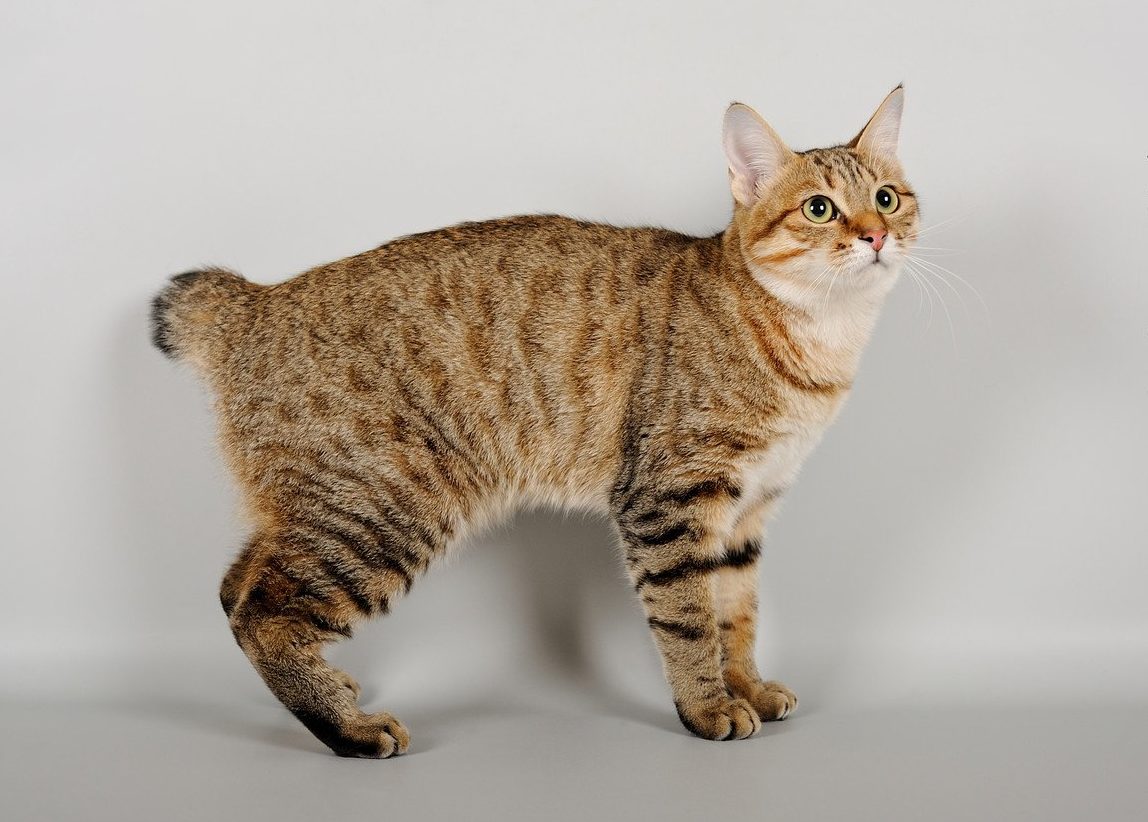
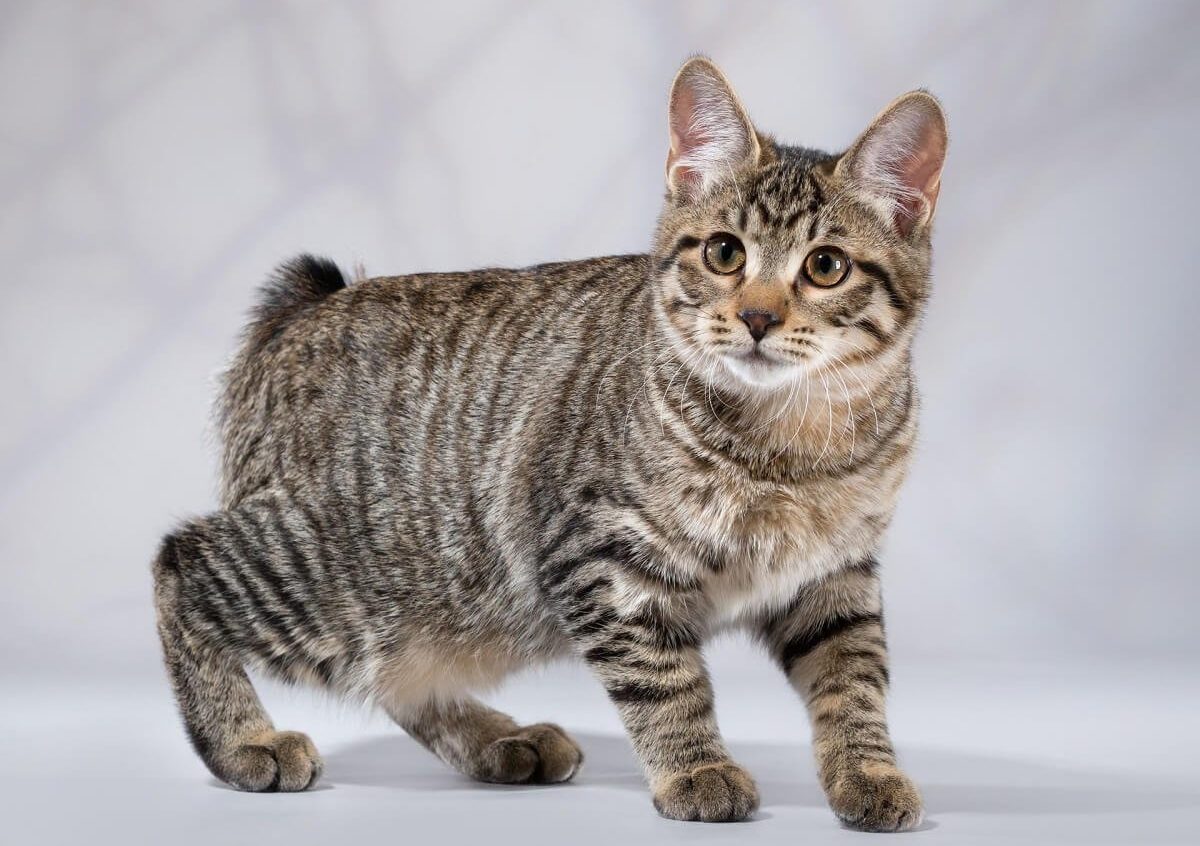
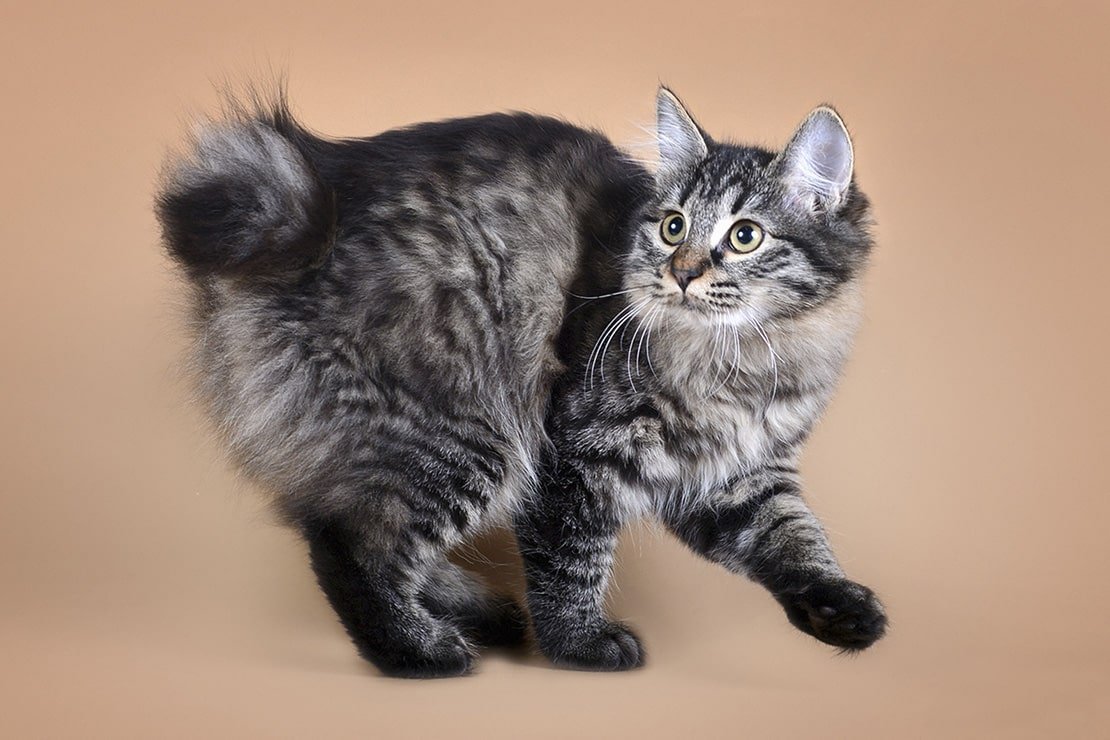
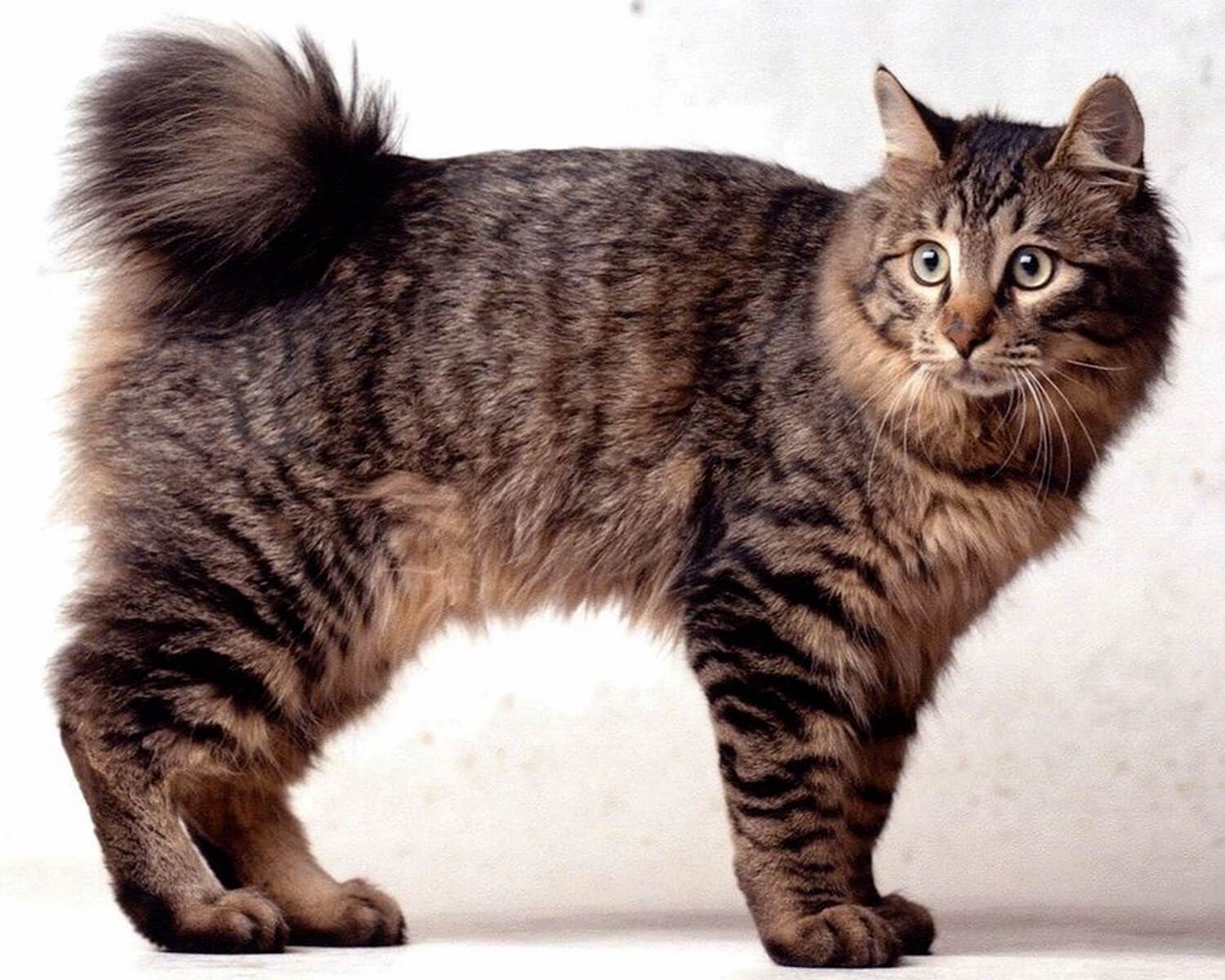
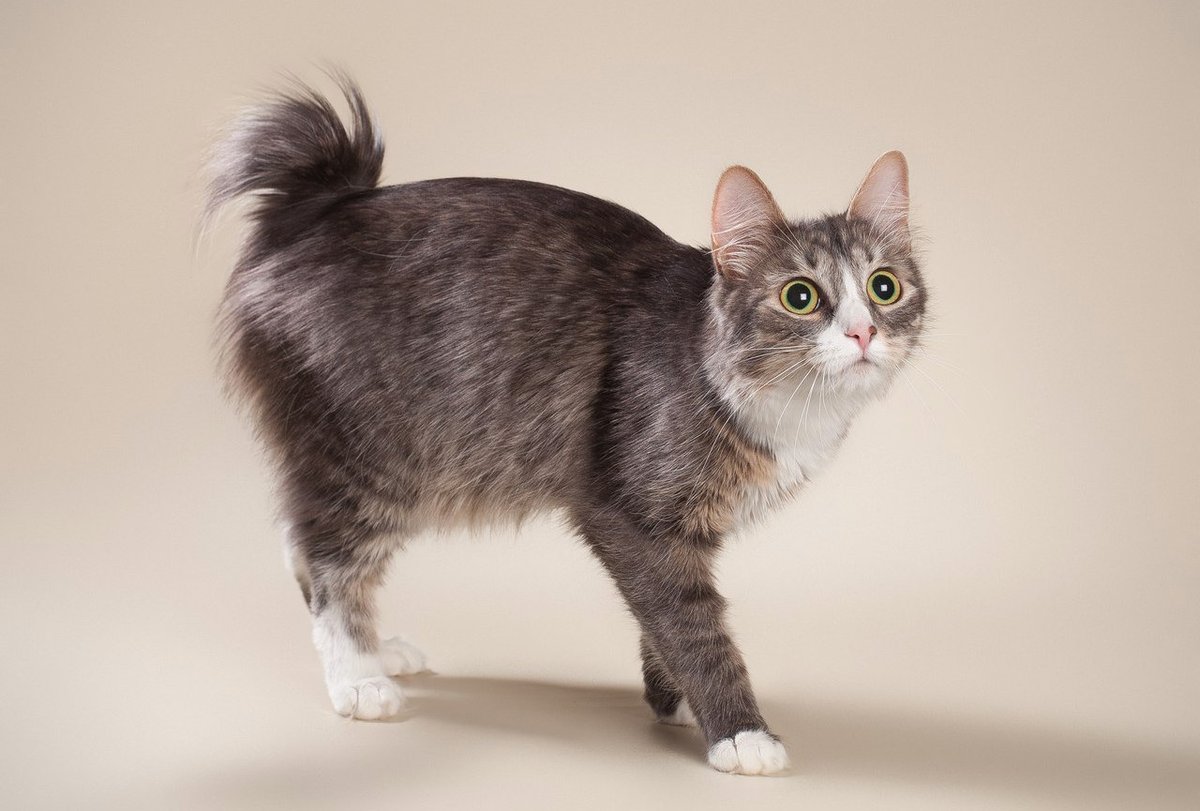
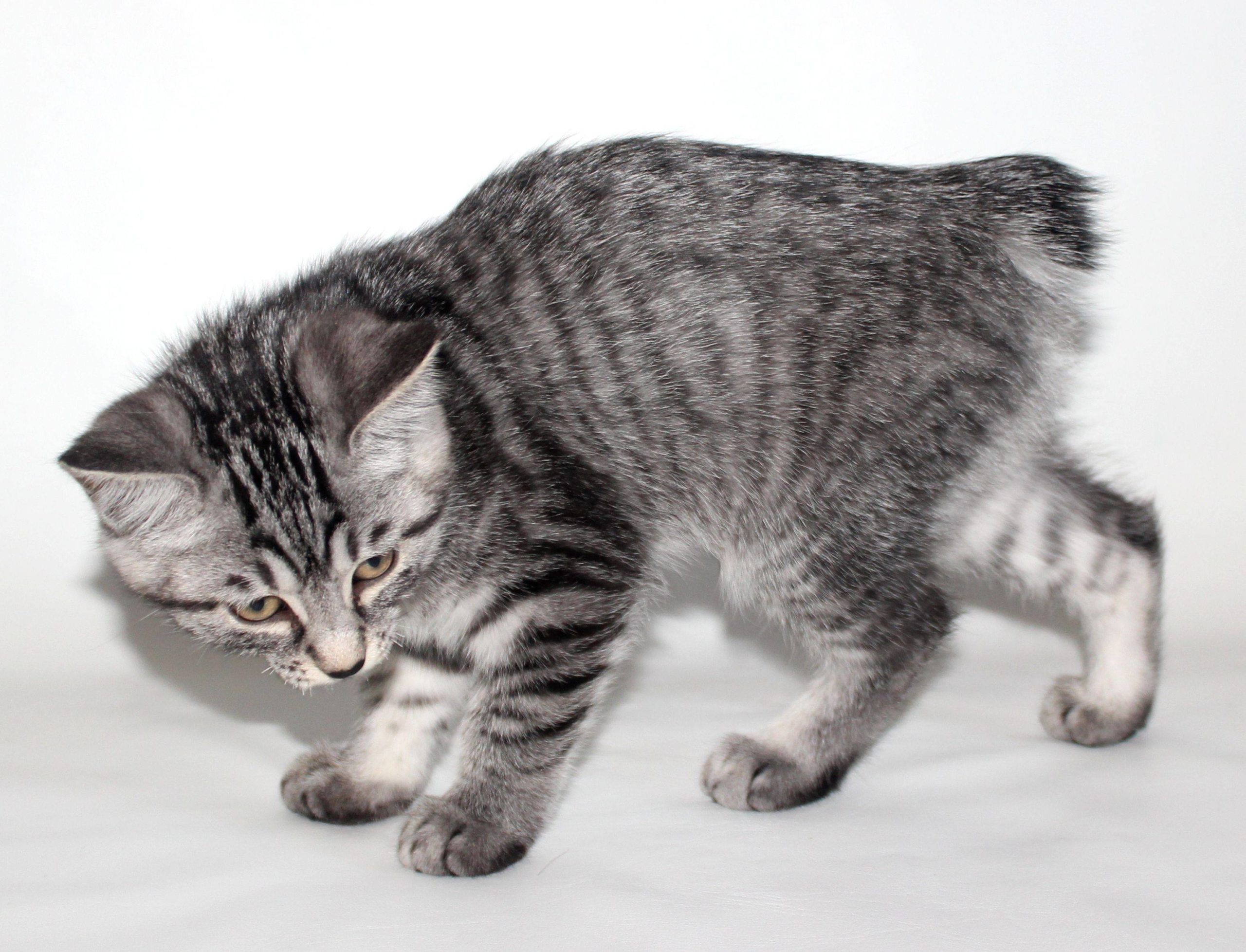
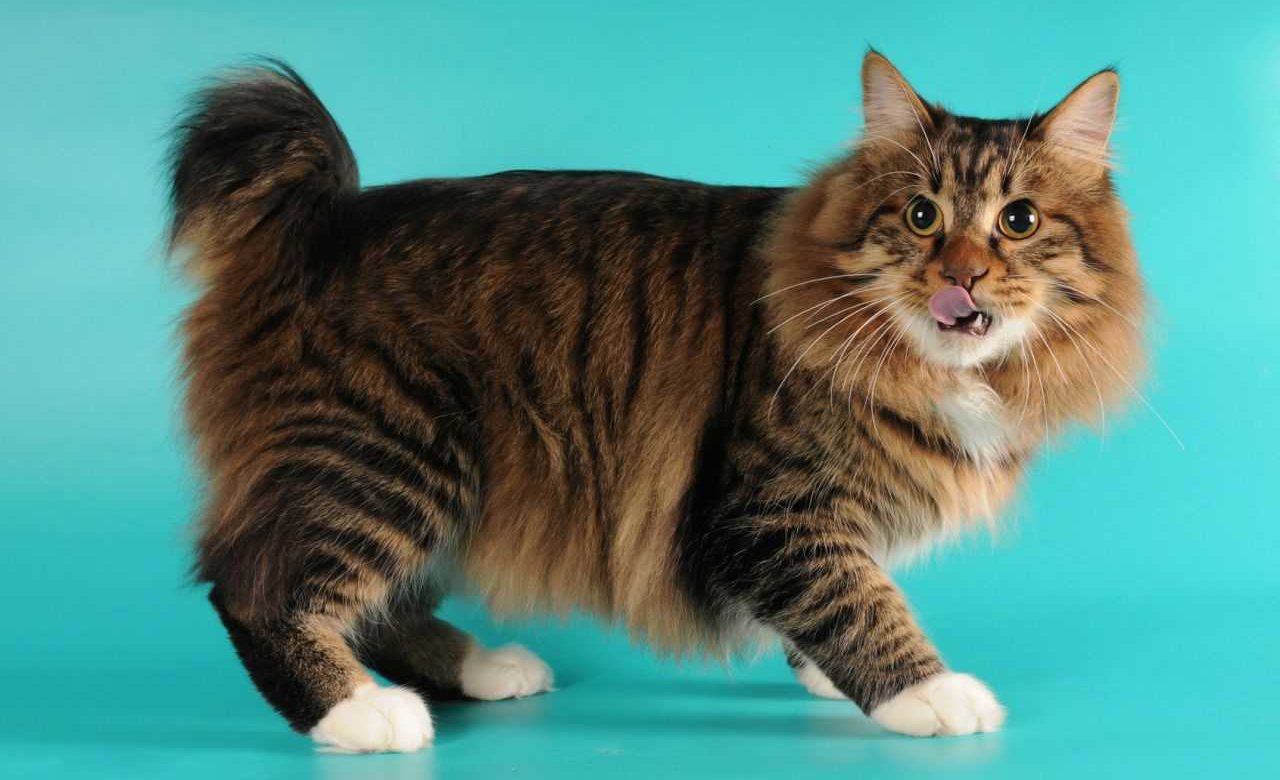
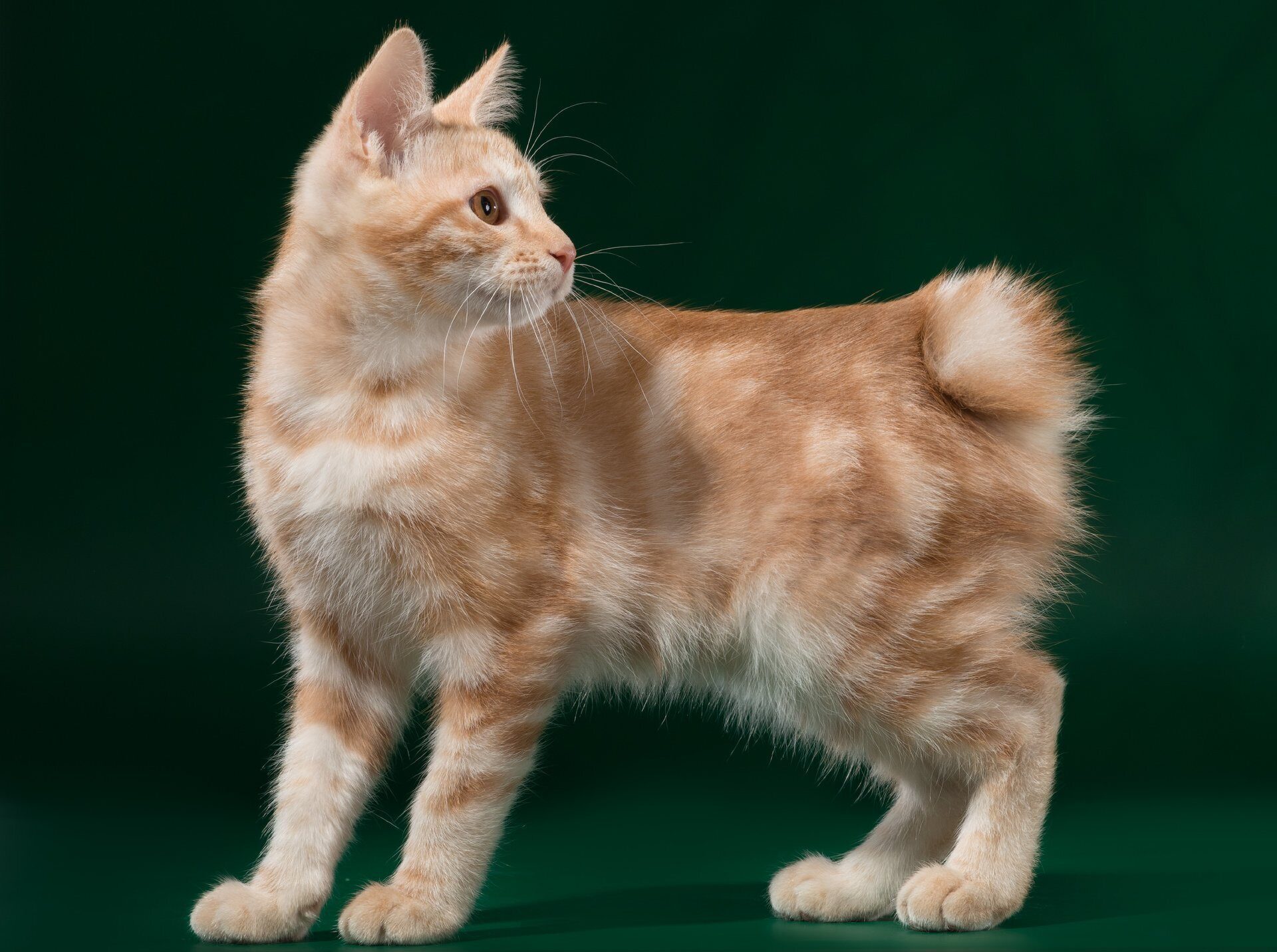
Above all, the Karelian Bobtail is known for its appearance: a beautiful short tail that can be curved or even curled. Short-tailed cats have a sturdy yet flexible body structure, as well as an intelligent and active character. They have beautiful, thick fur that reliably protects them from the cold in northern regions. There are also other variations of short-tailed cats, including almost identically named Kurilian Bobtails, as well as Japanese, American, and Thai breeds. The differences among them are significant, but they all share one common feature-a very short tail (from English, bob, tail – short tail). While the Karelian and Kurilian variants share similarities in appearance and were long considered related, research has proven otherwise.
Despite the popularity of Karelian Bobtails as pets, their population is quite small. It grows very slowly due to low demand and high competition among similar short-tailed cat breeds. Even when the decision to recognize the breed was made, it was met with considerable skepticism. Advertisements for Karelian Bobtail kittens can be found only after thorough searching online, and even then, they are mainly domesticated cats brought from their homeland, as purchasing a kitten from a cattery is almost impossible.
Appearance
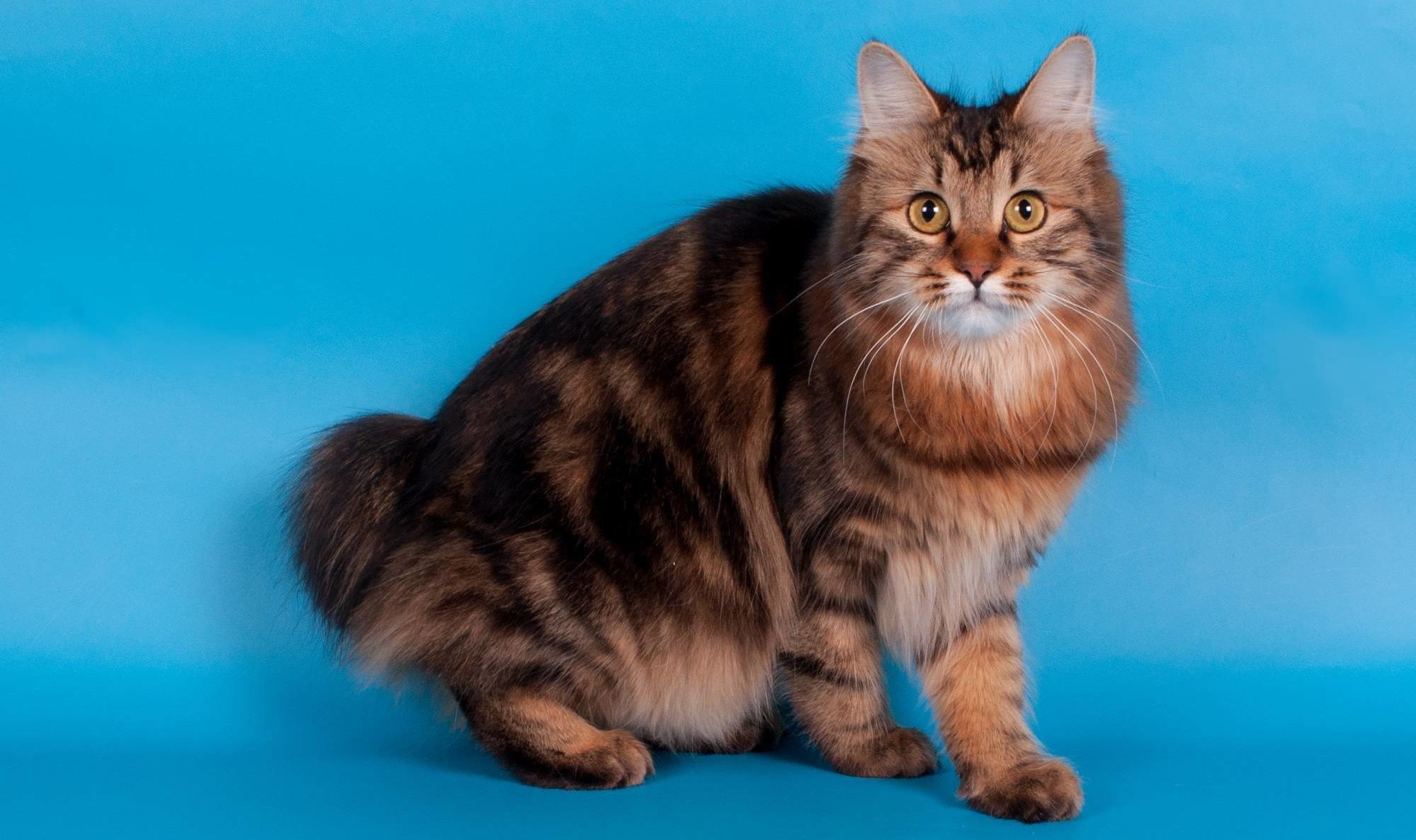
First and foremost, the main feature that stands out is its beautiful and warm fur, which provides warmth during harsh winters, and its short tail. Karelian bobtails are compact in size and quite flexible. However, their dimensions are smaller than their relatives from the Kuril Islands. It’s worth noting their excellent physical characteristics. Adult males can weigh up to 6 kg, while females are more graceful and lighter, weighing up to 4 kg. The height at the withers can reach 30 cm. Currently, there is a trend to preserve more compact short-tailed cats from Karelia. This breed is not only beautiful but also one of the most unique in the world. Choosing a kitten from a cattery in Russia can be quite challenging due to the small population of cats. However, Karelian bobtails are very popular as pets, thanks to their sociability, love for play, and attachment to their owners. They are also known for their social skills and ability to get along with other animals. This is further confirmed by the fact that in their homeland, wild individuals live in communities (or prides) and therefore respect hierarchy. They are often mistaken for Kuril bobtail


Отличительные черты

Голова

Морда

Уши

Глаза

Зубы

Корпус

Конечности

Хвост

Шерсть

Окрас
Character
The Karelian Bobtail is noted for its friendly and responsive character. However, a degree of independence does manifest at times. They may demonstrate their autonomy and enjoy freedom of movement, yet they remain very attached to their owners and crave love and attention, showing a tender affection for their company. They are sociable, yet delicate and unobtrusive. Naturally, individual dogs may display varying characteristics, but, generalizing the feedback from owners, it can be confidently stated that the Karelian Bobtail is a wonderful companion with an unusual appearance.
Karelian “bobtails” are known for their energy and love for play. Often, their playful behavior continues even into adulthood. However, they can hardly be called hyperactive. Once they have played enough, they seek solitude. Adhering strictly to hierarchy, they typically get along well with other cats and dogs. The Karelian Bobtail is generally friendly and does not shy away from interacting with new people, especially those who can say something kind to them. In response, you may hear a sound reminiscent of birds chirping-this is how the breed communicates with humans. A Karelian’s meow is unmistakable.
The breed is characterized by developed intelligence and curiosity. The bobtail cats of Karelia actively explore their surroundings, eager to know everything happening around them.
Another aspect of their temperament can be observed when watching them communicate with other family members or pets. By studying their body language, one cannot help but notice their active use of their tails in communication. Their short pompon-like tail can express various emotions and moods. It is suggested that their tails have their own communication system. By the way, they are very sensitive and can be easily hurt. They won’t seek revenge, but will let you know they’ve been displeased in other ways: they might stop coming out of their hiding spots.
You can determine the future character of a pet during the initial visit when meeting a breeder to choose a kitten from the kennel. The most active and mobile ones will likely remain that way as they grow. If you come across a shy one, this tendency will likely persist in its behavior as well. In difficult situations, it is recommended to seek correction of deviant behavior from specialists.
Happy Legend
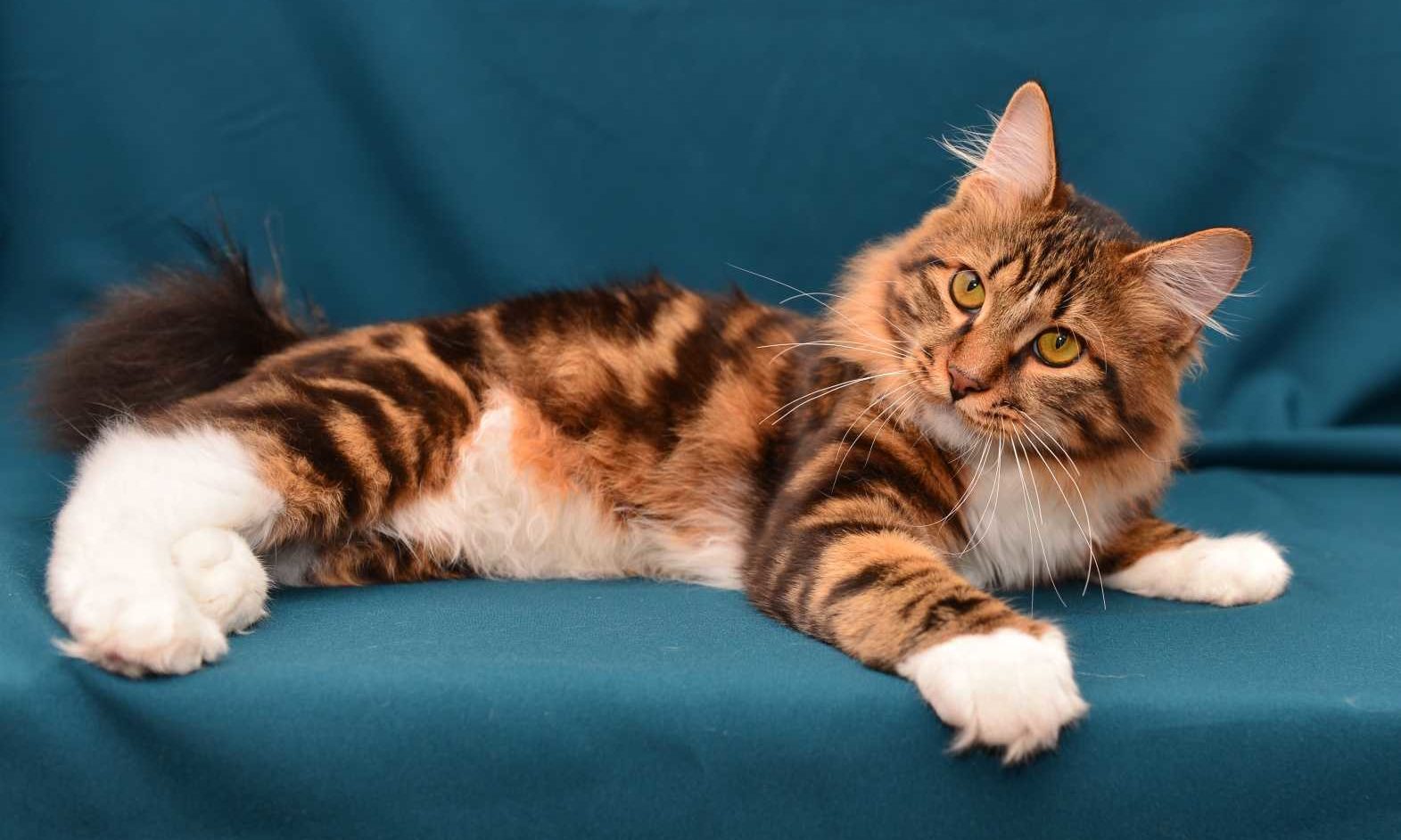
A legend has been preserved that Karelian Bobtails bring happiness to the home.Care and Maintenance
Karelians (the unofficial name for the breed) are beautiful cats with vibrant personalities and striking appearances. They are energetic, sociable, and intelligent pets. If you are a proud owner of this breed, or if you’re looking into advertisements for kittens in search of a Karelian Bobtail, it is important to know how to care for them properly.
Nutrition:
A well-chosen diet is the foundation of your pet’s health and well-being. Karelian Bobtails have a relatively fast metabolism and lead active lives, so they require a high-quality, balanced, and nutritious diet. It is recommended to feed them specialized cat food. Avoid inexpensive brands; instead, choose holistic or super-premium commercial food that meets their age-related needs and has the right nutrient ratios. Remember to provide fresh water at all times.
Grooming:
Karelian Bobtails have beautiful, thick, and fluffy fur that requires regular grooming. It is advisable to brush their coat at least once a week to prevent matting. This also helps avoid problems during shedding periods when fur ends up on furniture and carpets. During this time, increasing the frequency of brushing to remove loose hair is advisable. Additionally, Karelians are generally tolerant of water and can be bathed using pet shampoo. However, this should not be done too frequently, as it may cause the fur to lose its natural characteristics.
Hygiene:Provide your Karelian Bobtail with a clean and comfortable place for sleeping and resting. Check and clean their litter box a couple of times a week to maintain optimal hygiene. The best choice is a litter made from compressed wood shavings, which absorbs unpleasant odors and most cats enjoy. Owners may choose other types of cat litter as long as the cat likes it. Regularly trim their claws to prevent overgrowth and damage to furniture. A scratching post helps only partially, so don’t neglect claw trimming. Overly long claws can adversely affect their health, causing pain while moving. It is also very important to regularly check the inner surfaces of their ears and eyes for irritation or signs of infection.Physical Activity:Karelian Bobtails are very active cats, so they need plenty of physical activity and entertainment to burn off excess energy. Provide your cat with toys, wooden posts for scratching, and encourage active play and exercise. Playing with your owner is a great way to create a strong bond between you and your pet.Veterinary Visits:Regular veterinary visits are a crucial part of caring for a Karelian Bobtail. Annual check-ups
Snake tail
The locals say that in the past, cats in Karelia had their tails cut off to avoid confusing their long tails with the many snakes found in the swamps. However, the cats with stubby tails were left alone and were actively sought to be domesticated. Whether this is true or not remains unclear.Training and Education
The Karelian Bobtail cat can learn simple tricks. However, it would be inaccurate to claim that it has a strong inclination or tendency for training, as it is noticeably different from other cat breeds. Bobtails are intelligent and capable learners but can often show independence. It is essential not to punish the animal for mistakes, scold, or use physical force.
For successful training, use positive reinforcement. This will motivate the cat to engage in training. Sessions should not be too long; about 20 minutes a day in a calm environment is sufficient. Treats, praise, and petting for correct commands or desired behavior should follow immediately after.
Be consistent and patient during training. Conduct sessions regularly and do not set unattainable tasks for your pet. Start small: break the training into steps and initially focus on simple commands, gradually increasing the complexity of tasks. This will help the kitten develop and enhance its social skills. Observe their behaviors and incorporate them into the training process. Always respond to their needs and signals. For example, this breed loves to play, so teach them commands within the context of play. This will help them focus and become interested in training. Consult with the breeder about the nuances of training when you go to choose a kitten from the cattery. One of the tricks that a bobtail can easily learn is fetching a ball or another toy that your little hunter likes. Owners can also teach the bobtail to jump through hoops. They enjoy jumping, and this skill can be used to achieve results in a short time.
The goal of training and raising a Karelian Bobtail is to create a harmonious and happy bond between the cat and its owner. It is important to build trust and strengthen the connection with your tailless companion.
The magical legend
Please provide the text you would like to have translated.How to Choose a Kitten
First of all, you need to review advertisements for kittens for sale and find a cattery that specializes in breeding this breed. Look for the best catteries in Russia that offer healthy and well-socialized pets.
We recommend visiting the cattery in person to see the living conditions and the state of other animals. Pay attention to the overall condition of the cattery, the cleanliness, and the activity level of the kittens. Ask about the vaccinations and preventive measures that have been carried out for the kitten according to standard veterinary protocols. Ensure that the kitten has been treated for parasites and has a passport with records of vaccination and veterinary examination. Check the pedigree provided by the cattery; it confirms the kitten’s lineage and displays its ancestors over several generations.
The Karelian Bobtail ranks among the top 10 most well-known Russian cat breeds worldwide. Additionally, their population is quite low, and the price of a purebred kitten can reach up to 90,000 rubles. To ensure protection, you should sign a sales contract with the seller. The contract should include information about the breed, price, purchase date, and all terms of the deal, including the responsibilities of both parties in case hidden defects are discovered.
Pay attention to the kittens’ personalities and their interaction with you. A healthy Karelian bobtail kitten should be open, friendly, and curious.
Health and Diseases
First of all, it is important to understand that this is an indigenous breed of cat, naturally endowed with a strong immune system. However, the Karelian Bobtail is predisposed to certain diseases. Before purchasing a kitten from a breeder, it is essential to familiarize yourself with these conditions, as this can aid in its care.
Hypertrophic cardiomyopathy (HCM) is a genetic heart disease in which the walls of the heart thicken, potentially leading to impaired heart function. Regular visits to a veterinary clinic for preventive check-ups and diagnostics can help with early detection and management of this condition.
Polycystic kidney disease is an illness characterized by multiple cysts forming in the kidneys. It is classified as an inherited condition and may progress with age. Regular examinations and monitoring can help keep track of kidney health and take necessary actions if needed.
Diastema is an anomaly in the oral cavity characterized by gaps between teeth. Karelian Bobtails may sometimes have spaces between their teeth. If diastema causes digestive issues or harms dental health, medical intervention may be required.
Содержание
-
1. Описание породы
-
2. Внешний вид
- 2.1 Голова
- 2.2 Морда
- 2.3 Уши
- 2.4 Глаза
- 2.5 Зубы
- 2.6 Корпус
- 2.7 Конечности
- 2.8 Хвост
- 2.9 Шерсть
- 2.10 Окрас
-
3. Характер
-
4. Содержание и уход
-
5. Дрессировка и обучение
-
6. Как выбрать котенка
-
7. Здоровье и болезни






Comments
Only registered users can leave reviews.
Enter