
Japanese Bobtail
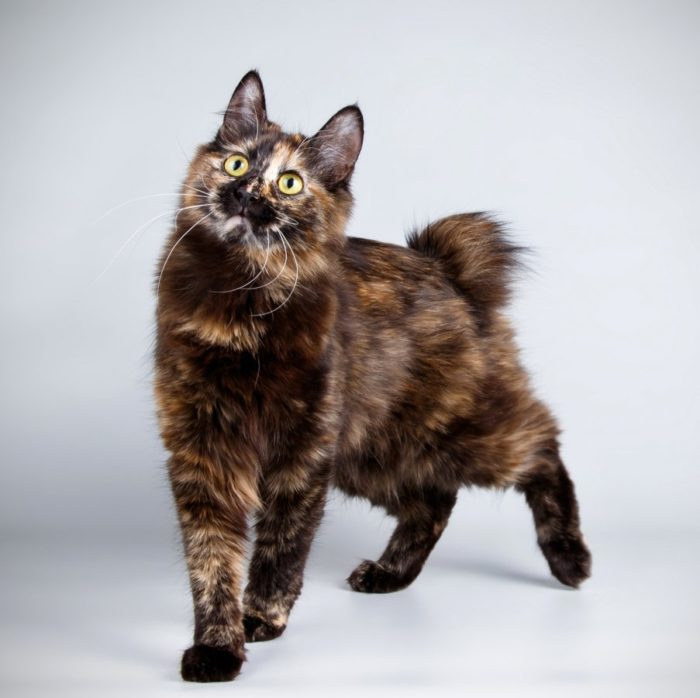





Breed Description
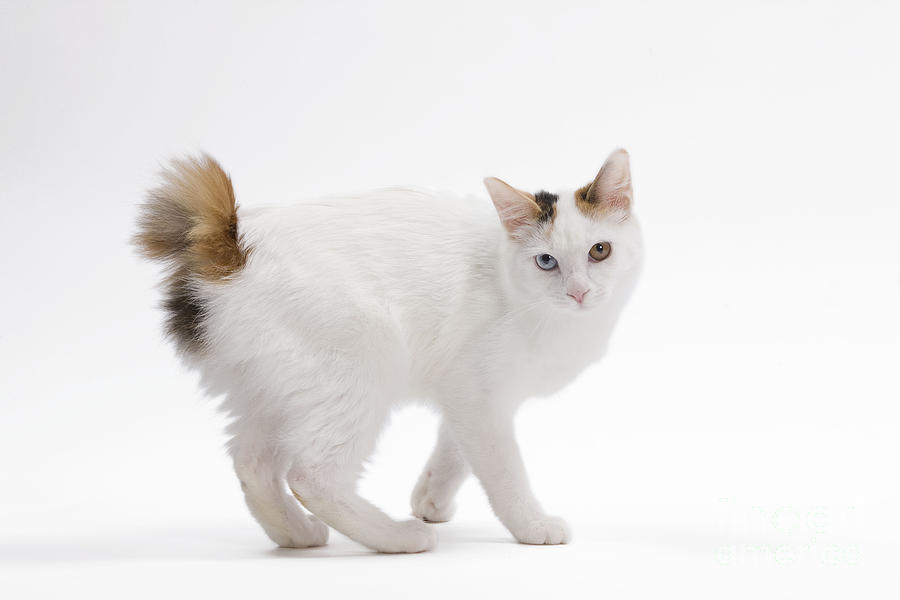
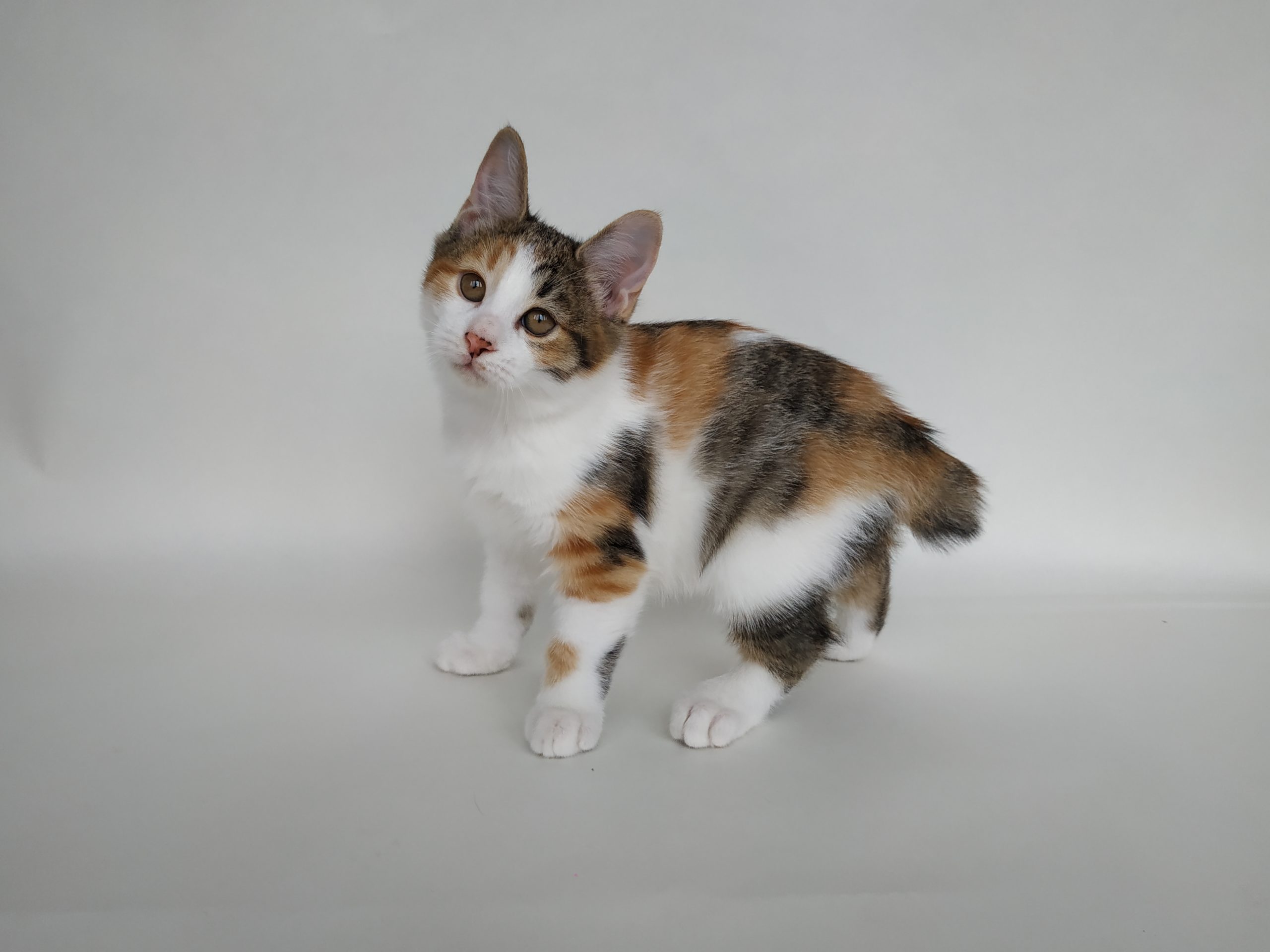
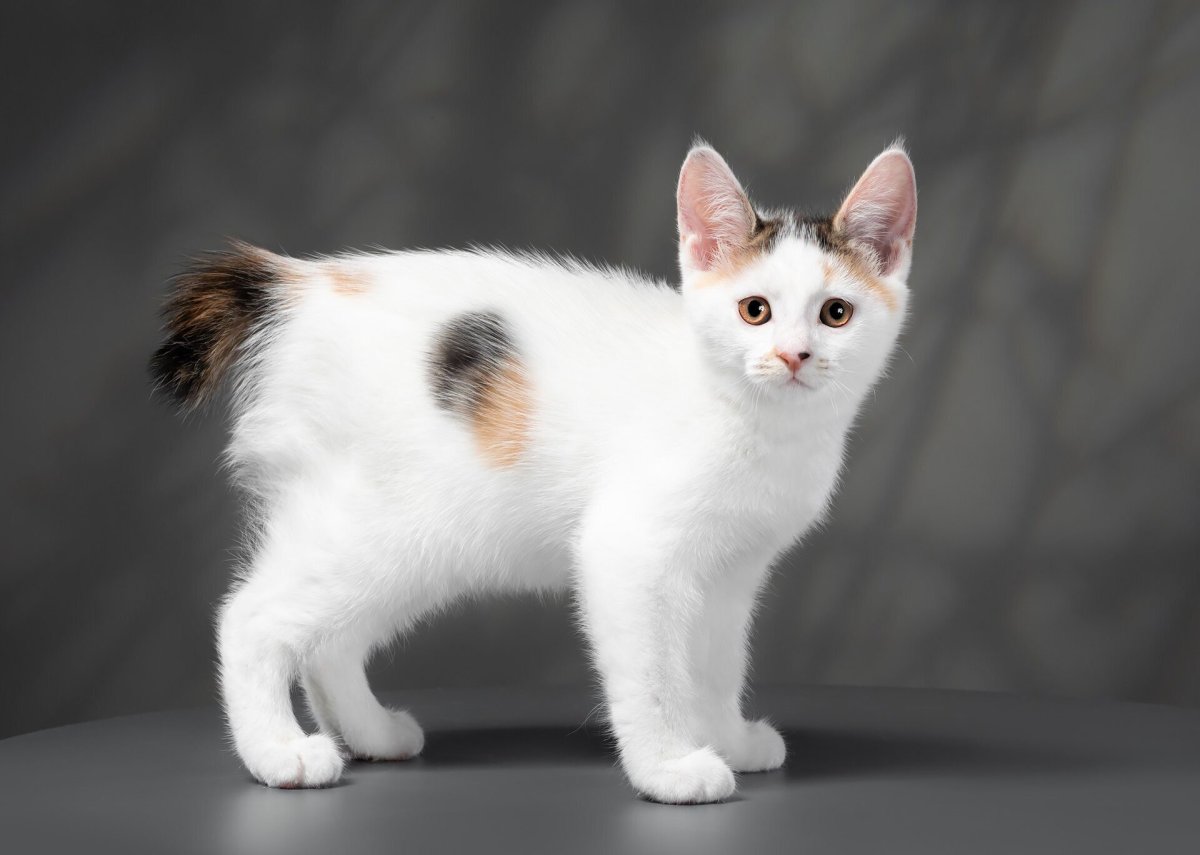
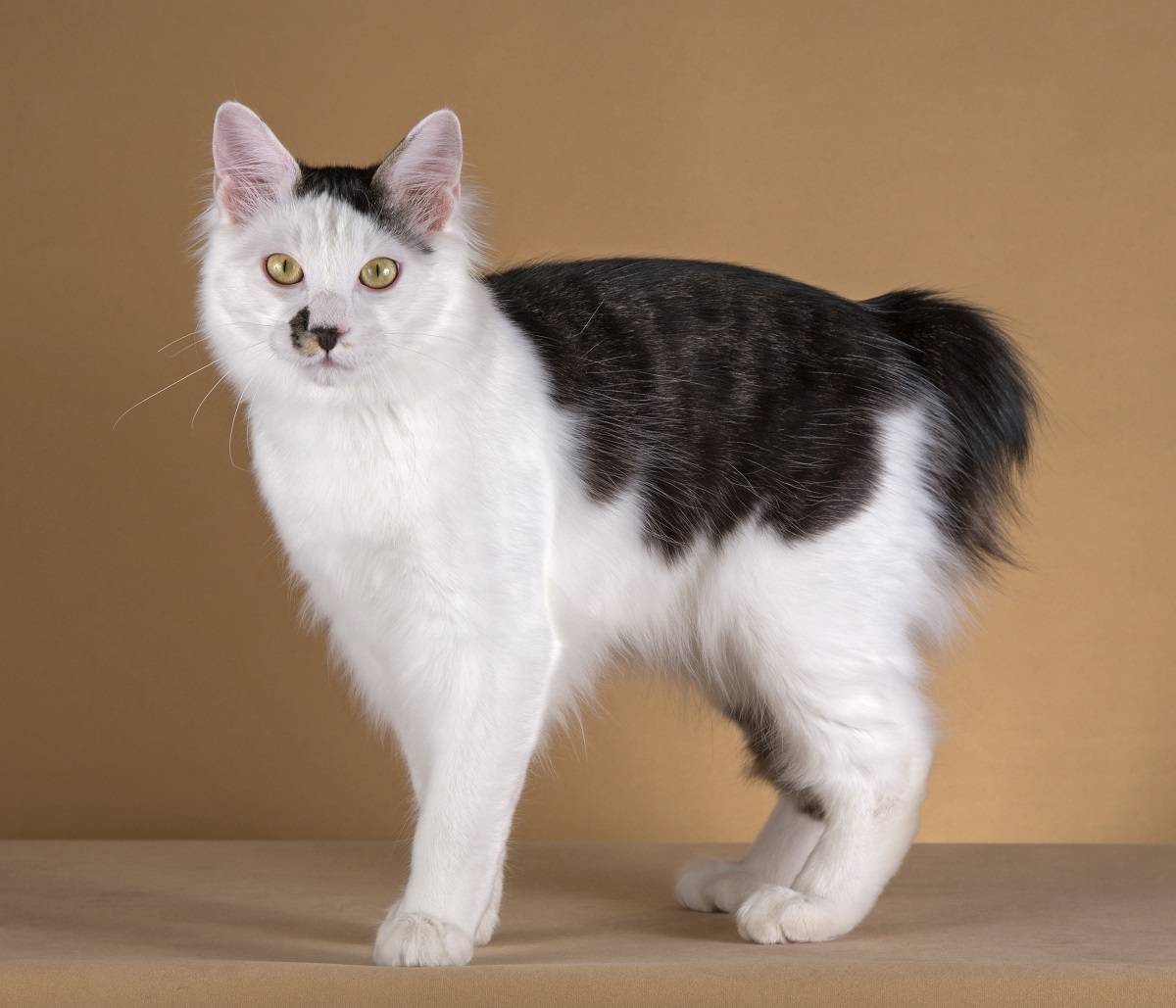
The Japanese Bobtail is a cat breed with a rich history, unique appearance, and cheerful personality. These cats have been living alongside humans for over a thousand years, symbolizing luck and prosperity in Japanese culture. The breed got its name due to its short tail, which resembles a fluffy pom-pom. In Japan, they have been depicted in ancient engravings and paintings, and in modern times, the Japanese Bobtail has become an object of admiration for cat lovers around the world.
These animals are characterized by their remarkable energy and attachment to humans. They not only love to be near their owners but also actively participate in family life. The Japanese Bobtail easily adapts to various living conditions, whether in the hustle of the city or in a country home. The breed is especially valued for its intelligence and sociability-these cats love to “talk” with people, making a variety of sounds.
It is important to note that Japanese Bobtails are natural optimists. They are almost always in a good mood, easily interact with other animals and children. This makes them ideal pets for families with small children or other pets.
These cats are not only active but also very quick-witted, as evidenced by their ability to quickly learn commands and even master simple tricks. They enjoy playing, especially when games involve interaction with their owners. The Japanese Bobtail is a pet that will never be bored and will always find something to keep itself entertained, whether it’s playing with toys or observing what’s happening around it.
The characteristics of caring for Japanese Bobtails make them appealing for those who don’t want to spend a lot of time on pet care. Their fur is not prone to matting and is easy to comb, while regular hygiene routines help maintain their health and appearance at a high level. It’s also worth noting that Japanese Bobtails are known for their good health and, with proper care, can bring joy to their owners for many years.
In Japan, these cats are traditionally considered symbols of luck and prosperity. The maneki-neko-a famous figurine with a raised paw often found in shops and homes-is a stylized representation of the Japanese Bobtail. Therefore, many breeders and cat enthusiasts believe that this breed brings not only joy but also good fortune to the home.Regarding temperament, Japanese Bobtails are known for their friendliness and curiosity. They are non-aggressive, get along well with other household pets, and quickly find common ground with children. These cats love to be the center of attention; they are active participants in family life and are always ready to play, explore their surroundings, or simply sit beside their owner, accompanying them in daily activities.In terms of health, Japanese Bobtails are considered one of the hardiest breeds. They have virtually no genetic disorders, which can be attributed to their natural origins. With proper care and regular veterinary check-ups, these cats can lead long and active lives, bringing joy to their owners.
Appearance
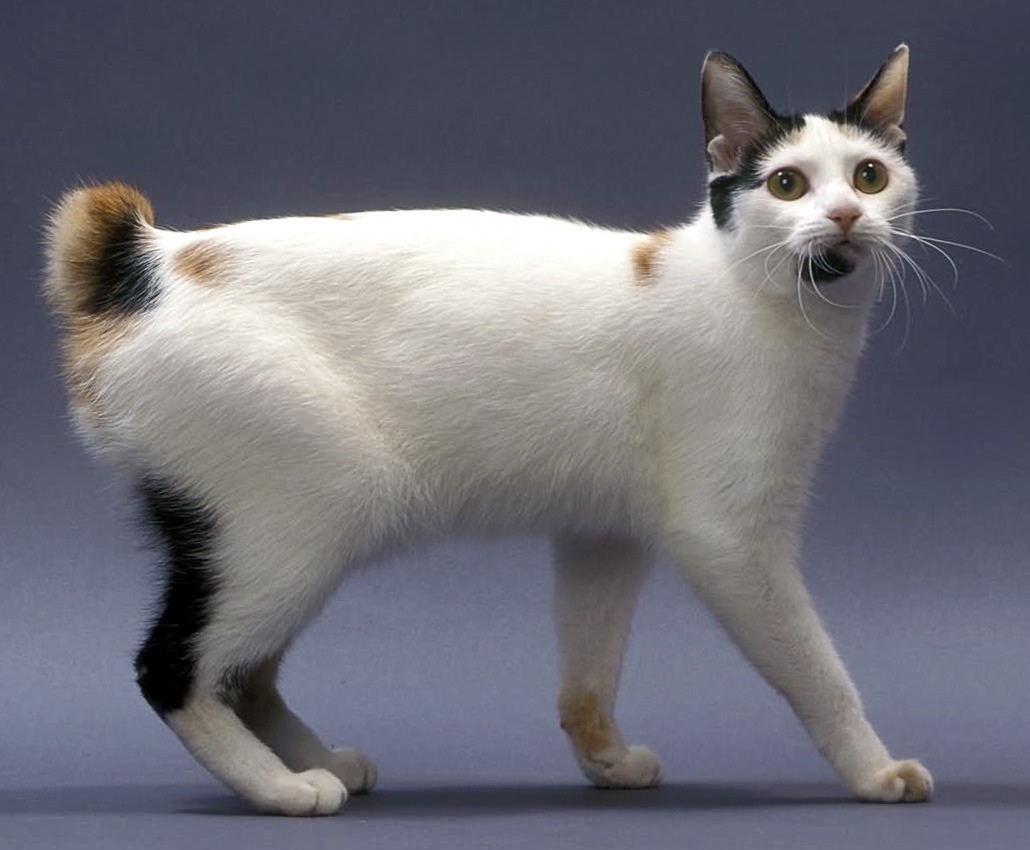
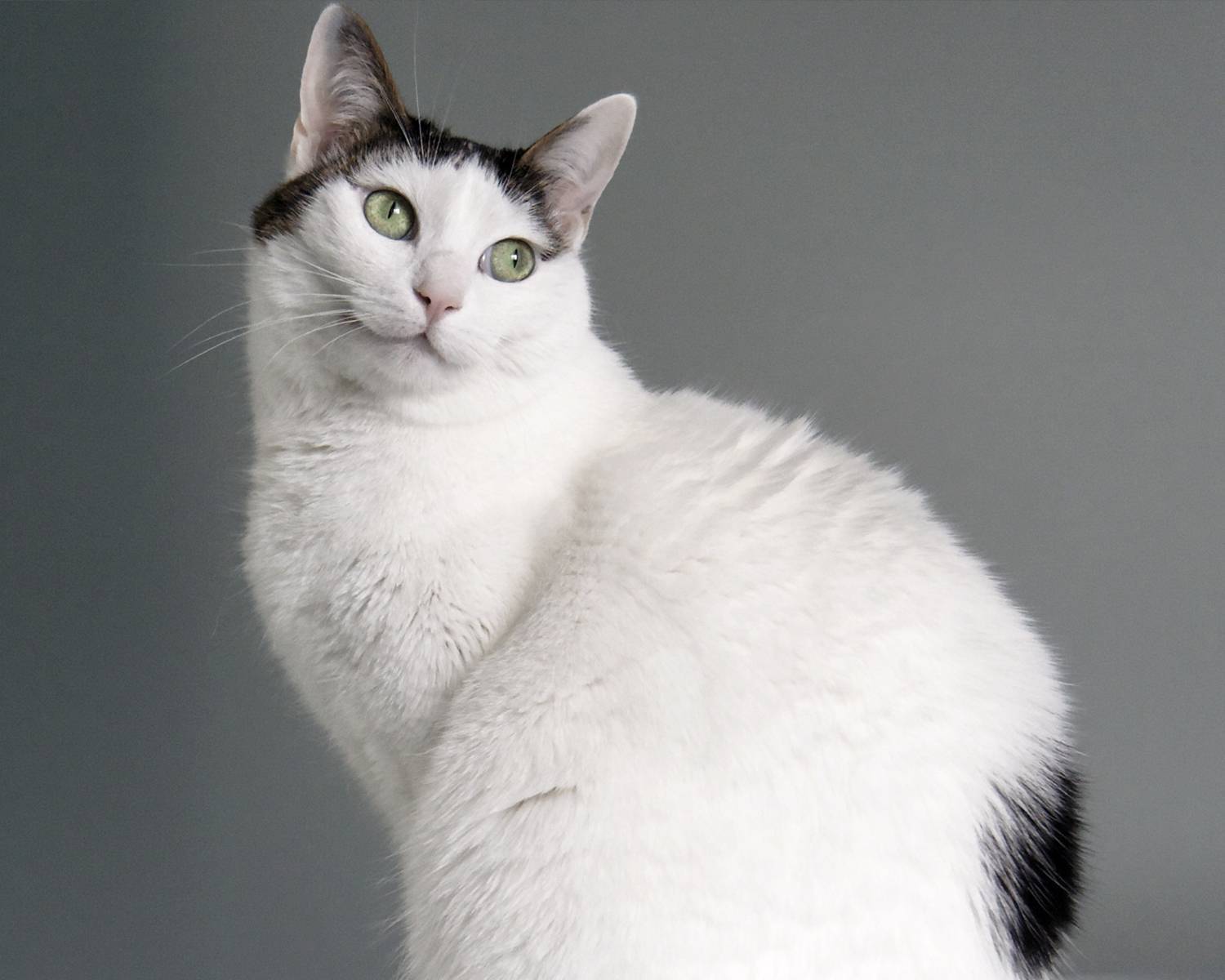
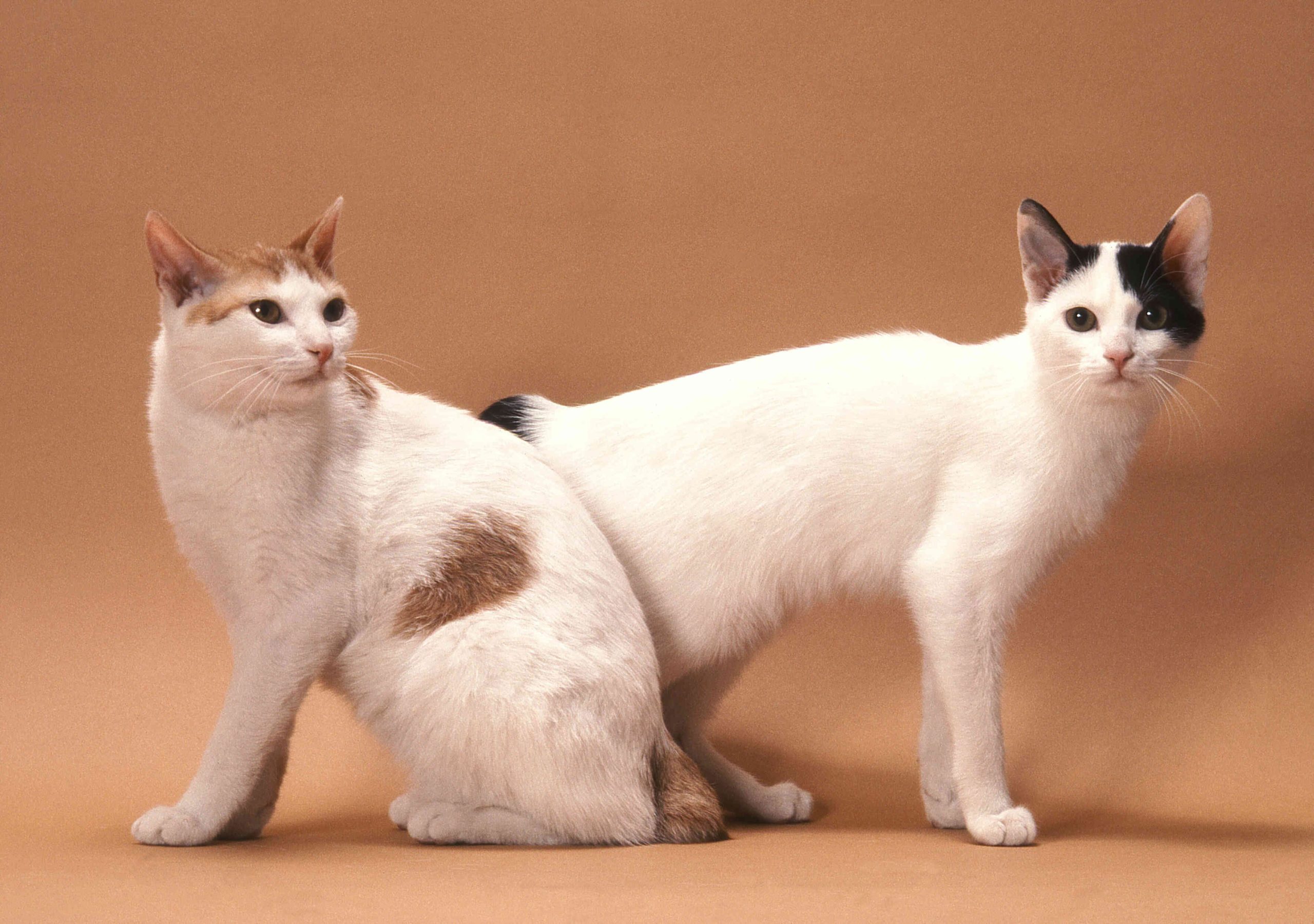
The appearance of the Japanese Bobtail is one of the most memorable features of this breed. These cats not only have an attractive look but also possess unique physical characteristics that distinguish them from other breeds. The most notable element is, of course, their short tail. However, this is far from the only thing that makes the Japanese Bobtail unique.
The appearance of these cats is often described as harmonious and balanced. The Japanese Bobtail has a sleek, muscular body that gives the cat grace and agility. Thanks to their natural energy and activity, these cats have an athletic build, making them excellent hunters and playful companions. Despite their elegance, the Japanese Bobtail does not appear fragile-instead, its body is strong yet lightweight.
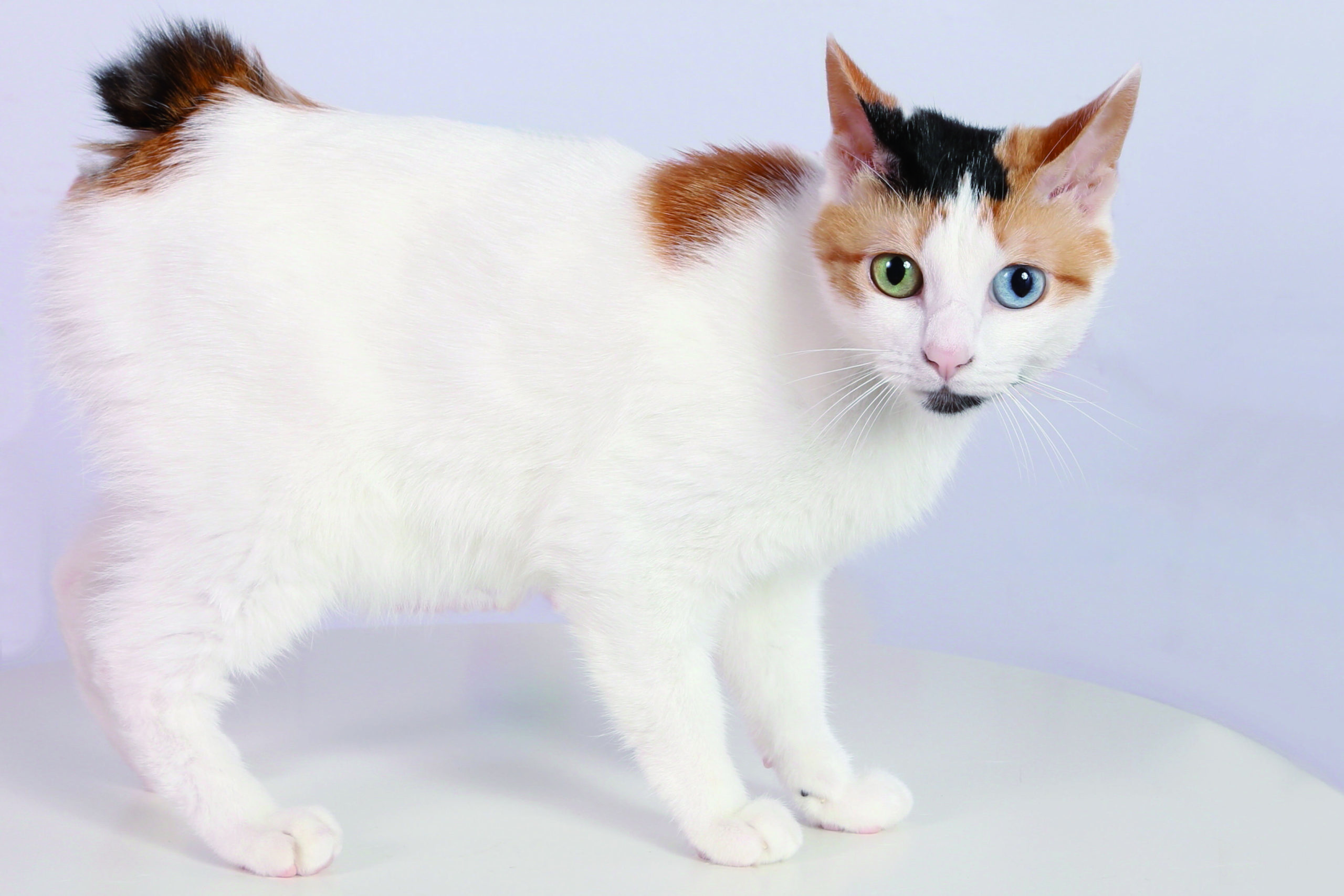
One of the key traits of the Japanese Bobtail is its tail. Unlike other breeds, the tail of the Japanese Bobtail is short, often measuring no more than 7-10 cm in length. Its shape can vary-from straight to spiral. This “short pom-pom” is the result of a natural mutation rather than selective breeding, which makes the breed even more unique. Interestingly, no two tails of Japanese Bobtails are alike; each has its own unique shape.
The head of the Japanese Bobtail is shaped like an equilateral triangle with smooth lines. The ears are set high and spaced widely apart, giving the cat a watchful and attentive appearance. The eyes are another striking feature of the breed. They are large, oval, and slightly slanted, which imparts an expressive and sometimes even playful look. Eye color can vary, but the most common are copper, green, or yellow shades.
The body of the Japanese Bobtail is medium-length, slender, yet muscular. The hind legs are slightly longer than the front ones, providing the cat with special flexibility and grace in movement. This structure helps Japanese Bobtails to be excellent jumpers and hunters. Their paws are oval, with soft pads, further emphasizing their agility and lightness.
The coat of Japanese Bobtails can be either short or medium-length. In any case, it is characterized by silkiness and sheen. The fur is not prone to matting and does not require complicated care, which is one of the advantages of this breed for owners. It is worth noting that Japanese Bobtails shed very little, making them suitable for apartment living.The color of the Japanese Bobtail is very diverse. The most popular are tricolor cats, which are considered a symbol of luck in Japan. Tricolor Bobtails, or “mike,” have a white base color with patches of black and orange. However, there are also solid-colored individuals, as well as striped variations. The color of the coat can vary, but it does not affect the cat’s temperament or health.Thus, the appearance of the Japanese Bobtail combines unique features such as a short tail and expressive eyes with the classic beauty of an athletic and graceful cat. These cats are a true decoration of the home and inspire admiration with their unusual look.


Отличительные черты

Голова

Морда

Уши

Глаза

Зубы

Корпус

Конечности

Хвост

Шерсть

Окрас
Character
The Japanese Bobtail is a cat breed with a unique character that attracts animal lovers worldwide. These cats are known for their friendliness, playfulness, and high level of intelligence. If you’re looking for an active, sociable, and cheerful pet, then the Japanese Bobtail is an ideal choice.
Main Character Traits:
Sociability. The Japanese Bobtail loves to spend time with people. This breed doesn’t belong to the category of cats that prefer solitude. They happily enjoy being with family, love to play, and interact with their owners. Japanese Bobtails may follow you around the house, participate in your activities, and even “talk” by making various sounds. They often purr, trill, and produce special meowing sounds, creating the impression that they want to “converse” with you.
Curiosity and Activity. These cats are incredibly curious and love to explore their surroundings. They enjoy investigating new toys, climbing on furniture, and even participating in the search for hidden objects. Japanese Bobtails are active and need stimulation through play to avoid boredom. Thanks to their energy, they remain playful even in adulthood, keeping the spirit of a kitten throughout their lives.
Intelligence and Trainability. Japanese Bobtails are among the smartest cat breeds. They learn easily and can remember simple commands such as “fetch” or “shake paw.” Their intelligence makes them suitable for training, and they can perform various tricks. Japanese Bobtails quickly grasp what is expected of them and often take the initiative in learning.
Attachment to Owners. This breed is very bonded to its owners. Japanese Bobtails require constant attention and can be loyal companions to people. They do not like to be left alone for long periods, so they are best suited for those who are ready to give their cat plenty of attention.Compatibility with Children and Other Animals. Japanese Bobtails get along easily with children and other pets. Their friendliness and tolerance make them ideal companions for families. These cats love to play with children and can tolerate their antics for long periods without displaying aggression.Thus, the character of the Japanese Bobtail is a combination of playfulness, intelligence, and affection. They are companion cats that will always be by your side and bring you a lot of positive emotions.
Tradition of luck
In Japan, there is a legend that the Japanese Bobtail brings luck and prosperity. It is this breed that inspired the creation of the famous maneki-neko figurine - the "beckoning cat," often found in shops and restaurants throughout Japan.Care and Maintenance
Caring for a Japanese Bobtail requires minimal effort, making it appealing for those seeking a low-maintenance pet. These cats are generally healthy and do not require frequent grooming, which facilitates their care in both apartments and private homes. However, like any domestic animal, Japanese Bobtails need regular hygiene procedures and attention to their physical condition.
Grooming. Japanese Bobtails can have either short or medium-length fur. In either case, their fur is smooth and silky, not prone to matting, and easy to brush. Owners of short-haired Bobtails only need to brush them once a week to remove dead hair and maintain the coat’s shine. Medium-haired individuals require more frequent brushing-2-3 times a week-especially during seasonal shedding periods.
Ear and Eye Care. The ears and eyes of a Japanese Bobtail should be checked and cleaned as needed. If you notice any buildup or discharge in the ears or eyes, gently remove it with a cotton pad dampened in warm water or a specialized solution for cat eye and ear care. Preventing inflammation is an important aspect of pet care.
Teeth and Claws. Regular tooth brushing can help prevent gum and dental issues. You can use special toothpaste and brushes designed for cats. As for claws, they should be trimmed as necessary, approximately every 2-3 weeks. You might also consider getting a scratching post, which can help the pet sharpen its claws and prevent damage to furniture.
Hygienic Procedures. It is crucial to maintain the cleanliness of the cat’s litter box. The litter box should always be clean, as Japanese Bobtails, like many other cats, are very particular about hygiene. Regularly changing the litter and cleaning the box is essential to ensure your pet feels comfortable.
Play and Activity. Japanese Bobtails are active and require physical exercise. Provide your pet with a variety of toys, such as balls, toy mice, or interactive toys that stimulate their hunting instincts. Cat trees and climbing structures will also help the cat expend energy and satisfy its need for movement.In summary, caring for a Japanese Bobtail won’t take much of your time, but regular procedures will help maintain your pet’s health and beauty. At Zoonika, you can find the best places to buy pedigree kittens with a lineage.
Talkative pets
Japanese Bobtails are known for their unusual "talkative" behavior. They produce various sounds, not just meowing but also chirping, which makes interacting with them very amusing and unique.Training and Education
Thanks to their high intelligence and natural curiosity, Japanese Bobtails are easy to train. Unlike many other cat breeds that can be stubborn or independent, the Japanese Bobtail actively interacts with humans and learns quickly.
Basics of Training. Japanese Bobtails are receptive to learning, and the training process should be based on positive reinforcement. Treats and praise for following commands will help the cat understand what is expected of it more quickly. It’s best to start training with simple commands, such as “sit” or “give paw.” Gradually increase the difficulty of tasks, such as teaching the cat to fetch a toy.
Socialization. If you’ve brought a kitten into your home, it’s important to start the socialization process at an early age. The sooner the cat is exposed to various sounds, people, and other animals, the easier it will adapt to its new environment. Japanese Bobtails usually adjust quickly to new conditions, but teaching them rules of behavior at home will help avoid problems in the future.
Games and Exercises. These cats love to play, and training can easily be combined with playtime. Try using interactive toys that stimulate the cat’s intellect. For instance, hiding treats in special toys can help develop search skills. Japanese Bobtails also respond well to games that involve fetching objects. Teaching them such tricks is not only fun but also helps maintain the cat’s mental activity.
Encouragement and Motivation. It’s important to always reward your pet for their achievements. Treats and affection are great ways to motivate Japanese Bobtails. However, avoid overusing food as a reward to prevent weight issues. Use praise and toys for variety.
Thus, training a Japanese Bobtail is an engaging process that strengthens your bond with your pet and provides plenty of positive emotions.
Great swimmers
Please provide the text you would like to have translated.How to Choose a Kitten
Choosing a Japanese Bobtail kitten is an important step that requires attentiveness and knowledge of certain nuances. The right choice of kitten will provide you with a healthy and active pet that will bring you joy for many years. Zoonika offers kittens of various breeds, available in each advertisement.
Breeder. First of all, choose a kitten from verified and reliable breeders who are professionally involved with the breed. A good breeder will always provide all the necessary information about the kitten’s parents, its genetics, and health status. When buying a kitten from a private individual, it is important to ensure the living conditions and obtain all documents.
Appearance. Examine the kitten before purchase. It should be active, agile, with clean ears and eyes. The kitten’s fur should be smooth and shiny. Check the condition of the teeth and claws. Pay attention to the tail’s condition-Japanese Bobtails should have a short, fluffy tail.
Age. The best age to bring a kitten home is 12-16 weeks. By this time, the kitten is sufficiently socialized, accustomed to the litter box, and able to eat independently. Also, at this age, the kitten should have received its first vaccinations.
Character. Pay attention to the kitten’s personality. It should be curious, active, and sociable. Japanese Bobtails are not afraid of people and quickly make contact. If the kitten shows signs of aggression or excessive shyness, it may indicate improper socialization or potential psychological issues.
– The best website about animals where you can buy or sell a kitten or puppy.
Health and Diseases
Japanese Bobtails are known for their good health and strong immune system. However, like all cat breeds, they may have predispositions to certain diseases that are important to monitor.
Hereditary Diseases. The breed does not have pronounced genetic diseases, which is due to their natural origin. Nevertheless, regular veterinary check-ups can help prevent the development of potential health issues. Be sure to keep up with scheduled vaccinations and monitor your pet’s health.
Prevention. Regular vaccinations and parasite prevention (fleas, ticks, worms) are the foundation of a Japanese Bobtail’s health. Periodic check-ups with a veterinarian will help detect any potential problems at an early stage.
Содержание
-
1. Описание породы
-
2. Внешний вид
- 2.1 Голова
- 2.2 Морда
- 2.3 Уши
- 2.4 Глаза
- 2.5 Зубы
- 2.6 Корпус
- 2.7 Конечности
- 2.8 Хвост
- 2.9 Шерсть
- 2.10 Окрас
-
3. Характер
-
4. Содержание и уход
-
5. Дрессировка и обучение
-
6. Как выбрать котенка
-
7. Здоровье и болезни







Comments
Only registered users can leave reviews.
Enter