
Himalayan cat





Breed Description
The Himalayan, often referred to as the Persian-spotted, Khmer, or Persian-Himalayan, is a long-haired cat breed whose appearance is nearly identical to the Persian. The emergence of these fluffy beauties resulted from scientific experiments crossing Siamese and Persian breeds, leading to hybrids with original color patterns, initially in the UK, and
Starting in the 1920s, there was a goal to diversify the Persian gene pool by introducing the colorpoint pattern characteristic of Siamese cats. The Khmer breed (the name given to the result of this experiment) did not gain widespread popularity, making it impossible to choose a kitten from a cattery.
Later, several enthusiasts crossed a black Persian with a Siamese cat, which initially produced only black kittens; however, in the second litter, the first Himalayan kittens with distinct characteristics emerged. With the desired outcome achieved, the breeders created a detailed description, but the experiments were halted. This took place in the 1930s.
Then, after World War II, American cat fanciers established their own line of the Himalayan breed. Their efforts were highly regarded: the championship title was awarded in 1957.
Around the same time in the UK, Dorothy Collins crossed a black cat with Siamese genes and a long-haired cat of blue coloration. The offspring exceeded all expectations: the long-haired kitten was quickly purchased by a breeder named B. Sterling-Webb, who then began the European lineage of the breed. The beautiful long fur matching that of Siamese cats earned the pet the GCCF champion title in 1955.
There are several nuances in the recognition of Himalayan cats by different cat fancier organizations. For instance, it has been noted that in 1955, the GCCF recognized it as the long-haired colorpoint Persian, while in 1957, the CFA added blue spotted, chocolate spotted, seal points, and lilac points to its ranks. After a few decades, it became possible to choose a kitten from a cattery in other countries. Nowadays, purchasing a kitten from a cattery is not a problem and is even quite prestigious. Advertisements for Himalayan kittens for sale highlight their popularity in our country. The price of a kitten starts from 25,000 rubles, but those with rare colors and show-class kittens can cost over 60,000 rubles.
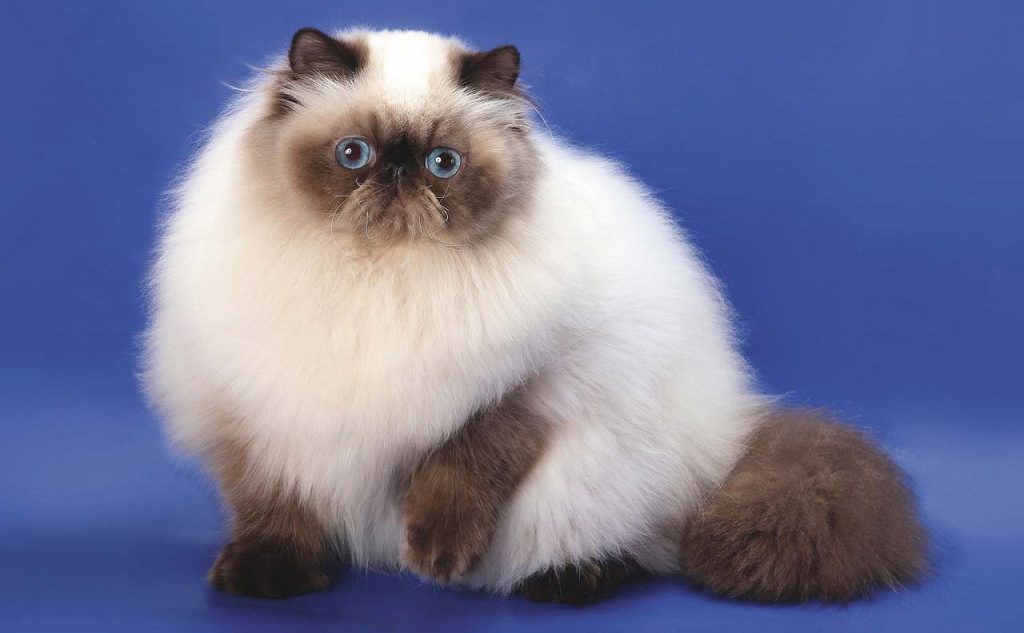
Appearance
Himalayan cats are a medium-sized breed, very graceful and possessing an elegant figure. They reach about 25-30 cm at the withers. An objective examination clearly reveals the difference in size and weight between females and the larger males. An adult sexually mature male weighs up to 5.5 kg, while the more delicate females weigh between 2.5 and 4.5 kg.
Choosing a kitten from a cattery means gaining a loyal companion for the next 15 years. Sometimes, this age threshold can significantly increase if owners take good care of their pet. In these cases, a Himalayan can live up to 17-18 years. Fluffy, long-haired Himalayan cats usually have a small number of kittens in a litter, averaging about 2-4 kittens.
Externally, they resemble the Persian breed but also carry traits of Oriental cats and the Siamese lineage as a whole. While they appear heavy, they are actually much lighter. This impression is given by their long, dense fur, which visually increases their size.
Currently, there are two lines of the breed: classic and Chinese (Pekingese). The “classics” have short-nosed faces, while the Pekingese variety has a noticeably flatter face and a much shorter nose characteristic of brachycephalics.


Отличительные черты

Голова

Морда

Уши

Глаза

Зубы

Корпус

Конечности

Хвост

Шерсть

Окрас
Character
The Himalayan cat, also known as the pointed Persian cat, is one of the most attractive and popular breeds in the world. These beautiful and graceful creatures combine the glossy fur of Persian cats with the blue eyes of Siamese ones. They have a truly special temperament that sets them apart from other cats.
One of the main traits of their character is calmness. They are usually very balanced and easily win the affection of all family members, becoming companions, especially for those living in rural areas. They do not require constant attention and enjoy spending time alone, but they can also be sociable and attached to their owners.
Furthermore, they are known for their loyalty, which can sometimes turn into dependence on family members. Choosing a kitten from a cattery and showing genuine care will be easy, as each owner will receive back the love of this fluffy pet. They love being around people and sharing their time with them. It has been noted that upon their owners’ return home, they always greet them joyfully at the door.
Himalayan cats sometimes exhibit certain character traits that can be described as “picturesque.” They enjoy playing but prefer quiet pastimes, exhibit curiosity and intelligence, making them ideal for training and learning. They can easily master various tricks and commands and enjoy rewards in the form of treats or toys. However, it’s important to monitor their weight.
However, it should be remembered that each animal is unique and may have predominance of certain characteristics influenced by their genetic heritage and environment. Therefore, when studying advertisements for kitten sales, it’s important to pay attention not only to breed affiliation but also to the individual traits of each animal.
So, the Himalayan cat is not only a magnificent example of beauty but also a breed with an interesting and unique character. They are easy to communicate with, devoted to their owners, and very intelligent and trainable. If you are looking for a loyal friend to accompany you in the quiet and peaceful moments of your life, the Himalayan cat is an excellent choice.It is important to remember that caring for and raising a Himalayan cat requires certain effort and attention. Responsibility and care are key factors in ensuring a happy and healthy life for your cat.
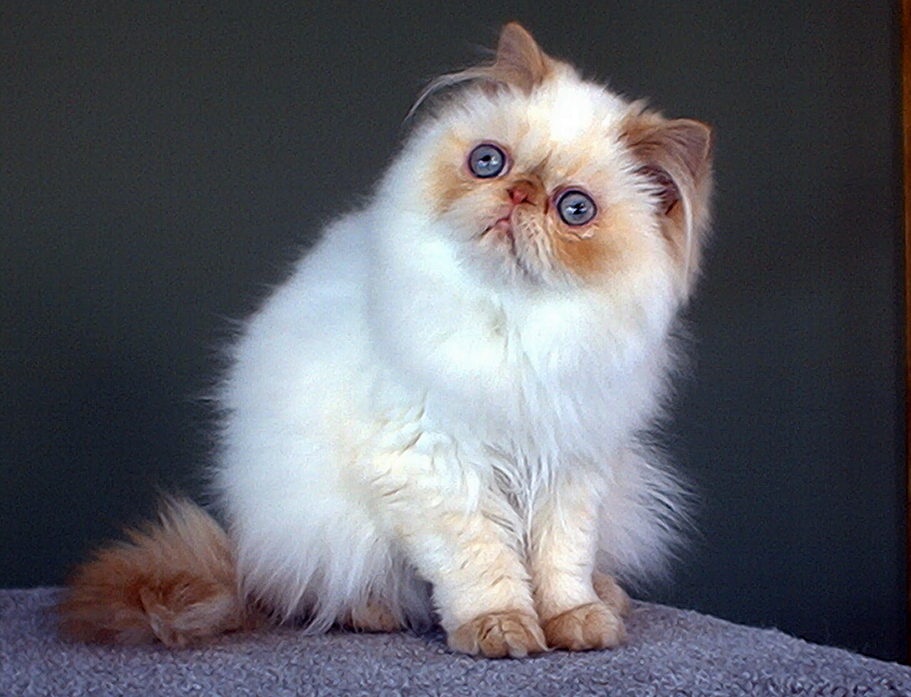
Independence or a variety?
Not all international cat associations have recognized the Himalayan breed as a separate breed. This has only been done by the NCFA, AACE, ACFA, and TCA. Other associations believe that it is a variety of Persian cat.Care and Maintenance
Combining the beauty of Persian fur and the heavenly blue eyes of the Siamese breed, they are luxurious and charming creatures that require specific care conditions.
The very first thing to prepare before choosing a kitten from a breeder is a resting place where it will feel safe and secure. It makes sense to consider setting up a special cat house or organizing a space with a soft bottom and protective sides against drafts. Some owners note their pets’ tendency to climb higher, so buying wall shelves can allow fluffy explorers to reach their cozy hiding spots comfortably.
Proper nutrition is the foundation for a fulfilling life and health of a cat. Himalayan cats are more prone to digestive issues, so it’s important to choose high-quality products recommended by a veterinarian. To resolve this matter more quickly, opting for super-premium dry food is advisable. Cheap food has a negative impact on the body as a whole, so it is not worth skimping on specialized food. Holistic pet foods are the highest quality, but they also come at a higher price. However, they address the issue of additional vitamins, positively affecting digestion and the pet’s coat. They can be easily tailored to the age and specific needs of each individual. For instance, food for neutered and spayed cats contains nutrient and vitamin proportions that help prevent weight gain and address urinary system issues.
Kittens require special attention and care. They need comfortable and safe conditions for play and physical development, as well as toys that develop their skills. Interactive toys for cats are ideal for these purposes. Meanwhile, a kitten’s diet must be selected with great care, as it directly affects the health of the growing animal.
Coat care requires special attention. This affects not only the cat’s appearance but also the cleanliness of the apartment. Typically, the cat should be brushed every other day, but daily brushing with a special glove is best. A furminator should be used during intense shedding periods. Regular brushing helps prevent matting and generally improves coat condition. For animals that live outside or have the opportunity to roam outdoors, regular parasite treatment is recommended. In winter or during muddy autumn, a cat suit can protect the coat from dirt.
Despite their calm nature, they need regular physical activity. Playing with toys, training, or walks in the fresh air help them maintain good physical condition and prevent possible health issues. Walking a pet without a leash is not safe. It is also worth considering a collar with a geo-tag to aid in recovery if your fluffy explorer gets lost.For the best choice of breeders in Russia, where you can buy such kittens and receive advice from breeders, many reviews affirm that Himalayan cats are very sociable and love being around people. It’s important to dedicate time to communicate and play with them to strengthen the bond and prevent potential behavior issues. Engaging activities and playtime will not only be a pleasant pastime for the cat but also a means to maintain its mental activity.As for the relationships of Khmers with other pets, issues usually arise when living together with rodents and birds. Dogs will not cause aggression if they arrive after the fluffy Himalayan. The relationships with other cats are built individually and largely depend on the owner’s effort to normalize them.Regarding veterinary care: only a specialist can identify an
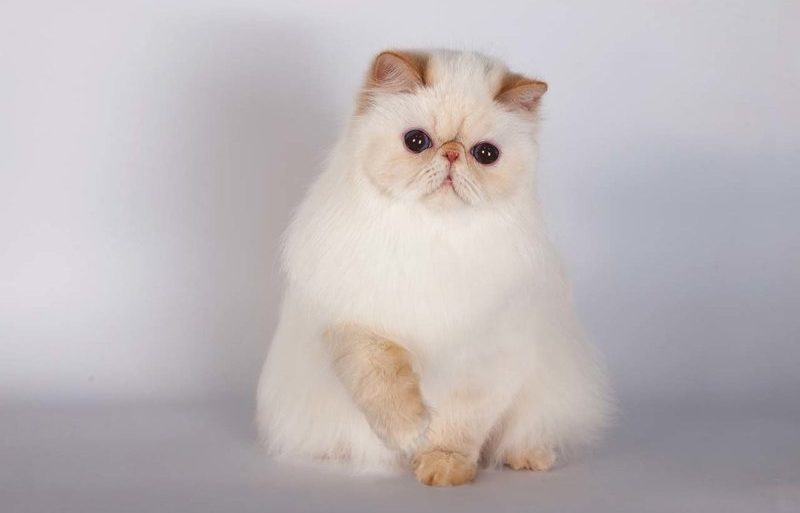
I'm not fat!
Despite their seemingly round appearance, Himalayan cats have almost no excess fat. This impression is given by their very fluffy and long fur, which can reach a length of 15 to 20 cm.Training and Education
Training and upbringing are key tasks for owners of Himalayan cats, which are a combination of Siamese and Persian breeds and have a unique character. Given this, their training requires a special approach. The initial introduction is one of the most important moments in their upbringing. It’s crucial to create a comfortable environment for them, give them time to adapt to their new home, and establish a trusting relationship with you. Don’t rush; allow the cat time to come to you and let you pet her. This will help strengthen your bond.
One of the main tasks in upbringing is to teach the kitten to use the litter box. At Zoonika, you can find the best catteries in Russia, offering Himalayan kittens already trained in this. Use special litter, preferably unscented, and place the litter box in a quiet spot in the house. When you notice the cat looking for a place to relieve herself, gently move her to the litter box and praise her if she does her business there. Interaction with the cat should be based on a positive approach and motivation. Use tasty treats and praise to encourage her for good behavior. For example, if you want her not to jump on the furniture, praise and reward her when she sits on the floor.
They have a playful and curious nature, so the owner needs to ensure there are always stimulating activities available. Providing a variety of toys with different textures and shapes, preferably with catnip, can positively affect their development and capture their interest further.
Despite nail trimming, animals can still damage furniture if they are not provided with a scratching post. It is important to observe the habits of your fluffy pet and identify where she most frequently tries to sharpen her claws. Scratching posts should be placed near these areas. Each time the cat attempts to scratch in the wrong place, gently move her to the post and guide her paws to show her what to do. Typically, there are no issues with this. In difficult cases or if the owner lacks experience or time, it may be helpful to consult a pet psychologist or seek advice from the breeder.
In conclusion, training and upbringing of Himalayan cats require patience, motivation, and understanding of their specific traits. Use a positive approach and reward good behavior. Show care for their physical and emotional well-being. Remember that each cat is unique, so individual approaches and methods may be needed. With the necessary knowledge and practice, you can create a harmonious relationship with your Himalayan cat and enjoy her loyalty and affection.
Advertisements for selling kittens or a cattery?
Please provide the text you would like me to translate into English.How to Choose a Kitten
To select a kitten from a cattery, it’s essential to understand the breed standards, prepare your apartment for its arrival, and purchase toys, a litter box, and bowls for food and water. Every future pet owner should first define their goals for bringing this furry wonder into their home. If the intention is not to participate in cat shows, one can explore advertisements for kittens for sale and make a purchase there. Interestingly, among these ads, there are often offers from shelters where you can adopt even an adult animal for free.
However, it’s best to explore cattery offerings to feel more confident about the kitten’s pure lineage and healthy immune system. It’s worth noting that dark brown kittens are quite rare, and their cost is significantly higher than that of kittens of other colors.
A personal visit to the breeder can help establish a connection, allow you to see firsthand the living conditions of the Himalayans, and receive detailed information on their care. Carefully observe the litter’s parents and assess their behavior, as their offspring will likely behave similarly as they grow. Clear eyes, a healthy coat, and a cold, moist nose indicate good health. However, you should choose the one that is curious and playful rather than the most active or calm.
Health and Illnesses
Like any other breed, Himalayan cats have their specific diseases that you should be aware of before purchasing a kitten from a cattery.
One of the most common breed-specific diseases associated with Himalayan cats is polycystic kidney disease. This hereditary condition causes multiple cysts to form in the kidneys, impairing their function. Symptoms include increased thirst, frequent urination, loss of appetite, and chronic weakness.
Another concerning ailment is hypertrophic cardiomyopathy (HCM), which is the abnormal thickening of the heart muscle, affecting its function. Some individuals with HCM show no symptoms at all, while others may experience fatigue, coughing, shortness of breath, and loss of appetite.
Among the hereditary conditions specific to Himalayan cats are also eye problems. For instance, exophthalmos (protruding eyes), entropion (inward rolling of the eyelids), ectropion (outward rolling of the eyelids), and dacryocystitis (inflammation of the tear gland).
However, despite these potential issues, most Himalayan cats are generally healthy, as is typical for most cats. It is essential for owners of these fluffy pets to regularly visit the veterinarian, monitor their physical condition, and adhere to proper care and living conditions.
Содержание
-
1. Описание породы
-
2. Внешний вид
- 2.1 Голова
- 2.2 Морда
- 2.3 Уши
- 2.4 Глаза
- 2.5 Зубы
- 2.6 Корпус
- 2.7 Конечности
- 2.8 Хвост
- 2.9 Шерсть
- 2.10 Окрас
-
3. Характер
-
4. Содержание и уход
-
5. Дрессировка и обучение
-
6. Как выбрать котенка
-
7. Здоровье и болезни






Comments
Only registered users can leave reviews.
Enter