
Havana brown






Breed Description
The history of the Havana Brown cat dates back to the 1950s when an American couple named Mildred and Gorden Rapp acquired a cat named Preley. After arriving in Cuba, Preley gave birth to several kittens, one of which had a brown coat. This marked the beginning of the creation of a new breed of cats. Although this information is contested by many sources, the fact remains.
The Rapps noticed the uniqueness of the coat color and decided to continue breeding cats with this extraordinary shade of brown. It closely resembles a rolled cigar made from real Cuban tobacco leaves, which is why they named the breed “Havana Brown,” in honor of its place of origin, Havana, the capital of Cuba.
To develop the breed, breeders used several other cat breeds to achieve the desired exterior traits. One of the key components was the Siamese cat, which contributed structure and elegance, as well as certain color features. Burmese cats also formed part of the breed’s genetic foundation, contributing strong bone structure and a concentrated coat color. According to some sources, there may also be Russian Blue cat genes in these refined creatures. There is also a hypothesis suggesting a relation to Oriental cats.
As the breed gradually developed, the Havana Brown gained recognition. In 1959, the breed was acknowledged in the United States. At the same time, parallel efforts were underway in the United Kingdom, and in 1965 it was recognized by the British Cat Fancy Association.
By the 1970s, it began to gain popularity at cat shows and soon became one of the most popular breeds in the United States and the United Kingdom. Today, the Havana Brown remains popular and is one of the recognized breeds of cats, making it prestigious to purchase a kitten from a cattery that specializes in these beautiful cats. The average price for a purebred pet hovers around 50,000 to 60,000 rubles, but show-quality kittens are significantly more expensive.
Despite emerging information about the breed’s ancient roots, it can be confidently stated that these are merely beautiful legends. In reality, the breed was developed in the 1950s by Mildred and Gorden Rapp, who made tremendous efforts to create cats with a unique brown coat. Today, this breed is among the most popular and well-known cat breeds.
Appearance
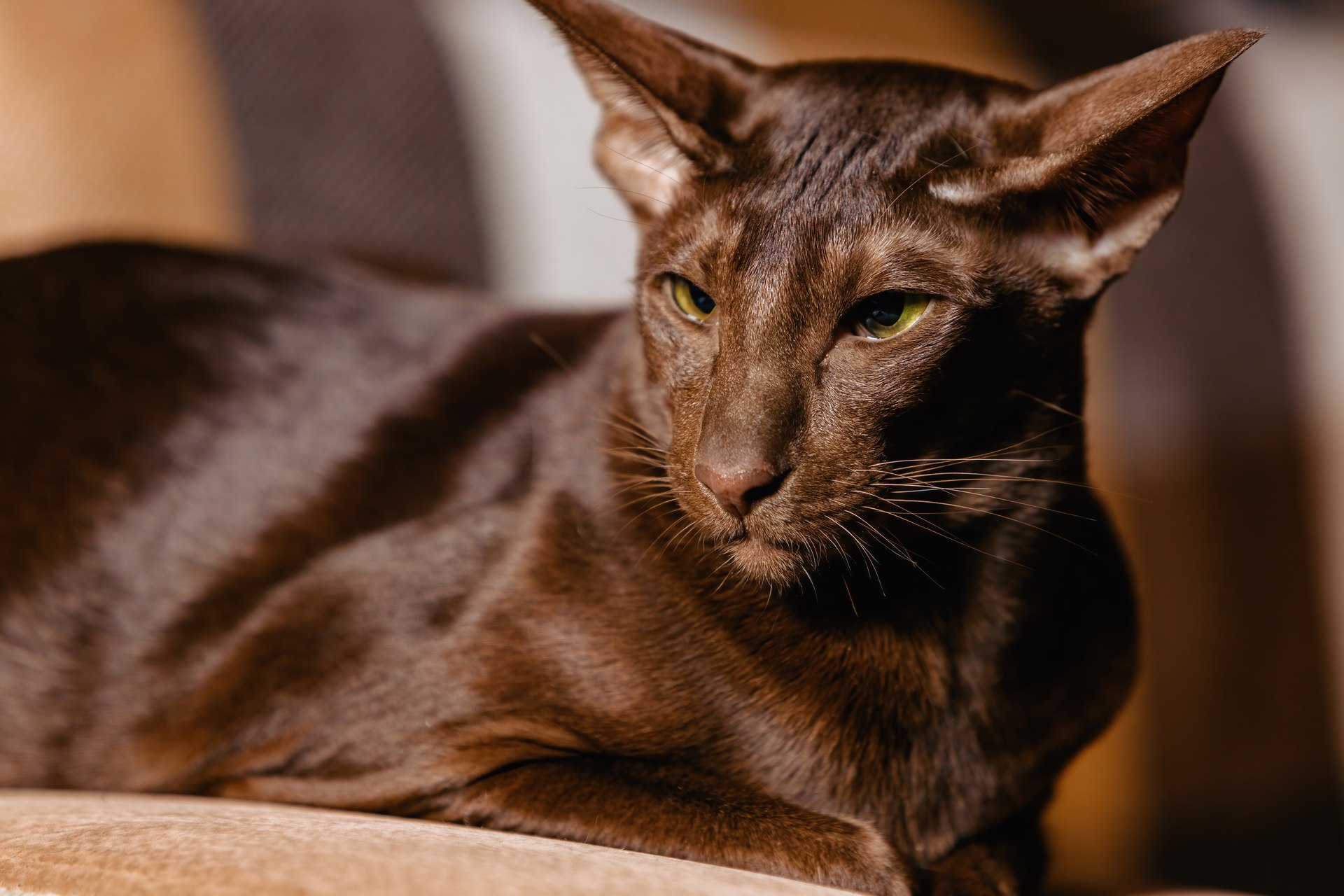
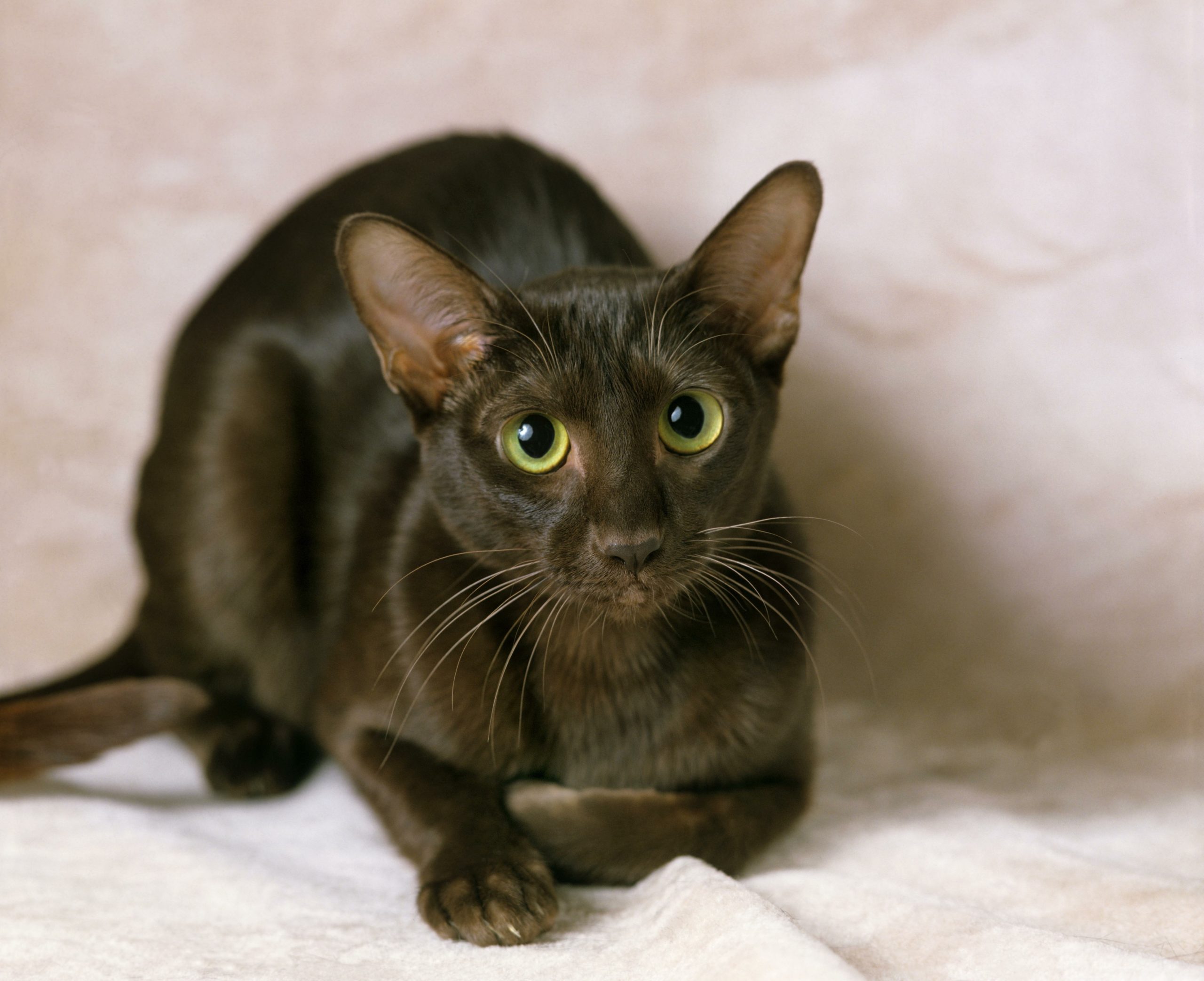
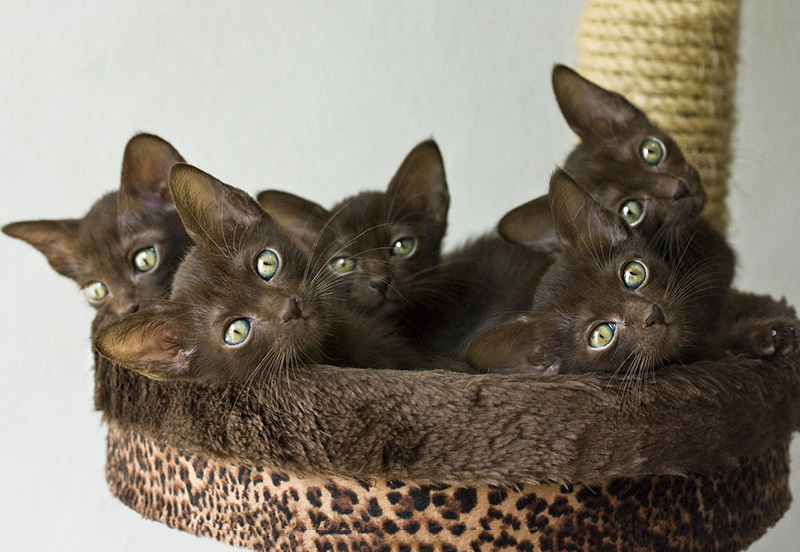
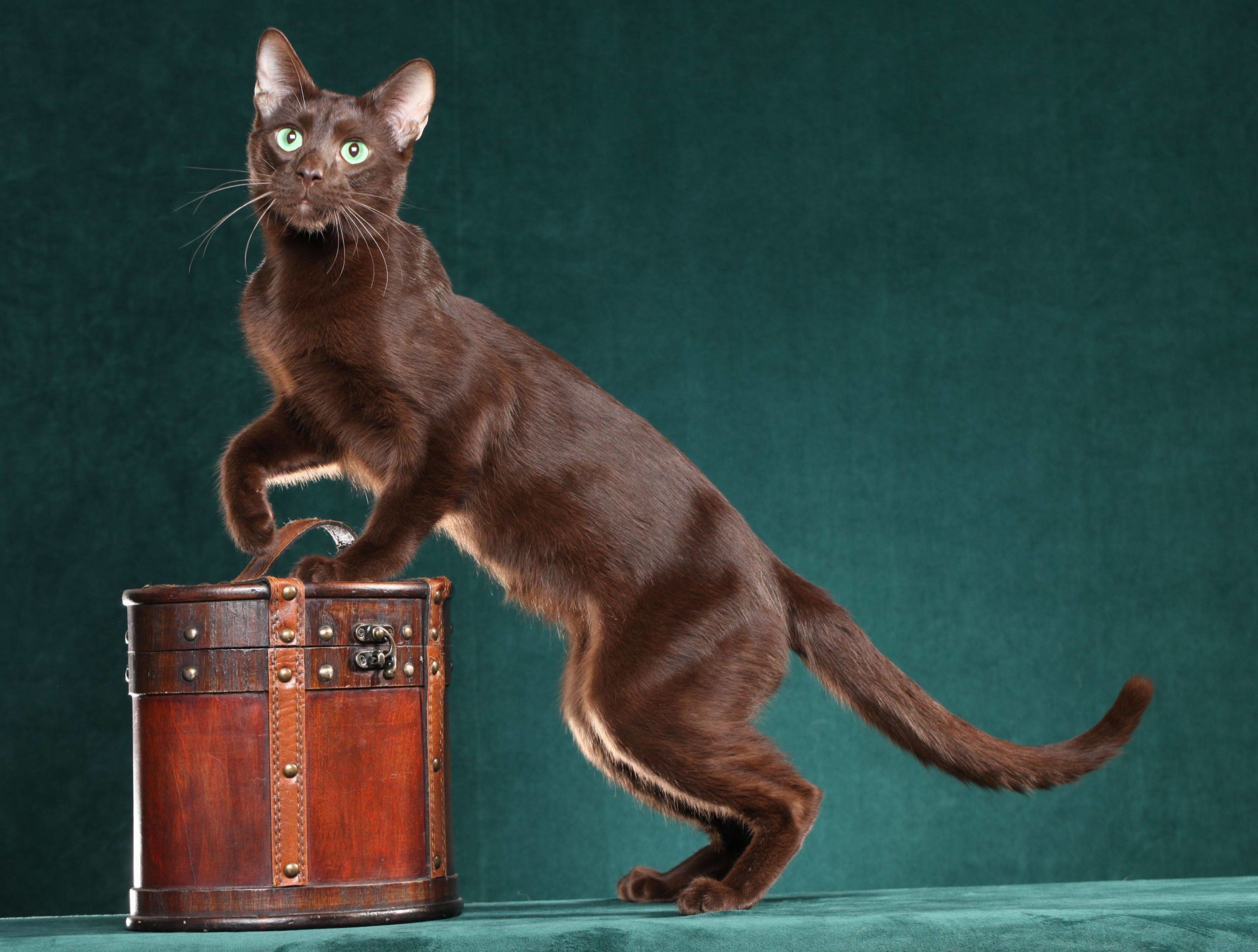
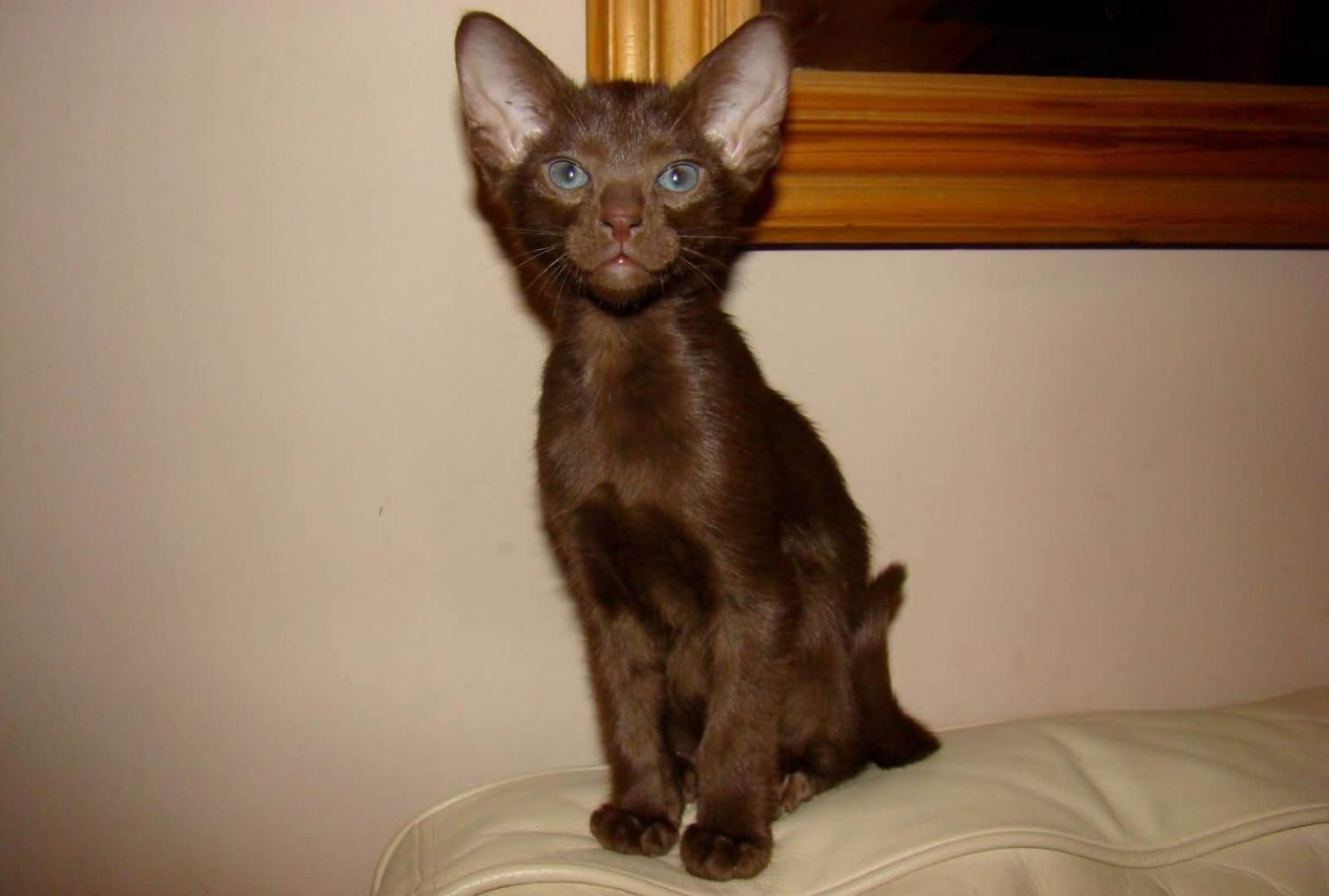
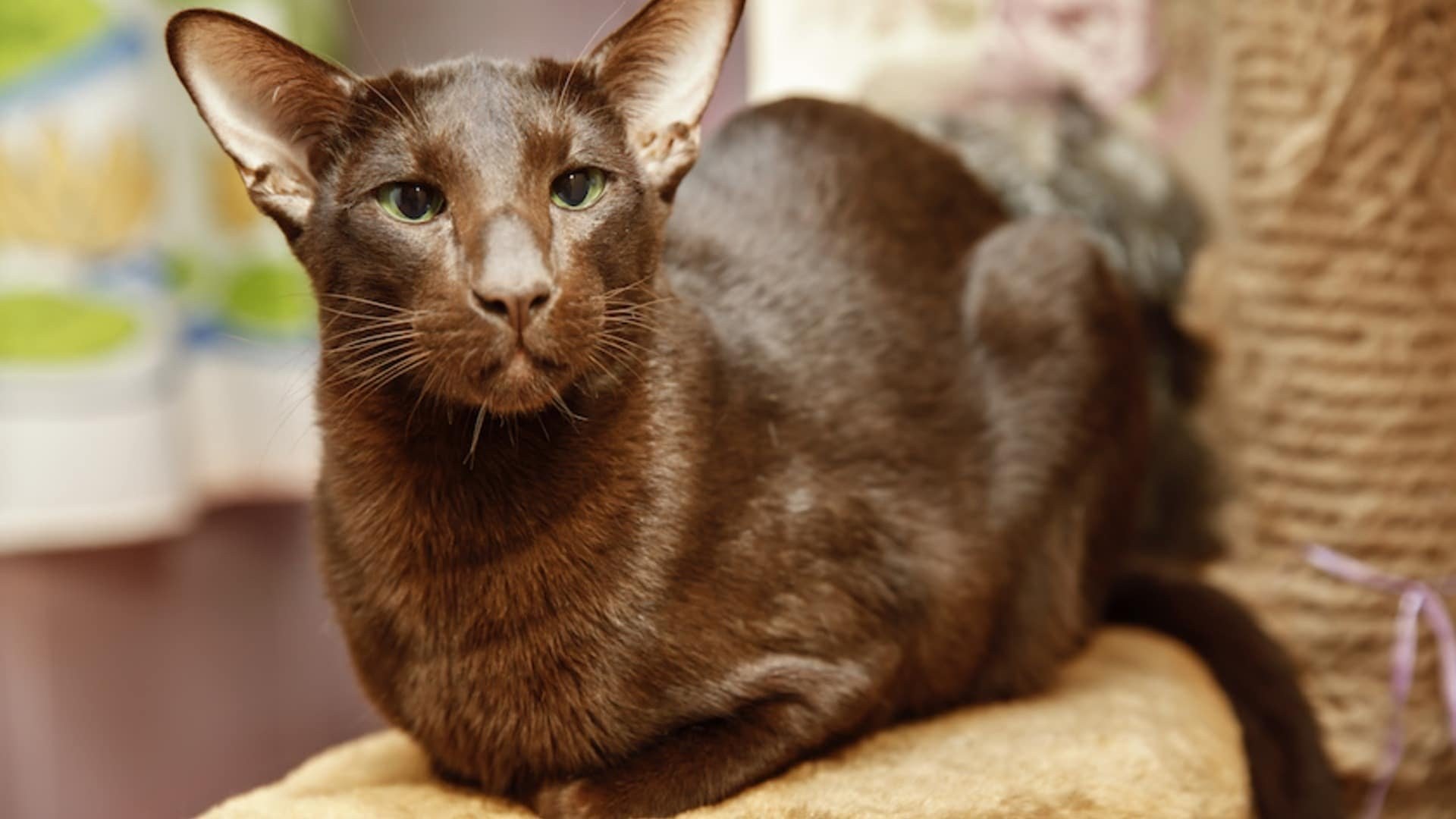
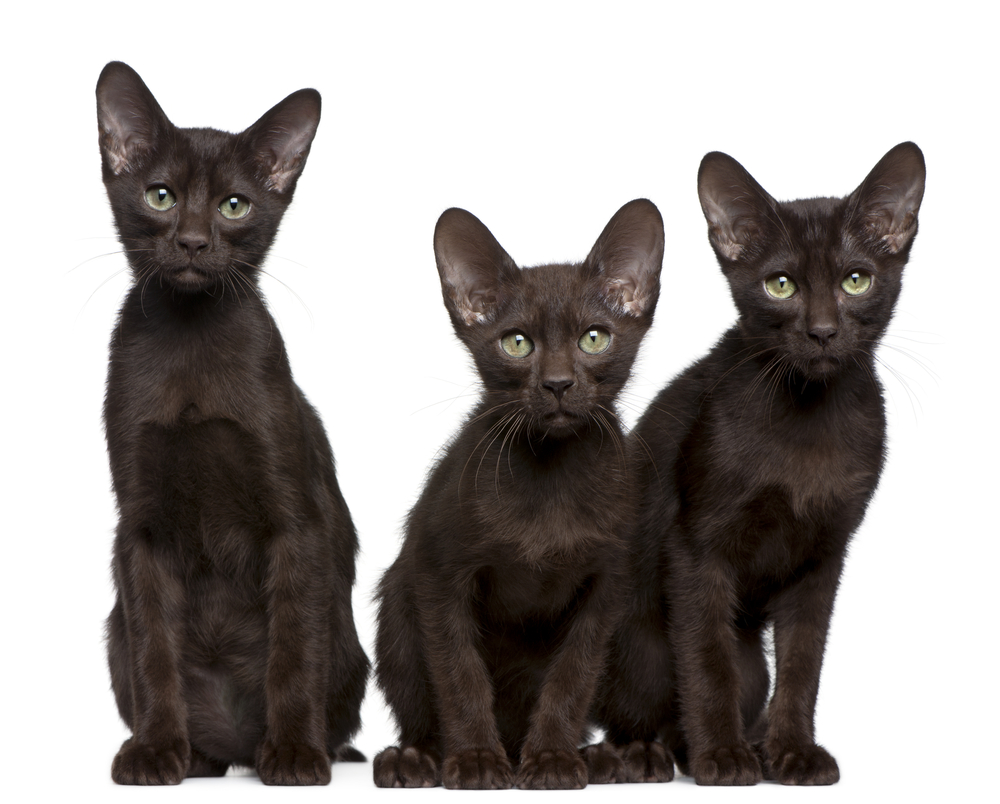
The Havana Brown is a beautifully balanced breed that is muscular yet graceful and not heavy. It is primarily memorable for its rich chocolate-colored coat. The short fur shines in the light, and the distinctive gait of these cats captivates many owners. Like cats of other breeds, they can struggle with weight issues, especially after being neutered or spayed. Despite this, they are quite energetic while also being adaptable to household rules.
They are intelligent and, thanks to their cleverness, can retrieve needed items with their front paws. They share many habits with their Oriental and Siamese relatives. Purchasing a kitten from a breeder means welcoming a curious resident who will stick its nose everywhere.
These rare cats are not frightened by unfamiliar people; on the contrary, they eagerly seek to meet new guests. There is a particular superstition: if the Havana Brown does not approach a person, it means that individual has brought bad news. The average lifespan is 14 to 17 years. The height at the shoulder does not exceed 20 cm, and the weight of adults typically ranges from 4 to 5 kg for females and up to 6 to 7 kg for males.


Отличительные черты

Голова

Морда

Уши

Глаза

Зубы

Корпус

Конечности

Хвост

Шерсть

Окрас
Character
The “Chocolate” breed is special and unique. They possess not only an elegant appearance but also a character that makes them ideal for a wide range of owners. In this article, we will examine the main traits of the Havana Brown’s temperament and discover what makes them so special. Before purchasing a kitten from a breeder, it is advisable to familiarize yourself with these traits to ensure a comfortable living environment for the pet.
First of all, it should be noted that this is a very energetic breed, always ready to play and engage in active activities. They are curious and intelligent, which easily allows them to become a beloved companion. They have remarkable coordination and can easily climb high trees or reach the top shelves in an apartment.
Affectionate and very friendly, they are highly attached to their owners and love interaction, whether with family members or guests. They eagerly play with children and easily bond with other pets.
Researchers – that’s how one might describe them, noting their habit of poking their nose everywhere. They enjoy exploring new places, studying their surroundings, and observing everything happening around them. Owners may need some time to adjust to their active lifestyle and desire to investigate their environment.
While browsing advertisements for kittens, don’t overlook the Havana Brown. With a cat at your feet, a mouse-catcher with a dog-like temperament, and a chocolate wonder – this is how owners affectionately refer to them in various corners of the world.
In relation to their owner, Havana Browns exhibit exceptional loyalty. They may follow you everywhere, always wanting to be close and enjoying sleeping next to you. They also have a gentle nature and love being petted and cuddled. These cats sincerely appreciate their owner’s presence and show their love through purring, head nudges, or “kisses” as a form of greeting. Additionally, many owners mention their talkativeness; upon encountering family members, they may loudly “greet” them at the door.In conclusion, the Havana Brown is a cat breed that combines activity, curiosity, affection for their owners, and the ability to learn. If you are interested in maintaining an active lifestyle and are ready to devote your attention and care to this breed, the Havana Brown could be an excellent pet for you. Remember, they require a lot of attention and love, but they will undoubtedly bring joy and satisfaction to your life.
Cat or rabbit?
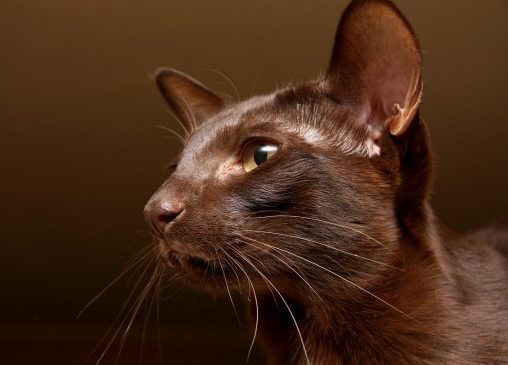
When the breed was first registered, it was not called "Havana" due to potential confusion with a rabbit breed that shared the same name. Instead, they referred to them as the chestnut foreign cat.Care and Maintenance
It’s nice to note that Havana Brown cats require very little special care. They are quite adaptable to their living conditions, and their beautiful fur doesn’t require much grooming, as they have almost no undercoat.
Among the main aspects of care is the need for regular teeth cleaning with a special cat toothbrush. If this isn’t done at least once a week, tartar can build up on the teeth. When you visit a breeder to choose a kitten from the cattery, be sure to inspect its teeth. Don’t forget to take your pet to the veterinarian for regular dental check-ups.
For those animals that are fed premium dry food, this issue may not arise at all. This is because dry kibble acts as a toothbrush and cleans plaque off the teeth while chewing. Moreover, holistic foods positively impact the animal’s digestive system and overall health. They contain all the necessary vitamins and minerals in the right proportions. High-quality foods are easy to choose based on the individual characteristics of your pet, such as age, coat condition, or for neutered cats.
Don’t forget about nail trimming. This should be done at least once every two weeks. However, keep in mind that nails on the back paws wear down more slowly, as animals sharpen them on scratching posts. It’s essential to place the scratching post where the pet has been damaging furniture or walls; if it’s placed elsewhere, it will become a useless accessory. Ordinary manicure scissors are not suitable for trimming nails. It’s better to buy clippers or guillotine-style nail cutters. Be careful not to trim them too short, as there are many nerve endings and blood vessels inside. Before starting, prepare some cotton and hydrogen peroxide to treat any injuries.
Havana Browns do not need bathing and they generally dislike it, unlike Savannah cats. Even with heavy soiling, it’s best to let them clean themselves. However, if the cat struggles with this, you can assist using a special cat shampoo. During bathing, ensure that water does not get into their ears, and apply the shampoo to your hand first before washing the soiled areas.
Despite the frequent advertisements for Havana Brown kittens in Russia, this breed is considered prestigious, and it’s better to take the time to find a pet from a cattery. Zoonika offers the best choice of catteries in Russia.An essential part of their care is interactive play with their owners. The more toys there are, the better. Toys that can be chased and retrieved are usually favored. This breed is often referred to as having a dog-like personality due to their similar habits. This is another similarity to the Oriental breed. An interactive play complex and a cat running wheel can alleviate loneliness when the owner is away. To keep the toys interesting for the “chocolate” cat, rotate them and change them periodically.As for their sleeping area, a Brownie will choose it for itself. It’s best not to disturb them during their rest, as they are ready to guard their territory.How well do they get along with other pets? Generally, there are no problems, even with dogs and cats of other breeds. However, there may be tensions with turtles or iguanas. Rodents, fish, and birds will always be at risk in a home with a Havana Brown, which should be
Take a deep breath, spread your paws wide!
Owners of these cats note their activity in the morning. The pets seem to exercise in the morning. In the evening, they enjoy being "at their owner's feet."Training and Education
There is a fairly well-known opinion that cats cannot be trained. This is partly true, but with some caveats. Some cat breeds are more easily taught various commands and adapt to house rules more quickly, while others are less willing to do so. One of the advantages of brown gavan is that they quickly learn their names, litter box rules, and household routines. Their intelligence and desire to please their owners motivate them in this regard. However, any future owner of such a cat must remember that they are very active and require a lot of attention and human involvement in their entertainment. Some “stubbornness” seen in Siamese cats is rarely found in this breed. If such behavior arises, there is no need to despair; it is better to consult a pet psychologist who can help resolve any issues.
So, the cats’ energy can and should be utilized for your own purposes. Their dog-like traits allow them to be trained to commands like “Fetch!”, “Come here!”, and “Stay!” in a fairly short time. This may sound like a joke, but from a young age, the owner should observe their pet’s behavior. Each time you play with them, you can say the command “Bring it!” and toss their favorite toy in the direction. When the brown learner brings it back, praise them, pet them, or reward them with a treat.
It is essential not to overload your pet with long training sessions. About 30 minutes during playtime is sufficient to attempt a given task. The owner must show patience and not expect quick results. Training should begin with the simplest tasks and gradually progress to more complex ones. The environment during training should be calm. Loud music, guests, or a storm outside will negatively affect the process. The best times for training are before meals and after naps since hunger is the best motivator for a cat. There’s no need to punish for poorly executed tasks; it’s better to reward success and build a closer bond with your pet. At Zoonika, the best options are gathered, where you can buy purebred kittens with pedigrees.
Striped Flight
Please provide the text you would like me to translate.How to Choose a Kitten
Havana Brown is a relatively new breed that is most commonly found in the United States and Europe. Therefore, advertisements for the sale of kittens of such prestigious cats in our country carry the risk of purchasing animals with less than desirable characteristics. At Zoonika, you can find the best selection of catteries in Russia, where purebred “chocolates” are available.
Choosing a kitten is not significantly different from selecting cats of other breeds. First of all, pay attention to the behavior of the parents and ask the breeder for information about their health. Additionally, a personal visit to the cattery remains the most favorable way to purchase, as you will be able to evaluate the living conditions of the cats. However, rejecting a remote purchase should not be dismissed-it is a choice for each future owner. Nowadays, there are no issues with the delivery of any goods, including kittens. If you decide to buy a kitten from a cattery remotely, request numerous photos and videos taken at different times and dates to evaluate the condition of your desired little one. Ask for a sales contract and examine it carefully. Pay attention to the responsibilities of both parties in the event of hidden defects, such as genetic problems that were not disclosed to you, and the possibility of returning the kitten or receiving a monetary refund if issues are found in the future. Zoonika offers documentation from the best catteries.
Health and Diseases
Cuban brown cats are generally considered a healthy breed. However, since they are a relatively new breed, their immunity has not fully manifested yet. To avoid the hassle of expensive treatments for your pet, it is better to ignore advertisements for kittens and visit an official cattery that is registered with at least one cat association. Nonetheless, due to their Siamese ancestry, Cuban browns have a predisposition to certain diseases that future owners should be aware of.
The most commonly encountered issue is calicivirus, which starts with a regular cold and can eventually lead to lung disease.
Cardiomyopathy occurs slightly less frequently but is progressive and cannot be treated. Its initial signs include lethargy, shortness of breath, and decreased activity, which are related to the weakening of the heart muscle due to increased strain from thickened heart valve walls. Before purchasing a kitten from a cattery, it is advisable to request the breeder’s screening results for this disease.
Strabismus is fairly rare, but it negatively affects the cat’s appearance and is untreatable.
Poor ecology, tobacco smoke, and strong fragrances from perfumes can lead to asthma in Cuban browns, while an improperly selected diet can result in allergies and coat issues.
Timely veterinary visits, adherence to vaccination schedules, and deworming significantly influence the lifespan of these cats. Finding new owners at Zoonika is fast and easy.
Содержание
-
1. Описание породы
-
2. Внешний вид
- 2.1 Голова
- 2.2 Морда
- 2.3 Уши
- 2.4 Глаза
- 2.5 Зубы
- 2.6 Корпус
- 2.7 Конечности
- 2.8 Хвост
- 2.9 Шерсть
- 2.10 Окрас
-
3. Характер
-
4. Содержание и уход
-
5. Дрессировка и обучение
-
6. Как выбрать котенка
-
7. Здоровье и болезни






Comments
Only registered users can leave reviews.
Enter