
Exotic cat





Breed Description
Recently emerged, the exotic shorthair cat has captured the hearts of many people around the world. Although there are differing opinions about the breed’s origins, there is a common thread-its ancestors include Persian, Burmese, American Shorthair, and even Russian Blue cats. Let’s go through it in order.
According to some sources, the exotic (shortened name of the breed) is the result of breeders mixing American Shorthairs with Persians and Burmese with Russian Blues to improve fur quality and enhance the overall appearance, primarily the skeleton structure.
Since 1966, American breeders have conducted experiments that resulted in a cat with a very docile temperament and toy-like appearance. In the United States, this breed has consistently ranked in the top five most popular cats, which is a significant indicator. The working name “Sterling” did not catch on for various reasons, leading to the adoption of the name “exotic” or “exotic shorthair.”
The year 1967 marked its recognition by the CFA, and it gained international acknowledgment in 1986. The spread of exotics occurred quite rapidly, largely due to their charming faces and thick paws. You can choose a kitten from a cattery even in our country, with prices ranging from 45,000 to 60,000 rubles depending on the kitten’s class. On average, they live between 12 to 15 years.
Interesting information: a significant change to the breed standard was adopted in 1973, leaning more towards the “Persian” roots of the exotics. For instance, a requirement regarding the appearance of the head was added, making a upturned nose and “stop” mandatory. For five years, from 1975 to 1980, only crossings with American Shorthairs and Persians were permitted, but after that period, the standard imposed a ban on even “American Shorthairs.” This decision was due to the establishment of genes responsible for fur length, as the breed no longer required fur length fixation. Today, only Persians can participate in the further development of exotics.
In the early 1990s, feline experts decided to merge the standards of the Persian cat and the exotic shorthair into a single standard. Since then, any new changes to the Persian requirements have also applied to exotics.
Appearance
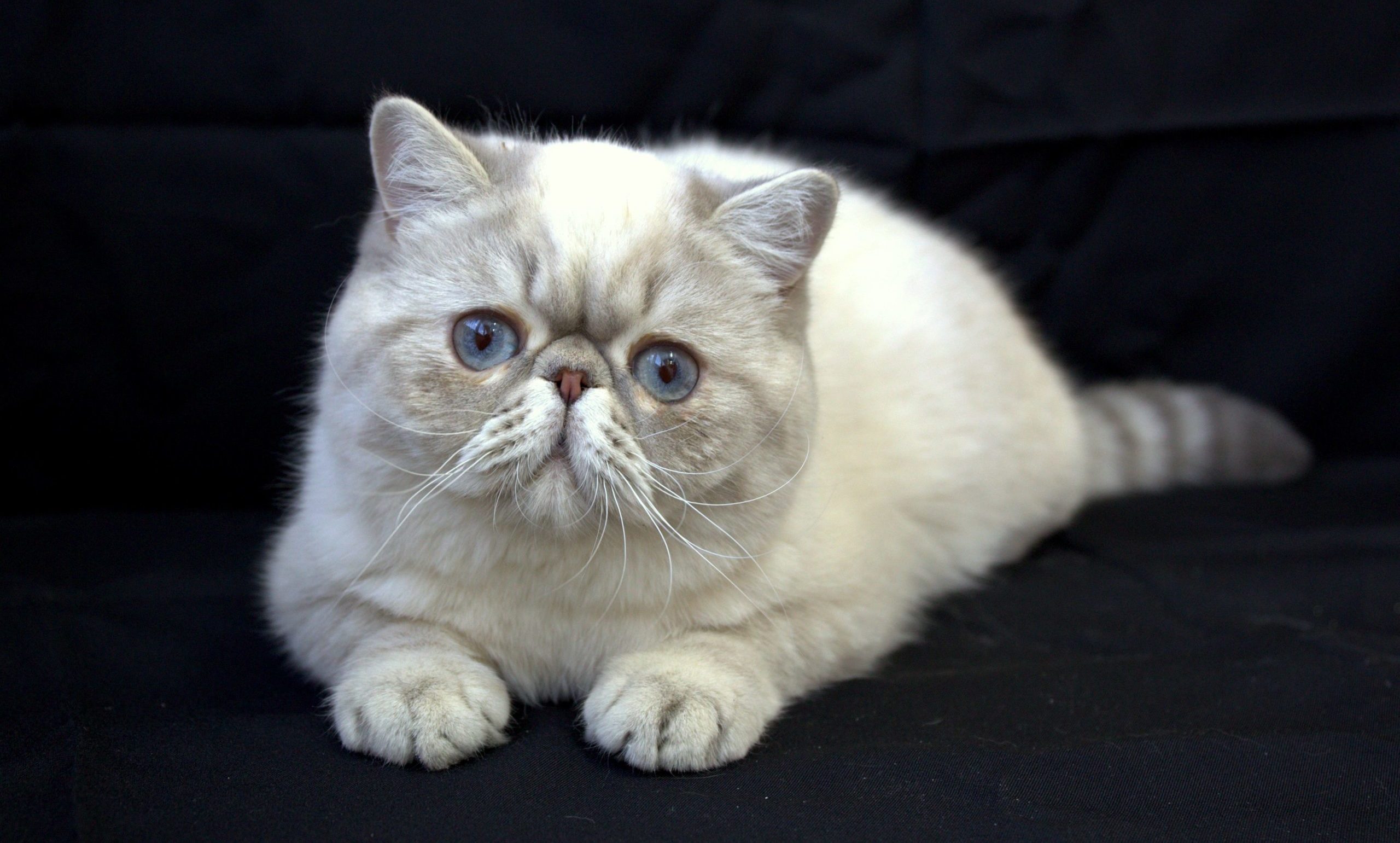
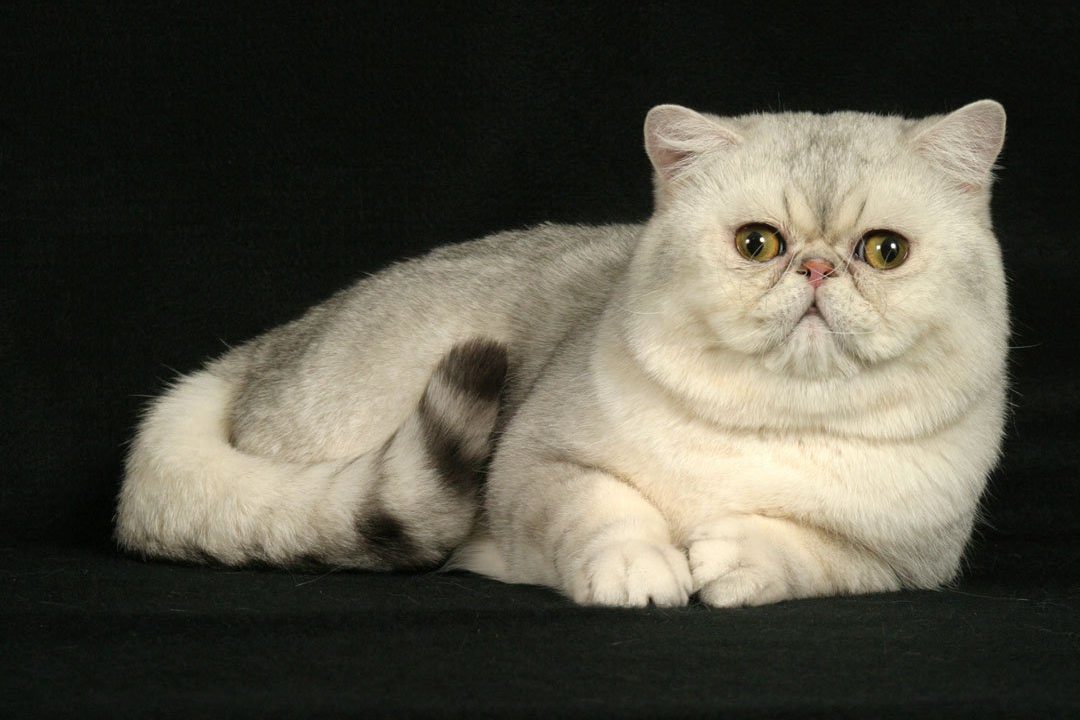
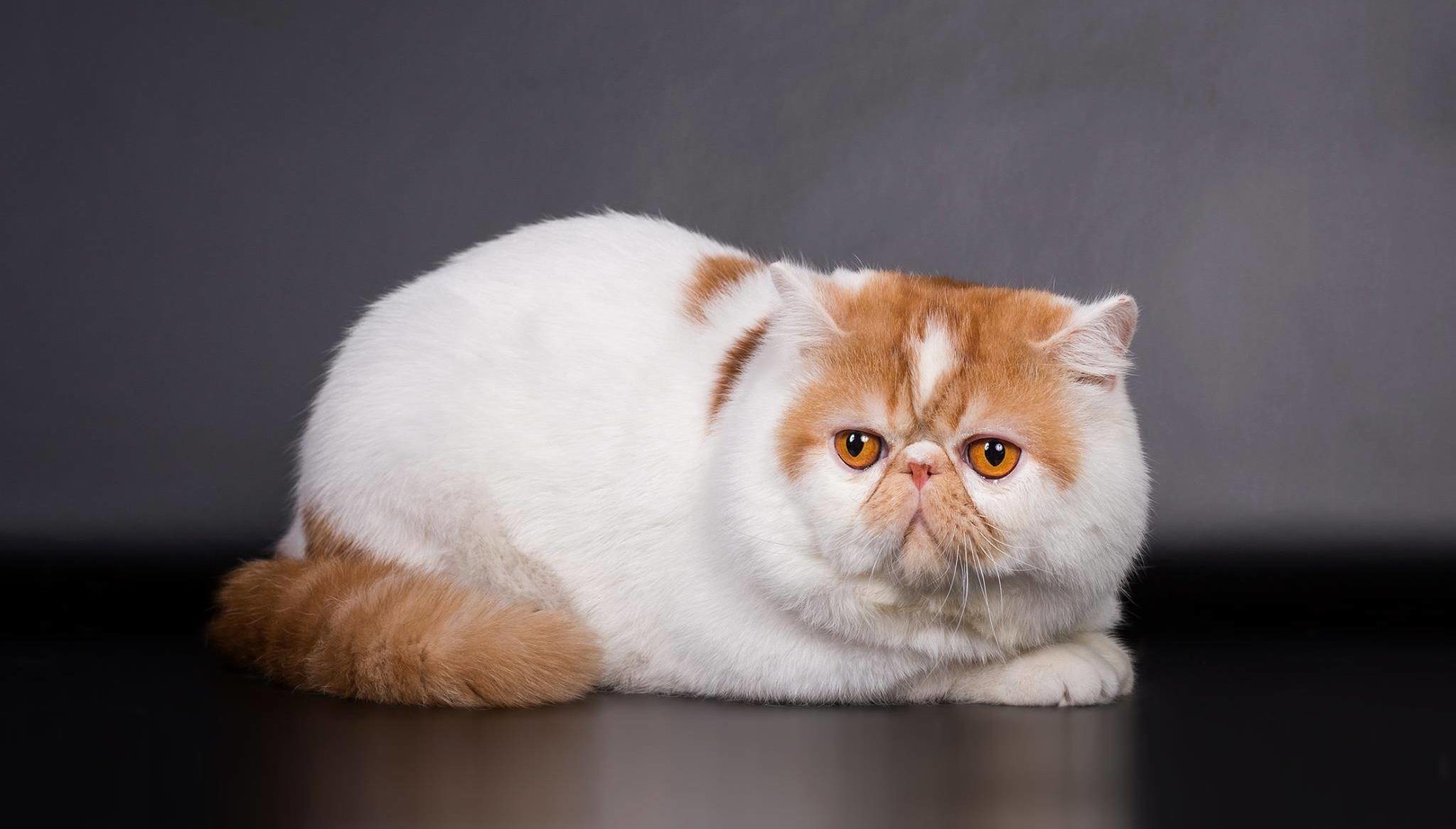
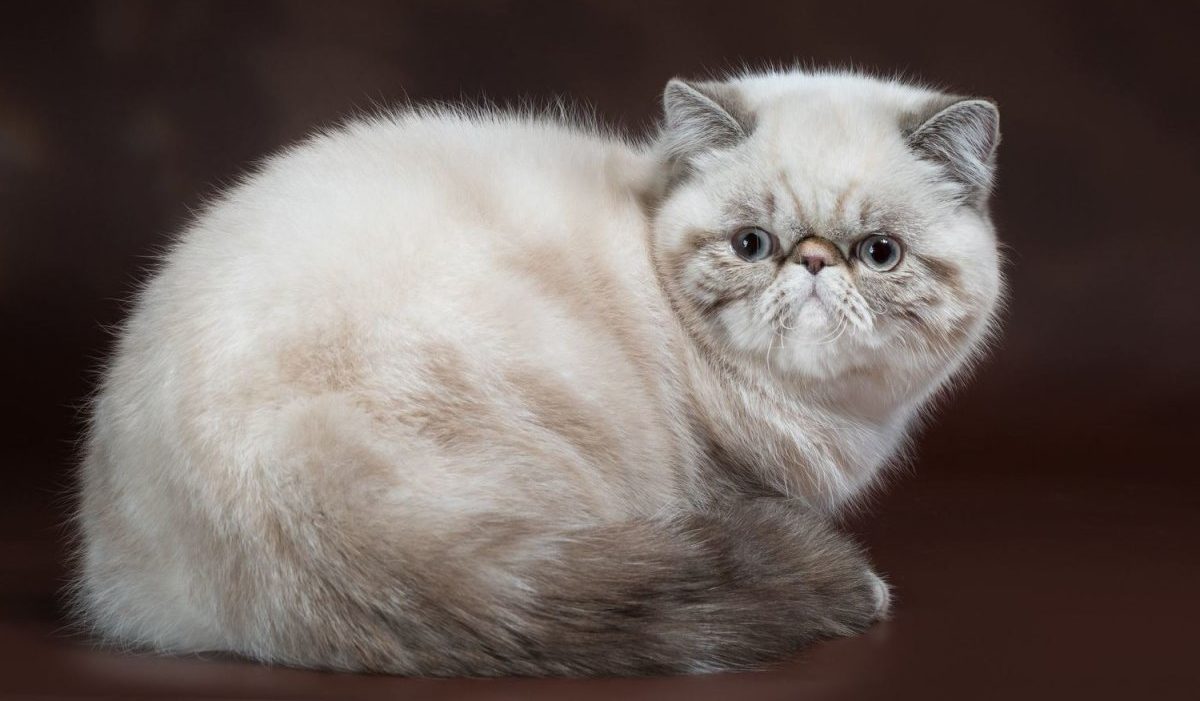
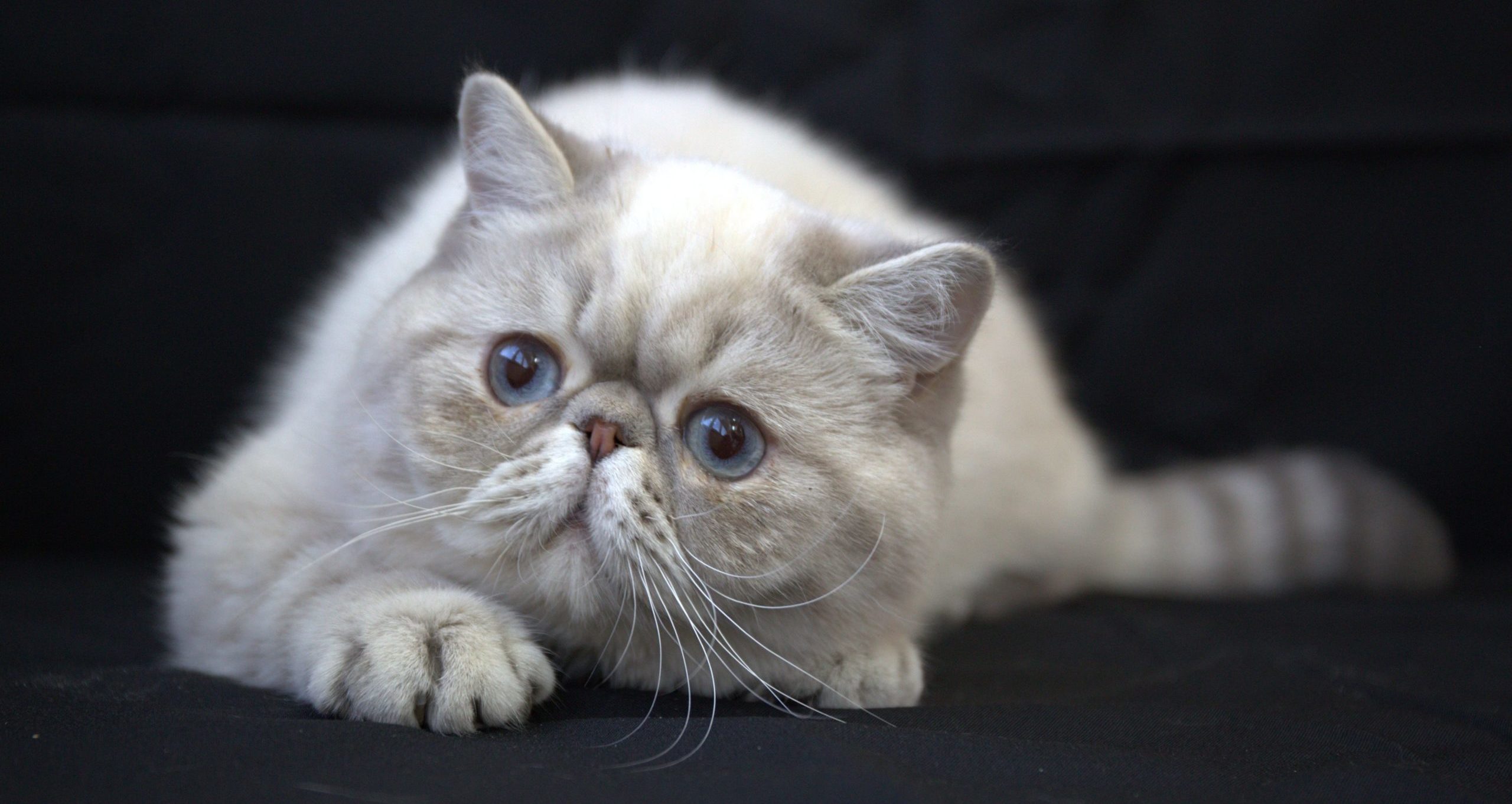
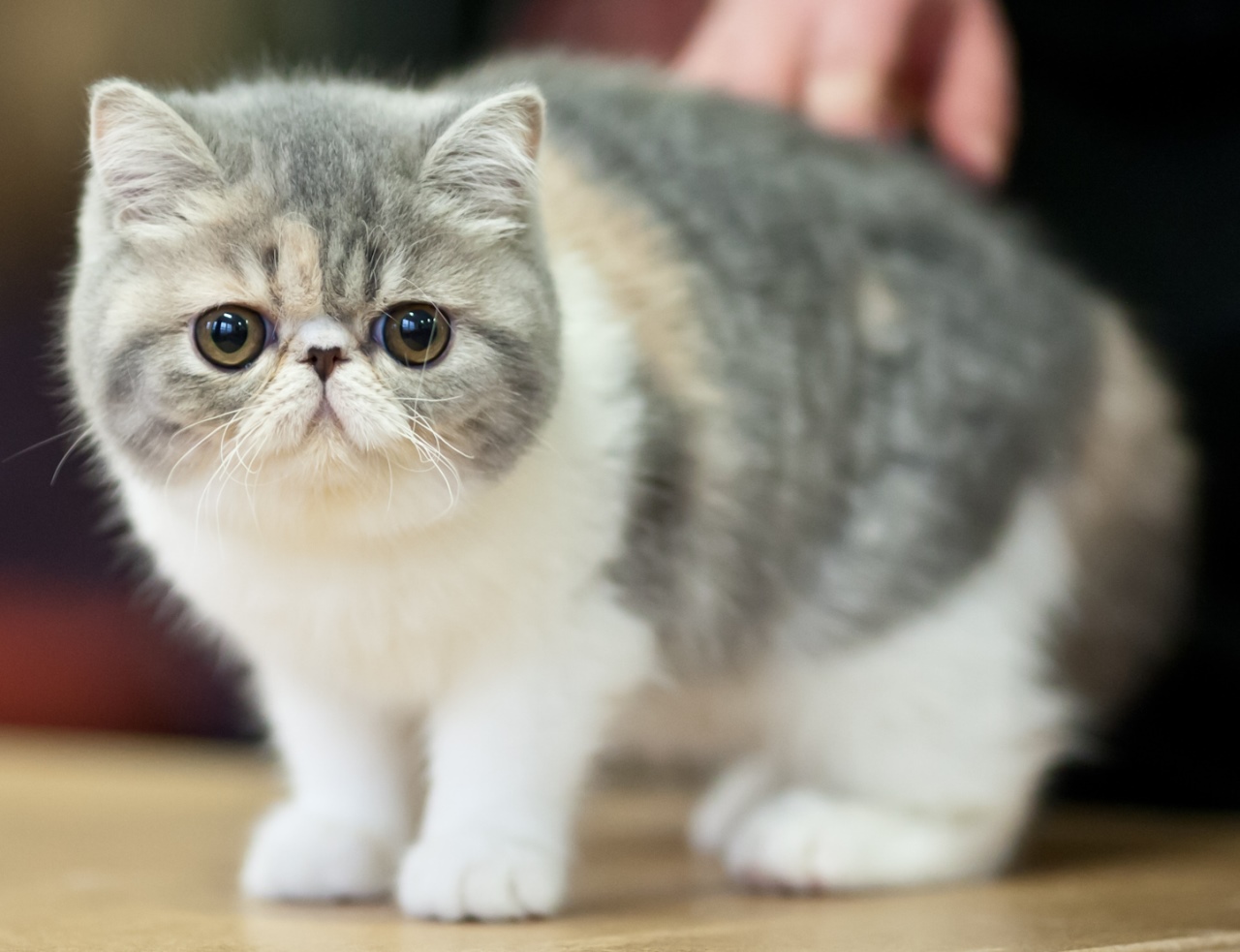
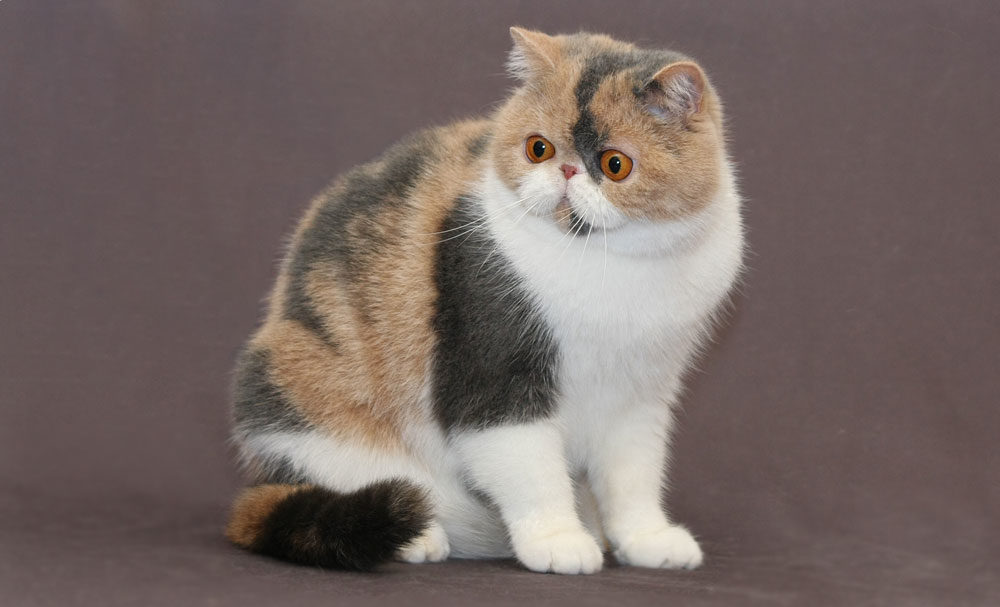
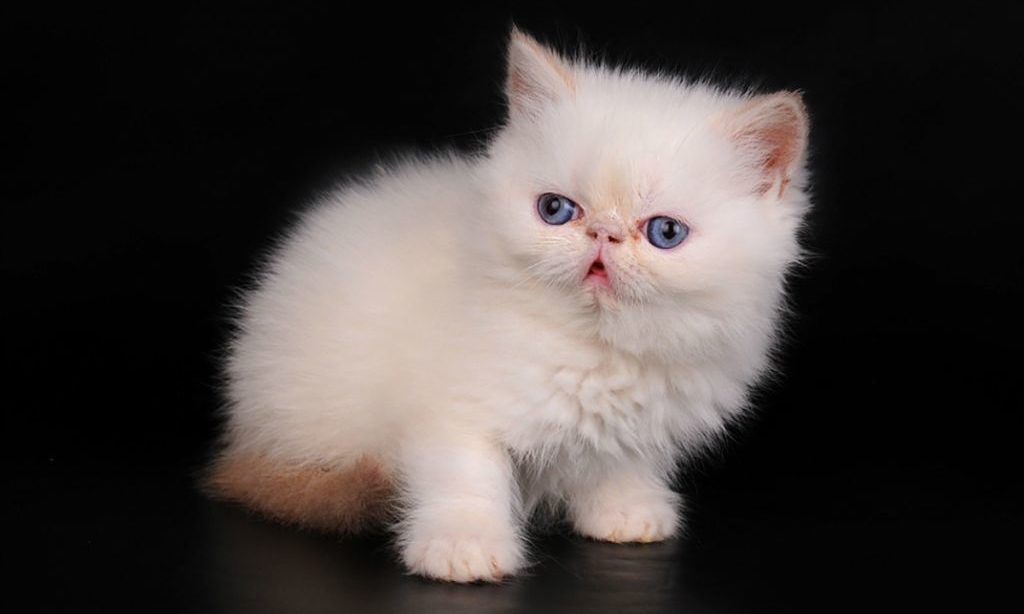
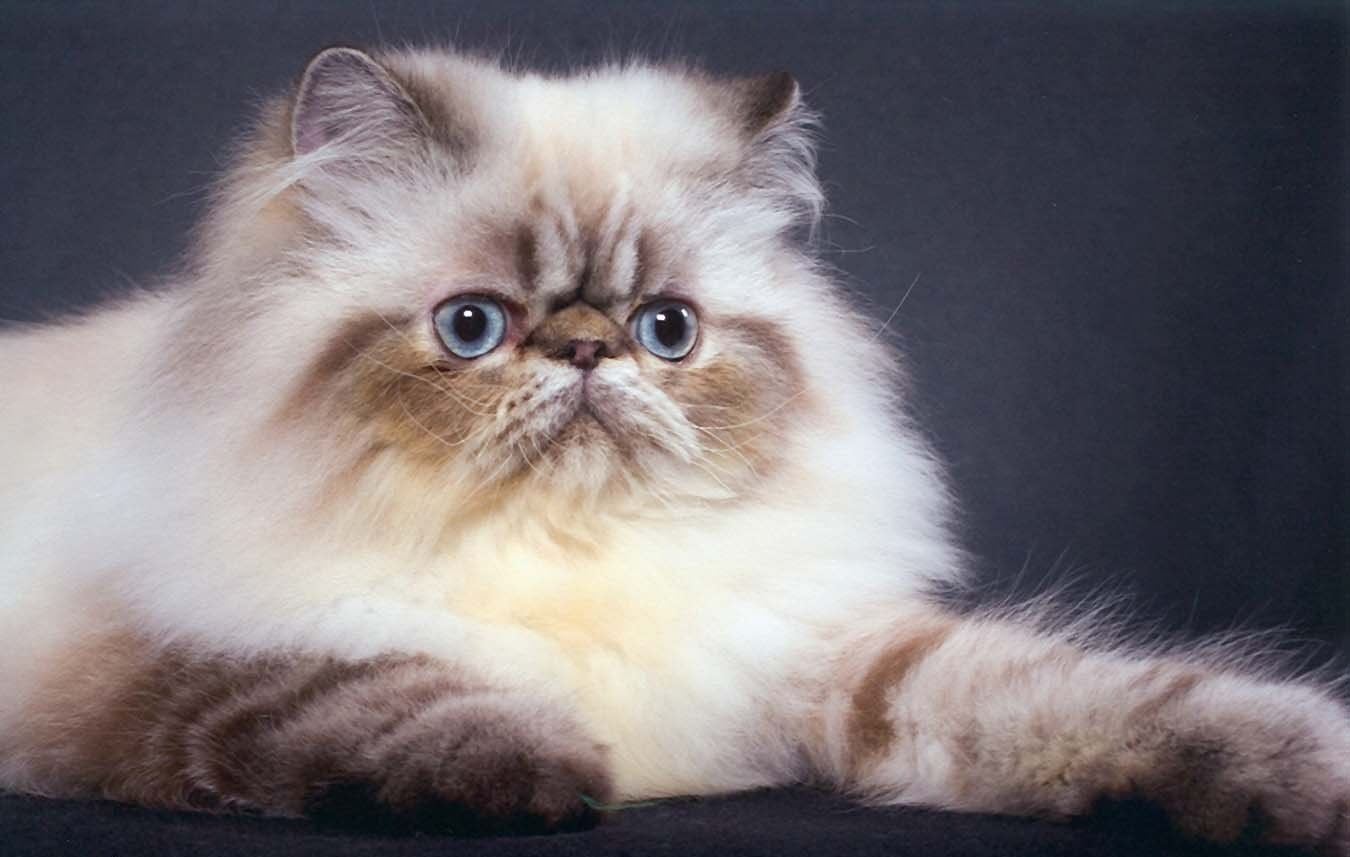
Not only their friendly nature but also their endearing appearance have made the Exotic Shorthair one of the most beloved breeds in the world. In Russia, there are often advertisements for the sale of Exotic Shorthair kittens, or simply “Exotics.” After all, their round, widely opened eyes, expressing both surprise and fear, along with their snub noses, evoke the fondest emotions in most cat lovers. Their moderately short fur, which does not exceed 2 cm in length, paired with a dense undercoat, allows owners to avoid special grooming, unlike their Persian relatives. Like a plush toy, they bring joy to both adults and children.
With an average weight of 3 to 6 kg, Exotics are well-suited for airplane travel, as their height at the shoulder is up to 30 cm, making them great companions even during long flights. And while they greatly resemble Persians, there are many differences: a slightly shorter silhouette, thick legs of equal length, and a “doll-like” expression on their faces. The impeccable Exotic is “plush” in every aspect, from its fur to its rounded body lines. Although it appears quite “light,” when you hold it, you feel a sturdy skeleton.


Отличительные черты

Голова

Морда

Уши

Глаза

Зубы

Корпус

Конечности

Хвост

Шерсть

Окрас
Character
The adorable face of the exotic shorthair cat is matched by her sweet and easygoing nature. Both factors have made her a very popular pet. However, purchasing a kitten from a breeder means taking on the responsibility for all the mischief they might get up to in their new home. As they grow older, they will likely resemble Persian cats-laid-back and a bit lazy. The independence typical of American shorthairs is not part of their character.
Their affectionate bond with a particular family member is clear in the way they look at them. This serene calmness also reflects in their manner of communication. Instead of imposing conditions, like some Siamese cats, the exotic will gently rub against their owner’s legs to remind them it’s time to play or eat.
Even with children, she will always show tact and patience. If she wants to play with any of them, she will softly purr to indicate this. Interestingly, even when play turns into some roughhousing, the exotic won’t bite or use her claws, patiently tolerating any offense. This can be avoided with simple guidance on how to interact with the cat.
Let’s also note the remarkable agility of these round-faced fluffballs. Chasing after balls or “fishing” in their company is always enjoyable for kids. It can be confidently stated that the exotic shorthair is one of the best cat breeds for families with children. They make great companions, and if your doubts about choosing a pet were solely regarding this, we recommend selecting a kitten from a breeder without delay.
Their attachment to humans is so pronounced that extended absences are difficult for them. For example, if work requires you to leave your cat for a longer period than usual, it’s wise to arrange for a reputable pet hotel in advance. Of course, this is a last resort, but it’s better to plan ahead. This option is certainly better than leaving her with an unfamiliar family for several days.
Can an exotic live with other pets? Absolutely. They can even become friends with dogs, especially if the puppy arrived in the home later. If the opposite is true, some time will still be needed for adaptation. Of course, there are situations where pets struggle to find common ground, possibly leading to conflicts. A prolonged war is unlikely, as the “Persian for lazy owners” will simply avoid unpleasant housemates.
Питомники
Выбор питомника по городу, породе и отзывам
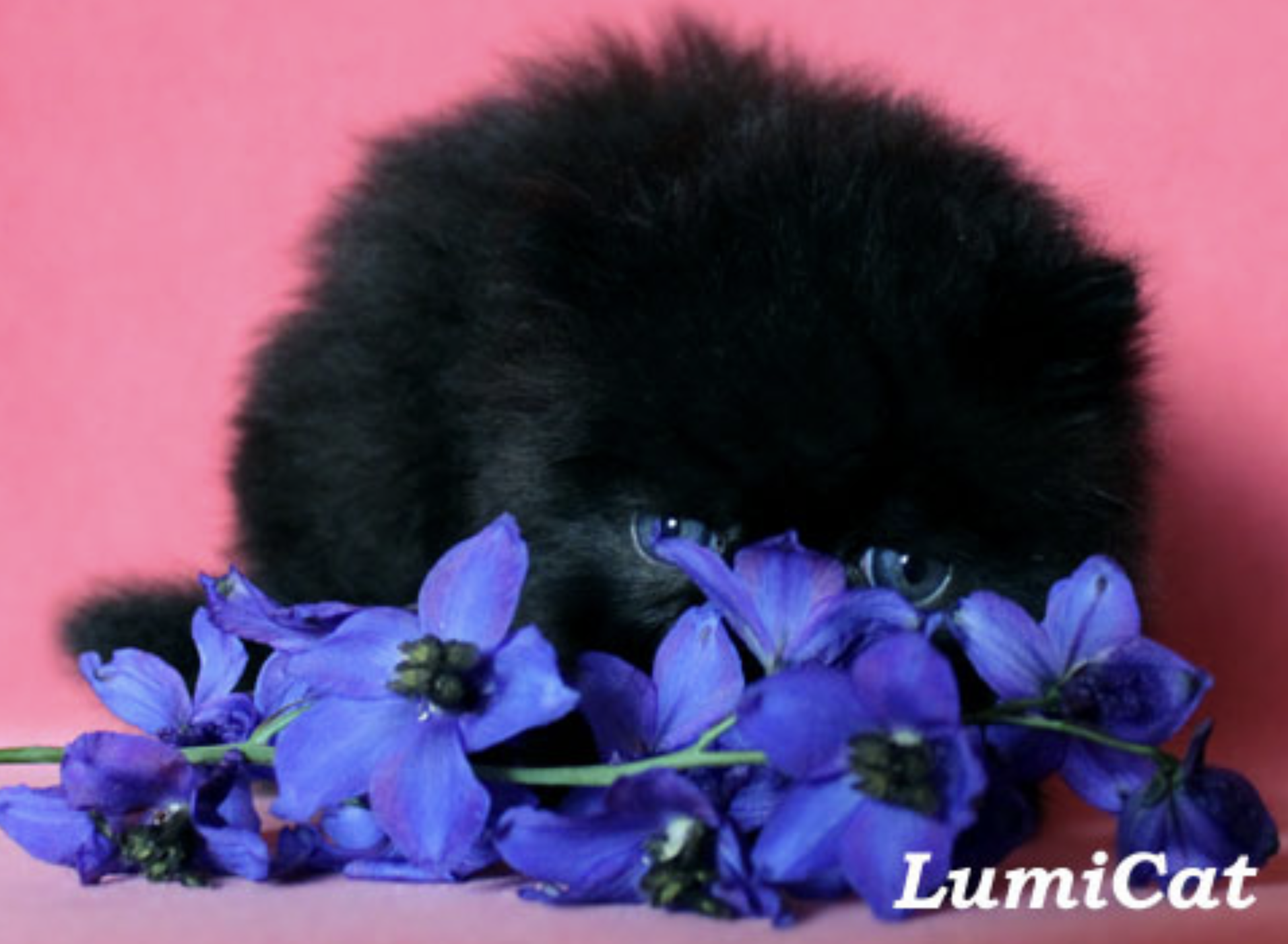
Plush unicorn
Exotic is a unique result of blending American Shorthair blood with Persian. The cat's appearance is quite unusual and captivates with its exclusivity.Care and Maintenance
Due to the breed’s shorter fur compared to Persian cats, it requires significantly less grooming. However, there are still certain nuances to keep in mind.
For instance, the diet of an exotic short-haired cat. Although it is generally not considered an allergenic breed, there is a flaw that can seriously affect its overall health: overeating. Unfortunately, this cuddly cat can be quite a glutton, gaining weight rapidly. To prevent this, specialized super-premium or holistic food is recommended. Its cost is significantly higher than regular food, but it is justified: the packaging includes serving size recommendations according to the individual animal’s characteristics. Additionally, the vitamins contained in the food are delivered to the cat in the correct dosage, eliminating the need for expensive vitamin supplements.
The cat’s broad face and upturned nose can become dirty while eating natural or canned food, whereas dry food alleviates this issue. Another advantage of dry food is that the kibble massages the gums and removes plaque from the teeth, preventing tartar buildup. It is perfectly acceptable to vary the exotic’s diet by adding canned food, depending on the owner’s discretion and the cat’s preferences.
Can an exotic cat be fed natural food? Yes, but formulating a diet requires specific knowledge, as it must include sufficient amounts of calcium, protein, phosphorus, and other micro- and macroelements. If you decide to buy a kitten from a breeder, follow their recommendations or consult with specialists at a veterinary clinic. However, it can be confidently said that the following foods should be included in the diet: lean meat (beef after shock freezing), boiled turkey or chicken, dairy products, and porridge, with treats like chicken eggs and steamed vegetables.
Cow’s milk can adversely affect health, and an excess of fish will inevitably lead to kidney problems. Additionally, they will need extra vitamins since a significant amount is lost during the cooking process.
How many times a day should an exotic cat be fed? Depending on its age: kittens up to 12 weeks should be fed 6-7 times a day, from 12 to 42 weeks 4 times a day, and adult exotic cats can eat 1-2 times daily. For convenience, owners can purchase an automatic cat feeder that dispenses food at set times. It is also important to ensure that clean water is always available for the pet.Is it necessary to bathe exotic cats? There is no extreme need for this ritual, except after heavy soiling during walks. However, human shampoos should not be used. Special cat overalls can help avoid heavy soiling, especially during rainy autumn walks. After a “shower,” the pet should be wrapped in a towel and thoroughly dried with a hairdryer. To prevent drafts and colds, windows should be closed beforehand. If you’re unsure of your skills or lack time, it’s better to consult professional groomers at a pet salon.Grooming should be done frequently. Metal combs with fine teeth should be used, and the cat’s dead hair should be removed 2-3 times a week. During shedding seasons, grooming should be done almost daily.The large eyes expressively observe the world, making it noticeable if in
Always ready to learn.
These unique cats are quite trainable. They easily perform simple tasks and possess high intelligence.Training and Education
Very intelligent exotic cats quickly adapt to the litter box and easily master basic house rules. Naturally, it’s unrealistic to expect them to follow “dog-like” commands. However, some owners manage to capture on video their cat responding to the command “Speak!” or saying “ma-ma” when called by a loving owner. This does happen, but it’s more about the animal communicating with the person based on love rather than obeying a command. This is the key factor in achieving the desired results. There should be no physical punishment or yelling at the cat. By observing the tendencies of each particular exotic cat, one can identify certain behavioral traits. Based on these observations, it’s possible to teach the cat simple commands like “Fetch!”, “No!”, “Yes!”, “Jump!” and so on.
Training is most effective before meals and when the cat is well-rested. They learn best during playtime: when throwing a favorite toy, the owner says “Fetch!” and rewards the pet with petting and affection. Treats yield good results, but exotics are prone to gaining weight, so relying on this motivation shouldn’t be overdone.
Commands for prohibitions can be simplified to a clap, for example. If the “fluffy offender” decides to nibble on the owner’s favorite flowers or becomes too spoiled, a loud clap can serve as a stop signal.
It’s crucial to understand that only patience and love can foster growth. During training, aggression and haste are unacceptable. Moreover, the surrounding environment plays a significant role. For instance, during construction work, loud music, or thunderstorms, the pet will constantly be distracted by outside noises. All attention will be focused on these distractions rather than on the owner. Additionally, the training session should not exceed 15-20 minutes.
The owner who trains the exotic cat should cultivate a relationship based on affection and only enhance the cat’s natural instincts.
Safe for home
Please provide the text you would like me to translate to English.How to Choose a Kitten
The great popularity of exotic cats has made them quite a common breed in many parts of the world. Ads for the sale of exotic short-haired kittens can be found on almost every online resource. However, it’s best to consider reputable breeders in Russia, where buying an exotic is safest. First of all, it should be understood that the final price depends on the class of the pet. This means that an exotic of show class cannot be cheap.
The optimal age for acquiring a pet is at least 3 months. By this time, the kitten is usually vaccinated and dewormed. Most often, breeders have already started litter training, so the new owner shouldn’t encounter any difficulties in this regard.
The package of accompanying documents should include a sales agreement, a veterinary passport, and a certificate of birth-this is the minimum that will protect both parties from any disputes regarding the transaction. Some breeders sell already microchipped kittens, which is an undeniable advantage.
When choosing a kitten, people usually pay attention to its compliance with the standard: the eyes should be clear and not cross-eyed, the coat should be shiny and well-groomed, the nose should be free of discharge, there should be no visible movement issues, and the kitten’s behavior should not be aggressive or overly timid.
Health and Diseases
“Persians for lazy owners” can suffer from the same feline diseases as other breeds. However, they are predisposed to nasal passage obstruction, conjunctivitis, and excessive tearing. Additionally, the structure of their nasopharynx significantly affects the breathing of exotics. Owners often describe how their cats snore in their sleep.
Gingivitis and tartar formation are common issues for exotic short-haired cats.
There are also a number of genetic diseases that this breed has not escaped.
For example, cardiomyopathy. Thickening of the heart chamber walls leads to heart failure in the animal. This condition cannot be cured, but timely diagnosis allows the veterinarian to provide supportive therapy. If signs of apathy, increased fatigue, shortness of breath, and weakness appear, it’s essential to visit a veterinary clinic for examination.
At Zoonika, you can find the best selection of breeders in Russia, where breeders conduct DNA testing on their pets and do not allow problematic animals to breed.
Polycystic kidney disease is another unpleasant hereditary “gift.” During the illness, cysts filled with fluid form in the kidneys. Unfortunately, this slowly progressing disease is irreversible.
Содержание
-
1. Описание породы
-
2. Внешний вид
- 2.1 Голова
- 2.2 Морда
- 2.3 Уши
- 2.4 Глаза
- 2.5 Зубы
- 2.6 Корпус
- 2.7 Конечности
- 2.8 Хвост
- 2.9 Шерсть
- 2.10 Окрас
-
3. Характер
-
4. Содержание и уход
-
5. Дрессировка и обучение
-
6. Как выбрать котенка
-
7. Здоровье и болезни






Comments
Only registered users can leave reviews.
Enter