
Chinchilla





Breed Description
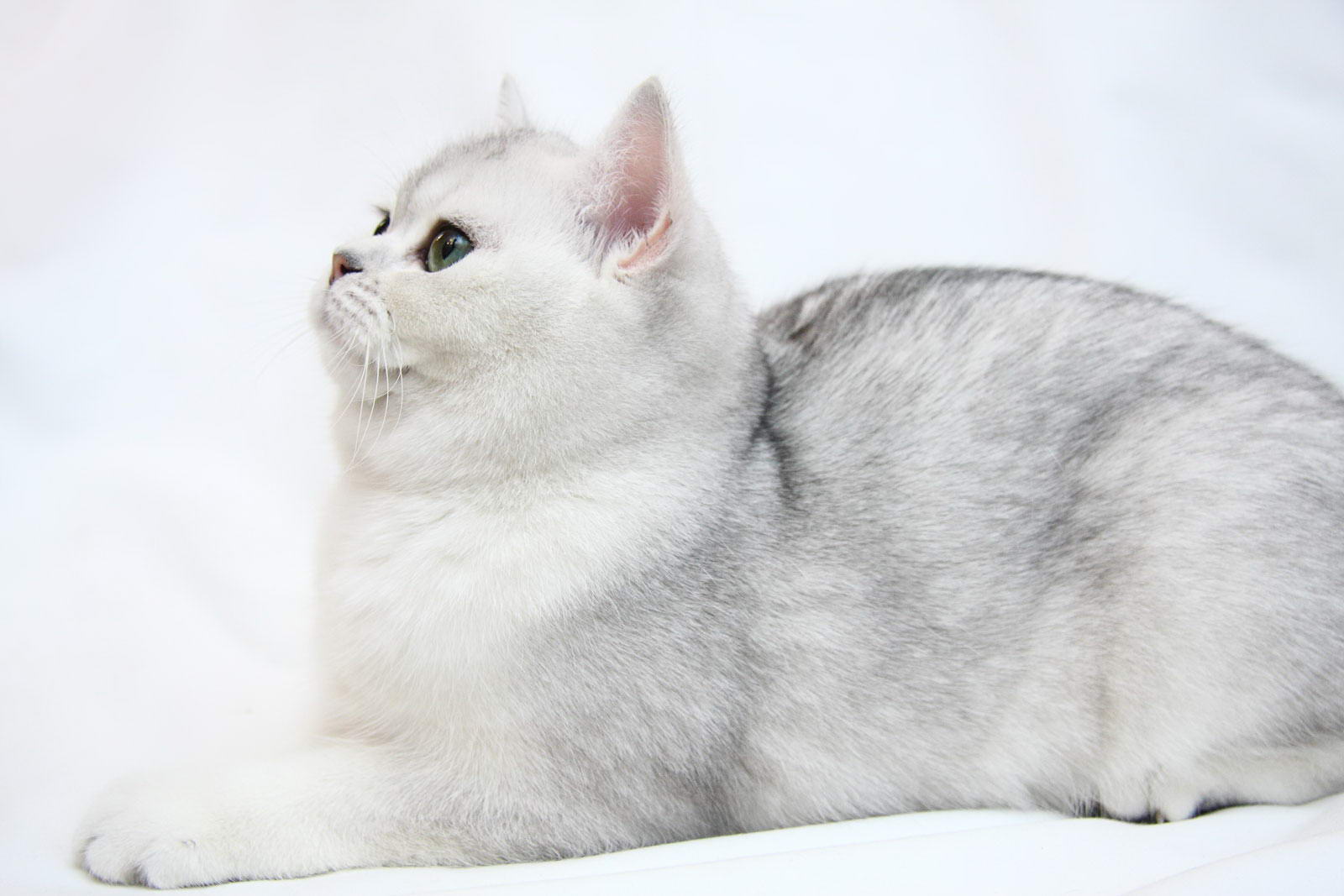
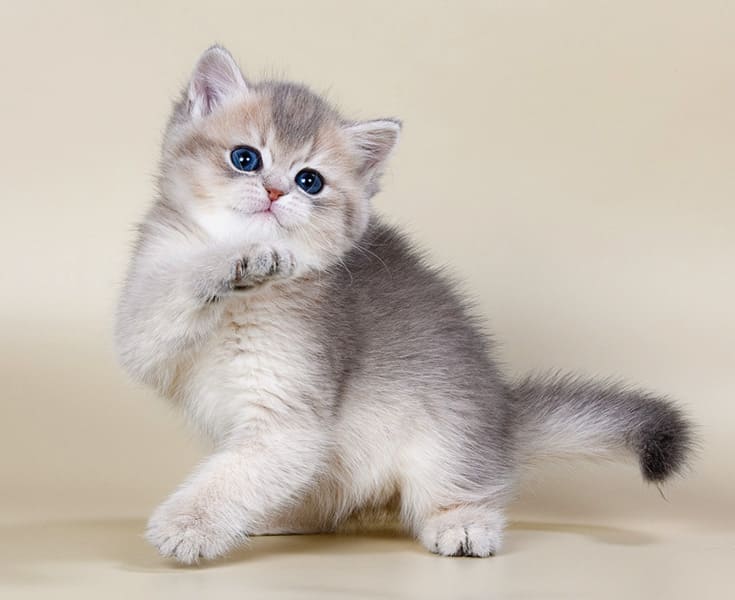
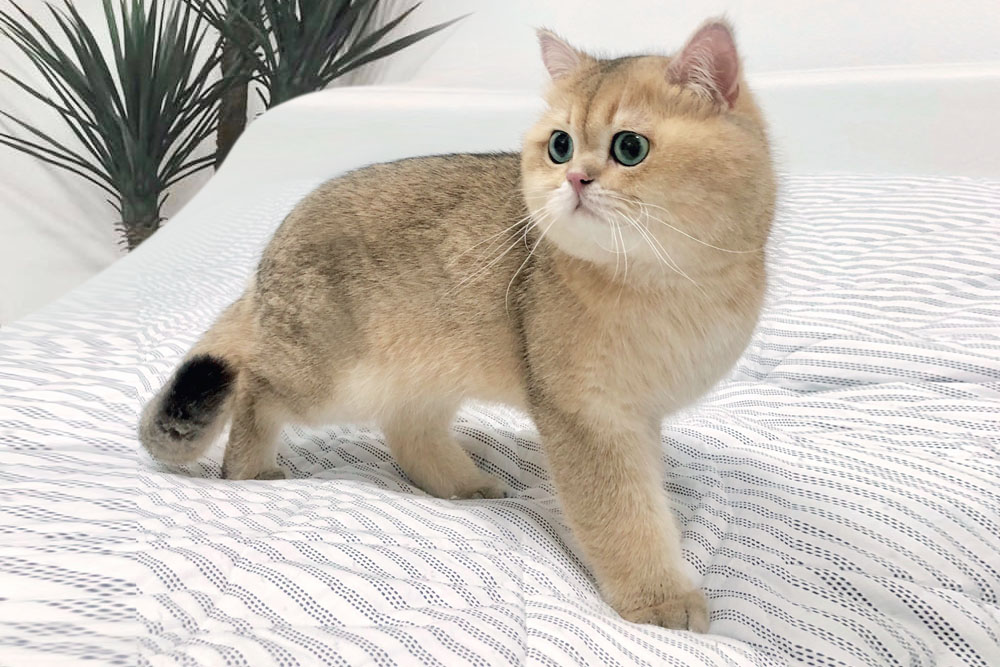
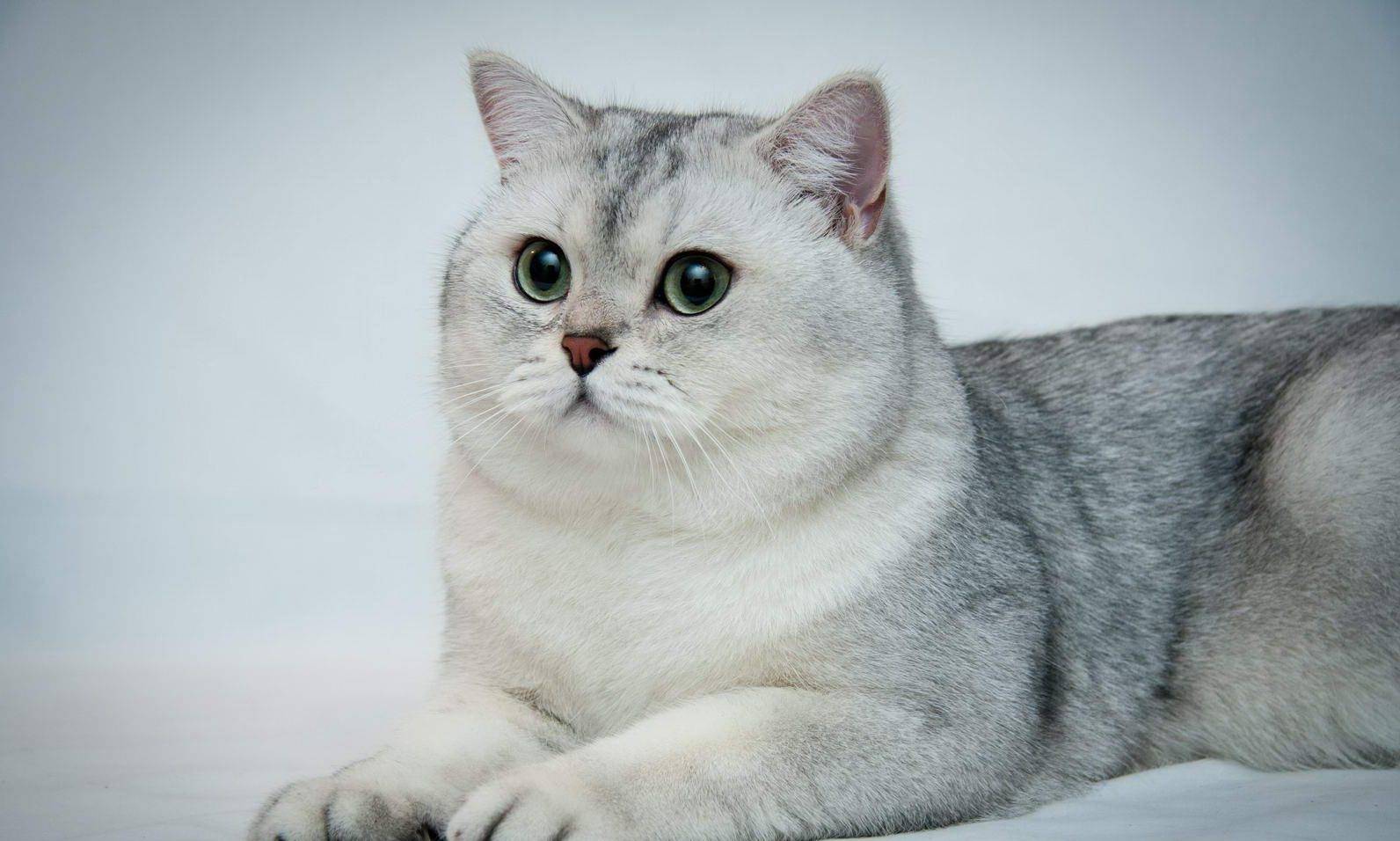
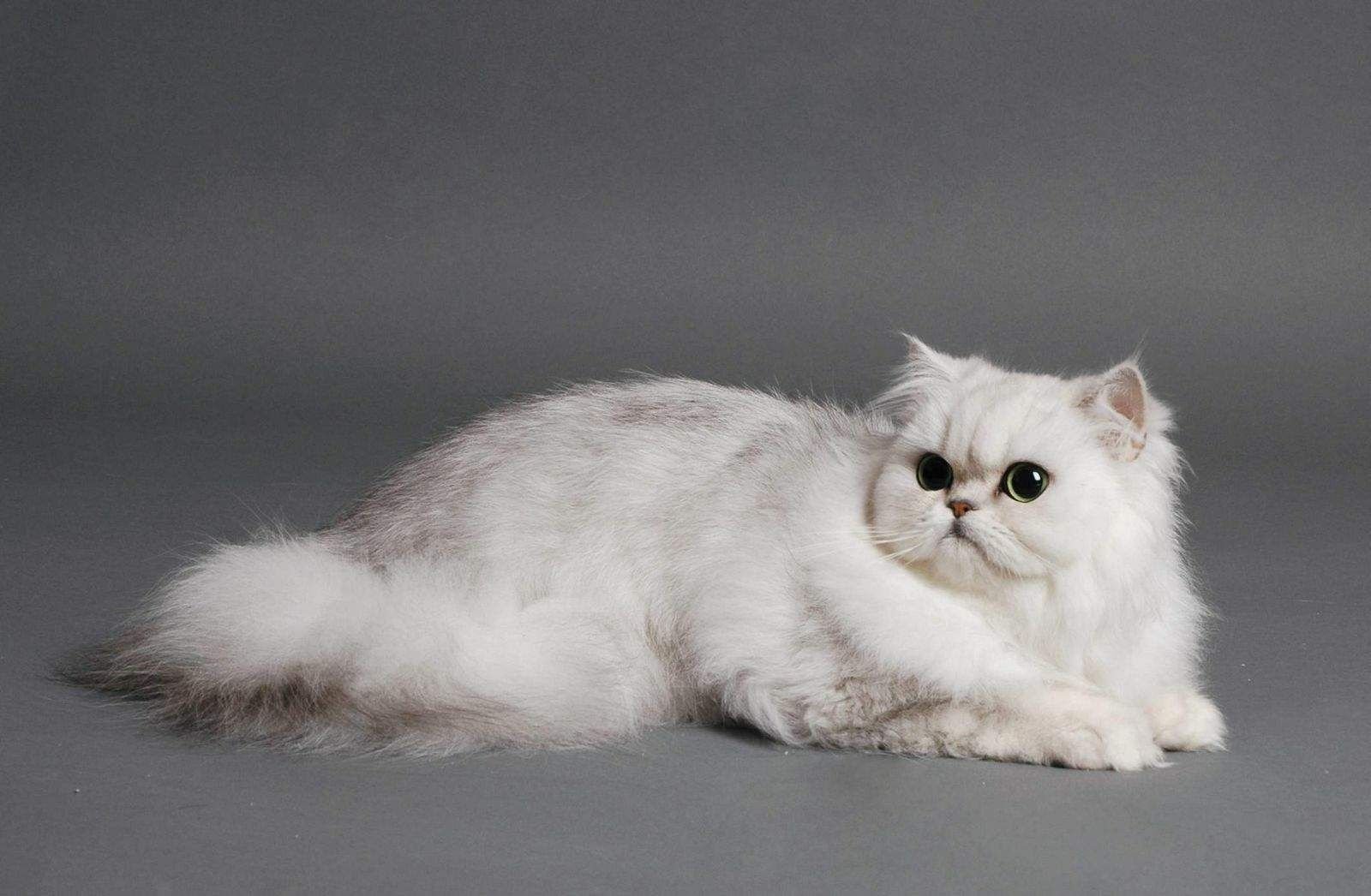
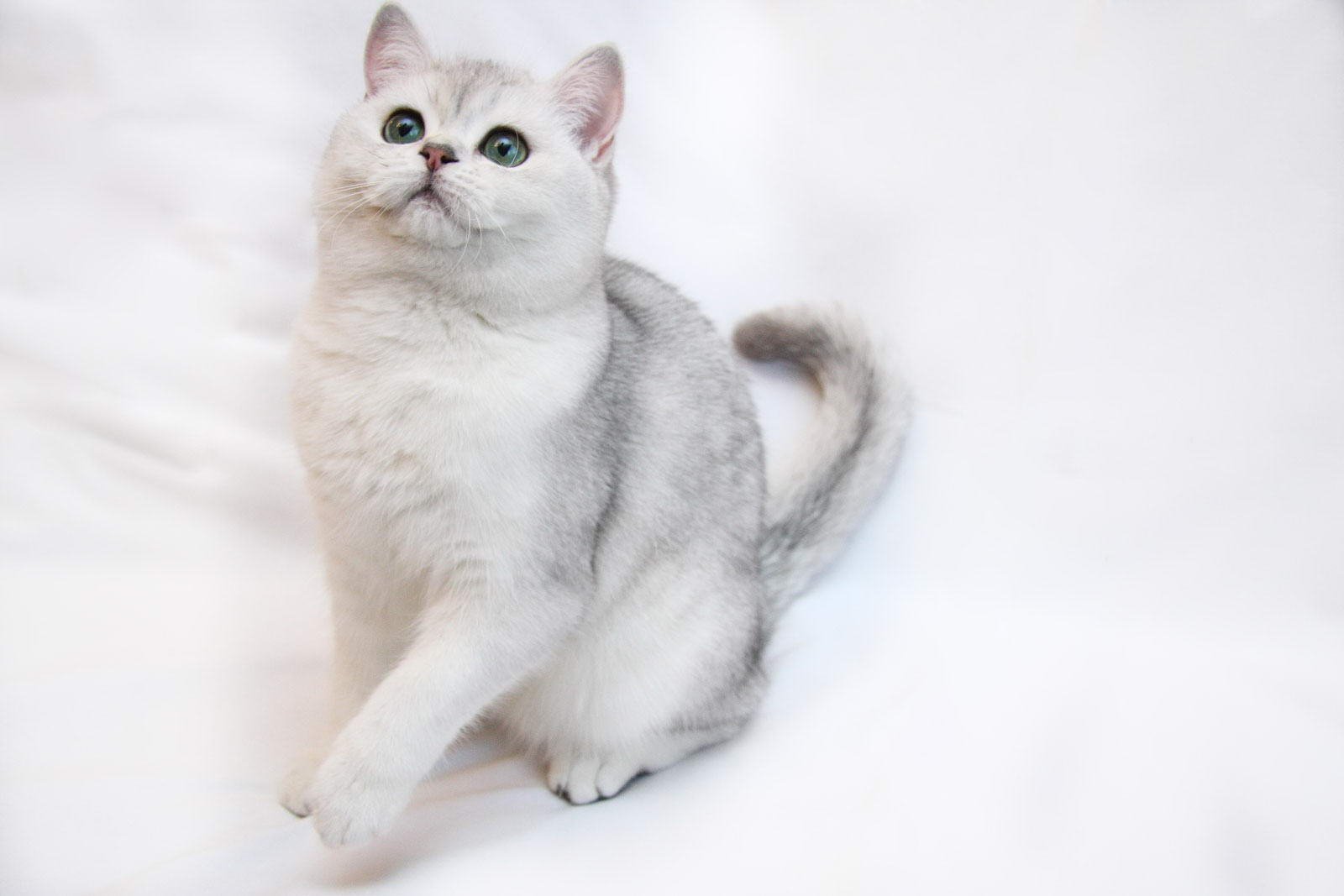
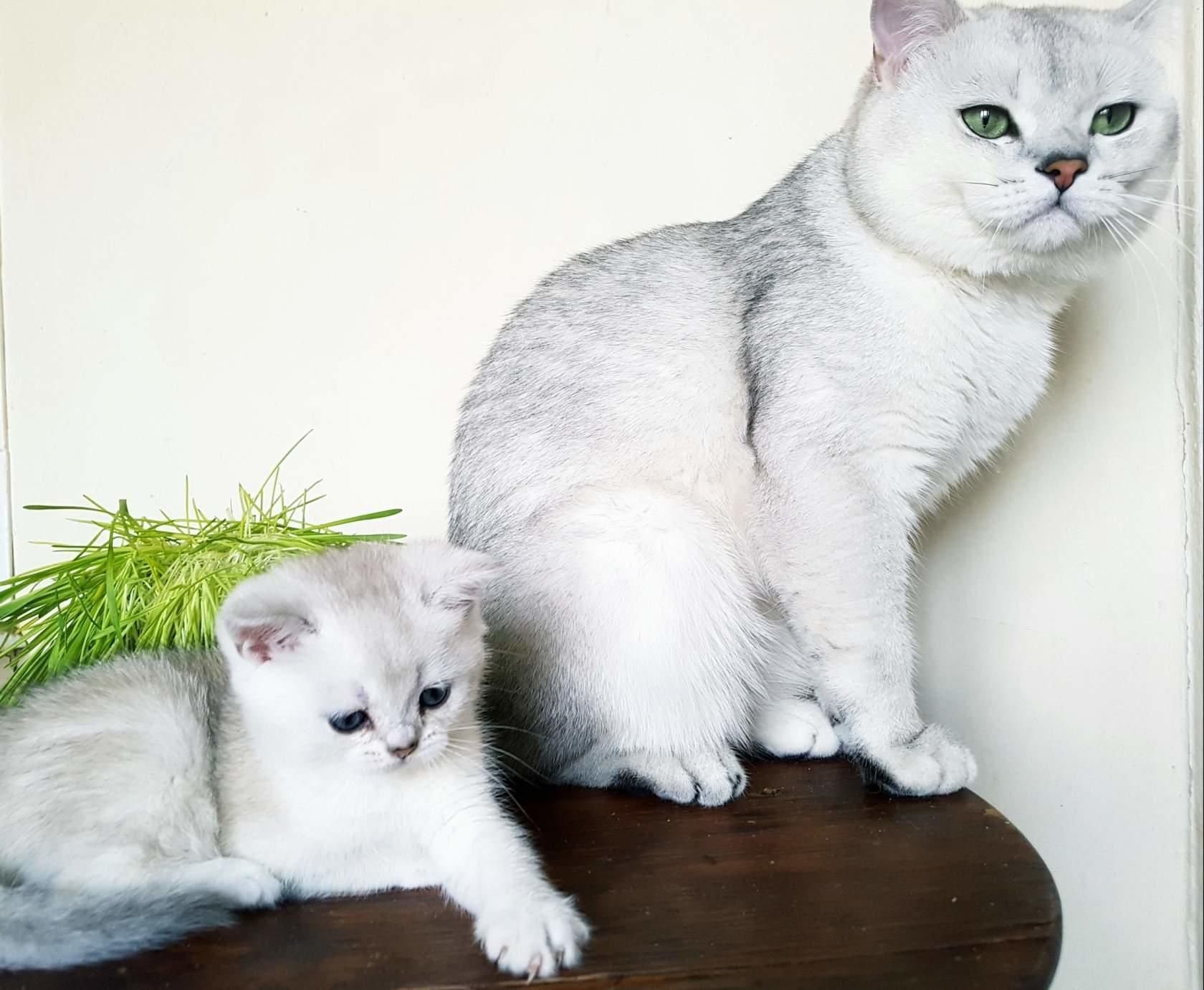
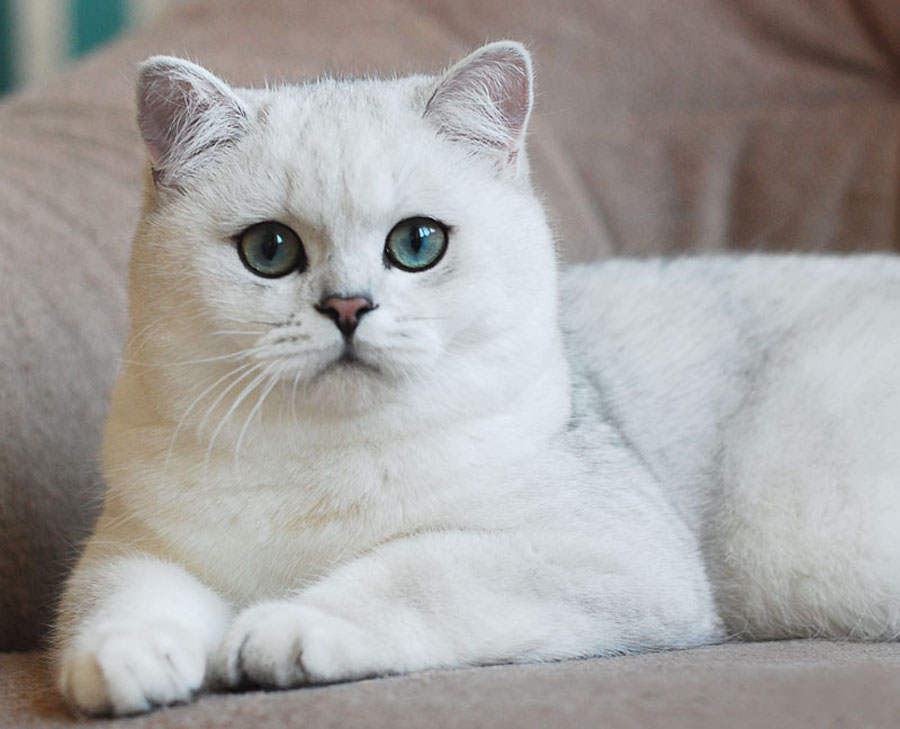
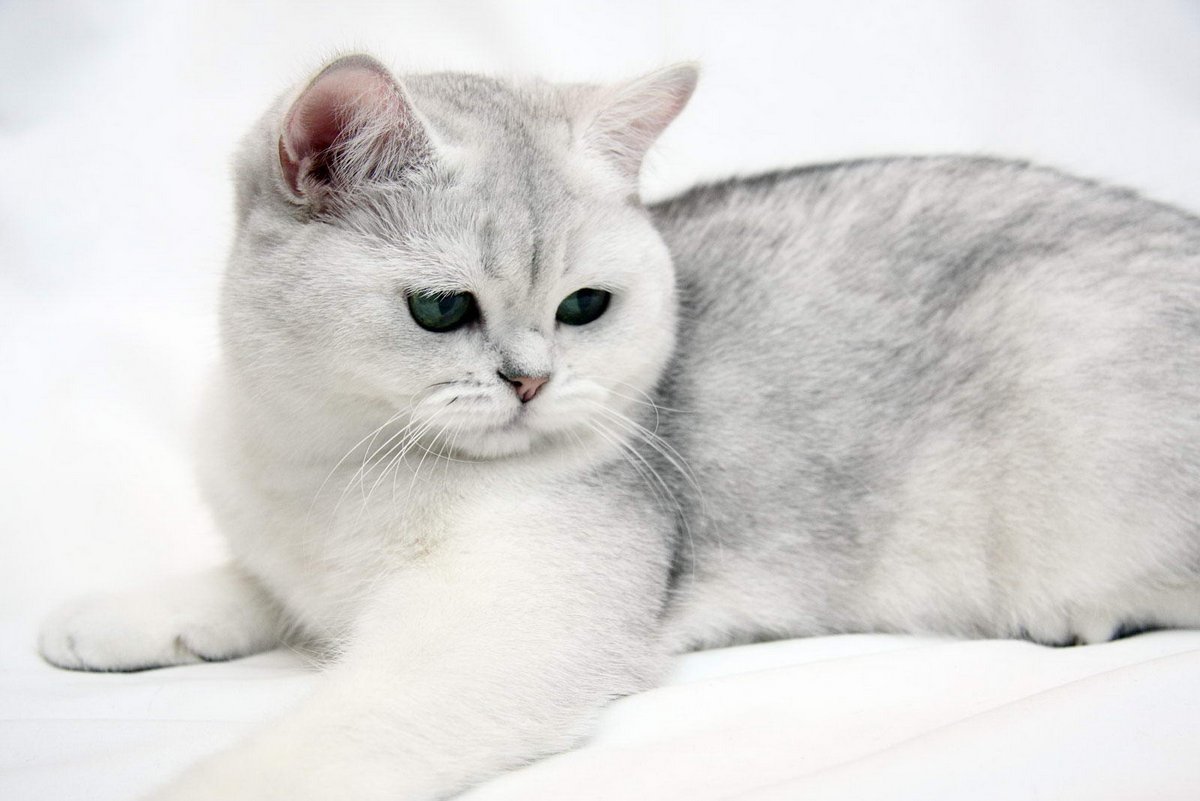
Chinchilla is a specific coat color in cats that is most commonly found in Persian and British breeds, including Scottish Folds. The “chinchilla” color is characterized by light fur with darker tips. These cats appear elegant and majestic due to the combination of their bright undercoat and dark-tipped hairs. Chinchillas are known for their gentle and affectionate nature, making them great companions for people of all ages.
The Scottish Fold chinchilla combines the breed’s distinctive traits with a unique color. These are medium-sized cats with a sturdy build and soft facial features. Their coat requires special attention, but it is worth the care, as it is what makes the chinchilla so luxurious.
In addition to their external charm, chinchillas are known for their calm and balanced temperament. They enjoy interaction but remain independent. They can play and engage with children but are also fine spending time alone if their owner is busy. They are not aggressive and do not demand constant attention, making them ideal pets.
Scottish chinchillas are generally healthy cats with a long lifespan. Their average life expectancy is 12-16 years, making them long-lived among domestic cats. Like all purebred cats, chinchillas may have certain hereditary diseases, but with proper care, they usually stay strong and active throughout their lives.
Key characteristics of the breed:
Average weight: 3-6 kg.Coat: semi-long, dense, with a special sheen.Color: silver, golden, or chinchilla.Personality: calm, affectionate, friendly.Activity level: moderate.Easy to care for with regular grooming.The Scottish Fold chinchilla is a cat that will bring much joy and beauty to its owner. With their gentle nature and attractive appearance, these cats become beloved members of families around the world.
Appearance
The appearance of the Scottish straight-eared chinchilla is one of the main merits of this breed. These cats attract attention with their elegant, aristocratic look and unique coloring. Their fur is the breed’s main asset: soft, silky, and dense, it gives them a special “plush” quality and makes them visually voluminous and luxurious.
The Scottish chinchilla has a solid build, yet remains graceful and agile. Their body is medium in length, proportional, with well-developed muscles that provide flexibility and activity. They do not seem heavy or bulky; their body shape is balanced, making them ideal for both urban apartments and homes with larger spaces.


Отличительные черты

Голова

Морда

Уши

Глаза

Зубы

Корпус

Конечности

Хвост

Шерсть

Окрас
Character
Scottish Fold Chinchillas are calm, balanced, and affectionate cats. Their temperament is perfectly suited for families with children and other pets, as they easily get along with those around them without showing aggression. These cats are very attached to their owners but do not require constant attention. They will enjoy interaction and affection, but can also spend time alone peacefully if their owner is busy.
Chinchillas are curious and gentle-natured. They love to explore their surroundings, enjoy playing, but are not prone to hyperactivity. These are balanced pets that maintain their composure even in a noisy environment. They won’t disturb you if they sense that you are occupied, but they will always be nearby when you want to engage with them.
These cats are very friendly, easily approaching unfamiliar people and quickly adapting to new conditions. This makes them ideal pets for those who frequently host guests or travel with their pets. Scottish Fold Chinchillas rarely exhibit anxiety or stress in new situations, making them easily adaptable to any changes in life.
Chinchillas adore attention but are not intrusive. They can lie beside you on the couch for hours, simply observing what’s happening around them. Their purring creates an atmosphere of comfort and tranquility in the home, which is especially appreciated by their owners. These cats are reserved and intelligent-they won’t destroy furniture or engage in noisy games, but will always be happy to play with you if you offer them entertainment.
Chinchillas also possess a high level of intelligence. They quickly learn household rules, adapt fast to litter boxes and scratching posts. They enjoy interactive games and can remember simple commands if you encourage them with treats. Their curiosity and ingenuity make them great partners for active play and learning.
Thus, the character of the Scottish Fold Chinchilla can be described as calm, affectionate, and friendly. These cats are ideal for family life and for those seeking a smart, unobtrusive, and devoted companion.
Питомники
Выбор питомника по городу, породе и отзывам
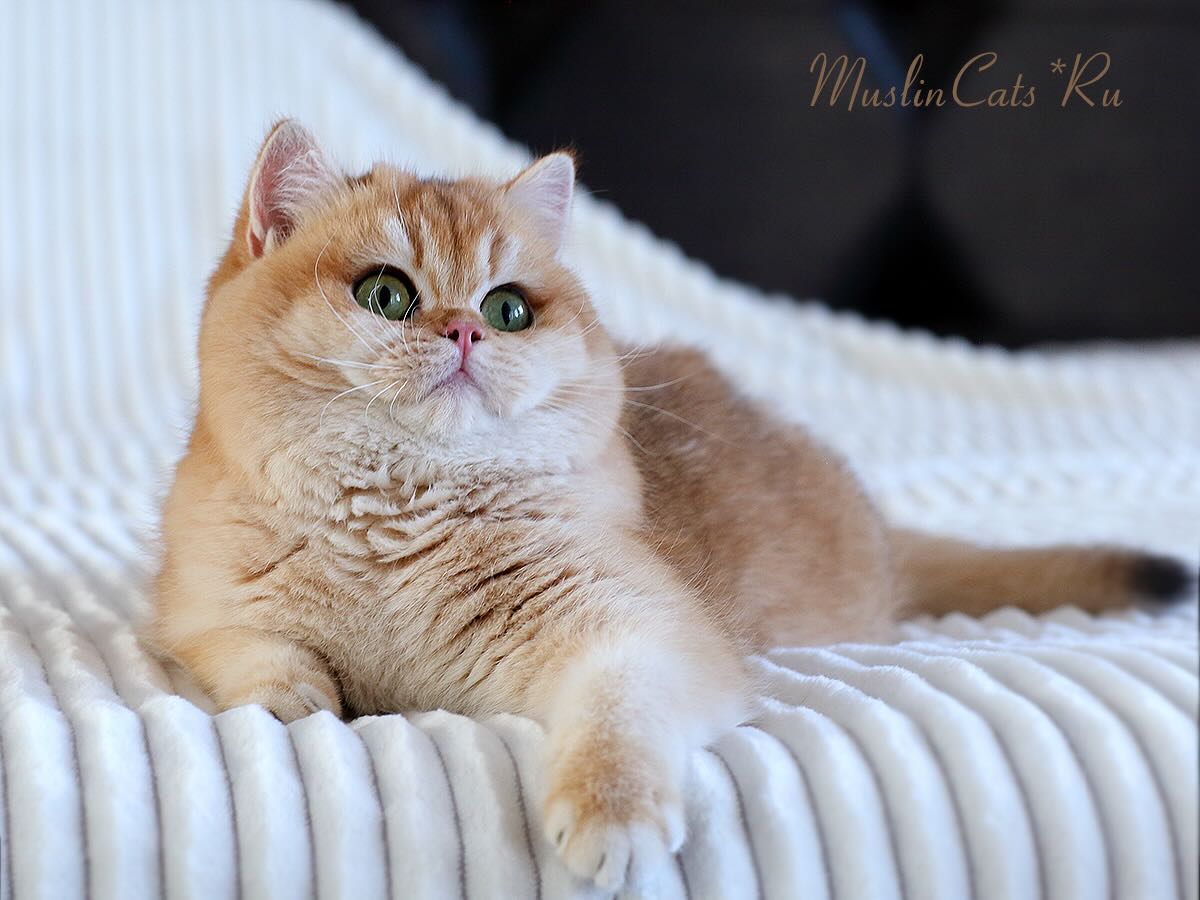

Golden river
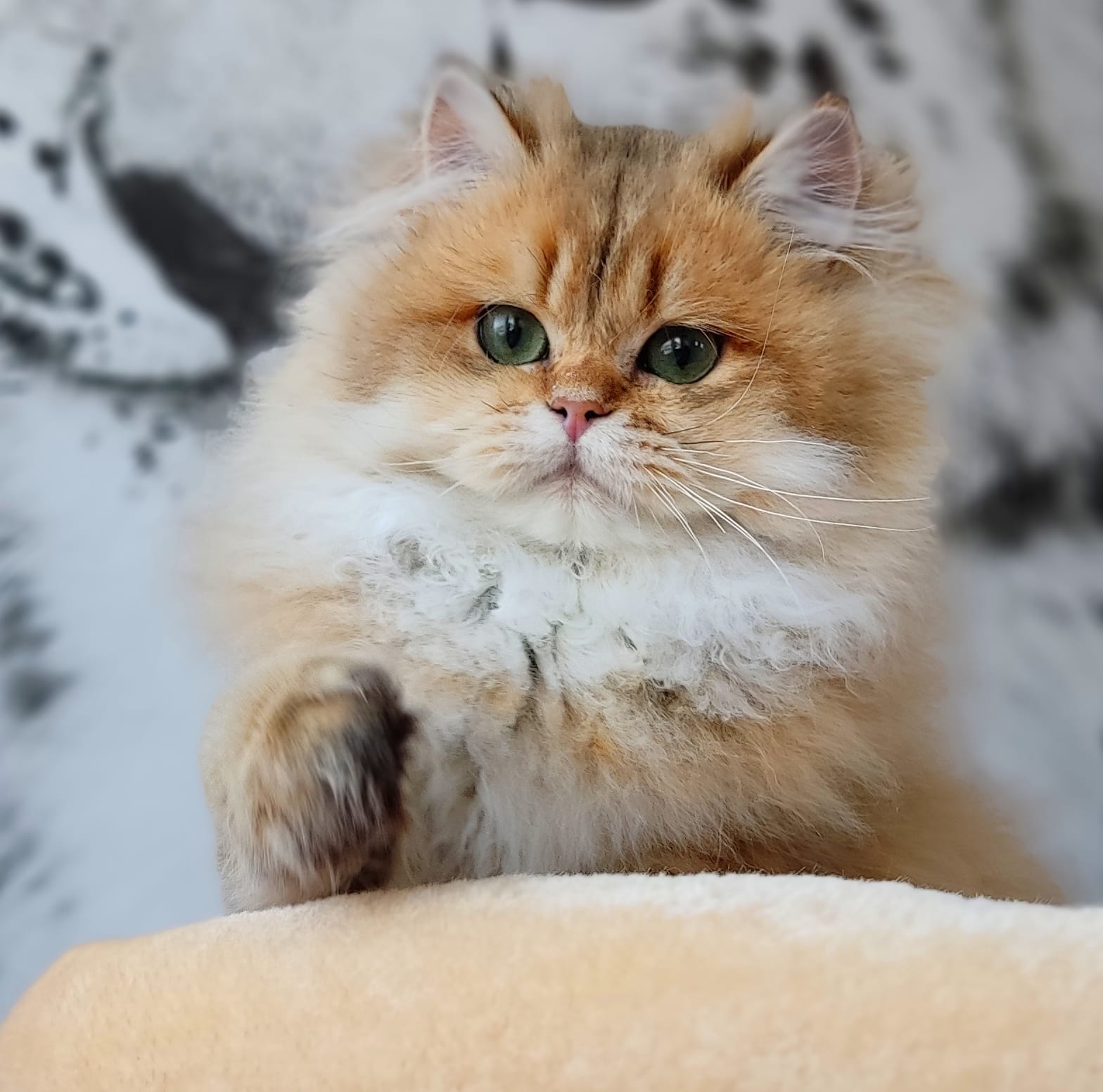
Golden knopka’s
Rare coloring
The color of the chinchilla is one of the rarest and most beautiful among cat breeds. The uniqueness of this coloration lies in the fact that each hair has darkened tips, which creates a shimmering and iridescent effect on the fur.Care and Maintenance
Chinchillas are cats that require attention to their fur and hygiene, but caring for them is not too complicated if regular procedures are followed. A key aspect of keeping these cats is maintaining their fur in perfect condition, as it is one of the main features of the breed.
Fur Care
Chinchilla fur is thick, soft, and shiny, but to maintain its beauty, regular brushing is necessary. The medium-length fur is prone to tangling, especially around the belly and behind the ears, so it’s recommended to brush the cat 2-3 times a week, and daily during shedding periods. Use special brushes and combs to help remove dead hair and prevent matting.
It is also important to remember about frequent bathing. Although chinchillas do not require regular water treatments, their fur may need cleaning during shedding or when heavily soiled. Use special cat shampoos to maintain the silkiness of the fur and avoid drying out the skin.
Ear and Eye Care
The eyes and ears of chinchillas require regular inspection and care. Ears should be checked for dirt and gently cleaned with a cotton pad moistened with a special cat solution. The eyes should be wiped with a soft cloth or cotton pad, especially if there are any discharge.Chinchillas have large and expressive eyes, which may sometimes be prone to tearing due to the structure of their face. It is important to keep their eyes clean to avoid inflammation or infections.Teeth and ClawsChinchilla teeth require regular care. To prevent tartar buildup and gum inflammation, it is recommended to brush their teeth 1-2 times a week using a special cat toothbrush and toothpaste. Regular veterinary check-ups can help prevent potential dental issues.Chinchilla claws should be trimmed every 2-3 weeks. A scratching post is a great way for the cat to file its claws on its own, but regular trimming will help avoid damage to furniture and accidental injuries.NutritionProper nutrition is the foundation of a Scottish chinchilla’s health. These cats need a balanced diet rich in proteins and vitamins. It is recommended to feed them high-quality premium food to maintain the coat
Quiet voice
Chinchillas are known for their soft, almost silent voices. These animals rarely meow, preferring a quiet "chirping," which makes them particularly pleasant pets for a calm home atmosphere.Training and Education
Chinchillas are cats with high intelligence, making them easy to train and quick to learn new commands. They respond well to training, especially when it is done in a playful and non-intrusive manner. Thanks to their natural cleverness and curiosity, the learning process will be enjoyable for both the owner and the pet.
Litter Box and Scratching Post Training
The first step in training a cat is to teach it to use the litter box and scratching post. Chinchillas quickly understand what is expected of them if comfortable conditions are created from the start. The litter box should be placed in a secluded area to help the cat feel calm and confident. The scratching post should be easily accessible, encouraging the kitten to use it rather than the furniture.
Using Positive Reinforcement
Chinchillas respond well to positive reinforcement in the form of treats and praise. These cats are receptive to learning through play, which helps them remember simple commands and develop social skills. For example, you can teach a chinchilla to come when called or perform simple tricks using toys and treats.
Play as Part of LearningChinchillas love interactive games that stimulate their mental abilities. Use puzzles, interactive toys, and balls to keep their minds active and develop skills. These cats enjoy playing with their owners, which strengthens the bond and makes the learning process more engaging.Patience and ConsistencyTraining should be regular but not overly intense. Chinchillas do not like to be forced, so it’s important to be patient and give the cat time to learn new skills. Regular short sessions of 5-10 minutes will help your pet master commands and behavior rules more quickly.
Endurance
Please provide the text you would like me to translate.How to Choose a Kitten
Choosing the right kitten is an important step that requires careful consideration. When buying a chinchilla kitten, ensure that it is healthy, active, and has all necessary documents. It’s important to consider both the physical condition of the kitten and its behavior.
Inspection of the Kitten
Inspect the kitten before purchase. It should be active, playful, and curious. Pay attention to its coat-it should be smooth and shiny, without bald patches or irritations. The eyes should be clean and clear, with no signs of inflammation or discharge. The ears should be clean, without odor or traces of dirt.
Document Check
Make sure the breeder provides all necessary documents, including pedigree and a veterinary passport with vaccination records. This is especially important for purebred cats, as it confirms their lineage and eliminates potential health issues in the future.
Kitten AgeThe best age to buy a kitten is between 12 and 16 weeks. At this time, the kitten is already sufficiently socialized, has received vaccinations, and is trained to use the litter box and scratching post. Kittens that are too young may have difficulty adjusting and maintaining good health.Kitten PricesThe cost of chinchilla kittens can vary depending on their class and pedigree. On average, a kitten may cost between 30,000 and 70,000 rubles. Show-class kittens with outstanding characteristics may be more expensive. Check at Zoonika to find the perfect purebred pet for your family.
Health and Illnesses
Chinchillas generally have robust health; however, like all purebred cats, they can be predisposed to certain diseases. Regular veterinary check-ups and proper care will help maintain their health at a high level.
Hereditary Diseases
Some chinchillas may be prone to hereditary conditions, such as polycystic kidney disease or hypertrophic cardiomyopathy. Regular veterinarian visits will help timely identify and prevent the development of these diseases.
Dental Issues
Like many purebred cats, chinchillas can experience problems with their teeth and gums. Regular tooth brushing and veterinary check-ups will help prevent the development of tartar and inflammation.
Joint CareChinchillas are prone to joint issues, especially if they are prone to being overweight. Monitoring their weight and ensuring they are active will help prevent the development of arthritis or other joint diseases.- the best website for animal-related matters where you can buy or sell a kitten.
Содержание
-
1. Описание породы
-
2. Внешний вид
- 2.1 Голова
- 2.2 Морда
- 2.3 Уши
- 2.4 Глаза
- 2.5 Зубы
- 2.6 Корпус
- 2.7 Конечности
- 2.8 Хвост
- 2.9 Шерсть
- 2.10 Окрас
-
3. Характер
-
4. Содержание и уход
-
5. Дрессировка и обучение
-
6. Как выбрать котенка
-
7. Здоровье и болезни







Comments
Only registered users can leave reviews.
Enter