
Chartreux





Breed Description
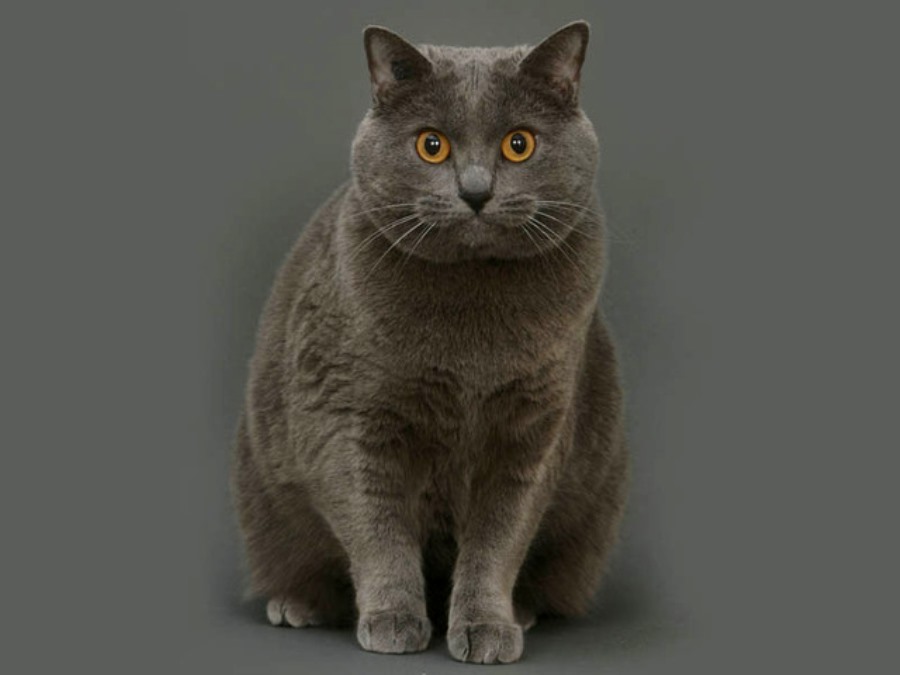
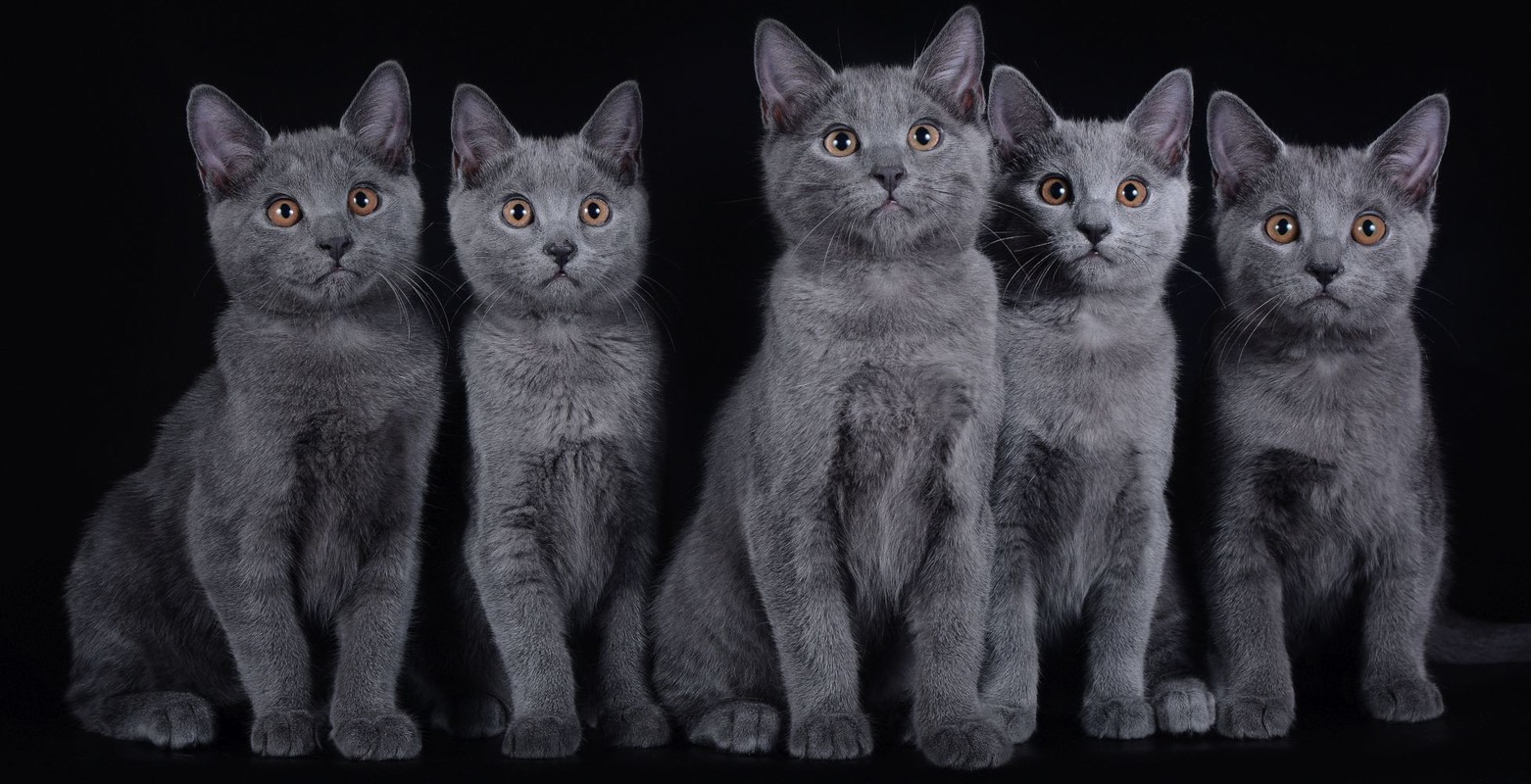
The Chartreux (or Cartesian cat) is an ancient breed with French roots, known for its exceptionally soft bluish-gray fur and golden eyes. These cats are celebrated for their independence, calm demeanor, and loyalty to their owners. The Chartreux is one of the most appealing breeds for those seeking an intelligent, devoted, yet unobtrusive companion.
The Chartreux is a breed of cat that originated in France several centuries ago. One of the most common theories suggests that these cats were brought to the country by crusaders from the East. Later, they were bred by monks of the Carthusian order in monasteries, which is how the breed got its name.
For a long time, the Chartreux were used as hunters of small rodents. Their thick fur protected them from the cold, while their strong muscles and agility enabled them to effectively catch prey. Over time, the Chartreux became popular among noble families in France due to their calm yet devoted nature.
The breed was officially recognized in the 1930s, and today the Chartreux enjoys popularity worldwide. These cats are valued for their independence, intelligence, loyalty, and remarkably soft fur. They are well-suited for apartment and house living, requiring little attention while remaining faithful to their owners.
Appearance
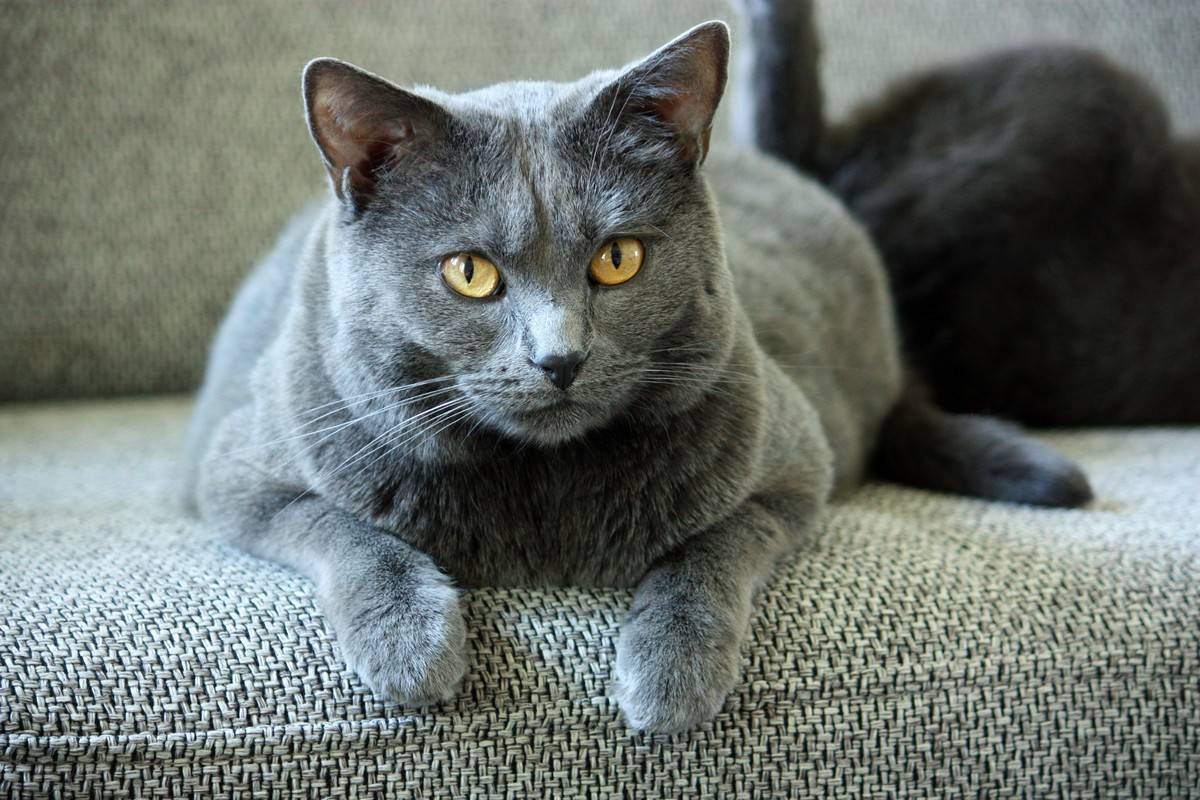
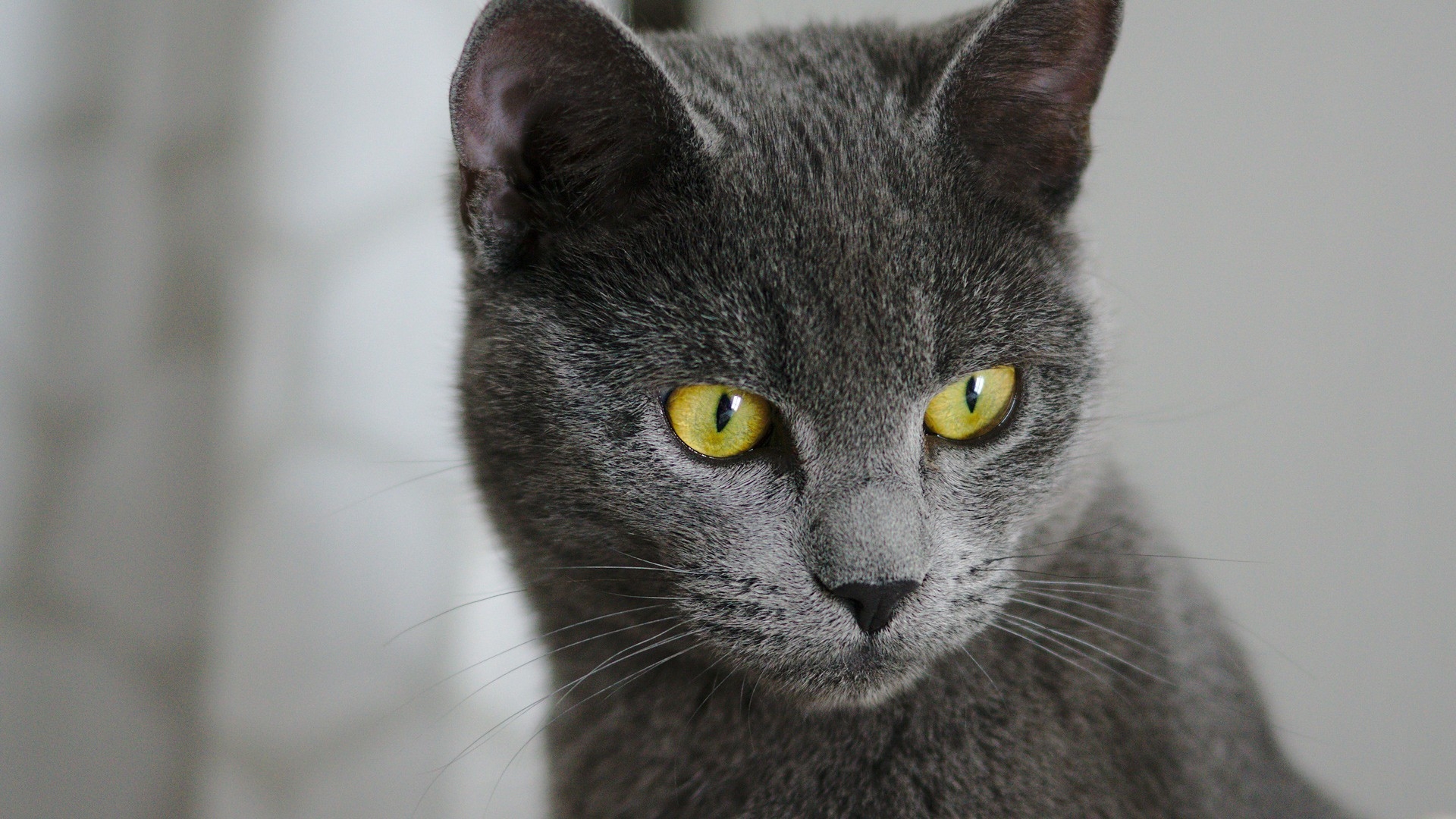
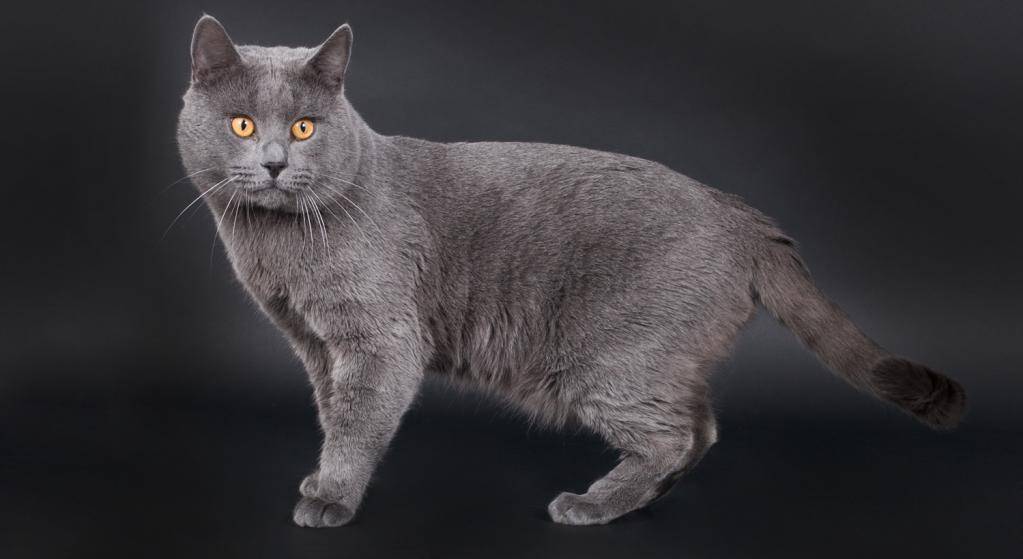
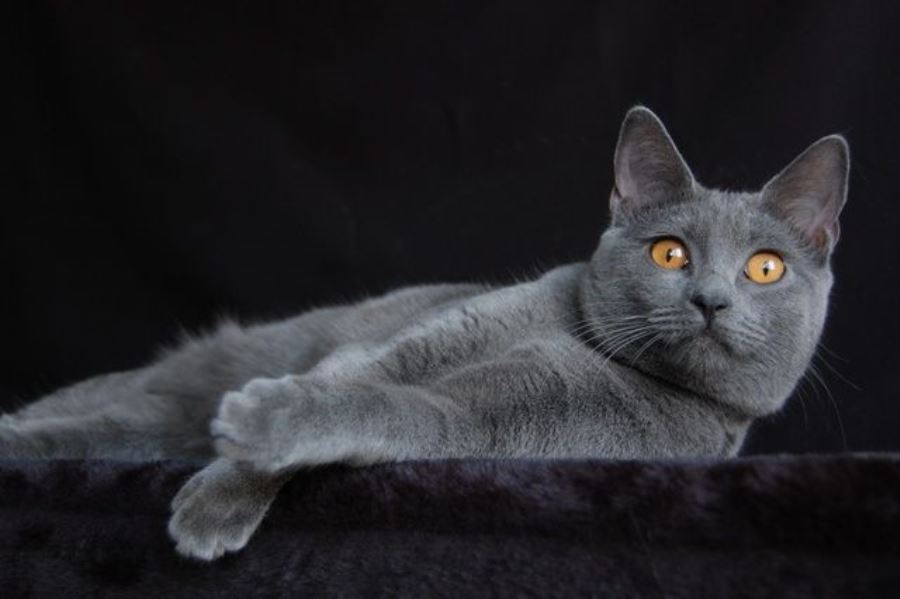
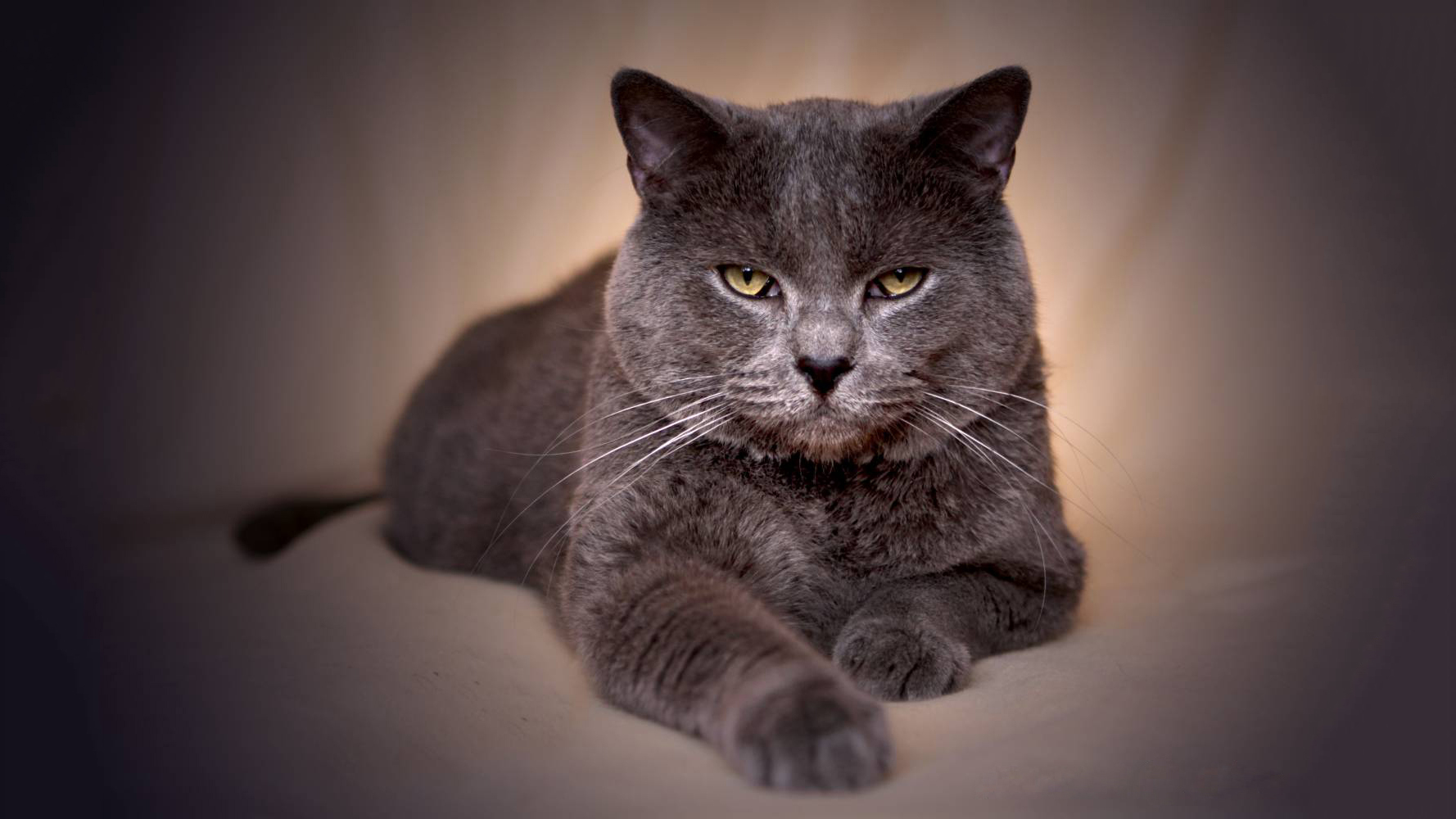
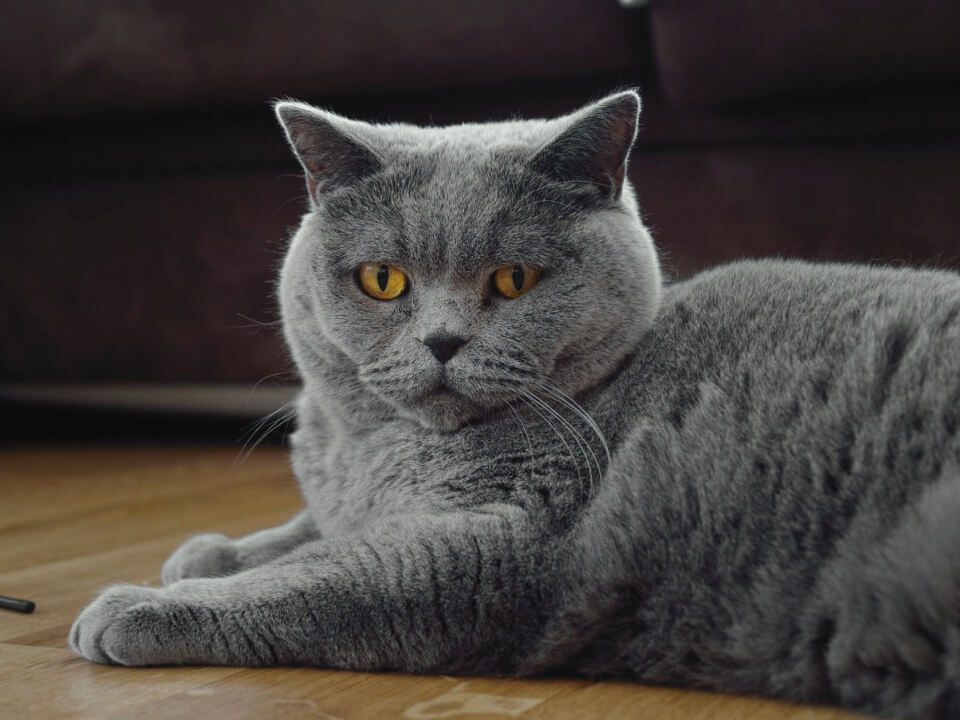
The Chartreux is a medium-sized cat with a strong and muscular build, which makes them excellent hunters. Their coat is one of the breed’s most distinctive features. It is dense, soft, and has a beautiful bluish-gray hue, creating a “plush” effect. Moreover, their coat is double-layered, making it soft to the touch while being dense enough to protect them from the elements.
The Chartreux has a strong, muscular body, yet it is not heavy. These cats maintain flexibility and agility, making them superb hunters despite their compact size. They have broad shoulders and powerful legs, giving them a majestic and confident appearance.
The Chartreux has a round head with wide cheekbones and expressive eyes. Their face is friendly and always seems to have a slight smile, adding to their charm.


Отличительные черты

Голова

Морда

Уши

Глаза

Зубы

Корпус

Конечности

Хвост

Шерсть

Окрас
Character
Chartreux cats have a very calm, balanced, and intelligent temperament. They are known for their loyalty and attachment to their owners. These cats love being near people but are not overly needy. They are more likely to follow their owner from room to room, observing their actions rather than demanding constant attention.
Chartreux are cats that manage to combine independence with affection. They won’t impose their presence if you are busy but will always be nearby when you’re ready to interact. This makes them ideal pets for people with busy schedules who can’t dedicate much time to play and cuddling but want a faithful companion.
These cats have a gentle nature and are rarely aggressive. They get along well with other animals, including dogs, and thrive in large families. Chartreux quickly adapt to new environments and are not prone to stress in changing conditions.
Chartreux are very quiet cats. Their meows are soft and rarely used, making them perfect pets for those who prefer silence. They “communicate” with their owners more through their eyes and movements rather than sounds.
Chartreux is not a hyperactive breed, but they do enjoy playing. They are particularly active during their younger years. As they grow older, they become more balanced, preferring short play sessions followed by rest in a cozy spot. At Zoonika, we offer verified options that ensure the health of each kitten.
"Smiling cat"
Chartreux cats are known for their "smiling" facial expression. Due to their unique head and muzzle shape, it creates the impression that these cats are always slightly smiling, which adds to their charm even more.Care and Maintenance
Caring for a Chartreux cat is not very complicated but requires regular attention to grooming and overall hygiene.
Coat
The dense and thick fur of the Chartreux needs regular brushing, especially during shedding periods. It is recommended to brush them 1-2 times a week to keep the coat in good condition and prevent matting. Comprehensive coat care includes using a soft brush to remove dead hairs.
Nutrition
Chartreux cats have a good appetite, so it is important to monitor their diet to avoid excessive weight gain. The diet should be balanced and include high-quality premium food rich in proteins. It is essential to provide the cat with necessary vitamins and minerals to maintain its activity and coat health.
Play and ActivityChartreux cats love to play, especially at a young age. Regular playtime with interactive toys, balls, and mice will help keep them active. It is important to ensure the cat gets enough physical activity to prevent obesity.HygieneTaking care of claws, ears, and teeth is also crucial for maintaining a Chartreux’s health. Claws should be trimmed every 2-3 weeks, ears should be checked for dirt and cleaned as necessary. Regular tooth brushing will help prevent tartar buildup and gum inflammation.
Historical hunters
In the past, Chartreux were actively used as hunters of rodents. Their agility and speed helped protect barns and homes from mice and rats, making them popular among farmers and residents of rural areas in France.Training and Education
Chartreux are intelligent cats that learn quickly and easily adapt to household rules. They don’t require complex training, but getting them accustomed to basic rules, such as using a litter box and scratching post, happens swiftly and without issues.
Chartreux are very sensitive to their owner’s mood, so it’s important to use gentle methods during training. They respond well to encouragement and praise, which makes positive reinforcement the best way to educate them.
Training should occur in a playful manner, as Chartreux love interacting with toys and enjoy hunting games. You can teach them simple commands by using treats and toys as motivation.
How to Choose a Kitten
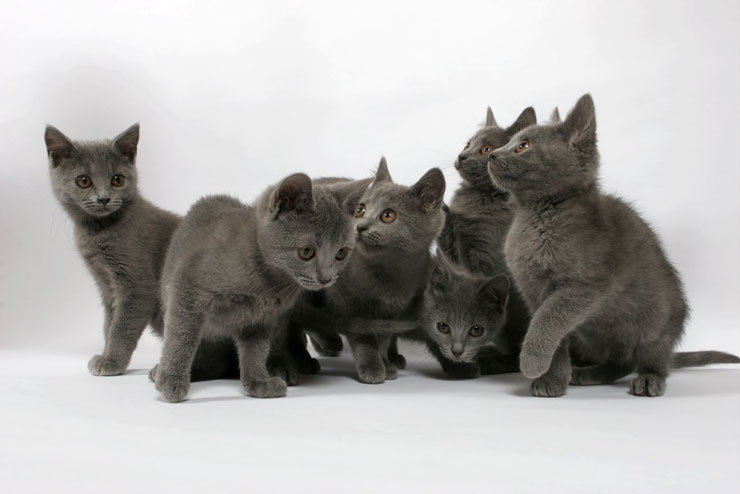
When selecting a Chartreux kitten, it’s important to consider several factors. Firstly, the kitten should be active and playful, with clear eyes and clean fur. The breeder should provide you with all necessary documents, including a pedigree and a veterinary passport with vaccination records.
The kitten should be socialized and ready to interact. Pay attention to its character: a good kitten will be friendly and curious.
Examining the Kitten
A Chartreux kitten should be active, curious, and playful. These are good indicators of its physical and emotional health. Check the kitten for any visible signs of illness: its fur should be clean and shiny, without bald patches or irritations. The eyes should be clear, without discharge or inflammation, and the ears should be clean and free of odor. The kitten’s nose should be moist and cool, and its behavior should be confident and open.
Observe its walk and coordination. The kitten should not show signs of lethargy or discomfort. Chartreux cats are known for their agility, so even at a young age, kittens should show interest in play and activities.
Kitten’s AgeThe ideal age for purchasing a kitten is 12-16 weeks. At this age, the kitten has already undergone initial socialization and vaccinations, making it ready to move to a new home. Kittens taken away earlier may not acquire all the important skills from their mother and siblings, which can negatively affect their future behavior and health.Kitten’s PriceThe price of Chartreux kittens can vary depending on the class (pet-class, breed-class, show-class), pedigree, and region. On average, the price for a Chartreux kitten ranges from 30,000 to 70,000 rubles. Kittens from the show-class can be more expensive, especially if their parents have titles from international exhibitions.Kitten’s CharacterObserve the kitten’s behavior. It should be playful, sociable, and show interest in people. Chartreux cats are generally friendly and quickly engage with humans. If the kitten displays excessive shyness or aggression, it may indicate socialization issues.Choosing a Chartreux kitten is a responsible step that requires careful consideration. Ensure that the breeder provides all necessary documents and that the kitten is active and healthy.
Health and Diseases
Chartreux cats are generally a healthy breed, but like any other breed, they have predispositions to certain diseases. Regular veterinary check-ups and proper care can help prevent the development of illnesses and keep your pet in good condition throughout its life.
Genetic Predispositions
Although Chartreux cats are generally healthy, they can develop genetic diseases. One such disease is hypertrophic cardiomyopathy, a heart condition characterized by thickening of the heart walls. This disease can be diagnosed through an echocardiogram, and with timely detection, a veterinarian can provide treatment.
Another condition to which Chartreux cats may be predisposed is polycystic kidney disease. This genetic disorder causes cysts to form in the kidneys, which can eventually lead to kidney failure. Regular check-ups with a veterinarian can help prevent or slow the progression of this disease.
Dental and Gum Diseases
Like many other breeds, Chartreux cats can experience dental and gum issues. Regular tooth brushing and visits to the veterinarian can help prevent tartar buildup and the development of gingivitis. It is recommended to use special brushes and toothpaste for pets, which gently clean the cat’s teeth and gums.Weight Control and DietChartreux cats tend to gain weight, especially if they don’t get enough physical activity. Obesity can lead to joint and heart problems, so it is important to monitor your pet’s diet and ensure they get sufficient exercise. A proper diet should include high-quality, protein-rich food, as well as vitamins and minerals to maintain coat and dental health.Regular Check-Ups and VaccinationAn important part of caring for a Chartreux’s health is regular veterinary visits. Annual check-ups can help detect potential issues early on. It is also important to keep up with the vaccination schedule-vaccinations protect the cat from infectious diseases such as rhinotracheitis, calicivirus, and panleukopenia.Coat CareThe dense and thick coat of the Chartreux requires special attention. Regular brushing helps prevent matting and removes dead hair.
Содержание
-
1. Описание породы
-
2. Внешний вид
- 2.1 Голова
- 2.2 Морда
- 2.3 Уши
- 2.4 Глаза
- 2.5 Зубы
- 2.6 Корпус
- 2.7 Конечности
- 2.8 Хвост
- 2.9 Шерсть
- 2.10 Окрас
-
3. Характер
-
4. Содержание и уход
-
5. Дрессировка и обучение
-
6. Как выбрать котенка
-
7. Здоровье и болезни







Comments
Only registered users can leave reviews.
Enter