
Bengal cat





Breed Description
The origin of this breed is very clear. Unlike many other varieties of the feline family, it is not shrouded in mysterious legends and speculation. Everything is quite straightforward.
An American genetic student, while finishing her studies at a university in California, chose the topic of crossbreeding Siamese and Persian cats for her thesis. However, her project supervisor pointed out its impracticality and suggested she work on something more applicable. He envisioned creating a breed that would gain widespread popularity among the general public. The student, named Jin Mill, followed her advisor’s suggestion but remained determined to pursue her original plan.
A few years later, she saw wild leopard cats for the first time in Thailand, where enterprising locals sold their kittens to tourists. She was also struck by the near-total extinction of these smaller leopard versions due to their fur. She bought one of these kittens and brought it home. After a couple of years, the leopard cat gave birth to a litter, fathered by a black alley cat of unknown lineage. Unfortunately, the kittens did not have the desired coloration, and soon the mother cat died. According to various reports, the cause of death was pneumonia or a simple cold that led to complications.
Fortunately, a few kittens from the first litter of two Bengal cats (at that time referred to as Asian leopard cats) were given to the persistent geneticist to continue her experiment. This pair was undergoing research for resistance to feline leukemia, and the results were positive. Jin sought a partner for these kittens but considered British and other popular breeds unsuitable for her goals due to their relatively weak genetic line.
Soon, she was unexpectedly shown a spotted cat that could pass on a distinctive sheen and beautiful bronze coloration to its offspring. Subsequent litters incorporated blood from mau cats from India. Ultimately, the goal was nearly achieved.
Complications arose from breeders who specialized in ocelots and Egyptian maus. It was likely just a matter of simple competition, but we won’t speculate further. The fact is that in 1983, TICA (The International Cat Association) registered the Bengal (leopard) cat, although the Cat Fanciers’ Association (an international organization for breeding and developing new cat breeds) long overlooked these wonderful creatures.Starting from 1985, leopard cats regularly participated in international exhibitions. Work on improving their exterior traits continues to this day. The main task is to stabilize the length of the fur, coloration, and to regulate the ticking. The best Bengal males are used for this purpose. The selection process is quite successful, and judges at cat shows are enthralled by the athletic build, unique sheen of the fur, the exclusive pattern bestowed by nature, as well as the breathtaking grace of the Bengals.In Russia, one can purchase a Bengal cat from several reputable catteries. In terms of cost, prices can range from 350,000 to 500,000 rubles or more, depending on the kitten’s class and the pedigree of its parents. Online advert

Appearance
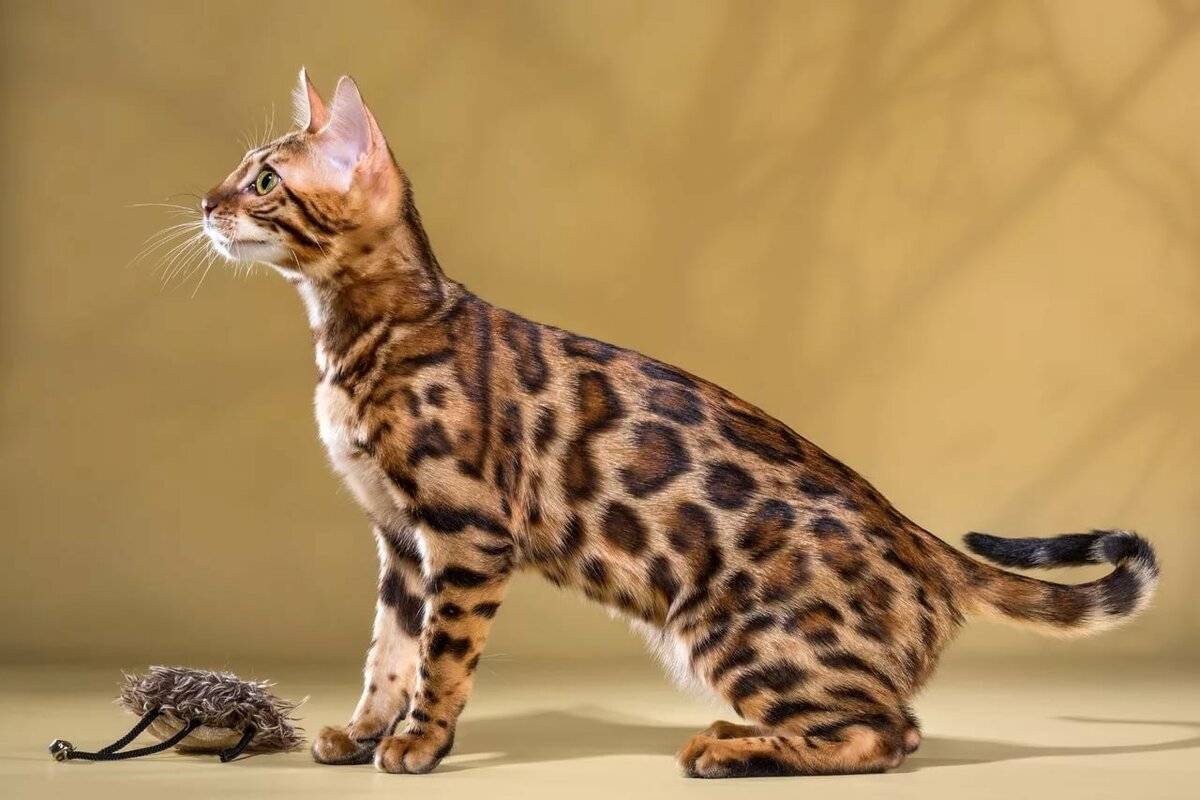
Bengals are considered medium to large cats. Their weight ranges from 4 to 8 kg, and sometimes even up to 9 kg. They rank as one of the largest breeds in the world, second only to Savannahs and Ragdolls, with a shoulder height that can reach up to 33 cm and a body length from the tip of the nose to the tail’s end of 1 meter. Males typically reach their maximum size by 2 years, while females stop growing after about 8.5 to 9 months.
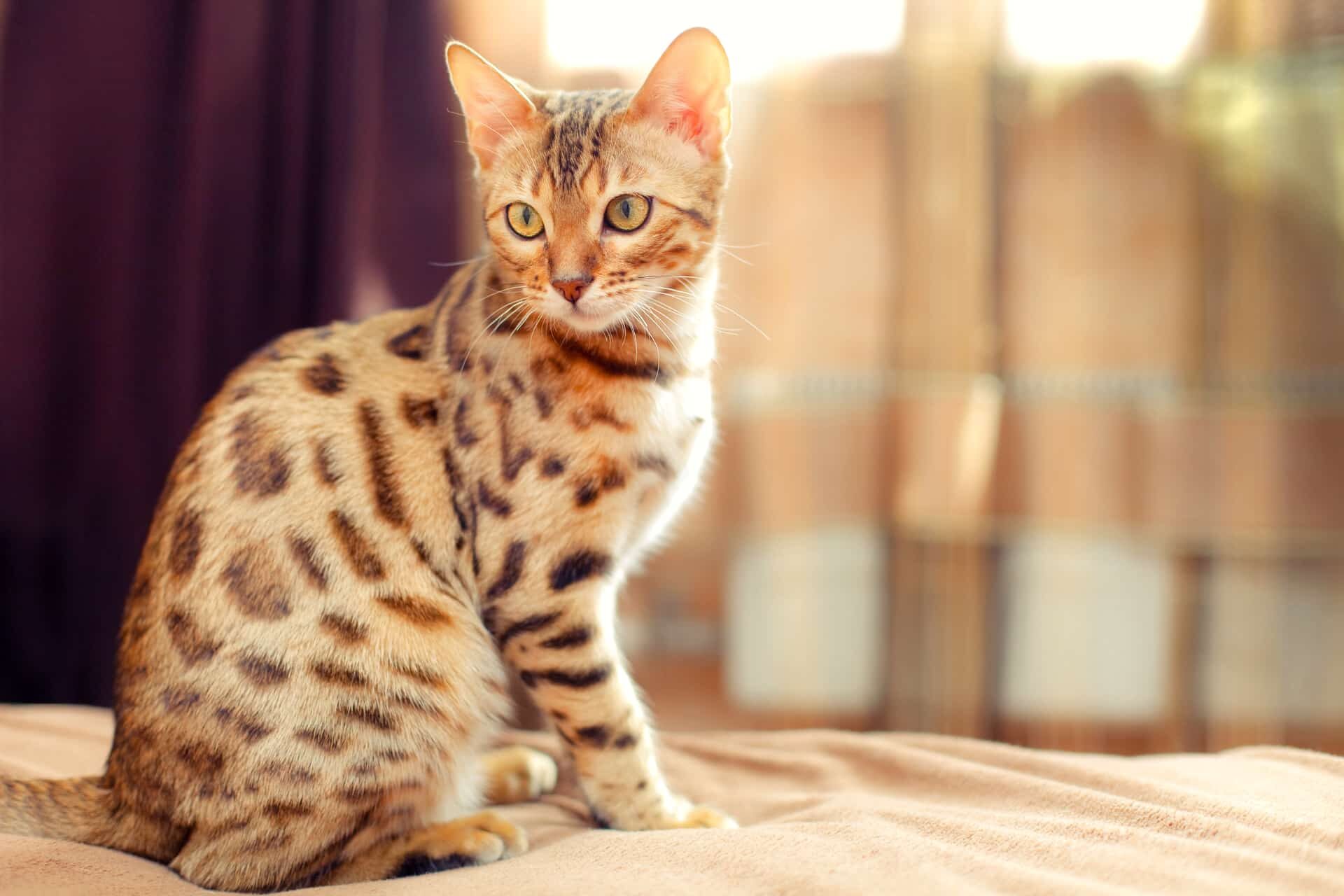
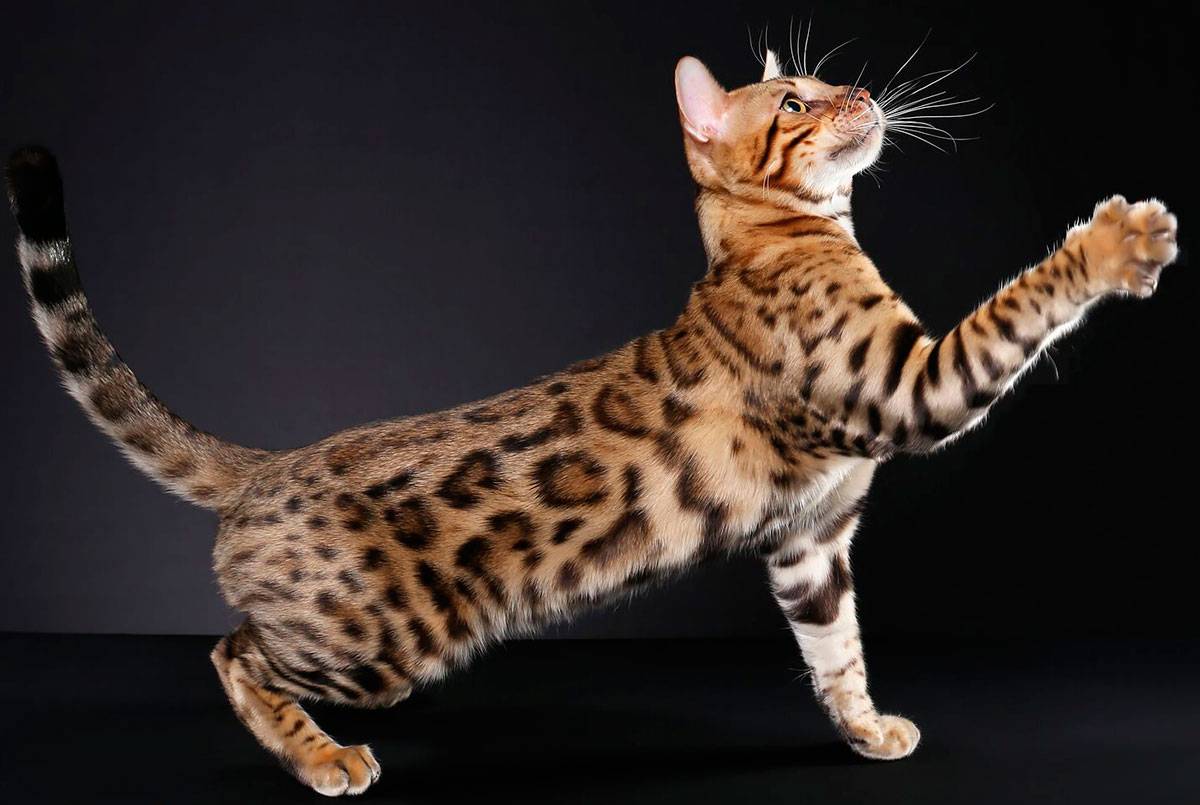
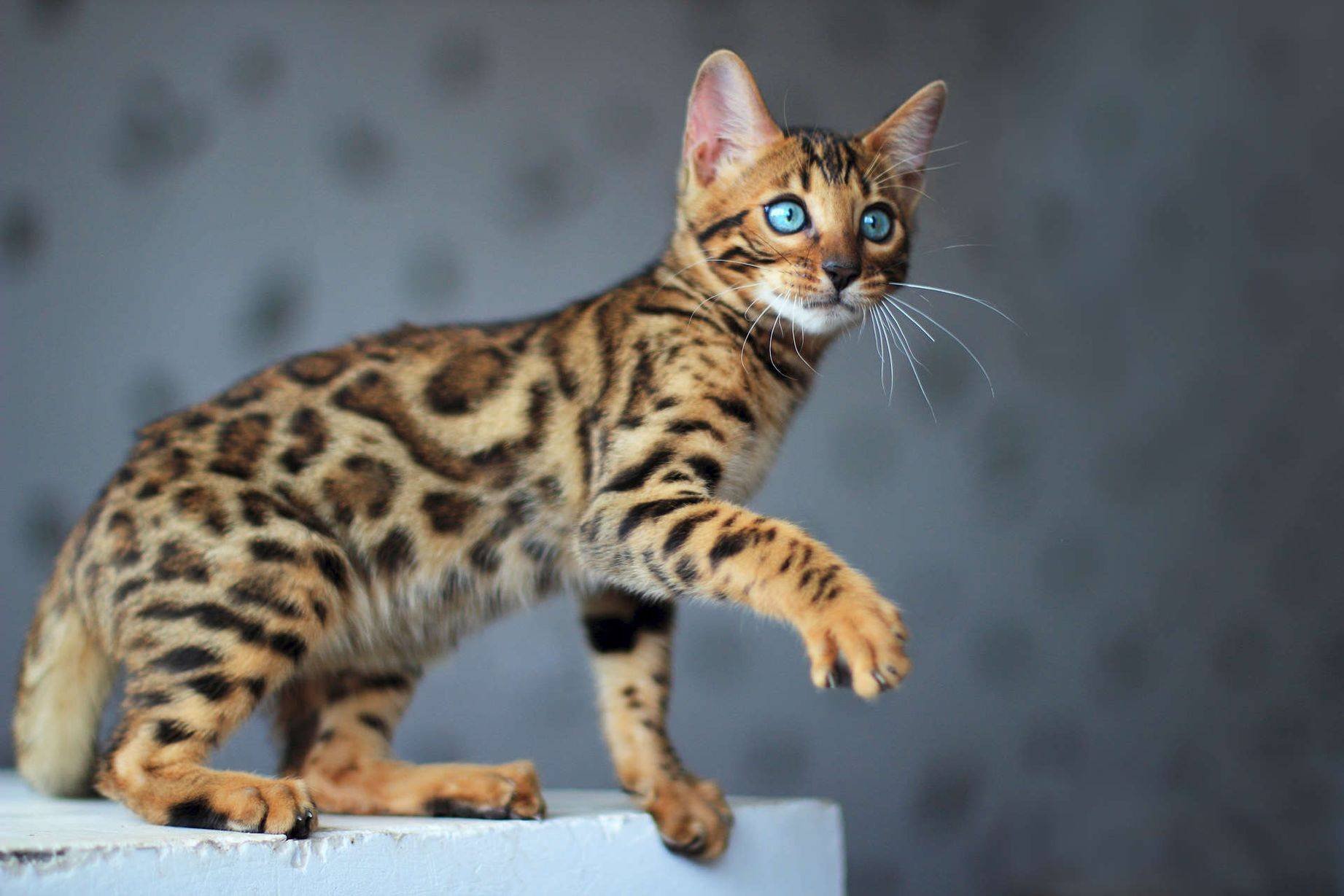
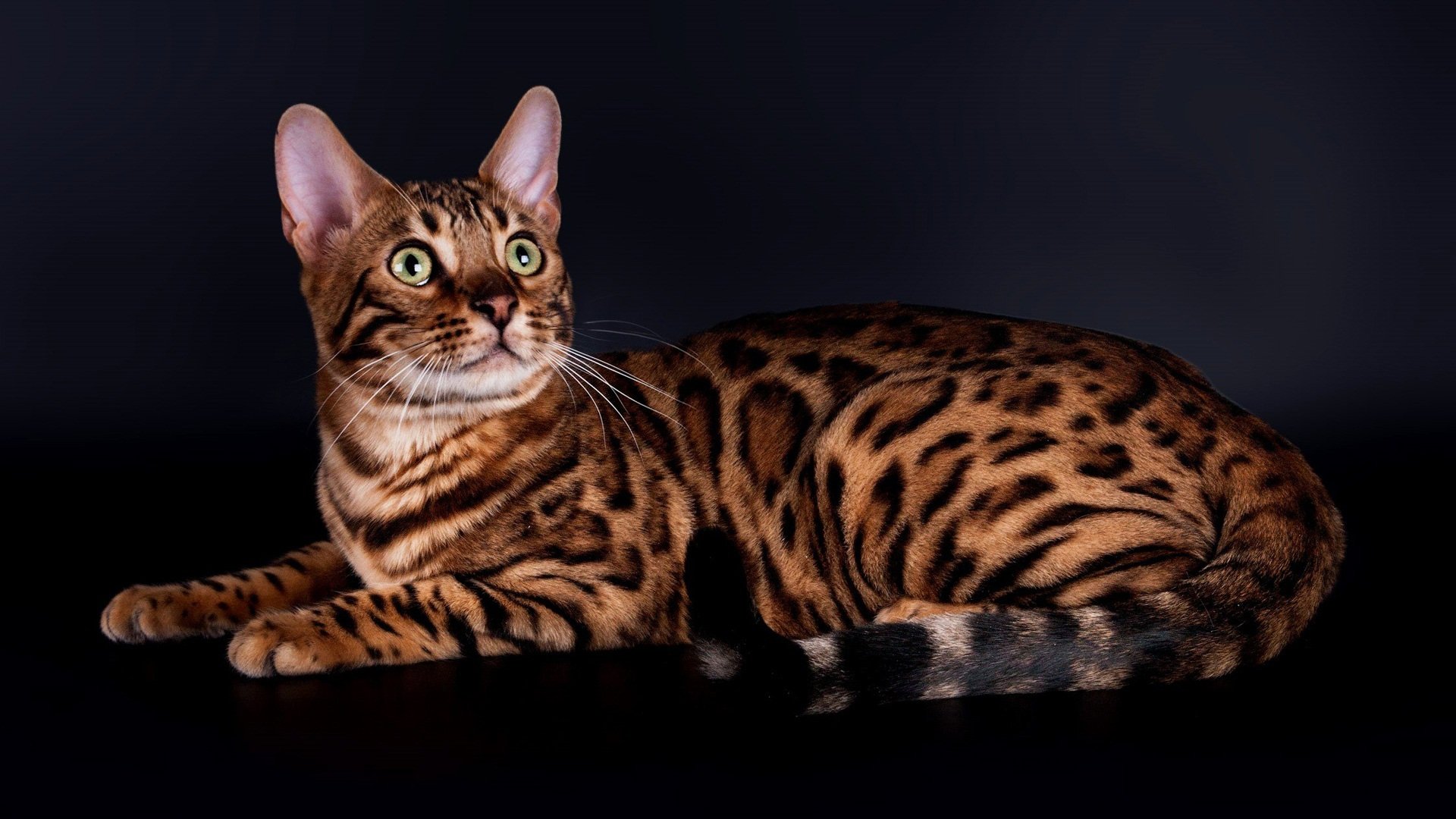
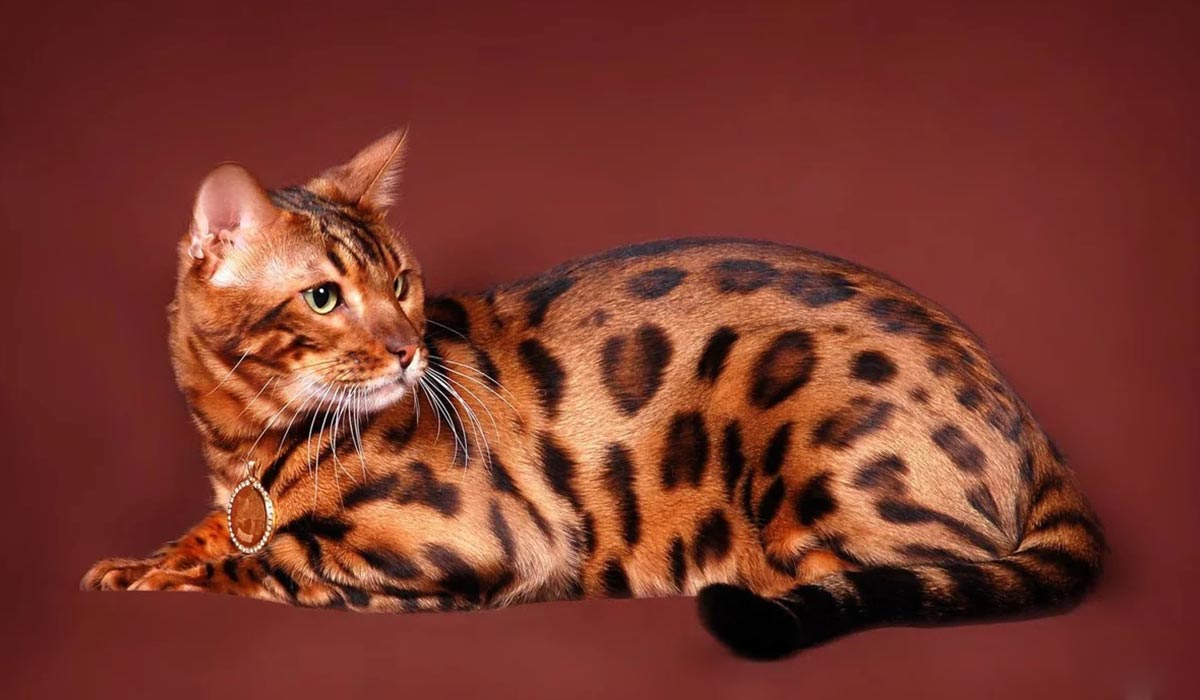
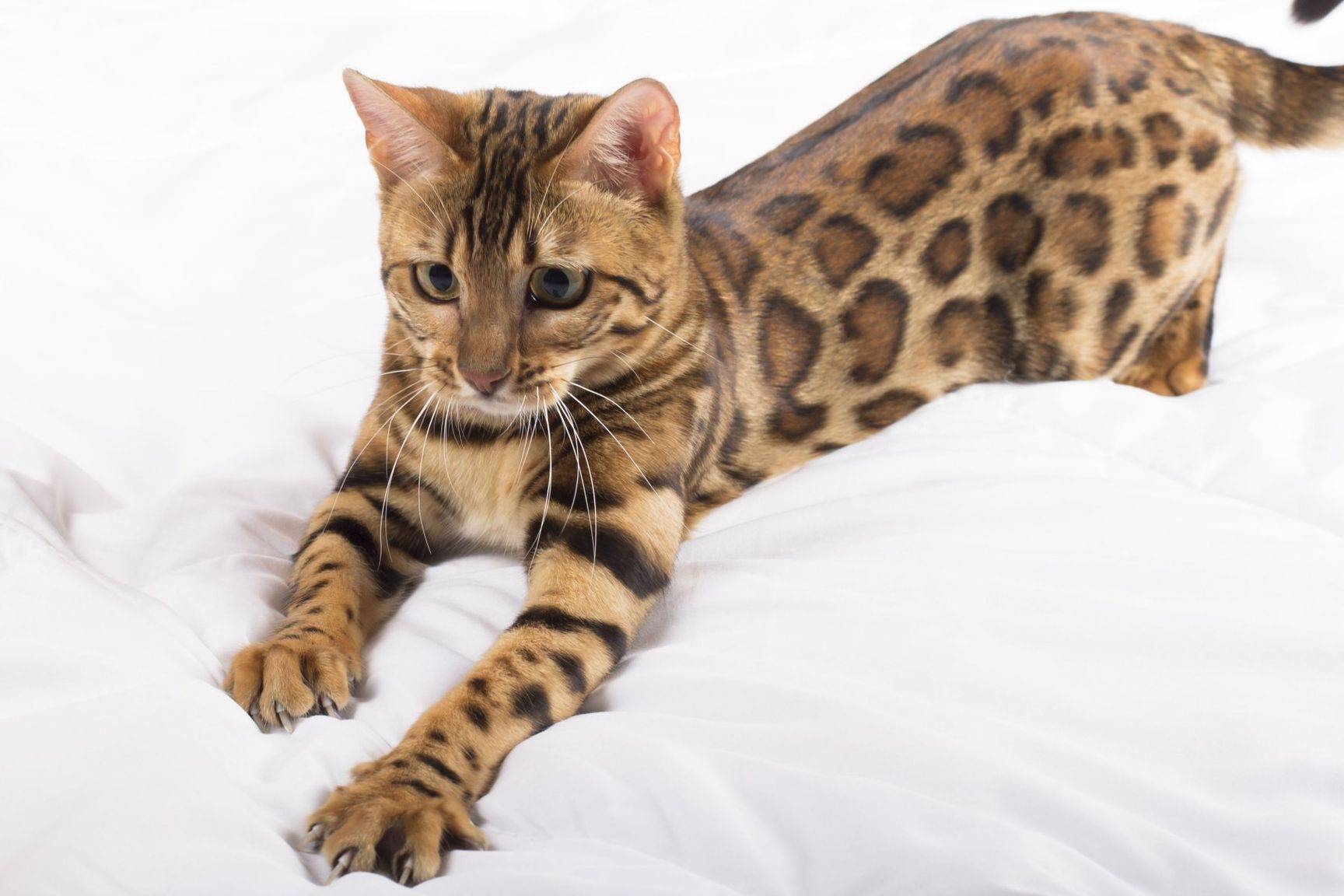
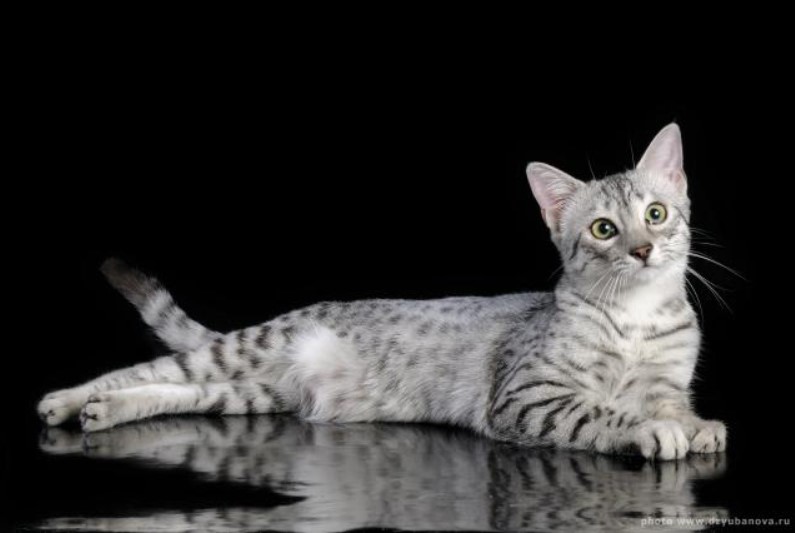
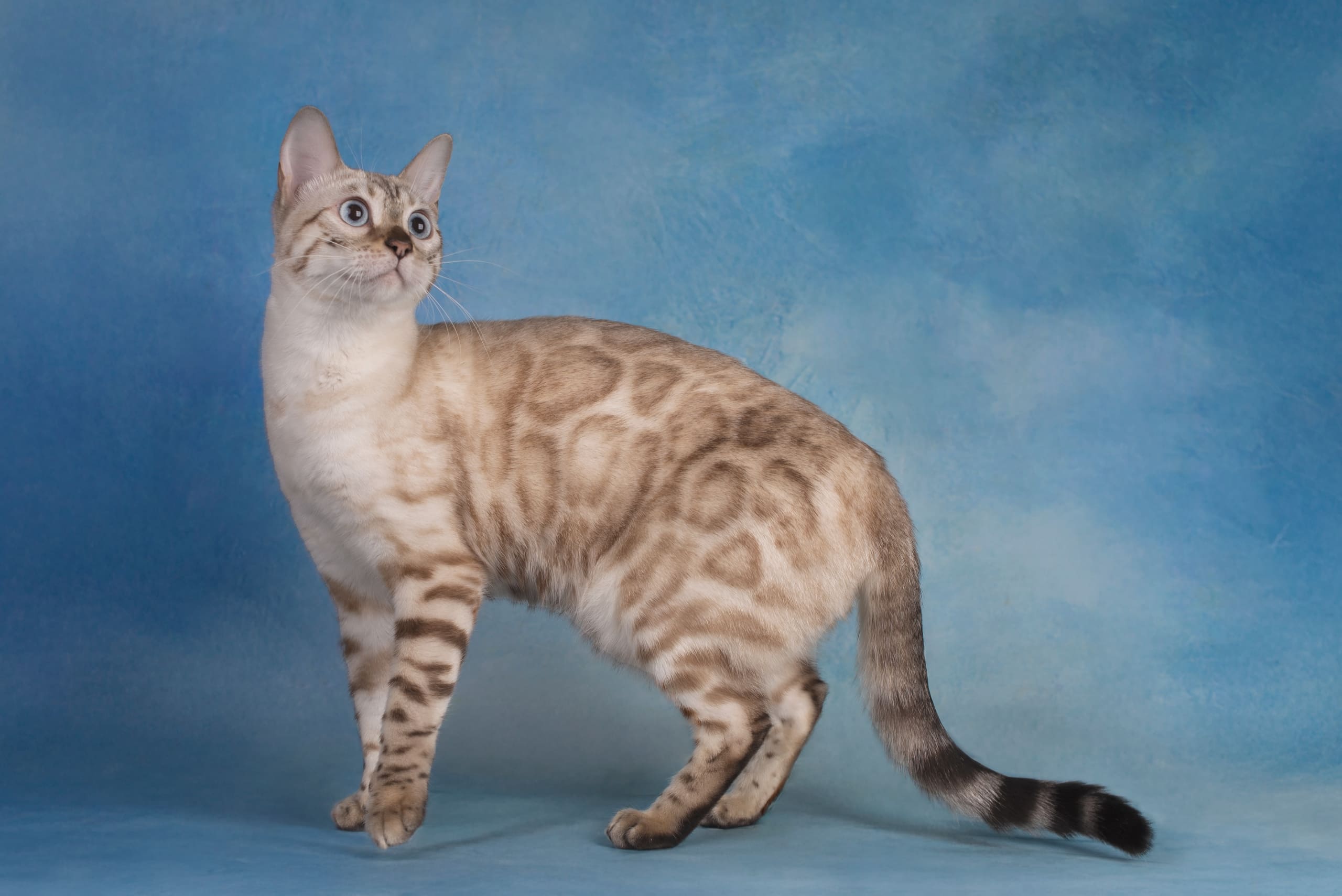
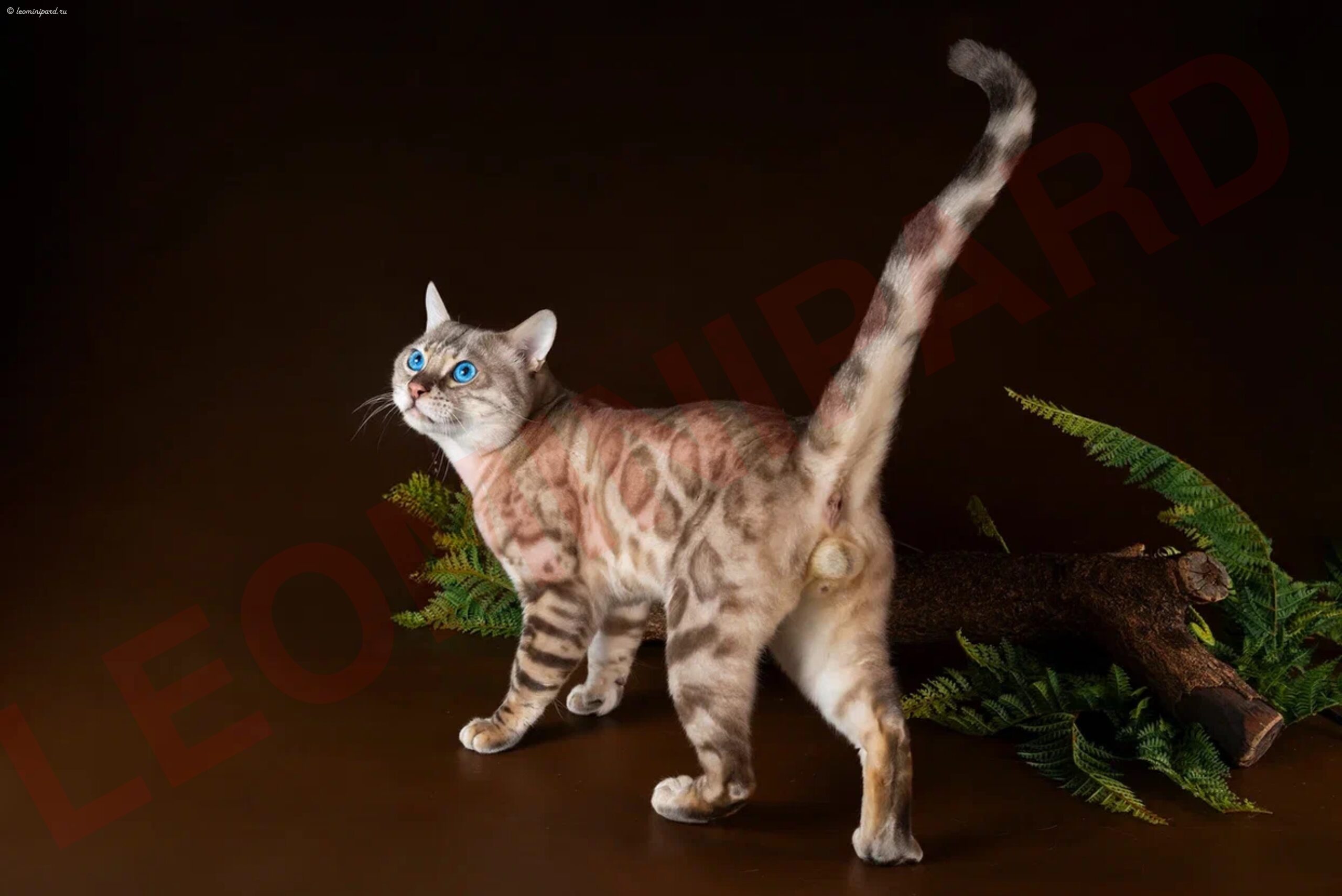
They are known for their high agility, natural flexibility, and intelligence. Essentially, they are a smaller version of a leopard in your home. Their thick, shiny coat features patterns that are so captivating you can admire them daily, discovering new aspects each time. They bear distinct “rosette” markings on their fur, which are unique to this breed and not found in any other.
On average, mini-leopards live around 15 to 16 years, indicating their robust health. Of course, with proper care, their lifespan can extend to as much as 18 years.
The primary characteristic that breeders focused on was stabilizing the “wild” coloration with a distinctive glitter. After achieving a consistent result, a breed standard was developed.


Отличительные черты

Голова

Морда

Уши

Глаза

Зубы

Корпус

Конечности

Хвост

Шерсть

Окрас
Character
Exotic breed, possessing an equally exotic character. What temperament traits allow for such statements? Let’s explore them below. This will help you interact properly with a Bengal when it joins your home.
Firstly, they have a strong and independent nature. Despite their immense attachment and affectionate feelings towards their owner, they do not require constant attention and are quite capable of entertaining themselves in their absence.
Secondly, you cannot take away their curiosity and desire for communication. Perhaps this is one of the most sociable breeds in the cat family. Graceful leopard cats love the company of their owners, especially when they are being petted and given attention. In fact, no corner of the house will remain unexplored. Their energy is simply astonishing; sometimes you wonder where their hidden source of energy is.
Thirdly, Bengal cats adore water. Yes, this trait is not typical for other breeds, but these mini leopards love to bathe and swim quite well. Owners often indulge their pets with water activities, leaving them in a bathtub filled with water.
Fourthly, to attract attention, they can make various sounds different from the typical cat “meow.” Their loud voice helps express their emotions. Sometimes, cats “talk” in their dialect, trying to communicate something very important.
Unexplainably, they can sense the mood of the family members they live with. They often come to “console” those whose emotional state is low.These characteristics make Bengal leopard cats wonderful family companions.It’s also worth noting the sociability of our charges. They easily get along with other cats and often form strong friendships with dogs.There is a belief that they may exhibit uncontrollable traits. However, this may only apply to the first 2-3 generations of wild cats. Subsequent litters, constantly in contact with humans, are completely safe for all family members. Unfortunately, rodents, guinea pigs, and feathered household members do not fall into this category, as they will always be in the leopard cat’s attack zone.Among the undeniable advantages of the breed, one can also be considered a serious drawback: hyperactivity. An adult, fairly large animal can wreak havoc in an apartment during its playful antics. Vases, paintings, curtains, and televisions can be knocked over if “Benya” gets too carried away. Taking this into account, the owner should take precautions and remove fragile interior items.
Питомники
Выбор питомника по городу, породе и отзывам
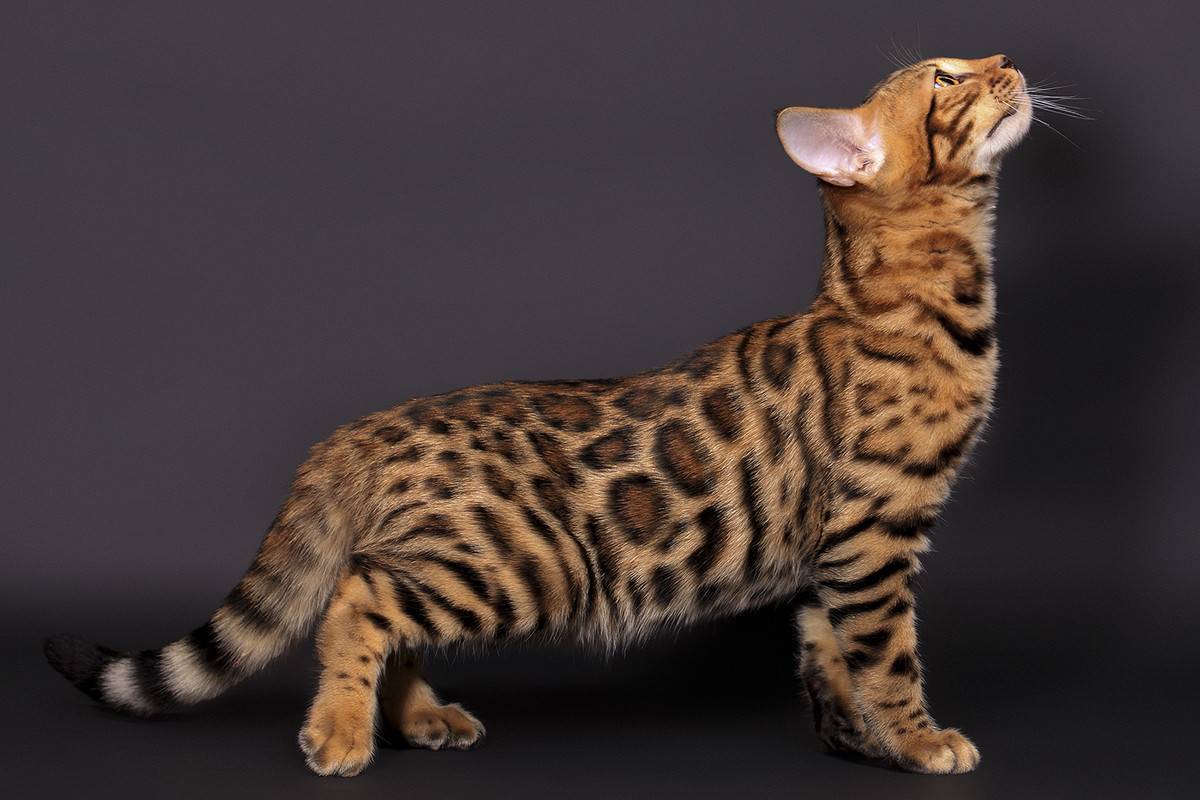
Wild ancestors
Bengals are hybrid cats, with the genes of wild leopards running through their blood. So if you’ve adopted one of these cats, be prepared for some eccentric antics.Care and Maintenance
You need not worry that your Bengal cat will require special living conditions. Naturally, there are differences in the care of various breeds, which take into account specific characteristics of each animal. However, the Bengal leopard cat does not require meticulous grooming, as it has relatively short fur. Basic bathing is sufficient, which can be done once a week during warm weather, and a bit less often in winter. When bathing your cat, try to keep water out of its ears. If water does happen to get in, use a cotton pad to remove excess moisture. This can help prevent inflammation in the inner ear. Of course, in case of heavy soiling while exploring or hunting imaginary prey in the fall, it might get quite dirty. For this reason, the owner can buy a cat suit that covers the cat’s body and legs to protect it from dirt. It’s much easier to wash the paws than to give the whole cat a bath. However, such costumes should not be used too frequently, in order to maintain the natural structure and characteristics of the fur.
The powerful claws are generally trimmed as they grow. There is no strict recommendation for the frequency of this procedure, as each cat has its own unique traits, and claws grow at different rates for different animals. Typically, they are trimmed about twice a month, but the owner will develop their own schedule as the kitten grows. By observing the cat, one can determine the ideal claw trimming frequency. Before participating in a show, of course, it makes sense to visit a pet salon, where professional groomers will handle everything for you.
It’s quite easy to care for the eyes of a spotted beauty. After sleeping, there may be slight discharge in the corners of the eyes, which can be easily and painlessly wiped away with a regular cotton pad. If there is a slight inflammation with murky, whitish, or yellowish discharge, you can moisten a cotton pad in brewed black tea and wipe your cat’s eyes – this should help. However, the best solution would be to visit a veterinarian, who can approach the issue professionally and prescribe eye drops after examination. Given the breed’s predisposition to retinal issues, do not delay visiting a veterinary clinic.
The ears, like any other cat’s, can be cleaned gently with a cotton pad. Using cotton swabs for this purpose is risky, as it can accidentally damage the eardrum.
If your spotted pet is litter trained, it’s essential to keep the litter box clean. After each change of litter, rinse it with hot water or even wipe it down with hydrogen peroxide to eliminate harmful bacteria. Avoid using detergents due to their strong odor, which might deter the animal. Choosing the right litter is also an important part of care. Clumping litter should not be chosen for kittens, as the little ones may play with the litter particles and accidentally ingest some. This can become a serious problem, necessitating surgical intervention for removal.
Some owners brush their cats’ teeth using special toothbrushes designed for cats and odorless toothpaste. However, feeding dry food significantly alleviates concerns about oral hygiene. The hard pellets, when chewed, have a cleaning effect, removing debris and plaque.Despite their wild roots, a cozy corner for your mini-leopard at home is essential. It is quite likely that the cat will occasionally enter it. However, more often than not, it will serve as a hiding place for its treasures: favorite toys and various trinkets that catch its eye.Special attention must be paid to choosing the right food. This is a significant expense in caring for a Bengal. Their digestion is quite sensitive, so it’s best to prioritize super-premium food. Manufacturers have put effort into adding vitamins and trace elements in appropriate doses considering the size and age of the cats. Moreover, high-quality, tested food often contains portion recommendations clearly indicated for each specific case. For instance, you can buy dry food formulated for senior or even sterilized cats. Of course, such food can be quite expensive, but treatment at a veterinary clinic is even m
Water lovers
Bengals are one of the breeds of wonder cats that adore water and love to bathe.Training and Education
Speaking about such an important topic as raising a Bengal cat, it is worth noting their high intelligence. This allows them to quickly adapt to the established routines at home, despite having wild ancestors whose blood runs in their veins. Their high adaptability helps them learn to use the litter box instead of the floor in a short time. Their flexible minds can even understand that they can use the toilet like their owners. However, this requires patience and ingenuity from the latter. A specially designed cat toilet adapter, which can be purchased online, will significantly simplify this task. From a practical perspective, developing such a “super-skill” will help save on litter.
The size of these cats allows them to reach door handles, and it is quite possible to train them to open closed doors by pushing against them with their strong paws. Furthermore, they love to bathe so much that they might even start “experimenting” with turning on the tap by themselves. The owner should observe their pet’s tendencies; these will indicate what the animal is more inclined towards. The owner’s role is to constantly encourage any successes of their Bengal.
Commands like “Bring it!” or “No!” are the easiest to teach. It is much more effective to engage during playtime by tossing their favorite toy. Their love for games will naturally suggest the necessary actions. Training sessions should not last longer than 20 minutes, as the animal’s attention will begin to wane, and it will lose interest in the process.
Training should be started in a calm environment, before mealtime. During thunderstorms or noisy home renovations, there will be no effect from training, as the kitten will be stressed and constantly distracted by the noise source.
In essence, they are somewhat of a “cat-dog,” ready to respond even to a whistle. This is further confirmed by their willingness to walk on a leash with a harness. They acclimatize to these feline accessories almost immediately.
Owners report that they have managed to teach them to turn the lights on and off on command. Whether this is true or not, you can check for yourself with your “Benya.” Only verified breeders offer healthy kittens with a complete set of documents.
Hunting instincts
Bengal cats have a well-developed ancient hunting instinct, and they are particularly skilled at catching birds.How to Choose a Kitten
When selecting a Bengal kitten, it’s important to know its generational background. The first few generations may retain wild traits, and their character can differ negatively from that of subsequent litters. This fact is crucial and should be especially considered by inexperienced cat owners. Additionally, such kittens are not suitable for shows due to the risk of unpredictable behavior. Typically, these kittens are acquired by experienced breeders for improving the breed’s genetics.
Kittens of the 4th to 5th generation tend to have a more stable, predictable, and even-tempered nature. Since there are usually fewer than five kittens born, they are reserved in advance by signing a contract with the breeder. The contract outlines the terms of the deal, paying special attention to the responsibilities of both parties in case hidden defects are discovered, such as a genetic disease, as well as the return policy within a set timeframe. Along with the contract, the new owner should receive a pedigree certificate, a veterinary passport with vaccination records and deworming details, as well as genetic screening results (if conducted).
When examining the entire litter (if a specific gender kitten hasn’t been reserved), you should pay attention to the clarity of the eyes, the absence of cloudiness on the cornea, and any discharge around the eyes. Additionally, the kitten’s fur should be free of bald patches and should closely conform to breed standards. It may be slightly longer than that of adult leopards.
The behavior of a young “leo” should show no signs of aggression or excessive timidity. A healthy Bengal kitten will display a lively interest in visitors and won’t hide in a corner.
If the breeder hides the parents of the kittens, this should raise red flags. They may be trying to conceal flaws in appearance or deviant behavior. All these traits will undoubtedly be passed on to the offspring, and it’s better to walk away from the deal in such cases.
In conclusion, we want to emphasize that you should only purchase a Bengal (leopard) kitten from a reputable and certified breeder. Otherwise, serious problems may arise, and you will bear full responsibility. At Zoonika, choose a kitten with a pedigree from certified breeders.
Health and Diseases
Among the wide range of feline diseases, there is a group that frequently occurs specifically in our exotic leopard replica. The likelihood of a problem arising in your cat depends less on their living conditions. Even regular deworming, timely vaccinations, and a properly selected diet may not affect the following ailments:
– Allergy to anesthesia. If a Bengal requires surgery, consult a good veterinarian who specializes in felines. Such a consultation can help avoid problems with negative reactions to anesthesia;
– Retinal atrophy. A progressive condition that is quite difficult to diagnose. It is hereditary, and the first signs may include night blindness, bumping into objects at home, and other similar symptoms;
– Cardiomyopathy. A heart defect where the heart muscle develops abnormally. It is most often found in older cats and manifests as rapid fatigue, shortness of breath, and general weakness. Currently, this disease does not respond to treatment. There are only a series of supportive measures aimed at improving the quality of life for the domestic leopard.
Содержание
-
1. Описание породы
-
2. Внешний вид
- 2.1 Голова
- 2.2 Морда
- 2.3 Уши
- 2.4 Глаза
- 2.5 Зубы
- 2.6 Корпус
- 2.7 Конечности
- 2.8 Хвост
- 2.9 Шерсть
- 2.10 Окрас
-
3. Характер
-
4. Содержание и уход
-
5. Дрессировка и обучение
-
6. Как выбрать котенка
-
7. Здоровье и болезни






Comments
Only registered users can leave reviews.
Enter