
Arabian Mau






Description of the Breed
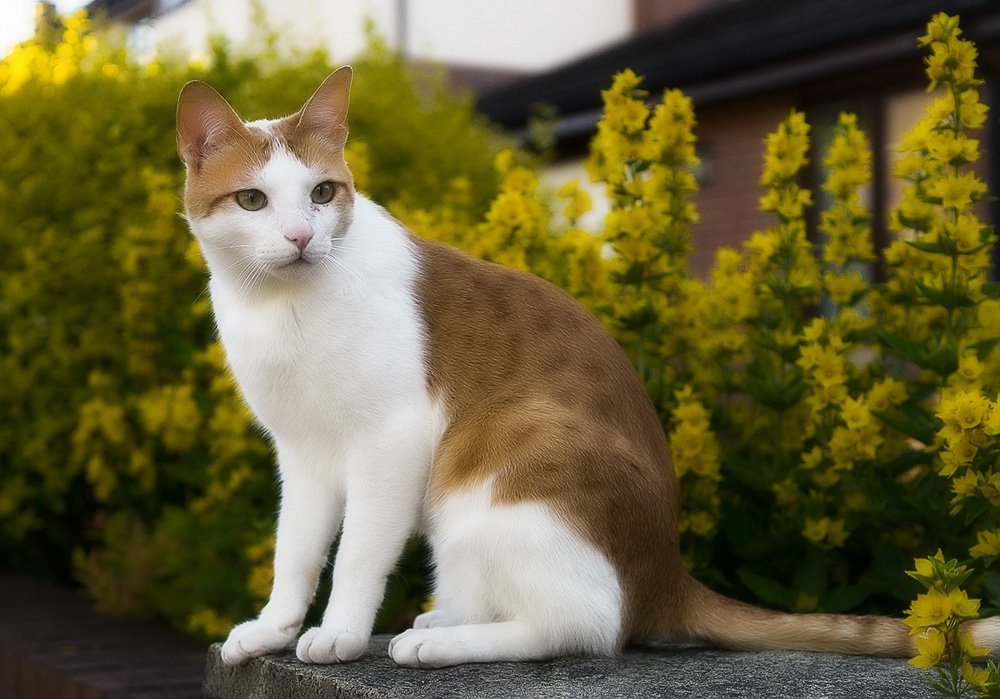
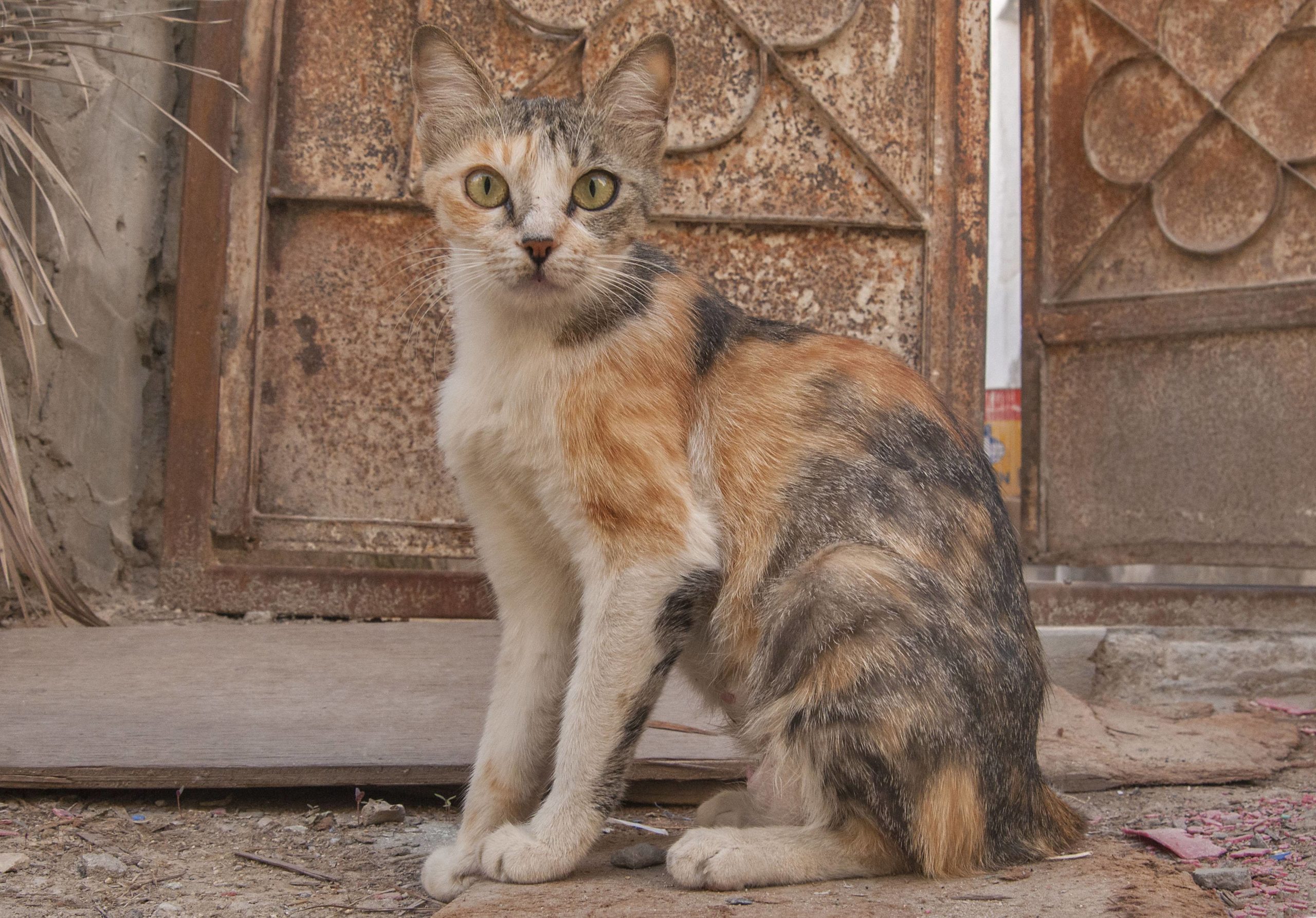
The Arabian Mau, also known as the Arab Mau, is a very common cat in the Persian Gulf. The term “Mau” actually means “cat” in Arabic, which translates to “кошка” in Russian. They have inhabited the Middle East for over 1000 years. Back then, they were referred to as desert cats, but with the growth of cities, they began to migrate from their natural habitats closer to populated areas in search of easier food and shelter.
Today, they are a regular sight in many cities of the UAE. Experts believe that most street cats, which still find their food by hunting birds and rodents, are indeed Maous. Some of them are domesticated and become house pets. In none of the cities in the UAE can you find advertisements for selling kittens, as there is no particular need: you can tame a stray cat without paying a single dirham.
The head of the Middle Eastern Cat Society, Ms. P. MГјller, has spent many years studying this remarkable breed and their behaviors. After visiting Saudi Arabia, the UAE, Bahrain, Qatar, and other regions, she decided to name them Arabian Mau.
Unfortunately, it can be stated that the future of this extraordinary breed is threatened due to urban development. For instance, the municipality of Dubai has launched a campaign to capture stray cats in order to reduce their population by more than 70%. This is linked to a belief that cats can bring bad luck. Interestingly, Ms. MГјller has over 120 of these pets living in her home. She urges anyone who wants to experience the unique charm of the Arabian Mau to buy a kitten from a kennel and start promoting this breed in their region.
The WFC first learned about these cats in 2005, after which a study of their last 4 generations was conducted, lasting about 2 years. In 2008, the WFC recognized the Arabian Mau as a new independent breed. At the exhibition, there were around 700 different breeds, but the Arabian Mau secured respectable positions, impressing fans and specialists with their unique appearance and behavior.
Since the recognition of “desert cats” has only come recently, it is practically impossible to choose a kitten from a kennel in Russia. In our country, such animals are still quite rare, though sometimes you can find advertisements online for selling Arabian (Arawiysky) Mau kittens starting from 60,000 rubles for a pet-class representative.
Appearance
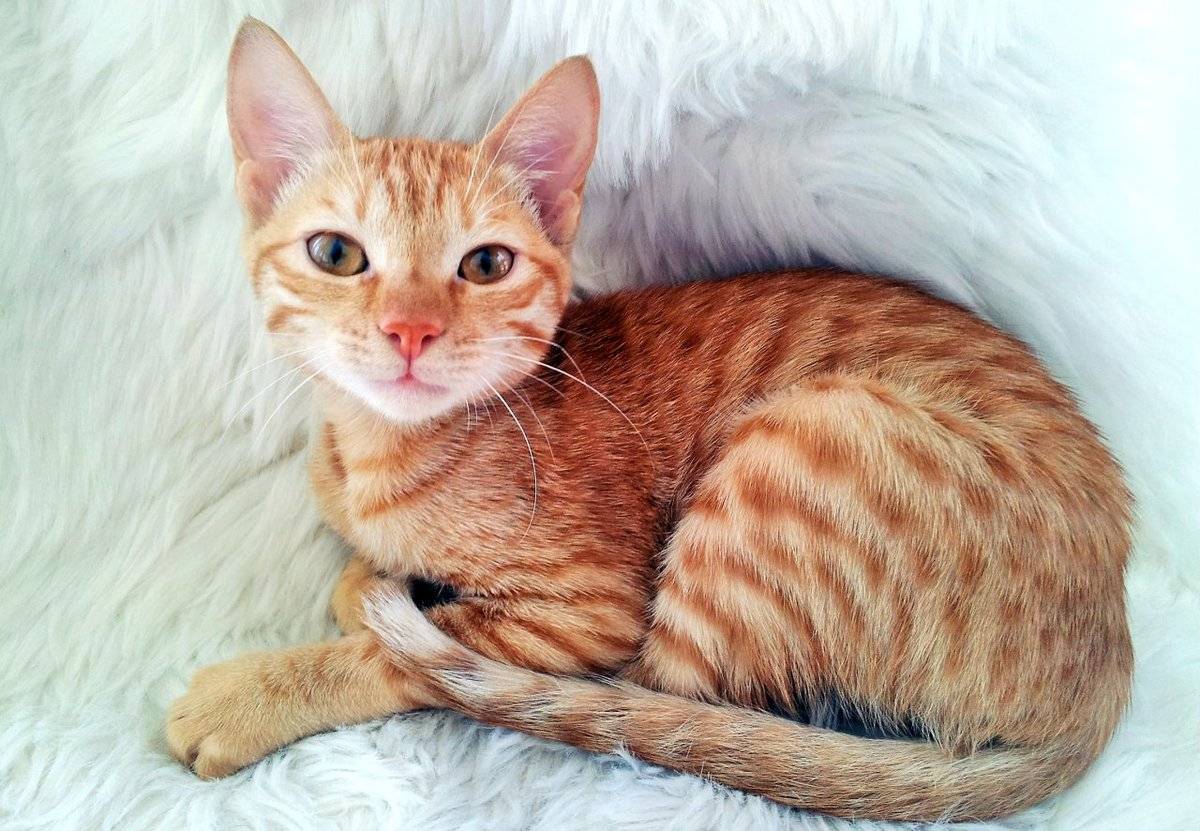
The Arabian Mau is small to medium-sized, elegantly built in an Eastern style, with a pleasant-to-the-touch coat that differs significantly from that of ordinary cats. Their main “highlight” is their very large ears, not only in relation to their head but also considering the overall size of the individual. On average, they weigh between 4 to 6-8 kg, and their height at the shoulder usually does not exceed 25-30 cm. They should not be confused with similar cats from Egypt, as there are distinctions despite their overall similarities.
Despite their modest size, Arabian Maus are very strong and resilient. Although official standards are quite sparse in describing their appearance, and encountering ads for kittens for sale in Russia is considered a great fortune, it is known that they possess well-developed hunting instincts. At the same time, Arabian cats quickly adapt to household rules and are quite manageable. They are capable of living in various conditions. On average, they can live 12-15 years. From their wild past, they have inherited the habit of being active after sunset, which could be a downside. Elegant, independent, yet affectionate and loving, these Arabian cats will adorn any home, as choosing a kitten from a cattery in Russian-speaking areas is nearly impossible due to their scarcity.


Отличительные черты

Голова

Морда

Уши

Глаза

Зубы

Корпус

Конечности

Хвост

Шерсть

Окрас
Character
The most striking feature of the Arabian Mau is its calm demeanor and composure. Additionally, it is a quiet breed, making vocalizations only for very good reasons. Their wild ancestors have bestowed upon them fantastic reactions and cunning during hunts. This millennia-old experience is ingrained in every animal even today. Despite a friendly disposition towards other cats, the Arabian Mau will not tolerate the presence of rodents or birds. If there are aquarium fish in the home, they will always attract the heightened attention of this domestic predator. The desire for outdoor walks is driven by an inherent love of freedom and independence. If you decide to buy a kitten from a breeder, you should foresee this trait of their character and prepare an area for their walks.
Relationships with owners are built on reverence for one specific family member. They will treat others with the same calmness and respect, but expressions of feline gratitude will be directed solely towards that one individual. Typically, this is how they acknowledge his authority, placing him at the top of their hierarchy.
An undeniable advantage of their temperament is the virtually complete absence of aggression. Fights between cats of this breed are almost non-existent. They are generally favorable towards strangers and tend to avoid escalating conflicts. This trait cannot be termed cowardice; rather, it reflects Eastern wisdom more than anything else.
Remarkable relationships can develop between them and children. For some unknown reason, they may regard young children with great reverence and sometimes assume the role of caretaker. There are usually no issues with older children either. However, if an Arabian cat is wronged, it will start to avoid the offender, making it extremely difficult to restore their previous bond. This characteristic cannot be described as vengefulness, yet it is worth mentioning.
It is noteworthy that a running wheel for cats or similar accessories may be less appealing to them than, say, interactive toys. They possess a highly developed intellect and running simply for exercise or stress relief is not their level. They prefer to observe ongoing events from a higher vantage point. By the way, despite their deep affection for their loved ones, Arabian cats will not lie on their owner’s lap. They prefer to be nearby without being treated like a toy, as one might with a Ragdoll, for example.
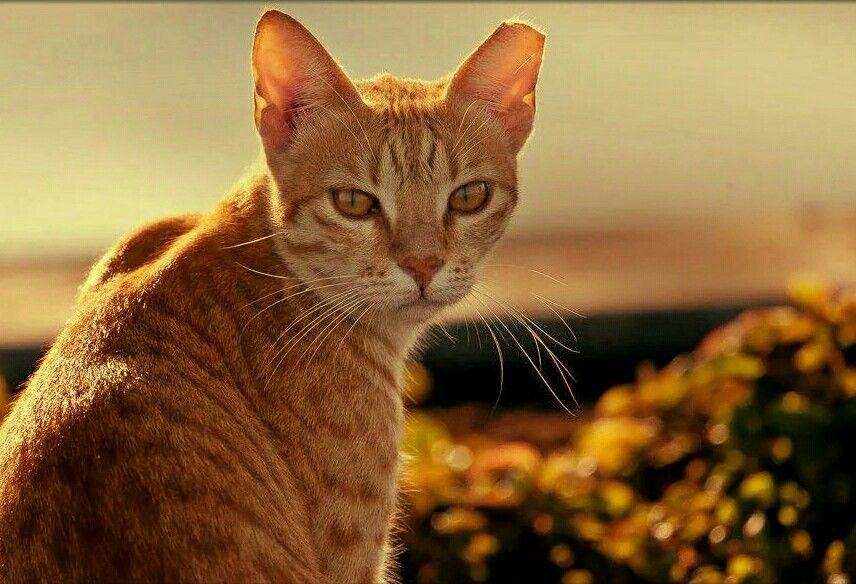
They are looking for their kind.
It is noteworthy that Arabian mau cats only mate with each other and prefer to simply befriend street cats.Care and Maintenance
Once inhabiting the deserts and later migrating to the urban streets of the Middle East, the Arabian Mau cats require very little care. They are among the least demanding cats in the world, making them well-suited for almost any family and easily adaptable to new living conditions. Their natural cleanliness allows them to solve most problems independently.
However, it is the owners’ task to ensure their Arabian Mau is happy and healthy. A proper diet plays a vital role in this. Among all the distinctive traits of the Arabians, their excellent appetite stands out. An improperly composed menu can significantly affect not only their appearance but also lead to health problems. In the UAE, their homeland, there may be different dietary recommendations. Yet, there is a substantial trend where, due to time constraints and the modern pace of life, the overwhelming majority of cat owners choose holistic dry foods, which contain everything necessary to keep the animal’s body in shape. These foods are very easy to digest, and the included vitamins and minerals spare owners from purchasing expensive vitamin complexes. Moreover, it’s much easier to maintain a caloric deficit with these or super-premium class foods, preventing the cat from gaining excess weight.
For fans of natural food, it is essential to remember that the most important aspect is a high protein content and a low amount of fat and carbohydrates. It is crucial to maintain the right balance so that “high amounts” do not turn into an excess of any element. The favorite food for the Arabian Mau includes veal or lean beef (it is very important to freeze it thoroughly before adding it to the mix to kill any parasites), chicken meat, as well as certain offal: kidneys and liver. A few times a week, you can indulge them with raw quail eggs. Buckwheat or oatmeal, boiled rice, or boiled sea fish (strictly without bones and not more than once or twice a week) are also good options. It is not recommended to feed fish to sterilized and neutered individuals, and river fish is contraindicated for all. Unfortunately, with such a diet, additional vitamin supplements are still necessary, which you can check with the breeder when you meet to choose a kitten from the nursery. This type of information can also be obtained from the veterinarian.
Their fur requires almost no care, as there is hardly any undercoat. Seasonal shedding usually goes unnoticed by cat owners. However, care is care, and a few times a week, using a soft rubber brush or a special grooming glove, owners should help remove dead hairs. As a result, there will be no traces on furniture, and much less fur will end up in the cat’s stomach.
There is a lot of contradictory information available regarding bathing procedures for Arabian cats. It’s worth noting that Maos are generally not fond of bathing. They should only be rinsed in cases of severe dirt, with caution. Water should not be allowed to enter the animal’s ears. If this happens, it should be dried immediately with a dry cotton ball. After bathing, the cat should be wrapped in a waffle towel or dried with a hairdryer (not all cats are comfortable with hair drying).
Remember to check their eyes and ensure there are no cloudy discharges from the nose. If such symptoms are found, consult a veterinarian immediately.Despite their love of outdoor walks, their claws should still be trimmed at least three times a month. If you lack experience, you can visit a nearby pet salon or hire a professional groomer to come to your home.
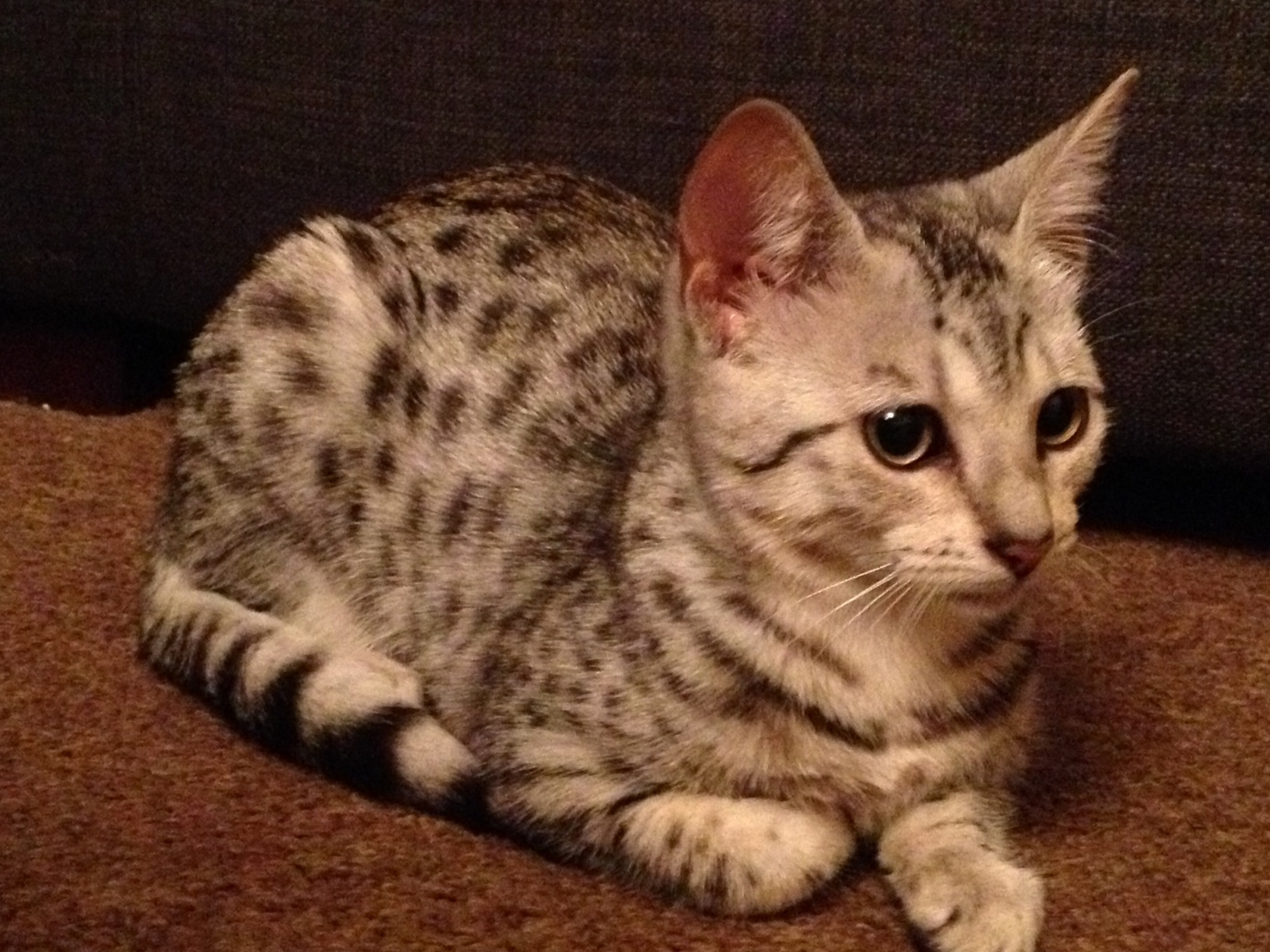
Famous kennel
The largest breeding kennel for Arabian Mau is located in Dubai and belongs to the breed's founder, Ms. Petra MГјller. The kennel has more than 100 of these wonderful pets.Training and Education
The freedom that street Arabian cats have grown accustomed to not only provides them with independence but also an advanced level of intellect. This makes it relatively easy to teach them certain tricks and commands. But let’s take it step by step.
Future owners need to remember that if they choose a kitten from a shelter, it will already be socialized and trained to use a litter box. As it grows, it will be very curious and may be quite active, but it is important not to punish or yell harshly for this behavior. The same applies to forcing it to perform any actions.
The most important thing for a kitten under 5 to 6 months old is to acclimate to its new home, remember its name, respond to its owner’s call, and feel safe. This sense of security will give it the confidence it needs and alleviate the stress of moving. Gradually get it involved in various games. Before purchasing a kitten from a shelter, it’s essential to acquire a variety of toys. During playtime, the owner should attentively observe their pet’s behavior. Typically, at this age, they are very active, and one of their favorite games might be “Fetch the Ball!” which can later evolve into the dog game “Retrieve!”.
It is equally important to teach the kitten the commands “No!” or even “Stop!”. When it is doing something prohibited, these commands should be spoken in a firm tone. Loudly clapping the hands can also be very effective, especially for young kittens. Furthermore, these claps can later be easily associated with commands to stop.
Every owner of an Arabian Mau should remember that their hand is only for petting and feeding, not for playing or punishing.
As they grow older, owners often notice their desire to climb higher. Their natural flexibility and agility, along with the unique structure of their front paws, help these Eastern jumpers open doors by grabbing the handle while jumping. Owners can come up with a unique command for this or use a specific whistle or knock, as Mau cats have an excellent memory for sounds. Find the perfect kitten through trusted sources.
Similar breeds
Arab mau are often confused with their "namesake" from Egypt, however, they are different breeds.How to Choose a Kitten
To avoid pitfalls when purchasing such a kitten, it’s essential to prepare thoroughly. In Russia and Belarus, you cannot find a kitten at a local cattery. The first cattery is located in the UAE, in Dubai. In the current circumstances, it is possible to buy a pet remotely without concerns about the purity of the transaction. However, it’s best to clarify all details regarding the delivery of the pet to our country and the final cost of an Arabian Mau in Russia in advance. Moreover, at Zoonika, you can find the best selection of catteries in Russia, where breeders enter into official purchase agreements upon completing the sale.
The kitten should be over 2.5 months old and must appear active and healthy: the coat should match the description, and the nose and eyes should be free of discharge. These are the main external signs. Additionally, the breeder should provide you with all the necessary documents for the kitten: a certificate, pedigree, test results for genetic diseases, and a veterinary passport. It is highly advisable to formalize the purchase with a contract.
Pay attention to the kitten’s ears, which are its main distinguishing feature compared to other cats. They should be large and slightly tilted forward. Interestingly, the fur of young Arabian Maus is softer than that of adults. Another characteristic is that between the ages of 3 and 6 months, they are very thin, and they reach their ideal weight by about 12 months. At Zoonika, you will find verified announcements along with documents.
Health and Diseases
It is believed that Arabian cats (Mau) do not have genetic diseases. However, since their development has only recently been controlled, this information may change.
According to available data, they rarely suffer from arthritis, heart issues, or spine problems. Of course, each cat may have its own individual characteristics. However, rapid weight gain can lead to associated problems, such as with the liver and heart function. It is important to note that during colder seasons, they are more susceptible to colds.
To support and strengthen their immune system, timely vaccinations and parasite treatments are essential. This is especially important for outdoor animals. Before spring and then during summer and autumn, you should treat your Arabian cats for ticks and fleas. One option is to use a flea collar, which is easy to find in pet stores. Deworming is usually performed once every three months, and the medications should be alternated to prevent the development of resistant immunity in the worms. You should clarify the specific list of vaccinations and their schedule with the veterinary clinic where your Mau will receive preventive check-ups. Thinking it over? There’s a vast selection of ads on the Zoonika map by city.
Содержание
-
1. Описание породы
-
2. Внешний вид
- 2.1 Голова
- 2.2 Морда
- 2.3 Уши
- 2.4 Глаза
- 2.5 Зубы
- 2.6 Корпус
- 2.7 Конечности
- 2.8 Хвост
- 2.9 Шерсть
- 2.10 Окрас
-
3. Характер
-
4. Содержание и уход
-
5. Дрессировка и обучение
-
6. Как выбрать котенка
-
7. Здоровье и болезни






Comments
Only registered users can leave reviews.
Enter