
American Shorthair Cat

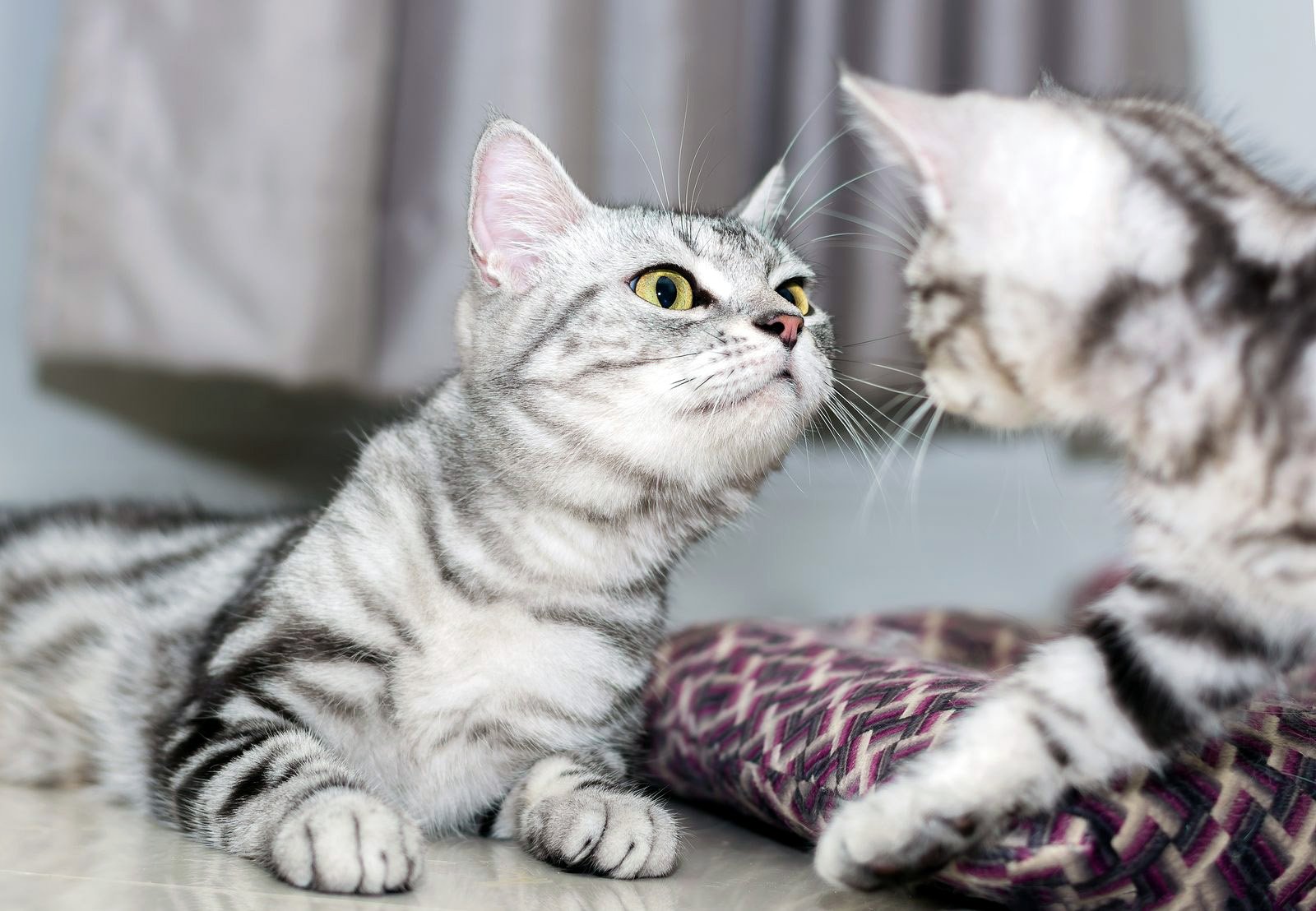
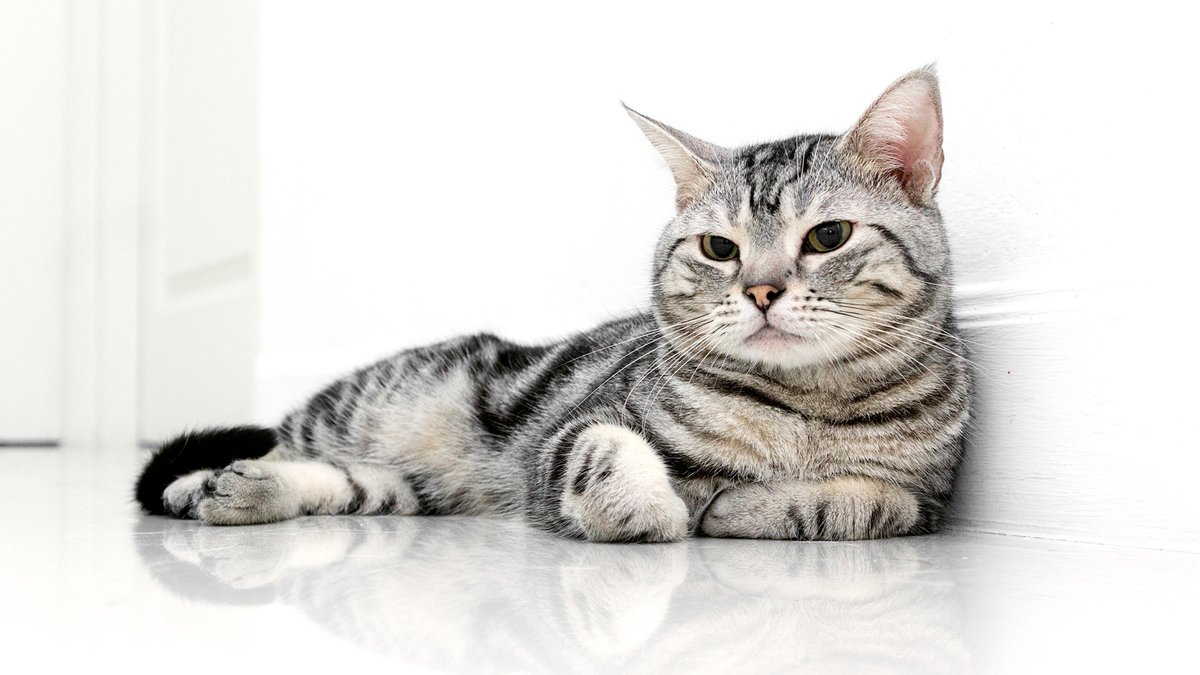





Breed Description
This breed originated several hundred years ago, during the colonization of the New World by settlers from Europe. Ships always had ship’s cats onboard, which sailors took with them to catch rats and mice during voyages. Naturally, these cats had no pedigree and might not even have been recorded in the ship’s lists. Upon arriving at port, they would meet local cats and significantly influence the formation of the “American cat.” The offspring born from this mingling were exceptionally strong and resilient, with excellent hunting abilities. This continued for a long time, with natural breeding occurring.
In the 1900s, the first exhibitions showcased American Shorthair cats. At that time, they were referred to as “domestic shorthairs.” As time passed, more ships arrived with new cats, which feline enthusiasts used as working cats. As a result, today we can purchase kittens from catteries in many countries around the world.
Today, the American Shorthair cat is one of the most popular breeds in the U.S. and is recognized worldwide. Its pleasant temperament, stability, and quick adaptation to changing environments make it an appealing choice for many people. Zoonika offers the best selection of catteries in Russia, where you can find American Shorthair kittens. Participation in shows is an excellent opportunity to showcase the qualities and beauty of this breed. It has received recognition from major feline associations, including the Cat Fanciers’ Association (CFA) and others.
At exhibitions, American Shorthairs typically compete in their breed class and often achieve high results: “Best of Breed,” “Best in Group,” or even “Best in Show.”
Participation in shows allows breeders and owners of American Shorthairs to promote their pets and share the breed’s beauty and uniqueness with other cat enthusiasts. Such events also provide a better understanding of breed standards and opportunities to exchange experiences with other participants. It is worth noting that the American Shorthair was used to create and improve key traits in Maine Coons, Scottish Folds, Bombays, and other popular cat breeds. All of this serves as a testament to the unique characteristics of the American Shorthair cat.
Appearance
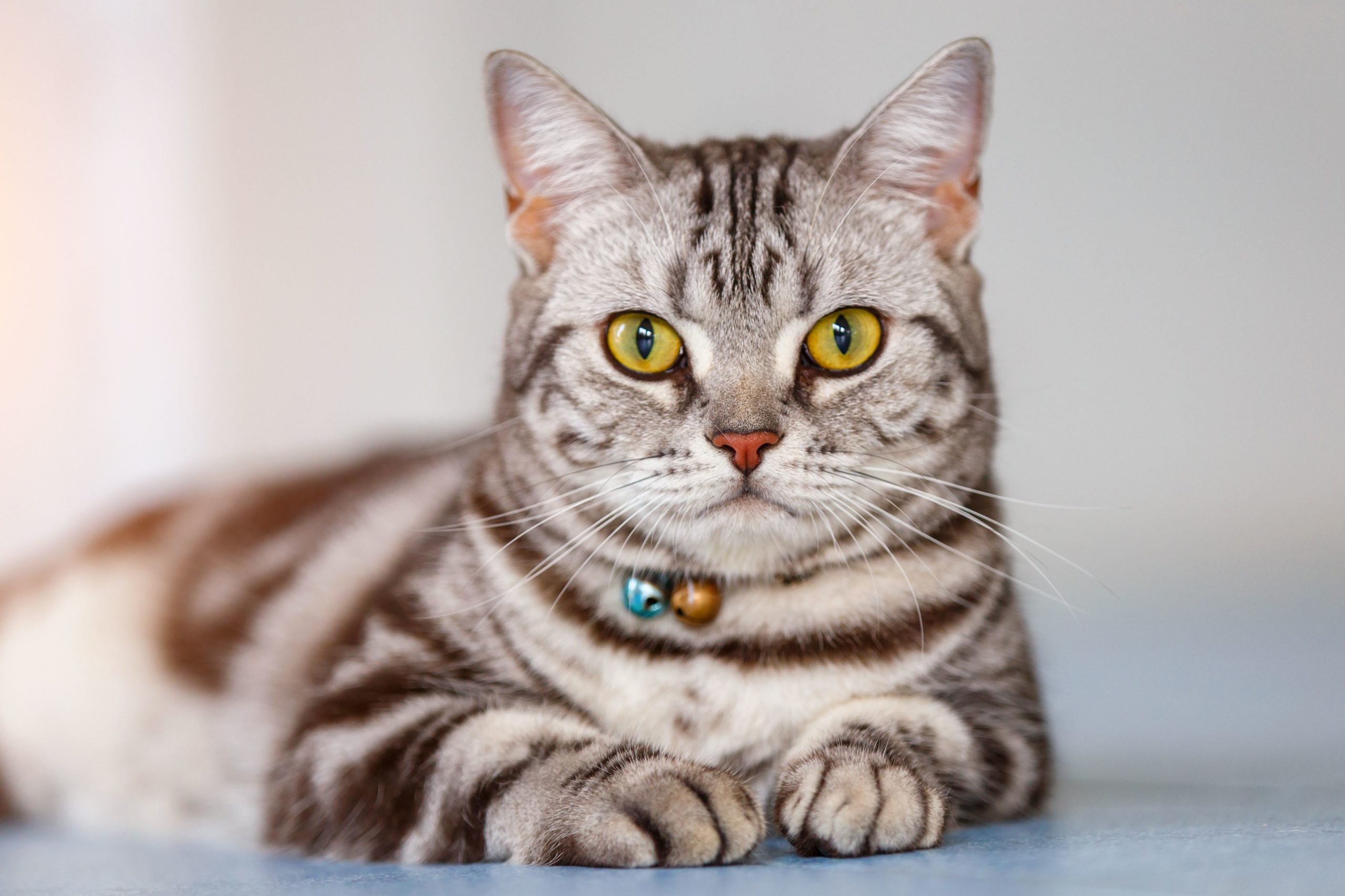
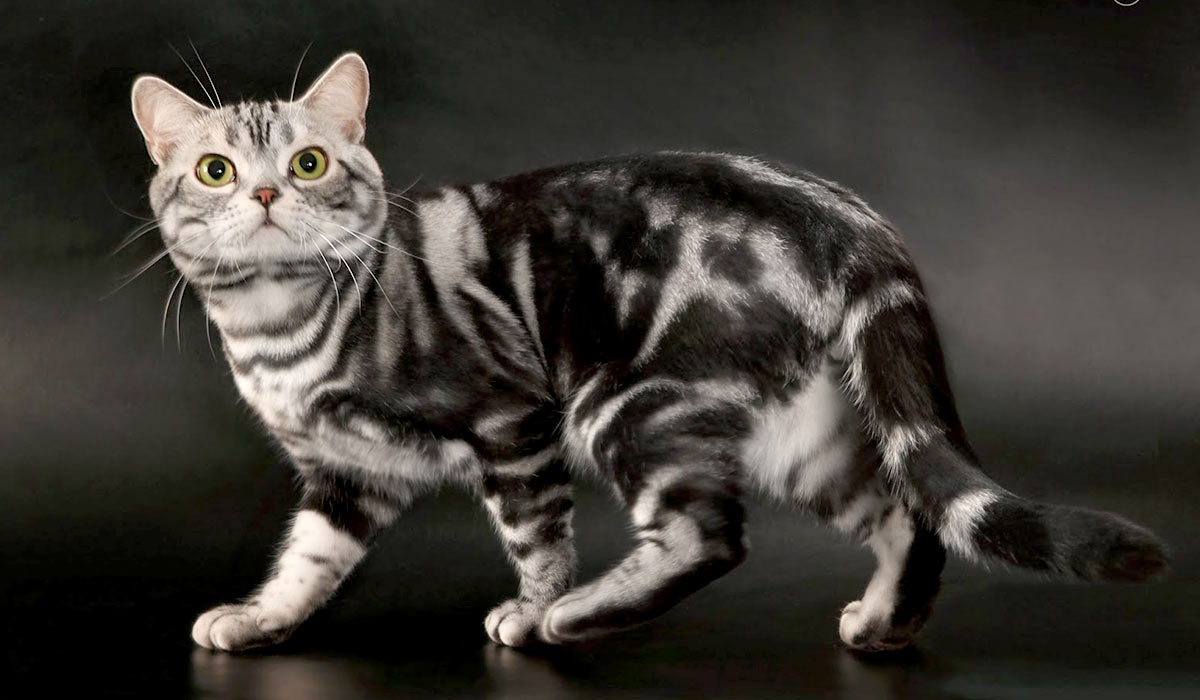
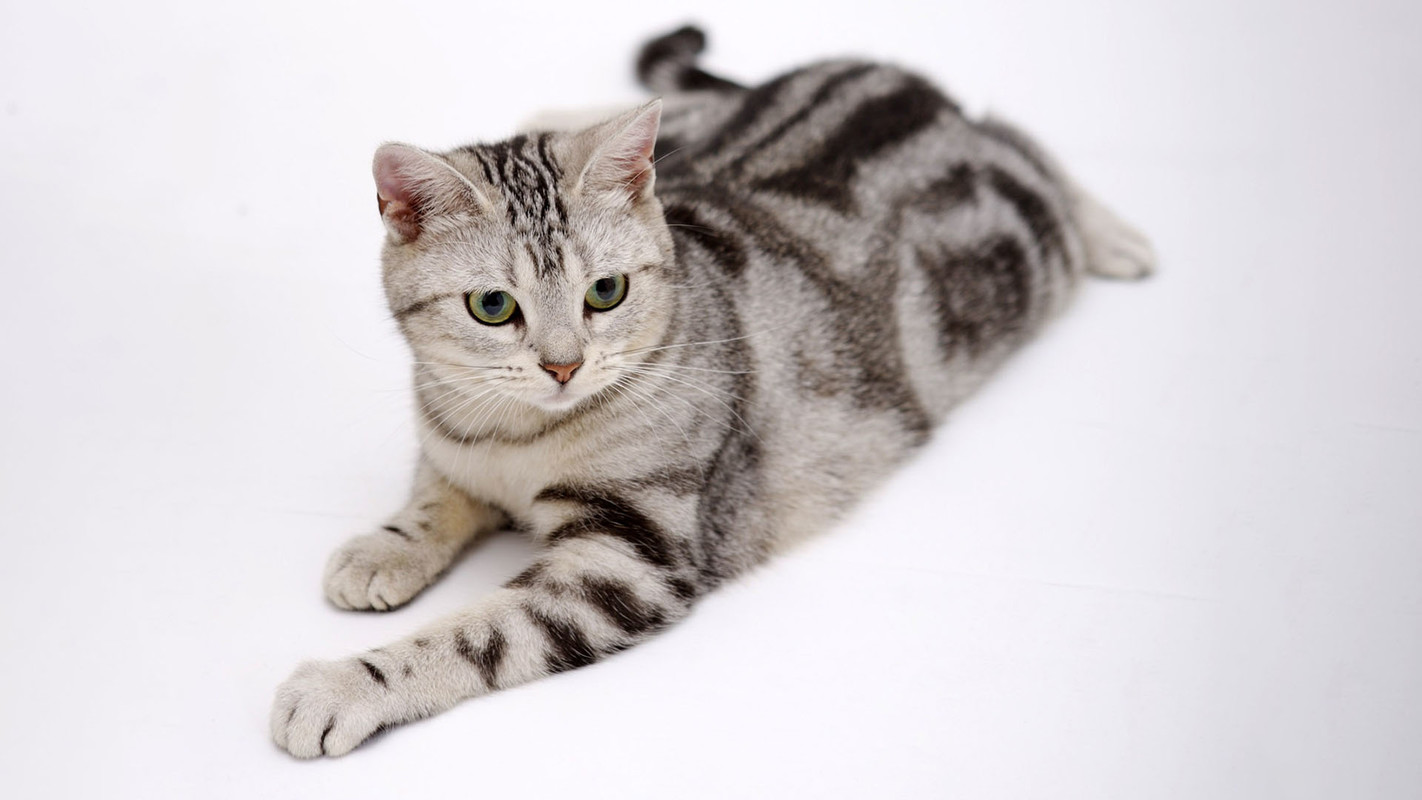
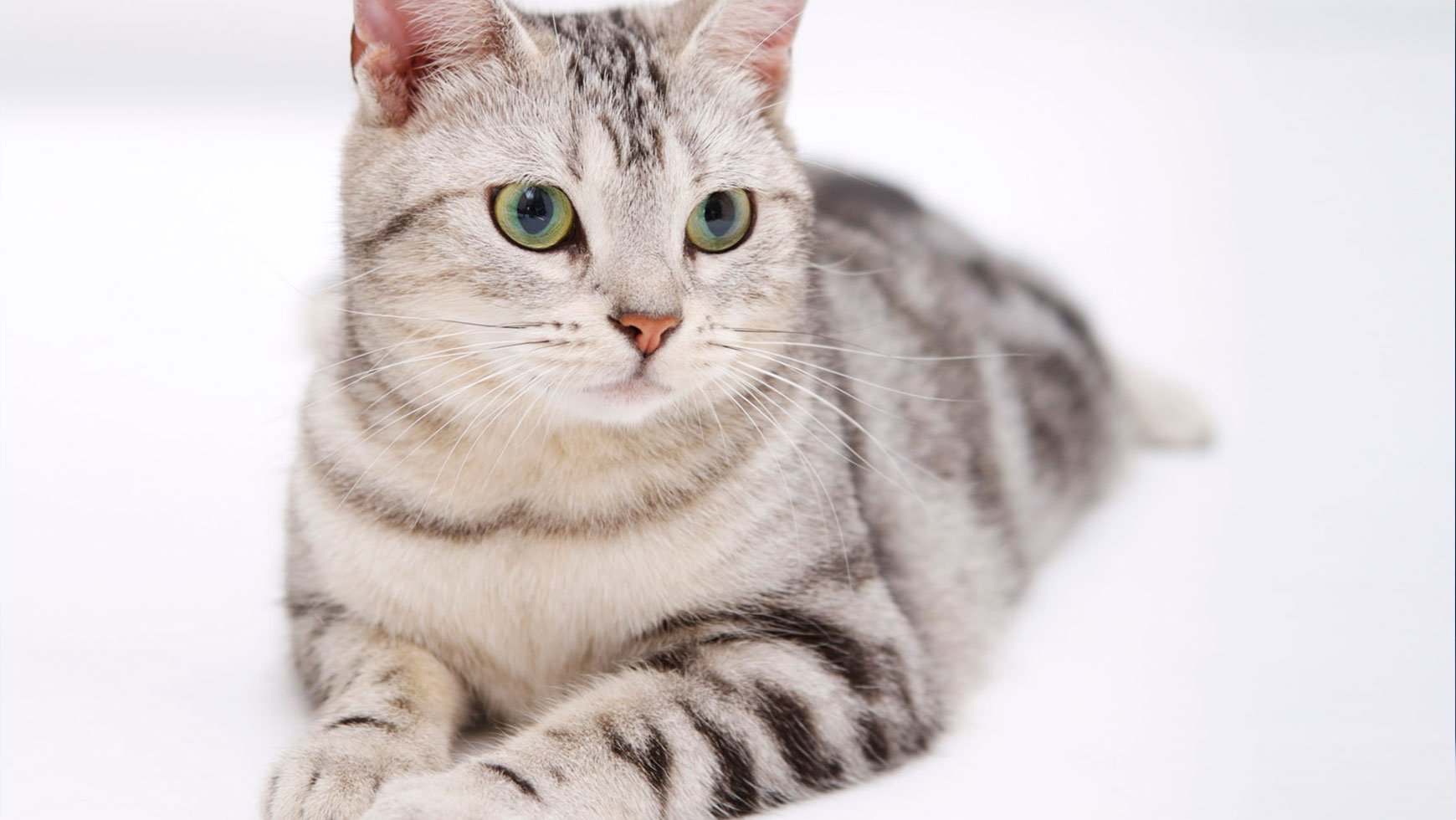
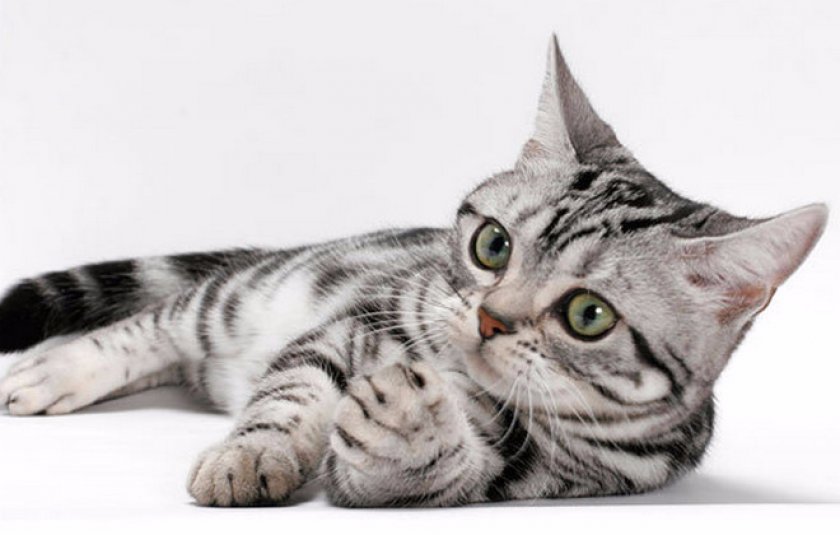
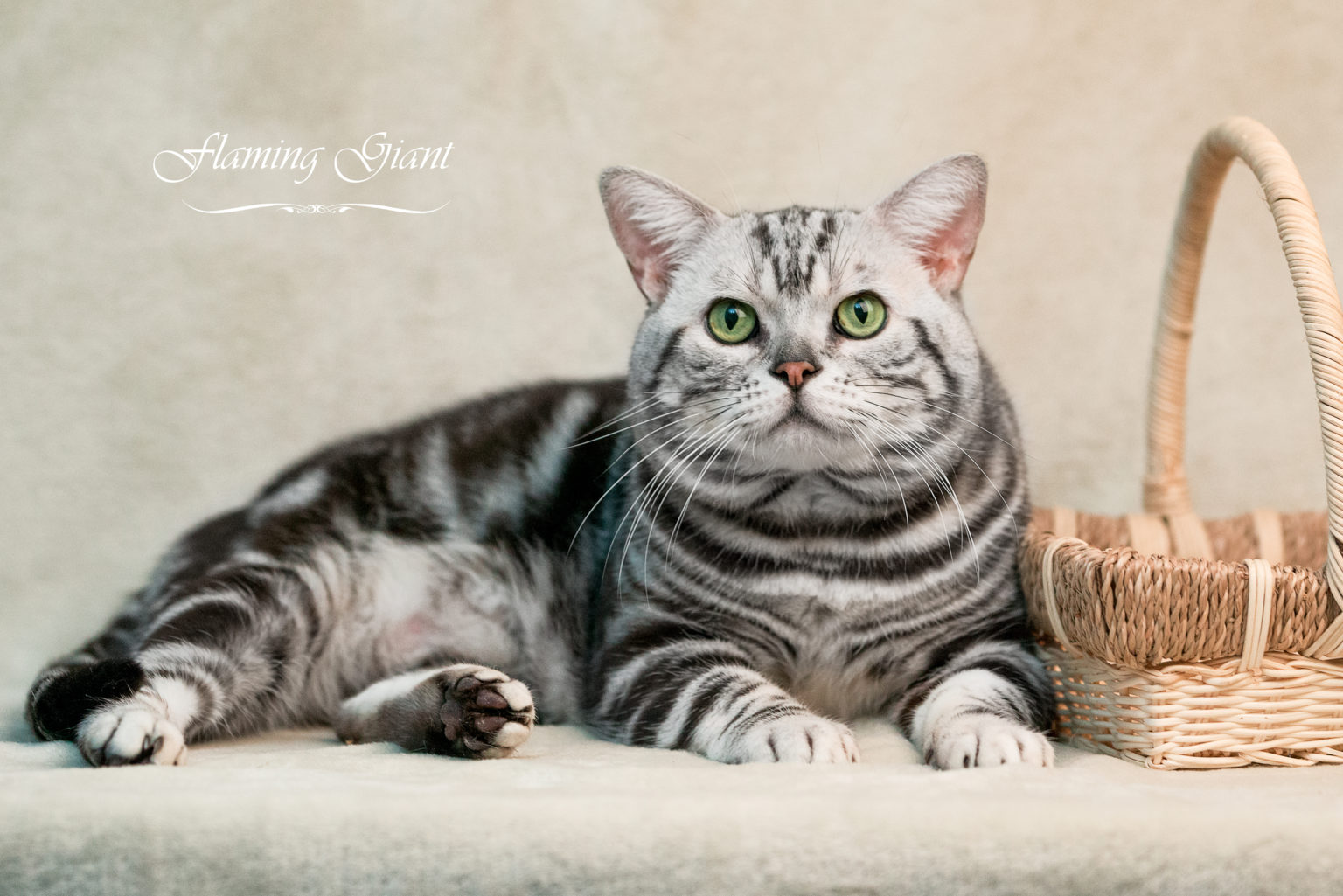
The American Shorthair has a memorable appearance that leaves no one indifferent. It is a direct reflection of its friendly character.
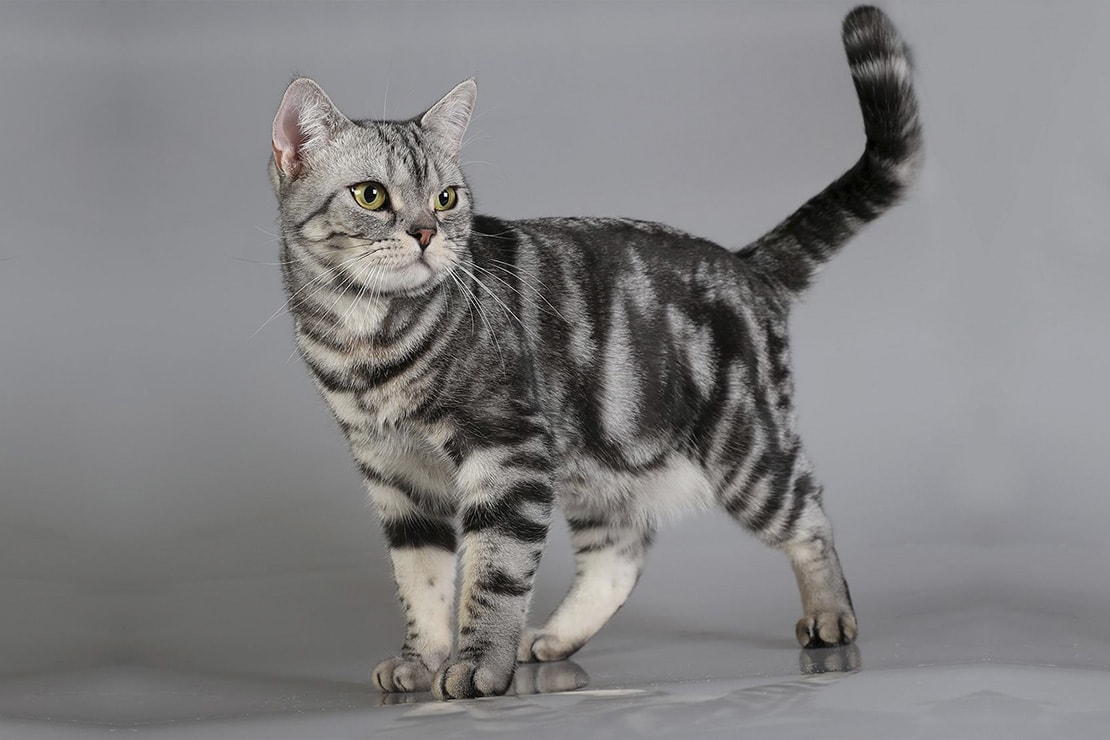
They are mostly medium-sized, but there are also larger specimens. Males are noticeably larger than females. An adult American Shorthair can reach a height of 25 to 35 cm at the shoulder and weigh between 4 to 7 kg. Females are usually a bit smaller, weighing from 3 to 5 kg. On average, they live from 13 to 16 years, but with good care, they can exceed these ages. It is worth noting the breed’s high popularity. It is very beloved in the USA, and its portrait is even featured on the label of a well-known cat food brand. They have a somewhat plump appearance due to their unique fur, solid bone structure, and well-developed muscles. Many other popular cat breeds have inherited some features from their appearance. However, they are most popular in the USA and Canada. Buying a kitten from a breeder in these countries is considered very prestigious. European fans of mousers tend to prefer similar breeds that have been developed in the Old World. In our country, advertisements for the sale of American Shorthair kittens can be found online, but there aren’t many specialized breeders.


Отличительные черты

Голова

Морда

Уши

Глаза

Зубы

Корпус

Конечности

Хвост

Шерсть

Окрас
Character
The key word that fully reflects the temperament of the American Shorthair cat is balance. Remarkably, their temperament consists of an almost equal mix of playfulness and the desire to lie close to their owner, sociability and solitude, the wish to gain attention from their owner in almost any way, and tactfulness.
Obedient, they quickly get used to their name and never hesitate to respond to it and come when called. After sitting on your lap or spending time nearby, they will go off to their own business, and there’s no need to try to keep them close – they will leave and observe from their nook all around. When the “American” feels like it, they will approach again and let you know with a gentle purr. However, they cannot be classified as “talkative” breeds. This plush cutie will only meow in response tactfully, but don’t expect lively dialogues. Choosing a kitten from a cattery means acquiring a pet with a unique expression. Yes, they can smile or make sad faces. Perhaps, it’s through their expressions that one can determine the mood of the pet.
An undeniable advantage is their ability to quickly adapt to their owners’ daily routines. Having formed a strong attachment, they always greet their owner at the door upon their return from work. While alone, they often sleep, especially if there are no other pets or entertainment like a cat wheel. They are unlikely to create a mess, although each cat is unique, and some individuals may exhibit negative traits. In such cases, it’s best to consult a zoo psychologist, who can help identify the reasons for such behavior and suggest possible solutions.
In scenarios where the owner will be away for an extended period and cannot take the pet along, it makes sense to consider placing them in a pet hotel during the business trip. However, be aware that even with good care, the absence of the owner is a huge stress for a cat, which can negatively impact its health.
The patience with which the American Shorthair deals with children’s antics sometimes surprises even seasoned breeders. There’s no expectation of aggression towards them. The American cat is more likely to retreat to a safe distance than to overstep its bounds. However, it is fair to say that every owner should teach their children the proper way to interact with the cat to ensure the animal’s well-being.
It can be confidently stated that the temperament of the American Shorthair cat is quite suitable for elderly families. Moreover, it serves as a sort of anti-stress companion for older individuals who crave attention.
Питомники
Выбор питомника по городу, породе и отзывам
Advertising breed
The packaging of one of the most famous cat foods features the head of an American Shorthair cat.Care and Maintenance
The care of American Shorthair cats significantly differs from that of long-haired breeds. The most obvious advantage is the lack of need for careful and frequent brushing. They only need to be brushed 1-2 times a week, even during shedding seasons. Given their affinity for water, they can even be bathed, although too frequent bathing can also be harmful.
Their calm disposition and good appetite often lead to weight gain and associated health issues. To provide reasonable physical activity, it’s a good idea to acquire a variety of toys, including interactive ones. A great option is a running wheel for cats: it occupies relatively little space but is very liked by mouse hunters.
Considering other aspects of care, we must address nail maintenance. Nails should be trimmed with a nail clipper at least three times a month; otherwise, overgrown nails can cause pain when moving and may scratch furniture. Naturally, a scratching post can help if the cat is trained to use it, but neglecting nail grooming is still not advisable. Many cities have pet salons where professional groomers can assist with nail care and more. They can also instruct you on the nuances of the procedure and teach you how to do it correctly. By the way, don’t forget about your cat’s teeth. Prevent yellow plaque from forming on its canines, as this can lead to tartar, which can cause many oral health problems.
What diet is best for an American Shorthair? Be sure to ask breeders about this when you go to choose a kitten from a cattery. Often, the same food they use will answer this question. There is a strong trend towards super-premium dry food or holistic options. The convenience of these foods is that all the necessary nutrients are included in each portion, eliminating the need to purchase expensive vitamins separately. Another advantage is the ability to control weight by following the recommendations on the packaging. It is also much easier to tailor the diet to the individual characteristics of each cat. For example, there are foods for sterilized cats that differ from those formulated for kittens. Thus, the owner can be confident that their beloved American cat is eating properly. Fresh drinking water should always be available in the bowl; don’t forget about it.
It’s worth mentioning treats for cats. It is highly discouraged to feed them table scraps, as this will definitely lead to health issues and undesirable behaviors, such as begging or demanding food at the table. For those owners who prefer natural food, it is important to note that all smoked, pickled, sweet, spicy, fried, and salty foods are strictly prohibited for American Shorthairs. They should not be fed fatty meats. Lean beef after shock freezing, cereals, and red fish (but definitely not river fish!) can be given after consulting a veterinarian.
In cases where outdoor walks are planned, make sure to treat their fur for parasites. After each walk in warm weather, examine the fur and ears for ticks and other insects. Be sure to keep up with the vaccination schedule, and when deworming, it is recommended to alternate medications to prevent the development of resistant immunity in parasites.
Strong hunting instincts
It is surprising that the hunting instincts of this breed have not faded over time, so it is strongly advised not to keep birds, fish, or rodents near them.Training and Education
Some recommendations for upbringing.
Litter training:
– Place a clean, accessible, and comfortable litter box in a quiet corner of your home;
– When your kitten shows signs of anxiety (such as pawing at the floor, searching for something, meowing), place them in the litter box with filler or show them the box immediately upon returning from the breeder;
– Encourage the kitten with affection and praise when they successfully use the litter box and maintain their cleanliness;
– Be patient and do not punish the kitten if they misbehave and relieve themselves in the wrong place. Just move them to the litter box and praise them when they use it there. It’s possible they don’t like the filler, and it may need to be changed.Training:- Start training by getting them accustomed to their name and simple commands like “Place” and “Home.” Use additional rewards to help the kitten understand what is expected of them;- Use more praise and affection, and be more cautious with treats;- Be consistent and conduct training regularly. Short but frequent training sessions are better than long and exhausting ones. About 15-20 minutes a day is sufficient for gradual success;- Limit your kitten from unwanted behaviors by providing a safe space for exploration and play. Spend as much time with them as possible;- Maintain a positive atmosphere during training. Avoid noise, irritation, or punishment that might scare them and cause prolonged stress.Play and Physical Activity:- Provide your pet with enough toys and opportunities for physical activity. American Shorthair cats are energetic and need regular exercise for emotional well-being.Social
The myth of Columbus
There is a myth that Christopher Columbus is related to this breed. But this is merely a conjecture.How to Choose a Kitten
Advertisements for kittens are plentiful on the internet. However, prospective owners should avoid the risk of purchasing a sick animal or a mixed breed from a pet market. The best option is a reputable cattery, which you can learn about at a cat show. If the owner does not plan to breed the kitten, they can adopt a kitten or even an adult pet from a shelter.
Pay attention to the kitten’s age; it should be at least 3-4 months old. By this age, the kitten has usually learned basic cat etiquette, is socialized, and has completed all vaccination stages. Don’t forget to meet the parents of your future pet. Their behavior often indicates the main character traits that will appear in the offspring. Additionally, check the parents’ veterinary passport to review notes on vaccinations and health status.
Next, among the kittens, you should be drawn to one that is not the fastest or the loudest, but rather a relatively calm, curious, friendly, and affectionate one. These traits will become more prominent with age. Its appearance should not show any flaws, such as dull fur or bald patches, or discharge from the nose or eyes. Then, review the pedigree, certificate, veterinary passport, and sale contract. Zoonika offers kittens of various breeds, which is indicated in every advertisement.
Health and Illnesses
The American Shorthair cat has quite robust health. However, there are certain health issues to which it is particularly prone. The emergence of these problems is influenced by many factors, starting with the environment of the region where the cat lives, the quality of food and water it consumes, as well as the emotional atmosphere in the home.
Unfortunately, some ailments are genetic in nature.
Hypertrophic cardiomyopathy is a heart condition characterized by thickening of its walls. Main symptoms include loss of appetite, weakness, fatigue, and breathing difficulties. If you are visiting a cattery to choose a kitten, be sure to inquire whether testing for HCM has been conducted.
Adiposity is a condition related to obesity and excess weight. The breed is prone to gaining extra weight, especially if physical activity is limited. This often leads to associated problems: arthritis and an increased risk of cardiovascular diseases. Preventive measures include daily physical activity (play, a running wheel for cats) and a balanced diet.
Like humans, they can develop type 2 diabetes, which is associated with insufficient levels of or ineffective use of insulin by the body.
Содержание
-
1. Описание породы
-
2. Внешний вид
- 2.1 Голова
- 2.2 Морда
- 2.3 Уши
- 2.4 Глаза
- 2.5 Зубы
- 2.6 Корпус
- 2.7 Конечности
- 2.8 Хвост
- 2.9 Шерсть
- 2.10 Окрас
-
3. Характер
-
4. Содержание и уход
-
5. Дрессировка и обучение
-
6. Как выбрать котенка
-
7. Здоровье и болезни






Comments
Only registered users can leave reviews.
Enter